Inspiration: Decorating with Air Plants By Jane Blanchard

airplants

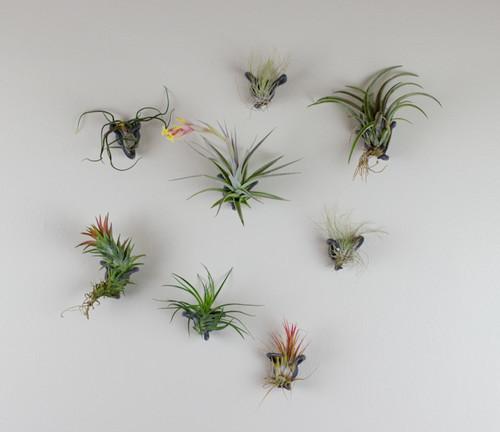
Bring a little of the outdoors inside your home with air plants. Air plants, also known as tillandsias, absorb nutrients through their leaves, so there is no soil involved. Their striking sculptural forms and easy care make these plants a great addition to any home.plants3 plants2

In nature, the majority of air plants survive by using their roots to attach to other objects (mostly plants, rocks, or buildings). This means they can be put in a variety of containers, making them ideal for any style of decor. They can be grown both indoors or out and do an excellent job cleaning the air. Air plants need bright, but indirect light and good air circulation to thrive. Mist these plants with water every few days or soak every 7-10 days.plants6plants4

With over 500 species to choose from, and shapes ranging from the organic to the geometric, choosing your favorites is bound to be hard. Here are some ideas for incorporating air plants into your home.plants7plants5

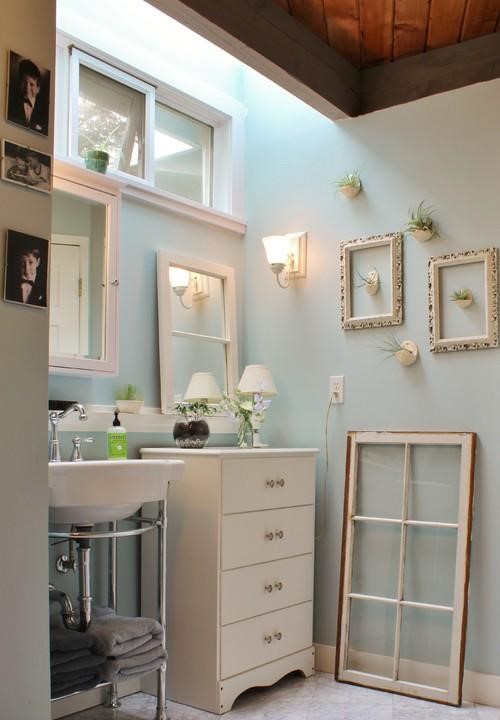
Create a living wall. Hang air plants directly on the wall or get creative with a hanging structure to create a fantastic and gorgeous focal point in any room.

Modern Living Room by San Francisco Garden & Landscape Supplies OPUS GARTEN

For more great information please visit Modernize.com.


Does Your Garden Need A Lawn?

Knowing full well the kind of care and time it takes to create and maintain a lawn of enough quality that it looks good enough to be worth having, you may be wondering as to whether it is the right thing to have in your home. Whilst larger houses will almost always benefit from a big back or front lawn, there is no loss of pride in deciding that the old style of having a well manicured lawn may not suit your home, and it can often be a massive waste of time to try and procure one, if it is only going to turn out as some patchy scraggle of land. It is much better to try and ensure that you are getting the best out of your outdoor areas in terms of size, shape and the style of building. It is also a good idea to ensure that you have a garden that you find easy and time efficient to keep in check. You don’t want the expert garden maintenance to become such a trial that you end up having to call in the gardening experts every week, so ensure that your garden clear up leaves you with an area that you can enjoy and maintain with ease.

For a start, gardens of a strange or unaccommodating shape can be difficult to make work. This is particularly the case with a lawn. A narrow strip of lawn set amongst the high walls of a terraced home’s back yard will often look a bit flat and oppressive. If you have a garden that slopes drastically, then the use of the lawn will often be difficult, in that you can really play games on it, and putting tables and chairs out will lead to uncomfortable seating! Instead, why not build tiers with old railway sleepers, and plant them with interesting plants or vegetables? This will yield a lot more interesting looking surroundings than fastidious lawn care! You should find that there are a number of ways in which you can break up the levels as well as the angles in your garden, to ensure that you are less at risk of missing the idea of a lawn.

In terms of the shape of the outdoor area, you will need to understand the ways in which the eye moves. You may want to have a conversation with a landscape gardener, as they will have an excellent understanding of this, and a brief introduction into landscape gardening can be all that you need to get things going in terms of planning your dream space. They will likely tell you that curves in the plot as well as obstructions for the eye to move around, will break up the space in a less linear way, leading to more interesting spaces, that feel bigger, or at least more interesting. If you have a long and narrow garden, you can break it up with raised decking at the back, or even an overhanging tree in a corner. If your garden turns a corner, making it difficult to enjoy the space properly, why not turn that extra part in to a vegetable patch, and grow yourself some fresh produce? The use of hard decking or paving in conjunction with large terra cotta pots and large plants will give the place a sophisticated yet still verdant feeling. This is prefect if the soil beneath is not of optimum planting condition, or you simply want a more sturdy place to relax! You should find that landscaping with garden design services yields a great number of ideas!

For some more great information about yard care check out this website: https://www.experteasy.com.au/lawn-mowing-and-lawn-care

How To Grow An Apple Tree From A Seed

Some people love to have trees in their garden. Not only are they very attractive, but they also provide us with delicious fruit which can be eaten raw, baked or can be used in many dishes.

There are a variety of trees that one can grow, varying from apple trees to pear trees. There are some trees that cannot be grown in England due to the weather, so before you decide to plant a tree, you need to ensure that the type of tree that you intend on planting will not only grow in these climates, but will also produce fruit. After all, a fruit tree with no fruit may as well not exist.

This article aims to provide you with step by step instructions, which will enable you to grow your very own apple tree.

How to grow an Apple Tree from a Seed
The first thing you need to do is get a hold of some seeds. Whilst you can purchase these from plant and gardening stores, there is an easier and cheaper alternative. Simply eat an apple and save a few of the seeds. This seed needs to be dry, so make sure that you allow it to be fully dry over a period of a few days.

Next you need to wrap your seeds up in some damp tissue paper or paper towel etc. and place them in the fridge. You want to keep them in there until the seeds start sprouting. On average, this takes about four to six weeks.

Once the seeds have sprouted, remove them from the fridge. Fill a small pot with some soil and dig the seed in about halfway. Lightly water the pot to moisten the soil. Keep the pots indoors for the time being. Somewhere like a kitchen windowsill is great since they are constantly exposed to sunlight. After some time, you will notice some growth.

Once you see this growth, it is time to transfer your sprouted seedling to a larger pot. Water the plant daily to promote growth. You can use fertilizer or compost (if you are planning on growing organic apples) to fertilize the soil on a regular basis.

How to grow an Apple Tree from a Seed2
Once your plant is large enough to support itself and not be damaged by animals that may come into your garden e.g. cats, it is time to transfer it from the pot into the ground. Make sure that you pick a space that is exposed to the most sunlight. You also want to make sure that the space is large enough to accommodate a tree.

Apple trees can take many years to grow, but for the first year, you are pretty much in charge of watering it and providing it with the nutrients that it requires. After the first yea passes, you let nature take its course and allow your apple tree to soak up the nutrients that have accumulated in the soil over the year.

Growing an apple tree is a waiting game. You never really know how long it will take to fully grow and apple tree and get a fruit.

Keep pruning to a minimum and only get rid of branches, leaves etc. that need to be removed.

After years of waiting, you will finally go into your garden one day and see that perfect apple which will be fresh and organic (as long as you do not use any chemical fertilizers, fungicides etc.).

Sure, growing an apple tree is a lengthy process, but the end result will make it all worth your while. After all, the whole family can enjoy an apple tree.

If you need some additional information about your home and garden, find it on: http://www.londoncarpetcleaner.org.uk/greater-london/

Easy Peel Technique For Tomatoes And Peaches

Image

14

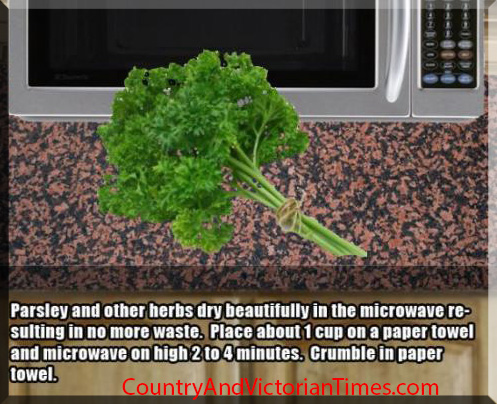
Drying Herbs In The Microwave

7 I tried this with parsley and works like a charm – so time saving since I did not have to to and let dry! Now I know it works I will get the rest of this done so we will have our cabinet filled with enough parsley for the year! Now on to find a neat way to store it all – we had used old milk containers which work out ok but as we used the herbs we were always stuck with these 1/2 gallon milk containers that were partially filled.