Stranger Things and Candy – what a combination. In this layout I used red and blue cardstock cut diagonally and glued together. Then each sheet of 8.5 x 11″ cardstock got glued together with a paper hinge. I then attached both sides of two different variations of candy wrapper that was inside allover. That made my background. See that here:
I then printed several of the Demogorgon mouth out on an inkjet printer. I put one on each corner and one in between each corner. I then glued down the outside bag pieces in the middle. I then printed out some advertising the promotion used and cut it down for a column from top to bottom on each side of the outside candy bag that is in the middle. I then cut thin wavy strips of black paper to go along all of the edge to frame the layout and glued them down. Then I used a metallic purple paint marker to outline the different pieces I glued down and edged the border and topped that off with a sealant of Mod Podge. Then my final piece. I hope you like this layout. I will post more soon!
Rate this:
If you like this post and want to share it then click the service!
I loved when Fanta teamed up with the Chucky franchise and released the Fanta horror character collaborations. I was quick to get the packaging when this came out and this came from it. It is layered on top of red cardstock hinged together with a paper hinge with the bottle label, the pop can case pieces, the pop can itself, and various promotional advertising that was made available online that I printed out. After it was glued down (the can was fun to figure out and only got flattened and attached with lots of E-6000 and flattened out with a piece of wood larger then it and then a large brick on top of that for four days). I then had fun with dry brushing red acrylic paint onto it here and there trying to give it a horror feel to go along with Chucky. Yes, I am a horror movie and thriller/horror book fan and love true crime documentaries. This was right up my style and so much fun. I also have the other Fanta horror collaborations I have worked with that I will post soon! I love junk journaling but have to have a focused design so it is more of a junk journal and collage spread. Let me know what you think and if I should post more soon.
Rate this:
If you like this post and want to share it then click the service!
Settling into a first home is very exciting. But many new homeowners overlook critical physical and digital home security blindspots that intruders can easily exploit. Safety features beyond deadbolt locks and cameras may not even cross their minds.
Burglars are usually opportunists looking for the easiest house on the street. Many mistakes simply make one house easier than the neighbors’.
Leaving Landscaping to Become Hiding Spots
To a new homeowner, tall shrubbery and trees near windows and entryways may be part of the curb appeal or simply landscaping that needs trimming. To someone casing the house, they may serve as privacy screens.
Dense privacy hedges can create conditions where someone can work slowly and invisibly when trying to pick doors and pry windows open. Poorly lit entryways, driveways, and pathways also provide more invisibility to would-be burglars.
Landscaping should balance beauty with visibility.
Not Updating Locks and Access
Many new homeowners settle for locks that are easy to pick, bump, or force open. Still, a lock is only one part of the door. Many doors have weak strike plates, short screws, hollowcore construction, and aging frames. If the structure around the lock is weak, it might not matter that one has a fortress-level deadbolt.
Furthermore, over the first year of home ownership, keys multiply. Perhaps the contractor got one, the neighbor got one, a family member visiting made a copy, and the cleaning services, previous owners, real estate agents, and other service providers have copies.
The problem is, many new homeowners may trust the locks that came with the house, fail to rekey when those relationships change, or don’t think beyond changing keys.
Homeowners may also hide spare keys in “secret” obvious places: under flowerpots, door mats, fake rocks, and porch decorations. The thing is, burglars already know all these tricks.
Rekeying or entirely replacing locks remains the top recommendation after taking ownership. Today, that includes keypad codes, smart locks, garage door openers, gate access, and alarm code systems.
First-time homeowners tend to focus on securing the front door because it’s the obvious entrance. But many times, burglars don’t even use the front door. Opportunists focus on easy, low-effort entry points that owners forget.
The garage holds valuables like tools, bikes, ladders, and expensive equipment. But beyond that, an attached garage is part of the house. And yet people treat it differently. The exterior garage door is usually an easier target. Intruders may pull the emergency-release handle at the garage door to gain access. If these areas, along with the interior garage door leading to the house, are left poorly secured, they can offer easy entry.
New homeowners also forget windows. But many burglaries happen through poorly secured windows, windows that stay unlocked for weeks, and windows left cracked open.
Intruders may also exploit low security in other areas such as deck/patios, side doors, sliding glass doors, basement entrances, and first-floor windows. That’s why securing these areas after moving in is crucial.
Signaling Expensive Valuables
People usually make heavy purchases as they settle into their new home. But many unconsciously signal that their home is filled with new valuables.
Also, most people don’t think about what’s visible from the outside. If they stood at their own curb and looked in, they’d notice how much is visible. A MacBook on the table, a visible safe, a box from a new gaming console, a key hook right by the front window, and more, all make the house an easy target.
Empty, large boxes of high-value items like TVs, computers, and gaming consoles discarded outside by the recycling bins catch a would-be burglar’s eye. It’s no wonder a lot of opportunistic burglary is item-specific.
Instead, they could focus on breaking down their recycling, concealing it in trash bags, or taking it directly to the recycling centers.
Ignoring The Neighborhood
People often think of security as an individual responsibility. In reality, neighbors notice things. People familiar with the neighborhood recognize unfamiliar vehicles parked on the street, suspicious behavior, and unusual activity.
But many new homeowners underestimate the power of familiarizing themself with the surroundings and meeting their neighbors. A connected neighborhood discourages opportunistic theft, simply because more people are paying attention.
It’s not about being friends with everyone, but a neighbor might help watch over the house when you’re away, call when something looks off, and even help make the house look occupied by watering the plants, mowing the lawn, and even collecting the mail.
Smart home technology is a major first-time purchase, but the invisible part of home security is often forgotten. Many homes now have smart locks, Wi-Fi cameras, video doorbells, smart alarms, and connected garage doors. Weak passwords, outdated software, and unsecured Wi-Fi can make these devices easier to compromise.
While physical break-ins through hacked smart home devices are less common than traditional burglaries, poor digital security can still expose camera feeds, disable alerts, or allow unauthorized access to connected systems.
Assuming the Alarm System Works
Many new homeowners also inherit security systems from the previous owner. In reality, the monitoring service may no longer be active, user codes may still belong to the previous owner, sensors could have dead batteries, or the system may need software updates or maintenance.
Without checking its status, homeowners may believe they’re protected when the alarm isn’t fully functional.
DIY smart-device security setups are also where vulnerabilities come from, including poorly positioned cameras providing limited coverage.
Updating router credentials, keeping device firmware current, and for anyone integrating multiple smart devices (locks, cameras, doorbells, etc) into one connected system, seeking professional security alarm installs rather than assembling components piecemeal tends to close gaps that DIY setups tend to leave.
Bringing It All Together
Many people buy in a “safe” area and downgrade their vigilance, overlooking landscaping, locks, entry points, privacy, the neighborhood, and alarm and smart home systems. But opportunistic theft doesn’t require a low-crime area to be low effort. An easily accessible home is attractive to burglars.
Also, many think of security as a one-time project. They move in, change locks, install cameras, and feel done forever. Security should evolve with the home as people lose keys, replace doors, hire service providers, install new devices, add windows, and remodel.
Rate this:
If you like this post and want to share it then click the service!
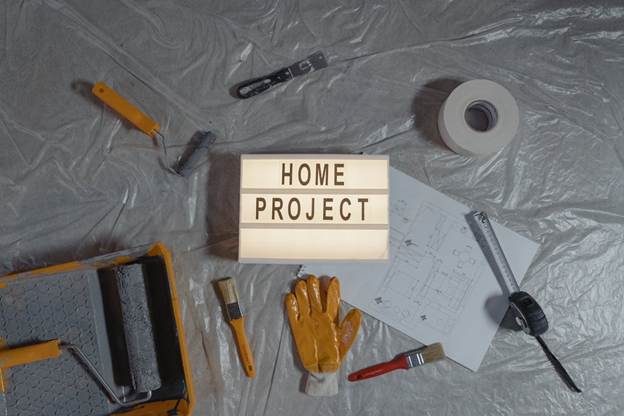
Homeowners often wonder whether performing home renovations is actually useful in terms of resale value, and if so, which upgrades give the biggest bang for their buck. Not all renovations pay off in the end when it comes time to resell, but others offer a high ROI. Planning your home updates for areas that offer the biggest impact will ensure you get the best return when selling, while also giving you useful upgrades to enjoy while you’re still in the home yourself.
Biggest ROI: Kitchen Remodel
Time and again, kitchen remodels have shown to provide the highest returns for the investment. Minor kitchen remodels can offer up to 95% ROI. A “minor” upgrade includes anything that improves the aesthetics and functionality of the space without doing major construction (such as removing walls or changing the layout of the space).
Kitchen renovations that have the highest return include adding integrated storage, new lighting, upgraded cabinets and countertops, and putting down new flooring. If you don’t have a huge budget, however, even a new coat of paint on the walls and cabinets can give the room a major refresh.
If your kitchen has a cumbersome layout or lacks storage and additional space to add more, working with a custom home builder for a more extensive remodel is often worth the investment. The kitchen is perhaps the primary space potential buyers will notice while making a decision, so this room is the most important when it comes to “wow” factor.
Potential Considerations:
While kitchen upgrades almost always pay off, it’s important not to overremodel for your neighborhood. Kitchen upgrades have the biggest ROI of home upgrades, but they are also some of the most costly up front. When choosing which aspects to focus on, be sure to match local market expectations so you don’t overspend.
Bathroom Updates
Bathroom renovations consistently offer strong ROI, especially when making midrange updates. These can include replacing your vanity with a modern upgrade, updating faucets and other fixtures, refreshing tile on the floors and tubs, and adding new lighting. A fresh coat of paint can also make a huge difference to bathroom interior design.
If you have the budget and space, adding a walk-in shower and separate tub is a popular choice that get buyer’s attention. Additionally, if your bathrooms have poor ventilation or moisture problems, addressing those issues is crucial because noticeable moisture damage, such as peeling paint or mildew, is a major red flag for buyers.
Landscaping and Exterior Upgrades
Never underestimate the value of curb appeal when it comes to selling your home. Even the smallest updates can make a huge difference. For instance, in some markets, replacing your front door has shown an ROI of up to 100%.
If you’re on a tight budget, small upgrades such as painting exterior structures, power washing siding, and refreshing plants in your landscaping can have a big impact on curb appeal. Pathway lights and entryway lighting also show good returns, and can be purchased relatively inexpensively.
Homeowners with a little more money to work with should consider adding patios, decks, pergolas, and other outdoor areas that extend a home’s living space with outdoor spaces for relaxation and entertainment.
Additionally, if your roofing needs repairs or replacement, now is the time to seriously consider having this done. Roof issues are a major cause of home structural damage and mold growth, and are a huge turnoff for potential buyers. Having an updated roof will instantly improve your home’s resale value, but having one that is noticeably showing its age will have the opposite effect.
Energy Saving Upgrades
Homebuyers in today’s markets are increasingly impressed by energy savings and smart features when home buying. This can include LED lighting, energy-efficient windows, smart thermostats, and updated insulation in crucial areas like exterior walls, attics, and crawl spaces.
Having your home assessed for areas where energy efficiency could be improved may be a worthwhile investment.
Putting it Together
Focusing on strategic renovations in high-impact areas will have the greatest ROI. These include kitchens, bathrooms, and exterior upgrades. Before getting started, you should keep in mind the resale value in your neighborhood. Research market trends before you commit. Additionally, focus on quality vs quantity. A few well-done upgrades will have a bigger impact than a long list of poorly executed ones. When in doubt, hire a professional.
Rate this:
If you like this post and want to share it then click the service!
Sustainability used to be mostly associated with urban structures with green roofing systems and environmentally friendly building certifications. However, if you observe contemporary ranches, you will discover that many owners have become enthusiastic sustainability defenders.
A sustainable ranch focuses on enhancements that create operational efficiencies while decreasing waste. Sustainable design choices for ranches must take into account the local environment, such as the amount of rainfall and temperature fluctuations.
Building With Longevity in Mind
The best fencing and roofing systems, as well as barn spaces, are built with longevity in mind. Many property owners choose durable surfaces that can stand up to moisture and mud, which allow for continual cleaning instead of using delicate materials that require extensive, tedious upkeep. Aside from environmental benefits, such solutions can also be visually appealing by incorporating creative landscaping and hardscaping solutions.
Better For Animals
Sustainable ranch designs also support animal welfare. Extensive heat, extreme cold, and polluted air conditions cause stress in animals. Stress harms their immune system, and health problems become more common, while animals become less efficient at digesting food. Damage to barns or flooring negatively affects how well the barn protects livestock from the elements, so investing in sustainable, long-lasting construction better supports the animals’ well-being.
So what are some of the ways ranch owners are turning to sustainability?
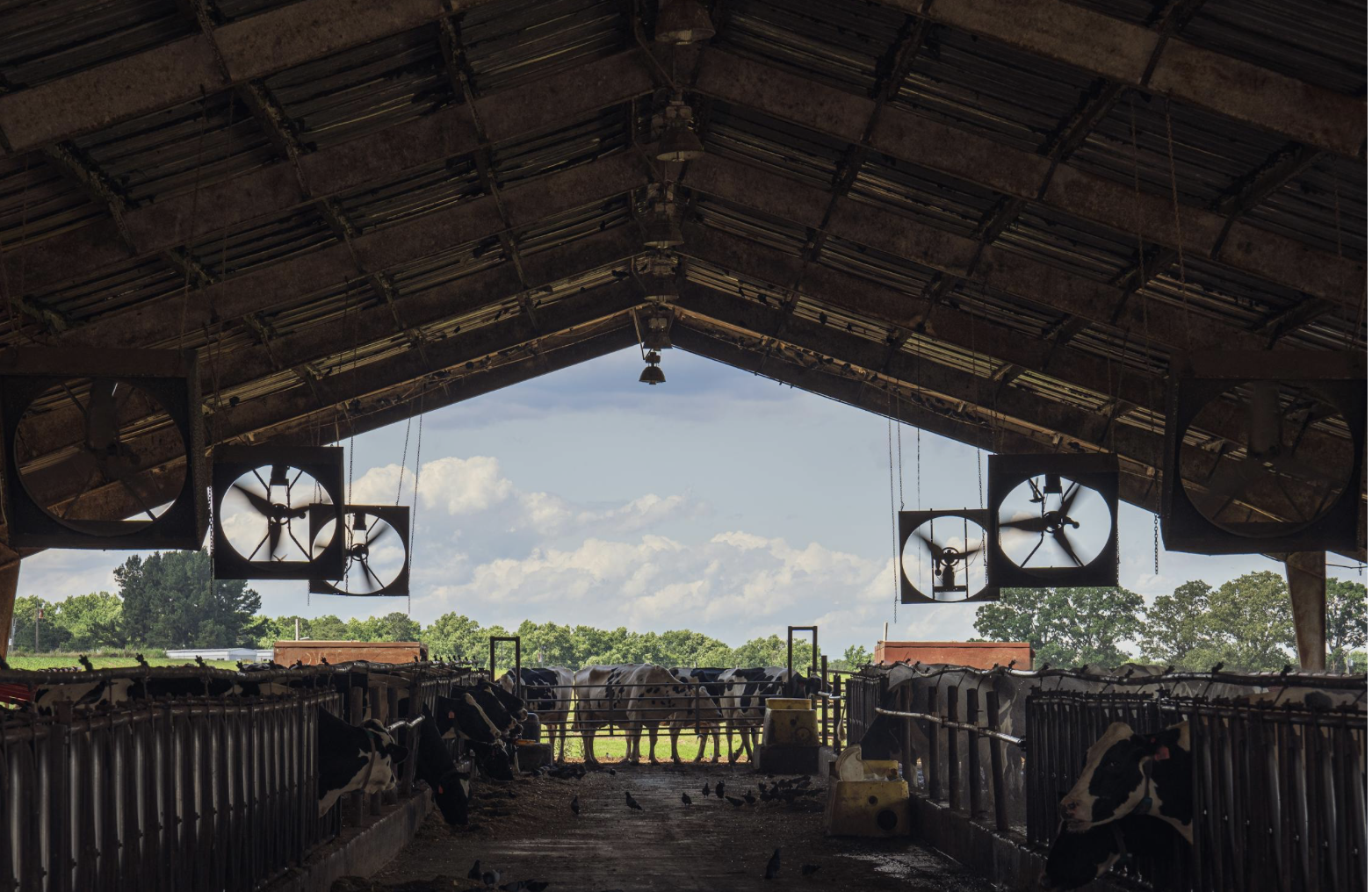
Systems to provide better airflow, which decrease indoor humidity levels and prevent ammonia accumulation and heat stress conditions.
Skylights and translucent panels with improved window positioning, enabling “daylighting,” or making good use of natural light.
Well-planned drainage and grading systems enable them to maintain dry conditions throughout barns and busy areas during periods of heavy rain.
Durable surfaces that allow for easy cleaning help with better hygiene and decrease the need for strong chemical cleaning products.
Conserving Water
The sustainability challenges facing ranches in drought-prone regions make water one of their most visible pressure points. Ranch owners are redesigning their water systems as they understand that future water supplies are unlikely to remain inexpensive and consistent. For example:
Capturing rainwater for non-potable uses like wash-downs or irrigation.
New troughs and float valves reduce flow into the troughs, which prevents overflow and stops leaks.
Strategic placement of animals and equipment relative to water sources helps distribute grazing pressure while conserving water usage.
Native and drought-resistant plants around residential and operational structures decrease the need for irrigation.
Energy Efficiency
Ranchers need to look closely at utility bills and energy conservation. That’s why sustainable energy improvements on ranches tend to focus on practical wins. Even if a ranch never becomes fully “off grid,” small energy choices add up. The following measures often support this strategy.
LED lighting retrofits in barns and shops.
Insulation upgrades in ranch houses and worker housing to improve comfort and reduce heating and cooling loads.
Efficient hot water systems for wash stations and dairy-related operations.
Solar additions where they make sense.
Materials and Surfaces
Ranch operations encounter their highest stress levels in barn aisles, wash racks, tack rooms, feed areas, and entrances where mud and manure contamination accrue. Using rubber and porous asphalt or natural latex composites for barn flooring delivers both optimal drainage and enhanced comfort for animals.
Working With the Land
Ranch owners are increasingly intentional about choosing barn and stall surfaces that are comfortable for animals, prevent slipping, and resist moisture. When evaluating choices, you need to consider your daily routine, drainage, temperature swings, and the type of animals using the space. Sustainable ranch design also shows up in how owners manage the property’s natural systems. The ideal result is when infrastructure matches the land’s natural features instead of depending on fixed solutions that may not be ideal for a particular place.
Ranch sustainability is a guiding principle that encompasses all operations. The goal is to develop practices that lead to better operational outcomes, including reduced expenses, decreased risk for emergencies, healthier animal care, and ongoing infrastructure improvements.
Ranch may not care about following current trends, but they do see the value in adopting sustainable design practices that support practical, noticeable improvements. The most sustainable option becomes the best choice when all decisions complement your land, climate, and daily operations.
Rate this:
If you like this post and want to share it then click the service!