Modern Interior Design Trends to Note for 2025

https://images.pexels.com/photos/276724/pexels-photo-276724.jpeg

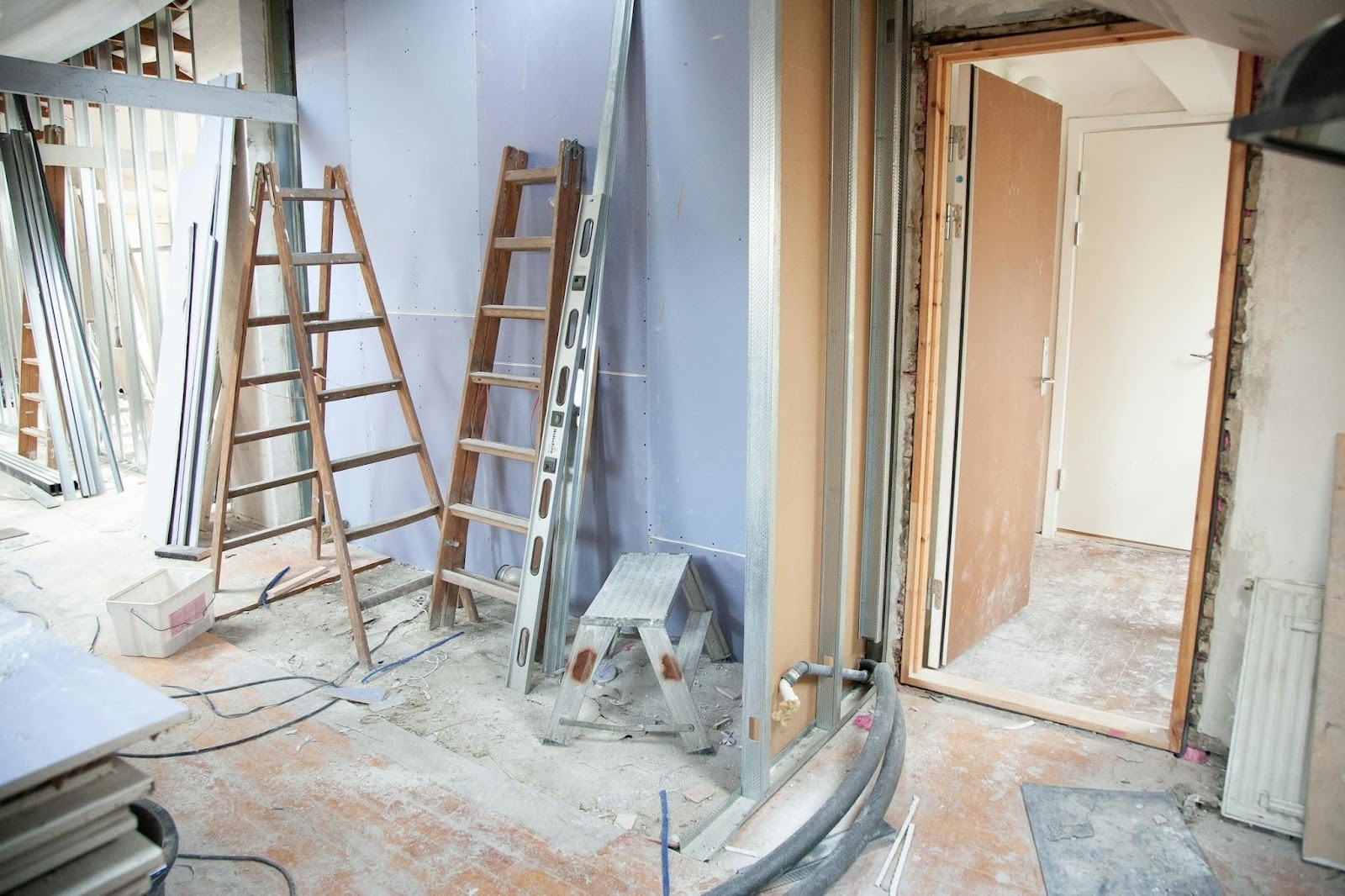
Owning and renovating your own home can be highly rewarding. Not only do you get to choose the area you live in, but you can also make subtle or larger changes to the overall layout so that it reflects your own personality.

However, interior design is rarely a straightforward process, especially considering how quickly trends come and go. As 2025 has progressed, there has been a wide range of emerging design styles and preferences that have been given priority over others. In addition, there are many traditional design ideas and concepts that are starting to reach the end of the line.

Below, we’ll cover each of these upward and downward trends in interior design to help you make smarter and more sustainable choices on how you want to improve the look and feel of your own home.

Design Trends Going Up

Dedicated Wellness Spaces

Visual aesthetics are a significant part of any interior design strategy. However, over time, focusing strictly on the “wow” factor in design projects has become outdated. Now, focusing on living spaces that incorporate wellness aspects has become a high priority. 

Homeowners want to make sure they have a sanctuary to go to after a long day of work or a place to unwind after a stressful week. This has encouraged many designers to seek opportunities to create spaces throughout the home that are explicitly designed for this purpose.

For example, renovating a home to create quiet meditation rooms, spa-like bathroom retreats, or indoor garden areas has become a common practice. In addition to the rooms themselves, incorporating other multi-sensory elements, such as running water features, adjustable mood lighting, and dynamic digital art displays, is all part of creating welcoming and rejuvenating environments throughout the home.

Warmer Patterns and Colors

https://images.pexels.com/photos/276267/pexels-photo-276267.jpeg

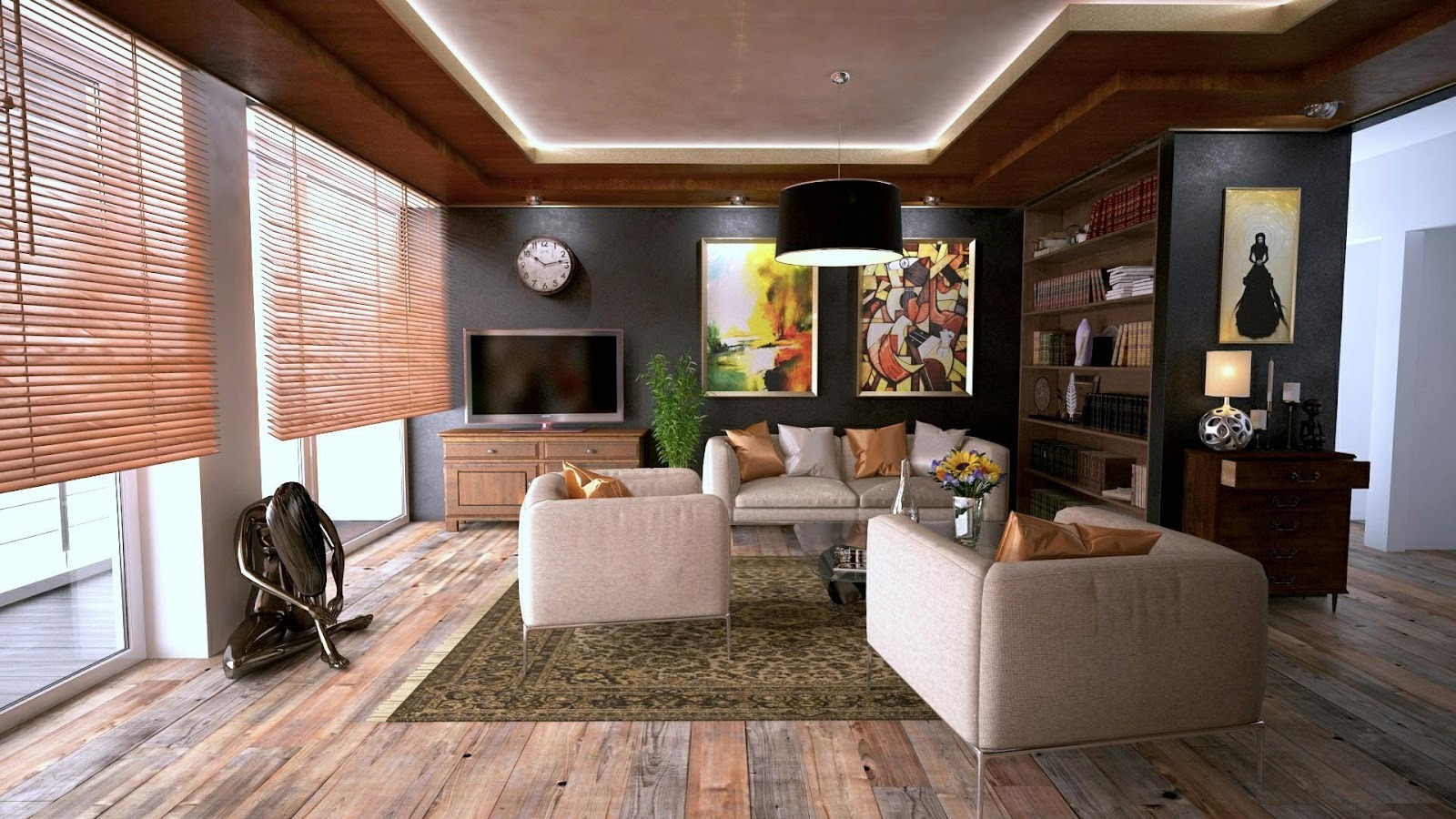
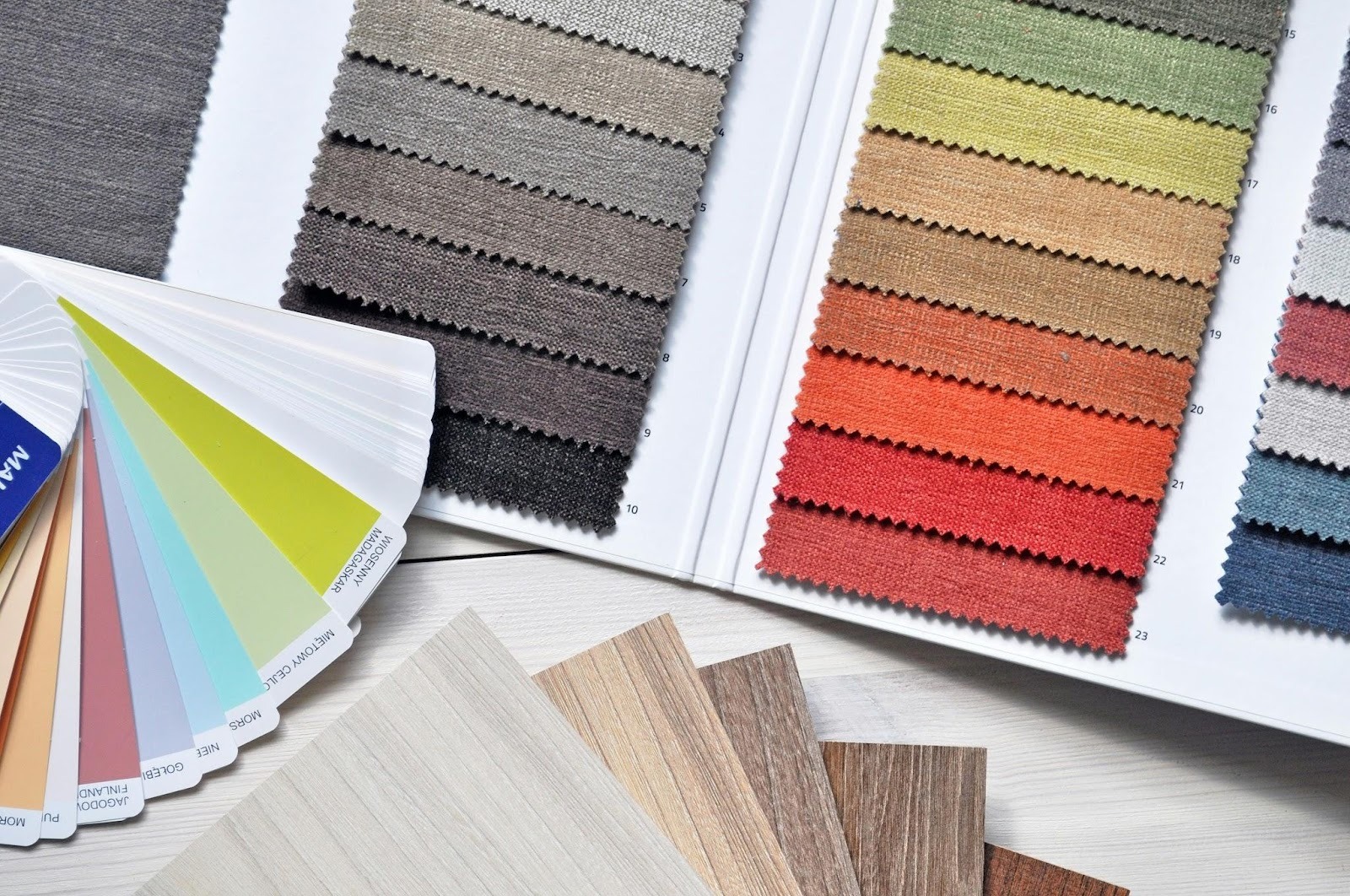
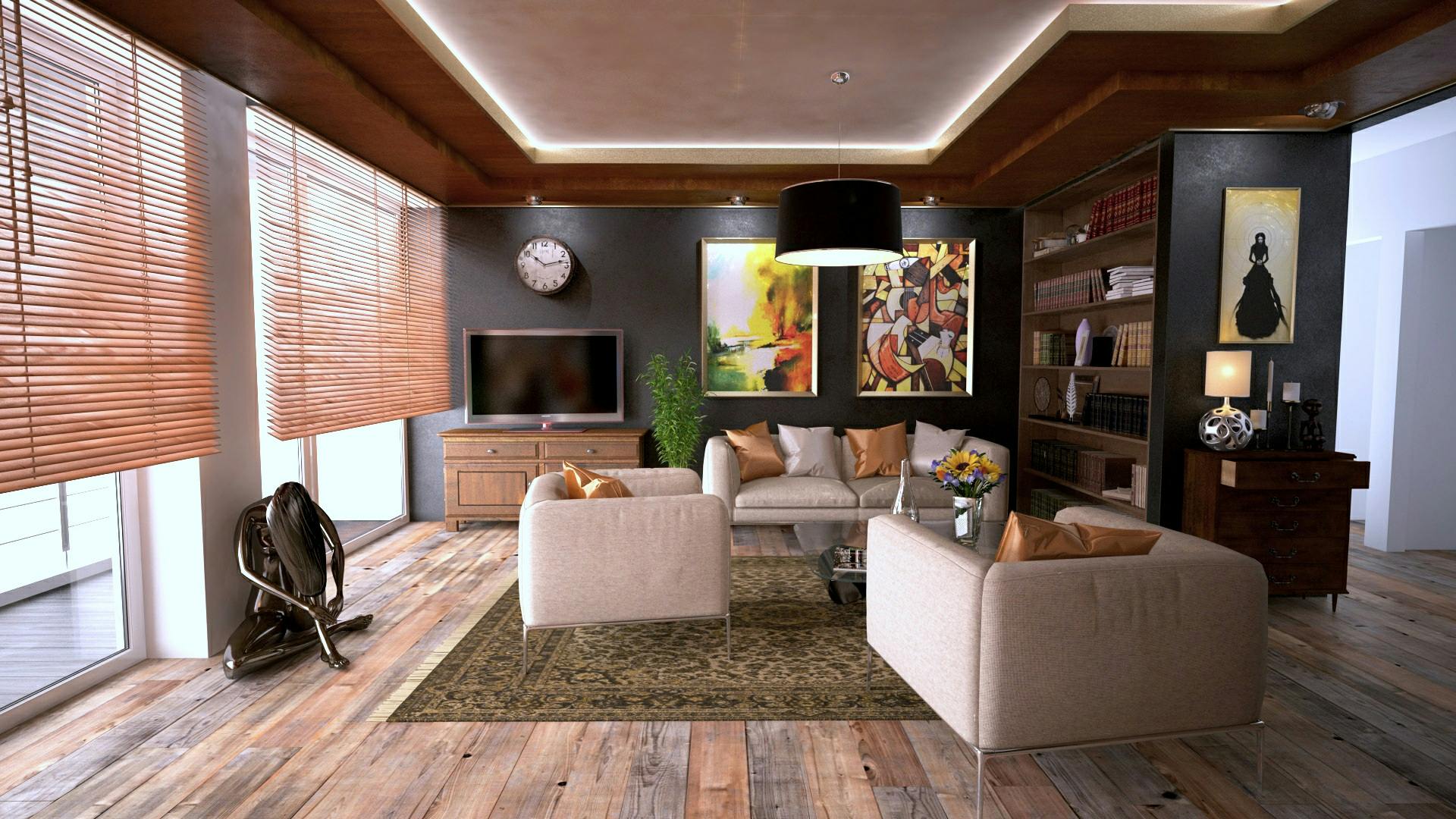
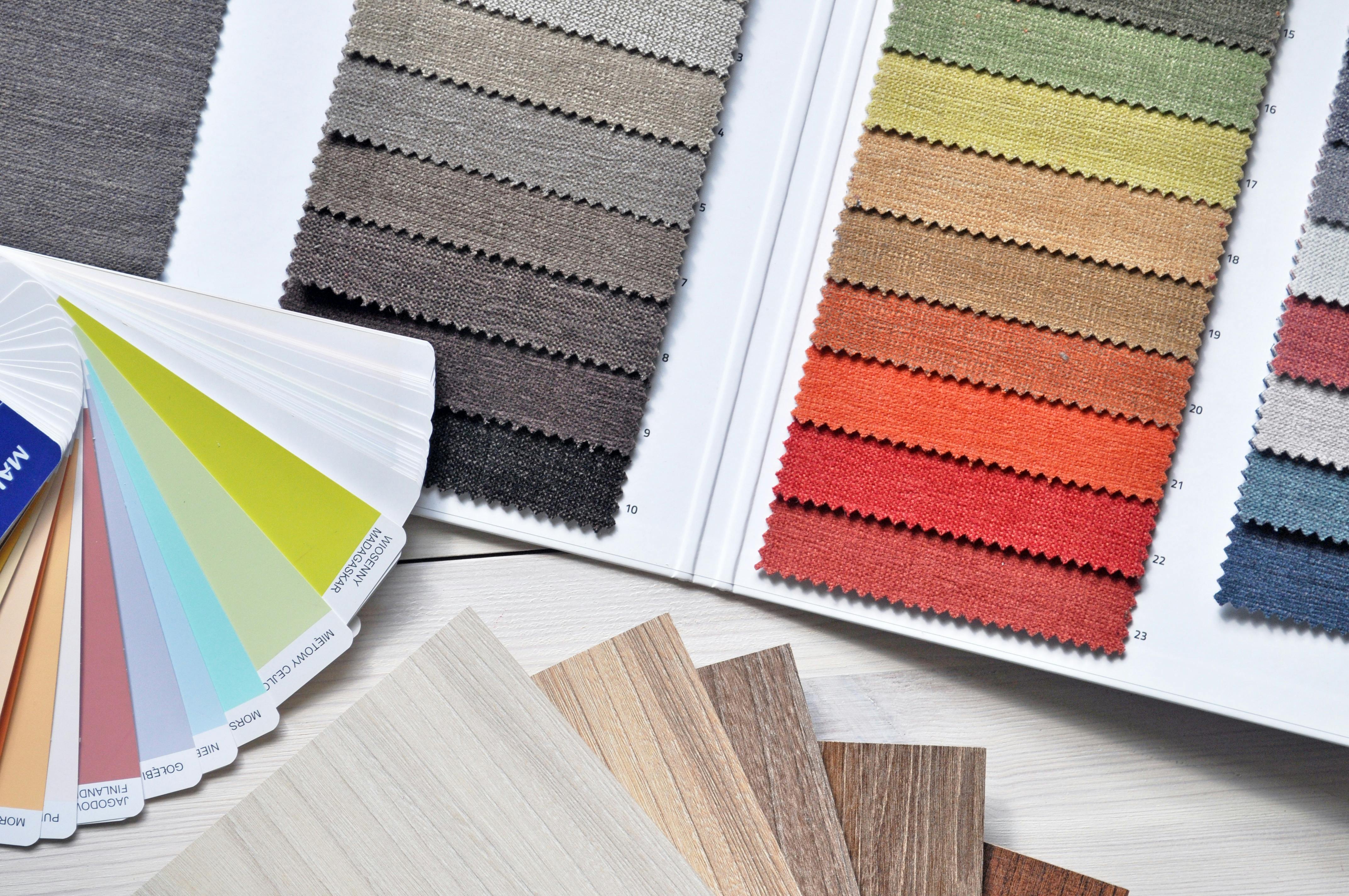
White and gray color palettes have been a safe bet in home design for quite some time. However, there is now movement toward embracing warmer color tones and styles while still maintaining a slightly neutral design scheme.

This has led to more homes incorporating richer color options, such as shades of brown or various jewel tones. In addition to a wider range of color palettes, there is also a growing preference for softer lines in furniture pieces and less harsh angles in architectural design.

Sustainable Furniture Choices

Many homeowners are taking their responsibility seriously when it comes to sustainable living. While reducing energy consumption and conserving water have always been top priorities in this regard, another key element of sustainable living is the choice of furniture.

There is now a trend of homeowners who have moved away from purchasing what’s often referred to as “disposable furniture.” These furniture options are often mass-produced in factories, which can be demanding on natural resources and typically aren’t built to last.

Instead of contributing to more demand for these lower-quality furniture options, people are now becoming more drawn to handcrafted and custom-made items. These pieces not only bring a unique story and personal touch to a home but also help reduce the environmental impact that comes with relying too heavily on unsustainable manufacturing practices.

Multifunction Living Spaces

https://images.pexels.com/photos/12277346/pexels-photo-12277346.jpeg

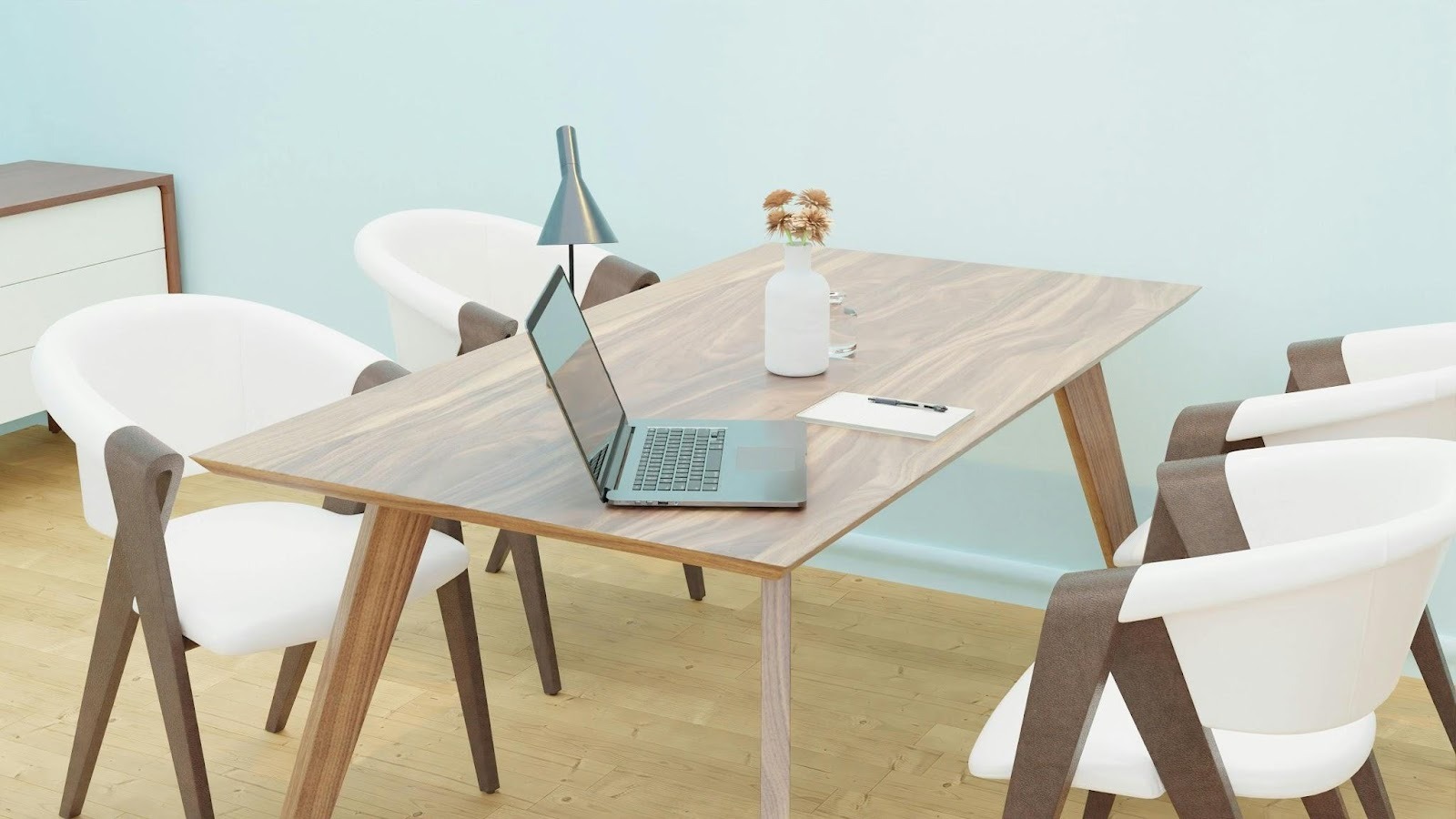
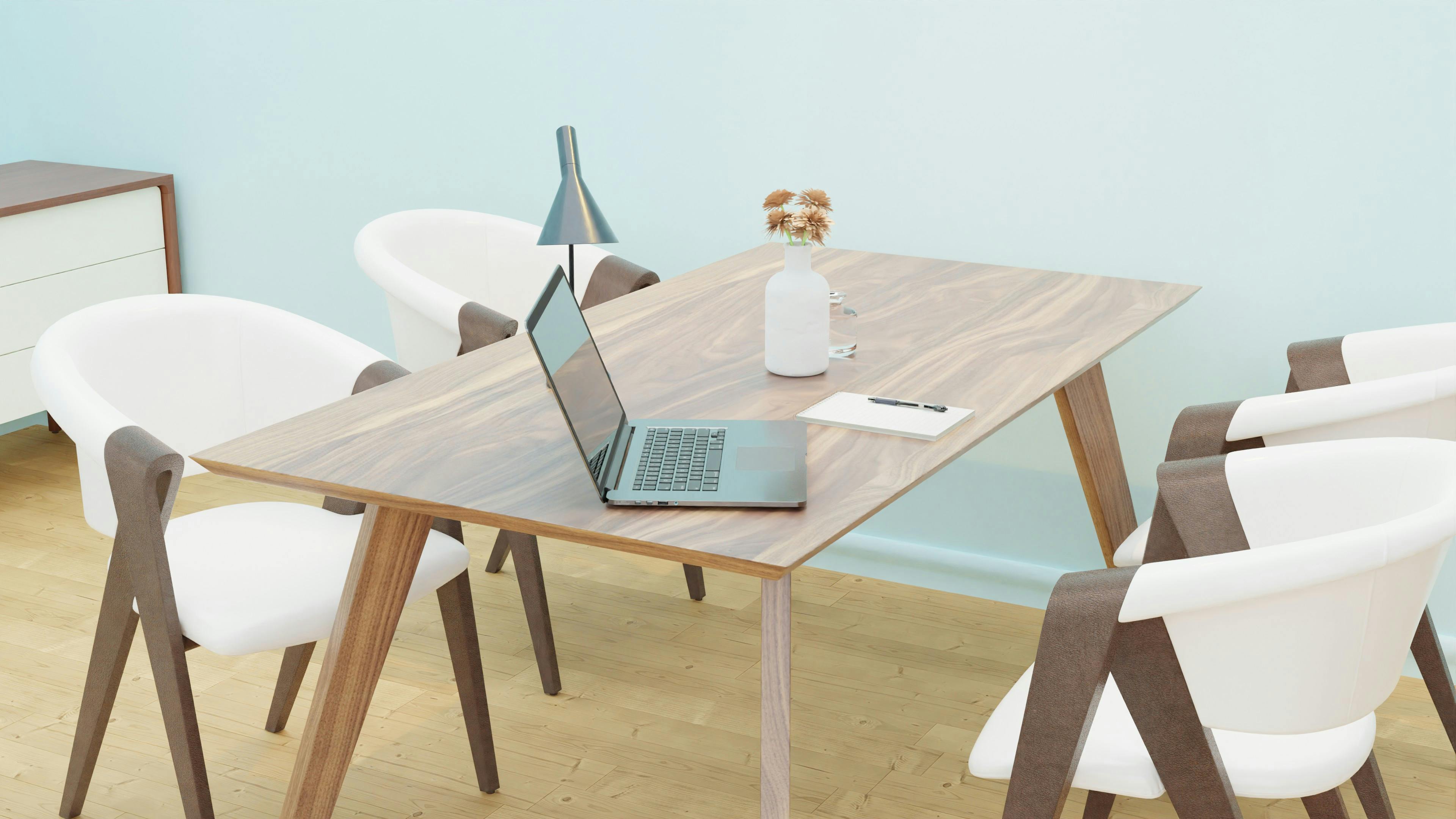
Every square foot of a home has become more valuable in urban areas, especially as populations grow and living spaces get smaller. Because of this, homeowners are looking to get the most out of the space they have and design rooms so that they can serve more than one purpose. Instead of having a bunch of separate, single-use rooms, open layouts with adaptable setups are now the preference.

For example, instead of renovating a home to create a dedicated home office, many homeowners are opting to make more creative furniture and room design choices that allow a space to quickly transform from a dining area to a workspace or even a workout area. By picking furniture that can be easily moved or stacked, rooms can be reconfigured to support a more flexible and dynamic lifestyle.

Design Trends Going Down

Uniform Design Layouts

Although a very uniform and structured building design might work well in a commercial setting, it is now often viewed as too cold and impersonal for a residential home. While the high-contrast black-and-white look was popular for a while, it has largely been abandoned in 2025.

Instead of these highly uniform design layouts, more and more people are looking for homes that feel warmer, lived-in, and authentic.

Themed Matchy-Matchy Styles

For a long time, it was a common practice in interior design to use a “matchy-matchy” approach. This meant that all the hardware and fixtures in a home would follow a specific pattern or theme. However, just like other uniform styles, this method is becoming less popular today.

The new trend is focused on intentionally mixing various materials and finishes that complement each other while still being unique enough to stand out. For example, interior designers are pairing different finishes like brushed brass with natural wood or matte tones. This creates a more layered and personalized look in spaces like kitchens, bathrooms, and bedrooms.

Overly Visual Elements

Custom-built homes with highly unique design styles can be incredibly interesting to view. However, living in them may not be as practical as most homeowners might need. This is especially true when it comes to design features that demand a lot of upkeep and effort from those who live in them.

For example, open shelving may look like a clever way to add storage, but it can also lead to a cluttered appearance and is tough to keep clean. The focus today has now shifted to finding a better balance between visual aesthetics, practicality, and convenience.

Make Sure Your Home Design Stays Relevant

When creating a home that stays relevant both today and in the future, you should prioritize authenticity and personal comfort while still telling your own story. By moving beyond rigid and impractical trends, you can design a space that’s not only great to look at but also highly functional.

Author Information

Author Name: Rebecca Denis

Author Bio:

Rebecca Denis, Head of Design at Revive Real Estate, is an accomplished and highly creative interior designer with over ten years of experience in the industry. With a passion for transforming spaces and a keen eye for detail, she has successfully completed numerous projects ranging from commercial spaces to custom show homes.

Author Headshot:

Effective Home Renovation Ideas That Give You a Higher ROI

Home renovations are a great way to add more value to your home. Learn which renovation ideas are likely to give you the best ROI long-term.

https://images.pexels.com/photos/3990359/pexels-photo-3990359.jpeg?auto=compress&cs=tinysrgb&w=1260&h=750&dpr=2

A home renovation can always provide a number of advantages down the road. If you plan on selling the house in the future, the upgrades you do now could end up increasing the value of the home, and in turn, increase the amount of profit you can expect to receive after the sale.

That said, home improvement trends vary greatly, and not all of them will yield positive results in the long term. It is best to approach home design and renovation with a strategy in mind that narrows down the options to the most effective and affordable options. Below is a list of common modifications that are likely to bring you the highest ROI.

Kitchen Makeovers

Buyers often focus on the kitchen when touring properties, and they’re typically looking for ones that look great and are practical.

However, undertaking an entire kitchen remodel is costly. There are other ways to make an impact without spending so much and actually receiving a good ROI. Refacing kitchen cabinetry, for example, is much cheaper than replacing it entirely while still giving the kitchen a fresh look. The same is true for old countertops that can be replaced with more stylish and durable ones like granite or quartz.

Bathroom Upgrades

Remodeling other areas of the house, such as the bathroom, is also easy and can raise the value of your home. In the same manner, ROI is high in relation to the total in

Floors are an important detail in a home. If poorly laid out, it can cause problems in daily living. Modern flooring choices can be a great way to increase a home’s value. It looks great and it’s easier to maintain. Hardwood floors, for example, are preferred by many homeowners. But if your budget is tight, going with high-quality laminate also works.

A tile or stone selection is another good option. It minimizes the possibility of water damage and helps to improve aesthetics when remodeling a kitchen or bathroom.

Upgrading Your Home to Be More Energy Efficient

Eco-friendly features are becoming increasingly popular for first-time home buyers, especially ones that want to lower costs while helping to save the environment. Using energy-saving features is a great way to reduce your carbon footprint while also helping to save money on monthly maintenance bills, thus, increasing the home’s market value.

One way you can start making positive changes is to look for the Energy Star Sticker when shopping for new appliances for your home. You’ll be able to find a number of appliances and fixtures you can use in all areas of the home, including the bathroom, kitchen, or laundry room. Replacing old windows with new energy-efficient ones is another way to lower the cost of heating and cooling the house.

If the insulation material in your walls and attic is getting a bit older, it would be a good idea to replace it. This will prevent air from escaping through gaps and cracks, preventing energy bills from becoming too high. It’s a relatively low-cost improvement that can make a huge difference long term.

Increasing Available Storage

When it comes to prospective home buyers, additional storage always checks off boxes. Additional storage can be important for anything from kitchen supplies to having a safe place for storing collectibles or hobbyist items.

An oversized closet with removable shelves and organizers is a major bonus to have if space permits. In the kitchen and bathrooms, sliding shelves, pullout hidden storage, and drawer dividers can also help to utilize all available space. Using LED strip lights in storage areas can also help homeowners better utilize their space in darker spaces or when using more out-of-reach storage options.

Get More Value From Your Home Renovationsvestment put in. Minor changes to the bathroom can make a big difference. A good starting point is to replace sinks and other fixtures.

Keep in mind that new water taps and shower heads not only improve the look of a bathroom, but are also more water efficient. This is a positive for both the environment and potential buyers. Replacing worn out or cracked tiles is also sensible because, tiles, more often than not, are the first element of a room to age. For certain bathrooms, adding larger windows and skylights can also transform the space.

Maintaining an Open Concept

Although open concept living isn’t for everyone, it has grown in popularity over the years. Now, it’s very common for people looking for a new home to want rooms that flow more seamlessly into one another. This gives an impression of spaciousness. One way to achieve this look is by removing certain non-load-bearing walls to merge areas into one inviting space.

This type of layout is a great feature for those who enjoy entertaining because it allows you to combine the kitchen, living room, and dining room into one central space, making all areas much more sociable.

Making More Use of Natural Lighting

If you work from home, natural light can be a great way to keep you more productive. It changes the entire environment into a more cheerful and peaceful place. If there aren’t many windows you can use, using smart LED lighting with temperature control is a budget-friendly option.

If the budget allows, skylights are great for bringing in a lot of natural light into a room and leaving ample wall space.

Changing Your Flooring

When looking to improve your home, a fresh paint coat isn’t the only thing you should think about. Smart design and thoughtful upgrade decisions are what get you the most profitable results if and when you decide to sell the home. By following the best practices discussed, you’ll be sure to get the right ROI when you’re ready to start your next renovation project

Author Information

Rebecca Denis

Rebecca Denis, Head of Design at Revive Real Estate, is an accomplished and highly creative interior designer with over ten years of experience in the industry. With a passion for transforming spaces and a keen eye for detail, she has successfully completed numerous projects ranging from commercial spaces to custom show homes.

Author Headshot:

The Hidden Dangers of Standard Tubs & How to Design Safer Alternatives

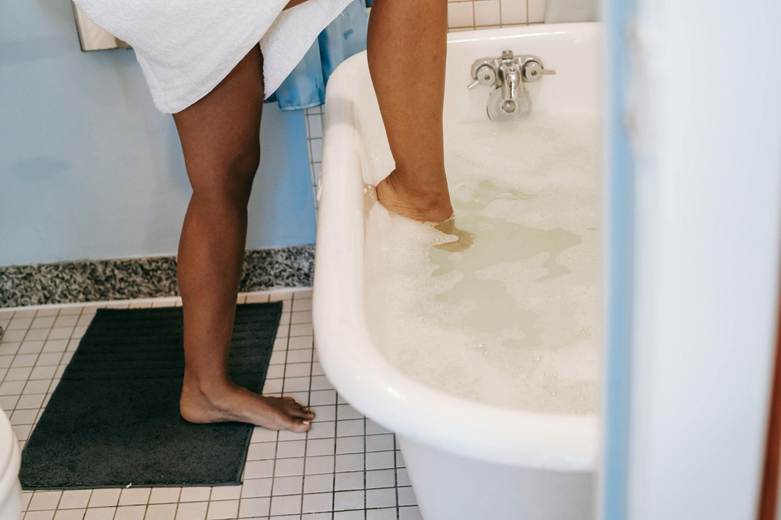
Bathrooms should be places of relaxation, renewal, and personal care, but they are also one of the most common locations for household accidents. Standard bathtubs, while seemingly harmless, often conceal hidden dangers that can cause serious injury—especially for children, older adults, and people with mobility challenges. Understanding these risks is the first step toward designing safer, more accessible alternatives that enhance both comfort and security.

The Risks of Standard Bathtubs

A traditional bathtub has a simple design: a deep basin with high sides, a smooth, curved interior surface, and a drain at one end. While functional, this design presents several safety hazards.

1. Slippery Surfaces
 Porcelain, enamel, and fiberglass finishes create sleek surfaces that can become dangerously slick when wet. Without proper traction, slipping inside the tub or while entering and exiting is a common cause of bathroom-related falls.

2. High Entry Walls
 The typical bathtub rim is 14–20 inches tall. For many people, stepping over this barrier requires balance, strength, and flexibility. For those with mobility impairments, arthritis, or poor balance, the maneuver can be both difficult and dangerous.

3. Lack of Support
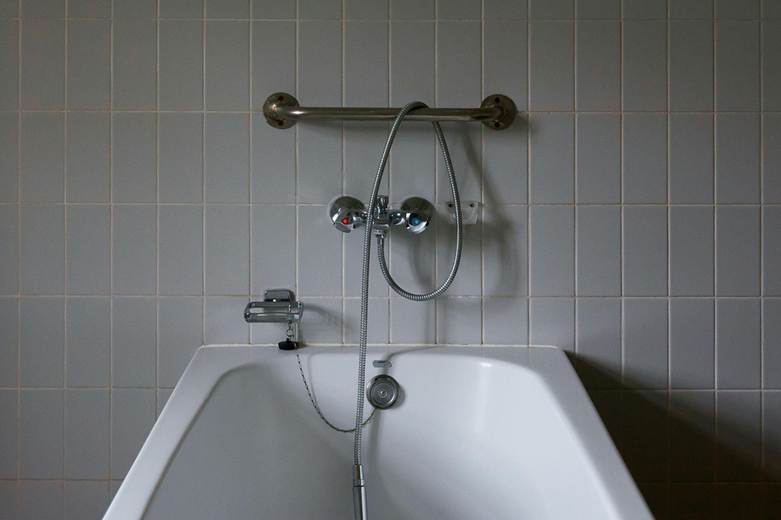
 Most standard tubs do not include built-in grab bars or non-slip flooring. Without these features, users have little to hold onto for stability, increasing the risk of falls.

4. Water Temperature Hazards
 Another overlooked danger comes from scalding water. Standard faucets and mixing valves can cause water to heat quickly, creating burn risks, particularly for children and older adults with thinner, more sensitive skin.

5. Space Constraints
 Standard bathtubs are often narrow, leaving little room to maneuver safely. This can be especially hazardous for individuals who need assistance with bathing or rely on equipment such as transfer benches.

The combination of these risks makes bathtubs one of the leading causes of bathroom injuries. According to the CDC, falls in the bathroom account for a significant portion of emergency room visits each year, and many of these injuries stem directly from tub-related accidents.

Designing Safer Alternatives

Fortunately, modern bathroom design has moved far beyond the one-size-fits-all tub. That’s especially important when multiple generations are using the same bathroom, and each family member has different needs. There are now safer, more inclusive options that prioritize both accessibility and comfort.

1. Walk-In Tubs
 One of the most popular alternatives, walk-in tubs feature a door that allows users to step in without lifting their legs over a high wall. Many also include built-in seating, non-slip flooring, and strategically placed grab bars. For individuals with limited mobility, walk-in tubs can significantly reduce the risk of falls while still offering the therapeutic benefits of soaking.

2. Slip-Resistant Surfaces
 Whether designing a tub or shower, flooring material matters. Non-slip coatings, textured tiles, or built-in anti-slip strips help reduce the likelihood of slipping. Unlike smooth porcelain or fiberglass, these surfaces provide essential traction even when wet.

3. Flat-Bottomed Bathtubs

Most bathtubs have curved interiors that prevent shower chairs from staying planted firmly, and the curved walls can make exiting the tub difficult. Bathtubs that are designed with flat bottoms and less curvature to the inner walls make for a more comfortable and safer bath.

5. Built-In Grab Bars and Seating
Strategically placed grab bars are a simple yet effective safety addition. Positioning them at entry points, along walls, and near faucets provides support during transitions in and out of the tub or shower. Adding built-in or fold-down seating allows users to bathe without standing for long periods, further reducing fall risk.

5. Wider and More Spacious Layouts
A popular approach to renovating any room in the home is to maximize space. Whether this means knocking down walls or changing layouts, there’s never a disadvantage to more room. This goes for the tub and shower as well. Designing tubs and showers with extra width allows more room for movement and assistance. Spacious layouts can also accommodate transfer benches, shower chairs, or caregiver support when necessary.

Universal Design Principles

The safest bathrooms are those that apply universal design principles—creating spaces that are functional for everyone, regardless of age or ability. Features like lever-style handles, handheld showerheads, adjustable height fixtures, and ample lighting contribute to overall safety and ease of use. Importantly, these elements benefit not only older adults or people with disabilities but also families with young children and individuals recovering from injury.

Soaking it All In

Standard bathtubs, while traditional, are not designed with safety in mind. By considering safer alternatives such as walk-in tubs and slip-resistant materials, homeowners and designers can create bathrooms that prioritize accessibility without sacrificing style.

The bathroom should never be a place of fear—it should be a space for comfort, dignity, and independence. Thoughtful design choices can transform the dangers of standard tubs into opportunities for safer living.

Reviving Retro: How to Give Vintage Items New Life in Your Home

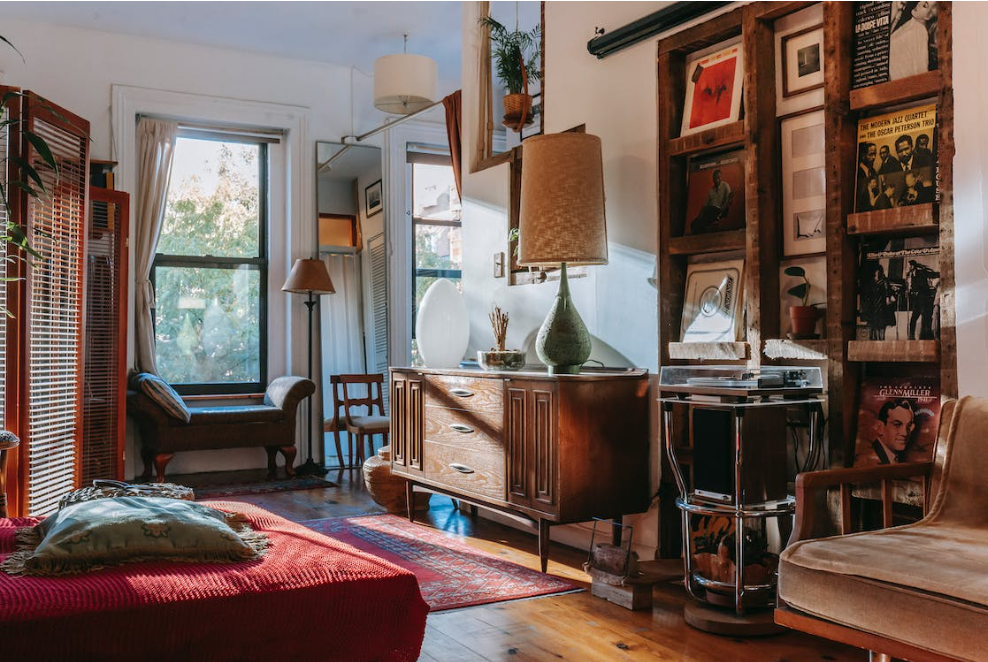
https://www.pexels.com/photo/interior-of-cozy-studio-with-bed-and-couch-decorated-with-vintage-furniture-and-vinyl-records-5824519/ 

Buying vintage has become one of the most popular trends of 2023, and not just among the climate-conscious. For those who crave antique collectibles that can’t be found anywhere and for those who want something that makes a statement, vintage is the way to go. But giving life to a vintage piece can be like inflating a deflated tire; it requires patience, perseverance, and the right arsenal. 

Reviving vintage items in your home is more than a design choice; it’s a celebration of history and a nod to sustainability. Being aware of how to transform vintage items for home purposes is essential. It might not require an extensive renovation, but little changes that aid significantly. It might be something as simple as DIY stain glass lamps or something as complicated as replacing hardware and refinishing old furniture. Here’s your simple guide on giving vintage items a new lease of life. 

Refurbish and Refinish

Thrift stores are a goldmine for those who know how to look, and when you’ve found the right items, from mid-century furniture to quirky accessories, there are many dated pieces you can revive with the right refurbishing. If you’ve found worn-out or damaged items, there is a chance that you can fix them through a bit of refurbishing. This can include reupholstering old sofas, armchairs, and even headboards. 

Use wood polish, wood paint, and clear sealants to revive wooden furniture. You can highlight the natural grain by refinishing it, and any chips or scratches on the wood can be fixed with wood glue or filler. 

Repurpose Items

While items and furniture are made for a specific purpose, there’s no reason that you have to use them the way they’re intended. For example, vintage record crates can be repurposed to be unique side tables or even shelving units for other items like books. Unplayable vinyl records can be repurposed to be decorative bowls with a bit of heat molding. Depending on the vintage item you have, there is a variety of choices when it comes to repurposing.

You can repurpose old lamps to be planters, especially if they are not functional. Other examples include repurposing wine corks to be a bed headboard, and vintage clothes can become a blanket or a throw. The easiest repurposing projects can be turning vintage items into decor. Changing a vintage bicycle to become outdoor decor doesn’t require much. Just paint it again, and you’re done!

You can also go on a hunt for vintage suitcases and upcycle them to be side tables (providing both aesthetic value and storage). Old suitcases can also make for ideal shelves for any home. You can also paint over them to ensure that they fit your home’s interior design. 

Invest in Quality Equipment

If you want to have functional vintage decor in your home, you need to purchase tools that can help revive them. It can include items like a vinyl record cleaner to ensure that any vinyl records you purchase end up being usable. It can guarantee that your vinyls are always in peak condition, and this is vital if you use them frequently or plan on selling them later on. 

Investing in basic items like cleaning supplies is essential when you’re planning to purchase vintage items. Rust cleaning solutions, abrasive scrubs, leather cleaners, cleaning gloves, and so on are vital for vintage items. All vintage items will require a good clean once they arrive in your home, and you need to have a good cleaning routine down to ensure that they look well taken care of once they’re in your home. For wooden items, you may need some type of sanding machine and experience in handling wood-cutting equipment.

Consider Layering

Creating a thoughtful and well-decorated home means guaranteeing that you have a good combination of vintage and modern elements. Combining these two elements will help you highlight the vintage items where needed and ensure your home still feels current and relevant. It could be something as easy as designating one vintage item per room to be the focal point, whether it’s a retro dining table or a vintage chandelier. Let that be the central piece for the room, and build the rest of the decor around it. 

Another way you can layer vintage items throughout your home is through the thoughtful use of textiles. Rugs, carpets, tapestries, throw pillows, and curtains make for great layering pieces in any room. Layer these textures alongside modern furniture to create an elegant and sophisticated place that remains functional. 

Making Your Home a Vintage Haven

Vintage items, whether they’re passed down in your family or have been found elsewhere, all contain their own stories. It could be in the craftsmanship of a bygone era or the sentimentality with which they were passed down. Knowing how to revive them and accommodate them in your home can take considerable thought and hard work. If you’re determined to make the most of vintage items in your home, it has to be through careful placement, refinishing, and upcycling. Once you have the basics down, there’s nothing stopping you from making your home a true vintage haven!

The 6 Best Natural Supplements To Support Muscle Recovery

https://unsplash.com/photos/topless-man-with-black-background-_nUKpvm9I0w

Whether sculpting your abs in the gym or building your calves on the trails, exercise is hard work. People commit to all the sweat and, let’s face it, the soreness for a variety of reasons, from looking like a supermodel to maintaining mobility as they age. That said, to get the gains you want, it’s important to focus on muscle recovery.

Key Takeaways

  • Recovery starts with a foundation of nutrition and rest.
  • Use supplements like protein for repair and creatine for energy.
  • Explore traditional botanicals to support post-workout wellness and relaxation.

As you curl those dumbbells or scurry up that rock face, you create microscopic tears in your muscle fibers. Muscle recovery is the body’s natural rebuilding process that follows those tough gym classes. This process includes the body’s inflammatory response, which is then followed by muscle repair and, ultimately, growth.

You don’t have to participate in the recovery process. Your body is a natural and miraculous workhorse. But, if you want to give the recovery process a little boost and possibly limit the drawbacks of exercise, like soreness, then consider taking a variety of natural dietary supplements.

Using Natural Supplements for Muscle Recovery

So, how can a powder or capsule actually help you recover after a grueling workout? Simple: each supplement has a very specific job.

Some are non-negotiable, like protein, which your body needs to repair muscle tissue. Others are performance enhancers, like creatine, which helps refuel your muscles on a cellular level. Each supplement offers a unique kind of support, and the following six are among the most beneficial.

1. Whey Protein: The Building Block of Muscle Repair

Whey (pronounced like “no way”) protein is a staple in body-building circles. While it doesn’t come from the most glorious of sources (it’s an offshoot of the cheese-making process), it does contain the nine amino acids the body is incapable of making on its own, including those ever-vital branched-chain amino acids (BCAAs) that are so crucial to muscle repair.

2. Creatine Monohydrate: A Tool for Energy Production

You might see people taking creatine monohydrate supplements before a workout, but the supplement is just as effective for post-workout recovery. The nature of the substance screams pre-workout strategy because it plays a vital role in energy production within muscles, regenerating adenosine triphosphate (just a fancy phrase for the energy source of muscle contractions).

The thing is, your muscles need just as much attention post-workout, after you’ve expended these energy stores. By taking creatine, you can replenish these stores and more.

3. Tart Cherry: A Natural Approach to Soreness

When most people think of cherries, they think of sundae toppers and red fingers. Your mind might even wander toward the sweet maraschinos skewered by toothpicks and surrounded by rings of pineapple on that Easter ham at Aunt Jenny’s. But, alas, those are not the cherries that aid in muscle recovery.

No, for muscle recovery, you want sweet cherry’s cousin, tart cherry. More specifically, you want the juice. Tart cherry juice contains a high concentration of anthocyanins, a type of antioxidant and anti-inflammatory compound.

Sipping some tart cherry juice after a workout can lower levels of C-reactive proteins, an inflammatory marker, and even improve muscle function. Essentially, tart cherries can equate to less inflammation, reduced soreness, and faster recovery.

4. Turmeric (Curcumin): The Golden Spice of Recovery

If you like to add a little spice to life, then this next supplement is right up your alley. Turmeric is a golden spice often used to add a touch of flavor and color to a dish. It has a similar flavor to pepper, but with a more earthy undertone.

https://unsplash.com/photos/orange-and-white-labeled-prescription-bottle-_lkjRexcP4M

The beauty of turmeric for muscle recovery isn’t found in its flavor profile, however, it’s found in its unique makeup. See, turmeric contains curcumin, which is an anti-inflammatory and antioxidant. Similar to tart cherry juice, it can reduce inflammation and speed recovery along.

5. Oregon Hemp Flower: Cannabinoids and Recovery

Not all natural supplements have a ton of research or anecdotal evidence to back up claims, especially those that had a rocky road to legalization, like cannabinoids. Still, according to an analysis of the role of cannabidiol on sports recovery by Daniel Rojas-Valverde, CBD “has been shown to have specific properties that help to treat chronic pain, spasticity, mood and sleep disorders, immunodepression, inflammation, oxidant effects, and anxiety in clinical patients.” There is growing evidence that cannabidiol found in Oregon Hemp Flower and other high-quality CBD flower varieties is beneficial to muscle recovery. The theory is that CBD may help regulate the body’s inflammatory response, leading to less soreness.

Obviously, it’s important to stay informed about research in the CBD field, as it is a relatively young field. If you choose to use cannabinoids, remember that everyone is different. Talk to your primary care physician. That goes for taking any supplement. Your healthcare provider is your best friend when it comes to verifying different supplement claims.

6. Mitragyna Speciosa (Kratom): A Botanical for Post-Activity Wellness

Another relative newcomer to the list of muscle recovery supplements is kratom, a tropical tree native to Southeast Asia. Traditionally, people would chew the leaves of the tree, and it was said to combat fatigue and improve energy. More recently, people have transitioned from chewing the leaves to manufacturing various kratom products, such as powders and capsules.

The compounds in kratom are said to be analgesic, meaning they can provide pain relief and sedation. For the recovery process, this is beneficial, but it’s important to remember that kratom research, like cannabinoid research, is in its infancy. So, be cautious about any claims, and find products from reputable suppliers who operate with transparency and third-party lab testing.

Creating a Recovery Routine That Works for You

What you take away from this article shouldn’t be a definitive list of the supplements you must take to improve muscle recovery. No. What you should take away is that natural supplements can complement the body’s natural processes.

As far as whether the above supplements are right for you and your workout goals, that depends. Fitness, as with most things in life, doesn’t follow a “magic bullet” approach. It’s unique to the individual. As you create your recovery routine, talk to a medical professional about the above supplements. See how they would suggest moving forward. Remember that, while some people may pursue exercise for vanity (which is not a problem), it is most notably a pursuit of health and fitness.