Planning a Road Trip For Your Mental Health

Road trips are often associated with families looking to get away for the summer, or college students packing up an old van with as much gear as possible and trekking across the country.

pexels.com/photo/asphalt-road-through-cactus-fields-in-mountainous-valley-6039250/

However, this kind of travel can be beneficial for everyone – especially if you’re an older adult and adjusting to a new lifestyle. Whether you’ve still got kids at home, you’re recently retired, or you just became an empty-nester, planning a road trip can be great for your mental health and give you a new perspective on life.

Plus, taking a road trip with the ones you love is one of the best ways to create lasting memories.

Still not convinced? Let’s take a look at some of the benefits of planning a road trip, and how you can make the most of one by staying safe and embracing something new.

Travel and Your Mental Health

Maybe you’ve had the travel bug your whole life but haven’t had many opportunities to go places. Or, maybe you’ve been somewhat of a homebody and you’re ready for something new. If you’re considering a road trip, it’s important to know how beneficial it can be for your mental well-being.

Traveling can boost your creativity and mental power, reduce stress, and give your mind and body an opportunity to “reset” if you’re experiencing a lot of tension or frustration from your everyday routine.

You’ll also be able to see the world from a different perspective. Even if you’re just traveling to a different state, you’ll experience new cultures and customs, which can make you more appreciative of your surroundings.

Traveling also helps to take your mind off things. As you get older, life changes. Most women are quick to recognize the symptoms of menopause, including

  • Hot flashes
  • Chills
  • Sleep problems
  • Mood changes

Taking a trip won’t slow down the hands of time or keep these changes from happening, but it can make it easier to manage your symptoms and keep a positive attitude. Keep in mind that your spouse might be dealing with similar changes. Men experience a drop in testosterone after age 40. Between that drop and certain lifestyle choices, they can experience male menopause, which comes with many of the same symptoms. Traveling together can help you both accept these changes and serve as a support system for one another.

How to Plan the Perfect Road Trip

If you’ve decided to hit the road, the next step is planning out your trip so you can make the most of it. Traveling can increase confidence in those over the age of 50, and it can keep your stress levels low long after your vacation ends. Keep that in mind as you go through your planning, and remind yourself why you’re taking this trip.

It shouldn’t be a stressful event to plan. Rather, it needs to be something you’re looking forward to.

With that in mind, there are a few tips you should consider to make sure you’re prepared for any road trip challenges. Consider some of the following planning tips to make your experience easier and less overwhelming.

  • Choose a destination that is interesting and easy to get to, especially if it’s your first time traveling.
  • Travel with your spouse, a group of friends, or other family members.
  • Give yourself enough time to enjoy the scenery without having to rush from destination to destination.
  • If you require special accommodations, take them into consideration while planning your routes.

The “perfect” road trip depends on what you’re hoping to experience and the memories you want to make. While planning ahead is important to make sure things go smoothly, the most important thing you can plan for is how to make the most out of your trip and everything you want to experience along the way.

Keeping Yourself Safe

Another important aspect of planning is ensuring your safety long before you hit the road.

You’re not going to be able to predict everything. Things like flat tires and car trouble can happen. However, you can reduce that risk by making sure your car is properly maintained before you go. Visit a trusted mechanic for a tune-up to make sure your vehicle is in good shape.

If it is, continue to plan ahead with safety in mind by being a precautionary packer. Pack plenty of snacks and drinks for yourself and your passengers. This will keep everyone’s energy levels up, and prevent you from having to make such frequent stops.

There are also a few essentials you should have in your vehicle in case of an emergency, including a first aid kit, extra clothes, blankets, and nonperishable food.

The more you start to take road trips, the easier it will be to learn the basic “rules” of safety, including not sleeping in your car, and knowing the local laws of your destination(s).

If you’ve been wanting to travel for a while, planning a road trip is the perfect way to see the country and experience lasting mental health benefits. You’ll be able to enjoy your freedom at this stage of life while managing your stress levels, boosting your self-esteem, and finding more happiness and joy in experiencing new things.

Home Workout Essentials For Cleansing & Detoxing

https://unsplash.com/photos/Z4Q9KHw9ofE

You’ve been thinking about taking better care of yourself for a while now, but you’re not sure where to start. You might have no experience in creating a consistent regimen or you may not have all the tools you need to ensure a quality experience. Well, this guide is here to help with step-by-step solutions to help you achieve your goals.

Cleansing the Mind

Sometimes, you need to cleanse your mind in order to find the motivation you need to refocus on an old habit or start a new one. If working out consistently is your end goal, you’ll need to learn how to retrain your brain to accept new habits.

Start Small

Don’t dive right into a two-hour workout session that leaves you too exhausted to think the next day. Accept your inexperience and limitations to ensure you’re working on something that’s well within your capabilities. Explore workout routines for your level, whether it’s 10-15 minutes of strength training exercises, a 30-minute walk, or spending an hour on the treadmill. Be honest with what you can accomplish, and you’ll be able to develop more consistency.

Stack Your Habits

Try to tie your new workout habit to an existing habit you already do consistently. Do you meditate in the afternoons? End your session with a short workout. Do you love watching television at the end of your day? Set up a workout mat in front of the TV and do some exercises while watching your favorite shows. Stacking your habits is far more likely to make a new one stick.

Make it Daily

Consistency is key! It can take more than a month to make a habit automatic. Whether it’s a walk before dinner or a daily set of push-ups, keep at it every day until you move to complete your workout without thinking!

Make it Easy

This isn’t about creating an easy workout routine! Making it easy means eliminating any extra steps before you can jump right into a workout, like packing your gym bag in advance, getting a treadmill for your home, or scheduling a workout date with a buddy. The fewer steps it takes to get you working out, the more likely you are to start.

Reward Yourself

Reinforce your workout habit with a reward. While weight loss or better overall health are rewards that naturally occur in the long-term, you can treat yourself in the short-term with smaller incentives to ensure you continue working out every day.

Cleansing the Body

So now that you know what it takes to create a healthy habit and make it stick, it’s time to maximize your attempts and ensure you feel great as you take your first steps. Whether it’s stopping unhealthy habits or taking better care of existing health conditions, a cleanse or detox is a great way to prep your body for the workout to come.

Detox or Cleanse

Whether you eat unhealthy foods or smoke too much, there are many obstacles on the path to creating a healthy workout habit. With a detox or cleanse, you can help your body start fresh and minimize the chances of extra hurdles from bad habits. Consider nicotine patches to help you quit smoking, cut down on alcohol and sugar to improve your diet, and maybe even buy a THC detox kit to expel cannabinoids from your system.

Managing Health Conditions

Many people find that they struggle during a workout not because of unhealthy eating habits or drug use, but because of personal health conditions. Talk to your doctor about the best ways to monitor and care for your condition so that you can experience a workout without debilitating pain, difficulty breathing, or other concerns. From diabetes testing kits to compression garments, there are a number of opportunities to set yourself up for success.

Cleansing the Space

You might prefer working out at home but find it hard to start because your space constantly seems crowded or dirty. It’s time to refresh your environment with some spring cleaning. While general decluttering and organizing is a good starting point, you want to reinvent your home with a workout space in mind.

Where will you put your yoga mat? Where are you going to store your weights? Do you want to buy an upright bike or treadmill so you can do cardio at home? Think about what your preferred workout methods entail, and make sure you develop a space that hones in on those desires.

Preparing Your Equipment

Your mind, body, and space are well on their way to maximizing this new healthy habit, but it’s time to consider some essential equipment and accessories. Depending on your workout style, you’ll find there are obvious tools that will make their way onto your shopping list, including:

  • Workout Clothing
  • Running/Tennis Shoes
  • Headphones
  • Foam Roller
  • Workout Mat
  • Weights
  • Weight Lifting Gloves
  • Deodorant
  • Reusable Water Bottle

You should also consider prepping healthy snacks for your post-workout cravings, as well as bathroom essentials if you’re heading to the gym. Pack your gym bag with a body towel, sweat towel, body wash, and other personal toiletries just in case your facility doesn’t provide them.

Ready to get started? Jump on this journey and watch as your life changes with a new healthy habit you’ll soon come to love!

9 Tips For Sustainable Living

What do you picture when you think of sustainable living? Maybe it’s dramatic changes like ocean conservation work or switching to wind power. While big efforts are important, sustainable living is an aspect of daily life that can be implemented in small ways. You may be surprised at how small of a change you can make for a real improvement in sustainability, especially when that effort is sustained over time. Here are our nine tips for sustainable living.

https://unsplash.com/photos/0w-uTa0Xz7w

Alt text: A sun setting behind windmills and a grass field

File name: sun-setting-behind-windmills-grass-field

Tip #1: Turn Off the Light

The average annual electricity consumption for a US household in 2018 averaged over 28 kilowatt-hours per day. A kilowatt-hour is equal to one 100-watt light bulb left on for 10 hours. And we’re averaging more than 28 of those a day in our households! Most of this energy usage comes from lights being left on all day.

Turn off your lights when you leave the room. Conserving the light might mean opening the curtains and letting natural light in. Maybe all you need is a small lamp. We tend to overuse electrical lights unnecessarily.

There are also ways to cultivate sustainability in home decor with your lighting options. What are the materials of your light fixtures made from? Take into consideration how your lights are shipped or provided to you. Sustainable packaging can make all the difference. Sources that prioritize sustainability will help you be sustainable too.

Tip #2: Invest in the Reusable Options

A big part of living sustainably is reusing what you can. We have a lot of daily-use items in our lives that are disposable. But, there are also reusable options available like straws, plates, water bottles, towels, and grocery bags. Don’t be afraid to get creative with your reusable materials, and explore all the new items that are being created every week.

https://unsplash.com/photos/EU1R18L1Kb4

Alt text: A marble kitchen counter with reusable straws and fresh fruit

File name: marble-counter-reusable-straws-fresh-fruit

Tip #3: Conserve Your Water

Watching your water usage is an oft-repeated eco-friendly measure, but there might be some specific tips you haven’t considered. We’ve all heard about the importance of taking shorter showers, but have you thought about getting a water-saving showerhead or a shower timer? You may not be aware of how much water you’re using or saving until you start to keep track of it.

Tip #4: Rethink Your Commute

Commuting is a necessity for many people, but you can make your commute a part of your sustainability commitment. If you work close to your home, try walking or biking to work. Taking public transportation is better than taking your vehicle. If you have to drive a car, consider getting an electric one, and carpool as much as possible. If you fly on planes frequently, make sure you find an airline that utilizes zero-waste practices.

Your sustainable commuting routine can also be more basic: take the stairs instead of the elevator. It’s the little things like this that add up.

Tip #5: Dress with the Environment in Mind

A sustainable lifestyle includes supporting sustainable fashion. Sustainable shopping isn’t to be confused with thrift shopping — although getting secondhand clothes is more sustainable than buying new ones. When you decide to buy new clothes, it is better to buy “slow” fashion rather than fast fashion — meaning you choose higher quality items that last longer.

Better quality also often means brands are more environmentally conscious. Plus, in addition to choosing the styles that last longer, you can also make your clothes last longer by doing simple repairs yourself.

Tip #6: Take a Closer Look at Your Bedding

A sustainable life looks at the little details, especially for items you use every day. There are plenty of ways to be more sustainable with your bedding.

You want to choose products from a company that utilizes sustainable practices and uses good materials. Bamboo fabric is beneficial for the environment. Sourcing sustainable fabrics is a great way to institute an eco-friendly lifestyle all across your household.

Tip #7: Ditch the Printer

Today’s world is digital. You don’t need a home printer. If you have to print something, you can seek one out. But not having a printer on hand will save you from printing items you don’t need to print. Practice storing files and information digitally to promote a more sustainable lifestyle.

Tell your bank you want electronic statements. Get receipts emailed instead of printed. Take notes on an electronic device instead of on a pad of paper. Go paperless and then encourage your peers to do the same.

Tip #8: Donate Your Belongings

Just because you’re done with something doesn’t mean no one else can use it. When you donate items you don’t use anymore, you help the environment by keeping them out of the landfill. Donate what doesn’t bring you joy and give it to someone who can reuse those items for a win-win!

Tip #9: Save Gift Bags and Wrappings

This is a small tip, but it can have a big impact. Whenever you get gift bags, save them instead of throwing them away. You can do the same with tissue paper or other wrappings that don’t get ripped or damaged when you open the present. This will not only save you some money but it will help the environment.

Encourage Working Together

Sustainable living works best when everyone makes the same commitments. It doesn’t do much good if you take short 4-minute showers and everyone else still takes long 30-minute showers.

And it won’t matter as much if you are the only one taking public transport to work. If everyone else in the office drives their car separately try to address the opportunity to increase sustainability. Encourage your coworkers to brainstorm together and try to coordinate carpooling times. Together you can make a much larger positive impact by organizing carpool groups.

The possibilities for sustainability are endless. And when you work together to achieve your sustainable living dreams you can make the world a lot better. All it takes are small meaningful changes to make a world of difference.


Fully Refresh Your Living Space And Mind During Spring Cleaning

https://pixabay.com/photos/snow-plum-blossom-winter-spring-4936734/

When does everyone start adopting the mantra, “out with the old, in with the new?” Springtime, of course. When winter leaves us and all of the pretty flowers, plants, trees, and buds blossom, all of us start thinking about reviving our living spaces.

However, spring cleaning should encompass more than straightening up your house and getting rid of things you no longer need. Instead, your spring cleaning activities should also be geared toward refreshing your holistic health.

Your physical health, mental wellness, and emotional well-being benefit when you spring clean effectively. Let’s explore those benefits in-depth and how to fully refresh your living space and mind during your spring cleaning. 

Organize and Declutter

Getting rid of things you no longer need and organizing your living space are critical for a total refresh this spring. It’s one thing to deep clean, redecorate your rooms, refresh paint, and add new accessories to your household. It’s another to organize and declutter it.

Be sure to clean and organize your surfaces while also removing as much clutter as possible. As a result, you’ll be able to do more in your physical spaces. Additionally, organizing and removing clutter from your home will prompt you to declutter your mind. This will improve your focus, productivity, and inner peace.

So, start with one room, go section by section in that room, make a decluttering checklist, and take breaks during the process when needed.

Additionally, don’t just organize and declutter your living space, redecorate and refresh it, as we mentioned above.

Redecorate and Refresh Your Living Space

Redecorating and refreshing your living space is integral to your spring cleaning. It starts with a deep cleaning of every room in your home, from your bedroom to the kitchen to the dining room to the bathroom to the living room, and beyond.

By deep cleaning your entire living space, you can clear any allergens, dust, and other toxins that could’ve been affecting your physical and mental health.

Then, redecorate your rooms with new accessories. Refresh them with new paint on the walls to create a relaxing atmosphere. Experiment with new lighting. Also, re-pot your houseplants and add more greenery to your house for better air quality and natural vibes.

Once you’ve tackled your physical living space, work on fully refreshing your mind.

Strengthen Your Mindset

Fully refreshing your mind is a long-term process. However, you can get started during your spring cleaning. Commit to strengthening your mindset this spring so that it becomes inherently positive over time.

With a better mindset, you start to see life as happening for you instead of to you. You’re able to better embrace change by asking yourself, “what can I learn from this experience?”

Start strengthening your mindset by keeping a journal. Document how your mindset evolves and what your emotions do because of that evolution. Also, begin doing daily affirmations and immediately replace any negative thoughts with positive ones. Don’t allow negative thoughts and vibes to perpetuate this spring.

Also, take self-care seriously when refreshing your living space and mind during spring cleaning.

Take Self-Care Seriously

Your living space isn’t the only thing that needs love this spring. You must focus on taking care of yourself during your spring cleaning. Learning to care for and love yourself is the key to fully refreshing your mind, heart, and spirit.

Valuing yourself more and filling your life with purpose and passion is directly connected to creating a self-care routine and sticking to it. So, first, get rid of bad habits, people, and influences in your life. Then, implement a self-care routine that helps you develop positive habits, surrounds you with good souls, and even better influences.

Also, practice mindfulness and meditation. By doing so, your mind will become more precise. You’ll also be more emotionally grounded and spiritually connected. Start with just a minute of meditation a day to ensure you aren’t taking on more than you can commit to.

Lastly, address how you’re going to fuel your body during spring cleaning.

Pay Attention to How You Fuel Your Body

It’s so important to pay attention to how you fuel your body this spring. This means implementing a regular exercise routine and good nutrition.

Feeding your body the right things and exercising it regularly increases energy, keeps you in peak physical condition, betters your focus, and boosts self-confidence. Focus more on consistency than anything regarding exercise.

In addition, learn about food and nutrition. Dive deep into how to fuel your body with food rather than just eating what tastes good. Explore plant-based, keto, low-carb, and other diets until you find the one you can stick with long-term.

Conclusion

Hopefully, this article gives you a starting point for fully refreshing your living space and your mind during your spring cleaning. Remember, “out with the old, in with the new.” That goes for your living space, mindset, physical health, and emotional well-being. 

How To Reconnect With Nature And Its Immersive Benefits

https://unsplash.com/photos/mMzVTy2V1Do

These days, it’s not uncommon to be so overwhelmed with various work assignments and chores around the house that we simply don’t have any time for ourselves. While pampering can come in all sorts of shapes and forms, spending time in nature can do wonders for the body, mind, and soul. So, if you’ve lost touch with the great outdoors, here are several ways how you can reconnect with it and experience all the wonderful benefits it comes with.

Spend more time outdoors

One simple thing you can do, regardless of how much time you have, is spend a little bit of time outside. Just 20 minutes a day outdoors can have many perks. You will get plenty of fresh air and your body will get a chance to produce more vitamin D, which is vital in fighting depression and having quality sleep. So, if nothing else, consider walking to work if it’s not too far or cycling to a friend’s house – it will do you good.

Bring the outdoors in

Something else that can be very beneficial is adding houseplants to your living area. Not only will this bring you closer to nature, but it can also purify the air in your home. No matter the gardening skills you might possess, there is a plant for you. So, for example, some low-maintenance plants you can consider include the snake plant, pothos, and ZZ plant. They don’t require much care so you’ll be able to enjoy some nature even if you’re a bit forgetful.

https://unsplash.com/photos/z4S0MYNYT08

Start a garden

As your gardening skills improve, you can also consider starting your own garden. While you can have one indoors as well, it might be better to start an outdoor one if you have the space. That way, you will have a reason to go outside every day, as you will need to check on your plants’ progress, water, feed, and weed them. In time, you can start producing your own food too, which will certainly give you a sense of accomplishment. Furthermore, gardening will provide you with a great workout.

Go on a great outdoor adventure

If you have the time, consider going on a longer outdoor adventure. Find a camping site that’s safe and enjoy being surrounded by the trees or gazing at the moon. If you love the beach, just visit a local one and sunbathe while listening to the sound of water. Try mountain biking if that’s something that’s always interested you – it can be great for your mental health. With a bigger budget, you can think about some international trips as well. For example, forest zip-lining in Chiang Mai in Thailand or mountain climbing in Oman will certainly help you feel at one with nature. Opportunities abound if you keep your mind open and are willing to explore new things that will help you reconnect with the planet.

Connect with interesting wildlife

A big part of connecting with nature is also feeling connected to all parts of the environment, such as the animals that have been on this planet for thousands of years. With that in mind, you can consider adopting a pet that will always be by your side and help cheer you up if you’re feeling down. Then, you can also consider volunteering in a local shelter that is in need of assistance. Regardless of whether you have experience or not, a helping hand is always appreciated. On the other hand, spotting and encountering animals during your travels is another possibility. For instance, if you travel to Western Australia, you can look for interesting whale watching tours where you can see humpback whales, blue whales, killer whales, and southern right whales. In Africa, you can find eco-conscious safaris where you can see and learn more about lions, elephants, and wild dogs.

https://unsplash.com/photos/BeHRkALwXIw

Escape to a retreat

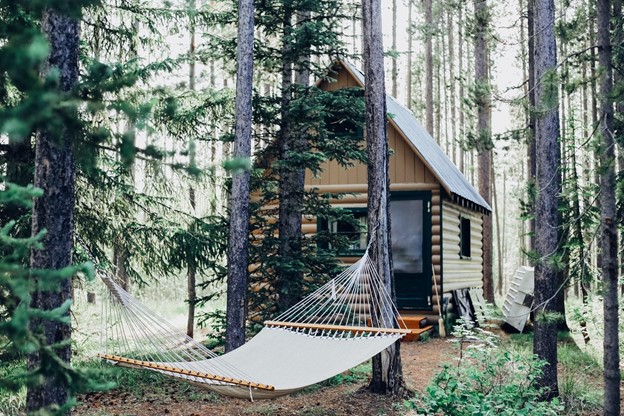
Another option to consider is going to a quiet and secluded retreat. If you’re not about that adrenaline and prefer something a bit more tranquil while enjoying nature, you’ll be glad to hear that there are countless options to choose from, no matter where you’re from. Whether you prefer to find a cabin in the woods that you can rent for a few days or travel to a spa that comes with various treatments while surrounded by gorgeous vistas, this is an amazing way to escape the everyday hustle and bustle. Moreover, you can also think about having a digital detox while there, to prevent negativity from the news and social media from ruining your experience.

Make your fitness routine green

In case you’re a big fan of fitness, you should not have any problems incorporating nature into your workouts. For example, simply walking and jogging outdoors is beneficial. If you want to take it up a notch, consider hiking, mountain climbing, and cycling. However, you might prefer exercising at home. If you have a yard, why not do it there? A HIIT session, stretching, and yoga can all be done outside as well.

Learn to slow down

In the wake of COVID-19, people are reconsidering what is most important to them. They often realize that learning to slow down and take in the world around them helps them feel better in countless ways. With that in mind, don’t let work overwhelm you. Set some time aside for yourself and do what makes you happy. Live in the present moment and really immerse yourself in your environment.

In conclusion, no matter if you prefer working with animals, exploring the wilderness on a mountain bike, or relaxing on a beautiful beach, there are countless ways that can help you feel connected to nature once again. Find what makes you feel good.