Interior Design As A Form Of Expression

https://unsplash.com/photos/85pCvDWDMmI

Your home can be a reflection of your personality and who you are, even if you don’t put any thought into the interior design consciously. Some people like to take control of this creative pursuit to develop an even more cohesive narration of their self-expression. If you think that you’d like to take your interior design to the next level with a more personalized, thoughtful perspective, it might be time to consider how exactly your home decor choices can make a difference. Check out this exploration of interior design as a form of expression and integrate some of these ideas into your space.

Colors Can Change Your Mind

Many people already know that color can affect them on a psychological level. Businesses use this tactic all the time to entice people to utilize their services. Have you ever noticed that fast food places use yellow and red because it makes you hungry, security firms use blue to enhance their authority, and hospitals use green for its soothing aura? These are just some of the ways that colors change your mind.

Wondering what different colors mean to your brain? Here’s some basic color theory to get you started:

  • Red: Energy, Action, Excitement
  • Orange: Uplifting, Friendly, Fun
  • Yellow: Happiness, Confidence, Optimism
  • Green: Hope, Balance, Revitalization
  • Blue: Trust, Authority, Serenity, Intelligence
  • Purple: Creativity, Individuality, Spirituality

Incorporating color into your home can be subtle or showstopping. Use home decor accessories in the colors you love to accent your space and add life to your home. Looking for something bolder? Consider painting one of your walls in an accent color to change the whole feel of the space.

Display Your Hobbies

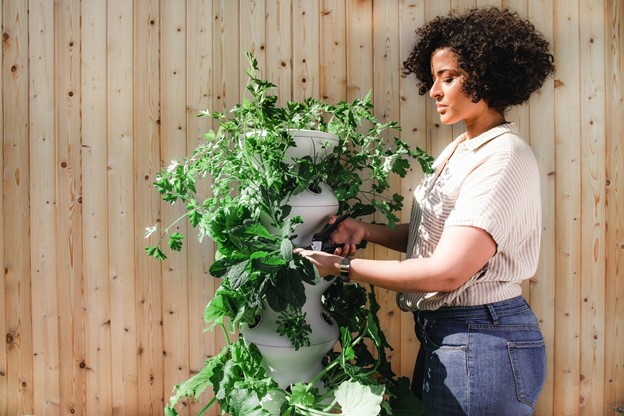
Changing the colors in your home is a big deal, but it can still feel a little impersonal. So what are the things that really express your personality? Hobbies and passions, of course! Do you love reading? A bookshelf display can showcase your passion, create a cozy reading nook, and ensure your books are accessible at all times. Love crochet? Use your own designs to decorate your space with sofa covers, doilies, and more. From gardening and painting to woodcraft and music, you can use tables, walls, and cabinets to decorate with meaningful accessories and collectibles.

Personalized Rooms

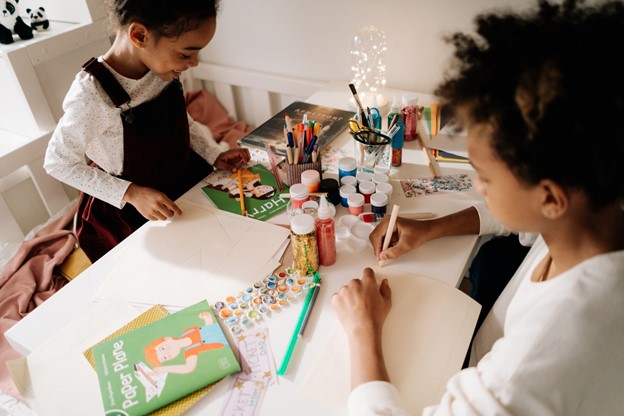
If you have multiple people living in your home, they probably each have their own room. When it comes to kids, especially, you want to help them express themselves within their space by putting up their artwork, asking for their input, and exploring a variety of options for everything from doorknobs and cabinet handles to curtains and bedsheets.

Furniture Made for You

https://unsplash.com/photos/gj1dnc7yRG0

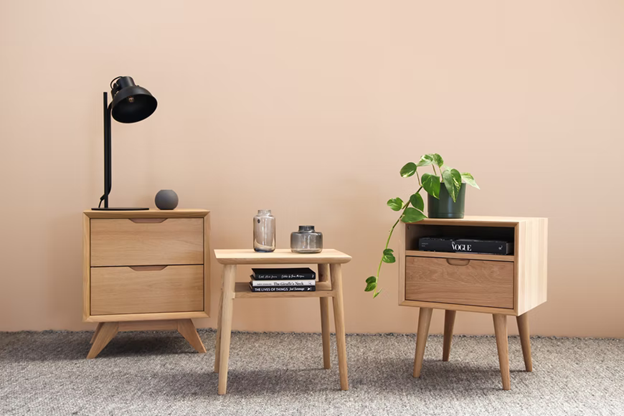
You might think that you should buy furniture based on fashion trends you find on Instagram or Pinterest, but that’s not the way to express who you truly are. Pick things that make sense in your space, make you happy, and work cohesively to create a stunning design that you can’t wait to use. Don’t forget that mounted light fixtures and chandeliers also have their part to play in your furniture design!

Showcasing Your Past

While you might have spent a lot of time organizing decor accents that show off your hobbies and passions, don’t forget to do the same for your favorite memories. If you have any blank spaces on your walls or empty surfaces on your tables, you can fill them in with framed photos of the most important people in your life. Whether it’s family photos on snaps from adventures with friends, complete your design with souvenirs of places you visited together!

Spotlight Your History

Everyone’s family is different, but if yours is one that passes down special objects through the generations, you might want to make them part of your home decor. Whether it’s a cookbook or a music box, these items deserve a unique display. You can even start your own collection of heirlooms to pass down to future descendants for them to restore or upcycle when the time comes.

Transforming Your Home

All of these home decor techniques are different ways you may choose to express yourself. Whether you do them all or just choose one or two that really speak to you, these changes aren’t made overnight. Take your time deciding which accents, colors, and focal points make sense to you, and consider how they relate and express your personality.

As you embrace every aspect of who you are, from the most quirky to the most mainstream, you’ll find that you feel much more comfortable in your space. When you use your home as your canvas, you’re acting as an artist with control over every element and decision. You might make a conscious effort to bare every part of who you are, or you may choose to limit your self-expression to one or two rooms. Just make sure that whatever direction you go takes into account your entire lifestyle, family, and everyday activities.

Unique Design Features To Make Any Room Stand Out

When it comes to decorating our homes, personal style is key. Whether it’s traditional, modern, contemporary, or eclectic — adding design elements to your home will make you and your guests more comfortable and happy.

No matter what type of look you are going for in your home, there are a few tips that will help to bring cohesiveness and warmth to any decor. Here are some of our favorite ways to make any room stand out.

Create A Focal Point

When you are decorating any room, the first element of design should include the designation of a focal point or focal points for large spaces.

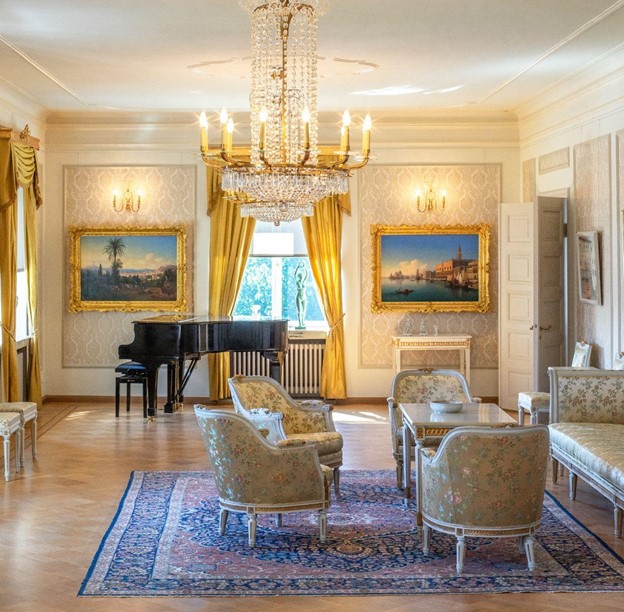
For example, in most bedrooms the focal point is the bed. In most living spaces the focal point is a sitting area. In a dining room, the focal point is the dining table. Sometimes, special items become focal points, like a piano in a parlor or a projector screen in a theater room.

Once you have decided which area or areas of your room will become focal points, begin to plan your furniture placement accordingly.

Plan For Statement Pieces

Now the fun part — adding statement pieces to your design. If you already own statement pieces of furniture, by all means, utilize them. Whether it be a lounge set, piano, dining room table or bed, select furnishings that are well-designed to fit the needs of your room.

Depending on what type of design style you are looking to bring into your home, you may opt for bold, striking pieces or more subdued furnishings to achieve your desired look.

If you are planning to purchase new items, again, decide on the focal point of your room and allocate your budget to accommodate furnishings that draw the eye.

Investing in high-quality pieces that may include lounge sets, tables and beds is a wise choice to create inviting spaces for years to come. Try to select furnishings that are well made and timeless.

You can save money by finding consignment pieces that need a bit of refinishing or buying second hand. Remember, you can create custom furnishings and design your own must-have pieces if you are unable to source them in brick-and-mortar stores or online.

Look for The Best Lighting

One of the most underrated design elements of a room is lighting. If you happen to have plentiful natural light in the room you are designing, give yourself a clap!

If, on the other hand, the natural lighting in your room is not up to par, you will want to add lighting elements to your room that bring warmth and energy.  Remember that any space will need to provide 100% ambient lighting at nighttime when you are designing lighting to fit your space.

Adding pendant lighting, sconces, chandeliers, and track lighting are great ways to bring brightness to dark spaces. 

Choosing floor lamps and table lamps that enhance a space is another important consideration when working with a room that needs additional lighting during the day (and night). Remember to consider tasks that may be performed in a given space and be sure that you have enough light to accommodate.

Add Interest With Accessories 

Now comes the hardest part of decorating — accessorizing your space. Deciding on color palettes is essential in order to create a beautiful and cohesive space. Choose a small palette of complementary colors to keep your space unified and calming.

Many decorators follow the 60-30-10 rule in choosing how to design and accessorize their rooms. Three colors (and any variations in shade of these three colors) are selected for any given space. The rule states that 60% of the space represents the main color, 30% of the space will be a highlight color, and the remaining 10% of a space will be an accent color.

Choosing a rug or drapes will likely fall into the 60 or 30 colors, while choosing custom throw pillows will likely fall into the 10 color choice.

Adding minimal additional elements is a good way to slowly start to decorate a room — remember less is more when it comes to most interior design philosophies.

Once you have decided to decorate or redecorate a new room, take your time to plan your space before acting. Consider the space, its uses, and its focal points. Use a color palette and follow the 60-30-10 design rule. Add statement pieces, lighting, and accessories to create a timeless room that will keep you and your family comfortable for years to come by following these simple suggestions.

Author Bio:

Carolyn Mitchell is a freelance writer and content strategist with a passion for home décor. She can often be found re-painting and updating the furnishings in her home, and she is also a dedicated cat mom to two adorable kitties.

4 Interior Design Trends to Follow This Year

Image: https://unsplash.com/photos/4HG3Ca3EzWw

Everyone has their own unique preferences when designing their living spaces, but that doesn’t mean there aren’t common trends that come and go from year to year. Over the past few years, as many have found themselves spending more time at home than usual, creating a welcoming environment has become even more of a focus. Let’s take a look at four interior design trends you may want to consider as you update your home’s decor.

1. Bold Colors and Patterns

These days, many homeowners are replacing neutral tones and minimalist designs with more visually stimulating colors and patterns. Primary colors—red, blue, and yellow— are certainly having a moment, as well as green, often in the form of plaids, checks, stripes, florals, and other playful patterns. Retro-inspired designs provide a sense of comfort and familiarity, and these bigger colors and patterns offer a mood-enhancing aesthetic.

Especially worthy of note, Pantone’s color of the year, Very Peri, is quite a versatile shade, combining the boldness of blue with the softness of periwinkle, and can be used equally well as an accent or focal point. From subtle decor like throw pillows and lighting fixtures to main pieces like furniture and bedspreads, this lovely shade can both excite the eye and calm the mind—two key elements in maintaining a healthy home.

Another simple yet effective way to add a splash of color to any room (with windows) is to apply diffraction rainbow decal stickers to windows. When the light shines through, it creates a gorgeous pop of rainbow colors akin to a prism, only with more exciting patterns. The combination of natural light with morphing rays of color is truly a magnificent feast for the eyes!

2. Vintage and Antique Pieces

This year, designers and homeowners are enjoying the comforting allure of vintage and antique decor. Besides looking beautiful, many well-aged pieces are also functional. For example, a vintage record player complete with your favorite albums and vinyl accessories can provide entertainment while looking quite dashing to boot.

Additionally, the prospect of hunting down and acquiring these types of goods is a fun and rewarding hobby in and of itself. Scouring the internet and local shops for the perfect piece is a modern treasure hunt, and you’ll enjoy the fruits of your labor for many years to come. You can even turn the hobby into a business if you play your cards right!

3. Personalized Spaces

Image: https://unsplash.com/photos/7qTYBEEEvZc

As people spend more time at home, they gain a new appreciation for surroundings that tell their stories. For example, while everyone has their own preferences when selecting types of art prints, many designers and homeowners are choosing to support their favorite artists by purchasing or commission artwork that speaks to them, rather than picking up mass-produced art from big-box stores. Showcasing a collection—be it art, knick-knacks, musical instruments, or anything else that ignites joy— is a fantastic way to surround oneself with meaningful beauty.

Besides displaying collections, there are plenty of other ways to truly turn a house into a home that represents its inhabitants. Framed family photos, or even painted portraits, are a great choice, and they serve as a reminder of what’s truly important in life. Similarly, decor with inspirational quotes and images can serve as reminders of one’s beliefs and goals.

4. Elevated Home Offices

As working from home becomes increasingly common, many homeowners are choosing to upgrade their home offices. In the past, many home offices were used rarely—often only on sick days— so a simple desk, chair, and computer did the trick. As people find themselves spending more time in these spaces, they’re naturally gravitating towards better decor and equipment.

Even those who don’t have rooms solely dedicated to their home offices may find that upgrading their bedroom, basement, living room, or other auxiliary room with hybrid furnishings is a great way to differentiate between time spent on and off the clock. For example, a laptop table with wheels can be rolled out when it’s time to clock in, or a lift-top coffee table can be converted to a desk.

Beyond functionality, decorating a home office makes working that much more appealing. While some homeowners prefer a cohesive aesthetic throughout the home, some remote workers enjoy treating their home offices like an entirely different place, helping to replicate the feeling of waking up and going to the office—even if that office is just a few feet away!

Beauty Is In the Eye of the Beholder

Whether you’re just incorporating a few interior design trends or completely renovating your home, this year looks to be all about comfort and personality. Consider thinking outside the box as you shop for new decor. You might be surprised by how a subtle or drastic change can really add excitement to your living space, and in turn, your life.

At the same time, if you prefer minimalist, clinical, and utilitarian design, there’s certainly nothing wrong with that! It all comes down to your preferences, so go ahead and embrace your inner designer, regardless of what the latest trends may look like. It’s your home, and only you know which interior design choices will bring the most joy.


Author Bio:

Carolyn Mitchell is a freelance writer and content strategist with a passion for home décor. She can often be found re-painting and updating the furnishings in her home, and she is also a dedicated cat mom to two adorable kitties.

Keys To Decorating With Flowers

Flowers have been used as a decorating tool for thousands of years. Ancient Egyptians made bouquets for the dead, Chinese Buddhists have practiced ikebana since the 6th century, and formal flower arrangement became extremely popular in France during the reign of Louis XV.

Today, most of us decorate with flowers by purchasing a bouquet from the local grocery store and displaying them on our dining room table or in a window.

However, there’s so much more that can be done with flowers as a decorative tool — both in your house and outside. So, here’s a quick guide to help you make the most of your flowers.

Themes and Seasons

The best home makeover plans revolve around clear themes which are emboldened by floral decorations. Whether you choose a bohemian style with rooms full of pampas grass and hanging amaranthus or a more understated pastel theme with roses and lavender, there are flowers to suit your theme.

If you want to start decorating with flowers but don’t know where to start, then you might consider theming your displays and designs around the seasons. Theming your floral choices around the seasons is always a fashionable choice and can give you a sense of direction if your options seem overwhelming.

The best way to find season-appropriate flowers is to simply walk around your local garden center. Many garden centers are open year-round and have folks on hand to help you make decisions about the flowers that would suit your home. You may also find some professional help from florists who specialize in creating your perfect bouquet for a feature-piece flower arrangement.  

Artificial and Preserved Flowers

Sometimes a flower arrangement would look best in an impractical place for watering and maintenance. For example, if you have your heart set on a bursting bouquet of peonies, but you want them to drape above a window or around some artwork, then you should probably consider an artificial or preserved alternative that won’t need watering.

Artificial flowers can look a little gaudy, but if you choose the right flower, you might find that the illusion holds up to inspection. Alternatively, you can do as the Victorians did, and create your own flowers from fabric and cloth materials that you have lying around.

If you don’t have time to sew your own artificial flowers, you can take advantage of preserved flowers which are typically made using silica gel. You can do this by gently submerging the flowers you wish to preserve in a tub of silica, and leaving them for around 4 days. You’ll want to check in on the flowers every day, though, as some flowers dry quicker than others.

Fragrant Flowers

The best flower arrangements do more than look nice — they smell great and waft a fresh scent through your whole house. However, most folks forget to consider this element when deciding upon the flowers. This is a missed opportunity, as great smelling flowers carry a range of benefits, and help you keep your home healthy.

Start small when bringing fragrant flowers into your home — the lavender that smells fantastic on your back porch might be overwhelming if you plonk it down next to your office desk. Small pots of Arabian jasmine will do well in larger rooms like living rooms, and citrus plants that smell fresh may suit your workspace.

Fragrant flowers can also help you overcome an afternoon slump. Most people’s energy dips in the afternoon, and the fatigue caused by a heavy lunch, poor sleep, or raised stress can interfere with your plans for the day. Flowers alone won’t mitigate this fatigue, but you can do things like water your plants after lunch as part of your break to boost your focus. When you return to your workspace, the fresh scented flowers may help you clear your mind and retain a greater level of focus.

Outdoor Decorations

Most of us associate flower decorations with indoor spaces. However, outdoor spaces like patios and porches will look that much better if you commit some time and effort into decorating them with flowers.

The key to decorating with flowers in these spaces is to ensure that you maintain continuity between indoor spaces and outdoor spaces. So, if the room which leads to your garden is themed around a delicate palette of pastel colors, then you should consider following suit in your outdoor space and can consider decorating with things like lavender or carnations.

However, for most folks, the garden isn’t a purely decorative space. More often, it’s a shared space for the whole family to enjoy and play in. So, when planning your flower decorations, you must ensure that your garden is accessible for everyone. This is fairly straightforward, as you can rely on things like raised planters and hanging baskets which add a vertical dimension and won’t be trampled on.

Conclusion

Decorating with flowers is a great way to bring the natural world into your interior design plans. Try to choose flowers that fit your overall design theme, and feel free to experiment as the seasons change. If you want to bolster your flower arrangements, consider visiting a florist who can create a beautiful statement bouquet, and may teach you a few floral tips along the way.

5 Aesthetic Lighting Techniques

Lighting your home interiors should be approached as an artistic endeavor. The way you use light shifts the ambience, affecting your mood and how you experience your domestic spaces. Employing light as an element of decor is as sophisticated as it is simple.

https://pixabay.com/photos/lights-warm-lighting-ornament-1925731/

Whether electric, USB, or solar, lighting in the home should impart feelings of nurture, comfort, and the intimacy of personal space. Even the kitchen needs to feel cozy, while you’re in there slicing and dicing.

For all the areas of the home we’re going to discuss, lighting is about function as much as it’s about form. The function needs to be calibrated to its purpose, while illuminating the action in an aesthetically pleasing way.

Let’s discuss 5 aesthetic lighting techniques that impart both ambience and luminous functionality.

Technique #1: Layered Lighting for your Home’s Warm Heart

Overhead light in the kitchen is the default because it’s where we prepare food. You’re cooking, so you need to see what you’re doing but you’re also unwinding from your busy day in the sanctuary of your home.

While overhead lighting lets you see clearly, it can be oppressive and intense. Our first aesthetic lighting technique solves the problem by positioning light where it’s most needed—over the countertops, hidden under the cabinets.

Layer lighting in your kitchen with overhead, recessed lights. Positioned intelligently, these provide lighting which is both unobtrusive and miles more functional, focusing on the action.

Over the dining table, a low-slung chandelier creates warmth and intimacy, while lighting your evening or early morning meal. The idea is to deploy light for specific purposes that serve function while creating the soothing mood that makes your home’s warm heart even warmer.

Technique #2: Purposeful Lighting for your Home’s Hub

The living room is where most people spend the bulk of their time at home, hosting friends and family, relaxing with a book or movie or just hanging out. A lot goes on in living rooms, so your lighting needs to acknowledge that multi-functional intent.

The living room is the repository of beloved decor like paintings, often elevated to the status of heirlooms with fine art framing. Accent lighting showcases your treasures attractively. As in the kitchen, recessed lighting illuminates without breaking the mood. The light deployed has a specific purpose: to give pride of place to that heirloom painting or your collection of handcrafted swords.

Strategically placed task lighting provides illumination you can read by. With a standing lamp or a minimalist table lamp fulfilling a specific purpose, the mood of the room is enhanced, honoring function while maintaining the calm aesthetic you desire.

For entertaining, wall grazers add drama, highlighting architectural elements and revealing beautiful textures on walls, floors and even your furniture. Grazers tell an aesthetic story about the space itself, bringing it to life.

Technique #3: The Transforming Bathroom

https://www.pexels.com/photo/shiny-mirror-hanging-on-wall-above-sink-in-bathroom-6899546/

In the morning, it’s “go time.” You’re transitioning from sleep to the busy day ahead, so you need lighting that’s energizing but gentle. Choose lighting that’s diffused and more closely resembles daylight.

Wall sconces on either side of the mirror with a third sconce positioned over the bathroom mirror create this effect, especially when positioned close to the mirror. Another solution is a mirror equipped with LED lighting, casting an even, diffused light.

But because the bathroom is also the site of relaxing evening baths, a dimmer switch is in order. The daylight illumination of your busy mornings can be readily transformed with a dimmer, creating two moods that align seamlessly with your lifestyle.

Technique #4: The Intimate Bedroom

Ambient lighting that imparts a soothing environment is ideal for the home’s most intimate space. While you need to see while dressing and perhaps to read before bed, the bedroom is a sanctified space, demanding a unique lighting approach.

Those who read before bed will appreciate the presence of task lighting for that purpose. This is best achieved with small, wall-mounted fixtures or pendant lights that leave the bedside table clear for a stack of books.

The ambience of your bedroom is enhanced with moody lighting that provides illumination without bringing daytime intensity into your sacred sleeping space. Light which is soft and adjustable may be provided by a statement standing lamp, or an overhead fixture that emits a calming, low light. The primary goal of bedroom lighting is keyed to its purpose, which is sleep and, of course, intimacy.

Technique #5: The Right Bulb

Once you’ve selected your aesthetic lighting schemes, choosing the right bulb for the light fixture and its purpose is your next task. With ecologically-sound solutions readily available and bulbs for all purposes, the bulb is the finishing touch, providing exactly the right intensity and mood.

Thinking of lighting as an element of decor pushes your interiors to the next level, recreating them as functional oases of domestic beauty and bliss.


Author Bio:

Carolyn Mitchell is a freelance writer and content strategist with a passion for home décor. She can often be found re-painting and updating the furnishings in her home, and she is also a dedicated cat mom to two adorable kitties.