How a New Roof Can Increase Your Home’s Value

https://unsplash.com/photos/house-surrounded-by-trees-OjlqvN-scw4

The improvements you make to your home, whether to enjoy them yourself or because you’re about to put your house on the market, are always a worthwhile investment. A new roof will raise the value of your property because every aspect of the house, including the condition of the roof, affects pricing. Although the value of your home will not necessarily go up by the exact amount you paid for your new roof, there’ll still be an improvement.

Knowing exactly how a roof boosts your home’s value may influence the decisions you make regarding your upcoming roof replacement. So, be informed when making critical roof replacement decisions.

How a New Roof Raises the Value of Your Home

1. It enhances the home’s curb appeal

Curb appeal refers to how attractive your home and its surroundings appear to someone passing by. The more impressive, the more buyers are willing to pay. A new roof, done by an expert roofer, can improve the overall appearance of your home. New roofing materials come in a variety of colors and finishes, and can be an important design feature. Quite simply, a buyer is not going to be impressed by an old roof. Roofs with damaged, broken, or missing shingles, broken gutters, rotting fascia boards, mold and mildew, and debris aren’t just unappealing, they’re a liability. Therefore, ensure that your roof is in the best condition possible.

2. It raises the home appraisal value

A house on the market must be appraised. The appraiser assesses the value of your house by examining its features, functionalities, and overall condition. The roof, in particular, is thoroughly assessed, and if in good condition, your home gets a higher appraisal value. In addition to the appraisal, a new roof is an excellent selling point. It’s easier to convince a buyer to agree to a higher price when the roof has a long expected lifespan, and some of the most common problems with a roof can be avoided. Therefore, if you’re looking to place your home on the market soon, schedule a roof replacement.

3. It offers durability and safety

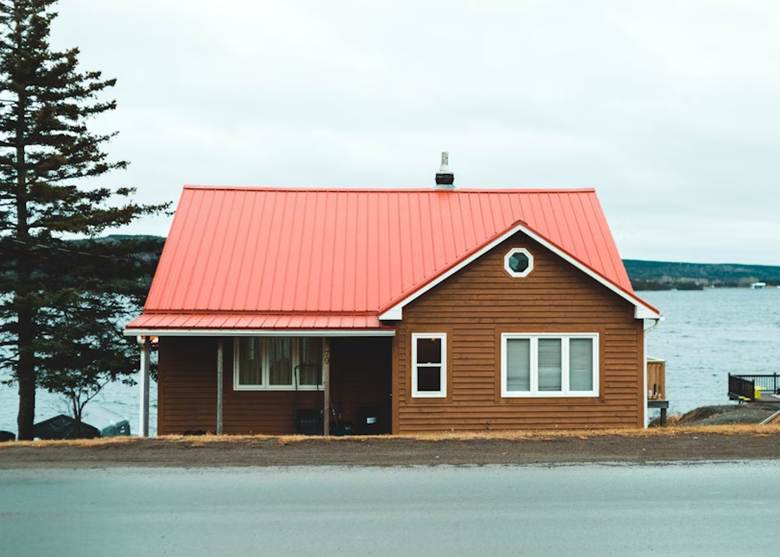
https://unsplash.com/photos/red-and-white-wooden-house-near-green-trees-under-white-clouds-during-daytime-UU010sez29w

Buying a home with a new roof is a great relief for buyers. They appreciate that after purchasing the home, they won’t have to dig back into their pockets to pay for roof repairs or replacements. Buyers with limited finances often use savings to hire a realtor and make the down payment. The cost of moving and other items needed to settle into the new home can quickly drain remaining funds. Any additional costs can be frustrating.

A new roof is less likely to have issues, and if they come up, there’s usually an extended warranty to cover the costs of repairs. In contrast, old roof warranties have likely expired, and any roof restoration services must be paid for out of pocket. To a buyer, a new roof is a safer option. Therefore, when selling your house, use your new roof as a bargaining chip. Buyers will likely buy a home that does not come with additional ‘baggage.’

4. Your home is likely to sell faster

You’ve seen houses stay on the market for a long time. Many of them are usually overpriced, poorly presented, or lack the ‘wow’ factor. To add some zest to your offer, install a new roof and state it clearly on the ad, and add photos to prove it. Your home will likely sell quickly and fetch more money than homes with older roofs.

5. It saves on energy

Everyone is becoming increasingly aware of the need to conserve resources. With the rising cost of living, people are seeking ways to cut their spending, and one way to do it is by reducing energy consumption with an energy-efficient roof. “Cool roofs” lower energy costs by reflecting the heat off the roof and keeping the interior of the house cool. This reduces the need for running the A/C as much. Examples of energy-efficient roofing materials are synthetic shingles, metal, and tile. Green roofs and roof gardens on flat roofs are also efficient at warding off excess heat. If you decide on any of these options, you’ll increase the value of your home and have more luck attracting buyers, particularly those who are eco-conscious.

A New Roof Is a Home Value Booster

Installing a new roof on your home will increase its value and enable it to fetch a higher price in the market. Buyers are inclined to opt for homes with curb appeal, and durable, energy-efficient roofs that are not prone to roofing issues. So, don’t be apprehensive about spending money on a new roof — it will pay off in the end.

How Psychologists Support Emotional Wellness in PWS Patients 

Prader Willi Syndrome (PWS) is a complex genetic disorder affecting numerous parts of the body. It arises due to psychological and physical issues and is primarily characterized by a constant sense of hunger, often leading to excessive eating and life-threatening obesity. Other symptoms include mild to moderate intellectual impairment or learning disabilities, delayed motor development, distinct facial features, and behavioral problems.

People living with PWS demonstrate a wide range of emotional, cognitive, and physical challenges. Nonetheless, with early identification and appropriate management techniques, they can lead meaningful and fulfilling lives. Every person with PWS exhibits a unique set of manifestations of the syndrome; hence, there isn’t a one-size-fits-all approach to handling this condition. Therefore, it is crucial to have a multidimensional understanding of PWS from a medical, psychological, and emotional aspect.

The Emotional Impact of PWS

The emotional impact of PWS on those living with the condition and their families can be profound. The constant battle with food urges can result in significant emotional stress, leading to anxiety and depression. Additionally, due to cognitive impairments, people with PWS often struggle to interpret social cues and express their emotions healthily. This can negatively impact their relationships, foster social isolation, and lower overall life satisfaction.

Understanding the emotional implications of PWS can help to design better treatment strategies, offering not just physical relief but also psychological and emotional support. Undeniably, psychological wellness plays a key role in enhancing the quality of life for people with PWS.

The Role of Psychology in Managing PWS

Psychologists as Key Health Professionals in PWS Management

Psychologists serve as integral members of the healthcare team managing PWS. They assess and address the psychological impacts and behavioral issues associated with PWS. PWS Psychologists use various therapeutic techniques and strategies, and psychologists help develop coping mechanisms, improve emotional resilience, enhance social skills and facilitate adaptive behavior for people living with PWS.

Additionally, psychologists actively work with parents, educators, and other healthcare professionals to ensure a holistic approach is taken towards managing the condition. This includes educating all parties involved about the syndrome and providing strategies on how to provide effective support both in and out of the home environment.

Comprehensive Care: Why Psychological Support Matters

Psychological support plays a pivotal role in managing PWS symptoms and ensuring improved overall quality of life for patients. Despite being a genetic condition, managing PWS isn’t merely about treating physical symptoms but also coping with behavioral and emotional challenges. Assisting individuals with PWS to handle their emotions, control their impulses, and manage their behaviors is crucial in mitigating the disorder’s psychological impact.

Moreover, psychological support could help enhance self-esteem, improve social interactions, and lower the chances of developing mental health disorders such as depression and anxiety. Hence, psychological support is an essential part of comprehensive care for PWS.

Strategies for Supporting Emotional Wellness in PWS Patients

Building Emotional Resilience in PWS Patients

Addressing emotional wellness in individuals with PWS often commences by building emotional resilience. Individuals with PWS can build resilience by learning and utilizing techniques such as cognitive restructuring, mindfulness, problem-solving, and self-care strategies.

For instance, cognitive restructuring helps to change negative thought patterns, while mindfulness techniques can teach individuals to respond to stress and negative emotions in a calm and balanced manner. Problem-solving strategies can assist in tackling conflicts, and self-care practices can preserve mental well-being and prevent burnout.

Cognitive Behavioural Techniques for Emotional Wellness

Cognitive behavioural techniques (CBT) constitute a crucial aspect in managing emotional challenges associated with PWS. In PWS, CBT can assist individuals in resolving issues related to mood, anxiety, anger, and challenges related to food and weight management.

For instance, CBT can help individuals with PWS recognize their patterns of thinking about food and their ability (or inability) to control their eating. They are then taught to process these thoughts differently to minimize their impact on their behaviors and emotions.

Psychological Interventions: Family-based Therapy Approaches

Family-based therapy is an essential aspect of psychological intervention for PWS. Given the complexity of PWS, families play a vital role in its management and influence the emotional wellness of the individual affected. Family therapy focuses on educating all family members about PWS, fostering a supportive home environment, teaching effective communication techniques, and coping strategies.

For example, the ‘traffic light’ method is one such approach, where an individual’s behavior is categorized into green (acceptable), yellow (potentially problematic), and red (unacceptable) behaviors. This helps the family to interpret the individual’s behavior accurately and respond appropriately, contributing to more stable home dynamics.

Mental Health Challenges in PWS

Common Psychological Disorders in PWS Patients

People with PWS are at an increased risk of numerous psychological disorders. Symptoms may range from mild, such as persistent sadness, anxiety, and concentration difficulties, to severe conditions such as psychosis and bipolar disorder. Moreover, obsessive-compulsive disorder is also prevalent and related to food-seeking behaviors, repetitive questioning and insistence on routines and rituals.

Understanding and recognizing these mental health disorders early on can significantly improve the outcomes for PWS patients. Specifically, psychological interventions can be tailored to manage these disorders while also addressing the unique behavioral and emotional challenges associated with PWS.

Co-Existing Mental Health Conditions with PWS

In addition to the behavioral symptoms inherent to PWS, individuals may demonstrate a variety of co-existing psychiatric conditions. These may include, but are not limited to, Autism Spectrum Disorders, ADHD, anxiety disorders, and depression. The presence of these co-existing conditions can compound psychological distress and further impair social, cognitive, and emotional well-being.

Co-existing conditions require attention and care, and should be factored into a comprehensive care plan for managing PWS. Identifying and treating such comorbidities early can drastically improve an individual’s quality of life and enhance their ability to manage the challenges posed by PWS.

The Interplay Between Mental Health Disorders and PWS

The interaction between PWS and co-existing mental health disorders is complex. The heightened emotional distress and compulsive behavior that individuals with PWS often experience can exacerbate symptoms associated with co-existing mental health conditions. For example, high levels of anxiety commonly seen in people with PWS can be further elevated with a co-occurring anxiety disorder.

Understanding the interplay between PWS and mental health disorders can help healthcare providers design more effective treatment strategies. By addressing both the core aspects of PWS and the symptoms of co-existing conditions, care providers can offer optimal support and care to individuals with PWS.

The Role of Family in PWS Management

Emotional Support Network: Family and Carers

Family members and carers form a crucial emotional support network for individuals with PWS. They help implement and enforce behavioral strategies, reinforce learned coping mechanisms, and provide emotional reassurance during challenging times. In essence, they play a major role in shaping the individual’s environment and emotional wellness.

Family and carers also play a crucial role in advocating for the individual with PWS in different settings, be it school, the healthcare system, or public spaces. They become the individuals’ voice when they are unable to communicate their needs effectively.

Nurturing a Positive Home Environment for PWS Patients

Creating a safe, positive, and structured home environment can greatly benefit anyone with PWS. It can reduce triggers for negative behavioral outbursts, promote emotional stability, and foster personal growth. Structured routines, clear boundaries and rules, and a calm, loving environment can provide the stability needed by someone with PWS.

This includes having defined meals and snack times to manage the food-related behaviors, encouraging physical activities and hobbies to channel energy, having quiet spaces for relaxation and de-stressing, and enforcing household rules consistently to minimize behavioral issues and promote responsibility. A nurturing home environment offers emotional security, promotes education, and fosters personal growth.

Conclusion

In conclusion, the interplay between psychology and home design offers promising solutions for enhancing the emotional wellness of PWS patients. pws Psychologists equipped with the knowledge of this rare genetic disorder, along with a keen understanding of the power of environment, flourishes a holistic and individual-based healthcare approach, ensuring those living with PWS aren’t just surviving but indeed, thriving.

Creative DIY Pergola Ideas For Your Backyard

Have you ever dreamed of relaxing under a stylish shade structure while sipping a cool drink in your backyard? Do you want to give your outdoor space a bit of personality without breaking the bank? If so, a pergola could be your new favourite project. Pergolas are more than simple structures; they bring charm, style, and improved functionality to any outdoor area.

Get ready to discover a treasure trove of outdoor pergola ideas Australia enthusiasts love, from small pergola Bunnings hacks to tips on building pergolas that stand the test of time. Whether you’re aiming for extra shade, a stylish dining area, or a snug lounge under a modern roof design, you’ll find plenty of inspiration and how-to info right here.

Why Build a Pergola in Your Backyard

If you’ve been thinking about updating your outdoor living space, a pergola can be a brilliant starter project. It sets the stage for gatherings with friends, cosy family dinners, or moments of peaceful solitude. Instead of letting your backyard sit idle, a well-planned pergola maximises its potential and gives you a reason to spend more time outside.

What Are the Benefits of a Pergola?

A backyard pergola offers shade, comfort, and style in one go. If you pick an adjustable roof—like a louvered pergola kit Australia homeowners adore—you’ll have control over how much sunlight filters through. While ordinary patios can be great, a pergola takes it up a notch, creating a unique focal point that complements your garden. Plus, installing a pergola improves your home’s entertainment value, turning your backyard into a place for weekend barbecues, brunches, and all sorts of social get-togethers.

Does a Pergola Add Value to My Home?

When people think about value, they usually consider big-ticket renovations like kitchens and bathrooms. But an attractive outdoor area can also elevate your property’s overall appeal. According to estate agents, a modern pergola with a stylish design and good-quality materials can make a positive impression on potential buyers. They see a ready-built space for entertaining and relaxation, which can imply added value for you down the track. While the exact figure varies, it’s safe to say that a well-built pergola is an investment that can pay off when selling your home.

Understanding Different Pergola Types

There are many pergolas out there, so you might wonder which type suits your property best. Whether you want an attached pergola that integrates smoothly with your house, a freestanding pergola for more flexibility, or even a cantilever pergola Bunnings option, there’s a design to match your style. Let’s examine the most popular pergola configurations seen in Australian backyards.

Attached Pergola: Seamless Integration

An attached pergola is fixed directly to one wall of your house, which provides a sense of continuity between your indoor and outdoor living areas. This style often works well near a patio door or large windows. The biggest advantage is that you don’t have to build extra supports on the house side, which can simplify construction. On the flip side, you’ll want to make sure that your wall is structurally sound and able to accommodate the necessary fixtures. With the right approach, an attached pergola can look like a natural extension of your home.

Freestanding vs. Cantilever Pergola Bunnings

Freestanding pergolas stand on their own, making them fantastic as a focal point in the centre of your backyard or nestled among your garden beds. Because they aren’t attached to your house, you have freedom in positioning them wherever you like. Cantilever pergolas, often found at Bunnings, are a twist on this idea, using fewer posts or beams on one side. This design can create a feeling of openness and space beneath the pergola, but it might require sturdier materials or special bracing to remain stable.

Louvered Pergola Kit Australia: For Flexible Shade Control

If you love to adjust the amount of sunlight or rainfall protection you get, a louvered pergola kit Australia homeowners rave about could be the ideal choice. Equipped with adjustable slats or louvres, these pergolas let you pivot the roof panels at will. On a sunny day, you can open them fully for a bright, airy ambiance. When clouds roll in, a quick shift can keep you and your outdoor furniture nice and dry. That’s why many Aussies turn to Louvred Roof Pergolas a stylish and sustainable option that offers ultimate versatility for outdoor living.

Choosing the Right Materials

Once you’ve nailed down a pergola type, it’s time to think about materials. Timber and metal are common favourites, but modern composites also make an appearance. Each material has its own quirks, so selecting the best fit depends on your preferences and climate considerations.

Wood, Metal, or Composite: Key Differences

Wooden pergolas look warm and inviting, and they often blend well with natural backyards. However, they may require regular sealing or painting to keep them in great shape. Metal pergolas usually powder-coated steel or aluminium tend to be low-maintenance and sleek in appearance. Because metal doesn’t warp or rot, it’s a strong choice if you want something long running and robust. Composite materials offer a middle ground, giving you the look of wood with the durability of synthetic components. While composite may be pricier, it often cuts down on long-term maintenance.

Pergola Roof Bunnings: Popular Options

A trip to Bunnings can unveil various pergola roof Bunnings options, from polycarbonate panels to shade cloth and corrugated metal roofing. Polycarbonate sheets can be transparent or semi-transparent, allowing diffused light to flood the space. Corrugated metal is a dependable option if you want extra rain protection. Shade cloth is a cost-effective solution that stops harsh sun rays while still allowing airflow. Your choice depends on how much light, ventilation, and weatherproofing you need.

How Can I Waterproof My Pergola Roof?

If fully waterproof coverage ranks high on your list, you’ll need a roofing material that keeps things reliably dry. Corrugated fibreglass, Colourbond sheets, or polycarbonate can handle typical Aussie showers if installed correctly. Make sure that the angle and overlap of your roof materials funnel water away from the pergola. Additionally, sealing around any joining sections prevents leaks. Combining a sturdy roof with proper drainage ensures you won’t have to dash indoors every time the sky darkens.

Pergola Roof Designs for Style and Function

When it comes to pergola roof designs, the variety can be stunning. From see-through polycarbonate to retractable shade cloths, each option has perks to consider. Some roofs lean more towards style, while others are built with durable, weatherproof materials.

Transparent and Semi-Transparent Roofing

Polycarbonate sheets, glass panels, and acrylic options are favourites if you want a bright space without direct sun glare. Transparent roofing invites generous light, making smaller backyards feel roomier. Semi-transparent options, on the other hand, diffuse the harsh rays, creating a gentle glow that’s ideal for relaxation. The main thing to keep in mind is heat build-up—some transparent materials can trap heat, so ensure there’s good airflow or partial shading if you live in a very hot region.

Shade Cloth and Retractable Roofing Solutions

Shade cloth is an affordable and versatile way to soften intense sunlight, and it’s easy to replace if it wears out. You can select various shade factors (like 50%, 70%, or 90%) depending on how much sun you want to block. Retractable roofing, meanwhile, lets you switch between open air and sheltered shade. Whether you’re hosting a daytime barbecue or stargazing at night, you can adapt your pergola roof designs to match the moment. These layouts often come with crank handles or motorised features for effortless operation.

Versatile Louvered Systems

Louvered roof systems let you control how much light and airflow you get. By adjusting the slats, you can open them to let a breeze pass through or close them fully for a watertight seal. High-end versions often have remote controls for effortless adjustments, plus rain-activated sensors that automatically tilt the louvres closed when drops start to fall. While these systems may be pricier than simpler roofing solutions, the flexibility and convenience can be worth the investment, especially if you want an outdoor oasis that adapts to all weather changes.

Conclusion

So, after exploring a range of creative DIY pergola ideas, it’s clear that pergolas pack plenty of value into a relatively straightforward structure. They add instant charm to your outdoor space, give you a flexible place to relax with mates, and can even boost your home’s resale value. Whether you choose an attached pergola or a freestanding design, investing in quality materials will ensure it stands strong for years to come.

If you’re new to DIY projects, starting with a Bunnings pergola kit lets you skip a lot of the measuring and cutting. More seasoned builders might enjoy tailoring every detail, down to the types of bolts and brackets. No matter your skill level, a well-planned pergola has the power to turn a plain backyard into a welcoming, functional retreat.

Ready to build pergola magic in your own yard? Now is the perfect time to gather your resources, finalise your design, and get started on creating a backyard pergola you’ll love. Embrace these outdoor pergola ideas Australia-style, and enjoy the shade, style, and leisure that come with your very own backyard haven.

Navigating the Education System: Advocacy Strategies That Work

When my son was diagnosed with autism at age four, our family’s journey took an unexpected turn. Like many parents, we found ourselves thrust into a world of therapies, evaluations, and educational planning meetings. Working with ABA therapy for children in San Francisco opened our eyes to the possibilities for my son’s development, but it also highlighted how critical appropriate school accommodations would be for his success. What I didn’t realize then was that becoming an effective advocate would be one of the most important roles I’d play in my child’s educational journey.

Understanding Your Child’s Rights

The foundation of successful advocacy begins with knowledge. Under the Individuals with Disabilities Education Act (IDEA), children with autism are entitled to a Free Appropriate Public Education (FAPE) in the Least Restrictive Environment (LRE). This means your child has the legal right to:

  • An Individualized Education Program (IEP) tailored to their specific needs
  • Access to appropriate accommodations and modifications
  • Placement in a setting that maximizes their potential for learning alongside typically developing peers when possible

Before any IEP meeting, familiarize yourself with these rights. Request and review all evaluations in advance. Take notes on specific concerns and desired outcomes. This preparation transforms you from a passive participant to an informed team member with valuable insights to contribute.

Documentation: Your Most Powerful Tool

In my experience, thorough documentation has been the single most effective advocacy tool. Start a dedicated notebook or digital file where you record:

  • Observations of your child’s challenges and successes
  • Communications with school personnel (date, time, who you spoke with, what was discussed)
  • Strategies that work at home or in therapy settings
  • Examples of how your child’s autism impacts their learning

When requesting accommodations, I’ve found that specific, evidence-based requests are much more likely to be approved than general concerns. Rather than saying, “My child seems overwhelmed in class,” try, “When there are unexpected transitions between activities, my child experiences significant distress that prevents learning for up to 30 minutes afterward. A visual schedule with a five-minute warning before transitions would help address this barrier.”

Building Productive Relationships

Effective advocacy isn’t about confrontation—it’s about collaboration. The most successful outcomes for my child have come when we’ve approached educators as partners rather than adversaries. Some strategies that have strengthened these relationships include:

  • Recognizing educators’ expertise and constraints
  • Expressing appreciation for their efforts
  • Focusing on shared goals for your child’s development
  • Offering to share successful strategies from home or therapy

Remember that teachers often have limited training in autism and may be managing classrooms with diverse needs. Approaching conversations with compassion rather than criticism opens doors to creative problem-solving.

The Power of the Education Team

One of the most valuable lessons I’ve learned is to leverage the expertise of all professionals working with my child. Before important school meetings, I consult with:

  • Our ABA therapist for behavioral strategies
  • Speech therapists for communication accommodations
  • Occupational therapists for sensory and fine motor recommendations

These professionals can provide documentation supporting specific accommodations and may even attend meetings to offer their expertise. Most importantly, they help translate your child’s autism-related behaviors into educational terms that resonate with school personnel.

When Pushback Occurs

Despite your best efforts, you may encounter resistance to accommodation requests. When faced with “we don’t do that here” or “we don’t have the resources,” remain calm but persistent. Response strategies include:

  • Requesting the denial in writing with specific reasons cited
  • Referencing relevant sections of IDEA or school district policies
  • Proposing a trial period for the accommodation
  • Seeking mediation through your district’s special education department

Sometimes, bringing in an educational advocate or attorney specializing in special education law becomes necessary. These professionals understand the system and can help navigate complex situations while preserving important relationships.

Teaching Self-Advocacy Skills

As our children grow, we must gradually shift from advocating for them to teaching them to advocate for themselves. Age-appropriate self-advocacy might include:

  • Helping your child understand their learning differences
  • Practicing how to request breaks when overwhelmed
  • Teaching them to explain their accommodation needs to teachers
  • Involving them in IEP meetings when developmentally appropriate

My son recently attended part of his IEP meeting for the first time. Though brief, his participation helped the team see him as an individual with unique strengths and challenges rather than just a collection of needs.

Celebrating Progress and Adjusting Course

Educational advocacy is a marathon, not a sprint. Celebrate small victories along the way—the teacher who implements a visual schedule, the successful sensory break system, the peer buddy program that fosters inclusion. Document what works so these strategies can be carried forward to future grades.

Equally important is recognizing when approaches need adjustment. Autism needs often evolve as children develop, and educational plans must evolve accordingly. Maintaining open communication with your child’s educational team ensures that accommodations remain relevant and effective.

The path to appropriate educational accommodations is rarely straightforward, but with knowledge, persistence, and collaborative relationships, you can create a foundation for your child’s success. Remember that your expertise about your child, combined with educators’ professional knowledge, creates the most powerful advocacy team possible.

Outdoor & Adventure Gifts for the Dad Who Loves to Explore

Photo by Dave Hoefler on Unsplash

Getting gifts for Dad can be a challenge, especially when he loves to be outdoors. Thankfully, there are a lot of things that can make the outdoor experience better and make great gifts. These can be everything from clothing items to fishing gear to other useful outdoor stuff.

To keep things simple, the main focus of this gift guide will be on items that are either carried or directly used, just to keep things affordable. Which, sadly, means no ATVs or boats, but enjoying the outdoors is more about the experience, especially as Dad gets older.

Wool Socks/Clothing

Photo by Maria Kovalets on Unsplash

It may not seem like a great gift for Dad, but wool clothing, especially wool socks, is an amazing gift for the outdoorsman. This is because of the unique properties of wool. Wool is a natural fiber that helps keep moisture away from the body while still being insulating. If a wool item gets wet, it still retains heat in cold weather, leading to better comfort.

Wool is a great renewable material that is more natural than polyester and more durable than most cotton options. A well-maintained set of wool socks will last for years and help maintain foot health, which can be the difference between a great time in nature and a horrible experience.

Other wool items like hats, gloves, or shirts are great additions to Dad’s wardrobe when he’s out exploring the great outdoors. Using wool as an insulator helps keep him warm, but it does have some nuances in caring for it. Overall, wool has more benefits and really should be integrated if he spends a lot of time out in cold temperatures.

Knife Or Multitool

Being outdoorsy generally means that Dad is going to have a knife or a multitool on hand. Not every knife is created equal, and not every multitool is made to handle every task. Getting him a new one that covers something his old one doesn’t is a great way to improve his adventures.

This doesn’t mean he’ll get rid of his current knife or multi-tool, but it does mean he’ll probably find a reason to try out the new one. Don’t get too creative with the style, try to keep it relatively similar to his current choice, that way he will be more open to adding it to his regularly used options.

If it doesn’t match, he can still stash it away as a spare just in case he loses his primary choice, no matter what it is.

Fishing Gear

Photo by Yiran Ding on Unsplash

While it is a stereotype, getting Dad some more fishing gear is never a bad choice if you know he loves to fish. There’s such a wide variety of fishing out there that it would take days to cover them all.

But a good set of carp fishing gear is another safe choice for Dad’s gift. Carp angling is very rewarding, produces a lot of fishing stories, and is extremely accessible. Fishing gear is kind of like jewelry; everyone has their special tastes, so make sure you get a good grasp of his preferred style. Drop a hint here or there to see if he likes what’s being picked out, just to be sure.

He is never going to look for more reasons not to fish, and having the right tools just makes the whole process more enjoyable.

Quality Backpack

Having something to carry everything he needs when he’s camping, fishing, hiking, or hunting is a big game changer for Dad. A solid backpack that isn’t going to tear easily or one that is lighter than his old one is going to help him really enjoy what he’s doing.

There’s something special about outdoor backpacks, especially when they distribute the load evenly. A lot of hiking and camping adventures can be ruined by a terrible backpack that leaves hotspots or just doesn’t fit comfortably when it’s being used. 

Whether it has a solid strap placement, a good frame, or holds everything in place during a long walk, never underestimate just how much a backpack will impact the quality of life. A good pack will make that journey more enjoyable, instead of him constantly thinking about how uncomfortable the pack is.

Thermal Cup

Photo by Bluewater Sweden on Unsplash

When the adventure means being in the cold and wet of an early morning or just being in a cold place, a hot cup of something really makes a difference. Getting Dad some thermal drinkware is a thoughtful way to increase his creature comforts.

It may not be what he heats his drink up in, but it will be a way for him to store it for longer periods instead of having to rush to drink it. Even after it has cooled down a little, a warm drink does wonders for the mood, especially after a few hours of sitting in the cold.

The best part is that most of these drinkaware options are either customizable or come in a lot of popular branding styles to fit his particular tastes.

A Good Watch

In a world dominated by smartphones, a good wristwatch is one of the means to unplug from the world. Being outside and reconnecting with nature is a lot easier to do when checking the time means a turn of the wrist instead of pulling out a phone.

On top of that, a quality watch is a great fashion accessory, but it still retains enough function for Dad to actually get some use out of it. Tracking time and knowing what time it is really helps bring extra levels of safety when spending time outdoors.

Gift Thoughtfully

No matter what the final choice will be, Dad’s gift should have some thought and care put into it, just like anyone else. Gifts need to match their recipients, which makes those gifts that much more special.