How To Prevent Flood Damage In Historic Homes


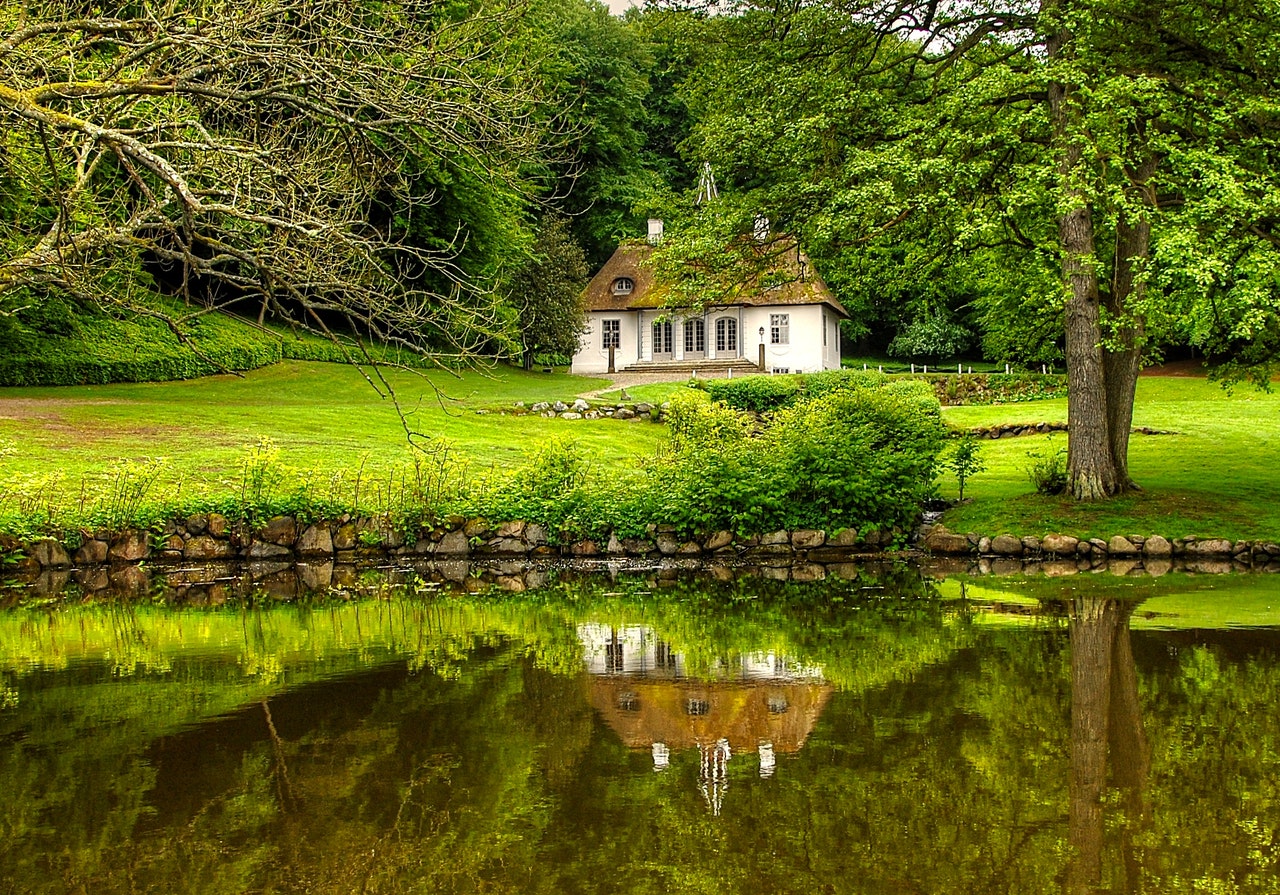
Historical homes provide a charming aesthetic, although they are more vulnerable to flood damage. Older structures often have minor cracks on the roof, walls or flooring, making the interior more susceptible to water accumulation. Here are tips to prevent flood damage in your home.

1. Evaluate Your Drainage System

The drain should be sloped away from your foundation. Redirect gutters so water flows toward the street, preventing it from accumulating near your foundation. A build-up could lead to potential mold and a weakened structure.

In addition, clear out debris and leaves from the downspouts so moisture doesn’t build up. You can also install backwater valves to prevent water from entering your house.

2. Try Dry-Proofing Methods

Dry-proofing is where you seal your exterior to protect against floods. One method is adding flood shields to doors for better protection against heavy downpours. You can also raise the threshold of your entryway to prevent foundational issues. Be sure to seal around doors and windows tightly. Keep in mind older windows have larger openings to let in more light.

You can strengthen any masonry walls to withstand heavier pressure. However, if you ​​create a permanent installation, it must be compatible with the property’s historic character.

3. Decorate With Flood-Resistant Materials

Flood-resistant materials can withstand prolonged water exposure with little to no damage.

Make sure to add these to the underside of your home. Does your home need a renovation to create a more updated look? This is an excellent opportunity to add flood-resistant surfaces.

Here are a few materials to consider using:

  • Concrete
  • Clay tile
  • Brick
  • Pressure-treated (PT) resistant lumber
  • Polyester epoxy paint

Be sure to enclose any wall cracks with waterproof membranes or other sealants.

4. Raise Your Appliances and Utilities

Keep your appliances and HVAC system at taller heights whenever possible. Begin by determining your base flood elevation (BFE), which is how much the water level is anticipated to rise during an annual flood. This date is on the Federal Emergency Management Agency(FEMA) website. Make sure to raise your utilities above that level.

Be sure to elevate electrical wiring as well. This can prevent damage and potential electrocution. Also, turn off the home’s power systems if floodwaters rise.

5. Move Your Furniture Around

Take stock of your belongings and secure them as safely as you can to prevent potential water damage. Move high-value items to the upper levels. You can temporarily store a few things in your home’s attic. For example, do you have antique sofas or lamps you want to preserve during a period of rainy weather?

If you are accustomed to a storm season or rainy season, you should also be prepared to limit the furniture you keep outside. Taking in patio furniture, planters and other items for a few months can give you some peace of mind should flooding be a problem.

6. Have a Contractor on Hand

You want to restore your home as much as possible after flooding, especially historic homes with lots of charm. Have a trusted contractor on file and retain their number, which can help save time in an emergency.

Insurance companies will often work with general contractors during the claims process, which is why you must have somebody you can trust. Ask friends for references and research credentials before hiring someone. Make sure you interview multiple contractors as well.

7. Elevate Your Home

Raising your house on stilts or piers can protect against intense flooding by preventing water from seeping into your foundation. It also gives you time to move furniture around before the water level rises too high.

Contractors separate the frame and masonry veneer from their foundation during this process. Then they’re raised and kept up with temporary support. Finally, the new extended foundation is constructed below. Ensure you preserve the historical exterior features, such as wood siding. Also, check with local historical preservation societies to see if structural changes need approval.

8. Maintain Your Lawn Properly

A well-kept yard can elevate your home’s curb appeal and complement the charming exterior of older homes. You can use specific lawn care techniques to prevent flooding as well.

Use heavy soil with clay and sand so the surface runoff water empties into the street gutter. Also, leave plenty of room between your mulch and siding. Installing a rain barrel can help catch runoff water from the roof.


Tips to Keep Your Home Protected

Severe weather can be a problem for many homeowners, and preserving the beauty of a historical home is often a concern. Follow these steps to keep your property protected for years to come.

Author

 Evelyn Long is a Baltimore-based writer and the editor-in-chief of Renovated. She publishes home decor advice and product roundups for readers in spaces both big and small.

7 Tips To Choose The Right Door For Your Home

https://unsplash.com/photos/pMY1mpaaUAs

You’re thinking of sprucing up your home, and you’ve decided that doors are a great place to start. You’ve made an excellent choice! Doors are frequently overlooked when remodeling, but they can make a huge difference in the appearance of your home. Of course, it can be a bit of a project narrowing down your options. There are as many doors as there are personalities, and picking the right ones for your home can seem daunting. There’s size, shape, color, style, hinge type, knob type…the list goes on and on. But with a little planning, you can make sure your doors fit perfectly within your budget, your lifestyle, and your decor. Read on to learn seven tips to make the right choice!

1. Set a Budget

Before you start looking, figure out what your budget is going to be. This is one huge step you can take to narrow down your choices. Interior doors start at around $50 and go up from there (in some cases, way up!). Having an idea of your overall budget will allow you to break down your budget per door. You may want to spend more or less depending on door placement. For rooms where soundproofing is important (think bathrooms and bedrooms), solid core doors are the way to go. But for rooms such as closets and pantries, a hollow core door can save you serious money.

2. Consider Your Style

You can’t go wrong with a standard white raised panel door, but you’re not going to be making any kind of statement with it, either. Instead of opting for the norm, think about your style preferences and consider finding a door to match it. Do you like a mid-century modern look? You may want to go with flat panel doors to get that 1960’s vibe. Are you into the country-chic look? Consider using a sliding barn door style in a room or two. Do country French cottages inspire you? Arched doors give that provincial feel. Whatever style you choose, just make sure it fits with your overall decor!

3. Think About Space

If space is a concern, pocket, sliding, or folding doors are a great space-saving choice. Bedroom closet doors are a great place for folding doors. Another space-saving idea is a pivot door that splits the width of the door between two areas, or smaller French doors that only take up about half the space of a regular door when open.

4. Pick the Right Material

Doors come in myriad materials, but the most common are wood and MDF (medium-density fiberboard). Wood is sturdier, great for staining, and an excellent choice for soundproofing. But it tends to be more expensive and difficult to paint. MDF is typically less expensive, lighter, and easier to paint. However, it can’t be stained, and it’s not the best choice if you are soundproofing a room. These days, there are many composite materials available if there’s a special issue you’re looking to solve (such as smudge resistance) or a specific look you’re going for (such as a more glossy modern style).

5. Make a Statement

https://unsplash.com/photos/QR_vT8_hBZM

Most doors in your home will be similar in style, but they don’t all have to be. Consider a single area to do something fun. Common accent doors include pantry or closet doors, or doors between a kitchen and dining area. Use these doorways to make a real statement with etched glass or saloon-style swinging doors. Want to get creative? Add color to your doors or frames. Use door color to add continuity from another part of your home. Or create a dramatic entrance by using a bold color on your front door!

6. Don’t Forget the Hardware

Door hardware can be as important as the door itself. The right knobs and hinges add not only style but also serious functionality to your doors.Soft-closing door systems can prevent doors from slamming in a cool breeze. Quiet hinges can keep you from waking your loved ones when you close a door late at night. The aesthetic of hardware can completely change the look of a room. If you’re on a budget, you may consider changing the hardware on your existing doors rather than getting all new doors. It’s an easy way to spruce up a tired look.

https://unsplash.com/photos/Nd1w4VV2–g

7. Get Creative!

The last thing to remember is not to box yourself in. Try going to a flea market or a salvage yard to find an old door that will add a vintage pop to your decor. Or consider making a door out of reclaimed wood. Finally, you can find ways to creatively spruce up your existing doors to make unique statement pieces for your home.

Whatever you decide, upgrading your current doors will bring new life to your home and be an investment you can cherish for years to come!

8 Ways Helping Others Can Benefit Your Health

unsplash.com/photos/v2uKKL0vnNY

Many people are unsure when it comes to volunteering as they don’t really see how they can help others. However, you oftentimes don’t need any special skills to be of assistance, as many things can be learned along the way and people in need are more than welcome to receive any kind of help you are able to offer. Volunteering opportunities abound and you can choose from helping people, animals, and the environment. Whether you decide to build houses, teach kids, help with medical issues, rehabilitate animals, or something else, you will not only be helping others but yourself as well. Here are some amazing benefits of volunteering.

You will get a new perspective on life

First and foremost, aiding others that are in need can help you gain a better perspective on life. For instance, maybe you think your current circumstances are really bad and you don’t know how you will get out of it, be it the fact that you’re not happy with your job, can’t find a partner, or something else. However, once you see other people who are struggling with much bigger issues, it can put things into perspective for you. Perhaps you are completely healthy, have a roof over your head, and have plenty of friends. People that you will spend time with while volunteering might not have any of those things. Individuals from all lines of life are fighting their own fight and you might realize that your problems are nothing compared to what others are dealing with. That is not to minimize your experiences but simply to show you how lucky you might be without even realizing it.

You will feel like you belong somewhere

In addition to changing the way you think about your life, volunteering can also help you feel like you belong somewhere. If you’ve always felt out of place or couldn’t make friends easily, perhaps this is what you were always meant to be doing. When helping others, you might work in a group of people that have similar interests, which means that you might have plenty to talk about and end up with life-long friends. Even if you make just one friend, it would be worth it, don’t you think? Moreover, perhaps teaching kids will show you that education is the right career path for you and fundamentally change your life.

unsplash.com/photos/9VpI3gQ1iUo

You will be less lonely

Opting for volunteering alternatives that aim to help other people means that you will not be on your own. If you often feel lonely, choosing to help those in need can help you alleviate your loneliness. From working with kids and witnessing how happy and carefree they can be to being a part of a team that builds homes for the underprivileged and talking to other volunteers, there are different ways how assisting others will get your social needs up and prevent you from isolating yourself. Even if you care for someone on your own, having these face-to-face interactions means that you will not be by yourself all day long.

You will experience mental health improvements

Being around people can also improve your mental health in various ways. For starters, not being on your own all day long means that you are less prone to loneliness and depression. Developing strong bonds with others lowers your risk of being depressed too. This is also a great way to relieve stress and anxiety. Besides helping people, helping animals can have a positive effect on your mood as well. Research shows that taking part in various volunteering activities releases feel-good hormones that increase our happiness levels.

You can feel satisfied and accomplished

Volunteering with people and animals is a great way to feel more satisfied with your life. If it seems like your life has no purpose, helping others will show you that what you do matters. Fortunately, there are countless places where you can volunteer abroad and learn more about different cultures while helping those in need. Regardless of whether you’re providing someone with medical help, building them a home, or teaching them a new language, you are making a difference. This feeling of satisfaction and accomplishment can go a long way in making you feel good about yourself.

unsplash.com/photos/k3QuwsnSbkk

You can lower your blood pressure

Helping others can also have benefits for your physical health. For example, research suggests that people that provide other individuals with social support tend to have lower blood pressure. What is more, interacting with people and supporting them also helps with recovery from coronary-related issues.

You can live longer

Some studies have also found that people who volunteered for a few charities were more likely to live longer than those that were not involved in volunteering, even after taking into account factors like age, general health, and bad habits. Furthermore, even the elderly that cared for their partners, friends, and relatives had a longer life expectancy than those that didn’t.

You will help make the world a better place

Finally, you can take comfort in knowing that by volunteering you are making the world a better place. No matter if you choose to build homes and schools, teach kids and adults, help those will low mobility, provide food and clothes for people, work with animals, or do your part in environmental conservation efforts, you are making a change in the world that will not be overlooked.

As you can see, there are various ways how you can volunteer all over the world. By doing so, you will not only be helping others but experiencing various benefits yourself.

What You Need To Create A Clutter-Free & Worry-Free Home Office

It was Albert Einstein that said, “If a cluttered desk is a sign of a cluttered mind, of what, then, is an empty desk a sign?” Even research suggests that a messy desk is a sign of a highly creative, problem-solving genius. But being a genius doesn’t mean that you are a stress-free genius. Let’s take a look at what you need to tidy up your home office so you can better embrace the genius of your productivity and alleviate the worry that you may have missed some important details.

https://unsplash.com/photos/5v69Vl62NCM


How to Approach De-cluttering

As with everything in life, you first need to understand how you are mentally approaching the task of decluttering. If you are approaching it as a chore, the less likely you are to experience all the benefits of a clutter-free workspace. A good mental approach to tidying up will allow you to create a new pattern of behavior which will result in a lasting change to your environment so you can increase, and maintain your personal productivity.

First things first —take some time to realize your goal — which is to be a more productive genius. Next, realize that a clutter-free workspace is an integral part of your productivity. This is because a clutter-free workspace is a functional workspace. It leads to worrying less about details or deadlines that you may have missed.

Clutter-Free Is the Healthy Choice

Now that you have the proper mental approach, you can begin to take action and clear out the clutter surrounding you. Taking action to tidy up your environment is not only a chance to make your environment physically healthier, but it is also both empowering and therapeutic. Actively improving upon your immediate surroundings reinforces that you do have the ability to positively influence things in your life.

A Place for Everything

You may have heard the proverb, “A place for everything and everything in its place.” It truly is great advice, especially as you work your way to a clutter-free home office. So let’s get started.

The first step you need to do is to make a place for things. But we need to figure out what things need a place and what things need to be chucked into the bin. So let’s start by putting things in piles. No need to sort through them just yet. We’re just getting started.

As you go, make note of what may come in handy to create an orderly setup moving forward — a basket for papers, a pen holder, and maybe a new pair of bookends. You will also need to start thinking about the unruly nature of cords and connections running to and from your laptop.

Oftentimes the random nature of cords running across your desk sets the stage for other disorganization. Consider streamlining all of those connections into a docking station that can be mounted out of sight. And don’t forget to keep the cord clutter that is out of sight and neatly tethered, as well. You’ll be surprised by how something as simple as cleaning up your cords can provide a fresh approach to your workspace.

You should also think about how to keep tiny things from going missing — like that micro USB flash drive you found beneath a pile of papers. It would be a real hassle if your external storage is accidentally lost. Imagine that you forgot to plug it back into its final destination after you unplugged it from the one USB port on your laptop. If you find that you have multiple USB-connected devices that are taking turns in your laptop’s one USB port, you can add USB hubs to ensure that your thumb drives, speakers, and other USB devices are secured in their very own places.

De-cluttering On the Go

Now you’ve shown yourself that small changes really do add up to powerful improvements. You may also notice that your stress level has significantly improved. Creating a clutter-free and worry-free home office to enhance your productivity will really pay off — both literally and figuratively.

But what about professionals who need to take their newly found productivity on the road? How do you streamline and keep your traveling office clutter-free and worry-free? There’s nothing so stressful as discovering that your charging cords aren’t in your tech backpack. If you’re a professional who works remotely once in a while or more often than not, the most important thing you can do is be proactive with your organization.

https://unsplash.com/photos/115YGe1M28I

Make sure that your tech bag has its own set of cords for your phone, laptop, earbuds, cameras, drones, etc. Always make sure that they are in good condition — and most importantly, properly wound and tethered. You may even consider purchasing a power backup with wireless charging and streamlined USB-C adapter capabilities to reduce the number of “bricks” and “cubes” you need to take along with you. A quality power backup will provide you with information as to how long it will last. This is an incredible benefit because you don’t always have to find the nearest power outlet while working remotely.

Clearly Clutter-Free

Whether it’s your home office or your mobile office, or maybe your bedroom or closet, making the conscious decision to organize your environment is how you improve more than just your space. It is how you improve yourself — mind, body, and spirit.

Your purpose in creating a clutter-free space may be to become more productive. Just remember that you aren’t actually creating this thing called “productivity”, you are creating a space for you to function in a more productive manner. And your functionality is how you demonstrate the true genius of your problem-solving ability.

5 Daily Habits To Keep An Office Clean And Tidy 

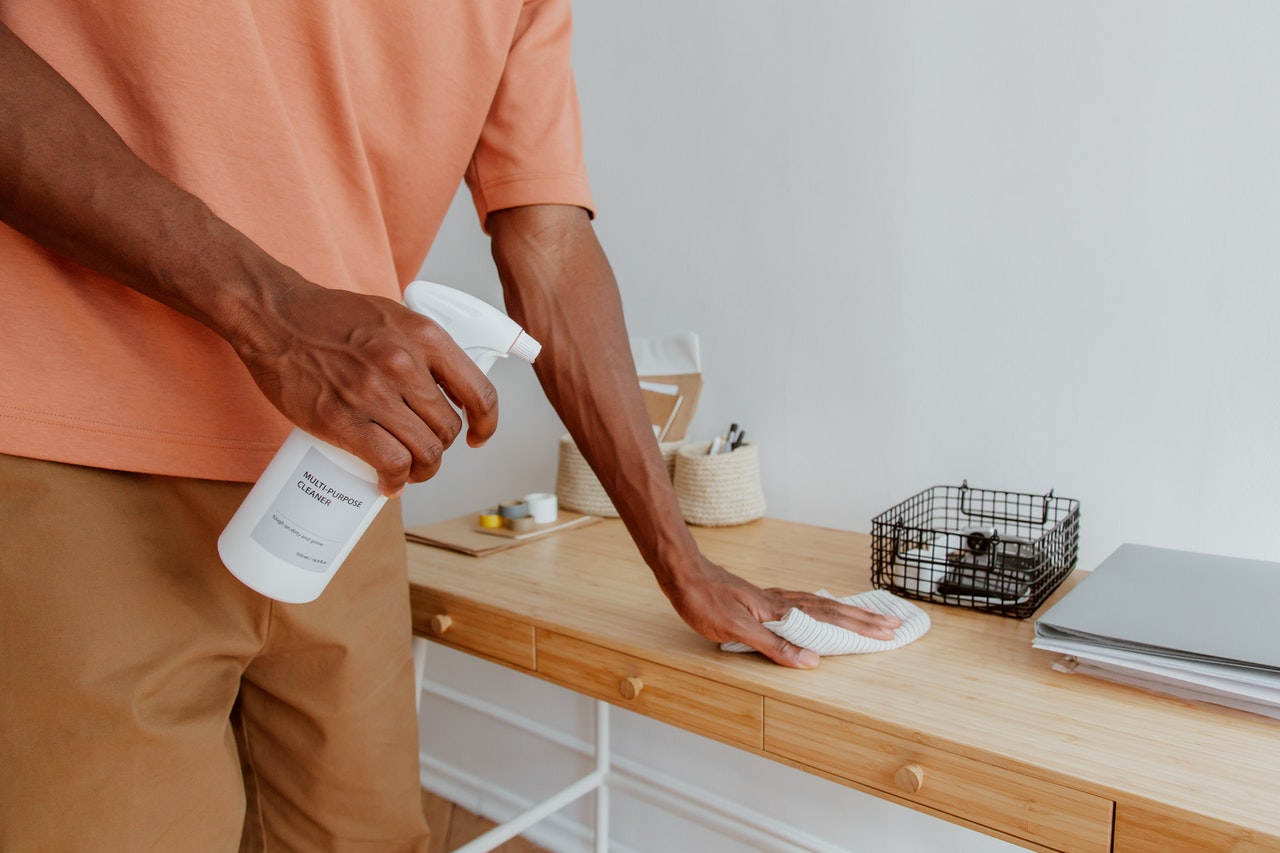
https://www.pexels.com/photo/man-cleaning-desk-10567271/

Keeping your office clean and tidy is never easy, no matter how big it is and how many people you employ. However, if you come up with a cleaning system and know what needs to be done, you won’t have a problem making it happen. In case you need some help doing that, here are five practical and useful habits you should look into right now!

Keep it decluttered

One of the biggest reasons why office spaces around the world are dirty and unorganized is the fact that they’re covered in clutter. From papers and documents to pens, pencils, and computer equipment – all these things are scattered around the offices and making them look awful. That’s why coming up with a new paradigm is vital – you don’t have to clean your office every single day, but you need to declutter it regularly. Doing this won’t be as hard as it sounds at first, so start the decluttering process right now!

Keep it organized

Once you remove everything you don’t need from your office space, it’s time to take things to a new level and make sure that you organize everything you’ve left in it properly. This is easy to do if you introduce a new system of organizing stuff in files, folders, and cabinets – this will make your office space seem nicer and more inviting, but it will also make your job much easier. Moreover, you won’t have to waste too much time when you’re trying to find something in your office, but you’ll be able to do that in a matter of seconds.

Keep it clean

However, keeping your office space decluttered and organized won’t be enough if it’s still dirty even after you do that. That’s why you have to find a way to clean your office as often as you can – you can either do this on your own, hire a new cleaning team that will make that happen, or find some outside help from cleaning professionals. The last option might make the most sense in the long run because only certified cleaning specialists know what to do in these situations. Luckily, they’re easy to find wherever you are, and if you’re in Australia, for instance, you can check out experts in commercial cleaning in Sydney who won’t just clean your office, but also show you the importance of repeating this process regularly. 

Keep it natural

When it comes to cleaning your office space, there’s something else you need to think of – your employees’ health and well-being. This is why using commercial and store-bought products might not be the best way to go since these aren’t always the safest option for everyone involved. This is particularly true for elders and people with allergies, so try to skip these as often as you can. Instead, you need to look into natural products that are made from water, salt, lemon juice, and borax – these ingredients might not seem too effective at first, but you’d be surprised to hear how much they can help you keep your office space clean every single day.

Keep it wireless

In the end, one of the biggest problems of modern office spaces is the fact that they have tons and tons of cables everywhere you look. All those computers, printers, scanners, Internet cables, and other wires are creating a mess in your office space and making it dusty and dirty. This is why you have to find a way to sort your cables and keep them organized because this is a way to make your office look more organized and more professional at the same time.

As you can see, keeping your office space organized and tidy doesn’t have to be too hard – you just need to stick to these five simple ideas and keep applying them over and over again until you’re happy with the way your office looks and feels.