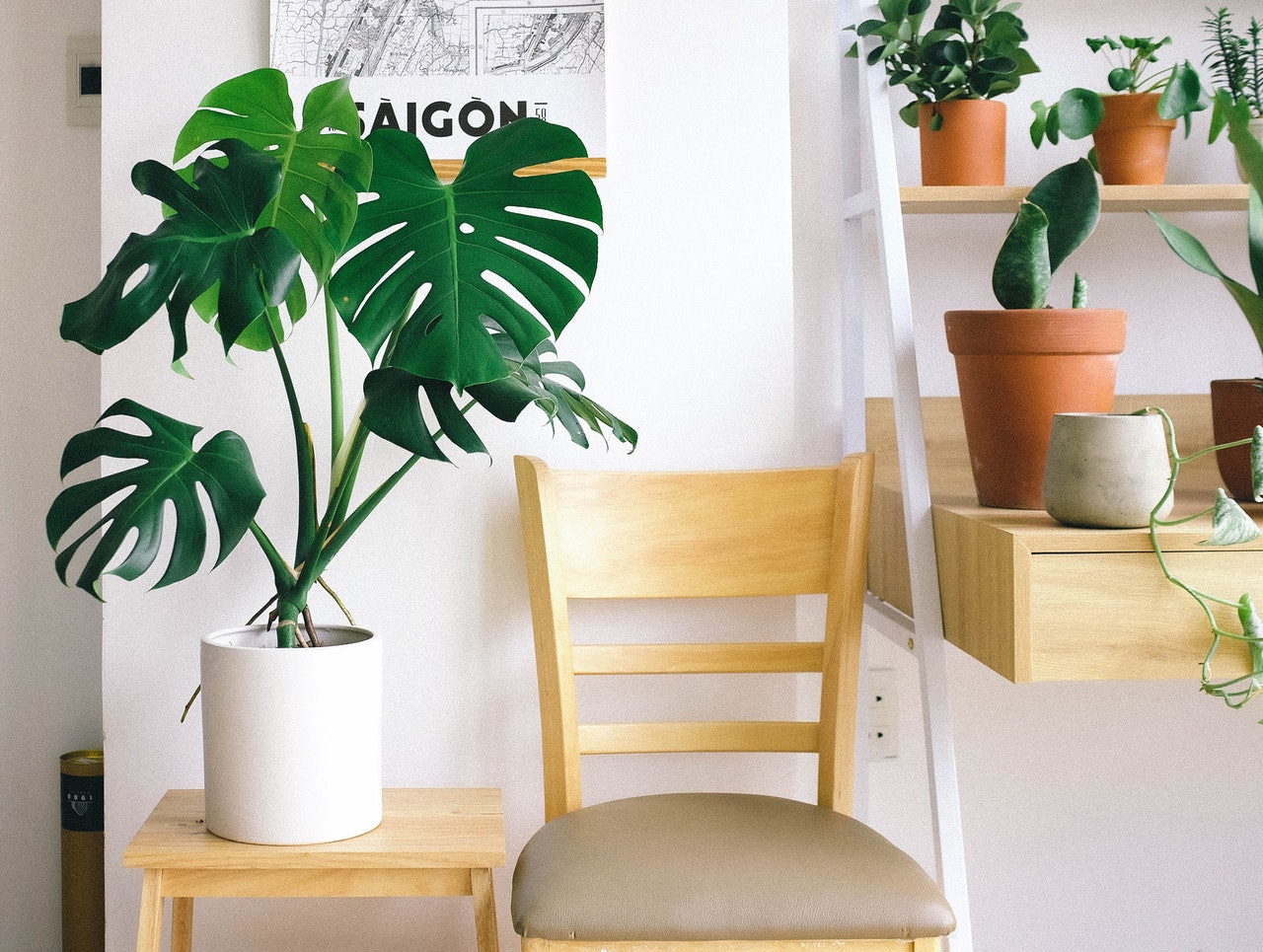
The Importance of Quality Family Time

As a parent, it can often feel like you’re burning the candle at both ends. After a long day of work, nothing sounds more appealing than sitting down and relaxing for the rest of the night to enjoy some peace and quiet while your child plays in their room or entertains themselves on a tablet.

Sometimes, you may not even have that option if your kids are involved in sports, arts, or other extracurricular activities.

When you do finally have some time for yourself, it’s understandable to want to “get out” and enjoy a social life with your friends.

However, none of these are necessarily healthy or acceptable routines to slip into. If you do, you’ll miss out on crucial bonding opportunities with your kids and/or teenagers that you’ll never get back. People like to talk about kids growing up in the blink of an eye, and it truly can feel that way sometimes.

Family time is important for both parents and kids, and it should be a priority in your life no matter what else you have going on. It’s normal to be exhausted sometimes and to just want a night to yourself. However, it’s crucial not to let it become a habit.

Let’s cover the importance of quality family time and how to incorporate more of it into your life with your loved ones.

Bring Back Family Dinner

Family dinners used to be a major component of the stereotypical American family. However, over the years, family dinners have changed. Parents and kids are busier. Activities continue later in the day. Electronics and technology have made it easier for everyone to eat at different times in different rooms.

However, sitting down for a meal as a family is about more than just fitting a stereotype or creating a Norman Rockwell-esque image. Regular dinners allow you and your family members to reconnect at the end of each day. It can take some creative scheduling and possible adjustments to make family dinner work every night, but even sitting down together a few nights a week is better than nothing. Family dinner’s biggest benefits include

  • Having fun with your loved ones
  • Learning about what your kids are going through
  • Strengthening your bond
  • Getting your kids interested in cooking and food
  • Teaching responsibilities
  • Sparking creativity

You don’t have to produce a gourmet meal every night. No matter what you have on your table, focus on the company and the time you have together. Create an ideal environment by choosing the right colors for your dining space, using warm lighting, and setting the table in an inviting and comforting way. When you make family dinner a priority, you might be surprised by how quickly it becomes everyone’s favorite part of the day.

Read Before Bed

When your child was younger, you probably had a nightly routine of reading them a book or two before they went to sleep. Unfortunately, it’s easy for life to get in the way again, and you might find yourself rushing through their nighttime routine now, so you can get some time to yourself.

If it’s been a while since you’ve read to your children, consider adding it back into both of your lives. Dedicating a special time to read a book with your child will strengthen your bond, and can have a profound impact on how they see the world. Reading to your child can also help them to develop a secure attachment from an early age, benefiting them into adulthood. Children with secure attachment bonds to their parents typically

  • Have high self-esteem
  • Get involved in healthier relationships
  • Have an easier time expressing their feelings

While reading before bed is a great way to help your kids wind down and improve their sleep hygiene, reading at any point during the day is beneficial for cognitive development and creativity.

You’ll also benefit from this dedicated time. Reading helps to improve sleep, can reduce stress, and can boost your concentration and ability to focus. Plus, you’ll learn new things along with your child and have an easier time seeing the world through their imagination.

Ditch the Digital Devices

Frankly, it doesn’t matter what you do with your family, as long as you’re dedicating yourself to it. Setting aside time to focus on your kids (and partner) is all that matters, whether you take a weekend camping trip or walk around the neighborhood after dinner.

A good rule of thumb, no matter what you do, is to leave cell phones and tablets behind when you’re spending time together. This shows your child that they’re getting your full attention and they’re the most important thing to you. It sets a positive example for them and can show both kids and teens that technology should never be more important than relationships.

No matter how you choose to spend quality time with your family, focus on being present. The things you do together now will shape your kids for the future and will create memories for you that will last a lifetime.

How To Keep Seasonal Allergies Under Control

https://unsplash.com/photos/zosE9lAYQlo

When you have seasonal allergies, it’s difficult to enjoy the spring and summer seasons without some discomfort. In fact, many people struggle with the symptoms of seasonal allergies year after year, and they don’t know how to get relief from these symptoms other than taking medication that can sometimes be more disruptive than helpful. However, there are steps you can take to alleviate your symptoms and enjoy these seasons more fully. This article will help you find the best ways to keep seasonal allergies under control so you can feel better and perform at your best.

Learn the Triggers

The most effective way to manage your allergies is by learning to avoid your triggers. For example, pollen and pet dander are both common triggers for seasonal allergies. If you have a pet, be sure to keep him or her out of your bedroom at night. It’s also a good idea to purchase a high-quality air purifier that can remove dust and pollen from your home.

Establish Good Sleeping Habits

A number of studies have linked poor sleep with increased production of allergy-related chemicals in your body. These include histamine, which helps protect against infection but is also a component of allergy symptoms; cytokines, which are a class of proteins involved in immune responses; and leukotrienes, which help regulate inflammation. If you’re having trouble sleeping at night because you’re suffering from seasonal allergies, make sure to establish good sleep habits by setting a regular bedtime and sticking to it. You can also take supplements like melatonin or try relaxation techniques that may encourage sleep.

Use an Air Purifier

When you’re dealing with allergies, it can be difficult to know what you should and shouldn’t do. Take steps to keep your living spaces clean by using an air purifier for your home that removes allergens and irritants from the air. These machines are able to remove pet dander, mold spores, pollen, dust mites, and even smoke from your home so you can spend time there without having reactions to those substances. Using one of these machines could help you feel better during allergy season without having to compromise your family’s lifestyle. Most households only need a small air purifier in one room of their house, but some may need more depending on how much time they spend at home and the size of their living space.

Don’t Put Off Going to See Your Doctor

The first-hand consultation with a doctor is an important step in figuring out how to manage your allergies. By laying out symptoms and undergoing a physical examination, your doctor can confirm or rule out various causes of your reaction. If you suspect you’re suffering from seasonal allergies, head to an allergist right away—don’t wait until symptoms have reached their peak. According to research, patients who received treatment for their seasonal allergies within two weeks had less severe symptoms than those who waited longer. The sooner you get medical help, the sooner you can start finding relief!

Exercise Regularly

People with a history of allergies or asthma often benefit from regular physical activity. The result is improved lung function, stronger immune systems, and lower stress levels, which can make seasonal allergy sufferers feel better overall. Plus, when you exercise regularly your body gets better at fighting off allergens. A regular routine can also increase stamina and make allergy season less miserable. (Try exercising for 30 minutes four times a week.) If you’re not an active person but want to start working out more to deal with allergies, it’s important to talk to your doctor before taking on any new exercise routines—especially if you have respiratory issues that could be exacerbated by exercise-induced breathing problems.

Dust High Surfaces

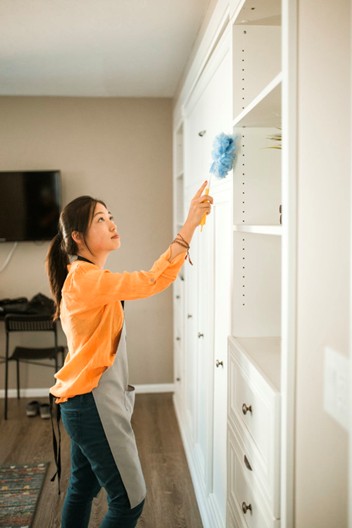
When dust mites and mold spores settle on surfaces, they can often make allergies worse. Though you can’t see them, these tiny allergens can make a big difference in the way you feel. By doing a little everyday cleaning you’ll reduce the dust that collects on surfaces in your home, meaning less of them and more breathing room for you. Wipe down surfaces daily with a damp microfiber cloth and avoid using any harsh chemical cleaners or sprays around your home – they won’t do anything to kill allergens and they could actually cause other health problems (like respiratory issues) if you’re exposed over time. For surfaces you can’t reach easily, you can hire a professional service to do a high dusting of ceilings, vents, and other places where dust may settle. Remember: A clean house isn’t just cleaner; it’s also healthier too!

Other Solutions

Getting a little dusting of pollen is natural and inevitable, but if you have allergies, it’s a good idea to take precautions. For example, when you head outside on those warm summer days, you might want to bring along an extra set of clothes so that you can change if your allergies start acting up. You may also want to consider sitting indoors in air-conditioning for a bit before going back outside. Keep in mind that many allergy medications don’t work well unless they’re taken one or two hours before exposure. Other options include: wearing masks (there are many varieties available) or taking antihistamines and corticosteroids.

Top 8 Ways To Take Care Of Your Pet At Home

https://pixabay.com/photos/couple-love-outdoors-walking-pair-3687274/

Owning a pet requires more than just giving your cat or dog love and affection. Becoming a pet parent is a responsibility that demands your complete attention. It shouldn’t be discounted as easy or cheap because you’ll have to invest both your time and money to ensure your pet stays happy and healthy.

However, doing so for your pet’s lifespan is one of the most fulfilling tasks you’ll ever take part in, as your pet will thrive and love you for this endless devotion. Here are the top eight ways to give your pet the best life.

1. Feed a Proper Diet

As a pet owner, you’re undoubtedly familiar with situations where your dog sits nearby and looks at you with those big puppy eyes while you’re eating. Those eyes are difficult to resist, so you probably end up giving your pooch some table scraps. While giving your dog human food is acceptable occasionally, the more frequently you do it, the more often your dog will expect it from you, which can lead to an unhealthy diet.

Try to stick with food made for pets, as your dog or cat needs particular vitamins and minerals. Also, giving your pets unhealthy alternatives can lead to obesity and other health issues. Research your pet type and find the best food options based on its age, breed, and activity level.

2. Let Your Pet Enjoy the Outdoors

Pets that go outside occasionally are actually healthier than those that stay inside 24/7. Cats and dogs benefit from fresh air, and nature’s sights, sounds, and smells are great for mental stimulation. Additionally, going outside is another outlet for them to get necessary exercise.

However, you shouldn’t let your pets roam free, as they may get injured or even stolen. Instead, consider outside cat enclosures for your feline friends or a fence for your dog. If you have a dog that’s an expert jumper, you may need to invest in a fence extender to ensure your pup stays safely on your side of the barrier.

If you don’t want to enclose your yard but still want your cats to be able to go outdoors, you can try a fully enclosed fence option or a catio. Make sure you add a cat staircase to ensure your cat can run up, down, back, and forth to chase bugs and get the best vantage points.

https://pixabay.com/photos/cat-kitten-tree-curious-tabby-1647775/

3. Provide Access to Drinking Water

Just like humans, pets can become dehydrated quickly. You should always have at least one bowl of fresh water in a place your pet can easily access. However, having more water bowls available is better. Try to change the water a few times each day so your pet can get the coolest, most refreshing water any time it needs a drink.

4. Create a Safe Zone for Your Pet

Cats and dogs occasionally need some space to rest, relax, and enjoy solitude. Often, pets require a safe place to decompress when feeling stressed or anxious. You can easily create this area by setting up a room or closet to meet your pet’s needs. Include a pet bed, blankets, toys, treats or anything else your pet likes.

5. Clean Pet Areas

While dogs are generally housetrained, they sometimes have accidents. On the other hand, cats are easier to take care of because they use litter boxes. Wherever your pet uses the bathroom (purposely or accidentally), the area needs to be cleaned regularly.

Properly scrubbing or sanitizing these areas will keep bacteria from growing, which will protect your pet from becoming sick. If your dog smells the area it urinated in before, it’ll want to go there again, so you’ll need an enzyme cleaner to remove the odor. Alternatively, cats don’t like to use dirty litter boxes, so if you don’t take the time to scoop them regularly, your cat may decide to urinate or defecate elsewhere in your home.

6. Groom Your Pets

Grooming tasks, including trimming your pet’s toenails and brushing its fur, will keep it looking its best. More importantly, grooming allows you to closely inspect your pet’s fur and skin for issues such as dry patches, bald spots, or lumps, which you can address with your vet.

7. Visit the Vet Regularly

When you adopt a pet, you should visit the vet promptly, so your furry friend gets its appropriate vaccinations. This session also allows the vet to examine your cat or dog to ensure it’s healthy. After the initial visit, you should schedule regular appointments every year.

Unfortunately, many pet owners opt to call the vet only when their pets have issues. Without regular checkups, your pet may suffer silently from an ailment that could be easily cured if caught earlier.

https://pixabay.com/photos/bernese-mountain-dog-canine-tabby-111878/

8. Show Your Love

Make sure you give your pet the attention it needs and deserves. Take time to play with your cat or dog and give them lots of cuddles and scratches. Dedicating time to your pet each day will strengthen the emotional bond between the two of you.

Having a pet is a commitment that shouldn’t be taken lightly. By keeping your pet’s needs and desires in mind, you and your furry friend can live happily together for years to come.

How To Properly Secure Your Digital Assets

Image Source: Unsplash

https://unsplash.com/photos/hpjSkU2UYSU

Every year, our world and the technology we use continues to evolve, so much so that most of what we do is now done on a computer or smartphone. While tech can make life more convenient, it also means that you have more digital assets than ever before — if you aren’t careful, those assets can be quickly stolen by hackers and cybercriminals.

It may not be fun to think about, but you need to secure your computers, tablets, and smartphones now so you can protect yourself against malicious characters. To help, we will discuss some essential tips and information that you can use to safeguard your assets and data. Take care of it now, and you can protect yourself and your finances for years to come.

Your Digital Assets Are At Risk

Some people don’t bother to protect their unsecured data because they don’t feel that there is really a risk. However, by being negligent, you are making yourself a prime target. Studies show that cyberattacks occur, on average, every 39 seconds, and they can happen to businesses and individuals alike. It may not seem like a big deal, but hacking can have disastrous results for you, both personally and financially. It can even result in identity theft if you don’t take the proper precautions.

That is because every piece of data that you have online can be used for malicious purposes. While many of us realize that credit card information and Social Security numbers can be used to take out fraudulent loans and commit identity fraud, many don’t know that even phone numbers and email addresses can be sold on the black market or used to send scam emails.

Hackers can use many different tactics to try to get your data. If you ever leave your device unattended, someone could simply insert a USB drive and upload a virus. Even if you keep your computer at home, a hacker can still send a phishing email (a fake communication that appears to come from a trustworthy source, like your job or a store you like to shop at). When you open it and view the attachment, a virus is installed on your device. Criminals can even create fake alerts on your computer — like a warning that you have a virus — but when you click the button to “fix it”, malware is installed on your device.

The fact is that you need to be vigilant at all times, even when you think you are already protected. A good example is people who work from home. Although you may have an IT team at the office, if your personal device is infected and you send an email to your work account, the company can then get infected. That is why it is important to designate your home office a “work only” zone, where you separate your work and personal devices. Once you have that setup, then make it a point to keep a decluttered desktop where you keep all files in designated folders. That way, you won’t misplace your work, and you will know if a file has been compromised.

How To Secure Your Assets

Now that you know the importance of securing your digital assets, it is time to start putting the proper protections in place. The first step is to take your password security seriously. Your password should have a combination of letters, numbers, and special characters, and you should use a separate password for every system and website you use. You can combine your password with a form of two-factor authentication for additional protection

It is also important that you protect your entire system and disguise yourself from hackers by installing a virtual private network (VPN) on all of your devices. A VPN will hide your location and automatically encrypt your incoming and outgoing data, so even if a hacker was able to access your system, they couldn’t read your information. Using a VPN is especially important when you are working in public, where hackers love to hide.

Finally, it’s crucial to use an antivirus program installed on your computer and mobile devices. By having this software and running scans every week, you can ensure that any virus that does reach your computer is deleted immediately. Make sure to update your antivirus program often, so you are always protected against the newest threats.

Properly Disposing Of Old Files And Paperwork

Protecting your assets and data goes beyond the digital world.

These days, digital filing has become the norm as paper and filing cabinets become a thing of the past. This means it’s not uncommon for people to scan and upload their physical paperwork so they can file it on their computers to stay organized and save space in the office. However, while you are making a smart move, you need to be careful with the information you leave behind.

Once you have scanned and uploaded your physical paperwork, make sure to have that documentation properly shredded or disposed of. Do not simply throw out the full sheets because criminals are not opposed to going through your garbage.

When you are decluttering your computer and removing files you no longer need, remember that even though you press the delete button, it doesn’t mean that the file is gone forever. Hackers can still use special tools to recover those files if they get into your system. To ensure that the data is gone forever, you can install a wiping program to erase your hard drive.

If you plan to sell or give away your computer, then your best bet is to destroy the hard drive altogether. Your best is to bring it to a shredding center. They have the machinery necessary to ensure that the hard drive is properly processed and your data can never be accessed again.

As you can see, you must implement the proper protections today, or you could be hacked and your data exploited before you know it. Consider these tips and beware of common scams, and you can keep your assets, personal data, and sensitive information secure.

The Best Indoor Plants For Different Rooms In Your Home


Indoor plants have to be cohesive with your home’s interior design to complement its surroundings. Yet, they may not thrive in every room. Matching the plants with the right parts of your house can help your indoor garden burst with life. Check out the best plants for different spaces in your home to watch every plant thrive long-term.

1. Monstera in Your Bedroom

If you’ve fallen in love with wide, leafy prints on your clothes and decor, the leaves likely resemble the monstera plant. It has a trendy shape and a gorgeous shade of green that will look perfect in any bedroom.

Monstera plants work well with nearly every interior design scheme, so it’s very versatile. The plant is also famous for growing around two feet per year, so give it plenty of space to reach up and out of its pot.

2. Ferns in Your Bathroom

Bathrooms fluctuate between retaining warmth after a shower and becoming cold in the winter. The air’s humidity also changes every time you turn the water on. Ferns can handle all of that with ease. They’re hardy and need just a few hours of light per day, so hang one from your ceiling or place it on a shelf to add some greenery to your bathroom.

3. Hibiscus Flowers in Your Sunroom

Many people want beautiful flowers in their homes. If that’s what you’re daydreaming about, consider nurturing some hibiscus flowers. They come in a vast array of colors, which might provide the pop of character your home needs. Think about growing hibiscus flowers in your sunroom to give them the light they need every day.

After placing your potted hibiscus flowers in the perfect sunny spot, remember what kind of maintenance they will require. Since hibiscus plants put out flowers, you’ll need to clean up any old blossoms and leaves. This will encourage more consistent and beautiful blooms.

4. Peperomia in Your Guest Room

Bold and waxy peperomia foliage makes it perfect for any guest room. People with different aesthetic preferences love this plant because it’s a dark-green foundational design element. Water yours once a week and keep it in indirect sunlight on a dresser or shelf to ensure its best chance of survival.

5. Aloe in Your Nursery

If you’re designing your future child’s nursery, you’ll likely want soothing motifs and colors woven into the room. While comparing paint swatches and fabric samples, don’t forget that a baby’s nursery is a perfect place for plants like aloe vera.

Aloe plants contain a healing gel that soothes any irritation. Although your baby may not need that kind of help until they start exploring, the sight of an aloe plant is calming. It’s the exact design element nurseries need to create a relaxing and welcoming vibe. Place yours in direct sunlight and watch it grow alongside your infant.

6. Herbs in Your Kitchen

Growing plants in your kitchen may seem like common sense. You already have vegetables and fruits in your fridge, so why not add a few potted plants?

Indoor gardening enthusiasts often find it easiest to grow herbs by a kitchen window rather than flowers or foliage. Herbs like mint, rosemary, and chives don’t require much room, so they’ll fit perfectly on your windowsill or counter space.

7. Gasteria in Your Office

Gasteria is a type of succulent that’s excellent for home office spaces. It doesn’t need much soil or room to expand its root system, whether it grows on your desk, bookshelf, or a hanging planter. Gasteria is also one of the many succulent plants that purify the air around them by taking in impurities and expelling oxygen.

8. Air Plants in Your Dining Room

Anyone who wants to grow a few indoor plants but doubts their gardening experience can start their greenery collection by adopting air plants. They can sit on any surface because they don’t need pots or dirt.

Spray them with a light watery mist every few days and they’ll remain as beautiful and colorful as the day you bought them. Position them in darkened dining rooms or as centerpieces on your table to create greenery arrangements that would be more challenging with traditional plants.

Find the Best House Plants For Each Room

These are some of the best indoor plants for different rooms in your home, so you have many options to choose from. You might like dark shades of green foliage or opt for colorful flowers. Either way, you’ll find endless indoor gardening success by placing these plants in these rooms because the environments will cater to every plant’s needs.

Author

 Evelyn Long is a Baltimore-based writer and the editor-in-chief of Renovated. She publishes home decor advice and product roundups for readers in spaces both big and small.