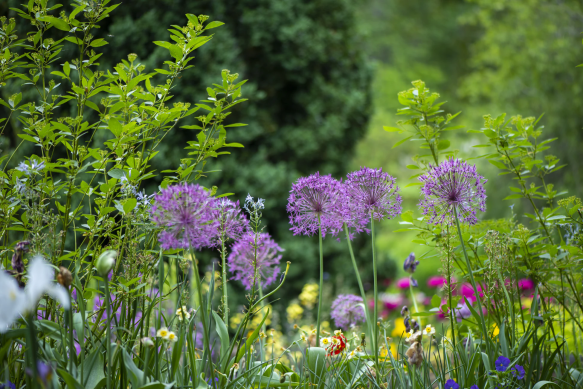
Attracting Bees To A Victorian Garden

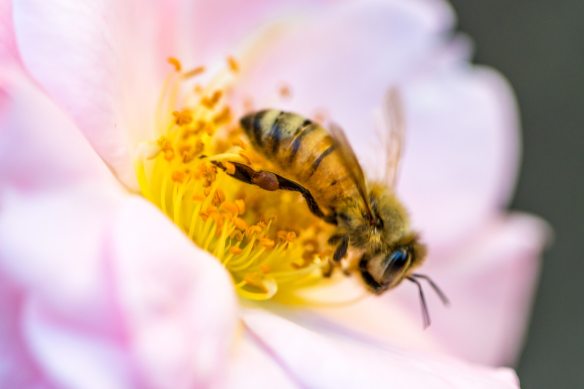
The global population of bees is in decline. In the US, striking National Agriculture Statistics show that the number of bee colonies per hectare has gone down by 90 percent in the last 50 years. We have a role to play in halting the decline in the bee population. With modern beekeeping having its roots in Victorian times, here are some gardening tips to attracts bees to your Victorian garden.

Beekeeping In Victorian Times

In early Victorian times bees were kept in straw ‘skeps’. However, in order to gain access to the honey, the skeps had to be burnt which subsequently destroyed the bee colony. The late 19th century then saw a revelation in beekeeping when a hive with removable wooden frames was invented by Philadelphian Lorenzo Langstroth, credited by many as being the father of modern beekeeping. At that time, many Victorian estates had an apiary, a collection of bee hives, because the Victorians loved the sweet taste of honey in cakes and tea.

A Victorian Apiary

Honeybees nest in beehives which can be placed, if needed in a small space in a garden. The beehive should be placed in a quiet, sunny spot which is sheltered from winds. A Langstroth hive is a modular beehive contains vertically hung frames with an entrance for the bees at the bottom of the hive. The bees build honeycomb into the frames which are easily removable to harvest the honey. After a year or so, you can expect your hive to make about 25lbs of honey per year, assuming it is disease free and the bees have plenty of flowers to forage within 3 miles of the hive.

Plants For Bees In A Victorian-style Garden

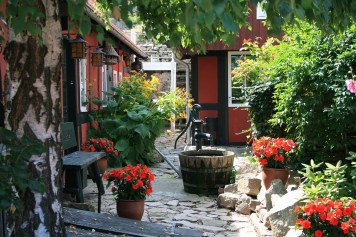
Cottage and woodland styled gardens, popular in the Victorian era were informal in design. A cottage garden is a great way to attract bees by planting plenty of pollen rich flowers providing blooms all year round. Choose several shapes and colors of blooms and plant them in clumps. Popular plants in the Victorian era which are attractive to pollinators include lavenders and geraniums. Try also including a herb garden as bees are particularly attracted to borage sage, mint, thyme and rosemary.

We all have a role to play in stopping the global decline in bee numbers. Introducing a apiary into your garden as well as planting pollen-rich plants will encourage bees to make a home in your Victorian garden.


Cool Graphic Helps You Grow Cucumbers By Emily Moore

Image

See the original post at: https://www.sproutabl.com/gardening/vegetables/cucumbers/

2017 Garden Design Trends

If you think your garden looks outdated and plain, it’s time for a makeover. Garden design trends evolve from year to year, and every time they bring along new possibilities and great ideas. Turn your garden into a fabulous relaxing oasis full of greenery and gorgeous décor. Take your time to research, and make sure you check out some of our ideas which will help you create a wonderful and unique garden.

image-4Furniture

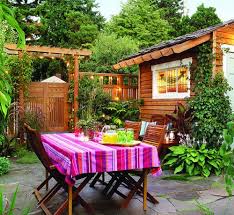
Sturdy and comfortable furniture is essential for gardens. Since you don’t want to think whether it’s going to be damaged by rain or snow, make sure you choose the furniture made of durable materials. Iron and wood are great choices. Zinc, rusty steel and wicker are the top materials for 2017, so make sure to check them out as well when you decide to buy new garden furniture. A large bench, with a couple of chairs and a table would look great in any garden. Add stylish cushions and create the perfect little nook you can relax in.

Day bed, with base cushion and pillows would be an excellent addition to the relaxing area. You’d be able to completely unwind with a good book, and enjoy fresh air laying on the comfortable garden bed. The perfect accent to an entire décor would be a fireplace. Additionally, consider buying a barbeque that you’ll light up once or twice a month, for a great outdoor party with your friends.

Lighting

The technology around lighting has evolved so much that all the different effects a proper set of lights can create will amaze you. Invest in LED lighting to create the perfect setting. They both make a great ambience and save energy. You can buy LED candles, and set their lighting scheme with a remote. In addition, they can change colour so you’ll always have a new kind of lighting available for your mood. Hang a couple of lights on the trees and above the dining area to create a romantic setting during the night.

image-2Plants

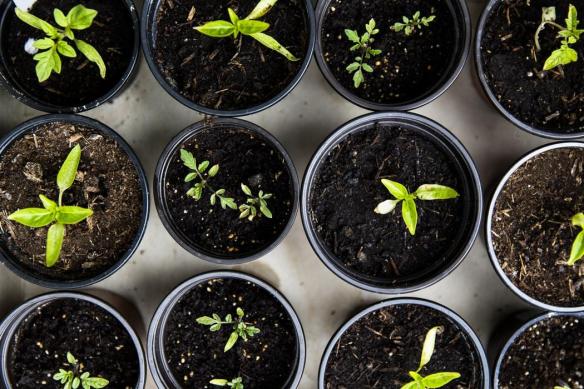
Pre-planted tomato pots, herb gardens, and even whole vegetable plots would look perfect in your garden. A touch of different colours would be amazing for the green grass.  Furthermore, plant various roses, azaleas, and other gorgeous flowers that will give your garden a pop of colour. Rose bush, a bonsai tree or peonies, every one of these wonderful flowers would perfectly decorate your garden. Make sure to keep some of the flowers in cobalt blue, metallic and lime green smooth planters. This way the garden will look even better.

If you’d like to start growing your own crops, plant tomatoes, cucumbers and lettuce in order to get even more colour into your garden. However, don’t forget to protect your crops against weeds, insects and diseases with a quality boom sprayerThey’ll grow nicely, and no pests will damage them.

image-3Decorative Items

Fountains, patios and gazebos are a wonderful addition to any garden. If your garden is large enough, make sure to incorporate some of these items into the design. A luscious fountain would be soothing, and help you relax once you lay down to your garden bed. A patio can be the perfect sanctuary for you, and a place where you can relax and enjoy the sunset.

A variety of hedges and planting would look incredible in your garden. Choose those in different shapes and sizes and create the unique garden design. Remember you’ll have to trim them regularly in order to keep them beautiful.

Garden designing has never been easier. All you need to do is be creative, think about the perfect furniture, plants and decorations that will transform your garden into a gorgeous oasis. Check out the previous suggestions and you’ll definitely find something that you can incorporate into your design.


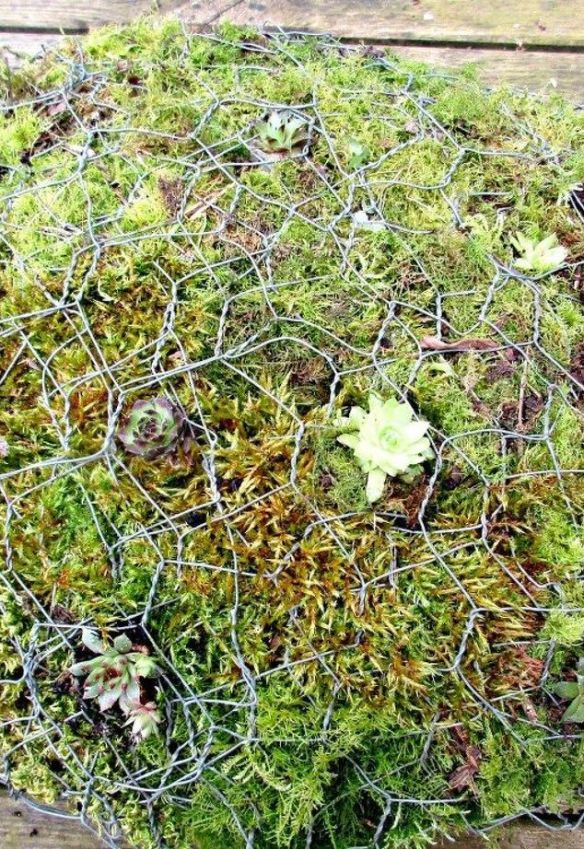
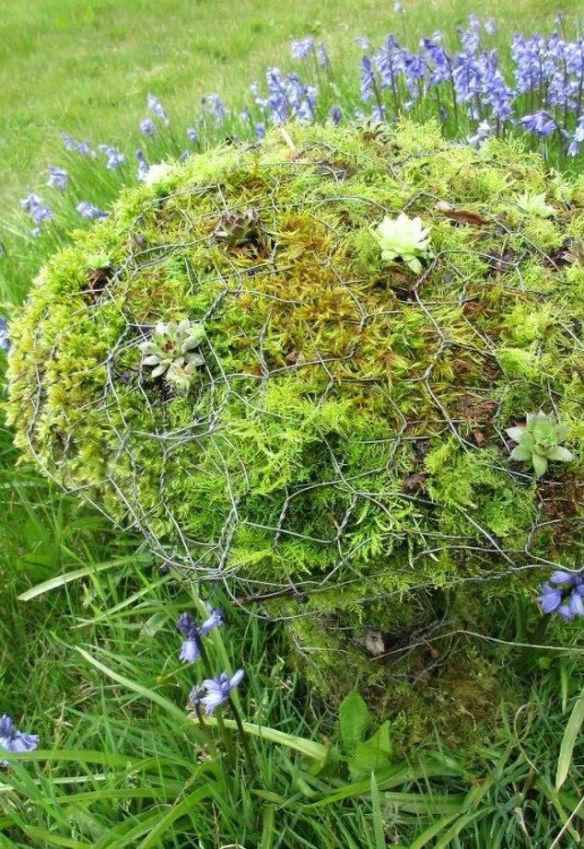
Chicken Wire & Moss Toadstool

A recent visit to a wonderful woodland sculpture park really inspired us to try our hand at making some sculpture of our own. Our first creation was a chicken wire toadstool….

Find out more and instructions here: Chicken Wire and Moss Toadstool Living Sculpture | Hometalk

How To Grow An Apple Tree From A Seed

Some people love to have trees in their garden. Not only are they very attractive, but they also provide us with delicious fruit which can be eaten raw, baked or can be used in many dishes.

There are a variety of trees that one can grow, varying from apple trees to pear trees. There are some trees that cannot be grown in England due to the weather, so before you decide to plant a tree, you need to ensure that the type of tree that you intend on planting will not only grow in these climates, but will also produce fruit. After all, a fruit tree with no fruit may as well not exist.

This article aims to provide you with step by step instructions, which will enable you to grow your very own apple tree.

How to grow an Apple Tree from a Seed
The first thing you need to do is get a hold of some seeds. Whilst you can purchase these from plant and gardening stores, there is an easier and cheaper alternative. Simply eat an apple and save a few of the seeds. This seed needs to be dry, so make sure that you allow it to be fully dry over a period of a few days.

Next you need to wrap your seeds up in some damp tissue paper or paper towel etc. and place them in the fridge. You want to keep them in there until the seeds start sprouting. On average, this takes about four to six weeks.

Once the seeds have sprouted, remove them from the fridge. Fill a small pot with some soil and dig the seed in about halfway. Lightly water the pot to moisten the soil. Keep the pots indoors for the time being. Somewhere like a kitchen windowsill is great since they are constantly exposed to sunlight. After some time, you will notice some growth.

Once you see this growth, it is time to transfer your sprouted seedling to a larger pot. Water the plant daily to promote growth. You can use fertilizer or compost (if you are planning on growing organic apples) to fertilize the soil on a regular basis.

How to grow an Apple Tree from a Seed2
Once your plant is large enough to support itself and not be damaged by animals that may come into your garden e.g. cats, it is time to transfer it from the pot into the ground. Make sure that you pick a space that is exposed to the most sunlight. You also want to make sure that the space is large enough to accommodate a tree.

Apple trees can take many years to grow, but for the first year, you are pretty much in charge of watering it and providing it with the nutrients that it requires. After the first yea passes, you let nature take its course and allow your apple tree to soak up the nutrients that have accumulated in the soil over the year.

Growing an apple tree is a waiting game. You never really know how long it will take to fully grow and apple tree and get a fruit.

Keep pruning to a minimum and only get rid of branches, leaves etc. that need to be removed.

After years of waiting, you will finally go into your garden one day and see that perfect apple which will be fresh and organic (as long as you do not use any chemical fertilizers, fungicides etc.).

Sure, growing an apple tree is a lengthy process, but the end result will make it all worth your while. After all, the whole family can enjoy an apple tree.

If you need some additional information about your home and garden, find it on: http://www.londoncarpetcleaner.org.uk/greater-london/