Outdoor Elegance: How to Create a Tranquil Garden Retreat with Classic Elements

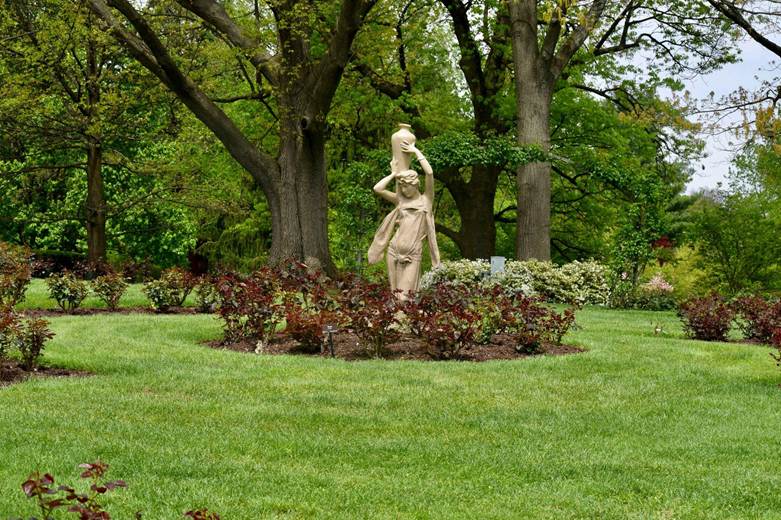
Image: https://unsplash.com/photos/a-statue-of-a-woman-in-a-garden-o61TbwSW2m0

Classic gardens have always been the epitome of elegance and timeless charm. Rooted in European traditions, particularly the French formal gardens, this style is all about symmetry, order, and balance.

Classical architectural elements often feature prominently in American homes, so it makes sense to extend that elegance into outdoor spaces. And while you might picture sprawling estates with expansive lawns and shimmering ponds, classic garden design elements can be scaled down for small gardens and even beautifully integrated with contemporary styles.

Here are the key elements you can use to bring the elegance and tranquility of a classic garden to your own outdoor space.

1. Simple Geometry and Symmetry

At the heart of classic garden design is the principle of imposing order on nature, which is achieved through simple geometry and symmetry. Think straight lines, clean right angles, and circles to form a well-organized layout.

Instead of being randomly scattered, your plant and flower beds should be deliberately demarcated by paving, creating clear paths that guide visitors through your garden. This structured approach also creates a sense of harmony and balance.

A key aspect of the classic garden is bilateral symmetry. To achieve this, imagine dividing your garden down the middle with the shapes and forms on one side mirrored on the other.

This mirroring creates the pleasing and calming effect that’s the hallmark of classic garden tranquility.

2. Lush Greenery

Plants play a supporting role in a classic garden, enhancing the overall structure and symmetry rather than taking center stage with a riot of colors or varying heights and sizes.

The key here is restraint. Stick to a foundation of lush greens, with one or two carefully chosen flowering colors for each season. This will make your garden feel elegant and timeless rather than busy or chaotic.

To achieve the classic, sculpted look, choose plants suited for topiary like boxwood, privet, or yew—their bushes can be shaped into clean, geometric forms like spheres and cones. You can even do playful animal designs if you’d like to add a little whimsy to your garden.

Evergreens are another essential. Varieties like junipers, olives, or holly not only thrive in dry or coastal climates but also retain their structure year-round. These will help maintain your garden’s refined aesthetic in any season.

3. Well-Defined Edges

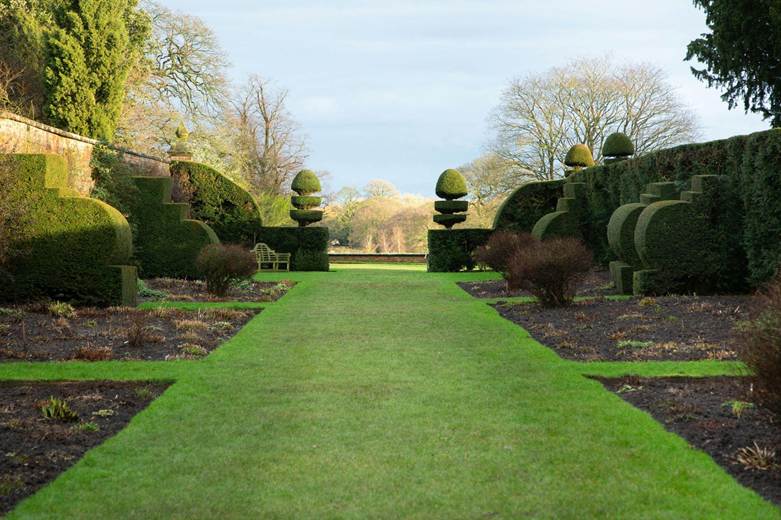
Image: https://unsplash.com/photos/a-long-green-lawn-lined-with-trees-and-bushes-JMWqAmRnXUg

By now you can probably tell that clean lines are a non-negotiable in the classic garden aesthetic. They provide the frame that holds the entire design together and keep your garden looking polished and intentional. Even the most carefully curated plants and pathways will feel untamed without them.

Start by defining your garden’s boundaries, using thick, neatly trimmed hedges to enclose spaces or frame sections. Boxwood hedges are a timeless favorite for classic gardens, but other dense, evergreen shrubs work beautifully, too. Remember, regular trimming is key to maintaining that crisp, tailored look.

Stone or brick edging is another elegant option you can use to mark pathways, flower beds, or lawns. What’s more, it makes maintenance easier by keeping grass and gravel where it belongs.

Natural materials like red brick add a subtle traditional feel and are extremely durable. But if you’re going for a more contemporary look, try concrete or metal edging, just don’t overdo it otherwise you’ll lose the classic vibe.

Decking is another aesthetic, yet practical, way to define edges. For example, a raised wooden deck pairs beautifully with manicured lawns and sculpted shrubs.

4. Ornaments and Formal Features

No classic garden is complete without these timeless elements. They act as a focal point, which is necessary for giving the space structure while also adding a touch of sophistication.

Start with a centerpiece. Consider a classic fountain, a sculpted statue, or a birdbath—anything that can act as the visual anchor of your garden. A key principle here is placement: position it along the axis of bilateral symmetry you’ve established or at the “crossroads” of your paths where the eye is naturally drawn.

Ornaments can also function as “punctuation marks” throughout the garden. Some good examples are large planters, urns, or topiary trees flanking pathways, your garden’s entrance, or the seating area. Use identical pairs to enhance the symmetry and order of your design.

Finally, don’t overlook the importance of furniture. Elegant outdoor lounge chairs that complement the classic aesthetic will give you and your visitors an inviting space to relax and enjoy your tranquil surroundings.

5. Water

In traditional European gardens, grand fountains, reflecting pools, and serene ponds were the stars of the landscape. While your garden may not have the space for sweeping water features, smaller options can still make a big impact.

A classic fountain is a popular and easy-to-incorporate choice. It’s an elegant focal point and adds movement and calming sounds to your space.

But don’t feel limited to just fountains. Other water elements like a swimming pool or even a small, decorative pond can also work beautifully. A pool spa, for example, adds a contemporary element while still complementing the classic garden aesthetic.

Align your water feature with your garden’s symmetry—this could be at the center of a pathway, at the end of your visual axis, or surrounded by manicured hedges.

Bringing It All Together

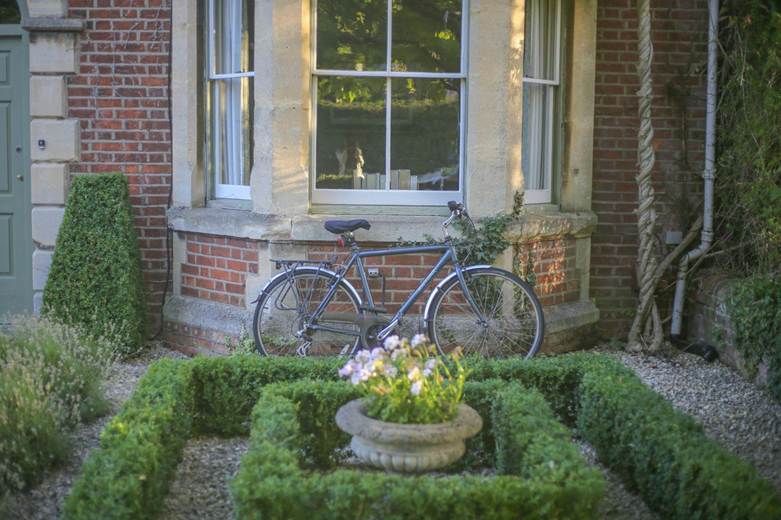
Image: https://www.pexels.com/photo/grey-mountain-bike-leaning-on-brown-wall-brick-in-garden-163647/

The true beauty of the classic garden style is its versatility. The above principles can be adapted to fit a modest courtyard just as well as a sprawling backyard.

Remember, symmetry, clean lines, and keen attention to detail are what bring the charm and serenity of a classic garden oasis to life. Plan your classic garden on paper first to ensure you have the right symmetry, and then get to work!

How Professional Landscape Design Can Increase Home Value

When it comes to increasing the value of their homes, homeowners may focus on interior renovations like updating kitchens and bathrooms or adding rooms. Yet one of the most effective ways of increasing resale value lies just outside their front door: professional landscape design. A well-planned landscape can not only increase beauty and functionality of outdoor space but can also significantly raise resale value of a property. In this blog we’ll explore how professional landscaping services are integral for producing optimal results for any homeowners looking at increasing value of their properties!

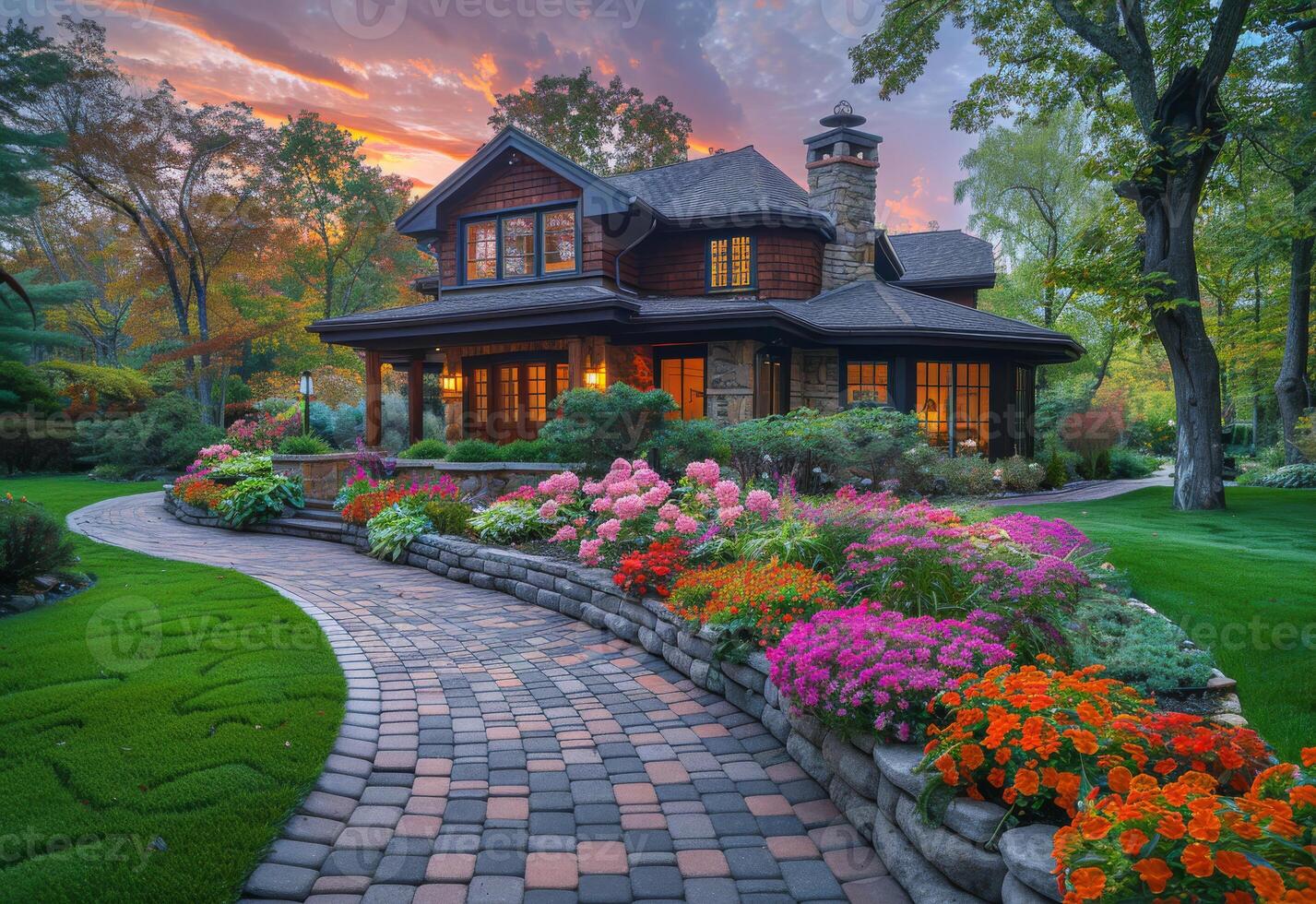
https://www.vecteezy.com/photo/40989800-ai-generated-beautiful-house-with-flowers-and-stone-walkway-during-sunset

Curb Appeal: First Impressions Are Important

First Impressions

Potential buyers’ first impression of your home will likely be the exterior, and curb appeal plays a critical role in creating that first impression. A well-kept landscape creates an inviting and appealing first sighting, which can set it apart in the neighborhood and boost sales prices by up to 10% more than similar properties without strong curb appeal.

Key Elements of Curb Appeal

Professional landscape designers enhance curb appeal through the incorporation of key elements such as these into their designs:

Lush Lawns: An attractive lawn is essential to creating curb appeal in any home. A healthy green lawn conveys care and attention to detail, creating an inviting space. Professional landscapers can select the appropriate grass variety based on climate and soil conditions ensuring a beautiful year-round display of color in your lawn.

Flowers, shrubs and trees add vibrant hues and textures to your landscape, adding visual interest and creating a sense of unity. Professional landscape designers can design plantings that bloom throughout the year so your garden remains beautiful throughout its existence.

Pathways and Borders: Define Your Landscape with Well-Defined Pathways and Borders: Walkways, edging, and borders can help to distinguish different areas of your garden, giving structure to it while leading visitors through your garden. A professional landscaper can use materials like stone, brick or pavers to craft paths that complement the architecture of your home and guide guests along them.

Lighting: Outdoor lighting adds both safety and aesthetic value to your landscape, drawing the eye toward key features like trees or water features and extending usable outdoor space into evening hours. When strategically placed, outdoor lighting can create dramatic effects that boost curb appeal for homes in your neighborhood.

Functional Outdoor Living Spaces

Expanding Usable Space

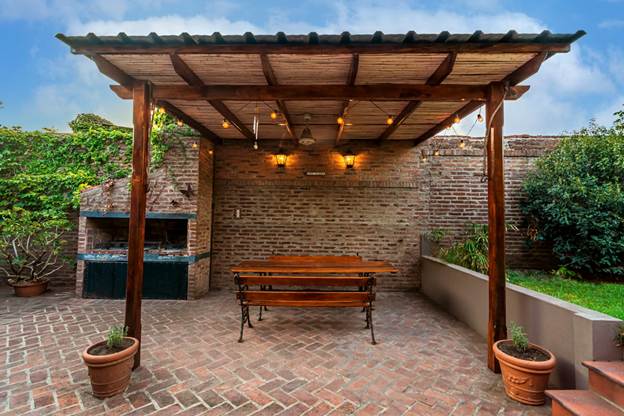
A properly landscaped yard not only adds aesthetic value, but it can also expand usable space. Professional landscapers can design outdoor living areas that serve as extensions of your home – providing extra room for relaxation, entertainment and dining. Features like patios, decks, pergolas and outdoor kitchens have become increasingly popular with homebuyers and can add significant value to your property.

Maximizing Space and Flow

Professional landscape designers possess the expertise needed to design spaces that optimize both the flow and usability of your yard. They can assess its layout by taking into account factors like sunlight, wind patterns and existing vegetation to craft spaces that are both practical and aesthetically pleasing – such as positioning seating areas for taking advantage of sunset views while placing children’s play areas under shaded spots that stay cool in the heat of day.

Homebuyers today are becoming more conscious of sustainable living, and incorporating eco-friendly features in a professionally designed landscape design can bring this market. Native plants, drought-resistant landscaping and rainwater harvesting systems all lower environmental impact as well as maintenance costs; adding these features could increase appeal among environmentally conscious buyers as well as increase market value of your home.

Enhance Your Property Value Through Professional Landscaping

Landscape Design Offers High Return on Investment (ROI) Professional landscape design investments often deliver one of the highest return on investments among all home improvement projects, according to several studies. Homeowners may expect an ROI between 100%-200% from landscaping enhancements, and any increases in property values caused by professional designs may surpass even their costs altogether.

  • Factors Influencing ROI: There are various elements which may impede the return on investment for your landscaping project:
  • Quality of Design and Installation: When hiring landscaping professionals for any project, their skill and experience play an invaluable role. High-grade materials, careful design and precise installation all combine to produce lasting value-adding landscapes.
  • Market Trends: With demand for outdoor living spaces and sustainable landscaping features on the rise, incorporating these trends into your design can make your home more desirable to potential buyers and increase its resale value.
  • Neighborhood Comparisons: Landscape design can have a substantial effect on the value of your home and will vary depending on its surroundings. If your landscape design stands out as superior compared to others in its neighborhood, it could make your property more desirable and command a higher selling price.

Hiring Professional Landscaping Services While some homeowners may attempt to manage their landscaping projects on their own, utilizing professional landscaping services provides several key advantages that will greatly enhance the outcome of any given project.

Expertise and Experience

Professional landscapers bring years of experience and knowledge of landscaping design to their job. They understand all aspects of landscape architecture – such as plant selection, soil conditions, drainage issues and hardscaping. Their knowledge ensures your garden will not only look stunning but will be sustainable as well.

Comprehensive Planning and Design 

Professional landscaping services will collaborate with you to devise an extensive plan that takes into account your goals, budget and the unique characteristics of your property. They offer 3D renderings which give an accurate image of what the final result will look like and help ensure it is completed on time and within budget. This level of planning ensures costly mistakes can be avoided and that projects can be finished on schedule and under budget.

Professional Installation with Quality Materials

Landscape professionals possess access to superior materials and know how to correctly install them in any climate or landscape design setting, whether that means selecting plants specifically tailored for your climate or constructing long-lasting hardscape features. Their attention to detail guarantees you have a lasting landscape design.

Maintenance and Long-Term Care

A landscape requires constant care and maintenance. Professional landscapers offer regular services like pruning, fertilizing and seasonal cleanups to keep your space looking its best while offering advice about how best to look after plants and lawns so they remain healthy and vibrant.

Conclusion 

Landscape design can be one of the most effective ways to increase the value of your home. A professionally designed landscape enhances curb appeal, expands usable outdoor space, and generates an excellent return on investment. By including features such as lush lawns, colorful plantings and functional outdoor living areas in its design, a professional designer can craft an aesthetically pleasing landscape which also increases market value for your property.

Hiring professional landscaping services is key to achieving optimal results with any landscape project. Their experience, access to high-grade materials, and expertise ensure your landscape project will meet the highest standards and bring years of joy. With professional help on board, you can enjoy stunning outdoor spaces that increase home value while adding beauty and enjoyment.

Professional landscape design services can add real value to both selling or simply improving the living environment of any home, as it offers immediate and long-term returns on your investment.

Maintaining The Fence: Establishing And Reclaiming Your Boundaries

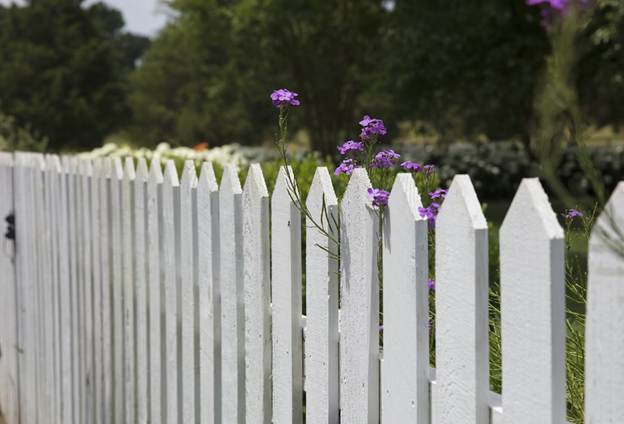
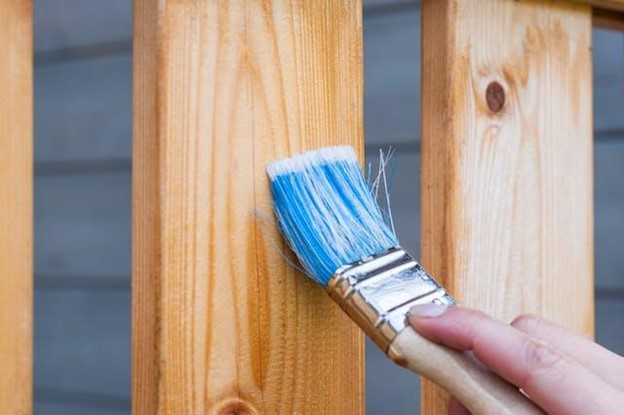
Caption: A well-maintained fence provides safety and establishes boundaries


Brief: Fence maintenance, although sometimes overlooked, is very valuable for you and your property. Managing a fence increases safety, is aesthetically pleasing, and saves money in the long run. Doing fence upkeep will promote necessary skills and reclaim the boundaries of your land. This type of upkeep is worth the time and money spent.


Maintaining a fence is both a crucial and sometimes underestimated practice. There are many favorable outcomes for this type of maintenance, such as reclaiming and establishing necessary boundaries. Listed below are reasons why fence preservation is essential, no matter the type of fence that sits on your lot.

A Well-Managed Fence Provides Safety

Safety is a high priority for yourself, those you care about, and your property. Having a managed fence is one simple way to ensure security for you and those you live with. This is because:

  • If there are no holes in the fence, it keeps unwanted creatures out
  • It creates an inability for others to see inside your home, allowing more privacy
  • A well-maintained fence will make it much more challenging for your pets and children to sneak off
  • By placing protections around (such as anti-climbing features) it keeps unwanted visitors away
  • It is an additional hurdle for trespassers

Whether you have a wooden fence or security chain link fencing, each type of fence serves as a safeguard. Keeping up with it will provide additional protection, and is rewarding in the long run. 

A Fence That is Cared for is Pleasing to the Eye

Not only does a maintained fence establish security, but it is also very attractive to the eye. In any case, for those who intend to sell their home or for those who aim to live in their house indefinitely, having an aesthetically pleasing fence is positive. Some of the reasons for this is that a sustained fence:

  • Drives up your property value
  • Draws favorable attention from neighbors and friends
  • Demonstrates responsibility and integrity
  • Adds to curb appeal
  • Is appreciated by the neighborhood and those who pass by

A fence doesn’t only need to serve practical purposes. It can be pleasing and attractive to the eye as well.

Fence Preservation Promotes Useful Skills

Caption: Maintaining a fence promotes useful skills such as dedication and productivity

Several tasks need to be done to preserve and upkeep a fence. Different fence styles require individualized care. Generally speaking, however, fence maintenance will involve painting, fixing screws or holes, repairs, and seasonal care. The seasonal care and other forms of maintenance required will vary by location and climate.

Regardless of where you reside and the type of maintenance needed, this type of work will develop or enhance useful skills such as:

  • Commitment
  • Dependability
  • Hard work
  • Perseverance
  • A general knowledge of how to fix things
  • Yard work skills

Although this type of labor may be a challenge at times, it is worth completing the task. You can use the skills it requires for almost any type of work. 

Keeping a Fence in Good Condition Cuts Overall Maintenance Expenses

Although it’s true that fence maintenance can cost money, the price for negligence is far greater. This is because if a fence isn’t cared for, it can develop mold, rot, damage, or rust. This will create holes or greater depreciation. Additionally, it can become discolored, warped, or begin to lean. 

When a fence remains in suitable condition, it cuts back on overall costs because:

  • The more damaged a fence is, the steeper the price to fix
  • It increases the lifespan, lessening the chance that you’ll need to replace parts or all of the fence
  • Maintenance is a preventative measure for destruction

Paying to fix the fence instead of investing in a replacement is much cheaper.

A Maintained Fence Re-establishes Your Boundaries

One of the most valuable parts of having a fence is that it reclaims your home and personal boundaries. In addition to the perks listed above, this is necessary for the following reasons.

A Fence Marks Your Land

It is vital that kids, neighbors, animals and outsiders know where your land is. For your children or pets, they know where they are safe to play and be. This can give them a sense of assurance that they are protected.

A Fence Sets a Necessary Boundary

A fence sets a boundary for your neighbors and your family. Your family knows where to stay, and where the line of intrusion is. It also creates a boundary for anyone who isn’t welcome, as they know they are invading if they cross the line. There is no question of bounds because a fence will clearly set them.

A Fence is a Visible Line of a Legal Agreement

A fence establishes not only your land and boundaries but is also a visible line of a legal agreement. It demonstrates that you legally own the property and home, and how much of it is yours.

Maintaining a fence is worthwhile and beneficial to you, because it provides security, promotes useful skills, and is pleasing to the eye. It also saves money in the long run, and reestablishes necessary boundaries. It is because of these factors that managing your fence is worth the finances and time. 

Gardening Mistakes to Avoid

Gardening is an amazing and fun way to provide produce for your family. But when you don’t know what to look out for it can be quite frustrating. For those who don’t want to be frustrated and grow their gardens with nothing but love, here are some mistakes you must avoid.

Don’t Plant too Early

Different types of seeds will have their own optimum temperature at which they will sprout. For example, if you plant a seed that sprouts at warm temperatures in earth spring, it will either not sprout or freeze over and die. Another possibility is that your seeds go dormant, which means that you can store them and replant them later because they can be in that state for a very long time. The most important thing is to determine when your seeds need to be planted. Once you have done that, get a soil thermometer so you know what temperature the soil is at that period. Never plant them if it is too cold nor too warm.

Don’t Plant too Late

Just like you shouldn’t plant your seeds too early you shouldn’t plant them too late either. Every plant that you are growing in your garden will have its maturation point which is the number between its planting and first harvest. If you do things too late in the season they will freeze over before the plants mature. But if you have a garden that has a steady temperature or you can cover them by floating covers, your plants can either freeze or get burned.

Not Correcting Your Soil

Not a lot of people have been blessed with having loam soil in their yard. Loam soil is a well-balanced mix of silt, sand, clay and other organic matter. That is why you will need to know what your soil type is. The next thing you will need to do is ask yourself how to improve it. If you have soil that is heavy in clay you will need to balance it out and add sand and organic matter.

Don’t Plant Your Plants Too Close To Each Other

As you can probably see for yourself seeds are much smaller than transplants. So that makes it really easy to plant them too close to each other. When you plant your seeds too close to each other they will have poor air circulation, suffer from nutrient deficiency as well as have to compete for sunlight and moisture. The best option if you don’t want to risk anything is to have vertical gardens. They are much easier to maintain and if you combine it with a hydroponic farming kit you will create the best version of a garden.

Never Let the Weeds Get Out of Control

One of the worst beginner mistakes you can make is letting your weeds go out of control. It doesn’t have to be intentional, all you need to do is not have a plan of attack up and ready. Let’s face it no one wants their garden full of weeds.

Don’t Choose the Wrong Plants

The faster you accept that some plants will simply not grow in your area the easier it will be. Different types of plants will thrive in different zones. If you live in a drought-prone area, plants that require a lot of moisture won’t be able to survive. Another thing to think about is how long the seasons are where you live. Luckily, we live in such an advanced world that nearly every type of vegetables and fruits are developed so they thrive under almost every condition.

Improper Watering

Another very common mistake that we often see, is overwatering or underwatering their plants. Even though most people tend to over water their plants because they are scared that they will dry out, some will have the opposite fear. Plants need to have a lot of oxygen so if you have soil that is not draining well because you are overwatering it will suffocate the plants. But if you are underwater in them, they will dry out. The best way to check if they are watered property is to dig down a bit to check if it is wet enough or if you are flooding them. 

Don’t Add Too Many Chemicals

Especially if you are growing your own produce you want your soil to be healthy and fertile. But in the process of making them healthy people can add to much pesticides, fungicides as well as other chemicals. If you are looking for protecting them maybe try using natural ways. They are just as good and they won’t kill your plants.

Gardening is something that will take time and experience in order to become something extravagant. It is not hard, but as a garden owner, you need to be aware that plants can be quite unpredictable and uncooperative.

4 Different Ways To Get Started With Gardening

Gardening is so rewarding. Not only do you get to experience the joy of bringing a seed to life, but you can also stock your kitchen with homegrown treats and elevate your home decor!

To the uninitiated, beginning a garden can seem like a daunting task. The truth is that you don’t need a huge yard or years of experience to get started. If you’re interested in developing your green thumb, try these beginner-friendly gardening ideas.

  1. Pallet Garden

If you don’t have a lot of outdoor space to work with, a pallet garden is a wonderful option. Whether you live in a dense city or you’re looking for a unique way to make the most of your side yard, you’ll find that the vertical nature of a pallet garden is absolutely perfect for tight quarters.

As you might assume, the structure of your garden comes from an ordinary wooden pallet. The pallet acts as a frame, holding whatever plants you decide to stuff it with. The best part of pallet gardens is that you can be so creative with it. Stain the wood and fill it with herbs for a rustic, bucolic look, or paint it your favorite color and load it up with flowers for a fun spring/summer vibe.

  1. Bins, Buckets, and Barrels


If you’re interested in adding some greenery to your life, but you don’t want to bother with repotting plants as they outgrow their pots, try using some oversized storage containers. Buckets, barrels, and bins are all great choices that are easy to find and have plenty of room for growth. Simply fill them with soil, plant your seeds, and follow some basic gardening tips, and you’ll have your own self-contained garden in no time!

The great thing about this approach is that it’s easy to customize and expand over time. The containers give you a self-contained version of a large garden so you can decide if gardening is for you without committing to the real thing just yet. Growing plants in oversized containers is kind of like a cross between potted plants and a real garden—it’s the best of both worlds!

  1. Your Special Corner

For many would-be gardeners, the idea of starting and maintaining a garden is just too big. If you feel overwhelmed, just find a small, outdoor corner, dig it up, throw down some soil, and then put down some stone garden markers to make it official. If you have any pets, be aware of any potentially poisonous plants, and consider putting up a fence.

Even if your corner only has enough space for a person to sit down, you might be surprised by the amount of plant life you can grow. This approach works well because you can really focus on each individual plant. After all, you’re not a full-blown farmer just yet! Your little corner is a backyard oasis where you can get your feet wet without making a major commitment. Maybe next year, you’ll have two corners!

  1. Tin Cans in the Window

All you need is some tin cans, seeds, soil, and sunlight to start your very own indoor herb garden! If shoveling and raking isn’t your cup of tea, you can still enjoy the magic of gardening from the comfort of your couch.

Herbs need to be grown in containers that provide good drainage, so drill a few holes in the bottoms of your cans (or any other small container you prefer). Try using a variety of shapes and sizes—coffee cans make great centerpieces alongside classic tin cans. You can paint them or remove the label for a surprisingly elegant metal look. Prevent water leakage by placing a liner, saucer, or even paper towels underneath the containers.

Now, you simply fill your containers with soil, plant your seeds, label them, and place them in your windowsill. Make sure you check each herb’s water and sun requirements. Most will need at least around 4-6 hours of sunlight daily, and most should be watered when the soil is dry to the touch. Here are some of the most popular herbs for growing indoors all year-round:

  • Basil
  • Parsley
  • Oregano
  • Rosemary
  • Sage
  • Tarragon
  • Thyme
  • Chives
  • Chervil

Have Fun and Be Creative

There you have it—four easy garden ideas that are simple to start and maintain. The best part about gardening is that you can put your heart and soul into it. It’s not just about having some pretty flowers or tasty veggies to enjoy. Savor the journey. Gardening is your chance to wield the power of nature and create something truly unique and beautiful. Let your personality shine!

Author Bio: Katie Tejada is a writer, editor, and former HR professional. She enjoys writing about events, travel, decorating trends, and innovations for the home, but also covers developments in HR, business communication, recruiting, real estate, and finance.