Rural Roots: How Ranch Owners Are Embracing Sustainable Design

https://unsplash.com/photos/black-and-brown-horses-on-field-during-daytime-_1sukjI7JRs

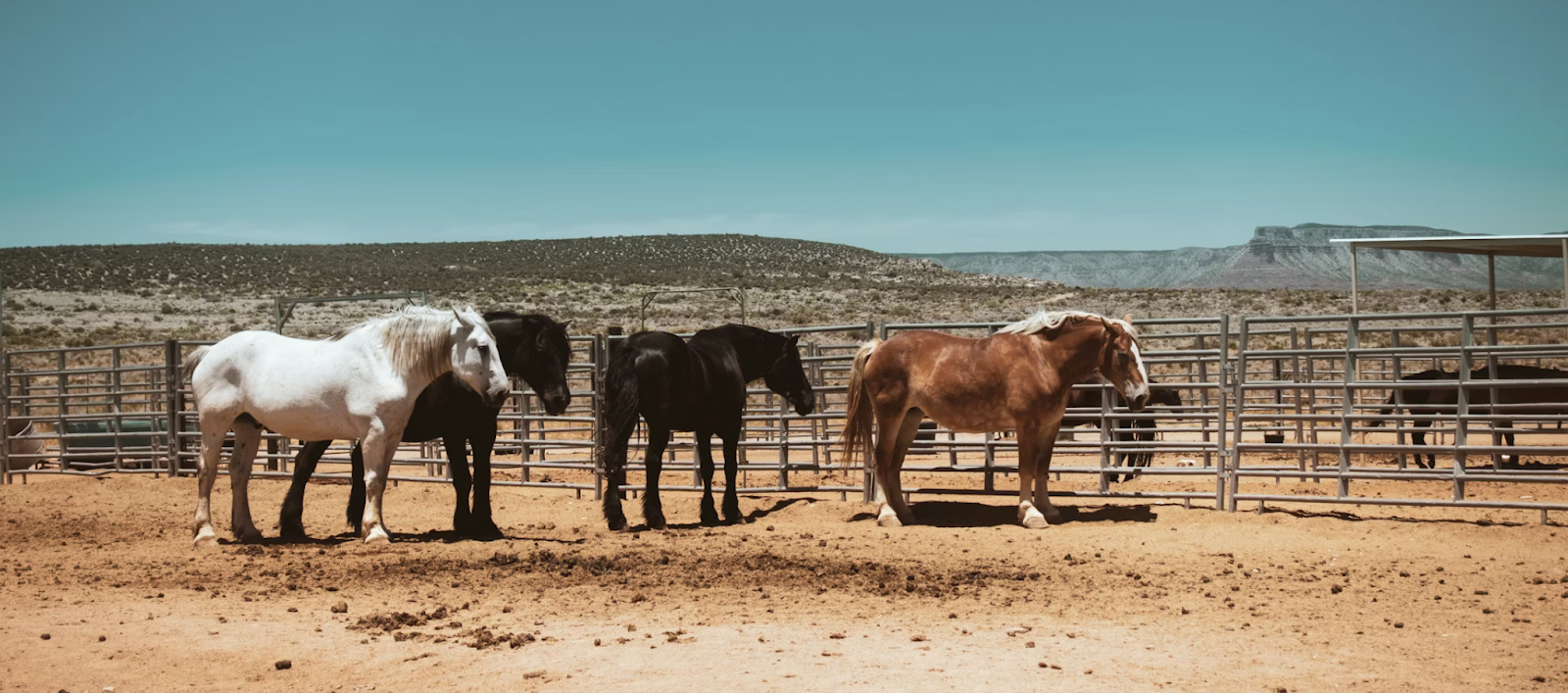
Sustainability used to be mostly associated with urban structures with green roofing systems and environmentally friendly building certifications. However, if you observe contemporary ranches, you will discover that many owners have become enthusiastic sustainability defenders. 

A sustainable ranch focuses on enhancements that create operational efficiencies while decreasing waste. Sustainable design choices for ranches must take into account the local environment, such as the amount of rainfall and temperature fluctuations. 

Building With Longevity in Mind

The best fencing and roofing systems, as well as barn spaces,  are built with longevity in mind. Many property owners choose durable surfaces that can stand up to moisture and mud, which allow for continual cleaning instead of using delicate materials that require extensive, tedious upkeep. Aside from environmental benefits, such solutions can also be visually appealing by incorporating creative landscaping and hardscaping solutions

Better For Animals

Sustainable ranch designs also support animal welfare. Extensive heat, extreme cold, and polluted air conditions cause stress in animals. Stress harms their immune system, and health problems become more common, while animals become less efficient at digesting food. Damage to barns or flooring negatively affects how well the barn protects livestock from the elements, so investing in sustainable, long-lasting construction better supports the animals’ well-being.

Upgrades Embraced by Today’s Ranchers
https://www.pexels.com/photo/cows-in-barn-25308582/

So what are some of the ways ranch owners are turning to sustainability?

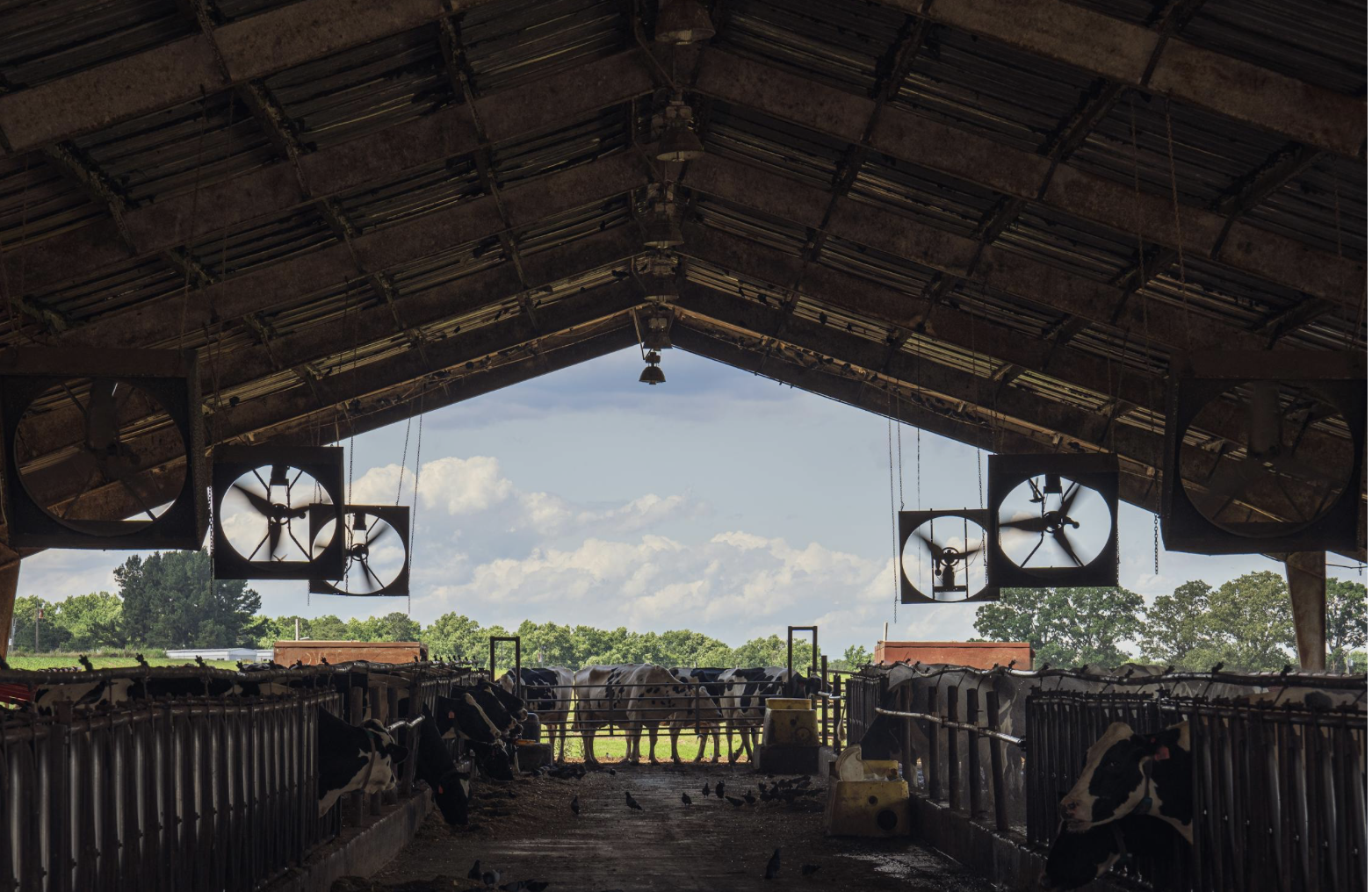
  • Systems to provide better airflow, which decrease indoor humidity levels and prevent ammonia accumulation and heat stress conditions.
  • Skylights and translucent panels with improved window positioning, enabling “daylighting,” or making good use of natural light. 
  • Well-planned drainage and grading systems enable them to maintain dry conditions throughout barns and busy areas during periods of heavy rain. 
  • Durable surfaces that allow for easy cleaning help with better hygiene and decrease the need for strong chemical cleaning products. 

Conserving Water

The sustainability challenges facing ranches in drought-prone regions make water one of their most visible pressure points. Ranch owners are redesigning their water systems as they understand that future water supplies are unlikely to remain inexpensive and consistent. For example: 

  • Capturing rainwater for non-potable uses like wash-downs or irrigation.
  • New troughs and float valves reduce flow into the troughs, which prevents overflow and stops leaks.
  • Strategic placement of animals and equipment relative to water sources helps distribute grazing pressure while conserving water usage.
  • Native and drought-resistant plants around residential and operational structures decrease the need for irrigation. 

Energy Efficiency

Ranchers need to look closely at utility bills and energy conservation. That’s why sustainable energy improvements on ranches tend to focus on practical wins. Even if a ranch never becomes fully “off grid,” small energy choices add up. The following measures often support this strategy.

  • LED lighting retrofits in barns and shops.
  • Insulation upgrades in ranch houses and worker housing to improve comfort and reduce heating and cooling loads.
  • Efficient hot water systems for wash stations and dairy-related operations.
  • Solar additions where they make sense. 

Materials and Surfaces

Ranch operations encounter their highest stress levels in barn aisles, wash racks, tack rooms, feed areas, and entrances where mud and manure contamination accrue. Using rubber and porous asphalt or natural latex composites for barn flooring delivers both optimal drainage and enhanced comfort for animals. 

Working With the Land

Ranch owners are increasingly intentional about choosing barn and stall surfaces that are comfortable for animals, prevent slipping, and resist moisture. When evaluating choices, you need to consider your daily routine, drainage, temperature swings, and the type of animals using the space. Sustainable ranch design also shows up in how owners manage the property’s natural systems. The ideal result is when infrastructure matches the land’s natural features instead of depending on fixed solutions that may not be ideal for a particular place. 

Ranch sustainability is a guiding principle that encompasses all operations. The goal is to develop practices that lead to better operational outcomes, including reduced expenses, decreased risk for emergencies, healthier animal care, and ongoing infrastructure improvements. 

Ranch may not care about following current trends, but they do see the value in adopting sustainable design practices that support practical, noticeable improvements. The most sustainable option becomes the best choice when all decisions complement your land, climate, and daily operations. 

Rice Water For Tummy Problems

Originally posted at: http://foodstorageandsurvival.com/how-to-make-rice-water/

rice water

Making rice water is really easy and uses ingredients right out of your food storage. Rice water is useful when somebody is having stomach issues like vomiting or diarrhea. It is calming to the upset stomach, amazingly bland, starchy, and gets some nutrients in your patient.

To make rice water you need rice and water, that’s all.  Put two tablespoons of rice in a pot with 1 cup of water.  Don’t add salt.  You don’t get a cup of rice water from a cup of water because some of it soaks into the rice.   I double or triple this and refrigerate the leftovers.

Bring the water to a boil and boil until the rice is tender. Strain the rice out and the milky liquid that is left is rice water.  You can eat the rice, add it to a soup or casserole, or feed it to the chickens if you want.  If you boil too long, your rice water will be pretty thick.  You can just thin it back down with some regular water if it’s thicker than you’d like.

Let the rice water cool before serving it to your patient. You can drink it warm or cold.  Great for queasy tummies young or old.

The Three Sisters – Corn, Beans and Squash

Editor’s Note: Copied from: http://www.threes.com/index.php?option=com_content&view=article&id=2335:three-sisters-corn-beans-squash&catid=79:food-nutrition&Itemid=57 – Please check out this great website for more great information like is found in this article. I read this and thought about how great a story this is and wanted to share with my readers. Hope you enjoy and please check The Book Of Three’s.

_____________________________________________________________________________________________________________________________

Three SistersThe ancient Native American technique of growing Corn, Beans, and Squash together in an arrangement called the Three Sisters is the ultimate in companion planting and helps increase harvests, naturally!

Corn acts as a support for climbing bean vines, the beans fix nitrogen in the soil for the high feeding requirements of corn and squash, and the squash provides mulch and root protection for the corn and beans! After cooperating beautifully in the garden, corn and beans form a complete protein when eaten together! How’s that for a mutually beneficial relationship?

The Three Sisters are all easy to direct sow in the garden and are a great project for children, teaching them about the beauty of natural harmony while providing a fast-growing reward for their efforts.

Make the best possible use of your garden space this season, and try growing the Three Sisters! Just follow the easy steps listed below, fertilize well, plant other companions like herbs to assist with pest control, and you’ll be harvesting your best crop in no time!

The Iroquois believe corn, beans and squash are precious gifts from the Great Spirit, each watched over by one of three sisters spirits, called the De-o-ha-ko, or “Our Sustainers”. The planting season is marked by ceremonies to honor them, and a festival commemorates the first harvest of “green” corn on the cob. By retelling the stories and performing annual rituals, Native Americans passed down the knowledge of growing, using and preserving the Three Sisters through generations.

Planting instructions

In May or June when soil has warmed:

Shape a flat-topped circular mound of soil about a foot high and 2 feet across at the top, sloping outward toward the base. Plant a circle of Corn seeds on top, about 5 or 6, and water them in well, tamping down your soil mound firmly so it doesn’t wash away in the first rain. Space the mounds 3 or 4 feet apart in the garden.

Since all corn grows on sturdy, dependable stalks, the variety you choose depends on the flavor, disease resistance, and holding ability you want. Sugar Buns is a Sugar Enhanced (SE) yellow hybrid with absolutely scrumptious golden kernels and is positively scrumptious. For SE whites, you can’t beat Silver Princess, with extra-long ears bursting with flavor. And for the sweetest ears yet, you absolutely must try new Corn Mirai™, available in Yellow, White, Bicolor, and even a Mini!

About two weeks later:

When your corn reaches about 5 or 6 inches high, plant Bean seeds (6 to 8 of them) around the edges of the flat top or about halfway down the sloping sides of the circular mound. Push the seeds down deep into the soil and, if you’re planting on the slope, make sure the soil is nice and firm. Add a bit of Nature’s Aid at planting time to help the Beans fix nitrogen.

To get your Beans to climb up the cornstalks, choose Pole rather than Bush varieties. Smeraldo is far and away the best-tasting Pole Bean, with flat pods up to 10 inches long on vigorous 4- to 6-foot vines. Park gardeners rave about Kwintus, a super-early performer with succulent pods on stringless 8- to 10-inch pods. And Blue Lake is the classic name in Beans, with top-quality dark green pods that are both stringless and fiberless, even if you pick them a bit late. We even have Blue Lake available in organic seed!

One week or so after that:

Plant Squash seeds around the base of the mound, on flat ground. You can make them radiate around the mound, or just go in the direction you have available space! 6 to 8 seeds in a ring around the base of the mound is usually plenty.

The traditional Squash family member for this Sister is Pumpkin, with its all-American flavor and long growing season. Rumbo is a unique Korean variety that looks like an heirloom Pumpkin but tastes sweeter and more succulent than a Butternut Squash! For a quicker harvest, grow Summer Squash varieties such as organic Park’s Early Summer Crookneck or Zucchini such as space-saving One Ball Hybrid.

When everything begins growing . . .

Thin the plantings to 2 or 3 Corn stalks, each with no more than 2 Bean plants winding around it. (You’ll need to help the Beans get started growing up the stalks). The Squash is going to vine along the ground, so the number of plants you need depends on how far apart your mounds of corn and beans are, how long the vines get, and how much walking space you need in the garden.