Effective Home Renovation Ideas That Give You a Higher ROI

Image Source: Pexels

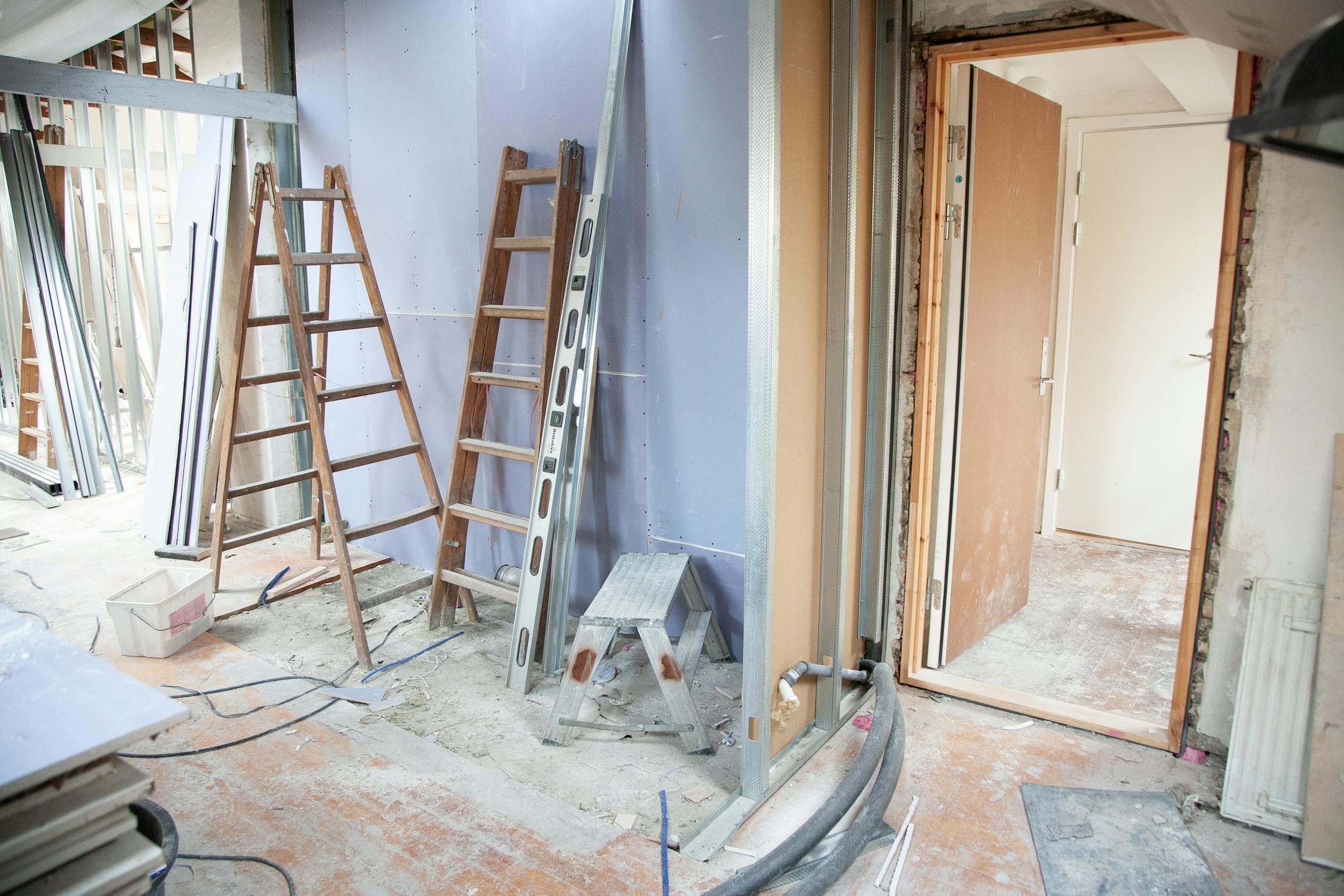
A home renovation can always provide a number of advantages down the road. If you plan on selling the house in the future, the upgrades you do now could end up increasing the value of the home, and in turn, increase the amount of profit you can expect to receive after the sale.

That said, home improvement trends vary greatly, and not all of them will yield positive results in the long term. It is best to approach home design and renovation with a strategy in mind that narrows down the options to the most effective and affordable options. Below is a list of common modifications that are likely to bring you the highest ROI.

Kitchen Makeovers

Buyers often focus on the kitchen when touring properties, and they’re typically looking for ones that look great and are practical.

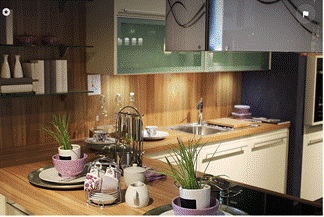
However, undertaking an entire kitchen remodel is costly. There are other ways to make an impact without spending so much and actually receiving a good ROI. Refacing kitchen cabinetry, for example, is much cheaper than replacing it entirely while still giving the kitchen a fresh look. The same is true for old countertops that can be replaced with more stylish and durable ones like granite or quartz.

Bathroom Upgrades

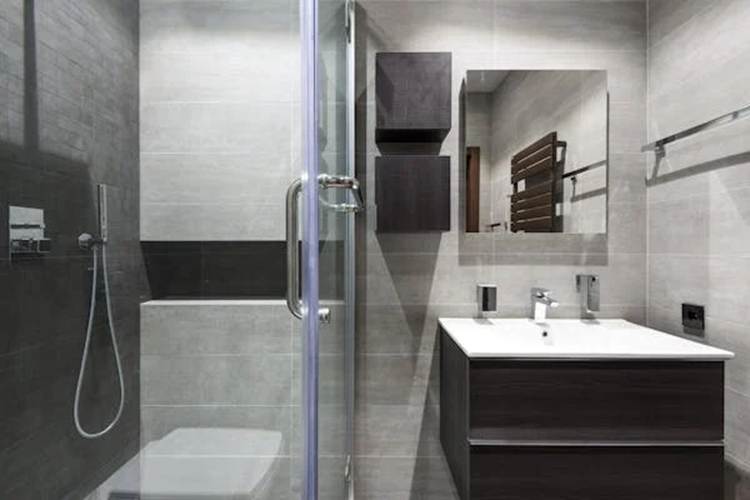
Remodeling other areas of the house, such as the bathroom, is also easy and can raise the value of your home. In the same manner, ROI is high in relation to the total investment put in. Minor changes to the bathroom can make a big difference. A good starting point is to replace sinks and other fixtures.

Keep in mind that new water taps and shower heads not only improve the look of a bathroom, but are also more water efficient. This is a positive for both the environment and potential buyers. Replacing worn out or cracked tiles is also sensible because, tiles, more often than not, are the first element of a room to age. For certain bathrooms, adding larger windows and skylights can also transform the space.

Maintaining an Open Concept

Although open concept living isn’t for everyone, it has grown in popularity over the years. Now, it’s very common for people looking for a new home to want rooms that flow more seamlessly into one another. This gives an impression of spaciousness. One way to achieve this look is by removing certain non-load-bearing walls to merge areas into one inviting space.

This type of layout is a great feature for those who enjoy entertaining because it allows you to combine the kitchen, living room, and dining room into one central space, making all areas much more sociable.

Making More Use of Natural Lighting

If you work from home, natural light can be a great way to keep you more productive. It changes the entire environment into a more cheerful and peaceful place. If there aren’t many windows you can use, using smart LED lighting with temperature control is a budget-friendly option.

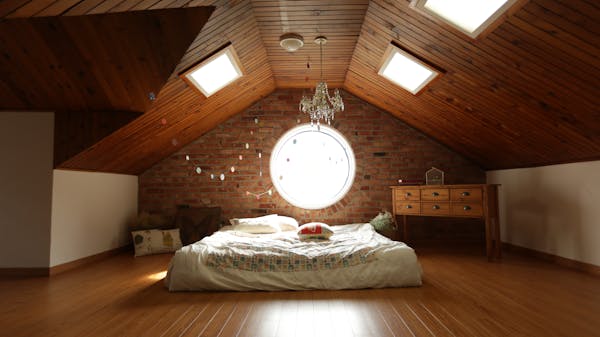
If the budget allows, skylights are great for bringing in a lot of natural light into a room and leaving ample wall space.

Changing Your Flooring

Floors are an important detail in a home. If poorly laid out, it can cause problems in daily living. Modern flooring choices can be a great way to increase a home’s value. It looks great and it’s easier to maintain. Hardwood floors, for example, are preferred by many homeowners. But if your budget is tight, going with high-quality laminate also works.

A tile or stone selection is another good option. It minimizes the possibility of water damage and helps to improve aesthetics when remodeling a kitchen or bathroom.

Upgrading Your Home to Be More Energy Efficient

Eco-friendly features are becoming increasingly popular for first-time home buyers, especially ones that want to lower costs while helping to save the environment. Using energy-saving features is a great way to reduce your carbon footprint while also helping to save money on monthly maintenance bills, thus, increasing the home’s market value.

One way you can start making positive changes is to look for the Energy Star Sticker when shopping for new appliances for your home. You’ll be able to find a number of appliances and fixtures you can use in all areas of the home, including the bathroom, kitchen, or laundry room. Replacing old windows with new energy-efficient ones is another way to lower the cost of heating and cooling the house.

If the insulation material in your walls and attic is getting a bit older, it would be a good idea to replace it. This will prevent air from escaping through gaps and cracks, preventing energy bills from becoming too high. It’s a relatively low-cost improvement that can make a huge difference long term.

Increasing Available Storage

When it comes to prospective home buyers, additional storage always checks off boxes. Additional storage can be important for anything from kitchen supplies to having a safe place for storing collectibles or hobbyist items.

An oversized closet with removable shelves and organizers is a major bonus to have if space permits. In the kitchen and bathrooms, sliding shelves, pullout hidden storage, and drawer dividers can also help to utilize all available space. Using LED strip lights in storage areas can also help homeowners better utilize their space in darker spaces or when using more out-of-reach storage options.

Get More Value From Your Home Renovations

When looking to improve your home, a fresh paint coat isn’t the only thing you should think about. Smart design and thoughtful upgrade decisions are what get you the most profitable results if and when you decide to sell the home. By following the best practices discussed, you’ll be sure to get the right ROI when you’re ready to start your next renovation project

Author Bio:

Rebecca Denis, Head of Design at Revive Real Estate, is an accomplished and highly creative interior designer with over ten years of experience in the industry. With a passion for transforming spaces and a keen eye for detail, she has successfully completed numerous projects ranging from commercial spaces to custom show homes.

When Remodeling a House, What Comes First?

https://www.pexels.com/photo/residential-home-construction-and-renovation-28885519/

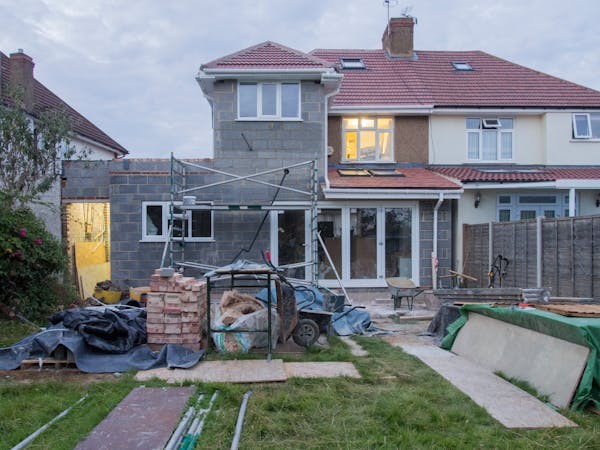
Everyone dreams about how they might go about improving their home. Whether it’s practical considerations like rethinking the floor plan of a kitchen or big ideas like a whole-home remodel, we all have things we’d like to do to make our most important asset more valuable and more pleasant to live in.

https://www.pexels.com/photo/a-woman-showing-a-family-a-house-layout-8729964/

Take Time to Dream

When you’re ready to take action, take some time to sit down as a family and dream a little. Make a list of “needs” and “wants.” What really has to be done to ensure the safe, efficient, and comfortable functioning of your home? What would you love to see happen if time and money permit? Is it a bathroom remodel you want, or are you considering multiple rooms? Don’t be too “married” to any one idea, because budgetary constraints will ultimately determine what’s realistic.

Figure Out Your Budget

Don’t let a renovation project fall apart because you run out of money or take on debt you can’t afford. Many people don’t have a clear idea of how much debt they can afford to take on. Closely examine your household budget. Even if you have disposable income, might some of that have to go toward a loan payment? Most people will find it necessary to borrow money for an extensive home remodel, but you could make that money back in the value the project adds to your home. How much can you afford to spend on this project without putting yourself in an uncomfortable financial position? Many banks offer free loan payment calculators, so you can input a few pieces of information and it will tell you how much you can afford to borrow.

Obtain Funds

Assuming you will need to borrow, don’t just assume your usual bank will give you the best loan, and don’t borrow from just anyone who offers you a loan – take the time to ensure that you’re borrowing the right amount of money, at the best possible rate, from a reputable lender. Many remodeling contractors offer financing, but take a day or two to comparison shop because you may be able to get a better loan than the contractors offer.

Vet Contractors

Start with your hometown social media group. Ask your neighbors who did their remodel. Often you’ll find that there are a few remodelers who do a lot of work in your area and who have a good reputation. Don’t just go with the first one you meet: compare their estimates and choose the remodeler whose reputation you can easily verify, who offers you the best price, and is willing to stand by their work with a long warranty.

Make a Plan

Undergo a pre-home renovation walkthrough with the contractor. Show them your wants and needs list. When they’re looking at your home and considering your ideas, they’ll be able to develop a plan that accomplishes as many of your goals as possible, within your budget. They should give you a formal written proposal of what they plan to do, how long it will take, and how much it will cost.

Monitor Progress

Don’t just vacate the premises and leave everything in the contractor’s hands. Check in periodically to ensure that everything is on schedule and within budget. If a project is going to take longer or cost more than originally planned, ensure that the contractor gives you a detailed explanation about the changes and provides you with an updated plan in writing.

Handle What’s Necessary First

Any good contractor will tell you that if you’re going to be opening walls, now is the time to take care of any plumbing, electrical, and heating or air conditioning concerns. Be sure that the contractor resolves the items highest on your “needs” list first. From there, they should handle the costliest, most complicated, and messiest tasks in order. If the written plan has to change, get a good explanation and an updated document.

Image URL: https://www.pexels.com/photo/two-people-choosing-color-of-paint-in-a-brochure-8293668/

Make It Beautiful

Make sure that this part of the process is figured into the budget. Once all necessary items are complete, you’ll be free to concentrate on cosmetic improvements. This is your opportunity, while you have a blank slate, to create a home that reflects your personality. Select colors, textures, and details that will make your family comfortable and happy for years to come.

How Much Does Remodeling a House Cost?

Smart planning gets you the most value for your remodeling dollars

https://images.pexels.com/photos/8134758/pexels-photo-8134758.jpeg?auto=compress&cs=tinysrgb&w=1260&h=750&dpr=1

Your home is your greatest investment, and with proper care and management, it can be your greatest asset. The reasons for remodeling your home are numerous, but the fact that remodeling can add 40 to 60 percent to the resale value of your home can be extremely important. Not only will you get significantly more if you do sell down the road, but if you do this right, your credit could skyrocket and you could find yourself much freer to meet future goals with your increased buying power.

Perhaps your needs are changing, such as a new baby or elderly parents moving in. Maybe the layout of your kitchen has never been conducive to the way you cook. Maybe as you’re aging, you decide you’d like a shower instead of a bathtub, and while you’re at it, you’d like to reconfigure your bathroom sinks and counter space. Or is it that, after your last barbecue, you realized your deck and patio aren’t as safe as they should be?

You might want to remodel your home for any number of practical reasons, but it’s important to be practical, too, about planning not just for your dreams, but how you’ll afford those dreams. The last thing you want is to have to stop in the middle of a major project because you run out of money.

Begin by Determining Your Budget Any project you plan is only as good as your ability to pay for it. If you have savings earmarked for home remodeling, this is the best way because you won’t owe anybody anything. You could borrow against the existing equity in your home, take out a personal loan, or even use credit cards to earn rewards – each of these payment methods comes with its own costs and benefits and it makes sense to explore all your options before doing anything.
https://images.pexels.com/photos/271743/pexels-photo-271743.jpeg?auto=compress&cs=tinysrgb&w=600

Once you know how much you have to spend, you can then begin considering how best to spend it. When you plan your remodel, leave a cushion for unexpected surprises that come up once demolition has begun, such as rot, pest infestations, and many more unseen drains on your budget. Consider, too, incidental expenses associated with your remodel, such as the cost of packing up, moving, and storing possessions, or hotel costs if you have to vacate the house for a while.

With a concrete budget in hand, you can now sit down and put your imagination to work: what is it you want to do? Start by brainstorming, letting your imagination run wild – what would you do if money were no object? From this list of dreams, begin prioritizing what changes you really need, such as that safe shower, versus what changes would be nice, but are not necessary, such as decorative touches like skylights. Also, don’t forget to budget for things like furniture and decor, which you may want to change once your beautiful project is complete.

Use one of the many remodeling cost calculators available online (your bank may offer such a feature with your account) to give you a rough idea of the average costs nationwide for each project. For example, the average cost of a bathroom remodel can be anywhere from $75 to $275 per square foot, or $10,800 – but that shower you want could cost $10,000 by itself. A kitchen remodel could cost as much as $30,000, or $75 to $250 per square foot.

Vet Your Contractors

Extensive remodeling, which may require the modification of electrical and plumbing or the removal or relocation of walls, is best done with the assistance of vetted contractors. Seek recommendations from family, friends, and neighbors. Read reviews. Check the Better Business Bureau for any complaints against the contractors you’re considering. When they do a walkthrough with you to discuss your needs and wants, they’ll be able to help you figure out what changes you can really afford on your budget, and what may be out of reach.

The research you did with the remodeling cost calculator will be helpful background information for this meeting. Get at least three quotes so you can choose not only the best price but also the contractor who offers you the best protection for your job and with whom you feel most comfortable. Ultimately, the homework you do can make a difference in whether your budget covers the cost of your project.

Tips for Creating a Home that Reflects Your Personality

Since you spend a lot of time at home, it should be an oasis of comfort and pleasure. Look for inspiration online, read magazines, or visit other people’s homes. Bottom line: Is it truly a reflection of you?

Express Your Preferred Style

Before beginning a decorating or renovation task, know your goals. Decide what general vibe you want your space to have. You should confer with others in your household.

Combine Tradition and Personal Tastes

There’s no need to be dogmatic and adhere strictly to one style. After all, this is your space, which should represent who you are. At the same time, it’s good to have guidelines. Not all styles work well together. Don’t be afraid to experiment. Unless you’re making structural changes, you can always modify and redo something if it doesn’t turn out as you hoped.

Every Detail Counts

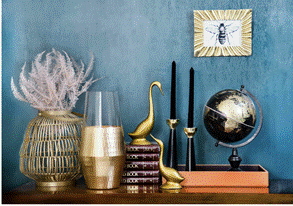
Every element in your home, no matter how small, adds to the decor. Table lamps, a scatter rug, small figurines, wall hangings, and framed photographs all add a little bit of “you” to a room.

Indulge Your Interests, Hobbies, or Career

Whatever the style of your home, there are different ways to show you. Musical instruments, an excellent sound system, or framed records can show your love for music.

Let Nature In

Bring the outdoors inside and the indoors outside with plants and flowers. With so many options, you have plenty on which to express yourself. The vases and planters you use to hold them will echo your style choices.

Create Personal Spaces

A great way to stamp your blueprint on your home is to have dedicated rooms to showcase who you are. These could be a home office, art studio, fitness room, game room, home theater, recording studio, or shrine to your travel souvenirs. You don’t necessarily need an entire room for a specialized interest or activity; it can be a table, wall area, or room section. Every member of your household can have their dedicated area.

Personal Touches Make a House a Home

Souvenirs make a place more personal—family photographs, vacation gifts, mementos from childhood, anything meaningful. Look for ways to incorporate personal touches into the flavor of your abode-updated Victorian frames- a piece of your past photos and artwork.

Seek Distinctive Pieces

Instead of relying on mass-market items, seek unique furniture and decor pieces. Unique items can be found all over, such as:

  • Thrift stores and antique shops.
  • Yard sales.
  • Websites such as Etsy.
  • Local galleries and craftsmanship.
  • Auctions -in-person and online.
  • Custom-made pieces.

Make Color Work For You

Color hugely influences the mood the home sets. In addition to paint and wallpaper, give it due consideration for a unified scheme of color not only for your furniture but also for curtains, soft furnishings, and all else. The combination of colors can either support or undermine your goals. The advantage of using different shades of the same color is that these naturally blend yet do not produce boredom that often accompanies identical shades.

Personalize Your Kitchen

You will likely spend a lot of time in the kitchen, so it’s worth devoting some effort to customizing it to your liking. Here are a few kitchen remodeling ideas to consider.

  • Distinctive hardware for cabinets and decorative faucets helps your kitchen stand out.
  • Light is essential in the kitchen. During the day, let the kitchen bathe in natural light, and at night, use layered lighting, such as task lights and accent lights, to highlight different parts of the kitchen.
  • The kitchen island is a great focal point. Adorn it with conversation pieces, flowers, fruit, or anything that enlivens the space.

Keep Clutter to a Minimum

When you adorn your home with personal touches, it is easy to go overboard and create a cluttered effect. Accordingly, there is no limit to the amount of memorabilia or mementos you can spread around the house. The catch is control; be selective. For decor, less is often more, and more-honestly, a few good pictures on one of your walls will allow the eye to focus on them more distinctly than having an entire wall plastered with them.

Opt for Modular and Multipurpose Furniture

Using furniture that supports different functions gives you more flexibility and storage space. For instance, modular sofas can be set up in various styles depending on current needs. Flexible pieces include the wall bed, extended tables, and multifunctional cabinetry, which provide space to develop personalized aspects in one’s home and control clutter.

Personalize Every Square Inch of Your Home

With some creativity, you’ll find countless ways to make your home reflect your personality. Traditional styles can easily be modified to your liking. Sometimes, minor touches are all it takes to turn a bland area into one that genuinely feels like home.


Outdoor Elegance: How to Create a Tranquil Garden Retreat with Classic Elements

Image: https://unsplash.com/photos/a-statue-of-a-woman-in-a-garden-o61TbwSW2m0

Classic gardens have always been the epitome of elegance and timeless charm. Rooted in European traditions, particularly the French formal gardens, this style is all about symmetry, order, and balance.

Classical architectural elements often feature prominently in American homes, so it makes sense to extend that elegance into outdoor spaces. And while you might picture sprawling estates with expansive lawns and shimmering ponds, classic garden design elements can be scaled down for small gardens and even beautifully integrated with contemporary styles.

Here are the key elements you can use to bring the elegance and tranquility of a classic garden to your own outdoor space.

1. Simple Geometry and Symmetry

At the heart of classic garden design is the principle of imposing order on nature, which is achieved through simple geometry and symmetry. Think straight lines, clean right angles, and circles to form a well-organized layout.

Instead of being randomly scattered, your plant and flower beds should be deliberately demarcated by paving, creating clear paths that guide visitors through your garden. This structured approach also creates a sense of harmony and balance.

A key aspect of the classic garden is bilateral symmetry. To achieve this, imagine dividing your garden down the middle with the shapes and forms on one side mirrored on the other.

This mirroring creates the pleasing and calming effect that’s the hallmark of classic garden tranquility.

2. Lush Greenery

Plants play a supporting role in a classic garden, enhancing the overall structure and symmetry rather than taking center stage with a riot of colors or varying heights and sizes.

The key here is restraint. Stick to a foundation of lush greens, with one or two carefully chosen flowering colors for each season. This will make your garden feel elegant and timeless rather than busy or chaotic.

To achieve the classic, sculpted look, choose plants suited for topiary like boxwood, privet, or yew—their bushes can be shaped into clean, geometric forms like spheres and cones. You can even do playful animal designs if you’d like to add a little whimsy to your garden.

Evergreens are another essential. Varieties like junipers, olives, or holly not only thrive in dry or coastal climates but also retain their structure year-round. These will help maintain your garden’s refined aesthetic in any season.

3. Well-Defined Edges

Image: https://unsplash.com/photos/a-long-green-lawn-lined-with-trees-and-bushes-JMWqAmRnXUg

By now you can probably tell that clean lines are a non-negotiable in the classic garden aesthetic. They provide the frame that holds the entire design together and keep your garden looking polished and intentional. Even the most carefully curated plants and pathways will feel untamed without them.

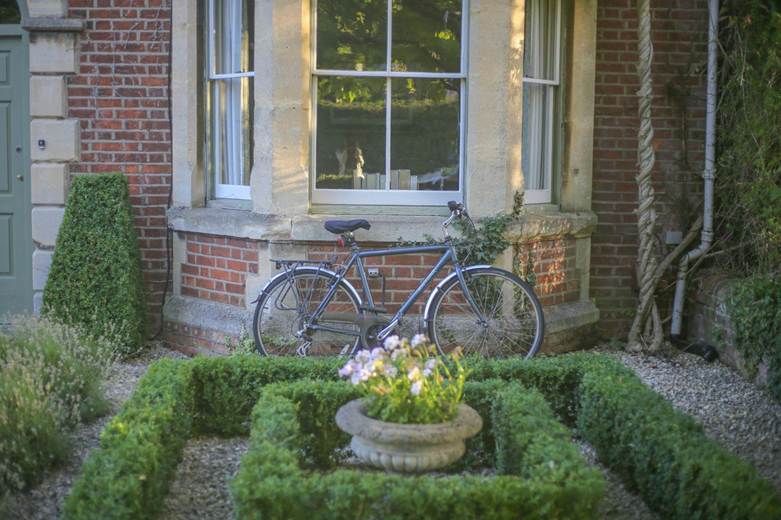
Start by defining your garden’s boundaries, using thick, neatly trimmed hedges to enclose spaces or frame sections. Boxwood hedges are a timeless favorite for classic gardens, but other dense, evergreen shrubs work beautifully, too. Remember, regular trimming is key to maintaining that crisp, tailored look.

Stone or brick edging is another elegant option you can use to mark pathways, flower beds, or lawns. What’s more, it makes maintenance easier by keeping grass and gravel where it belongs.

Natural materials like red brick add a subtle traditional feel and are extremely durable. But if you’re going for a more contemporary look, try concrete or metal edging, just don’t overdo it otherwise you’ll lose the classic vibe.

Decking is another aesthetic, yet practical, way to define edges. For example, a raised wooden deck pairs beautifully with manicured lawns and sculpted shrubs.

4. Ornaments and Formal Features

No classic garden is complete without these timeless elements. They act as a focal point, which is necessary for giving the space structure while also adding a touch of sophistication.

Start with a centerpiece. Consider a classic fountain, a sculpted statue, or a birdbath—anything that can act as the visual anchor of your garden. A key principle here is placement: position it along the axis of bilateral symmetry you’ve established or at the “crossroads” of your paths where the eye is naturally drawn.

Ornaments can also function as “punctuation marks” throughout the garden. Some good examples are large planters, urns, or topiary trees flanking pathways, your garden’s entrance, or the seating area. Use identical pairs to enhance the symmetry and order of your design.

Finally, don’t overlook the importance of furniture. Elegant outdoor lounge chairs that complement the classic aesthetic will give you and your visitors an inviting space to relax and enjoy your tranquil surroundings.

5. Water

In traditional European gardens, grand fountains, reflecting pools, and serene ponds were the stars of the landscape. While your garden may not have the space for sweeping water features, smaller options can still make a big impact.

A classic fountain is a popular and easy-to-incorporate choice. It’s an elegant focal point and adds movement and calming sounds to your space.

But don’t feel limited to just fountains. Other water elements like a swimming pool or even a small, decorative pond can also work beautifully. A pool spa, for example, adds a contemporary element while still complementing the classic garden aesthetic.

Align your water feature with your garden’s symmetry—this could be at the center of a pathway, at the end of your visual axis, or surrounded by manicured hedges.

Bringing It All Together

Image: https://www.pexels.com/photo/grey-mountain-bike-leaning-on-brown-wall-brick-in-garden-163647/

The true beauty of the classic garden style is its versatility. The above principles can be adapted to fit a modest courtyard just as well as a sprawling backyard.

Remember, symmetry, clean lines, and keen attention to detail are what bring the charm and serenity of a classic garden oasis to life. Plan your classic garden on paper first to ensure you have the right symmetry, and then get to work!