Can Remote Work Be Your Retirement Alternative?

The retirement used to mark the end of someone’s career. This was a happy occasion, where people would throw a party, eat cake, drink and then watch their retired coworker ride off into the sunset where hobbies, family, free time and travel were waiting for them. A pretty picture, isn’t it? And in theory, this is what the retirement should be. However, the reality is much different than the dream.

The quality of life has improved and people live much longer into their retirement. While this should be a good thing, financial troubles are mounting and making retirement really unrealistic for people. Many professionals don’t consider pension the adequate amount of money for a good and healthy lifestyle in the senior years. In fact, Social Security has become mainly a supplement income than a central source of income. Adding to this, lines between the private life and the business, professional life are blurring. More employees are adapting their schedules to make them more flexible and work arrangements are much different now than they used to be. Often there is no need for people to come into an office, they can work from home and do so comfortably. People also think that all of the retirement activities can happen along with work – seeing the world, spending time with your family or doing hobbies.

“Retirement is no longer that shiny thing waiting for us at the end of the road. It’s something most people fear or dislike. We want to keep working, especially if we love our careers and enjoy our work. So, how can the market change to fit these new requirements of aging professionals.”, says Zara Fox, employment agency specialist at EliteAssignmentHelp and Revieweal.

Remote work is one option that could fit many older people looking to still earn an income and have fun with their work. Here are some of the options that you should consider before you retire:

Part-Time Jobs

As a start, if you have some technical skills and some familiarity with technology, you can go from working full time in an office to working part-time from home. Your experience and abilities could still benefit your team well into the senior years. You can bring new values and knowledge to your team. Plus, you have the free time to enjoy new activities and learn more about your industry. As  a rule, the money is never the only bonus when it comes to the job. If you remain socially and mentally engaged, you are less likely to develop dementia and other cognitive issues.

Project based work

“You probably have a vast number of contacts and your network is probably huge because you have spent so many years in your industry. This gives you plenty of opportunities for contract work and project based work which you can do remotely while travelling or being at home. It’s much easier to find options through your own private networks than through any other channel.”, says Ezra Holmes, HR representative at UKWritings and Essay Services.

You can also get more profit and higher pay this way. Plus, the competition is much lower this way.

You can advise people

Professionals that are retiring have plenty of experience and knowledge that can give them the right to the position of advisor, specialist or consultant. They have seen, led and experienced many things which makes them the perfect person for this position. They can remain in their workplace as a remote advisor or on-call advisor. They can also apply to be specialists in startups or new and small companies which need someone more experienced to help them. It can provide a secure income and allow seniors to use their expertise for good.

Coach employees or teams

Another interesting opportunity to use your expertise is to coach teams in your industry or niche. Many professionals need strategic guidance and they need someone to help them map out their careers. If you have decades of experience in the industry, you can easily find this kind of work which can also be done remotely, through video conferences, chatting, phone calls and so on. It can also be done in person. As a bonus, you are making a positive impact.

People who retire don’t have to stop working. Of course, some people will enjoy their sunset years but most will want to stay social and aware of their industry. They will also want to continue improving, growing and learning new things. However, the industry has to support them as well, by hiring them and respecting their expertise. In addition to this, they could have speaking opportunities as well as some alternatives like blogging, writing a book, having a Youtube channel where they can share their advice and so on. You don’t have to retire if you don’t want to – stay updated on new opportunities.


Madeline Miller works as a career coach, tutor and writer at Dissertation writing service and Custom Assignment. She enjoys helping people find their dream job as well as creating articles about things that excite her for Best essay writing services.

How To Stay Fit And Healthy In Your Thirties

What if I told you that two-thirds of adult Australians are overweight or obese? If you’re a man whose waist circumference is more than 98.0cm, or more than 87.9cm for a woman, you might be one of them. In your thirties, the issue might become less solvable if you ignore it. The metabolism becomes slowlier as years pass by. Let’s see how you can stay fit and healthy in your thirties and fit into the good part of the statistics. 

  1. Determine your ideal BMI and try to maintain it

The Body Mass Index (BMI) is a measure of body fat based on height and weight that applies to most adult men and women. It is a number calculated from the individual’s weight in kilograms divided by the square of their height in meters. The BMI can be used to indicate whether someone is overweight or obese. The World Health Organization defines “overweight” as a BMI greater than or equal to 25, and “obese” as a BMI greater than or equal to 30.

It is important for people who are overweight or obese to try to maintain their weight because they are at an increased risk for developing many diseases, such as heart disease, diabetes, high blood pressure, and some cancers.

  1. Have a healthy diet plan and stick to it

A good diet plan includes a variety of foods and encourages you to eat healthily. Eating healthy will help you maintain your weight and improve your health in the long run. Here are some healthy diet plans for people in their thirties.

  • Paleo Diet: A diet that focuses on unprocessed, natural foods like meat from animals you hunted yourself or plants that you have processed yourself. If you want to avoid gluten, dairy, and refined sugars, this is the right diet for you.
  • Mediterranean Diet: A diet that focuses on healthy eating habits from countries where the food is mostly plant-based with a small amount of fish and poultry and a fair amount of fruits, vegetables, legumes, grains, and nuts. The Mediterranean diet is good for people who want to limit their intake of sugar and saturated fat.
  • DASH Diet: A diet plan created by the National Heart Lung and Blood Institute that focuses on eating healthy amounts of food groups like vegetables, fruits, whole grains, and fish low in both sodium and saturated fat and low in cholesterol.

There are many diets, so make sure you consult with a nutritionist about this. 

  1. Always warm-up before exercising and have a rest day

It is important to always warm-up before exercising. It helps your muscles get prepared for the workout. You can do a light jog, some light stretching, or perform some exercises that are less intense than the ones you will be doing for the rest of your workout.

A rest day is also important to have every once in a while so that you can recover from all the physical work and exercise you have been doing. This day should not be a full day of rest instead it should just be an active recovery day.

  1. In case of injuries see a physio

Exercise is an important part of your life and it can help you stay fit. But if you have an injury, it is better to see a physio. If you don’t go for a physio appointment, the injury will get worse and your recovery will be slower.

One of the most common reasons for people to avoid seeing a physio is that they are worried about the cost. But in reality, it’s worth spending that money on your health. Physio Canberra center offers different recovery programs for every wallet.

  1. Check your overall health at least once a year

It is important to check your health at least once a year. This will help you catch any illnesses or diseases early on and prevent them from developing into something more serious.

It is recommended to get screened for different types of cancers, such as breast cancer and colon cancer. You should also get tested for blood sugar levels, cholesterol levels, and other health markers that can help you live a healthy lifestyle.

  1. Balance private and professional life

 You should stay in touch with your friends and family, work on your hobbies, and try not to stress too much at work.

Having a good social life can help you maintain better mental health, keep your stress levels down, and even improve your performance at work.

Doing hobbies can be a great way to take some time out of the day for yourself while also improving your creative thinking skills.

There are so many ways of staying healthy and fit in your thirties and we only presented some of them. We are all constantly learning and improving ourselves, so never think that once you’re an adult with a stable job, you stop living life to its fullest.


5 Gorgeous Gifts For The Interior Design Fanatic In Your Life

When you visit a person’s home and stand in awe of the immaculately detailed decoration of their living space, you can safely assume that this person loves anything and everything related to interior design.

https://unsplash.com/photos/sM2nqDvg0AM

If you have such a person in your life who often redesigns their rooms and is always on the lookout for unique home furniture and decor, you should appreciate their aesthetic sensibility. When it’s time to give that person a present, it’s a no-brainer that you should give them an interior decor item. But what?

A generic decor item won’t do. You have to ensure your gift suits their style and their home. Here are five home design gift ideas to please anyone’s interior design tastebuds.

1. Classic Wall Clock

https://unsplash.com/photos/5XO2XlW5vMo

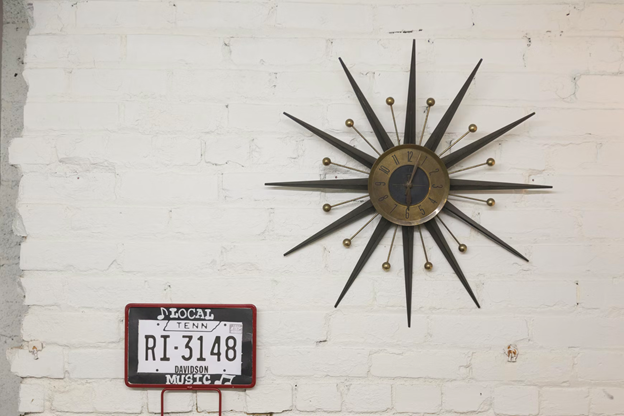
A nice big clock is elegant and practical for any room of the house. A wall clock can serve as a decorative accent to fill up any empty wall space. Although we have the convenience of checking the time on our electronic screens, it doesn’t compare with a grand, artistic display of time.

There are a few aspects to consider, first the size of the clock. For an accent piece, choose something smaller, within the 10-18 inch range, but for a statement piece, go for a larger clock, between 24-30 inches. When it comes to materials, you can go the less expensive route with plastic, or choose a higher quality and price tag material like wood or metal.

The material you choose affects the styles available. You can select something modern with a metallic frame or something traditional with a natural design. Try to choose a color that will blend with the decor of any room. Neutral colors like white, beige, gray, and black are best. Natural colors of wood and metal are also safe choices.

2. Intriguing Showpieces

A showpiece can be the perfect gift for someone who has shelves and cabinets decorated with quirky items. Unique and interesting showpieces add a touch of detail and character to a place and reveal the interests of the homeowner.

One home decor tip when shopping for a showpiece for someone else is to buy something that matches a showpiece they already have. For instance, if someone is into animal figurines, you should get them a similar kind of showpiece. That way, you can be sure that they’ll like your gift and it will fit with the rest of their decor.

3. A Unique Vase

Displaying fresh (or artificial) flowers in a vase can enliven any room. But vases are not just for bouquets anymore. According to modern home decor conventions, a unique vase can also serve the function of a showpiece. It can fill up empty surfaces, draw the eye to a piece of furniture, and add charm to the space.

There are several vase shapes available, from bottleneck to flared, footed to cube, centerpiece to minimalist and more. Before picking out a vase, take a look at the decor styles already in the home and make sure your choice will compliment them.

4. Photo Frame with a Personal Memory

https://unsplash.com/photos/2OnjI-g712g

Nothing makes the heart grow fonder of a gift than a touch of personalization. A photo frame with a picture of the two of you can be a personalized housewarming gift that will remain timeless. The best part of a framed photo is that the picture takes the center stage. If you choose a picture that has captured a memory both of you cherish or simply a picture you know they will like, the gift immediately becomes valuable, no matter which kind of frame you put it in.

Having said that, it’s still necessary to go with a frame that complements the picture. An easy way to do this is to match the color and tone of your frame with the color palette of the picture. Go for a simple, understated style if you are unsure about opting for something more bold. The perfect gift is a personal thing, so consider getting the frame engraved with the date of the photo within.

5. Meaningful Antiques

This is a bit of a niche choice of gift, but it can be a treasure trove for someone who is into antiques. Including antique pieces in your living space adds an archaic aesthetic to a modern home. For some people with more traditional and rustic homes, antiques will complement the home well.

There are multiple considerations to be made while buying antiques, especially if you are making an expensive purchase. Since these will be used, vintage items, you might have to do some restoration as well. Buy something small and manageable if this is your first time.

Make Each Gift Count

There are only two rules for buying interior design gifts for someone—know the person’s taste and know their home. If you can look at a gift and immediately tell whether it will fit into their home and their general style, you’re on the right track! If not, the best way to find out is to experiment. Either way, what makes your gift valuable is how much thought you put into it.


How to Go Grocery Shopping Sustainably

https://pixabay.com/photos/supermarket-stalls-coolers-market

Going zero-waste might be the right thing to do for the planet, but it is certainly not the easiest to accomplish. Almost every grocery store you visit will have food packaged and stored behind layers and layers of plastic. Most foods are produced with high carbon emissions. It costs both your wallet and the planet way more than it should.

Practicing sustainable measures while grocery shopping is the only solution to this lifestyle problem that impacts Earth as much as it impacts us. To make your journey towards a sustainable life more accessible, there are 8 tips you can follow. Let’s dive in.

1. Bring Your Own Reusable Bags

Statistics suggest that nearly 40% of all the plastic produced every year is single-use plastic used for packaging. This kind of plastic is really difficult to recycle as it gets tangled in the machinery and interferes with robotic sensors used in the recycling process. Their obvious fate is ending up in landfills and water bodies where they have detrimental impacts on the environment.

Each time you purchase something that uses single-use plastics, you contribute to the growing plastic crisis. Bringing your own grocery shopping bags really pays off in this scenario. If you resolve to bring your own reusable bags and containers, you can say “no” to single-use plastic every time while grocery shopping. With a few storage and organization tips, incorporating reusable bags and containers into your life can be easy as pie.

2. Buy Loose Produce

While we’re on the topic of plastic packaging, you should know that using reusable bags only works when you buy loose produce. Putting a container of packaged vegetables or meat in your tote bag defeats the purpose. You are still creating significant plastic waste. To prevent this, visit stores that contain fresh, unwrapped foods.

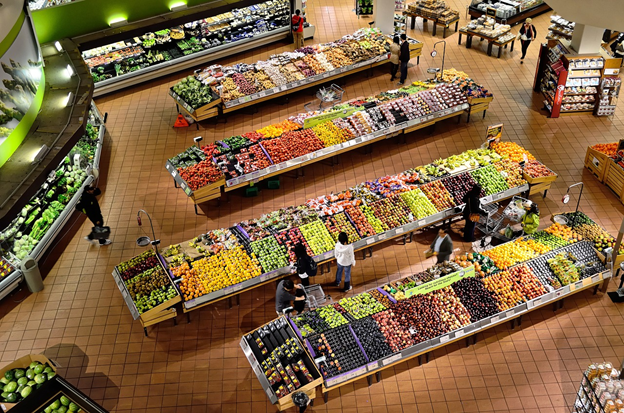
Buying loose produce helps you control the amount you want to buy and save money in the process. In organic stores, you will find a wide range of loose products — fruits, vegetables, spices, pasta, cereals, rice, biscuits, and much more! In a supermarket, however, most of these products will be wrapped in plastic.

3. Steer Clear of Processed Food

How much do you pay for packets of chips, biscuits, or cookies per month? $20? $50? More? Try spending that amount on buying whole, raw ingredients. You’ll easily make twice as much food that’s thrice as healthy!

It’s called “shopping the perimeter”. When you shop the perimeter, you buy your cheese and pasta separately instead of buying a box of microwaveable mac and cheese. Better yet, make your own pasta from scratch!

Processed food comes with a lot of drawbacks: huge carbon footprint, higher costs, loss of nutrients, unhealthy additives, and excessive packaging, just to name a few. These impair your health, tarnish the environment, and snowball your grocery bill. You can live a much healthier life by sacrificing snacks and easy food options for more healthy recipes.

4. Opt for a Plant-Based Diet

Does making your own pasta sound like an odious task to you? Were you thinking of veering towards meat more? If so, think twice! Eating a predominantly animal-based diet can be even more detrimental than eating overly processed food.

Plant-based foods have a smaller carbon-footprint. Most animal-based foods are way more resource intensive and harmful for the environment. A study found that beef production requires 20 times more land and emits 20 times more greenhouse gas than common plant-based protein sources such as beans, peas and lentils. Chicken and pork require thrice the amount of resources as plants.

5. Read the Labels

Labels can reveal so many secrets about how the food is produced and the impact it has on the environment. Not all processed food and meat out there hurts the planet. Some of it is responsibly and consciously produced. Certain food labels can certify that. Lookout for trustable certifications like Fair Trade, American Grassfed, Organic, Bird Friendly, Animal Welfare Approved, Safe Catch, BPI Compostable, Non-GMO, and so on. Eat responsibly!

6. Shop Local and In-Season

Food can have a high emission tag if it is transported from somewhere far away or exported from another part of the world. This is often the case when we try to eat fruits or vegetables that are not in season. This means more energy consumption, higher carbon emission, and outrageous prices.

If you eat what is locally grown around you, you consume food with negligible carbon emissions and low prices. Shopping from your local farmers’ market is a great way to start.

7. Know Your Plastics

Sometimes, purchasing items with plastic packaging is unavoidable if you do not have any plastic-free alternatives at your local grocery stores. In such dire scenarios, check the plastic resin identification number. It’ll be a small code inside of a triangle. This symbol reveals which type of plastic is used to make a packaging material.

Always go for HDPE (high-density polyethylene) and PETE (polyethylene terephthalate) plastics since they are more easily recyclable than other kinds of plastic. Learn more about recycling and upcycling to keep yourself updated about ways you can repurpose plastic containers.

8. Always Carry a List and Never Go In Hungry

Going grocery shopping without a list is how you get confused. Going in hungry is how you lose focus and self-control. The result is buying a bunch of stuff you don’t need. Overbuying leads to food wastage. Annually, Americans waste 30-40% of the US food supply. You sure don’t want to contribute to this number.

Happy Shopping!

https://pixabay.com/photos/shop-supermarket-grocery-cart-4527402/

If you’re already living a pretty sustainable lifestyle, the above tips will only add to it. And if your next grocery trip is going to be your first attempt at being sustainable, following these tips will make for an effortless transition into this lifestyle. Either way, more power to you!


Author Bio:

Carolyn Mitchell is a freelance writer and content strategist with a passion for home décor. She can often be found re-painting and updating the furnishings in her home, and she is also a dedicated cat mom to two adorable kitties.


How To Go Grocery Shopping Sustainably

https://pixabay.com/photos/supermarket-stalls-coolers-market-949913/

Going zero-waste might be the right thing to do for the planet, but it is certainly not the easiest to accomplish. Almost every grocery store you visit will have food packaged and stored behind layers and layers of plastic. Most foods are produced with high carbon emissions. It costs both your wallet and the planet way more than it should.

Practicing sustainable measures while grocery shopping is the only solution to this lifestyle problem that impacts Earth as much as it impacts us. To make your journey towards a sustainable life more accessible, there are 8 tips you can follow. Let’s dive in.

1. Bring Your Own Reusable Bags

Statistics suggest that nearly 40% of all the plastic produced every year is single-use plastic used for packaging. This kind of plastic is really difficult to recycle as it gets tangled in the machinery and interferes with robotic sensors used in the recycling process. Their obvious fate is ending up in landfills and water bodies where they have detrimental impacts on the environment.

Each time you purchase something that uses single-use plastics, you contribute to the growing plastic crisis. Bringing your own grocery shopping bags really pays off in this scenario. If you resolve to bring your own reusable bags and containers, you can say “no” to single-use plastic every time while grocery shopping. With a few storage and organization tips, incorporating reusable bags and containers into your life can be easy as pie.

2. Buy Loose Produce

While we’re on the topic of plastic packaging, you should know that using reusable bags only works when you buy loose produce. Putting a container of packaged vegetables or meat in your tote bag defeats the purpose. You are still creating significant plastic waste. To prevent this, visit stores that contain fresh, unwrapped foods.

Buying loose produce helps you control the amount you want to buy and save money in the process. In organic stores, you will find a wide range of loose products — fruits, vegetables, spices, pasta, cereals, rice, biscuits, and much more! In a supermarket, however, most of these products will be wrapped in plastic.

3. Steer Clear of Processed Food

How much do you pay for packets of chips, biscuits, or cookies per month? $20? $50? More? Try spending that amount on buying whole, raw ingredients. You’ll easily make twice as much food that’s thrice as healthy!

It’s called “shopping the perimeter”. When you shop the perimeter, you buy your cheese and pasta separately instead of buying a box of microwaveable mac and cheese. Better yet, make your own pasta from scratch!

Processed food comes with a lot of drawbacks: huge carbon footprint, higher costs, loss of nutrients, unhealthy additives, and excessive packaging, just to name a few. These impair your health, tarnish the environment, and snowball your grocery bill. You can live a much healthier life by sacrificing snacks and easy food options for more healthy recipes.

4. Opt for a Plant-Based Diet

Does making your own pasta sound like an odious task to you? Were you thinking of veering towards meat more? If so, think twice! Eating a predominantly animal-based diet can be even more detrimental than eating overly processed food.

Plant-based foods have a smaller carbon-footprint. Most animal-based foods are way more resource intensive and harmful for the environment. A study found that beef production requires 20 times more land and emits 20 times more greenhouse gas than common plant-based protein sources such as beans, peas and lentils. Chicken and pork require thrice the amount of resources as plants.

5. Read the Labels

Labels can reveal so many secrets about how the food is produced and the impact it has on the environment. Not all processed food and meat out there hurts the planet. Some of it is responsibly and consciously produced. Certain food labels can certify that. Lookout for trustable certifications like Fair Trade, American Grassfed, Organic, Bird Friendly, Animal Welfare Approved, Safe Catch, BPI Compostable, Non-GMO, and so on. Eat responsibly!

6. Shop Local and In-Season

Food can have a high emission tag if it is transported from somewhere far away or exported from another part of the world. This is often the case when we try to eat fruits or vegetables that are not in season. This means more energy consumption, higher carbon emission, and outrageous prices.

If you eat what is locally grown around you, you consume food with negligible carbon emissions and low prices. Shopping from your local farmers’ market is a great way to start.

7. Know Your Plastics

Sometimes, purchasing items with plastic packaging is unavoidable if you do not have any plastic-free alternatives at your local grocery stores. In such dire scenarios, check the plastic resin identification number. It’ll be a small code inside of a triangle. This symbol reveals which type of plastic is used to make a packaging material.

Always go for HDPE (high-density polyethylene) and PETE (polyethylene terephthalate) plastics since they are more easily recyclable than other kinds of plastic. Learn more about recycling and upcycling to keep yourself updated about ways you can repurpose plastic containers.

8. Always Carry a List and Never Go In Hungry

Going grocery shopping without a list is how you get confused. Going in hungry is how you lose focus and self-control. The result is buying a bunch of stuff you don’t need. Overbuying leads to food wastage. Annually, Americans waste 30-40% of the US food supply. You sure don’t want to contribute to this number.

Happy Shopping!

https://pixabay.com/photos/shop-supermarket-grocery-cart-4527402/

If you’re already living a pretty sustainable lifestyle, the above tips will only add to it. And if your next grocery trip is going to be your first attempt at being sustainable, following these tips will make for an effortless transition into this lifestyle. Either way, more power to you!


Author Bio:

Carolyn Mitchell is a freelance writer and content strategist with a passion for home décor. She can often be found re-painting and updating the furnishings in her home, and she is also a dedicated cat mom to two adorable kitties.