Tips for Creating a Home that Reflects Your Personality

Since you spend a lot of time at home, it should be an oasis of comfort and pleasure. Look for inspiration online, read magazines, or visit other people’s homes. Bottom line: Is it truly a reflection of you?

Express Your Preferred Style

Before beginning a decorating or renovation task, know your goals. Decide what general vibe you want your space to have. You should confer with others in your household.

Combine Tradition and Personal Tastes

There’s no need to be dogmatic and adhere strictly to one style. After all, this is your space, which should represent who you are. At the same time, it’s good to have guidelines. Not all styles work well together. Don’t be afraid to experiment. Unless you’re making structural changes, you can always modify and redo something if it doesn’t turn out as you hoped.

Every Detail Counts

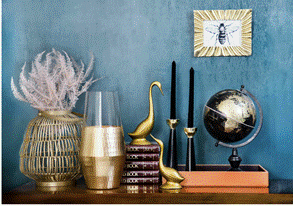
Every element in your home, no matter how small, adds to the decor. Table lamps, a scatter rug, small figurines, wall hangings, and framed photographs all add a little bit of “you” to a room.

Indulge Your Interests, Hobbies, or Career

Whatever the style of your home, there are different ways to show you. Musical instruments, an excellent sound system, or framed records can show your love for music.

Let Nature In

Bring the outdoors inside and the indoors outside with plants and flowers. With so many options, you have plenty on which to express yourself. The vases and planters you use to hold them will echo your style choices.

Create Personal Spaces

A great way to stamp your blueprint on your home is to have dedicated rooms to showcase who you are. These could be a home office, art studio, fitness room, game room, home theater, recording studio, or shrine to your travel souvenirs. You don’t necessarily need an entire room for a specialized interest or activity; it can be a table, wall area, or room section. Every member of your household can have their dedicated area.

Personal Touches Make a House a Home

Souvenirs make a place more personal—family photographs, vacation gifts, mementos from childhood, anything meaningful. Look for ways to incorporate personal touches into the flavor of your abode-updated Victorian frames- a piece of your past photos and artwork.

Seek Distinctive Pieces

Instead of relying on mass-market items, seek unique furniture and decor pieces. Unique items can be found all over, such as:

  • Thrift stores and antique shops.
  • Yard sales.
  • Websites such as Etsy.
  • Local galleries and craftsmanship.
  • Auctions -in-person and online.
  • Custom-made pieces.

Make Color Work For You

Color hugely influences the mood the home sets. In addition to paint and wallpaper, give it due consideration for a unified scheme of color not only for your furniture but also for curtains, soft furnishings, and all else. The combination of colors can either support or undermine your goals. The advantage of using different shades of the same color is that these naturally blend yet do not produce boredom that often accompanies identical shades.

Personalize Your Kitchen

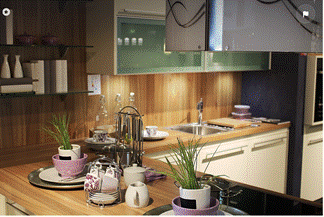
You will likely spend a lot of time in the kitchen, so it’s worth devoting some effort to customizing it to your liking. Here are a few kitchen remodeling ideas to consider.

  • Distinctive hardware for cabinets and decorative faucets helps your kitchen stand out.
  • Light is essential in the kitchen. During the day, let the kitchen bathe in natural light, and at night, use layered lighting, such as task lights and accent lights, to highlight different parts of the kitchen.
  • The kitchen island is a great focal point. Adorn it with conversation pieces, flowers, fruit, or anything that enlivens the space.

Keep Clutter to a Minimum

When you adorn your home with personal touches, it is easy to go overboard and create a cluttered effect. Accordingly, there is no limit to the amount of memorabilia or mementos you can spread around the house. The catch is control; be selective. For decor, less is often more, and more-honestly, a few good pictures on one of your walls will allow the eye to focus on them more distinctly than having an entire wall plastered with them.

Opt for Modular and Multipurpose Furniture

Using furniture that supports different functions gives you more flexibility and storage space. For instance, modular sofas can be set up in various styles depending on current needs. Flexible pieces include the wall bed, extended tables, and multifunctional cabinetry, which provide space to develop personalized aspects in one’s home and control clutter.

Personalize Every Square Inch of Your Home

With some creativity, you’ll find countless ways to make your home reflect your personality. Traditional styles can easily be modified to your liking. Sometimes, minor touches are all it takes to turn a bland area into one that genuinely feels like home.


Outdoor Elegance: How to Create a Tranquil Garden Retreat with Classic Elements

Image: https://unsplash.com/photos/a-statue-of-a-woman-in-a-garden-o61TbwSW2m0

Classic gardens have always been the epitome of elegance and timeless charm. Rooted in European traditions, particularly the French formal gardens, this style is all about symmetry, order, and balance.

Classical architectural elements often feature prominently in American homes, so it makes sense to extend that elegance into outdoor spaces. And while you might picture sprawling estates with expansive lawns and shimmering ponds, classic garden design elements can be scaled down for small gardens and even beautifully integrated with contemporary styles.

Here are the key elements you can use to bring the elegance and tranquility of a classic garden to your own outdoor space.

1. Simple Geometry and Symmetry

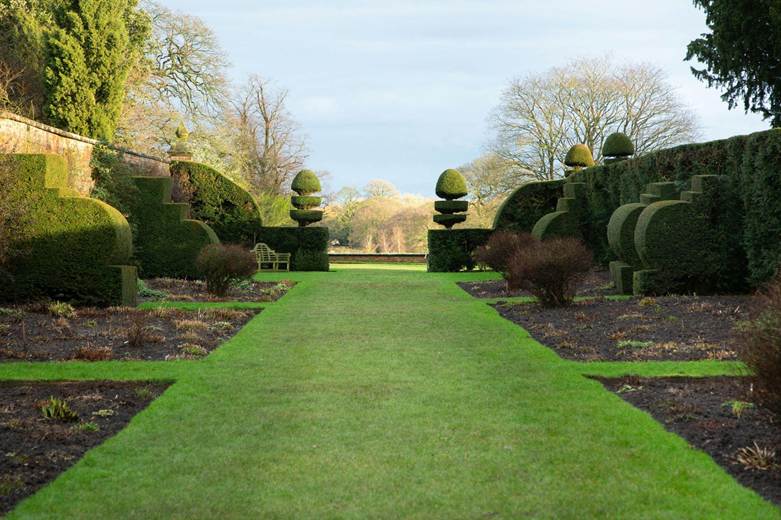
At the heart of classic garden design is the principle of imposing order on nature, which is achieved through simple geometry and symmetry. Think straight lines, clean right angles, and circles to form a well-organized layout.

Instead of being randomly scattered, your plant and flower beds should be deliberately demarcated by paving, creating clear paths that guide visitors through your garden. This structured approach also creates a sense of harmony and balance.

A key aspect of the classic garden is bilateral symmetry. To achieve this, imagine dividing your garden down the middle with the shapes and forms on one side mirrored on the other.

This mirroring creates the pleasing and calming effect that’s the hallmark of classic garden tranquility.

2. Lush Greenery

Plants play a supporting role in a classic garden, enhancing the overall structure and symmetry rather than taking center stage with a riot of colors or varying heights and sizes.

The key here is restraint. Stick to a foundation of lush greens, with one or two carefully chosen flowering colors for each season. This will make your garden feel elegant and timeless rather than busy or chaotic.

To achieve the classic, sculpted look, choose plants suited for topiary like boxwood, privet, or yew—their bushes can be shaped into clean, geometric forms like spheres and cones. You can even do playful animal designs if you’d like to add a little whimsy to your garden.

Evergreens are another essential. Varieties like junipers, olives, or holly not only thrive in dry or coastal climates but also retain their structure year-round. These will help maintain your garden’s refined aesthetic in any season.

3. Well-Defined Edges

Image: https://unsplash.com/photos/a-long-green-lawn-lined-with-trees-and-bushes-JMWqAmRnXUg

By now you can probably tell that clean lines are a non-negotiable in the classic garden aesthetic. They provide the frame that holds the entire design together and keep your garden looking polished and intentional. Even the most carefully curated plants and pathways will feel untamed without them.

Start by defining your garden’s boundaries, using thick, neatly trimmed hedges to enclose spaces or frame sections. Boxwood hedges are a timeless favorite for classic gardens, but other dense, evergreen shrubs work beautifully, too. Remember, regular trimming is key to maintaining that crisp, tailored look.

Stone or brick edging is another elegant option you can use to mark pathways, flower beds, or lawns. What’s more, it makes maintenance easier by keeping grass and gravel where it belongs.

Natural materials like red brick add a subtle traditional feel and are extremely durable. But if you’re going for a more contemporary look, try concrete or metal edging, just don’t overdo it otherwise you’ll lose the classic vibe.

Decking is another aesthetic, yet practical, way to define edges. For example, a raised wooden deck pairs beautifully with manicured lawns and sculpted shrubs.

4. Ornaments and Formal Features

No classic garden is complete without these timeless elements. They act as a focal point, which is necessary for giving the space structure while also adding a touch of sophistication.

Start with a centerpiece. Consider a classic fountain, a sculpted statue, or a birdbath—anything that can act as the visual anchor of your garden. A key principle here is placement: position it along the axis of bilateral symmetry you’ve established or at the “crossroads” of your paths where the eye is naturally drawn.

Ornaments can also function as “punctuation marks” throughout the garden. Some good examples are large planters, urns, or topiary trees flanking pathways, your garden’s entrance, or the seating area. Use identical pairs to enhance the symmetry and order of your design.

Finally, don’t overlook the importance of furniture. Elegant outdoor lounge chairs that complement the classic aesthetic will give you and your visitors an inviting space to relax and enjoy your tranquil surroundings.

5. Water

In traditional European gardens, grand fountains, reflecting pools, and serene ponds were the stars of the landscape. While your garden may not have the space for sweeping water features, smaller options can still make a big impact.

A classic fountain is a popular and easy-to-incorporate choice. It’s an elegant focal point and adds movement and calming sounds to your space.

But don’t feel limited to just fountains. Other water elements like a swimming pool or even a small, decorative pond can also work beautifully. A pool spa, for example, adds a contemporary element while still complementing the classic garden aesthetic.

Align your water feature with your garden’s symmetry—this could be at the center of a pathway, at the end of your visual axis, or surrounded by manicured hedges.

Bringing It All Together

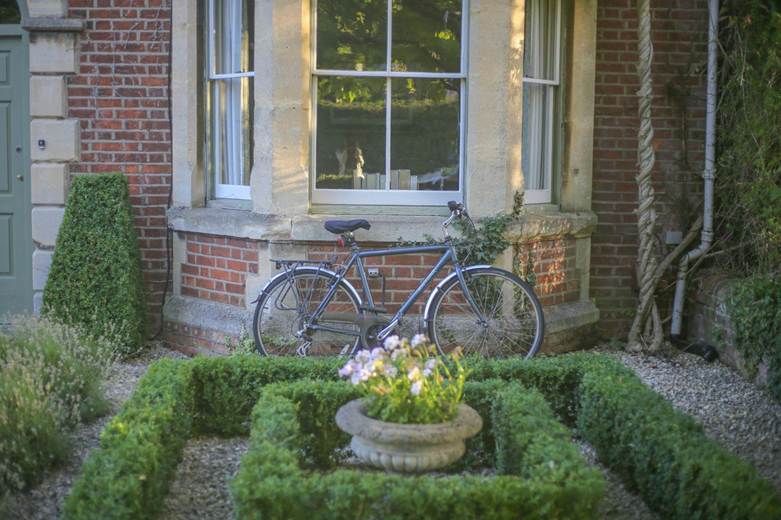
Image: https://www.pexels.com/photo/grey-mountain-bike-leaning-on-brown-wall-brick-in-garden-163647/

The true beauty of the classic garden style is its versatility. The above principles can be adapted to fit a modest courtyard just as well as a sprawling backyard.

Remember, symmetry, clean lines, and keen attention to detail are what bring the charm and serenity of a classic garden oasis to life. Plan your classic garden on paper first to ensure you have the right symmetry, and then get to work!

Why Now is the Perfect Time to Invest in Texas Secondary Markets – Beyond Austin and Dallas

While Austin and Dallas continue to make national headlines for their booming real estate markets, savvy investors are turning their attention to Texas’s secondary markets, according to Central Texas Real Estate Brokers. These emerging cities offer compelling opportunities for both seasoned investors and first-time buyers looking for sustainable growth and better value propositions.

The Rising Stars of Texas Real Estate

Texas’s secondary markets are experiencing a remarkable transformation, driven by factors ranging from corporate relocations to lifestyle preferences shifted by the pandemic. Cities like Waco, Tyler, and San Marcos are emerging as attractive alternatives to the state’s primary markets, offering a combination of affordability, quality of life, and strong economic fundamentals.

Waco: More Than Just Magnolia Market

Once primarily known for its Magnolia Market at the Silos, Waco has evolved into a robust economic center. The city’s population has grown by approximately 8% since 2020, with median home prices still hovering around $265,000 – significantly lower than Austin’s $525,000 average. Major developments include:

  • The emergence of a vibrant technology sector, with several startups choosing Waco as their home base
  • Baylor University’s expanding research programs attracting talent and investment
  • A $1.5 billion investment in infrastructure improvements over the next decade

Tyler: The East Texas Economic Powerhouse

Tyler’s diversified economy and strategic location have positioned it as East Texas’s primary commercial hub. The city has seen steady population growth of about 5% annually since 2021, driven by:

  • A thriving medical sector, with UT Health East Texas and CHRISTUS Trinity Mother Frances Health System expanding their facilities
  • The development of new industrial parks attracting manufacturing companies
  • A cost of living 15% below the national average
  • Median home prices around $285,000, offering attractive yields for investors

San Marcos: The Innovation Corridor’s Rising Star

Positioned strategically between Austin and San Antonio, San Marcos is benefiting from the growth of the Texas Innovation Corridor. Texas State University’s presence provides a steady stream of educated workforce talent, while the city’s natural attractions and quality of life draw both young professionals and families. Key indicators include:

  • Population growth exceeding 12% since 2020
  • Major employers expanding operations, including Amazon and Texas State University
  • Median home prices around $320,000, representing strong value compared to nearby Austin
  • The San Marcos Regional Airport’s expansion creating new economic opportunities

Economic Indicators Supporting Investment

Several economic indicators suggest these secondary markets are poised for continued growth:

Job Market Strength All three cities have unemployment rates below the national average, with job growth in diverse sectors including healthcare, education, technology, and manufacturing. This employment diversity helps insulate these markets from industry-specific downturns.

Infrastructure Investment Significant infrastructure projects are underway in each market, including:

  • New highway expansions improving connectivity
  • Downtown revitalization projects
  • Enhanced public transportation systems
  • Updated water and utility systems supporting growth

Education and Workforce Development The presence of major universities and technical colleges in these cities ensures a steady pipeline of skilled workers, attracting employers and supporting long-term economic growth.

Real Estate Market Dynamics

These secondary markets offer several advantages for investors:

Affordability While primary markets have seen prices soar beyond many buyers’ reach, these secondary markets maintain relatively affordable entry points while showing steady appreciation.

Higher Yields Rental yields in these markets typically range from 6-8%, compared to 4-5% in primary markets, offering better cash flow opportunities for investors.

Growth Potential With continued population growth and economic development, these markets show strong potential for long-term appreciation without the volatile swings often seen in larger markets.

Investment Strategies to Consider

Different approaches can be successful in these markets:

Single-Family Rentals The strong job market and population growth create steady demand for rental properties, particularly in neighborhoods near major employers and universities.

Multi-Family Development Growing populations and relatively low construction costs make multi-family development attractive, especially in areas targeting young professionals and students.

Commercial Investment Retail and office spaces in growing districts offer opportunities for higher returns, particularly in areas undergoing revitalization.

Looking Ahead

While these secondary markets offer compelling opportunities, investors should consider several factors:

Due Diligence Research local zoning laws, development plans, and economic indicators specific to each market.

Timing Different submarkets within these cities may be at different stages of their growth cycle, affecting optimal entry points.

Local Partnerships Building relationships with local real estate professionals, property managers, and contractors is crucial for successful investment outcomes.

Conclusion

Texas’s secondary markets present a unique opportunity for investors seeking strong returns with lower entry points than primary markets. The combination of population growth, economic diversity, and quality of life improvements makes cities like Waco, Tyler, and San Marcos particularly attractive for long-term investment. As these markets continue to mature, early investors who position themselves strategically stand to benefit from both appreciation and steady cash flow opportunities.

The key to success in these markets lies in understanding their unique characteristics and growth drivers while maintaining a long-term perspective. With proper research and local market knowledge, investors can find valuable opportunities that may not be available in more saturated primary markets.

Wallpaper vs. Paint: When to Choose Each for Maximum Impact

When it comes to transforming interior spaces, homeowners and designers have long debated the merits of wallpaper versus paint. Legendary wallpaper manufacturers like Cole and Son wallpaper, known for their intricate and luxurious designs, have elevated wallpaper from a simple wall covering to an art form, challenging the traditional dominance of paint in interior design. Each option brings unique advantages and considerations that can dramatically impact the look, feel, and value of a space.

The Visual Language of Walls

Paint: Simplicity and Versatility

Paint has been the go-to wall treatment for decades, offering unparalleled versatility and ease of application. Its strengths lie in its:

  1. Color Flexibility: With virtually unlimited color options, paint allows for precise color matching and customization. Whether you’re seeking a bold statement or a subtle backdrop, paint can accommodate virtually any design vision.
  2. Cost-Effectiveness: Compared to wallpaper, paint remains the more budget-friendly option. A gallon of quality paint typically costs between $30-$60 and can cover approximately 400 square feet, making it an economical choice for large spaces.
  3. Easy Maintenance: Modern paints come with washable and scrubbable finishes, making them ideal for high-traffic areas, children’s rooms, and spaces prone to dirt and marks.

Wallpaper: Depth and Complexity

Wallpaper offers a level of design complexity that paint simply cannot match. From subtle textures to elaborate patterns, wallpaper transforms walls into canvases of artistic expression.

  1. Design Complexity: Manufacturers like Cole and Son specialize in creating wallpapers that are more than just wall coverings—they’re visual narratives. Intricate botanical prints, geometric patterns, and historic reproductions can instantly elevate a room’s aesthetic.
  2. Texture and Dimension: Unlike paint, wallpaper introduces physical texture and depth. Embossed, grasscloth, and metallic wallpapers create visual interest and tactile experiences that paint cannot replicate.
  3. Durability and Longevity: High-quality wallpapers can last 10-15 years, compared to paint’s typical 5-7 year lifespan. While initial installation costs are higher, the long-term value can be significant.

Cost Comparison: Breaking Down the Investment

Paint Costs

  • Materials: $30-$60 per gallon
  • Primer: $20-$40 per gallon
  • Tools: $50-$100 (brushes, rollers, tape)
  • Average Room Cost: $200-$500
  • Labor (if professional): $500-$1,500

Wallpaper Costs

  • Materials: $30-$300 per roll (depending on quality)
  • Adhesive and Supplies: $50-$100
  • Average Room Cost: $500-$1,500
  • Labor (professional installation): $1,000-$2,500

Design Scenarios: When to Choose Each

Choose Paint When:

  • You want maximum color flexibility
  • Budget is a primary concern
  • Dealing with imperfect walls
  • Seeking quick, DIY-friendly renovation
  • Frequently changing design preferences

Choose Wallpaper When:

  • Desiring complex, artistic wall treatments
  • Looking for long-lasting design impact
  • Wanting to hide wall imperfections
  • Seeking sound and thermal insulation
  • Aiming for a luxurious, high-end aesthetic

Installation and Maintenance Considerations

Paint Pros and Cons

Pros:

  • Quick application
  • Easy to touch up
  • Low initial investment
  • Endless color options

Cons:

  • Shows wall imperfections
  • Less durable
  • Limited textural options
  • Requires more frequent repainting

Wallpaper Pros and Cons

Pros:

  • Unique design possibilities
  • Covers wall imperfections
  • Long-lasting
  • Adds texture and depth

Cons:

  • Higher initial cost
  • Complex installation
  • Difficult to change or remove
  • Potential for moisture damage

Sustainability and Environmental Impact

Modern consumers are increasingly conscious of environmental considerations. Paint has made significant strides with low-VOC and zero-VOC options, reducing harmful emissions. Similarly, wallpaper manufacturers are developing eco-friendly materials using sustainable production methods and recyclable components.

Final Recommendations

The choice between wallpaper and paint isn’t binary—many designers now blend both techniques. An accent wall with Cole and Son’s exquisite wallpaper, complemented by painted walls, can create a stunning, layered design.

Consider your:

  • Budget
  • Design vision
  • Room’s function
  • Long-term aesthetic goals

Conclusion

Whether you choose the simplicity of paint or the complexity of wallpaper, remember that walls are more than mere boundaries—they’re canvases for personal expression. Each option offers unique advantages, and the best choice depends on your specific needs, style, and space.

Ultimately, the most impactful wall treatment is one that reflects your personality and creates the atmosphere you desire.

Top Five Unique Woodworking Project Ideas to Elevate Your Home

What makes a house feel like a home? Creating a space that reflects your personality and style isn’t always easy. There’s a delicate balance when it comes to designing and personalizing interiors that are comfortable and lived in, but are timeless and classic too. While adding curated wall art or throw pillows can help liven up a space, interchangeable decor isn’t enough to upgrade the overall look of your home.

Sometimes all it takes to elevate your home is a little bit of imagination and inspiration. Older homes may have lost their charm over the years due to outdated upgrades, wear and tear, or simply poor design choices. While it does take a certain eye to know what lines and details look best in some spaces, you don’t have to be an interior design expert to realize the full potential of your home. Sometimes the answers to your decor dilemmas come by solving problems that are already there with the help of custom woodworking. Read on and we’ll show you how you can infuse the natural beauty of wood into your home to create visually stunning living spaces.  

Drop-Down Desk

Image: https://www.pexels.com/photo/crop-person-making-notes-in-notepad-4126743/

(Caption: Drop down desks help create extra work areas in small spaces.)

Do you have an unused nook in your home? A narrow space that overlooks a stunning view? A drop-down desk might be just the thing for you. Through the help of custom woodworking, you can create a desk that perfectly fits a tight corner of your home. When you’re all done with your project or with work, simply return the leaf to its vertical orientation if you wish to open up the space again. Modular furniture offers an excellent way to elevate your home for a custom, designer look. 

Fireplace Mantel

Image: https://www.pexels.com/photo/photo-of-a-brick-fireplace-7746613/

(Caption: A new fireplace mantel can warm up the look of your hearth.)

Is your fireplace mantel outdated or mismatched? Consider upgrading your hearth with a new mantel that better matches your decor. Whether you choose a rustic design or a mantel hand-crafted with custom woodworking, you’ll be sure to love the way a fireplace refresh warms up the look of your home. 

Decorative Paneling

Image: https://unsplash.com/photos/a-bedroom-with-a-large-bed-and-a-large-mirror-Zt2cY3LhoBw

(Caption: Decorative paneling can help add visual interest to any area.)

With custom woodworking, you can turn a bland, basic wall into a stunning statement. Wood offers the perfect way to infuse a little bit of nature into your decor in a timeless and sophisticated way. Consider creating a built-in headboard out of wood paneling for your primary bedroom or installing wooden panels in your entryway hall to bring the natural warmth of the outdoors in. 

Built-In Shelving and Cabinets

Image: https://www.pexels.com/photo/elderly-woman-eating-her-healthy-breakfast-7261107/

(Caption: Built-in shelving and cabinets are a decorative storage solution.)

Every home can always use a little extra storage. Why not make that storage a decorative addition to your decor? With built-in shelving and custom cabinets, it’s easy to elevate your home and solve storage problems all at the same time. Keeping your shelves and kitchen cabinets organized is easy too when you customize your new storage to meet your unique needs.  

Decorative Doors

Image: https://unsplash.com/photos/a-staircase-leading-to-a-door-kHy6pcn0nc4

(Caption: Custom doors help add charm and elevate your home.)

Doors are often the most neglected and most used features in any living space. However, custom garage doors, front doors, and interior doors can add tons of charm and style to the look of your home. Consider the style and architecture of your residence when selecting a door with custom woodworking to create the best overall aesthetic.