How To Make Your Living Room More Inviting By Lana Hawkins

There is that one thing that every living space should have in order to feel complete, and that thing is ambience. Creating a comfortable atmosphere in this space is one of the key aspects as it guarantees comfort, serenity and a more welcoming setting. But don’t despair, if you’re looking for simple ways to make your living room more inviting, you can rely on these few tricks.

Living Room Style

A Creative Focal Point

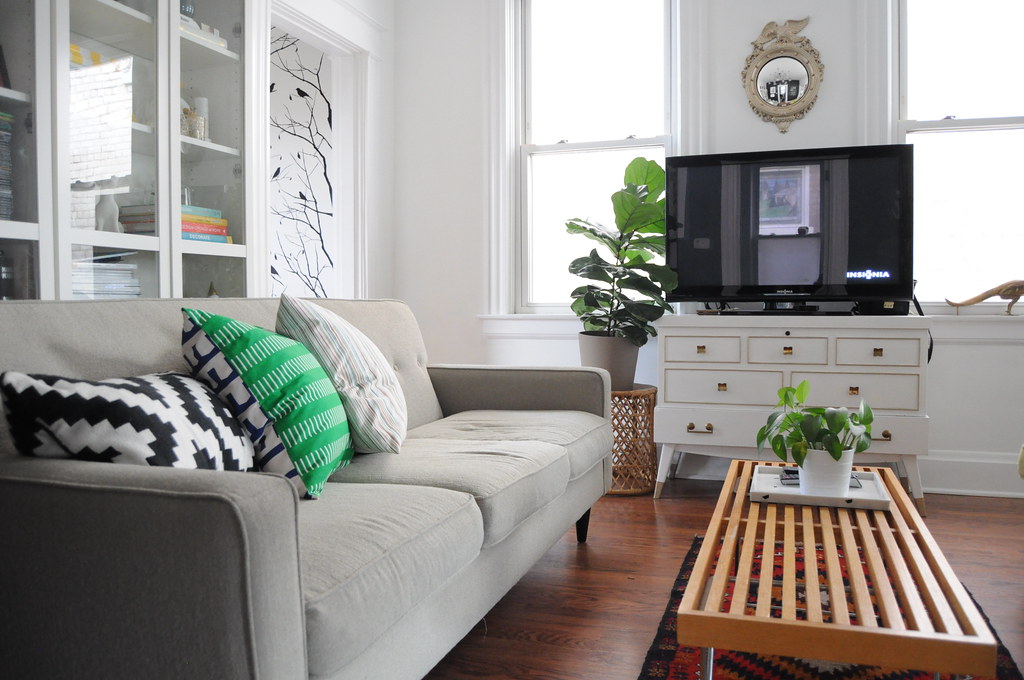
One of the biggest mistakes in living room decoration is putting accent on the wrong things. Having a focal point is a great way to put focus on something that will enhance the beauty of the space and create a more appealing ambience. Unfortunately, instead of putting focus on artistic centerpieces or accent walls, many people will choose to highlight the television set for example. This creates distractions and should be avoided at any cost. Also, try to go beyond a classic fireplace centerpiece and opt for an art piece instead, a sculpture or even a mixture of exotic plants. If you are feeling creative, keep in mind that a nice view can also serve as a great focal point.

Experiment with Colour

A clever colour combination can create a wonderful ambience, put focus on certain objects and even connect different spaces. Choosing a good colour scheme for your living room can be perceived as tricky, but the best solutions is to opt for warm shades that will ensure comfort and ease. If you wish to go a step further and experiment with something bold, you can always choose wallpapers with unusual textures and patterns. Keep in mind that, when choosing colours and patterns, balance is the key, but do not hesitate to add a dramatic twist or a simple splash of colour in order to bring the room back to life.
Home Decor

Mixture of Styles

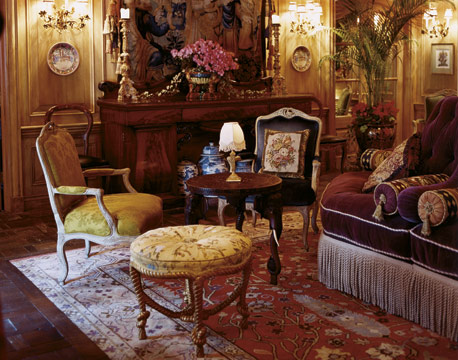
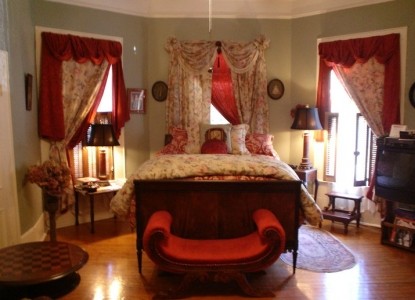
While many would prefer to stick to just one style during their decoration ventures, sometimes doing something unconventional can truly affect the atmosphere in the space. For instance, if your living room exudes the minimalist fashion of the modern era, it’s a good idea to try and incorporate a dash of that charming Victorian style. At first, this might seem a bit unrealistic and rather tasteless, but those who manage to subtly blend these two styles together can indulge in an exquisite ambience of elegance, luxury and amenity.

Consider The Arrangement

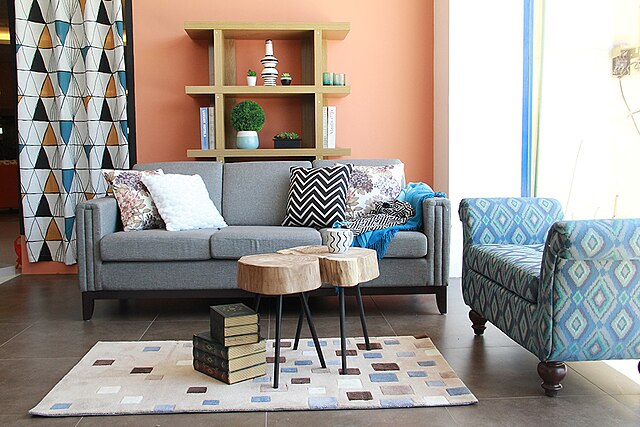
Another important aspect of creating a more inviting atmosphere in the room, is carefully choosing your seating arrangement. There are a few factors that can greatly help you achieve that welcoming setting in your living room. Firstly, you will want to choose furniture that is not just aesthetically pleasing but also comfortable. Consider the arm rests, the height and the depth of the furniture pieces. Also, make sure to create a suitable balance between different pieces like tables, armchairs and sofas in order to achieve a structured setting. Keep in mind that the overall shape of the furniture but also the room itself can greatly influence how your seating arrangement will look like. Lastly, make sure to carefully place your furniture so it would allow good traffic but also make it easier to observe and communicate with your guests.
Living room

Enhance Your Senses

The thing that mostly affects the ambience in a room is creating a way to please all of your senses. Scented candles and incense sticks have the ability to create a relaxing and soothing ambience, while certain sounds and music can have calming effects However, the choice of lighting is one of the most important things, and as such, should be considered carefully. Allowing natural light in the room is always a good choice, while combining accent and decorative illumination will certainly give your room a wonderful look.

Most people have a tendency to spend too much time embellishing their living rooms in order to create a space that will please the eye. Of course, you can spend ages decorating your living area, making it feel more chic, modern and even functional, but in the end you will feel like something is missing. By implementing these few tricks, you will be able to experience the true sensation of your living space.


Author’s Bio: Lana Hawkins is a student of architecture from Sydney.  She is the editor-in-chief at Smooth Decorator, and she loves writing about inspiring landscaping and interior designs. Lana finds her inspiration in sustainability and green design.
Moving: Packing Your Living Room / Decor

How to Pack Living Room Furniture and Decor

  • Wrap wall hangings with furniture pads or use mirror boxes for those pieces. Pack flat items like framed art or mirrors on their edges (standing up).
  • Wrap individual home décor pieces in packing paper and pack several items together in a box. See how to pack picture frames, knickknacks, and other decorative items in more detail with our how-to video.
  • Use the nesting method for lamp shades and pack several in a box at once, or use specialty lamp boxes for taller lamps. Watch how to pack a lamp in this tutorial.
  • Watch our videos to learn how to pack CDs, DVDs, and video games, along with how to pack books and other entertainment collections.
  • Use the original box to pack your computer, printer, or other electronics if you have them. Our step-by-step guide to packing a computer and electronics will show you how to handle the cords and accessories.

Changing Home Designs According to Seasons by Guest Writer Ella Andrews

Many people view their homes as refuges from the outside world, a chance to escape it. However, there is nothing better than having a home that does reflect some of the weather changes and the natural world. It’s quite soothing to feel spring-y at home, or winter-cozy. These little tricks can be done with proper home design improvements and some creative thought. Here are several ways to reflect the seasons in a natural and tasteful way at home, ensuring a different feel in each season.

Changing home designs according to seasonsAdd natural displays to capture each season. Place flowers, plants and other nature-related objects in the different rooms. For example, arrange a vase with daffodils and tulips in spring, blooming roses in summer, pine cones and berries in autumn and mistletoe and Christmas plants in winter. These flowers will definitely bring a whole new atmosphere in your home.

Adapt the color scheme accordingly to make each room much more beautiful. One of the easiest ways to reflect the seasons at home is to use the right colors and color combinations. Instead of shutting out the outside world when it’s cold and snowy in winter, reflect these natural changes with white candles and silver ornaments. It’s quite challenging to change the colors in your home with every season, but this doesn’t mean that it’s impossible. Of course you don’t have to repaint the walls, you could simply have some specific items that suit the season. In spring and summer you can achieve that with sheer drapes and lighter furnishing. Focus on the living room and the bedrooms – these areas are usually the easiest to decorate and change. In summer, take down all the heavy curtains and use plenty of bright colors – for cushions, rugs, paintings. In winter, aim at pale and neutral colors. In spring choose lime, green, orange, peach, pink and yellow.Changing home designs according to seasons2

Nature has a big influence on interior design. One pretty way to integrate the nature elements in your home design is by choosing different prints – for curtains, rugs, cushions and even posters and stickers. Trees, leaves, lilies, butterflies, birds – use these symbols to bring a beautiful atmosphere to your home.

Fill a bowl with yellow and brown leaves and pine cones in autumn and place it in the living room. Use wood to decorate the rooms – it’s the most natural and prettiest nature element you could make use of.

Arrange rocks and some sand in a plate, in summer, and place it at the living room’s focal point.

Invest in some rugs in different colors, one for each season – red or white for winter, pink or light green for spring, yellow for summer and orange or brown for autumn. Experiment with light and mirrors in the rooms with the most traffic.

Bio: This article has been created by Ella Andrews- dedicated writer, blogger and housewife. Ella likes sharing with her readers valuable advices from personal experience. In order to obtain more of them, visit: http://www.removalshouse.com/removal-companies/WC1-removals-st-pancras.html

“Country Victorian” Decorating

Victorian Era style reflects home decor during the reign of Queen Victoria from 1837 – 1910. “Country Victorian” focuses primarily on the feel and look of Victorian countryside summer homes. While this decorating style is very similar to traditional Victorian decor, it incorporates a more airy and relaxing feel.

Colors: “Country Victorian” decor incorporates a variety of colors such as pastel pinks, greens, blues, and peaches. These can be paired with darker hues of mauve and incorporate the occasional navy, indigo, or deep forest green. “Country Victorian” homes often inspire picturesque images of the countryside or seaside. Pick an idyllic image of a rustic vacation spot and use this to influence your color selections. Sea foam green and varying shades of blue with a touch of peach will invoke an image of the seaside while pink, mauve, mint green, and forest green will speak of a countryside filled with flowers growing down a rolling hillside. Rich patterns are common in Victorian home decor on everything from the furniture to the wallpaper.

Materials: “Country Victorian” decor typically uses lots of lush and luxurious fabrics such as silk, velvet and lace. Your “Country Victorian” home should still have an abundant supply of interesting fabrics, but you should not to use those with a light and airy feel such as cottons and chintz. Use lace or gauzy fabrics at the windows to let plenty of sunlight in. Embroidered blankets, rugs, pillows, and throws will lend to the Victorian feel and look of the home. Tassels and ribbons

are also distinctly Victorian. Furniture with a lacquered grained wood finish will give the home a bit of a rustic feel. Wicker is another material frequently associated with “Country Victorian” homes. Couches and chairs should be plump and a bit overstuffed.

Accessories: In a “Country Victorian” style home, it is the little touches that often bring the look together. Victorian decor is often associated with a business and somewhat cluttered look. Placing antique items and Victorian era prints and artwork throughout the home will complete your “Country Victorian” theme. Dried flowers are a popular feature in homes of this style. Nature-inspired knickknacks such as seashells and pebbles work with this theme as well. Opt for pewter and brass light fixtures. Painted plates and porcelain dogs and other small creatures are fine finishing touches for a “Country Victorian” home.