Mastering the Walkthrough: Ensuring a Successful Home Renovation

Image Source: Pexels

Getting ready to start a new home renovation project can be exciting, and you probably can’t wait to start putting together all of the details. However, before you start purchasing new furniture or appliances or going through color swatches, there is one critical element you should start with – the walkthrough.

A pre-renovation walkthrough gives you the ability to meet with various contractors and or designers to help lay the groundwork for ensuring a successful project. By applying the right strategies, you can make sure you’re getting the most value out of this process and setting your project up for success.

Why Are Walkthroughs Important Before Starting a Home Renovation Project?

While you may already be envisioning your finished project, it’s important to recognize all of the different steps it will take to get there. Although some home renovation projects may be relatively easy to perform, others will require specialized skills and careful planning to make sure they go smoothly.

Taking the time to do a walkthrough with any professionals involved in your renovation project is important for various reasons. Some of these include:

Establishing Clear Communication and Expectations

Not everyone may work the same way you would when starting and completing a project. This is why it’s important to set the right tone on how you want to communicate during a renovation and exactly what you’re looking for.

Preventing Costly Mistakes or Delays

All renovation projects can cost much more than initially expected. Many times, this is a result of running into unplanned setbacks like electrical or plumbing issues or needing to reschedule work due to supplier issues or conflicts in contractor availability.

Conducting a walkthrough ahead of time may not completely avoid these problems, but it definitely helps to reduce their likelihood.

Ensuring Everyone Stays on the Same Page

Before you start your project, you will want to make sure all of your ideas are reasonable when fitting into your budget and that you have the right people for the job.

By investing enough time ahead of time to prequalify contractors and ensure everyone is on the same page regarding the process, you’ll experience a much smoother renovation experience.

Preparing For The Initial Walkthrough

Although you may not have all of the details ironed out for your project ahead of a walkthrough, the more prepared you are during this process, the more value you and anyone else attending will get out of the process.

Below are a few preparatory steps you can take when planning your walkthrough:

  • Gathering Inspiration and Ideas – You no doubt will have a ton of different ideas flowing through your head on what you’re trying to achieve, but sometimes, putting those ideas on paper will make them easier to explain. Consider creating a mood or Pinterest board with different images you’ve used to inspire your project. You could also collect magazine clippings or save pictures from other real estate guides to help better explain your vision.

  • Creating a List of Priorities and Must-Haves – Renovation projects will often come with a number of compromises you should be ready to make – unless you’re working with an unlimited budget. Before you need to make these types of decisions, decide ahead of time what the highest priority elements of your renovation are and which are “nice-to-haves.”

  • Designing a Workable Budget – Budgeting is a critical part of planning a new project, and you’ll want to make sure you have this clearly ironed out before doing your walkthrough. The budget you design will heavily dictate the type of work your contractors are able to perform, and knowing your financial boundaries will give them the ability to provide adequate quotes.

Effective Strategies for Getting The Most Out of Your Renovation Planning
Image Source: Pexels

Once you’ve scheduled a walkthrough prior to starting a project, you’ll want to have a checklist of things to complete once you’re meeting with qualified professionals. Below are some important points you’ll want to include to make sure you’re getting the most out of your meeting:

Discussing Project Scope

Even before you start touring your home or the specific room(s) you’ll want to work on, it’s important to lay out the exact scope of your project. Take this time to explain any important goals you’re trying to achieve and list the rough budget you’re trying to stay within.

During this process, you’ll want to clearly identify the reasons behind your looking for home improvements, including any challenges you currently have with the space or how you’ll be using the renewed parts of your home.

Identifying Any Potential Challenges

You’ll want to be sure to keep an open mind when planning your project and be prepared for some potential roadblocks that can come up – both during walkthrough discussions and once work has already begun. Contractors may already identify certain challenges you might have when trying to achieve a specific vision and may guide you toward alternative thoughts or ideas.

Take this time to discuss the feasibility of your plans and consider other solutions as needed. Proactively identifying this ahead of time can help save you significant costs if a problem arises mid-project.

Establishing a Timeline and Project Milestones

Another important part of the walkthrough process is to agree on important project timelines or milestones that need to be met. This is a great opportunity for you to establish how much time you have to complete the project and for contractors and designers to validate if and how it’s possible to meet those goals.

Contractors will want to make sure you’ve factored in any potential delays that can arise with suppliers or inclement weather that can slow down work. Once you’ve ironed out those issues, you’ll be able to create a firm timeline that everyone can follow once work has begun.

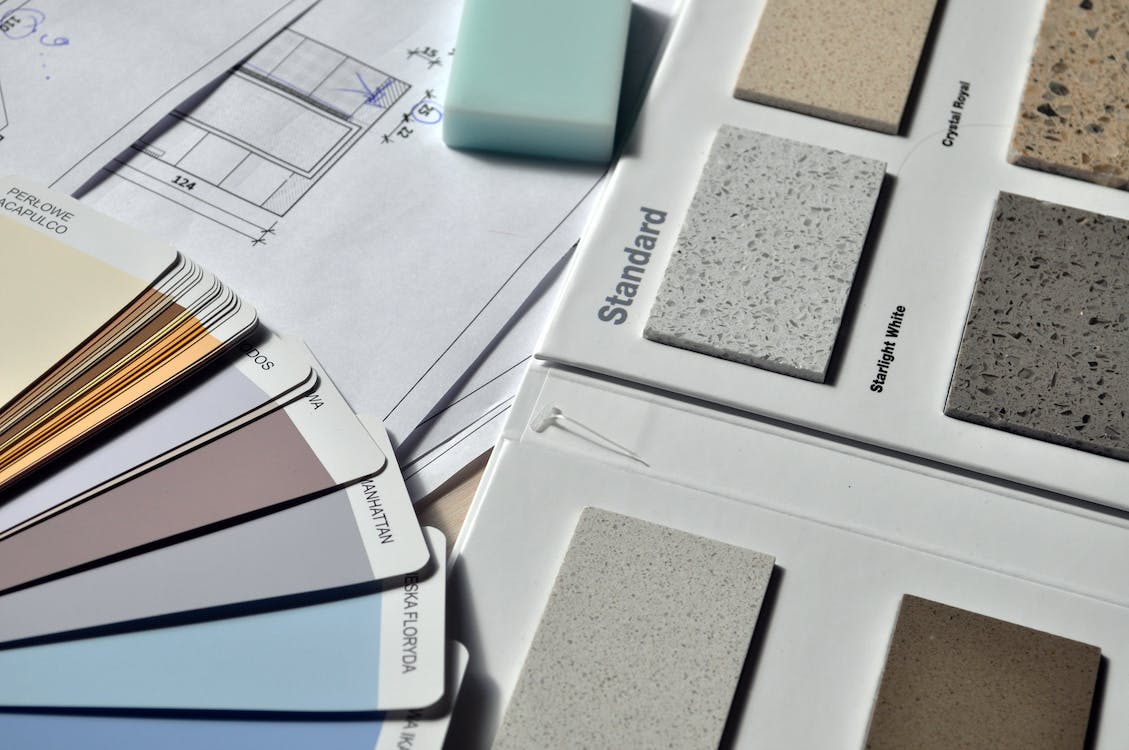
Selecting Materials and Finishes

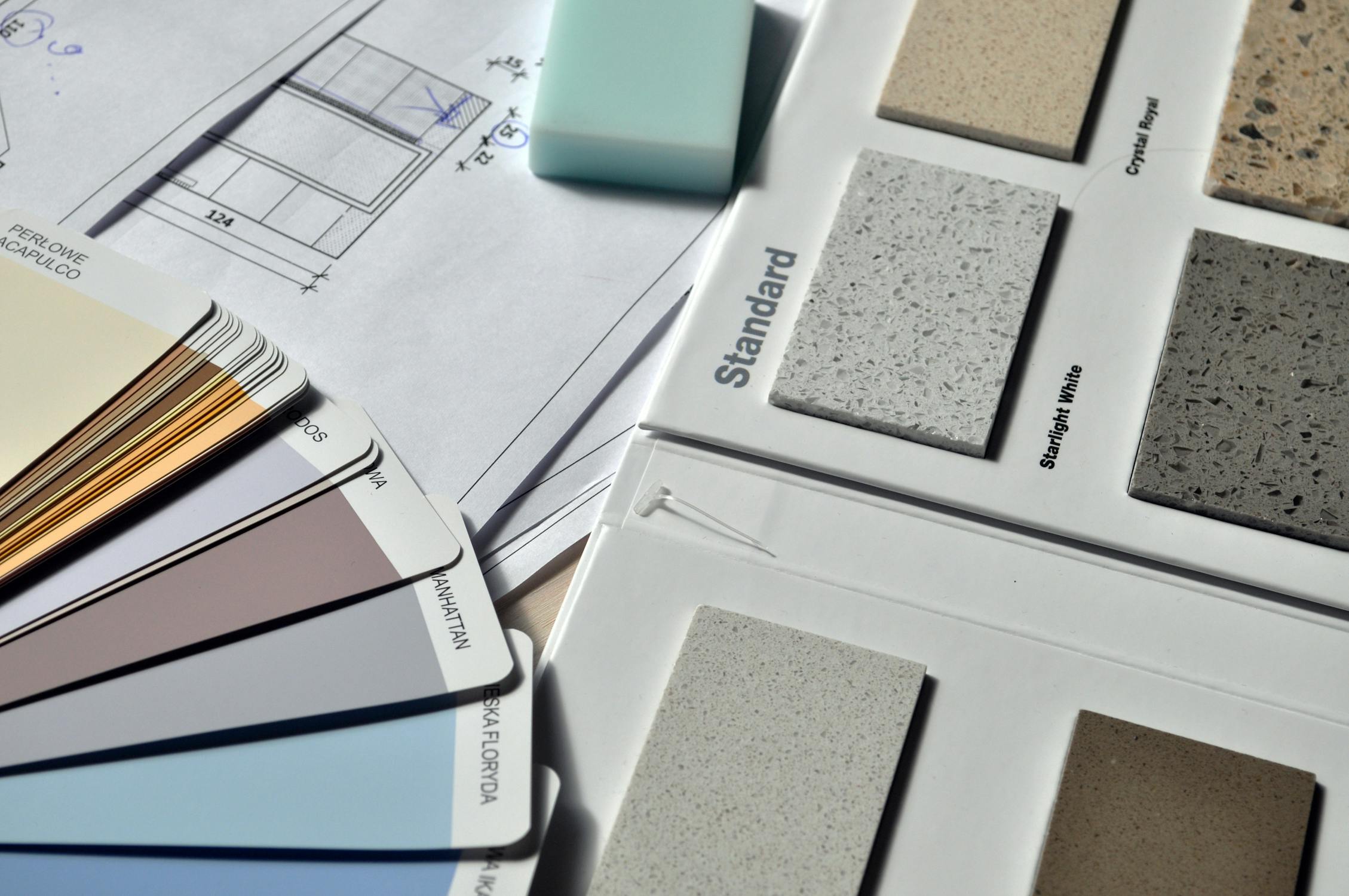
A renovation walkthrough is also a great time to review the different design choices you’ll have available to you. Once the space has been evaluated by renovation teams, they’ll often be able to shortlist different options that will help you maximize the value and aesthetics of the finished project.

Whether you’re doing a kitchen renovation, bathroom remodel, or repurposing a basement, be sure to go over all of your options for getting the space exactly as you want it.

Make Your Home Renovation Project a Success

Taking the time to plan for and execute a helpful walkthrough before starting your renovation project will help you set the groundwork for a much more successful experience.

By following the tips discussed when getting ready for your walkthrough and making sure you have the right questions thought out, you’ll have the peace of mind of knowing that your vision will be able to be brought to life while staying within budget.

Author Information

Author Name: Rebecca Denis

Author Bio:

Rebecca Denis, Head of Design at Revive Real Estate, is an accomplished and highly creative interior designer with over ten years of experience in the industry. With a passion for transforming spaces and a keen eye for detail, she has successfully completed numerous projects ranging from commercial spaces to custom show homes.

Upgrading Your Home: The Ultimate Guide to Renovations

Welcome to the ultimate guide to home renovations! We all dream of having our own cozy retreat, a personal sanctuary that mirrors our style, values, and way of life. But knowing where to start amidst the endless possibilities can be a challenge. Worry not, for we are here to guide you on this exciting journey!

1. Assess and Plan

Before you start splurging on materials and tearing down walls, take a moment to assess your home’s current state and map out a rough renovation plan. Are you renovating for personal taste, functionality, or to add market value to your property? Your goals will shape your renovation strategy.

1.1 Budgeting

Establishing and managing a budget is critical in any renovation project. You’ll need to account for costs that include:

  • Labor
  • Materials
  • Contingencies (i.e., unexpected expenses)

While planning, gather quotations from multiple contractors and never feel rushed to make a decision. Allocate a percentage based on your total budget to each area of the renovation for better management.

1.2 Timeframe

Determine a realistic timeframe for your renovation. Communicate with contractors on expected completion times and any other scheduling conflicts.

2. Choose Your Contractor

Taking the time to find the right contractor is crucial. Ask for referrals, check online reviews, and compare their portfolios. Shortlist a few contractors and start communicating about your expectations for the renovation project. Ensure that they are licensed and insured, and always get a written contract outlining the scope of work, costs, and timelines.

3. Essential Renovations

Once your goals are clear and your budget and timeframe established, prioritize essential renovations that literally “hold up” your home. These should include any:

  • Structural repair
  • Fixing drainage issues
  • Updating outdated electrical systems
  • Heating, ventilation, and air conditioning (HVAC) upgrades
  • Roof and gutter restoration

4. Interior Design and Functionality

Consider both aesthetics and functionality when planning interior renovations. Here are the main elements to address:

4.1 Flooring

Upgrade your flooring with stylish, yet practical options. Choose from options like hardwood, laminate, tile, or carpet based on your specific requirements and personal preferences.

4.2 Lighting

Effective lighting can significantly impact the look and feel of your home. Combine ambient, task, and accent lighting throughout the home to create an inviting atmosphere.

4.3 Storage

Maximize space in tight quarters by implementing clever storage solutions. Built-in cabinets, under-stair storage, and multipurpose furniture are excellent ways to minimize clutter and maximize space.

4.4 Plumbing

During the renovation process, consider replacing old pipes and fixtures to reduce the risk of leaks and other plumbing issues in the future.

5. Exterior Renovations

  • Enhance your home’s curb appeal by tackling exterior improvements:
  • Repainting the exterior
  • Landscaping the front and backyard
  • Repairing or replacing the driveway and walkways
  • Adding a deck or patio for outdoor living and entertainment

6. Safety and Security

Renovations are also an ideal opportunity to improve the safety and security of your home. Install smoke, fire, and carbon monoxide detectors throughout your house. Consider a whole-house generator to ensure your home remains operational during power outages. Upgrade doors, windows, and locks to enhance security, and think about installing a home security system or smart home technology, which allows remote monitoring as extra protection. What is important to note is that the precise execution of the work is crucial, that is why builders use a stable base, efficient crane outrigger pads because they play a vital role in the execution of the work. With these safety and security upgrades, your renovated home will not only look aesthetically pleasing but also will provide peace of mind.

7. Post-Renovation

After the dust has settled, deep clean your home and conduct a thorough inspection. Make sure all work has been completed to your satisfaction, and address any quality issues with your contractor.

8. The Heart of Your Home: Kitchen and Bathroom Renovations

Increasingly, kitchens and bathrooms have become focal points of modern home renovations.

8.1 Kitchen

In the kitchen, think about functionality and flow. Updated appliances create a more modern look and increase energy efficiency. Furthermore, sleek countertops and custom cabinetry not only enhance style but also provide improved workspace and storage. A thoughtful kitchen design can turn this area into the home’s social hub while making meal preparations smoother and more enjoyable.

8.2 Bathroom

Bathroom renovations can range from minor updates to creating a spa-like retreat. Swap out old fixtures for modern designs, install a walk-in shower or a soaking tub, and think about including luxury touches such as heated floors or towel warmers. A well-planned bathroom renovation can create a personal oasis while increasing your home’s resale value.

9. Energy-Efficient Upgrades

Go green by incorporating energy-saving features and technology. Some examples include:

  • Energy-efficient windows and doors
  • Solar panels
  • Smart home automation systems
  • Enhanced insulation

Not only are energy-efficient upgrades good for the environment, but they may also increase your home’s value and save you money on utility bills.

Now, it’s time to let loose your inner interior designer with furniture, accents, and personal touches. Enjoy your newly renovated home!

Renovating your home is a massive undertaking, but with careful planning, the right contractor, and a clear vision, you can transform your home into the sanctuary of your dreams. Happy renovating!

The Best Practice Touch in Transformative Renovations

Whether you’re revamping a century-old maisonette or giving a contemporary townhouse a facelift, renovations can truly transform a home. However, these residential metamorphoses require more than just a creative vision. They demand a careful blend of patience, strategic planning, and an understanding of best practices. Implementing tried-and-true principles can mean the difference between a stressful renovation experience and a transformative journey that beautifully bridges the past and the future. Here, we delve into the best practice touch in transformative renovations that leads to splendid outcomes.

https://www.pexels.com/photo/gray-standard-color-book-near-green-eraser-159045/

Understanding Your Canvas

Every home, especially those older edifices with rich histories, tells a story. Take time to understand the canvas – the bones of your home – before planning the makeover. Respect the architectural lineage even as you plan to usher in upgrades or innovations. It’s always a good practice to preserve the home’s original essence where possible and to take cues from its design to guide your transformative renovations.

Strategic Planning And Realistic Budgeting

Planning and budgeting form the backbone of a successful renovation venture. Pinterest boards and Instagram saves are excellent sources of inspiration, but they’ll need to be whittled down into a feasible plan that takes into account your finances, lifestyle, and the home’s structure. Be honest about what you can afford and factor in allowances for contingency too. Being overambitious with your budget can pause or halt the project midway which can be quite the damper.

Aware and Prepared for Sudden Surprises

While every renovation aims to go smoothly, unexpected discoveries – like faulty wiring or unseen structural damage – can come up once work begins. Best practices involve anticipating these potential stumbling blocks and having a plan in place to handle them. This not only helps in avoiding panicky last-minute decisions but also curbs excessive spending.

Prioritize Function alongside Design

While home renovations do focus on enhancing aesthetics, it’s also essential to emphasize functionality. An efficiently functioning home is as critical as a visually pleasing one. Prioritize aspects like storage solutions, lighting, and power outlets – details that boost the practicality and livability of the space. A home that works seamlessly tends to bring much joy to the inhabitants.

Keep your Paperwork in Check

Any renovation, small or large, generally involves a bevy of approvals and permits. These ensure that the modifications you’re making comply with the local codes and regulations. Keep your paperwork in check, ensure you’re legally covered, and keep copies of contracts, warranties, and work orders. Taking care of these unexciting, yet essential aspects allows the renovation to proceed without hindrance.

Building a Team You Trust

Renovations are not solo endeavors. The right team, such as Exterior can quite literally be the construct or downfall of your renovation dream. It’s crucial to board on professionals who aren’t just fit for the job, but who you feel comfortable communicating with. This includes architects, interior and external designers, contractors, and even real estate advisors. The potential challenges of a renovation, from surprise structural issues to budget deviations, are more easily navigated with a team you trust.

Patience: Your Silent Partner

Patience is a vital yet often overlooked aspect of the renovation process. Major overhauls, especially in older properties, are not achieved overnight and demand a considerable amount of time to transform. Accept that you’ll face delays, inconveniences, and perhaps several cups of stress-brewed tea. But remember, all these intricacies are often part of the story that makes the transformation so worthwhile.

Mapping out Life during Renovation

It might be wonderous to imagine the transformation during your renovation journey, but it’s also crucial to consider how you’ll navigate your day-to-day life amidst the chaos. If you’re living on-site, how will you manage cooking and bathing? If you’ve moved out, have you budgeted for the additional rent or hotel expense? Planning this aspect can save you from avoidable stress and inconvenience.

When approached with meticulous preparation and patience, renovations offer an exciting opportunity to breathe new life into a home. While there may be occasional bumps along the way, implementing these best practices will help ensure the process is an enlightening experience that culminates in a transformation beyond just the physical.

Remember, a successful renovation isn’t solely about upgrading an old house with new materials; it’s about creating a space where memories have been and will be made. It’s a journey of transforming an ordinary structure into something that speaks “home” in every cornice, brick, and wall. With careful planning, anticipation of challenges, patience, and a focus on marrying function with form, your renovation journey can indeed be a transformative and rewarding experience.

What To Consider When Creating A Renovation Checklist

Complete renovation of your home is not that simple as some people believe it to be. A lot of careful planning and preparations needs to be done before you even begin working on your home. From small things like picking the color for your living room walls to bigger tasks like hiring a renovation company to fix your roof. You will have to make all these decisions quickly and before renovation begins, so you don’t waste your time and money.

That is why we recommend to all people who are thinking about renovating their home to make a renovation checklist. You might be wondering what goes on this list, but don’t worry, we will answer that question here, so you know exactly what you need to finish the makeover of your home.

painting-2057373_960_720Set the budget

First of all, when starting any kind of work you will need to decide on the highest amount of money you are willing to invest in that project. |The same goes for the renovation work. Never start renovating before you have the budget set in stone. We know that you can’t determine your expenses down to a penny, but large and expensive jobs should be arranged and scheduled in advance.

For example, finding a roof repairing company should not be an impulse decision. Instead, research the offers and find the best one that fits your budget. The same goes for everything else, count in the paint, tools, electricity, and all other small things you would never think about, so you know exactly how much money you need for the whole thing. Trust us, if you have the budget determined before the work begins, you will save a lot more money because most last-minute services cost more.

Decide on the materials

Once you have the determined budget and an estimate of your expenses, you should start researching the materials you will be using for the job. The renovation process is a perfect time to make some big changes to your home. By this we mean you should consider using more eco-friendly materials and other alternatives that are maybe more expensive now, but in the long run, they will benefit you greatly.

knife-933072_960_720Think about it, if you are already doing work on your home why not take it to the next level and ensure that your investment returns a profit in the future. For example, installing additional insulation materials will decrease your electricity bill and putting solar panels on the roof will benefit you in numerous ways. There are a lot more things you can do, so make sure you have done your research thoroughly.

Consider hiring professionals for some tasks

Now, depending on what types of jobs you are planning to do on your house, you should consider hiring a team of professionals for some of them. Fixing a roof is a hard thing to do, it requires a lot of skill and knowledge if you want to do it properly, and so is wiring and plumbing. These jobs should be done by professionals, otherwise, you are risking doing more damage and even injuring yourself. So make sure that you hire a competent crew that fits your budget.

Make sure you have all necessary tools

Renovation work can’t even start if you don’t have all the necessary tools. Pull out your checklist and start crossing over the things you already have, for the rest you will need to go shopping. The tools you need solely depends on what type of work you will be doing.

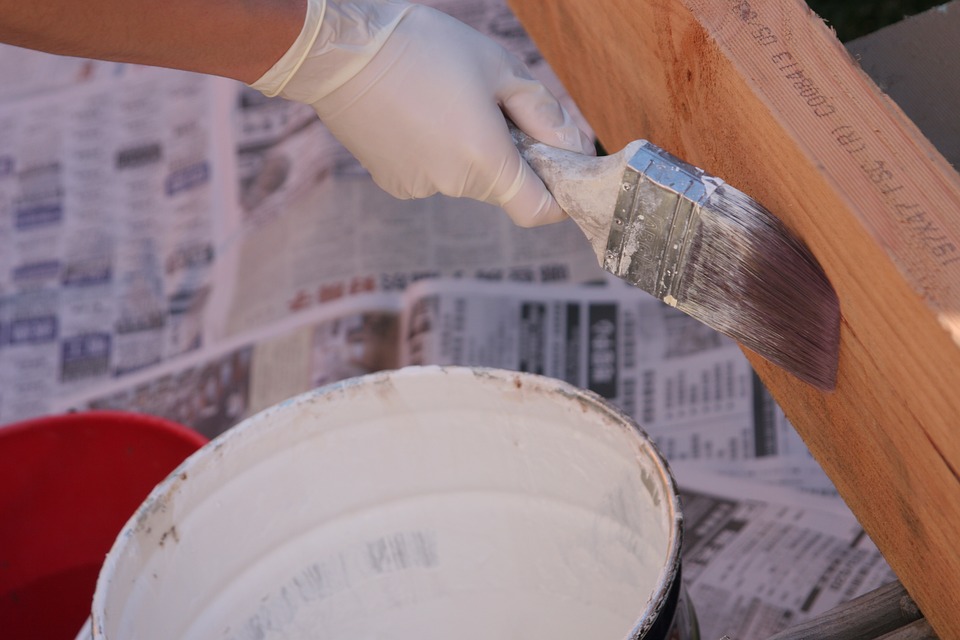
For example, if you are painting your house, put the ladders, rollers and eye protection on the list, if you are doing some roof repairs get a scissor lift, safety harnesses and other necessary tools to finish the job, etc. It is crucial to have all tools written down and acquired before the renovation begins or you will have to stop the process until you get that pipe for your kitchen.

plumbing-840835_960_720

And that is all from us. As you can see the renovation checklist isn’t complicated to create and it will help you a lot with planning and keeping everything organized. The items on the list will vary depending on the tasks you are planning to do, but remember these four points and you will have covered almost everything.


8 Cost-Efficient Ways To Make Your Home More Eco-Friendly In 2017

The 21st century started years ago and one of the most important things it brought with it is ecological awareness. Today, houses are built to be eco-friendly and energy-efficient which is definitely a great thing. However, that doesn’t mean that we should bring down historic houses built with no intention of saving energy or any of the Earth’s resources. That means that we should use all of our knowledge about energy and water preservation and to apply it in greening up old houses without affecting their unique aesthetic. Here are some ways to do that.

Insulate

Houses built before the 1940s were rarely insulated. If they were, the materials originally used may have deteriorated over time, allowing the cold air to creep in. Fortunately, today there are plenty of eco-friendly and efficient insulating materials that can significantly reduce your utility bills. Before you even begin insulating them, you should seal the air gaps around the doors and windows. Also, don’t forget to insulate the attic and ducts.

image-2

Replace or Upgrade the Windows

There’s no point in preventing heat or the cool air from leaving the house by insulating the walls if it will eventually go out through the windows. When installing new windows you should check their energy ratings. Triple glazed windows are the best option, but double glazed ones are much more cost-efficient. If new windows would disturb the aesthetics of your old home, the combination of storm windows and good window treatments should do the trick.

Be Smart with the Lights

If your house still uses old incandescent light bulbs, consider replacing them, since they’re spending a huge amount of energy. Compact fluorescent light bulbs can save a lot of energy, but if you’re in it for the long haul, you should install LED lights throughout the house.

 image-3

Introduce Rugs

Have you ever stepped foot on the cold hardwood floor? It may look nice, but it feels freezing. Area rugs are a rather cheap way to prevent that awful feel, but also to save a couple of dollars when the energy bill comes. Besides, you’ll get an instant stylish punch.

Save Water

The way most people uses their bathrooms today speaks a lot about our disregard for Earth’s most precious resource – water. Almost 30 percent of the total water use in a household is flushed down the toilet and 10 percent is leaking from the pipes and faucets.

There are ways to decrease that consumption. The first step would be addressing the biggest problem – toilet. By installing a low-flow toilet you will cut down your water expenses, and the costs of buying a new toilet and hiring professional plumbers to install it will pay off in a couple of years. Unlike the toilet, installing a low-flow showerhead is in the DIY domain.

image-5

Get Energy-Efficient Appliances

You may think you’re saving money by keeping your old refrigerator and indefinitely delaying the purchase of a new one, but you’re not. Old appliances are not only using more electricity, they also require frequent fixes and replacing of some parts. Switching all the old devices for their new Energy Star rated counterparts is, eventually, much cheaper.

Install Ceiling Fans

Ceiling fans are a great investment since they’re reasonably priced and they can, in the long run, save a lot of money. If you think that ceiling fans are useful only in winter, you’re wrong. They can be very beneficial during the heating season when they spread the heat throughout the air and make your heating system more efficient.

image-6

Make Your Home Non-toxic

Toxic chemicals your house is filled with may not have a damaging effect on your wallet, but they are certainly harmful to your health. Paint colors that don’t contain VOCs (volatile organic compounds) will prevent toxins from entering your body while using homemade cleaning products (e.g. any kind of DIY product with apple cider vinegar or baking soda) will minimize the number of chemicals you are inhaling and save you money at the same time.

“Greening up” is much more than just a buzzword. It is a practice that will not only minimize your negative impact on the planet but also benefit your health and budget.