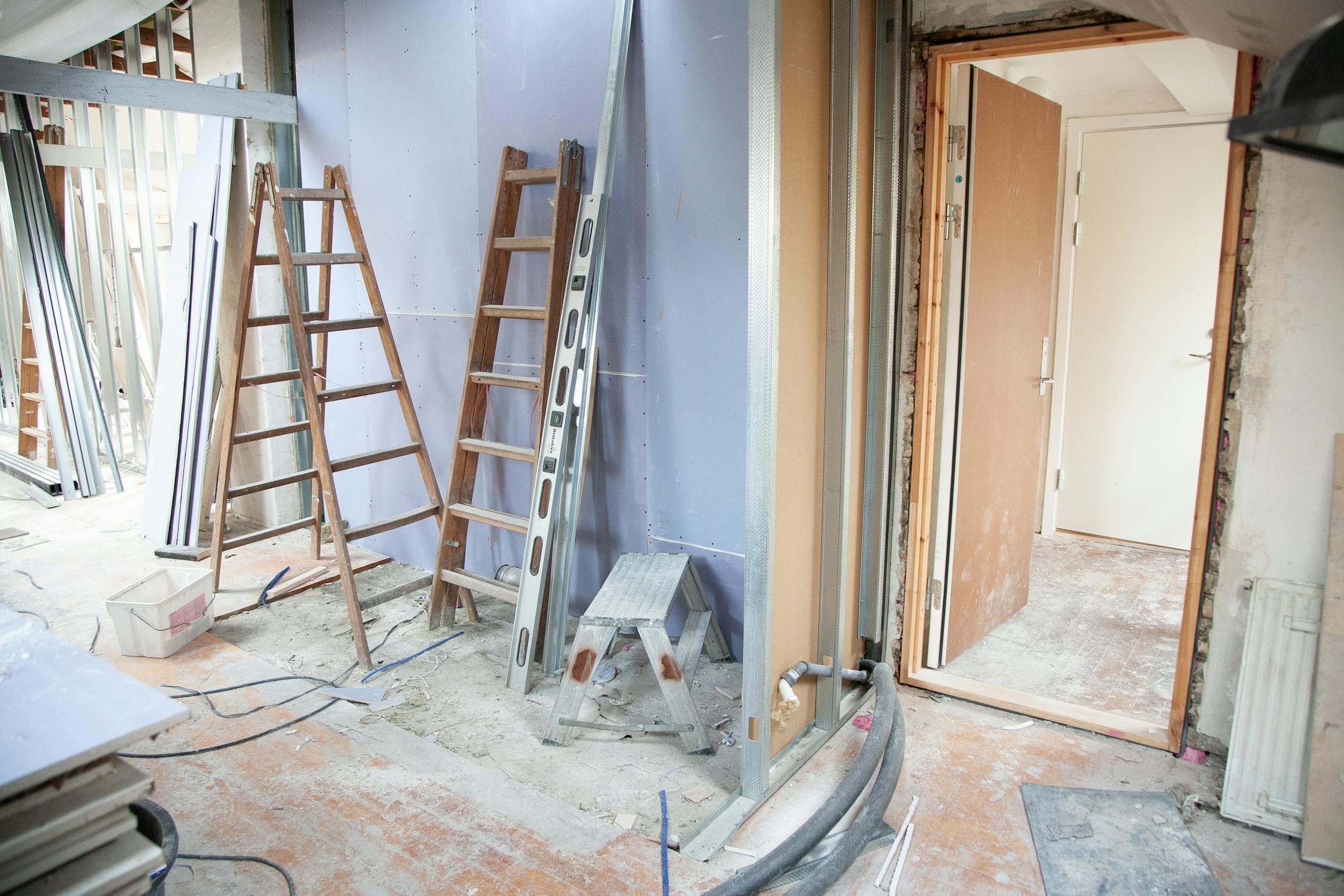
Effective Home Renovation Ideas That Give You a Higher ROI

Home renovations are a great way to add more value to your home. Learn which renovation ideas are likely to give you the best ROI long-term.

https://images.pexels.com/photos/3990359/pexels-photo-3990359.jpeg?auto=compress&cs=tinysrgb&w=1260&h=750&dpr=2

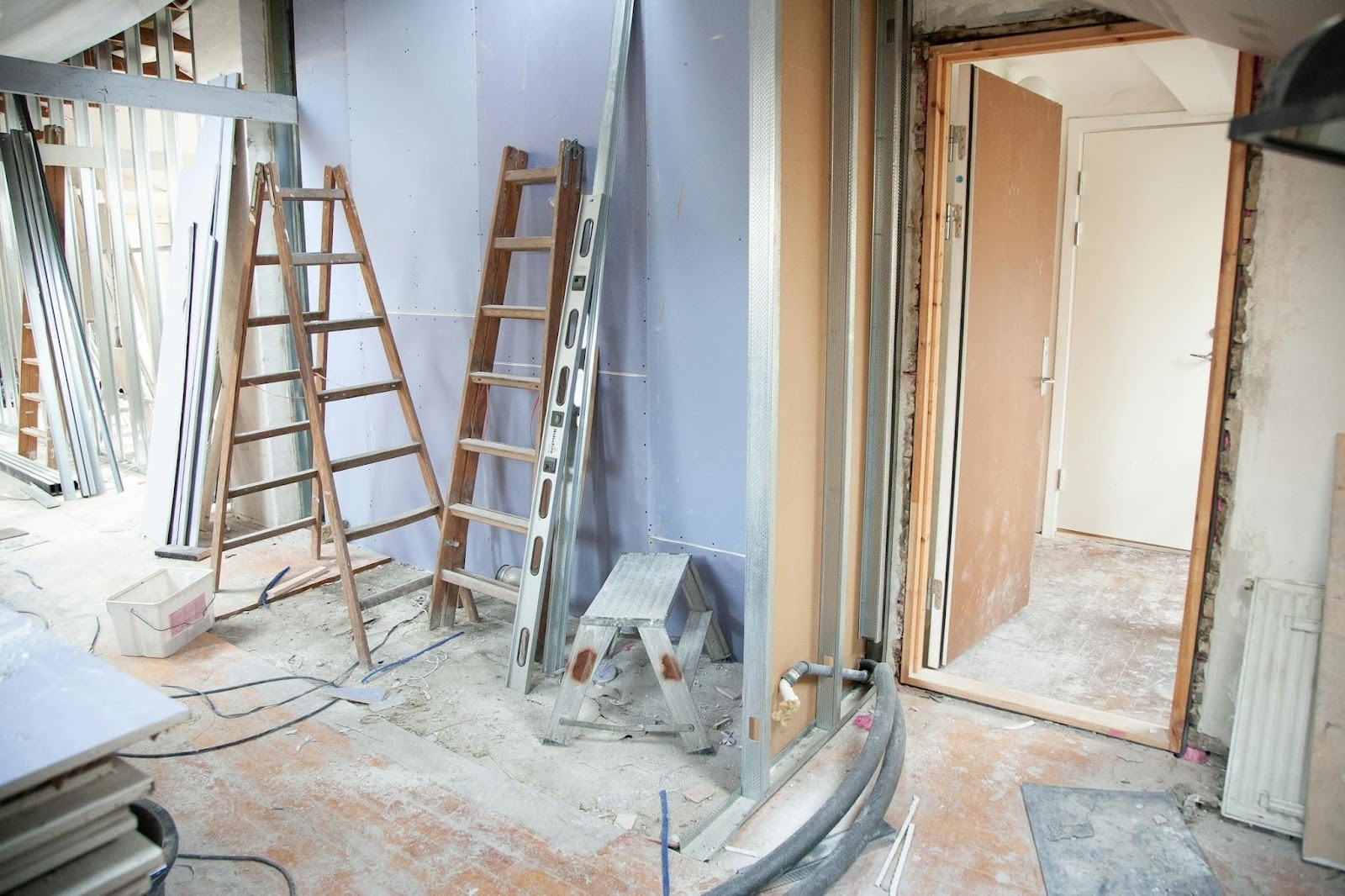
A home renovation can always provide a number of advantages down the road. If you plan on selling the house in the future, the upgrades you do now could end up increasing the value of the home, and in turn, increase the amount of profit you can expect to receive after the sale.

That said, home improvement trends vary greatly, and not all of them will yield positive results in the long term. It is best to approach home design and renovation with a strategy in mind that narrows down the options to the most effective and affordable options. Below is a list of common modifications that are likely to bring you the highest ROI.

Kitchen Makeovers

Buyers often focus on the kitchen when touring properties, and they’re typically looking for ones that look great and are practical.

However, undertaking an entire kitchen remodel is costly. There are other ways to make an impact without spending so much and actually receiving a good ROI. Refacing kitchen cabinetry, for example, is much cheaper than replacing it entirely while still giving the kitchen a fresh look. The same is true for old countertops that can be replaced with more stylish and durable ones like granite or quartz.

Bathroom Upgrades

Remodeling other areas of the house, such as the bathroom, is also easy and can raise the value of your home. In the same manner, ROI is high in relation to the total in

Floors are an important detail in a home. If poorly laid out, it can cause problems in daily living. Modern flooring choices can be a great way to increase a home’s value. It looks great and it’s easier to maintain. Hardwood floors, for example, are preferred by many homeowners. But if your budget is tight, going with high-quality laminate also works.

A tile or stone selection is another good option. It minimizes the possibility of water damage and helps to improve aesthetics when remodeling a kitchen or bathroom.

Upgrading Your Home to Be More Energy Efficient

Eco-friendly features are becoming increasingly popular for first-time home buyers, especially ones that want to lower costs while helping to save the environment. Using energy-saving features is a great way to reduce your carbon footprint while also helping to save money on monthly maintenance bills, thus, increasing the home’s market value.

One way you can start making positive changes is to look for the Energy Star Sticker when shopping for new appliances for your home. You’ll be able to find a number of appliances and fixtures you can use in all areas of the home, including the bathroom, kitchen, or laundry room. Replacing old windows with new energy-efficient ones is another way to lower the cost of heating and cooling the house.

If the insulation material in your walls and attic is getting a bit older, it would be a good idea to replace it. This will prevent air from escaping through gaps and cracks, preventing energy bills from becoming too high. It’s a relatively low-cost improvement that can make a huge difference long term.

Increasing Available Storage

When it comes to prospective home buyers, additional storage always checks off boxes. Additional storage can be important for anything from kitchen supplies to having a safe place for storing collectibles or hobbyist items.

An oversized closet with removable shelves and organizers is a major bonus to have if space permits. In the kitchen and bathrooms, sliding shelves, pullout hidden storage, and drawer dividers can also help to utilize all available space. Using LED strip lights in storage areas can also help homeowners better utilize their space in darker spaces or when using more out-of-reach storage options.

Get More Value From Your Home Renovationsvestment put in. Minor changes to the bathroom can make a big difference. A good starting point is to replace sinks and other fixtures.

Keep in mind that new water taps and shower heads not only improve the look of a bathroom, but are also more water efficient. This is a positive for both the environment and potential buyers. Replacing worn out or cracked tiles is also sensible because, tiles, more often than not, are the first element of a room to age. For certain bathrooms, adding larger windows and skylights can also transform the space.

Maintaining an Open Concept

Although open concept living isn’t for everyone, it has grown in popularity over the years. Now, it’s very common for people looking for a new home to want rooms that flow more seamlessly into one another. This gives an impression of spaciousness. One way to achieve this look is by removing certain non-load-bearing walls to merge areas into one inviting space.

This type of layout is a great feature for those who enjoy entertaining because it allows you to combine the kitchen, living room, and dining room into one central space, making all areas much more sociable.

Making More Use of Natural Lighting

If you work from home, natural light can be a great way to keep you more productive. It changes the entire environment into a more cheerful and peaceful place. If there aren’t many windows you can use, using smart LED lighting with temperature control is a budget-friendly option.

If the budget allows, skylights are great for bringing in a lot of natural light into a room and leaving ample wall space.

Changing Your Flooring

When looking to improve your home, a fresh paint coat isn’t the only thing you should think about. Smart design and thoughtful upgrade decisions are what get you the most profitable results if and when you decide to sell the home. By following the best practices discussed, you’ll be sure to get the right ROI when you’re ready to start your next renovation project

Author Information

Rebecca Denis

Rebecca Denis, Head of Design at Revive Real Estate, is an accomplished and highly creative interior designer with over ten years of experience in the industry. With a passion for transforming spaces and a keen eye for detail, she has successfully completed numerous projects ranging from commercial spaces to custom show homes.

Author Headshot:

The Hidden Dangers of Standard Tubs & How to Design Safer Alternatives

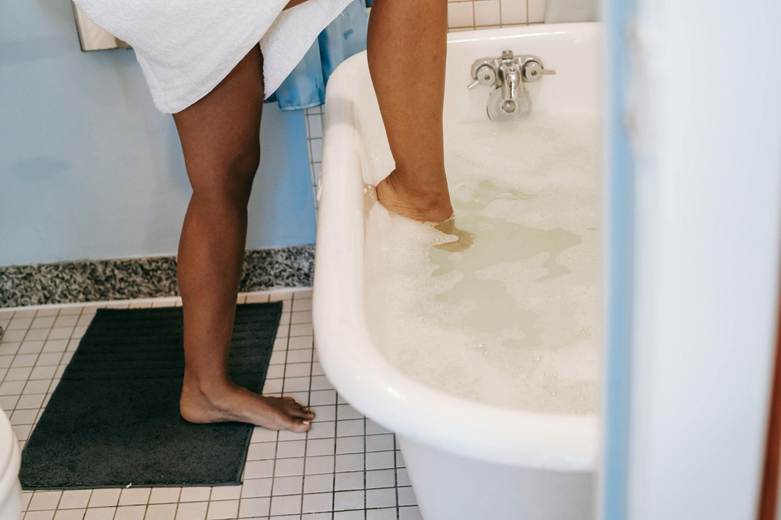
Bathrooms should be places of relaxation, renewal, and personal care, but they are also one of the most common locations for household accidents. Standard bathtubs, while seemingly harmless, often conceal hidden dangers that can cause serious injury—especially for children, older adults, and people with mobility challenges. Understanding these risks is the first step toward designing safer, more accessible alternatives that enhance both comfort and security.

The Risks of Standard Bathtubs

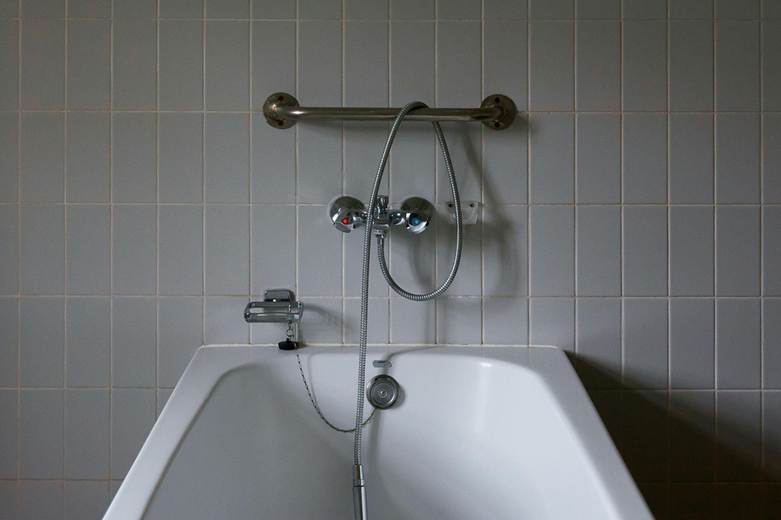
A traditional bathtub has a simple design: a deep basin with high sides, a smooth, curved interior surface, and a drain at one end. While functional, this design presents several safety hazards.

1. Slippery Surfaces
 Porcelain, enamel, and fiberglass finishes create sleek surfaces that can become dangerously slick when wet. Without proper traction, slipping inside the tub or while entering and exiting is a common cause of bathroom-related falls.

2. High Entry Walls
 The typical bathtub rim is 14–20 inches tall. For many people, stepping over this barrier requires balance, strength, and flexibility. For those with mobility impairments, arthritis, or poor balance, the maneuver can be both difficult and dangerous.

3. Lack of Support
 Most standard tubs do not include built-in grab bars or non-slip flooring. Without these features, users have little to hold onto for stability, increasing the risk of falls.

4. Water Temperature Hazards
 Another overlooked danger comes from scalding water. Standard faucets and mixing valves can cause water to heat quickly, creating burn risks, particularly for children and older adults with thinner, more sensitive skin.

5. Space Constraints
 Standard bathtubs are often narrow, leaving little room to maneuver safely. This can be especially hazardous for individuals who need assistance with bathing or rely on equipment such as transfer benches.

The combination of these risks makes bathtubs one of the leading causes of bathroom injuries. According to the CDC, falls in the bathroom account for a significant portion of emergency room visits each year, and many of these injuries stem directly from tub-related accidents.

Designing Safer Alternatives

Fortunately, modern bathroom design has moved far beyond the one-size-fits-all tub. That’s especially important when multiple generations are using the same bathroom, and each family member has different needs. There are now safer, more inclusive options that prioritize both accessibility and comfort.

1. Walk-In Tubs
 One of the most popular alternatives, walk-in tubs feature a door that allows users to step in without lifting their legs over a high wall. Many also include built-in seating, non-slip flooring, and strategically placed grab bars. For individuals with limited mobility, walk-in tubs can significantly reduce the risk of falls while still offering the therapeutic benefits of soaking.

2. Slip-Resistant Surfaces
 Whether designing a tub or shower, flooring material matters. Non-slip coatings, textured tiles, or built-in anti-slip strips help reduce the likelihood of slipping. Unlike smooth porcelain or fiberglass, these surfaces provide essential traction even when wet.

3. Flat-Bottomed Bathtubs

Most bathtubs have curved interiors that prevent shower chairs from staying planted firmly, and the curved walls can make exiting the tub difficult. Bathtubs that are designed with flat bottoms and less curvature to the inner walls make for a more comfortable and safer bath.

5. Built-In Grab Bars and Seating
Strategically placed grab bars are a simple yet effective safety addition. Positioning them at entry points, along walls, and near faucets provides support during transitions in and out of the tub or shower. Adding built-in or fold-down seating allows users to bathe without standing for long periods, further reducing fall risk.

5. Wider and More Spacious Layouts
A popular approach to renovating any room in the home is to maximize space. Whether this means knocking down walls or changing layouts, there’s never a disadvantage to more room. This goes for the tub and shower as well. Designing tubs and showers with extra width allows more room for movement and assistance. Spacious layouts can also accommodate transfer benches, shower chairs, or caregiver support when necessary.

Universal Design Principles

The safest bathrooms are those that apply universal design principles—creating spaces that are functional for everyone, regardless of age or ability. Features like lever-style handles, handheld showerheads, adjustable height fixtures, and ample lighting contribute to overall safety and ease of use. Importantly, these elements benefit not only older adults or people with disabilities but also families with young children and individuals recovering from injury.

Soaking it All In

Standard bathtubs, while traditional, are not designed with safety in mind. By considering safer alternatives such as walk-in tubs and slip-resistant materials, homeowners and designers can create bathrooms that prioritize accessibility without sacrificing style.

The bathroom should never be a place of fear—it should be a space for comfort, dignity, and independence. Thoughtful design choices can transform the dangers of standard tubs into opportunities for safer living.


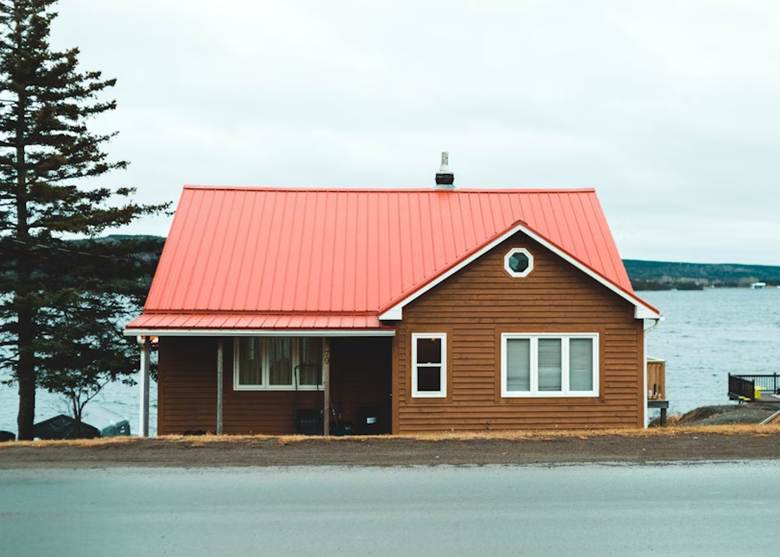
How a New Roof Can Increase Your Home’s Value

https://unsplash.com/photos/house-surrounded-by-trees-OjlqvN-scw4

The improvements you make to your home, whether to enjoy them yourself or because you’re about to put your house on the market, are always a worthwhile investment. A new roof will raise the value of your property because every aspect of the house, including the condition of the roof, affects pricing. Although the value of your home will not necessarily go up by the exact amount you paid for your new roof, there’ll still be an improvement.

Knowing exactly how a roof boosts your home’s value may influence the decisions you make regarding your upcoming roof replacement. So, be informed when making critical roof replacement decisions.

How a New Roof Raises the Value of Your Home

1. It enhances the home’s curb appeal

Curb appeal refers to how attractive your home and its surroundings appear to someone passing by. The more impressive, the more buyers are willing to pay. A new roof, done by an expert roofer, can improve the overall appearance of your home. New roofing materials come in a variety of colors and finishes, and can be an important design feature. Quite simply, a buyer is not going to be impressed by an old roof. Roofs with damaged, broken, or missing shingles, broken gutters, rotting fascia boards, mold and mildew, and debris aren’t just unappealing, they’re a liability. Therefore, ensure that your roof is in the best condition possible.

2. It raises the home appraisal value

A house on the market must be appraised. The appraiser assesses the value of your house by examining its features, functionalities, and overall condition. The roof, in particular, is thoroughly assessed, and if in good condition, your home gets a higher appraisal value. In addition to the appraisal, a new roof is an excellent selling point. It’s easier to convince a buyer to agree to a higher price when the roof has a long expected lifespan, and some of the most common problems with a roof can be avoided. Therefore, if you’re looking to place your home on the market soon, schedule a roof replacement.

3. It offers durability and safety

https://unsplash.com/photos/red-and-white-wooden-house-near-green-trees-under-white-clouds-during-daytime-UU010sez29w

Buying a home with a new roof is a great relief for buyers. They appreciate that after purchasing the home, they won’t have to dig back into their pockets to pay for roof repairs or replacements. Buyers with limited finances often use savings to hire a realtor and make the down payment. The cost of moving and other items needed to settle into the new home can quickly drain remaining funds. Any additional costs can be frustrating.

A new roof is less likely to have issues, and if they come up, there’s usually an extended warranty to cover the costs of repairs. In contrast, old roof warranties have likely expired, and any roof restoration services must be paid for out of pocket. To a buyer, a new roof is a safer option. Therefore, when selling your house, use your new roof as a bargaining chip. Buyers will likely buy a home that does not come with additional ‘baggage.’

4. Your home is likely to sell faster

You’ve seen houses stay on the market for a long time. Many of them are usually overpriced, poorly presented, or lack the ‘wow’ factor. To add some zest to your offer, install a new roof and state it clearly on the ad, and add photos to prove it. Your home will likely sell quickly and fetch more money than homes with older roofs.

5. It saves on energy

Everyone is becoming increasingly aware of the need to conserve resources. With the rising cost of living, people are seeking ways to cut their spending, and one way to do it is by reducing energy consumption with an energy-efficient roof. “Cool roofs” lower energy costs by reflecting the heat off the roof and keeping the interior of the house cool. This reduces the need for running the A/C as much. Examples of energy-efficient roofing materials are synthetic shingles, metal, and tile. Green roofs and roof gardens on flat roofs are also efficient at warding off excess heat. If you decide on any of these options, you’ll increase the value of your home and have more luck attracting buyers, particularly those who are eco-conscious.

A New Roof Is a Home Value Booster

Installing a new roof on your home will increase its value and enable it to fetch a higher price in the market. Buyers are inclined to opt for homes with curb appeal, and durable, energy-efficient roofs that are not prone to roofing issues. So, don’t be apprehensive about spending money on a new roof — it will pay off in the end.

Creative DIY Pergola Ideas For Your Backyard

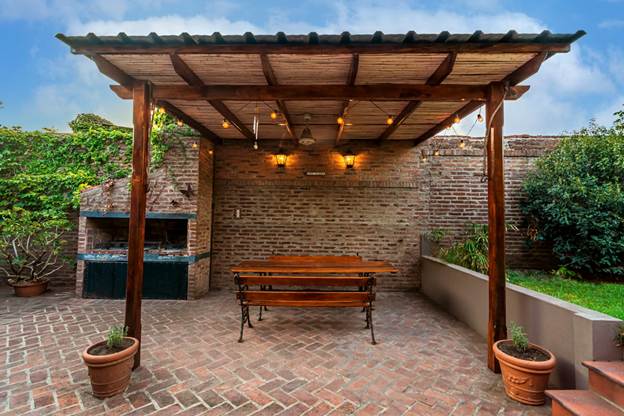
Have you ever dreamed of relaxing under a stylish shade structure while sipping a cool drink in your backyard? Do you want to give your outdoor space a bit of personality without breaking the bank? If so, a pergola could be your new favourite project. Pergolas are more than simple structures; they bring charm, style, and improved functionality to any outdoor area.

Get ready to discover a treasure trove of outdoor pergola ideas Australia enthusiasts love, from small pergola Bunnings hacks to tips on building pergolas that stand the test of time. Whether you’re aiming for extra shade, a stylish dining area, or a snug lounge under a modern roof design, you’ll find plenty of inspiration and how-to info right here.

Why Build a Pergola in Your Backyard

If you’ve been thinking about updating your outdoor living space, a pergola can be a brilliant starter project. It sets the stage for gatherings with friends, cosy family dinners, or moments of peaceful solitude. Instead of letting your backyard sit idle, a well-planned pergola maximises its potential and gives you a reason to spend more time outside.

What Are the Benefits of a Pergola?

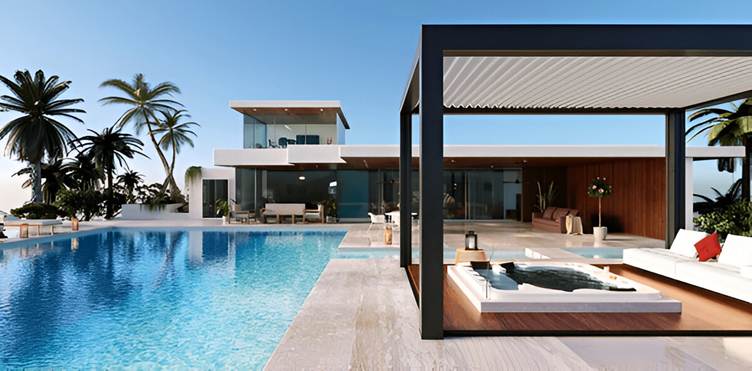
A backyard pergola offers shade, comfort, and style in one go. If you pick an adjustable roof—like a louvered pergola kit Australia homeowners adore—you’ll have control over how much sunlight filters through. While ordinary patios can be great, a pergola takes it up a notch, creating a unique focal point that complements your garden. Plus, installing a pergola improves your home’s entertainment value, turning your backyard into a place for weekend barbecues, brunches, and all sorts of social get-togethers.

Does a Pergola Add Value to My Home?

When people think about value, they usually consider big-ticket renovations like kitchens and bathrooms. But an attractive outdoor area can also elevate your property’s overall appeal. According to estate agents, a modern pergola with a stylish design and good-quality materials can make a positive impression on potential buyers. They see a ready-built space for entertaining and relaxation, which can imply added value for you down the track. While the exact figure varies, it’s safe to say that a well-built pergola is an investment that can pay off when selling your home.

Understanding Different Pergola Types

There are many pergolas out there, so you might wonder which type suits your property best. Whether you want an attached pergola that integrates smoothly with your house, a freestanding pergola for more flexibility, or even a cantilever pergola Bunnings option, there’s a design to match your style. Let’s examine the most popular pergola configurations seen in Australian backyards.

Attached Pergola: Seamless Integration

An attached pergola is fixed directly to one wall of your house, which provides a sense of continuity between your indoor and outdoor living areas. This style often works well near a patio door or large windows. The biggest advantage is that you don’t have to build extra supports on the house side, which can simplify construction. On the flip side, you’ll want to make sure that your wall is structurally sound and able to accommodate the necessary fixtures. With the right approach, an attached pergola can look like a natural extension of your home.

Freestanding vs. Cantilever Pergola Bunnings

Freestanding pergolas stand on their own, making them fantastic as a focal point in the centre of your backyard or nestled among your garden beds. Because they aren’t attached to your house, you have freedom in positioning them wherever you like. Cantilever pergolas, often found at Bunnings, are a twist on this idea, using fewer posts or beams on one side. This design can create a feeling of openness and space beneath the pergola, but it might require sturdier materials or special bracing to remain stable.

Louvered Pergola Kit Australia: For Flexible Shade Control

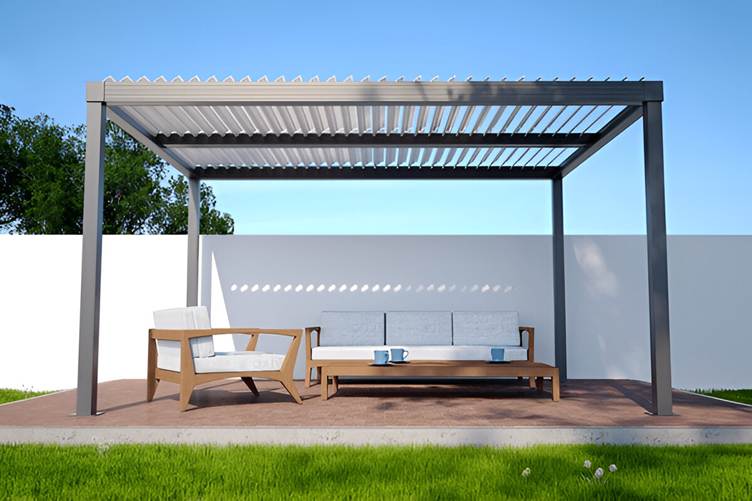
If you love to adjust the amount of sunlight or rainfall protection you get, a louvered pergola kit Australia homeowners rave about could be the ideal choice. Equipped with adjustable slats or louvres, these pergolas let you pivot the roof panels at will. On a sunny day, you can open them fully for a bright, airy ambiance. When clouds roll in, a quick shift can keep you and your outdoor furniture nice and dry. That’s why many Aussies turn to Louvred Roof Pergolas a stylish and sustainable option that offers ultimate versatility for outdoor living.

Choosing the Right Materials

Once you’ve nailed down a pergola type, it’s time to think about materials. Timber and metal are common favourites, but modern composites also make an appearance. Each material has its own quirks, so selecting the best fit depends on your preferences and climate considerations.

Wood, Metal, or Composite: Key Differences

Wooden pergolas look warm and inviting, and they often blend well with natural backyards. However, they may require regular sealing or painting to keep them in great shape. Metal pergolas usually powder-coated steel or aluminium tend to be low-maintenance and sleek in appearance. Because metal doesn’t warp or rot, it’s a strong choice if you want something long running and robust. Composite materials offer a middle ground, giving you the look of wood with the durability of synthetic components. While composite may be pricier, it often cuts down on long-term maintenance.

Pergola Roof Bunnings: Popular Options

A trip to Bunnings can unveil various pergola roof Bunnings options, from polycarbonate panels to shade cloth and corrugated metal roofing. Polycarbonate sheets can be transparent or semi-transparent, allowing diffused light to flood the space. Corrugated metal is a dependable option if you want extra rain protection. Shade cloth is a cost-effective solution that stops harsh sun rays while still allowing airflow. Your choice depends on how much light, ventilation, and weatherproofing you need.

How Can I Waterproof My Pergola Roof?

If fully waterproof coverage ranks high on your list, you’ll need a roofing material that keeps things reliably dry. Corrugated fibreglass, Colourbond sheets, or polycarbonate can handle typical Aussie showers if installed correctly. Make sure that the angle and overlap of your roof materials funnel water away from the pergola. Additionally, sealing around any joining sections prevents leaks. Combining a sturdy roof with proper drainage ensures you won’t have to dash indoors every time the sky darkens.

Pergola Roof Designs for Style and Function

When it comes to pergola roof designs, the variety can be stunning. From see-through polycarbonate to retractable shade cloths, each option has perks to consider. Some roofs lean more towards style, while others are built with durable, weatherproof materials.

Transparent and Semi-Transparent Roofing

Polycarbonate sheets, glass panels, and acrylic options are favourites if you want a bright space without direct sun glare. Transparent roofing invites generous light, making smaller backyards feel roomier. Semi-transparent options, on the other hand, diffuse the harsh rays, creating a gentle glow that’s ideal for relaxation. The main thing to keep in mind is heat build-up—some transparent materials can trap heat, so ensure there’s good airflow or partial shading if you live in a very hot region.

Shade Cloth and Retractable Roofing Solutions

Shade cloth is an affordable and versatile way to soften intense sunlight, and it’s easy to replace if it wears out. You can select various shade factors (like 50%, 70%, or 90%) depending on how much sun you want to block. Retractable roofing, meanwhile, lets you switch between open air and sheltered shade. Whether you’re hosting a daytime barbecue or stargazing at night, you can adapt your pergola roof designs to match the moment. These layouts often come with crank handles or motorised features for effortless operation.

Versatile Louvered Systems

Louvered roof systems let you control how much light and airflow you get. By adjusting the slats, you can open them to let a breeze pass through or close them fully for a watertight seal. High-end versions often have remote controls for effortless adjustments, plus rain-activated sensors that automatically tilt the louvres closed when drops start to fall. While these systems may be pricier than simpler roofing solutions, the flexibility and convenience can be worth the investment, especially if you want an outdoor oasis that adapts to all weather changes.

Conclusion

So, after exploring a range of creative DIY pergola ideas, it’s clear that pergolas pack plenty of value into a relatively straightforward structure. They add instant charm to your outdoor space, give you a flexible place to relax with mates, and can even boost your home’s resale value. Whether you choose an attached pergola or a freestanding design, investing in quality materials will ensure it stands strong for years to come.

If you’re new to DIY projects, starting with a Bunnings pergola kit lets you skip a lot of the measuring and cutting. More seasoned builders might enjoy tailoring every detail, down to the types of bolts and brackets. No matter your skill level, a well-planned pergola has the power to turn a plain backyard into a welcoming, functional retreat.

Ready to build pergola magic in your own yard? Now is the perfect time to gather your resources, finalise your design, and get started on creating a backyard pergola you’ll love. Embrace these outdoor pergola ideas Australia-style, and enjoy the shade, style, and leisure that come with your very own backyard haven.

Effective Home Renovation Ideas That Give You a Higher ROI

Image Source: Pexels

A home renovation can always provide a number of advantages down the road. If you plan on selling the house in the future, the upgrades you do now could end up increasing the value of the home, and in turn, increase the amount of profit you can expect to receive after the sale.

That said, home improvement trends vary greatly, and not all of them will yield positive results in the long term. It is best to approach home design and renovation with a strategy in mind that narrows down the options to the most effective and affordable options. Below is a list of common modifications that are likely to bring you the highest ROI.

Kitchen Makeovers

Buyers often focus on the kitchen when touring properties, and they’re typically looking for ones that look great and are practical.

However, undertaking an entire kitchen remodel is costly. There are other ways to make an impact without spending so much and actually receiving a good ROI. Refacing kitchen cabinetry, for example, is much cheaper than replacing it entirely while still giving the kitchen a fresh look. The same is true for old countertops that can be replaced with more stylish and durable ones like granite or quartz.

Bathroom Upgrades

Remodeling other areas of the house, such as the bathroom, is also easy and can raise the value of your home. In the same manner, ROI is high in relation to the total investment put in. Minor changes to the bathroom can make a big difference. A good starting point is to replace sinks and other fixtures.

Keep in mind that new water taps and shower heads not only improve the look of a bathroom, but are also more water efficient. This is a positive for both the environment and potential buyers. Replacing worn out or cracked tiles is also sensible because, tiles, more often than not, are the first element of a room to age. For certain bathrooms, adding larger windows and skylights can also transform the space.

Maintaining an Open Concept

Although open concept living isn’t for everyone, it has grown in popularity over the years. Now, it’s very common for people looking for a new home to want rooms that flow more seamlessly into one another. This gives an impression of spaciousness. One way to achieve this look is by removing certain non-load-bearing walls to merge areas into one inviting space.

This type of layout is a great feature for those who enjoy entertaining because it allows you to combine the kitchen, living room, and dining room into one central space, making all areas much more sociable.

Making More Use of Natural Lighting

If you work from home, natural light can be a great way to keep you more productive. It changes the entire environment into a more cheerful and peaceful place. If there aren’t many windows you can use, using smart LED lighting with temperature control is a budget-friendly option.

If the budget allows, skylights are great for bringing in a lot of natural light into a room and leaving ample wall space.

Changing Your Flooring

Floors are an important detail in a home. If poorly laid out, it can cause problems in daily living. Modern flooring choices can be a great way to increase a home’s value. It looks great and it’s easier to maintain. Hardwood floors, for example, are preferred by many homeowners. But if your budget is tight, going with high-quality laminate also works.

A tile or stone selection is another good option. It minimizes the possibility of water damage and helps to improve aesthetics when remodeling a kitchen or bathroom.

Upgrading Your Home to Be More Energy Efficient

Eco-friendly features are becoming increasingly popular for first-time home buyers, especially ones that want to lower costs while helping to save the environment. Using energy-saving features is a great way to reduce your carbon footprint while also helping to save money on monthly maintenance bills, thus, increasing the home’s market value.

One way you can start making positive changes is to look for the Energy Star Sticker when shopping for new appliances for your home. You’ll be able to find a number of appliances and fixtures you can use in all areas of the home, including the bathroom, kitchen, or laundry room. Replacing old windows with new energy-efficient ones is another way to lower the cost of heating and cooling the house.

If the insulation material in your walls and attic is getting a bit older, it would be a good idea to replace it. This will prevent air from escaping through gaps and cracks, preventing energy bills from becoming too high. It’s a relatively low-cost improvement that can make a huge difference long term.

Increasing Available Storage

When it comes to prospective home buyers, additional storage always checks off boxes. Additional storage can be important for anything from kitchen supplies to having a safe place for storing collectibles or hobbyist items.

An oversized closet with removable shelves and organizers is a major bonus to have if space permits. In the kitchen and bathrooms, sliding shelves, pullout hidden storage, and drawer dividers can also help to utilize all available space. Using LED strip lights in storage areas can also help homeowners better utilize their space in darker spaces or when using more out-of-reach storage options.

Get More Value From Your Home Renovations

When looking to improve your home, a fresh paint coat isn’t the only thing you should think about. Smart design and thoughtful upgrade decisions are what get you the most profitable results if and when you decide to sell the home. By following the best practices discussed, you’ll be sure to get the right ROI when you’re ready to start your next renovation project

Author Bio:

Rebecca Denis, Head of Design at Revive Real Estate, is an accomplished and highly creative interior designer with over ten years of experience in the industry. With a passion for transforming spaces and a keen eye for detail, she has successfully completed numerous projects ranging from commercial spaces to custom show homes.