“Country Victorian” Decorating
2

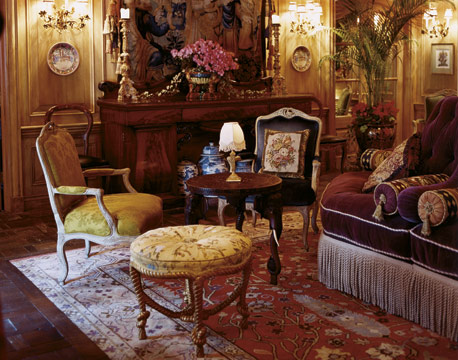 eflects home decor during the reign of Queen Victoria from 1837 – 1910. “Country Victorian” focuses primarily on the feel and look of Victorian countryside summer homes. While this decorating style is very similar to traditional Victorian decor, it incorporates a more airy and relaxing feel.
 are also distinctly Victorian. Furniture with a lacquered grained wood finish will give the home a bit of a rustic feel. Wicker is another material frequently associated with “Country Victorian” homes. Couches and chairs should be plump and a bit overstuffed.
Love, pomegranate seeds but hate to have to get them out, or need them for a recipe…. heres some quick help with this pesky task:
1: Gently roll the pomegranate in your palm against the counter… but not too hard, you don’t want to squish those juice delicious seeds and make them no good.
2: Slice in half – on cutting board…. juice can stain a light colored counter.
3:Pry out seeds in handfuls and transfer them to another bowl.
Then eat the sweet delicious little seeds or have them ready for that special recipe.
 Are you ready? The chilly breeze, the early morning frost, the evening cool downs, leaves changing colors and falling leading to that peaceful time of year where everything sleeps and waits to be awakened in the spring. Part of me looks out the window and wants it all to hurry, knowing as soon as it comes I will count down looking forward for all that spring has to offer. Love it or not…. Fall is almost here!
If you are whipping fresh cream, make sure you chill bowls, beaters and cream before starting. Get them good and cold. It will give the best results.
• • •
Slow cookers make great servers for hot cider and also hot chocolate. Keep them on warm for as long as you like, and there’s no need to reheat — it’s always the right temperature.
• • •
Never, never, never serve roasted poultry right away. Always let it stand for 15 to 25 minutes after roasting to allow the juices to redistribute. You will have juicier meat, and the bird will be easier to carve.
• • •
For wood floors, make sure you dust-mop regularly. Dirt can scratch up your floors. Use a mop with a head that can be popped into the washer, and do so regularly.
• • •
Plastic grocery bags always come in handy. Store them in empty tissue boxes for the car or bathroom, or use an empty 12-pack soda box to store even more under your kitchen sink or in the garage.
• • •
To keep small screws in place, like the ones in sunglasses or eyeglasses, dab the screw with clear nail polish. It gets into the cracks and keeps it in place, but you can unscrew it if you need to.
• • •
Rub a little petroleum jelly over the shower-curtain rod to help metal curtain rings glide better.
• • •
Before you wash a load of towels, dampen one and use it to wipe down the sides and top of your washer and dryer. Then just toss the towel in with the load.
 Blend sweet, juicy fruits in a chopper or blender and add to unsweetened plain yogurt for a healthy treat.
• • •
When raking leaves, use this handy-dandy hint: Rake your leaves directly onto a sheet you’ve spread on the ground. Gather up the corners and drag to your compost area.
• • •
Use a paintbrush to dust wicker furniture. It can get into all the nooks and crannies better than any cloth.
• • •
Shower curtains can be hung inside a regular curtain to insulate from window drafts.
• • •
Unwrapped bars of soap can be used in closets or dresser
drawers as nice-smelling sachets until you’re ready to use them.
• • •
Use pretty photo albums for holding recipes. The recipes will be protected in the kitchen, and these books prop open for viewing better than most books do.
• • •
Electronic items like cameras and cell phones come with so many accessory cords these days. Store them in snack-size plastic baggies. Write on a small piece of paper
what the cord is for and then stick that in the bag.
• • •
Use the plastic lids from large coffee cans underneath bottles of cooking oil or syrup in kitchen cabinets.
• • •
To store cast-iron cookware, it must be completely dry. It can still get scratched up, though. Try inserting a paper plate between stacked pans to protect the cooking surface and to absorb any moisture or excess oil.
 Country & Victorian Times