Victorian Behaviors Of Love By Eve Pearce

imagesAntique Romance – Victorian Flirting Techniques

With Valentine’s Day fast approaching, now is perhaps a good time to have a quick look at how our ancestors conducted themselves when it came to flirtation. While we tend to think of the Victorians as a rather severe, staid bunch, they were (of course) just as subject to the tempestuous passions of the heart as we are today – although they had some curious ways of showing it. Try some of these upon the object of your desire if you wish, but do not be surprised if you get odd looks rather than outbursts of affection in return!

Parasol Tilting

A Victorian lady who innocently thought her parasol a utilitarian device for shading her face from the sun may have found herself the object of unsolicited ardor during her perambulation through the park. The manner in which a parasol was held carried a plethora of meanings to the practiced flirt – so much so, in fact, that a parasol could barely be held at all without it conveying some message to amorous onlookers in the know. To carry the parasol aloft in the left hand indicated that you desired to know someone better. To do the same in the right chastised suitors for their eagerness. Letting it rest upon the left or right cheeks meant ‘No’ and ‘Yes’ respectively, while dropping it upon the ground was an out and out declaration of love (which must have led the clumsy into awkward situations). Even those who carried folded parasols were not safe from unintentional flirting – to fold the parasol was an order for a suitor to leave immediately, carrying it over the shoulder accused observers of cruelty, and swinging it at the sides meant either that you were married or engaged (depending upon which side you swung the instrument at). There were a great many different meanings, which one can only imagine caused a great deal of confusion at the time given that one cannot always be aware of the position of one’s parasol. However, the Victorians did not discuss the affairs of the heart openly (to do so was considered vulgar), rendering such secret languages necessary. These became increasingly complex.
1890-1900-Valentine-DieCutThe Language of Flowers

One of the most detailed and complicated of these secret love-languages was the Language of Flowers. Quite a beautiful idea, this involved flowers being assigned a meaning and presented to the beloved, who would get a delicious sense of secret communication alongside the simple pleasure brought by beautiful blooms. The language grew in popularity, with new flowers and new meanings added until the list was extremely extensive. Some of the meanings were far more risqué than we’d expect of a Victorian device – presenting a lover with pea blossom, for example, was an exhortation for them to meet your for an assignation by moonlight, while Spanish jasmine indicated that you found them headily sensual and aconite told of unbridled sexual lust. However, it must be remembered that the Victorians, although disinclined to discuss matters of the bedroom, were subject to much the same lusts and passions as we are – if not more so. Indeed, Queen Victoria herself wrote feverishly in her diaries of how much she enjoyed her husband’s body, while research done by Dr Clelia Mosher in the Victorian era indicates that, far from being sexually restrained, Victorian women relished and enjoyed sex perhaps more than their modern counterparts. Their men were no different. Notably, it was during the Victorian era that a good many intimately contracted diseases took hold. Those innocent-looking flowers clearly have a lot to answer for.

Eye-Speech

It is said that the eyes speak volumes. The Victorians appear to have taken this rather literally. While a cheeky wink is still seen as flirtatious today, the Victorians had such an extensive repertoire of eyelid-based communication that one cannot help but wonder if their continuous blinking caused them to bump into things. Winking with the right eye indicated love, while the left indicated hate. So far so good. From then on, however, the language becomes complex and, one assumes, likely to put the face of the beloved through such contortions as to render them quite unattractive. For example, raising the eyebrows and placing the right forefinger to the left eye meant ‘You are handsome, kiss me’, while winking first one eye and then the other in rapid succession was a complicated way of issuing a simple ‘Yes’.

Window Posture

After a long day of being chased by amorous parasol-observers through the park, mortally offending a maiden aunt by offering her a seemingly innocent posy of flowers, and accidentally declaring eternal hatred for her fiancé when a speck of dust got into her eye, the beleaguered Victorian lady may have longed to simply lean out of a window and watch the world go by from the peace and security of her home. However, even this act was fraught with meaning. The position in which one held oneself relative to the window and (especially) the way in which one moved one’s hands while at the window cast amorous or scornful judgment upon any who passed. A lady resting with the forefinger of her left hand on her chin informed anyone who happened to glance at her window that she desired an acquaintance, and heaven forfend if she clasped her hands – to do so was to announce her engagement.

Necessary Devices

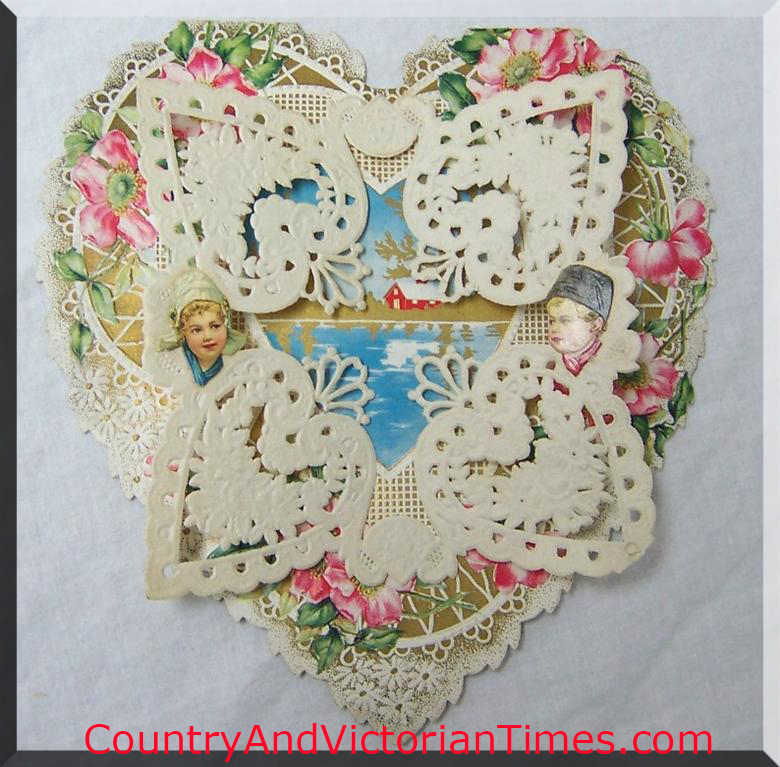
Victorian flirtation was undeniably complicated and prone to confusion. However, in a world which blushed to hear the word ‘pregnancy’, such subterfuge was necessary. One may even suppose that the element of secrecy added a certain spice to the proceedings which is lacking in the more overt flirtation of modern times. Nonetheless, to our eyes the innumerable Victorian flirt-codes (in addition to the above, hats, scarves, gloves, fans, and even postage stamps to name but a few could convey hidden meanings) seem faintly ridiculous. Having said this, constructing a floral Valentine using the Victorian language of flowers could be a thoughtful, crafty, and romantic way in which to surprise your significant other. Just be sure to choose your blooms carefully…

Simple Home Maintenance Tips By Guest Writer Emily Bennett

Although you may be tempted to avoid the prices of professional contractors, you will often need their help in dealing with maintenance and home improvement. Home repairs and maintenance can turn out to be trick and complex for those with no experience of their own, so it is likely you may do more harm than good. If you don’t have the experience you can do some simple maintenance done by following these tips:


  • The Toilet

Simple Home Maintenance TipsAny water leaking from the tank in your toilet and going down the drain results in money literally going down the drain as well. This can have variations, such as dealing different levels of water damage to your bathroom as well. If you want to find whether your toilet is leaking, then you should add a bit of food coloring to the tank itself. Come back after an hour or so and check the color of the water in the bowl. If you find out the toilet is leaking, then you will need to replace the flapper or seals. Remember to shut off the water so you’ll be able to work in peace. Flush the toilet so the tank will be empty and dismantle the mechanism so you’ll be able to change the flapper. Place the new one on and replace everything the way it was before turning the water back on.


If the faucets around your home are leaking, this means you have washers that have been worn out with use. These types of seals are used inside the handles of your faucets, but in most cases they are made of rubber which wears out quickly. You should replace them by once again closing the main water supply, then unscrewing the handle and replacing the old washer with a new one so it will seal properly.


  • The Washing Machine and Dryer

You should check your washing machine on a regular basis for any possible leaks or other mechanical issues. You should keep in mind that the most commonly used reason for insurance claims is the possible leaks in the machine’s water supply. Check the water lines at least once a year and replace them if you see evidence of any corrosion or leaks. You should check for possible discoloration of metal pipes as this may indicate issues that need to be addressed. The drain hoses of your washing machine are very important as they are pretty much one of the few things that stops the water flow from invading your floors. Simple Home Maintenance Tips2

You should also see how well the drain lines are fitted by using pliers to check the tension. You should make sure they are tightened up until you can’t tighten any more. Any plastic lines should be replaced every three years or so.


The dryer on the other hand will need to be cleaned from lint as often as possible, otherwise you risk letting it collect and heat up until the point of ignition. Regular cleaning will also prolong the life of the heating elements inside.


This article has been created by Emily Bennett on behalf of: Movers London

Home Repairs and Renovations By Guest Writer Cindy Davis

You may think your new home is perfect, but no matter how many times you’ve viewed the property, there are going to be a myriad of things that you didn’t notice were wrong when you first saw it.  It could be that your new house has minor issues, like a broken burglar alarm or locks that need replacing. These are fairly simple issues to solve, but what happens if your house needs major work to the electrics or plumbing? It’s important to be prepared for the worst when moving to a new property, and so here is a list of hints and tips to keep your head above water should your pipes burst.

Home Repairs and Renovations21)      Insurance

You should always make sure you prioritise getting your home well-insured. You’ll probably (or at least hopefully) already have your contents and home insurance all in place, but make sure you’re going to be covered for those little emergencies – like having your boiler break down! Make a list of all the things in your home you want to insure. The extra time and cost to do this is worth saving the hassle, stress and money of later losing your gas or hot water!


2)      Check with the landlord.

If you’re renting your property and you notice things going wrong, whether it be dodgy electrics or drainage issues, make sure you run any problems you notice by your landlord. Renting the property means it’s not your responsibility to fix these issues, especially since you’ve just moved in! You’ll want to make a list of any damages and show this to your landlord – this will also prove useful when claiming your deposit back!Home Repairs and Renovations


3)      Repairing yourself.

Some minor issues with your home might be solvable with just a bit of your time and your toolkit. If you decide you want to make some home repairs and renovations yourself, then make sure you know what you’re doing! Remember that odd jobs around the house can appear to be simple, but you could end up making the problem worse for yourself, as well as more expensive! If you aren’t sure then you’re best off hiring a professional, especially when it comes to sizeable or potentially dangerous repairs.


4)      Hiring help.

If you do decide that you’re going to need to hire repairmen to fix your problems, then it’s important to do your research. Hiring a plumber or electrician isn’t just about getting the best price – try to get some information about their previous work, the approximate time the job will take and how invasive the repairs are going to be. If you’re wary of finding your repairman online then try your local newspaper or phonebook so as to avoid scams and potential hassle. The best and safest way to hire someone to come into your home to make renovations or repairs is to choose a person based on the recommendation of friends or family. Ask around to find someone who you know has previously done reliable work to give yourself peace of mind if you’re hesitant to allow strangers into your home. Friendly estate agents and even neighbours might be able to help you find a repairman you can trust, so don’t be hesitant to ask for some advice!


Bio: This article has been created by Cindy Davis on behalf of: http://www.0800housecleaning.co.uk/house-cleaning-services/SE16_bermondsey.html

Cleaning of Blinds and Curtains: Vacuuming and Machine Washing By Guest Writer Cindy Davis

The curtains and the blinds in the home tend to accumulate a lot of dust. That is why they should be cleaned regularly, because dust gathered on them can quickly spread into the home atmosphere and pollute the air. Especially in areas where the air is known to be rather dry and dusty, regular cleaning of the curtains and blinds should be done not only to enable the home to become cleaner, but also to take care of the householders’ health. Vacuuming can be carried out on the curtains and the blinds, and some curtains can be machine washed, which is indicated on their labels.

Cleaning of Blinds and Curtains2

Curtains can be easily vacuumed by using the lowest suction setting. The strength of the air suction should not be high to avoid damage to the curtain fabric, especially with gentle fabric curtains. The upholstery attachment should be used to do the vacuuming. The direction of vacuuming should be from the top of the curtains to the bottom. If necessary, vacuuming can be repeated to be certain that all the dust has been eliminated.

Blinds are the other major culprit for the dust that spreads into the home ambiance. Before they are vacuumed to get rid of the accumulated dust, they should be closed in order to achieve a flat surface, easy to vacuum. Then the dust brush attachment should be applied to do the dusting. Like with the curtains, the vacuuming of the blinds should be from the top to the bottom. Afterwards the blinds should be turned the opposite way, and the other side should be vacuumed from the top to the bottom, taking great care not to hurry in order to enable the vacuum cleaner to suck in as much dust as possible.

The frequency of cleaning the curtains and the blinds in a home depends on the extent of dust present in the environment, and the dustier the environment, the more frequently the curtains and the blinds should be vacuumed. In general, it is recommended to vacuum the curtains and the blinds once a month, as a regular measure against the accumulation of dust.Cleaning of Blinds and Curtains

The curtains can also be washed to remove the dirt and dust, but then all the hardware should be removed from them, before they are inserted in the washing machine. The curtain label should be checked before the washing starts, to be certain that the fabric will not be damaged in any way by improper treatment. Spot testing in a corner of the curtain, applying water mixed with some detergent, can help to find out whether the washing will damage it. In general, most curtains that can be cleaned by washing have to be washed with cold water to which just a small amount of detergent is added.

The curtains and the blinds are not only the finishing touches to the home environment. They are also among the spots of the home which accumulate the most dust. Regular cleaning by dusting or washing is essential not only to keep them clean, but also to preserve their initial attractiveness. The more attractive they are the more your home speaks of regular cleaning which maintains your home in good and healthy condition. Living in that kind of environment is a pure pleasure.

Bio: Cindy Davis is dedicated writer with great flair for home improvement and home remodeling projects. She is currently focused mainly on the household cleaning and organizing field and therefore her present article treats exactly this them. Find some good tips for your home here: http://www.cleanershouse.co.uk/carpet-cleaning/SE17-carpet-cleaners-walworth.html

What Sets One Construction Company Apart From One Another By Guest Writer Ivy Delfin

SherInt2The answer to this is the same thing as what sets all companies apart in various industries: quality. Quality is the thing that you should be driving for in construction. Contrary to what a lot of unimaginative builders and developers believe, constriction is not a matter of shallow or narrow parameters, a matter of ticking boxes the way that they’ve always been ticked until your building goes up, it’s a constant exercise in imagination and innovation, it’s an exercise of limitless possibility and potential. Although building and construction is governed and controlled very closely by government regulations and laws, and every building must adhere to the codes that apply to the area that it’s built in, that doesn’t mean that you can’t always be looking for newer, different, better ways of doing things. All it means is that good solid old-fashioned quality control has to be at the very front of your mind at all times in your thinking. A competent architect, engineer or construction planner will be committed to getting every detail exactly right in every aspect of the construction.

Construction work is so very variable. From restoration to new buildings to renovation toSher2 repair and beyond, all the best practices that we use today have been thought up and honed by constant experiment and testing, to make each process more refined and more perfect and efficient. The very best kind of construction is solid, is long lasting, is beautiful and aesthetically pleasing, is sustainable and leaves no traces or damages to the environment, tells the story of the era in which it was built, is liveable and practical and creates ideal conditions for habitation (insulation, ventilation, relative size, location, and design), and also functions perfectly to the human conditions for which it was built.

The thing about construction is that encompasses every element of the building that it is relevant to, so, the consequences are grave and far reaching, and will seep into every aspect of the habitation of the house or building. The construction of the house will have material effects on the experience of living in the house, so choosing a construction company should be an exercise in searching for quality an value, rather than a quick fix.