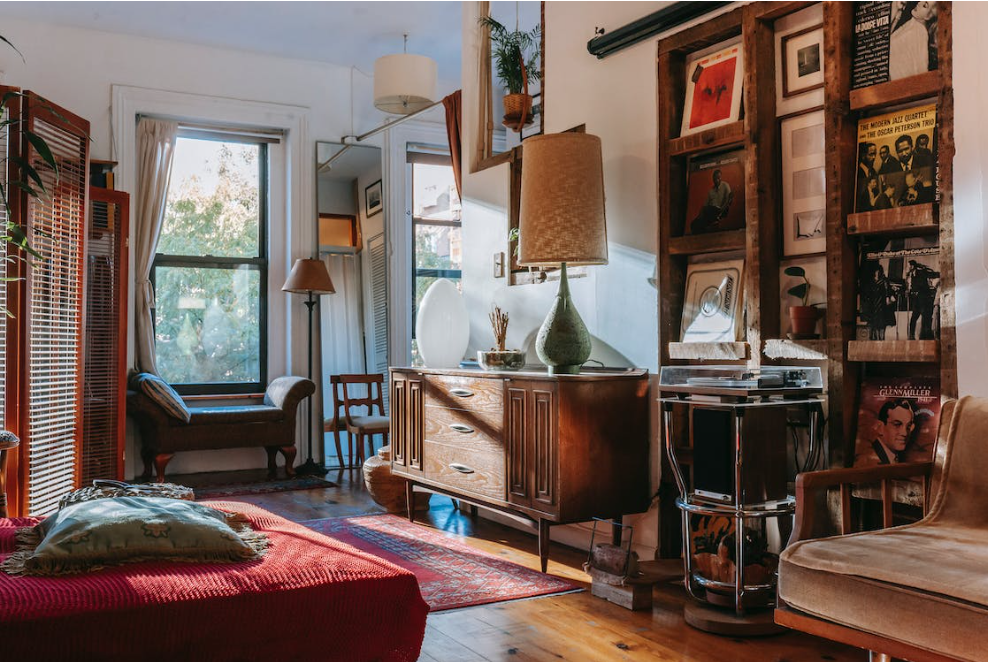
Reviving Retro: How to Give Vintage Items New Life in Your Home

https://www.pexels.com/photo/interior-of-cozy-studio-with-bed-and-couch-decorated-with-vintage-furniture-and-vinyl-records-5824519/ 

Buying vintage has become one of the most popular trends of 2023, and not just among the climate-conscious. For those who crave antique collectibles that can’t be found anywhere and for those who want something that makes a statement, vintage is the way to go. But giving life to a vintage piece can be like inflating a deflated tire; it requires patience, perseverance, and the right arsenal. 

Reviving vintage items in your home is more than a design choice; it’s a celebration of history and a nod to sustainability. Being aware of how to transform vintage items for home purposes is essential. It might not require an extensive renovation, but little changes that aid significantly. It might be something as simple as DIY stain glass lamps or something as complicated as replacing hardware and refinishing old furniture. Here’s your simple guide on giving vintage items a new lease of life. 

Refurbish and Refinish

Thrift stores are a goldmine for those who know how to look, and when you’ve found the right items, from mid-century furniture to quirky accessories, there are many dated pieces you can revive with the right refurbishing. If you’ve found worn-out or damaged items, there is a chance that you can fix them through a bit of refurbishing. This can include reupholstering old sofas, armchairs, and even headboards. 

Use wood polish, wood paint, and clear sealants to revive wooden furniture. You can highlight the natural grain by refinishing it, and any chips or scratches on the wood can be fixed with wood glue or filler. 

Repurpose Items

While items and furniture are made for a specific purpose, there’s no reason that you have to use them the way they’re intended. For example, vintage record crates can be repurposed to be unique side tables or even shelving units for other items like books. Unplayable vinyl records can be repurposed to be decorative bowls with a bit of heat molding. Depending on the vintage item you have, there is a variety of choices when it comes to repurposing.

You can repurpose old lamps to be planters, especially if they are not functional. Other examples include repurposing wine corks to be a bed headboard, and vintage clothes can become a blanket or a throw. The easiest repurposing projects can be turning vintage items into decor. Changing a vintage bicycle to become outdoor decor doesn’t require much. Just paint it again, and you’re done!

You can also go on a hunt for vintage suitcases and upcycle them to be side tables (providing both aesthetic value and storage). Old suitcases can also make for ideal shelves for any home. You can also paint over them to ensure that they fit your home’s interior design. 

Invest in Quality Equipment

If you want to have functional vintage decor in your home, you need to purchase tools that can help revive them. It can include items like a vinyl record cleaner to ensure that any vinyl records you purchase end up being usable. It can guarantee that your vinyls are always in peak condition, and this is vital if you use them frequently or plan on selling them later on. 

Investing in basic items like cleaning supplies is essential when you’re planning to purchase vintage items. Rust cleaning solutions, abrasive scrubs, leather cleaners, cleaning gloves, and so on are vital for vintage items. All vintage items will require a good clean once they arrive in your home, and you need to have a good cleaning routine down to ensure that they look well taken care of once they’re in your home. For wooden items, you may need some type of sanding machine and experience in handling wood-cutting equipment.

Consider Layering

Creating a thoughtful and well-decorated home means guaranteeing that you have a good combination of vintage and modern elements. Combining these two elements will help you highlight the vintage items where needed and ensure your home still feels current and relevant. It could be something as easy as designating one vintage item per room to be the focal point, whether it’s a retro dining table or a vintage chandelier. Let that be the central piece for the room, and build the rest of the decor around it. 

Another way you can layer vintage items throughout your home is through the thoughtful use of textiles. Rugs, carpets, tapestries, throw pillows, and curtains make for great layering pieces in any room. Layer these textures alongside modern furniture to create an elegant and sophisticated place that remains functional. 

Making Your Home a Vintage Haven

Vintage items, whether they’re passed down in your family or have been found elsewhere, all contain their own stories. It could be in the craftsmanship of a bygone era or the sentimentality with which they were passed down. Knowing how to revive them and accommodate them in your home can take considerable thought and hard work. If you’re determined to make the most of vintage items in your home, it has to be through careful placement, refinishing, and upcycling. Once you have the basics down, there’s nothing stopping you from making your home a true vintage haven!


Maximizing Small Spaces in Your Home

URL: https://pixabay.com/photos/home-indoors-decor-design-creative-2618511/

Living in a small space is a valuable skill for anyone looking to find unique solutions to space limitations.

When maximizing the micro, just a few tactics can make your space feel bigger, brighter, and more beautiful. In this guide, we’re breaking down five strategies to optimize small spaces: using natural light to your advantage, exploring outdoor options, cutting clutter, choosing space-saving furniture pieces, and efficiently using wall space.

Take Advantage of Natural Light

Even a little bit of natural light can go a long way. Some of the most common natural light sources in residential spaces are:

  • Windows – Using sheer window treatments, hanging blinds, or even going curtain-free can help you customize and direct the natural light streaming through your windows.
  • SkylightsSkylights are excellent natural light sources for small rooms. They can fill an entire room with soft, bright light during daylight hours when well-placed.
  • Doors with glass – Front doors with sidelights, sliding glass doors, and French doors can all help homeowners harness natural light.

Letting more natural light into your space will make it feel airier, larger, and (of course) brighter. To maximize your natural light during the day, try to leave spaces around light sources clear; instead of putting a chandelier right next to a skylight, for instance, leave the ceiling area around it bare to let as much light as possible into the room.

Expand to the Outdoors

Feeling like you’re out of storage space indoors? Trying to curate a conversation-friendly, cozy space without eating up square footage? Consider expanding to the yard, balcony, or patio.

With just a few simple tactics, you can make an outdoor space furniture-, storage-, and fun-friendly:

  • Overhead coverage – Umbrellas, awnings, or even horizontal trellises can all create shade and offer some protection from the elements.
  • Outdoor flooring – Pavers and outdoor tiles are multifunctional: they enhance the aesthetics and functionality of a space, creating a level surface.
  • Lighting – Whether you install simple string lights or more sophisticated lighting in your outdoor haven, proper lighting will help you maximize your alfresco space.

Cut Clutter

Clutter can imbue even the most sprawling living spaces with stuffy, stifling energy. While there’s something to be said for well-placed knicknacks, keeping your space as organized and clutter-free as possible will help make your small space feel more roomy.

There are a few tactics you can use to keep your small space organized and clean:

  • Use displays – Instead of lining up tchotchkes on the mantel, windowsill, or side table, display them in dedicated spaces to free up surfaces: in curio cabinets or wall shelves.
  • Create a schedule – If you struggle to stay on top of household chores and tend to let clutter pile up, consider making a manageable schedule — consider clearing one surface a day, for instance.
  • Purge as needed – Sometimes, you may not have enough room for your belongings in a small living space. Consider donating items you can’t find a place for.

URL: https://pixabay.com/photos/bedroom-indoors-interior-design-bed-6577523/

Choose Space-Efficient Furniture Pieces

Whether you’ve just bought your first home or you’re on your third move this year, furniture can make or break your living space layout and functionality. For people living in smaller spaces, choosing space-saving furniture is critical.

If you’re looking for versatile, space-efficient furniture for your home, consider freeing up space with:

  • Murphy beds
  • Fold-up chairs, tables, and desks
  • Collapsible or modular bookshelves
  • Pieces with built-in storage (e.g., ottomans with blanket storage)

Leverage Wall Space

Last, consider moving up instead of out while curating your small space layout — take as much advantage of wall space as possible.

For instance, wall shelves aren’t just places to display curios or store books. Get creative with your wall storage, using shelving to stow:

  • Clothes
  • Gaming consoles and A/V equipment
  • Barware
  • Snacks and pantry items
  • Cleaning and laundry supplies

For people living in small spaces, the ceiling is the limit — when you run out of floor space, don’t forget about the ample storage room available on your walls.

Small Spaces Demand Big Creativity

Throughout the last ten years, small-space living has become more popular and more common — but if this is your first time curating a smaller home, the tactics above can help you overcome floor space challenges.

Think of living in a small space as an opportunity to flex your creativity: finding new storage solutions, furniture pieces, and lighting tricks to help you thrive in your home.

Southern Seaside Styles that Bring the Beach into Your Home

Photo by Max Rahubovskiy, courtesy of Pexels

The sounds of waves crashing against the shore, the salty air, and the cool ocean breeze envelop you in such a state of tranquility and serenity that it makes it difficult to leave the coast. Imagine feeling that same way all year long, no matter where you live. You may not be lounging seaside, but you can bring the relaxing coastal resort vacation feeling into your home with a southern seaside aesthetic. Keep reading for a few style ideas that’ll help you bring the beach home.

Coastal Home Decor

Photo by Dominika Roseclay, courtesy of Pexels

If you can’t make it to the beach, bring the beach to your home! You don’t even need to take on a time-consuming home remodel or renovation to achieve your dream space – all you need is beach themed home decor. Accent rugs, wall and tabletop signs, and even kitchen goods can transform any space into your own coastal resort retreat in an instant.

Consider your design style and the feel you want to create to choose your perfect pieces. If you’re more minimalist, you can choose one piece of colorful accent decor to stand out against a muted color palette and simple furniture. For a bright, tropical feel, you can mix and layer pieces throughout your home.

Natural Materials & Textures

Photo by Blue Bird, courtesy of Pexels

Replicate the beauty of the coast with a little help from natural textiles, materials, and textures. These organic elements help to create the serene, inviting landscape within your home, while adding visual interest and contrast to your decor. Try to look for decorative objects or decor that use linen, cotton, jute, rattan, and bamboo, which have a beachy casual feel reminiscent of a beach house vacation. When it comes to furniture, choose pieces made of wicker, driftwood, or reclaimed wood, such as modern accent cabinets or wicker chairs. These natural pieces add warmth and a touch of beach charm that’ll feel like you’re sitting on the seaside.

Sea-Inspired Color Palette

Photo by Toa Heftiba, courtesy of Unsplash

The right beach color palette is key to turning your home into paradise. Think about the beautiful colors of the southern seaside: blues, greens, soft white, and sandy beige. Your palette should make you feel as though you’re sitting seaside at the Emerald Coast. Use a combination of wall paint, art, and furniture to create a cohesive look in your space and prevent things from appearing too monotonous.

Layer the colors! Maximize your natural light by painting your walls the color of your favorite white sandy beach, then add a fun accent wall or have decor pieces that feature vibrant colors like coral, bright yellow, and deep sea blue.

Lively Florals & Greenery

Photo by Krystal Black, courtesy of Unsplash

Creating your home seaside oasis is all about bringing the outdoors inside, from natural materials to plants. Decorating with flowers, indoor plants, and gardens adds tropical beauty to your home and perfectly complements the neutrals, emerald and seafoam greens and blues, and warm beach sunset colors of your paint and decor. It’s also a wonderful way to bring liveliness and vitality into your space – something you’ll especially appreciate during those dreary winter days. Don’t have a green thumb? Artificial plants and flowers will create the same effect!

Beach Art & Photography

Photo by Dan 7th, courtesy of Unsplash

Adding artwork is one of the easiest ways to bring the beach into your home and set the entire mood. You have two options that can be used separately or together: your own photography and beach artwork. If you have your own snaps of a previous beach vacation, you can display them on your walls or mantel in beach themed frames to transport you straight back to the sandy beaches. Alternatively, you can select beach themed art that showcases the unmatched beauty of the coast – either abstractly or realistically. Play around with size and color to create a focal point, create an art gallery wall, or accents to your space.

Give Your Home Seaside Style

Photo by Maiar Shalaby courtesy of Unsplash

Whether you live near the beach or you want to capture the island vibes of summer, you can infuse seaside style into your home with the help of a little color and beach decor. Play around to see what works for your style and your home will be transformed into your own personal paradise in no time!

By Andrew Lemieux

Incorporating Cottagecore Elements Into Any Home

https://unsplash.com/photos/NqeB4q6KOFg

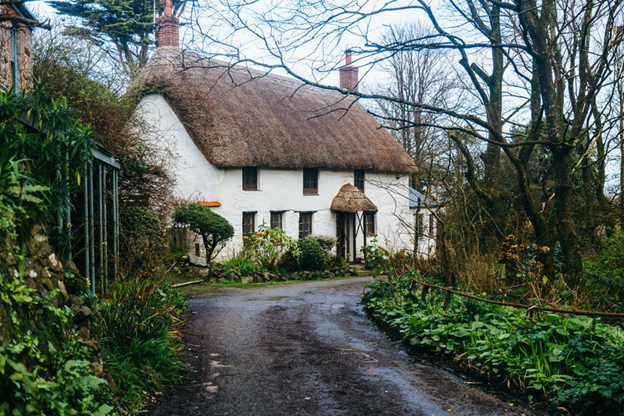
Cottagecore is a popular trend that has gained popularity across all social media platforms. As a style of interior design, cottagecore blends traditional country-style aesthetics with coziness and practicality.

However, cottagecore also weaves a hint of enchantment into its aesthetic. You can almost imagine a fairy settling down on the windowsill in a cottagecore home, and cottagecore designers make great use of the natural world to create a hobbity style in contemporary homes.

Even though most of us don’t live in a hobbit-hole or countryside cottage, that doesn’t mean you have to abandon your aspirations to create a cottagecore home — you just have to get a little creative. So, here’s a guide to help you incorporate cottagecore elements into any home.

Finding Inspiration

Transforming a home from sleek modern design to cozy cottagecore takes time and effort. Fortunately, you won’t be without inspiration on your journey to convert your home into the cottage of your dreams — even if your cottage is really an apartment in a large urban city.

You can find inspiration for cottagecore through social media pages like thehouseofcottagecore and Rachel Maksy. These pages will give you inspiration and often highlight other cottagecore influencers so you can take a deeper dive into the aesthetic. You can also find practical tips to help you do some cottagecore DIY on a budget and cover up elements of your home that don’t align with the cottagecore style.

It is worth remembering that cottagecore is more than a trend on social media. Inspiration for cottagacore can be found in the real world by visiting places like Monk’s House in the south of England or the Dyckman House on Manhattan Island. Visiting historical houses can help you notice little interior design choices and may help you spot vintage appliances that suit your dream style.

Vintage Appliances

Cottagecore exists at an imaginary juncture between traditional and modern life. This means that ultra-modern appliances like stainless-steel fridges and microwaves will likely stick out and look a little odd when juxtaposed with handwoven baskets and vintage tea sets.

The next time you go thrifting, try to look for vintage appliances that compliment your current style. You’d be surprised by how easy it is to fix or renovate old appliances, as most folks throw away outdated appliances even if they’re in perfect working condition.

You can even help old appliances like fridges last longer by treating them with some TLC. Avoid overburdening older appliances, and treat them with the same care that you show to interior decore. If you do use older appliances, just be sure to check your energy usage, as old appliances may demand massive amounts of energy compared to newer models. This will help ensure you live a sustainable, vintage-inspired life that is good for your soul and the planet.

Making Use of Space

The cottagecore influencers you see on social media usually have plenty of space and financial resources to achieve their dream aesthetic. However, it’s entirely possible to incorporate cottagecore elements into your home, even if you’re living in a small rental apartment.

Start making space for cottagecore elements by reassessing your use of storage space. Most folks make poor use of closets and cabinets, and could easily cut down on clutter by utilizing space-saving hacks like track shelves, compression bags, and over-the-door organizers. This will make it easier to reclaim space in your home for cottagecore elements.

It’s worth bearing in mind that cottagecore suits smaller spaces. You’re going for a “cozy” aesthetic, so filling a space with knick-knacks and cushions is perfectly acceptable. If you’re on a budget, you can still lean into cottagecore elements by handmaking your own statement pieces. You might, for example, follow simple crochet patterns to make your own throws and pillows.

DIY and Staging

One of the joys of cottagecore is that it is seldom perfect. Unlike other modern interior design styles like Scandinavian and mid-century design, cottagecore elements can be made with your own two hands and thrive off the character inherent in dropped stitches and frayed rugs.

When creating a cottagecore aesthetic, remember that staging is just as important as the actual furnishing you have in your home. Start with a simple space like your living room. When someone walks in, what kind of scene should they find? Perhaps you’ll stage the area by storing a ball of yarn in a wicker basket beside your armchair. Maybe you’ll leave flower cuttings to dry beside the windowsill. The idea is to create a space that makes use of your DIY both for practicality and for impromptu stylizing.  

Conclusion

Cottagecore is all about making the most of what you already have. But, if you do need to add some statement pieces, consider heading to the local thrift store and picking vintage goods that suit a dreamy cottage vibe. Once you’ve gathered your cottagecore decore, try your hand at staging, and make use of DIY’d materials to invoke a cozy, enchanting feel.

Ultimate Checklist For Renovating Your Home

Photo by Max Vakhtbovych from Pexels

The New Year has just started and this may be the best time to change things in your life. If you weren’t happy with your figure, you could try changing your diet and start a new exercise regime. If you weren’t happy with your home, give it a makeover! Remodelling your home can seem overwhelming, but the truth is that a good plan can simplify this process significantly. A renovating checklist could be exactly what you need to create your dream house. This way, you can be certain that you’ll remember everything and that you’ll get it done in the right order!

Make a plan 

Firstly, you should create an idea of what you want to achieve. Before you start gathering the materials, you should know which direction you’re headed in. You should start by examining your home – both the exterior and interior. 

Make sure that the floors, the roof, the plumbing, and the electricity are all properly inspected. Then, try to figure out what you want to do with the space and determine the possible duration of the renovation. You should also set the budget at this point. 

Start from the outside

You could do the home renovation in any way you’d like. However, starting from the outside and working your way in could be the most efficient and neat. You could start from your roof. Make sure to repair everything broken or get a new roof if necessary. 

Another thing that could need repairing or replacing is the material. Check out the paint and the materials on your house. If your doors and windows have an air leak, invest in them as well. Don’t neglect your garden either and increase your curb appeal with a simple makeover. 

Kitchen and bathroom 

The two rooms that usually need a complete transformation are the kitchen and bathroom. When it comes to these two, you should pay attention to both functionality and aestheticism. For the kitchen, you should take care of the lighting and storing options first. 

You could invest in a kitchen island if you have the time, space, and money! As far as the bathroom is concerned, you should upgrade the shower and the faucet. Good ventilation and storage space are the key parts of a functional bathroom. 

Floor plan 

If you don’t want to upgrade the existing room, but you want to add new ones, you should take this even more seriously. Nothing can increase the value of your home as professional home extensions. You can add a room or knock some walls down efficiently and inexpensively!

If you’re unhappy with the current layout of your home, you don’t have to put up with it. You can add a whole floor if you wish. Installing a built-in storage space or converting an unused space such as a basement into something else are also your options. 

Electrical items 

Electricity is more than an important part of a modern home. To keep everything functional in your home, you may want to upgrade your electrical appliances. For instance, integrated kitchen appliances are always great additions.

Next to integrated fridges and cookers, you should also install some electrical sockets and a new lighting system. With some home assistant, you can create a smart home. This will allow you to enjoy the benefits of smart home security, for example. 

Flooring 

You should be aware of the importance of flooring in interior design. Flooring won’t just affect your home design, but it will also make your house more functional and affect your health. If you have allergies, you should carefully pick your flooring options. 

When it comes to the flooring remodelling, you could update your current options or you could enhance their beauty with some carpets and rugs. You could also lay some tiles in the kitchen or bathroom and you could consider underfloor heating. 

Waterworks

When it comes to the plumbing system, it’s important to update it in older properties. If your property is of a recent date, you could simply have a maintenance check. Look for worn and old pipes and replace them. 

You could install new taps and other fixtures. If the bathroom is old, you could invest in a new bath, toilet, and shower to modernise the space. Make sure to have your sewer system checked and cleaned if necessary. 

Décor 

Finally, you can focus on making your home more personal and unique. When buying furniture, look for timeless classics. Make sure to hang some art and a lot of mirrors on the walls. Think of colour schemes for different rooms and start painting!

Get some blinds and curtains for your windows and try to match the vibe with each addition. Buy some lamps and put some flowers throughout the house. Use throw pillows and blankets to create comfort and give texture to the rooms!

Conclusion 

Home renovation is a challenging task. If you plan it carefully, though, you could make it a fun and interesting project. Make sure to create your checklist and work your way to your dream house!