How To Properly Decorate Your Front Door

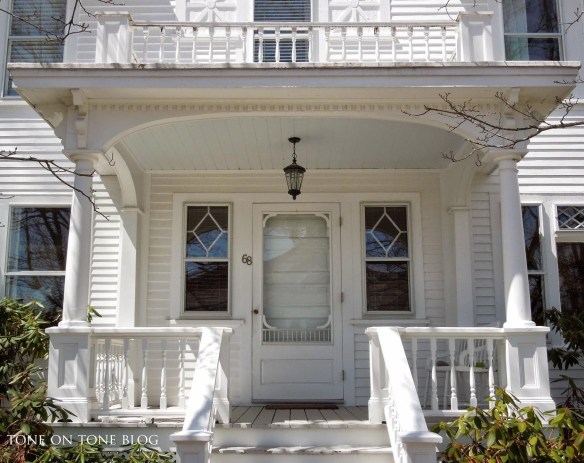
The gateway to your home deserves a lot of attention. Regardless of how much time and money you’ve invested into remodeling your entire home, without proper front door decorations, the entire impression of your house is compromised. Here is a list of interesting front door décor ideas.

image-3Letter Monograms

The traditional family name is best left on your post box; your front door fits perfectly with a giant letter monogram. This trend has been around for 5 years, but it is still very popular and for a reason – the fonts, colors and letter styling ideas are countless. Although you can buy large letters, of have them engraved onto a piece of metal, making this a DIY project is a completely viable and, above all, fun option. Purchase an oversized letter from a craft store, or simply cut one out using a pattern, a jigsaw and a piece of hardboard or foam board.

Chalkboard

The blackboard has long ago transcended its use in a classroom – the majority of schools are into whiteboards now. However, the chalkboard has found its new calling in restaurants and cafes, where they are usually used to specify what is on menu during happy hours or display offers on discount. A great idea, however, is to put a chalkboard onto your front door, where you can write something new anytime you want. This fun and interesting idea can spell out your apartment number, the welcome sign, whether or not you are present or to be disturbed, and even something funny to welcome the people you invite over.
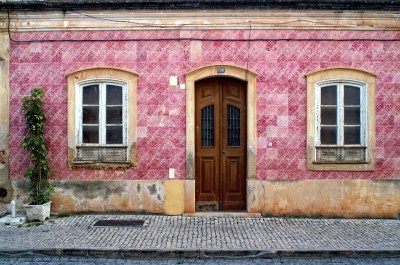
image-5Flower Basket(s)

There is nothing more gorgeous than having flowers decorate the pathway to your home, but why stop there? Putting flower baskets onto the very front door can turn it into something absolutely beautiful. The easy way to get there is getting faux flowers, owing to the fact that they don’t really need tending to, but these may compromise the realistic look you might be aiming for. Of course, this largely depends on the climate your place of residence is in (harsh winters can present huge problems). Faux flowering branches are a smart way to go, seeing as how they look more realistic. Additionally, keep in mind that fake flowers are becoming cool again.

Go Plain

The minimalistic trend is always on the rise – many people strive towards looking professional and, just as there is absolutely nothing wrong with going chic, there is nothing wrong with turning towards minimalism. The upshot of this is outlined in the fact that the vast majority of plain and “cold” doors is significantly safer than their “lively” counterparts and the experts from locksmith Ryde advise that safety should always be put in front of aesthetics. If you want to add details to the appearance of your plain door, you can always opt for minimalist painting!
image-2

Wood Cutout Door Décor

Back to livelier designs, wood cutout décor can look amazing! The limits here are endless – you can go with regular flower design, but also with quirkier stuff, such as a wood-carved shoe, an animal or even nametags. The best part here is that you can make these on your own and DIY projects are quite fulfilling. Simply come up with a pattern, grab a piece of cardboard, a jigsaw and, depending on your preference, some paint and get down to business. This is extremely easy and with some sandpaper, you can create a real piece of art!
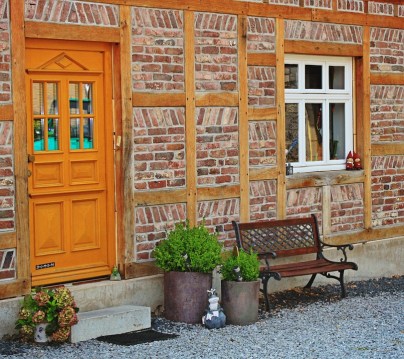
image-4

Not everyone abides to what’s currently trending, so going a bit wild with your front door can often turn out perfect. These ideas are great on their own, but nothing is stopping you from using them to come up with those of your own – going original is always the right way!
 

Greening Up A Historic Home By Zoe Clark

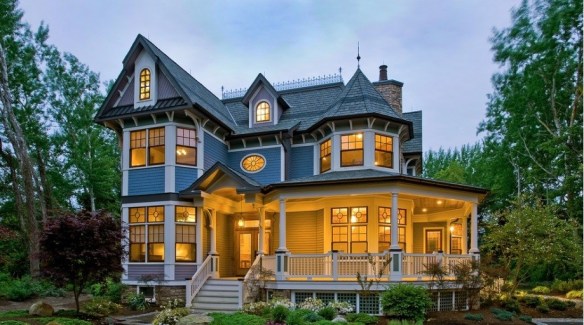
1Victorian homes are the most romantic and elegant properties to live in. There is so much history and enchantment hiding in their every cranny, nook and secret compartment. They are built in the distant period between the 1837 and 1901, so you see why it may be difficult for these houses to keep track of all the challenges the present day is placing in front of them. Although Victorian homes surely aren’t lacking a thing when it comes to refines of their architecture, there are some room for improvements in the area of energy-efficiency, which is something the architects didn’t have to worry about during the reign of Queen Victoria. So, if you are living in one of these old beauties, here are a few things that might help you with lowering your energy bills and reducing your carbon footprint.

Insulate the “Old Lady”

2

Has anyone ever told you your house is breathing? If your old home is older than a century, you can probably expect a lot of gaps between boards in walls and ceiling, as well as a few around the doors and windows. Seal them to prevent warmth from leaving your apartment (and coming in if we are talking about hot summer days). Later, you should add insulation to the attic. In most cases, you don’t even have to remove the existing layer before applying the new one. Examine the HVAC system to see if there is a need for sealing them.

Making Your Windows Greener

If you want to get more efficient windows in a new house, you should install double or triple glazed windows. With historic homes, the situation is a bit different. Removing the old windows and replacing them with the new ones would affect the historic appearance of the building. A neat alternative is to supplement your old windows with storm windows, so you can save energy without affecting the historic character of your property.

3

Use Energy-Efficient Light Bulbs

If there is one change you can make that is affordable and doesn’t harm the historic appearance of your house in any way, that is replacing your old incandescent light bulbs with compact fluorescent variety (CFL).

Replace Old Appliances

Just because your house is built in 19th century doesn’t mean you have to use an icebox instead of a modern refrigerator. On the contrary, because of the growing popularity of “vintage” you will find a lot of historically-looking appliances with modern features. Still, the most important thing to look for when searching through appliance stores are the Energy Star rated devices.

4

Control the Heating

Old homes are designed in times when each room was heated separately using open fires, which was more efficient than heating each room separately. The transition to a modern heating system did no good to historic homes and their heating bills. Address this issue by manually controlling the valves in each room, or by getting a programmable Wi-Fi radiator or installing a smart thermostat.

Reduce Your Water Consumption

Electricity is not the only resource that is being wasted in a non-energy-efficient home. Water can also be a great chunk of the monthly bills, especially if you are dealing with problems typical for older houses, such as water-guzzling showerheads and toilets, and leaky faucets. Replace them all with low-flow models, which are energy-efficient and can save you up to 77 percent of the water usage.

So you see, old houses can learn new tricks, but only when the owners are willing to invest time, money and effort in them. Sure, Victorian houses are a habitat to wish for, but that doesn’t mean they too don’t have their flaws. Do your best to improve them, so that they are bringing you more joy while taking less money from you.