 So you found a new place! It’s all wonderful and exciting until you start to think about how much crap you have.
Source: 33 Moving Tips That Will Make Your Life So Much Easier

So you found a new place! It’s all wonderful and exciting until you start to think about how much crap you have.
Source: 33 Moving Tips That Will Make Your Life So Much Easier
 First Aid
Hydrogen peroxide gently sanitizes cuts and scrapes without harsh chemicals. It’s a natural anti-septic that helps to prevent infection. This solution should be used to help clean minor wounds but should not be used for long term treatment or to clean serious wounds.
If you forgot your contact lens fluid, fear not! If you have hydrogen peroxide, you can use this as a temporary contact lens fluid. The 3% solution will keep your contact lenses safe and will even help break down proteins that have accumulated on your lenses during the day.
Diluted hydrogen peroxide can be used as a nasal spray for those of you dealing with sinus congestion.
A food-grade, 3% solution of hydrogen peroxide can be used as an effective and safe mouthwash. When used daily, it can even whiten your teeth and help with persistent canker sores. You only need about 1 tablespoon daily; just swish around the solution in your mouth for 1-2 minutes and then spit.
Keep toothbrushes naturally clean with hydrogen peroxide. Just soak toothbrush heads with a 3% solution of hydrogen peroxide to kill germs and bacteria. Try this 1-2 times a week.
Mix 1 tbsp of baking soda with 1 tsp of food-grade, 3% hydrogen peroxide to make a paste. Use this as a “toothpaste” to remove stains and help to whiten teeth. Use a few times a week as needed.
I always turn to hydrogen peroxide in my home because it is an effective and safe cleaning product. It has strongdisinfectant properties and so it can be used in the kitchen, bathroom and even on your children’s toys. It’s also great for cleaning mirrors and windows.
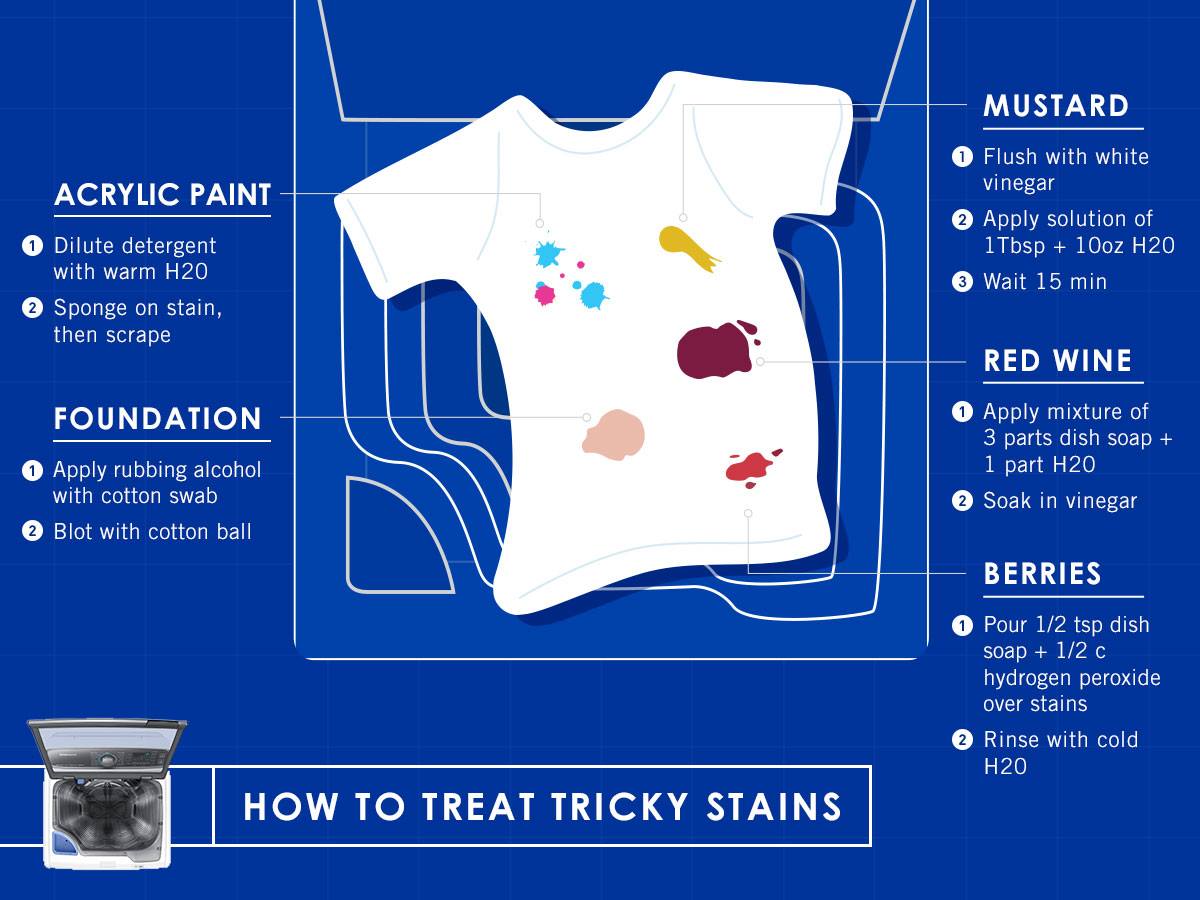
Next time you have to tackle a laundry stain, try using 3% hydrogen peroxide. Gently dab the solution onto the stain and let sit for no longer than 3 minutes (hydrogen peroxide can bleach fabric if left on the stained surface too long), then thoroughly rinse the affected area.
Give up bleach for good and opt for hydrogen peroxide to get clothes naturally white. Add 1 cup of hydrogen peroxide a load of laundry. Let soak for 20-30 minutes and wash as normal.
Don’t reach for bleach if you have a tough mold or mildew stain. Spray a 3% solution of hydrogen peroxide on mold and mildew on grout, tiles, bath tubs, shower stalls and more. Let solution soak for at least 30 minutes and rinse.
Got a tough carpet stain? Spray a little hydrogen peroxide on the stain and let sit for no longer than 3 minutes (hydrogen peroxide can bleach carpet if left on the stained surface too long), then wash out well with a cloth. Test on an inconspicuous spot first.
Kitchen sponges and sinks can easily contain more germs than bathroom toilets. Yuck!
Keep those sponges and kitchen sinks clean with hydrogen peroxide. Clean out sink of any dishes or dirt. Plug the sink and fill with very warm water and add 1/2 cup of hydrogen peroxide. Add kitchen sponges and let sit in sink for about 20-30 minutes. This will help to sanitize both the sponges and the sink and naturally kill bacteria.
Hard to believe, but, yes, that produce you got from the store is covered in germs. Ew, right? Hydrogen peroxide can kill germs on your produce, as well as help neutralize potentially harmful chemicals.
Simply fill half of your sink with warm water and add 1⁄4 cup of food-grade, 3% hydrogen peroxide, then let your fruits and vegetables soak for 10-15 minutes. I would recommend using this method on fruits and vegetables with thicker skins such as cucumbers and potatoes.
Keep your cutting boards clean with hydrogen peroxide. Just spray cutting board surfaces with hydrogen peroxide and let sit for 5 minutes. Rinse well with hot water, and then use dish soap to wash off food particles.
Got a funky smell in the fridge? First, empty out all the food and drinks. Then, spray hydrogen peroxide and let sit for a couple of minutes. It will help to sanitize and neutralize odors. Wipe down with a clean cloth and place food back inside.
Moisture and debris trapped inside homes or buildings can damage flooring surfaces severely. Basically, this mean you’ll have to mop, sweep and vacuum a lot more often. An entrance mat is the only support you have against harmful debris, dirt, and grit. This is a much cheaper solution than replacing floors. Furthermore, it’s a lot safer too; nobody likes to walk on wet floors. Entrance mats are not that expensive and they don’t even require a lot of attention.
Any type of facility, whether home or office buildings, demands entrance matting. They’re an excellent protective layer from falls and slips. Companies and homes should have such a mat at the entrance because they control the amount of dirt that enters that building; on top of that, they’re trendy and are available in all kinds of interesting models and designs. In special circumstances, entrance mats are also warning signs or advertising billboards. Considering they have such a diversified purpose, they do demand care and maintenance to function correctly and effectively. A lot of people don’t know how to purchase mats. They often make the mistake of buying the wrong size or they don’t think that material is important.
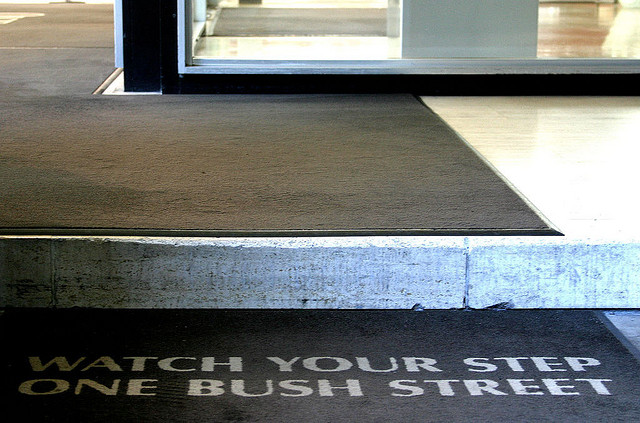
Invest in Adequate Mats
Entrance mats come in a wealth of qualities and types. When it comes to keeping floors protected, there’s no room for compromise. It is important to invest in a powerful entrance matting system. Generally speaking, there are 2 common types of entrance mats used. The first type is a blending mat that removes larger quantities of debris, moisture and dirt from people’s shoes. These have various tufting levels, which basically mean that they scrape the shoe very efficiently, removing dirt and trapping it on the mat.
The 2nd type of commercial matting system has a wiper or finishing at the bottom. It is best during the warm seasons when people’s shoes are mainly filled with dust. As a company, you are advised to opt for a matting system. Placed correctly in areas with intense traffic, these have the capacity to trap as much as 90% of dirt.
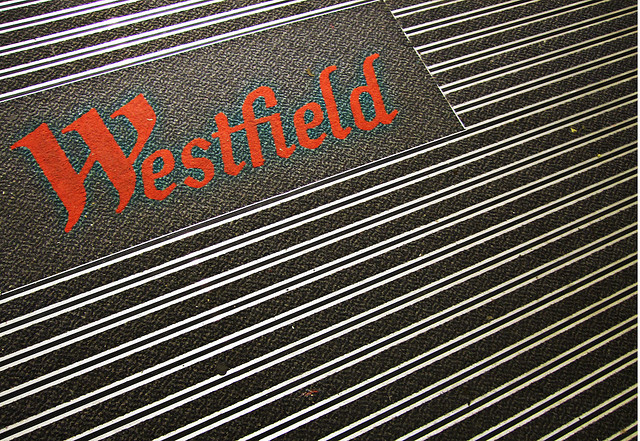
Periodic cleaning of your mats is mandatory
For a space to remain clean the owners must clean their mats periodically. Vacuuming a mat is the easiest way, although if you have anti static mats made of rubber, you can just shake them weekly and wash them every month with warm water. Dirt that gets trapped on a mat doesn’t spread throughout the premises of a home or building. If you make the mistake of buying a cheap mat, you’ll have to mop and vacuum the floor a lot more often to keep the air breathable.
Vacuuming mats properly – how to avoid mistakes
Many people don’t vacuum their entrance mats. They usually change them when they notice they are filled with dirt. This is a huge mistake because by the time you’ll notice the dirt, a large portion has already managed to lie on the floor of that building. Opt for vacuuming using a backpack or canister, or direct suction because the brush on upright vacuum cleaners has the capacity to stir up dust in various levels on mats with different styles and materials. Vacuums with direct suction provide deep cleaning; they use a carpet extractor when it’s impossible to wash them with pressure or hose them out. Avoid using soap during the process, or use in very small quantities. In wintertime, vinegar or a neutralizer are excellent; they remove salt residue thus keeping floors (and mats) protected. After you’ve cleaned them, make sure to leave them to dry. Don’t make the mistake of placing them back on the floor while they’re wet. Leave them on a fence to dry for a few hours.
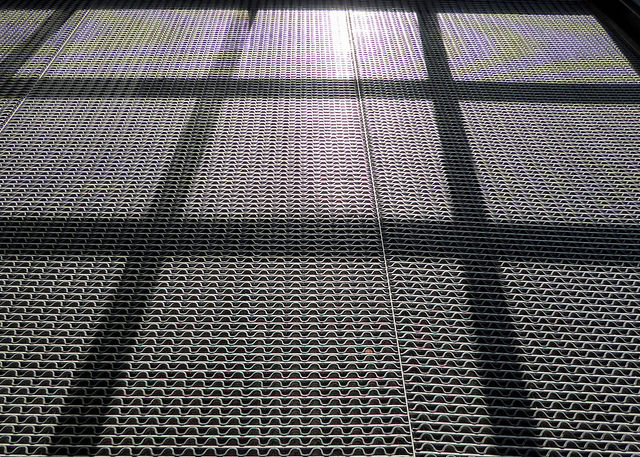
Don’t postpone the replacement of a mat
Extending the life or a doormat is a mistake. At some point, you will be compelled to replace a current mat with a new one. Sadly, very few people know when to do that and most of them do it too late. When mats don’t get replaced on time, cleaning a whole building become a nightmare. You risk spending over $1000 in equipment and maintenance, and you certainly don’t want that to happen.
 We used one of those thick rubber bands that bind broccoli together to place around the lid of this jar – and any jar that gives us a problem unscrewing. It gives your hands something to help get a good grip and allow you to open it.
 Country & Victorian Times