Upgrading Your Home: The Ultimate Guide to Renovations

Welcome to the ultimate guide to home renovations! We all dream of having our own cozy retreat, a personal sanctuary that mirrors our style, values, and way of life. But knowing where to start amidst the endless possibilities can be a challenge. Worry not, for we are here to guide you on this exciting journey!
1. Assess and Plan

Before you start splurging on materials and tearing down walls, take a moment to assess your home’s current state and map out a rough renovation plan. Are you renovating for personal taste, functionality, or to add market value to your property? Your goals will shape your renovation strategy.

1.1 Budgeting

Establishing and managing a budget is critical in any renovation project. You’ll need to account for costs that include:

  • Labor
  • Materials
  • Contingencies (i.e., unexpected expenses)

While planning, gather quotations from multiple contractors and never feel rushed to make a decision. Allocate a percentage based on your total budget to each area of the renovation for better management.

1.2 Timeframe

Determine a realistic timeframe for your renovation. Communicate with contractors on expected completion times and any other scheduling conflicts.

2. Choose Your Contractor

Taking the time to find the right contractor is crucial. Ask for referrals, check online reviews, and compare their portfolios. Shortlist a few contractors and start communicating about your expectations for the renovation project. Ensure that they are licensed and insured, and always get a written contract outlining the scope of work, costs, and timelines.

3. Essential Renovations

Once your goals are clear and your budget and timeframe established, prioritize essential renovations that literally “hold up” your home. These should include any:

  • Structural repair
  • Fixing drainage issues
  • Updating outdated electrical systems
  • Heating, ventilation, and air conditioning (HVAC) upgrades
  • Roof and gutter restoration

4. Interior Design and Functionality

Consider both aesthetics and functionality when planning interior renovations. Here are the main elements to address:

4.1 Flooring

Upgrade your flooring with stylish, yet practical options. Choose from options like hardwood, laminate, tile, or carpet based on your specific requirements and personal preferences.

4.2 Lighting

Effective lighting can significantly impact the look and feel of your home. Combine ambient, task, and accent lighting throughout the home to create an inviting atmosphere.

4.3 Storage

Maximize space in tight quarters by implementing clever storage solutions. Built-in cabinets, under-stair storage, and multipurpose furniture are excellent ways to minimize clutter and maximize space.

4.4 Plumbing

During the renovation process, consider replacing old pipes and fixtures to reduce the risk of leaks and other plumbing issues in the future.

5. Exterior Renovations

  • Enhance your home’s curb appeal by tackling exterior improvements:
  • Repainting the exterior
  • Landscaping the front and backyard
  • Repairing or replacing the driveway and walkways
  • Adding a deck or patio for outdoor living and entertainment

6. Safety and Security

Renovations are also an ideal opportunity to improve the safety and security of your home. Install smoke, fire, and carbon monoxide detectors throughout your house. Consider a whole-house generator to ensure your home remains operational during power outages. Upgrade doors, windows, and locks to enhance security, and think about installing a home security system or smart home technology, which allows remote monitoring as extra protection. What is important to note is that the precise execution of the work is crucial, that is why builders use a stable base, efficient crane outrigger pads because they play a vital role in the execution of the work. With these safety and security upgrades, your renovated home will not only look aesthetically pleasing but also will provide peace of mind.

7. Post-Renovation

After the dust has settled, deep clean your home and conduct a thorough inspection. Make sure all work has been completed to your satisfaction, and address any quality issues with your contractor.

8. The Heart of Your Home: Kitchen and Bathroom Renovations

Increasingly, kitchens and bathrooms have become focal points of modern home renovations.

8.1 Kitchen

In the kitchen, think about functionality and flow. Updated appliances create a more modern look and increase energy efficiency. Furthermore, sleek countertops and custom cabinetry not only enhance style but also provide improved workspace and storage. A thoughtful kitchen design can turn this area into the home’s social hub while making meal preparations smoother and more enjoyable.

8.2 Bathroom

Bathroom renovations can range from minor updates to creating a spa-like retreat. Swap out old fixtures for modern designs, install a walk-in shower or a soaking tub, and think about including luxury touches such as heated floors or towel warmers. A well-planned bathroom renovation can create a personal oasis while increasing your home’s resale value.

9. Energy-Efficient Upgrades

Go green by incorporating energy-saving features and technology. Some examples include:

  • Energy-efficient windows and doors
  • Solar panels
  • Smart home automation systems
  • Enhanced insulation

Not only are energy-efficient upgrades good for the environment, but they may also increase your home’s value and save you money on utility bills.

Now, it’s time to let loose your inner interior designer with furniture, accents, and personal touches. Enjoy your newly renovated home!

Renovating your home is a massive undertaking, but with careful planning, the right contractor, and a clear vision, you can transform your home into the sanctuary of your dreams. Happy renovating!

Maintaining The Fence: Establishing And Reclaiming Your Boundaries

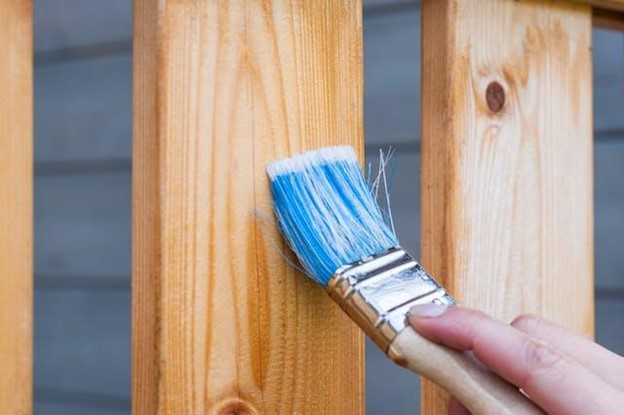
Caption: A well-maintained fence provides safety and establishes boundaries


Brief: Fence maintenance, although sometimes overlooked, is very valuable for you and your property. Managing a fence increases safety, is aesthetically pleasing, and saves money in the long run. Doing fence upkeep will promote necessary skills and reclaim the boundaries of your land. This type of upkeep is worth the time and money spent.


Maintaining a fence is both a crucial and sometimes underestimated practice. There are many favorable outcomes for this type of maintenance, such as reclaiming and establishing necessary boundaries. Listed below are reasons why fence preservation is essential, no matter the type of fence that sits on your lot.

A Well-Managed Fence Provides Safety

Safety is a high priority for yourself, those you care about, and your property. Having a managed fence is one simple way to ensure security for you and those you live with. This is because:

  • If there are no holes in the fence, it keeps unwanted creatures out
  • It creates an inability for others to see inside your home, allowing more privacy
  • A well-maintained fence will make it much more challenging for your pets and children to sneak off
  • By placing protections around (such as anti-climbing features) it keeps unwanted visitors away
  • It is an additional hurdle for trespassers

Whether you have a wooden fence or security chain link fencing, each type of fence serves as a safeguard. Keeping up with it will provide additional protection, and is rewarding in the long run. 

A Fence That is Cared for is Pleasing to the Eye

Not only does a maintained fence establish security, but it is also very attractive to the eye. In any case, for those who intend to sell their home or for those who aim to live in their house indefinitely, having an aesthetically pleasing fence is positive. Some of the reasons for this is that a sustained fence:

  • Drives up your property value
  • Draws favorable attention from neighbors and friends
  • Demonstrates responsibility and integrity
  • Adds to curb appeal
  • Is appreciated by the neighborhood and those who pass by

A fence doesn’t only need to serve practical purposes. It can be pleasing and attractive to the eye as well.

Fence Preservation Promotes Useful Skills

Caption: Maintaining a fence promotes useful skills such as dedication and productivity

Several tasks need to be done to preserve and upkeep a fence. Different fence styles require individualized care. Generally speaking, however, fence maintenance will involve painting, fixing screws or holes, repairs, and seasonal care. The seasonal care and other forms of maintenance required will vary by location and climate.

Regardless of where you reside and the type of maintenance needed, this type of work will develop or enhance useful skills such as:

  • Commitment
  • Dependability
  • Hard work
  • Perseverance
  • A general knowledge of how to fix things
  • Yard work skills

Although this type of labor may be a challenge at times, it is worth completing the task. You can use the skills it requires for almost any type of work. 

Keeping a Fence in Good Condition Cuts Overall Maintenance Expenses

Although it’s true that fence maintenance can cost money, the price for negligence is far greater. This is because if a fence isn’t cared for, it can develop mold, rot, damage, or rust. This will create holes or greater depreciation. Additionally, it can become discolored, warped, or begin to lean. 

When a fence remains in suitable condition, it cuts back on overall costs because:

  • The more damaged a fence is, the steeper the price to fix
  • It increases the lifespan, lessening the chance that you’ll need to replace parts or all of the fence
  • Maintenance is a preventative measure for destruction

Paying to fix the fence instead of investing in a replacement is much cheaper.

A Maintained Fence Re-establishes Your Boundaries

One of the most valuable parts of having a fence is that it reclaims your home and personal boundaries. In addition to the perks listed above, this is necessary for the following reasons.

A Fence Marks Your Land

It is vital that kids, neighbors, animals and outsiders know where your land is. For your children or pets, they know where they are safe to play and be. This can give them a sense of assurance that they are protected.

A Fence Sets a Necessary Boundary

A fence sets a boundary for your neighbors and your family. Your family knows where to stay, and where the line of intrusion is. It also creates a boundary for anyone who isn’t welcome, as they know they are invading if they cross the line. There is no question of bounds because a fence will clearly set them.

A Fence is a Visible Line of a Legal Agreement

A fence establishes not only your land and boundaries but is also a visible line of a legal agreement. It demonstrates that you legally own the property and home, and how much of it is yours.

Maintaining a fence is worthwhile and beneficial to you, because it provides security, promotes useful skills, and is pleasing to the eye. It also saves money in the long run, and reestablishes necessary boundaries. It is because of these factors that managing your fence is worth the finances and time. 

Tips for Designing a Functional and Stylish Home Office

Link: https://unsplash.com/photos/macbook-air-beside-gold-colored-study-lamp-and-spiral-books-MNd-Rka1o0Q

According to the U.S. Bureau of Labor Statistics, nearly one-third of Americans work remotely from home on at least a part-time basis. If you fall into this category, you need to have a home office available to you that is both functional and stylish. If you haven’t gotten around to putting one together yet, make it your mission to do it soon. Here are some tips on how to create the perfect home office.

Look For a Good Place to Put a Home Office

First things first: When you’re preparing to put a home office somewhere in your house, begin by thinking about where it should go. Ideally, you’ll want to stick a home office in a place where it’ll always be nice and quiet so that you can get your work done throughout the day. If you happen to have a spare bedroom in your house you aren’t using right now or if you have an empty corner in your finished basement, these would both be fantastic places for a home office.

You might also want to consider investing in the construction of a room addition to provide you with space for a home office.

Paint a Home Office’s Walls With the Right Colors

Once you pick the best place to put your home office or, better yet, build a brand new home office from scratch by adding onto your house, the next thing you’ll need to do is paint the walls in it. Instead of simply painting the walls in a home office white, search for paint colors that are going to motivate you during your workdays and allow you to focus.

There are dozens of different paint colors to consider when you’re trying to decide which paint you want to put on the walls in your home office. Light blues and greens will have a calming effect when you incorporate them into your home office design. They’ll also make your home office look every bit as stylish as you would like it to be.

Link: https://unsplash.com/photos/macbook-pro-on-brown-wooden-table-kw0z6RyvC0s


Invest in High-Quality Home Office Furniture

While you’re waiting for the fresh coat of paint that you put on the walls in your home office to dry, start shopping for furniture for the space. You will, first and foremost, want to select a desk. This desk should fit nicely into your home office without overcrowding it, and it should also set the tone for your home office in terms of its style. Whether you decide to go with a wooden desk, a metal desk, or even a glass desk, choose one that will both serve its purpose and dramatically improve the appearance of your home office.

There are also lots of other pieces of furniture you will need to pick out for your home office. This includes a chair for your desk, filing cabinets for all your important paperwork, a bookshelf for any books you would like to display, and more.

Select Great Lighting for a Home Office

If you’re lucky enough to have one or more windows in your home office, you should adorn them with window treatments and make the most of them by leaving these window treatments open during the day. It’ll allow a lot of natural light to come into your home office and make it feel like a more pleasant place to work.

You’ll also want to look for great lighting for a home office. In some cases, this will mean choosing a single lighting fixture to hang up in the middle of the room or installing recessed lighting. In other instances, it will mean buying several lamps and strategically placing them throughout your home office. Either way, you’ll want to be able to take control of the lighting in your office at any time.

Add Decorative Touches to a Home Office

As long as you have followed the basic steps to prepare this work space, your home office should come together quickly and look amazing. But if you want to take it to the next level, you’ll also need to find decorative touches for it that will put its design over the top. You can buy office decor online so that you’ll be able to add things like pots for plants and vases for flowers to your home office. These small touches will have a gigantic impact on the look and feel of it.


Maximizing Small Spaces in Your Home

URL: https://pixabay.com/photos/home-indoors-decor-design-creative-2618511/

Living in a small space is a valuable skill for anyone looking to find unique solutions to space limitations.

When maximizing the micro, just a few tactics can make your space feel bigger, brighter, and more beautiful. In this guide, we’re breaking down five strategies to optimize small spaces: using natural light to your advantage, exploring outdoor options, cutting clutter, choosing space-saving furniture pieces, and efficiently using wall space.

Take Advantage of Natural Light

Even a little bit of natural light can go a long way. Some of the most common natural light sources in residential spaces are:

  • Windows – Using sheer window treatments, hanging blinds, or even going curtain-free can help you customize and direct the natural light streaming through your windows.
  • SkylightsSkylights are excellent natural light sources for small rooms. They can fill an entire room with soft, bright light during daylight hours when well-placed.
  • Doors with glass – Front doors with sidelights, sliding glass doors, and French doors can all help homeowners harness natural light.

Letting more natural light into your space will make it feel airier, larger, and (of course) brighter. To maximize your natural light during the day, try to leave spaces around light sources clear; instead of putting a chandelier right next to a skylight, for instance, leave the ceiling area around it bare to let as much light as possible into the room.

Expand to the Outdoors

Feeling like you’re out of storage space indoors? Trying to curate a conversation-friendly, cozy space without eating up square footage? Consider expanding to the yard, balcony, or patio.

With just a few simple tactics, you can make an outdoor space furniture-, storage-, and fun-friendly:

  • Overhead coverage – Umbrellas, awnings, or even horizontal trellises can all create shade and offer some protection from the elements.
  • Outdoor flooring – Pavers and outdoor tiles are multifunctional: they enhance the aesthetics and functionality of a space, creating a level surface.
  • Lighting – Whether you install simple string lights or more sophisticated lighting in your outdoor haven, proper lighting will help you maximize your alfresco space.

Cut Clutter

Clutter can imbue even the most sprawling living spaces with stuffy, stifling energy. While there’s something to be said for well-placed knicknacks, keeping your space as organized and clutter-free as possible will help make your small space feel more roomy.

There are a few tactics you can use to keep your small space organized and clean:

  • Use displays – Instead of lining up tchotchkes on the mantel, windowsill, or side table, display them in dedicated spaces to free up surfaces: in curio cabinets or wall shelves.
  • Create a schedule – If you struggle to stay on top of household chores and tend to let clutter pile up, consider making a manageable schedule — consider clearing one surface a day, for instance.
  • Purge as needed – Sometimes, you may not have enough room for your belongings in a small living space. Consider donating items you can’t find a place for.

URL: https://pixabay.com/photos/bedroom-indoors-interior-design-bed-6577523/

Choose Space-Efficient Furniture Pieces

Whether you’ve just bought your first home or you’re on your third move this year, furniture can make or break your living space layout and functionality. For people living in smaller spaces, choosing space-saving furniture is critical.

If you’re looking for versatile, space-efficient furniture for your home, consider freeing up space with:

  • Murphy beds
  • Fold-up chairs, tables, and desks
  • Collapsible or modular bookshelves
  • Pieces with built-in storage (e.g., ottomans with blanket storage)

Leverage Wall Space

Last, consider moving up instead of out while curating your small space layout — take as much advantage of wall space as possible.

For instance, wall shelves aren’t just places to display curios or store books. Get creative with your wall storage, using shelving to stow:

  • Clothes
  • Gaming consoles and A/V equipment
  • Barware
  • Snacks and pantry items
  • Cleaning and laundry supplies

For people living in small spaces, the ceiling is the limit — when you run out of floor space, don’t forget about the ample storage room available on your walls.

Small Spaces Demand Big Creativity

Throughout the last ten years, small-space living has become more popular and more common — but if this is your first time curating a smaller home, the tactics above can help you overcome floor space challenges.

Think of living in a small space as an opportunity to flex your creativity: finding new storage solutions, furniture pieces, and lighting tricks to help you thrive in your home.

The Best Practice Touch in Transformative Renovations

Whether you’re revamping a century-old maisonette or giving a contemporary townhouse a facelift, renovations can truly transform a home. However, these residential metamorphoses require more than just a creative vision. They demand a careful blend of patience, strategic planning, and an understanding of best practices. Implementing tried-and-true principles can mean the difference between a stressful renovation experience and a transformative journey that beautifully bridges the past and the future. Here, we delve into the best practice touch in transformative renovations that leads to splendid outcomes.

https://www.pexels.com/photo/gray-standard-color-book-near-green-eraser-159045/

Understanding Your Canvas

Every home, especially those older edifices with rich histories, tells a story. Take time to understand the canvas – the bones of your home – before planning the makeover. Respect the architectural lineage even as you plan to usher in upgrades or innovations. It’s always a good practice to preserve the home’s original essence where possible and to take cues from its design to guide your transformative renovations.

Strategic Planning And Realistic Budgeting

Planning and budgeting form the backbone of a successful renovation venture. Pinterest boards and Instagram saves are excellent sources of inspiration, but they’ll need to be whittled down into a feasible plan that takes into account your finances, lifestyle, and the home’s structure. Be honest about what you can afford and factor in allowances for contingency too. Being overambitious with your budget can pause or halt the project midway which can be quite the damper.

Aware and Prepared for Sudden Surprises

While every renovation aims to go smoothly, unexpected discoveries – like faulty wiring or unseen structural damage – can come up once work begins. Best practices involve anticipating these potential stumbling blocks and having a plan in place to handle them. This not only helps in avoiding panicky last-minute decisions but also curbs excessive spending.

Prioritize Function alongside Design

While home renovations do focus on enhancing aesthetics, it’s also essential to emphasize functionality. An efficiently functioning home is as critical as a visually pleasing one. Prioritize aspects like storage solutions, lighting, and power outlets – details that boost the practicality and livability of the space. A home that works seamlessly tends to bring much joy to the inhabitants.

Keep your Paperwork in Check

Any renovation, small or large, generally involves a bevy of approvals and permits. These ensure that the modifications you’re making comply with the local codes and regulations. Keep your paperwork in check, ensure you’re legally covered, and keep copies of contracts, warranties, and work orders. Taking care of these unexciting, yet essential aspects allows the renovation to proceed without hindrance.

Building a Team You Trust

Renovations are not solo endeavors. The right team, such as Exterior can quite literally be the construct or downfall of your renovation dream. It’s crucial to board on professionals who aren’t just fit for the job, but who you feel comfortable communicating with. This includes architects, interior and external designers, contractors, and even real estate advisors. The potential challenges of a renovation, from surprise structural issues to budget deviations, are more easily navigated with a team you trust.

Patience: Your Silent Partner

Patience is a vital yet often overlooked aspect of the renovation process. Major overhauls, especially in older properties, are not achieved overnight and demand a considerable amount of time to transform. Accept that you’ll face delays, inconveniences, and perhaps several cups of stress-brewed tea. But remember, all these intricacies are often part of the story that makes the transformation so worthwhile.

Mapping out Life during Renovation

It might be wonderous to imagine the transformation during your renovation journey, but it’s also crucial to consider how you’ll navigate your day-to-day life amidst the chaos. If you’re living on-site, how will you manage cooking and bathing? If you’ve moved out, have you budgeted for the additional rent or hotel expense? Planning this aspect can save you from avoidable stress and inconvenience.

When approached with meticulous preparation and patience, renovations offer an exciting opportunity to breathe new life into a home. While there may be occasional bumps along the way, implementing these best practices will help ensure the process is an enlightening experience that culminates in a transformation beyond just the physical.

Remember, a successful renovation isn’t solely about upgrading an old house with new materials; it’s about creating a space where memories have been and will be made. It’s a journey of transforming an ordinary structure into something that speaks “home” in every cornice, brick, and wall. With careful planning, anticipation of challenges, patience, and a focus on marrying function with form, your renovation journey can indeed be a transformative and rewarding experience.