Creative DIY Pergola Ideas For Your Backyard

Have you ever dreamed of relaxing under a stylish shade structure while sipping a cool drink in your backyard? Do you want to give your outdoor space a bit of personality without breaking the bank? If so, a pergola could be your new favourite project. Pergolas are more than simple structures; they bring charm, style, and improved functionality to any outdoor area.

Get ready to discover a treasure trove of outdoor pergola ideas Australia enthusiasts love, from small pergola Bunnings hacks to tips on building pergolas that stand the test of time. Whether you’re aiming for extra shade, a stylish dining area, or a snug lounge under a modern roof design, you’ll find plenty of inspiration and how-to info right here.

Why Build a Pergola in Your Backyard

If you’ve been thinking about updating your outdoor living space, a pergola can be a brilliant starter project. It sets the stage for gatherings with friends, cosy family dinners, or moments of peaceful solitude. Instead of letting your backyard sit idle, a well-planned pergola maximises its potential and gives you a reason to spend more time outside.

What Are the Benefits of a Pergola?

A backyard pergola offers shade, comfort, and style in one go. If you pick an adjustable roof—like a louvered pergola kit Australia homeowners adore—you’ll have control over how much sunlight filters through. While ordinary patios can be great, a pergola takes it up a notch, creating a unique focal point that complements your garden. Plus, installing a pergola improves your home’s entertainment value, turning your backyard into a place for weekend barbecues, brunches, and all sorts of social get-togethers.

Does a Pergola Add Value to My Home?

When people think about value, they usually consider big-ticket renovations like kitchens and bathrooms. But an attractive outdoor area can also elevate your property’s overall appeal. According to estate agents, a modern pergola with a stylish design and good-quality materials can make a positive impression on potential buyers. They see a ready-built space for entertaining and relaxation, which can imply added value for you down the track. While the exact figure varies, it’s safe to say that a well-built pergola is an investment that can pay off when selling your home.

Understanding Different Pergola Types

There are many pergolas out there, so you might wonder which type suits your property best. Whether you want an attached pergola that integrates smoothly with your house, a freestanding pergola for more flexibility, or even a cantilever pergola Bunnings option, there’s a design to match your style. Let’s examine the most popular pergola configurations seen in Australian backyards.

Attached Pergola: Seamless Integration

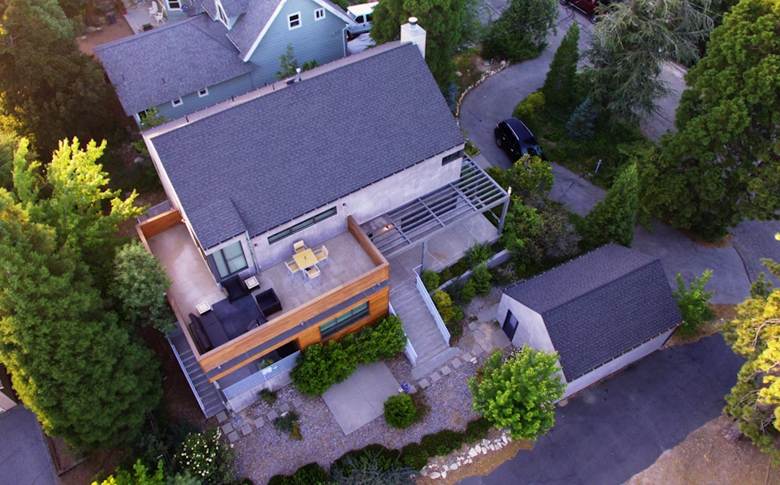
An attached pergola is fixed directly to one wall of your house, which provides a sense of continuity between your indoor and outdoor living areas. This style often works well near a patio door or large windows. The biggest advantage is that you don’t have to build extra supports on the house side, which can simplify construction. On the flip side, you’ll want to make sure that your wall is structurally sound and able to accommodate the necessary fixtures. With the right approach, an attached pergola can look like a natural extension of your home.

Freestanding vs. Cantilever Pergola Bunnings

Freestanding pergolas stand on their own, making them fantastic as a focal point in the centre of your backyard or nestled among your garden beds. Because they aren’t attached to your house, you have freedom in positioning them wherever you like. Cantilever pergolas, often found at Bunnings, are a twist on this idea, using fewer posts or beams on one side. This design can create a feeling of openness and space beneath the pergola, but it might require sturdier materials or special bracing to remain stable.

Louvered Pergola Kit Australia: For Flexible Shade Control

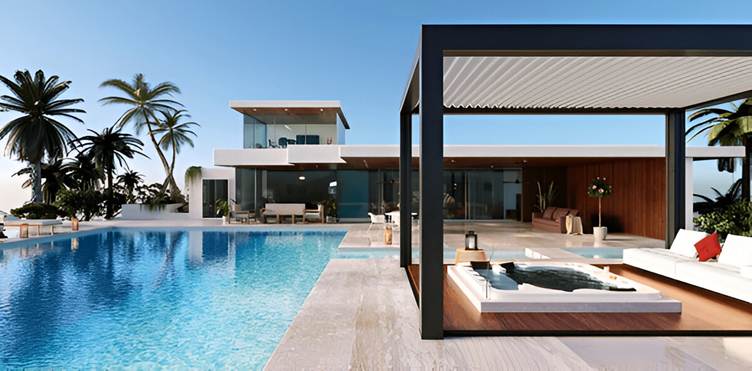
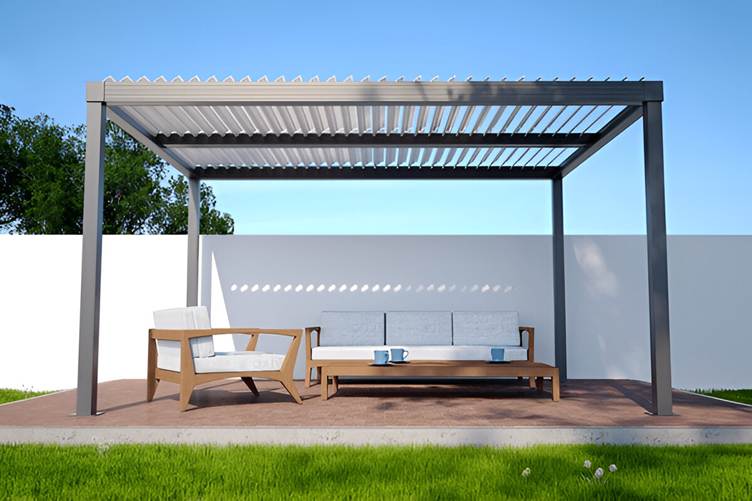
If you love to adjust the amount of sunlight or rainfall protection you get, a louvered pergola kit Australia homeowners rave about could be the ideal choice. Equipped with adjustable slats or louvres, these pergolas let you pivot the roof panels at will. On a sunny day, you can open them fully for a bright, airy ambiance. When clouds roll in, a quick shift can keep you and your outdoor furniture nice and dry. That’s why many Aussies turn to Louvred Roof Pergolas a stylish and sustainable option that offers ultimate versatility for outdoor living.

Choosing the Right Materials

Once you’ve nailed down a pergola type, it’s time to think about materials. Timber and metal are common favourites, but modern composites also make an appearance. Each material has its own quirks, so selecting the best fit depends on your preferences and climate considerations.

Wood, Metal, or Composite: Key Differences

Wooden pergolas look warm and inviting, and they often blend well with natural backyards. However, they may require regular sealing or painting to keep them in great shape. Metal pergolas usually powder-coated steel or aluminium tend to be low-maintenance and sleek in appearance. Because metal doesn’t warp or rot, it’s a strong choice if you want something long running and robust. Composite materials offer a middle ground, giving you the look of wood with the durability of synthetic components. While composite may be pricier, it often cuts down on long-term maintenance.

Pergola Roof Bunnings: Popular Options

A trip to Bunnings can unveil various pergola roof Bunnings options, from polycarbonate panels to shade cloth and corrugated metal roofing. Polycarbonate sheets can be transparent or semi-transparent, allowing diffused light to flood the space. Corrugated metal is a dependable option if you want extra rain protection. Shade cloth is a cost-effective solution that stops harsh sun rays while still allowing airflow. Your choice depends on how much light, ventilation, and weatherproofing you need.

How Can I Waterproof My Pergola Roof?

If fully waterproof coverage ranks high on your list, you’ll need a roofing material that keeps things reliably dry. Corrugated fibreglass, Colourbond sheets, or polycarbonate can handle typical Aussie showers if installed correctly. Make sure that the angle and overlap of your roof materials funnel water away from the pergola. Additionally, sealing around any joining sections prevents leaks. Combining a sturdy roof with proper drainage ensures you won’t have to dash indoors every time the sky darkens.

Pergola Roof Designs for Style and Function

When it comes to pergola roof designs, the variety can be stunning. From see-through polycarbonate to retractable shade cloths, each option has perks to consider. Some roofs lean more towards style, while others are built with durable, weatherproof materials.

Transparent and Semi-Transparent Roofing

Polycarbonate sheets, glass panels, and acrylic options are favourites if you want a bright space without direct sun glare. Transparent roofing invites generous light, making smaller backyards feel roomier. Semi-transparent options, on the other hand, diffuse the harsh rays, creating a gentle glow that’s ideal for relaxation. The main thing to keep in mind is heat build-up—some transparent materials can trap heat, so ensure there’s good airflow or partial shading if you live in a very hot region.

Shade Cloth and Retractable Roofing Solutions

Shade cloth is an affordable and versatile way to soften intense sunlight, and it’s easy to replace if it wears out. You can select various shade factors (like 50%, 70%, or 90%) depending on how much sun you want to block. Retractable roofing, meanwhile, lets you switch between open air and sheltered shade. Whether you’re hosting a daytime barbecue or stargazing at night, you can adapt your pergola roof designs to match the moment. These layouts often come with crank handles or motorised features for effortless operation.

Versatile Louvered Systems

Louvered roof systems let you control how much light and airflow you get. By adjusting the slats, you can open them to let a breeze pass through or close them fully for a watertight seal. High-end versions often have remote controls for effortless adjustments, plus rain-activated sensors that automatically tilt the louvres closed when drops start to fall. While these systems may be pricier than simpler roofing solutions, the flexibility and convenience can be worth the investment, especially if you want an outdoor oasis that adapts to all weather changes.

Conclusion

So, after exploring a range of creative DIY pergola ideas, it’s clear that pergolas pack plenty of value into a relatively straightforward structure. They add instant charm to your outdoor space, give you a flexible place to relax with mates, and can even boost your home’s resale value. Whether you choose an attached pergola or a freestanding design, investing in quality materials will ensure it stands strong for years to come.

If you’re new to DIY projects, starting with a Bunnings pergola kit lets you skip a lot of the measuring and cutting. More seasoned builders might enjoy tailoring every detail, down to the types of bolts and brackets. No matter your skill level, a well-planned pergola has the power to turn a plain backyard into a welcoming, functional retreat.

Ready to build pergola magic in your own yard? Now is the perfect time to gather your resources, finalise your design, and get started on creating a backyard pergola you’ll love. Embrace these outdoor pergola ideas Australia-style, and enjoy the shade, style, and leisure that come with your very own backyard haven.

Wallpaper vs. Paint: When to Choose Each for Maximum Impact

When it comes to transforming interior spaces, homeowners and designers have long debated the merits of wallpaper versus paint. Legendary wallpaper manufacturers like Cole and Son wallpaper, known for their intricate and luxurious designs, have elevated wallpaper from a simple wall covering to an art form, challenging the traditional dominance of paint in interior design. Each option brings unique advantages and considerations that can dramatically impact the look, feel, and value of a space.

The Visual Language of Walls

Paint: Simplicity and Versatility

Paint has been the go-to wall treatment for decades, offering unparalleled versatility and ease of application. Its strengths lie in its:

  1. Color Flexibility: With virtually unlimited color options, paint allows for precise color matching and customization. Whether you’re seeking a bold statement or a subtle backdrop, paint can accommodate virtually any design vision.
  2. Cost-Effectiveness: Compared to wallpaper, paint remains the more budget-friendly option. A gallon of quality paint typically costs between $30-$60 and can cover approximately 400 square feet, making it an economical choice for large spaces.
  3. Easy Maintenance: Modern paints come with washable and scrubbable finishes, making them ideal for high-traffic areas, children’s rooms, and spaces prone to dirt and marks.

Wallpaper: Depth and Complexity

Wallpaper offers a level of design complexity that paint simply cannot match. From subtle textures to elaborate patterns, wallpaper transforms walls into canvases of artistic expression.

  1. Design Complexity: Manufacturers like Cole and Son specialize in creating wallpapers that are more than just wall coverings—they’re visual narratives. Intricate botanical prints, geometric patterns, and historic reproductions can instantly elevate a room’s aesthetic.
  2. Texture and Dimension: Unlike paint, wallpaper introduces physical texture and depth. Embossed, grasscloth, and metallic wallpapers create visual interest and tactile experiences that paint cannot replicate.
  3. Durability and Longevity: High-quality wallpapers can last 10-15 years, compared to paint’s typical 5-7 year lifespan. While initial installation costs are higher, the long-term value can be significant.

Cost Comparison: Breaking Down the Investment

Paint Costs

  • Materials: $30-$60 per gallon
  • Primer: $20-$40 per gallon
  • Tools: $50-$100 (brushes, rollers, tape)
  • Average Room Cost: $200-$500
  • Labor (if professional): $500-$1,500

Wallpaper Costs

  • Materials: $30-$300 per roll (depending on quality)
  • Adhesive and Supplies: $50-$100
  • Average Room Cost: $500-$1,500
  • Labor (professional installation): $1,000-$2,500

Design Scenarios: When to Choose Each

Choose Paint When:

  • You want maximum color flexibility
  • Budget is a primary concern
  • Dealing with imperfect walls
  • Seeking quick, DIY-friendly renovation
  • Frequently changing design preferences

Choose Wallpaper When:

  • Desiring complex, artistic wall treatments
  • Looking for long-lasting design impact
  • Wanting to hide wall imperfections
  • Seeking sound and thermal insulation
  • Aiming for a luxurious, high-end aesthetic

Installation and Maintenance Considerations

Paint Pros and Cons

Pros:

  • Quick application
  • Easy to touch up
  • Low initial investment
  • Endless color options

Cons:

  • Shows wall imperfections
  • Less durable
  • Limited textural options
  • Requires more frequent repainting

Wallpaper Pros and Cons

Pros:

  • Unique design possibilities
  • Covers wall imperfections
  • Long-lasting
  • Adds texture and depth

Cons:

  • Higher initial cost
  • Complex installation
  • Difficult to change or remove
  • Potential for moisture damage

Sustainability and Environmental Impact

Modern consumers are increasingly conscious of environmental considerations. Paint has made significant strides with low-VOC and zero-VOC options, reducing harmful emissions. Similarly, wallpaper manufacturers are developing eco-friendly materials using sustainable production methods and recyclable components.

Final Recommendations

The choice between wallpaper and paint isn’t binary—many designers now blend both techniques. An accent wall with Cole and Son’s exquisite wallpaper, complemented by painted walls, can create a stunning, layered design.

Consider your:

  • Budget
  • Design vision
  • Room’s function
  • Long-term aesthetic goals

Conclusion

Whether you choose the simplicity of paint or the complexity of wallpaper, remember that walls are more than mere boundaries—they’re canvases for personal expression. Each option offers unique advantages, and the best choice depends on your specific needs, style, and space.

Ultimately, the most impactful wall treatment is one that reflects your personality and creates the atmosphere you desire.

Top Five Unique Woodworking Project Ideas to Elevate Your Home

What makes a house feel like a home? Creating a space that reflects your personality and style isn’t always easy. There’s a delicate balance when it comes to designing and personalizing interiors that are comfortable and lived in, but are timeless and classic too. While adding curated wall art or throw pillows can help liven up a space, interchangeable decor isn’t enough to upgrade the overall look of your home.

Sometimes all it takes to elevate your home is a little bit of imagination and inspiration. Older homes may have lost their charm over the years due to outdated upgrades, wear and tear, or simply poor design choices. While it does take a certain eye to know what lines and details look best in some spaces, you don’t have to be an interior design expert to realize the full potential of your home. Sometimes the answers to your decor dilemmas come by solving problems that are already there with the help of custom woodworking. Read on and we’ll show you how you can infuse the natural beauty of wood into your home to create visually stunning living spaces.  

Drop-Down Desk

Image: https://www.pexels.com/photo/crop-person-making-notes-in-notepad-4126743/

(Caption: Drop down desks help create extra work areas in small spaces.)

Do you have an unused nook in your home? A narrow space that overlooks a stunning view? A drop-down desk might be just the thing for you. Through the help of custom woodworking, you can create a desk that perfectly fits a tight corner of your home. When you’re all done with your project or with work, simply return the leaf to its vertical orientation if you wish to open up the space again. Modular furniture offers an excellent way to elevate your home for a custom, designer look. 

Fireplace Mantel

Image: https://www.pexels.com/photo/photo-of-a-brick-fireplace-7746613/

(Caption: A new fireplace mantel can warm up the look of your hearth.)

Is your fireplace mantel outdated or mismatched? Consider upgrading your hearth with a new mantel that better matches your decor. Whether you choose a rustic design or a mantel hand-crafted with custom woodworking, you’ll be sure to love the way a fireplace refresh warms up the look of your home. 

Decorative Paneling

Image: https://unsplash.com/photos/a-bedroom-with-a-large-bed-and-a-large-mirror-Zt2cY3LhoBw

(Caption: Decorative paneling can help add visual interest to any area.)

With custom woodworking, you can turn a bland, basic wall into a stunning statement. Wood offers the perfect way to infuse a little bit of nature into your decor in a timeless and sophisticated way. Consider creating a built-in headboard out of wood paneling for your primary bedroom or installing wooden panels in your entryway hall to bring the natural warmth of the outdoors in. 

Built-In Shelving and Cabinets

Image: https://www.pexels.com/photo/elderly-woman-eating-her-healthy-breakfast-7261107/

(Caption: Built-in shelving and cabinets are a decorative storage solution.)

Every home can always use a little extra storage. Why not make that storage a decorative addition to your decor? With built-in shelving and custom cabinets, it’s easy to elevate your home and solve storage problems all at the same time. Keeping your shelves and kitchen cabinets organized is easy too when you customize your new storage to meet your unique needs.  

Decorative Doors

Image: https://unsplash.com/photos/a-staircase-leading-to-a-door-kHy6pcn0nc4

(Caption: Custom doors help add charm and elevate your home.)

Doors are often the most neglected and most used features in any living space. However, custom garage doors, front doors, and interior doors can add tons of charm and style to the look of your home. Consider the style and architecture of your residence when selecting a door with custom woodworking to create the best overall aesthetic.

Multigenerational Living Spaces in Luxury Homes: Creative Designs to Meet Everyone’s Needs

Today’s modern world has witnessed an upsurge in multi-generational living options among high-end homes. No matter whether it is grandparents, parents, children, or extended family members sharing one living space, the challenge lies in designing a home that meets each generation’s specific needs, preferences and lifestyles while upholding luxury and elegance that high-end properties demand. Reaching an ideal balance requires thoughtful design, functional spaces, and an emphasis on comfort without compromising sophistication. One element that can assist in striking this delicate equilibrium between luxury and functionality is grass cloth wallpaper. With its natural texture and luxurious finish, stonewalling brings warmth and character to walls while simultaneously appealing to both older and younger generations. In this blog, we’ll examine how to design multi-generational spaces in luxury homes; offering ideas and insight into creating luxurious yet functional living environments for all age groups.

1. Flexible and Adaptive Spaces

The key to designing multi-generational living spaces is creating flexible yet adaptable areas that meet a wide variety of activities and preferences. A luxurious home must provide both shared areas where family members can gather as well as private retreats where individuals can unwind and recharge.

1. Open-Plan Living Areas: Open-plan layouts provide an ideal solution for multigenerational living because they encourage communication and interaction among family members. A spacious open concept living room, dining area, and kitchen allows different generations to gather for meals, entertainment, socializing, and relaxation. To maintain an air of luxury consider using natural materials such as hardwood flooring, marble countertops or grass cloth wallpaper as these will bring depth and richness into a large open space while creating an atmosphere welcoming for all generations.

2. Multi-Purpose Rooms: Designing multi-purpose rooms can add versatility and flexibility to a high-end home. A media room may serve multiple functions – for instance as home theater for family movie nights, gaming space for younger residents, reading/lounge space or relaxation area. When combined with high-grade materials such as custom cabinetry and stylish furnishings, multi-purpose spaces still manage to retain an air of luxury and sophistication.

3. Adaptable Furniture: Furniture in multi-generational households must be both luxurious and practical, making life easier for everyone involved. Look for modular pieces that can easily be reconfigured to accommodate different activities or age groups; sectional sofas may be configured into multiple seating areas, while large dining tables with extendable leaves provide enough seating capacity to comfortably seat large gatherings of family. Furniture that combines adaptability with elegance ensures the space remains functional while keeping its high-end aesthetic intact.

2. Emphasizing Privacy and Personal Space

Although shared spaces can foster family unity, private retreats are just as essential in multi-generational homes. Each generation should have access to their own area where they can relax in peace – particularly those living together as generations in larger households.

1. Private Suites for Grandparents: When designing spaces to meet the specific needs of older generations, designing luxurious bedroom suites that meet these demands is crucial. A suite featuring a comfortable sitting area, an en-suite bathroom equipped with safety features and easy access can offer both comfort and independence for elderly family members. Plush carpets, soft lighting and grasscloth wallpaper in neutral tones may create an elegant setting, while grab bars in bathrooms, walk-in showers or other safety elements help make their space both accessible and stylish.

2. Adult Spaces: For middle generation individuals–often parents–creating a luxurious master suite or private retreat is key to relaxing. This space can include a spacious bedroom featuring seating areas and walk-in closets as well as spa-like en-suite bathrooms featuring high-end finishes like marble, heated floors and freestanding soaking tubs. Adding touches such as velvet upholstery, silk drapes or custom woodwork will elevate this retreat from its hectic household setting and provide much-needed restfulness.

3. Youthful and Stylish Spaces for Kids and Teens: When designing spaces for younger generations in a luxury home, striking a balance between fun and refinement can be challenging. Children’s bedrooms should be vibrant yet functional with enough storage for toys, books, and personal items; use bold colors, playful patterns, whimsical art and high-quality materials that reflect your design aesthetic to create an uplifting environment; but ensure high-quality materials match up to that design style throughout. Similarly for teenagers’ bedrooms or lounges incorporating more mature, sophisticated touches- sleek furniture, study desk and decor that reflect their growing sense of identity while still fitting in with overall luxury aesthetic design aesthetic.

3. Establish Welcoming Shared Spaces

Multi-generational homes require welcoming shared spaces that foster family bonding and offer entertainment for all generations of family members, offering something suitable for every member. Creating welcoming shared spaces may take some additional planning but can make life much simpler in multi-generational households.

1. Luxurious Living Rooms: The living room is often the centerpiece of any multi-generational household, so its design should be inviting for all generations. Create an ambiance of relaxation with comfortable seating such as oversized sofas or lounge chairs so family members can gather comfortably for conversation, games or TV viewing. Include elegant design elements like custom built shelving units, designer lighting fixtures and luxurious fabrics – not forgetting an eye-catching focal point like a grand fireplace or grass cloth wallpaper feature wall can tie the entire space together creating an upscale ambiance suitable for all generations!

2. Kitchens for Entertaining and Togetherness: Kitchens are another key area in multi-generational homes, designed to promote entertaining and togetherness. High-end kitchens feature ample counter space, high-quality appliances and seating to enable family members to cook together or dine together at the island with seating. If necessary, create multiple zones within the kitchen such as prep areas for adults while children have separate lower countertops to engage in baking or cooking activities. Materials like quartz or granite countertops, custom cabinetry and designer pendant lighting all add luxurious elements while remaining functional at once!

3. Outdoor Living Areas: Outdoor spaces play an essential role in multi-generational homes, providing fresh air and room for family members to take in nature together. Create an inviting outdoor area complete with comfortable seating, firepit, dining table for alfresco meals and firewood to provide fresh air for all. Luxury properties may offer pools, outdoor kitchens or landscaped gardens which create resort-like experiences for all age groups; natural materials like stone, wood and plants make these outdoor areas feel connected with nature while upholding high-end aesthetics.

4. Accessible and Future-Proof Design

Accessibility should always be top of mind in multi-generational homes, so luxury properties should include features to accommodate family members of various ages and abilities. Future proofing allows your home to adapt as your family members’ needs change over time.

1. Single-Level Living Spaces: For elderly family members or those with mobility challenges, single-level living spaces offer independence and ease of movement. In luxury homes, consider creating a separate wing or ground-floor suite containing bedroom, bathroom and sitting area all on one level, so older family members can move freely without navigating stairs while still experiencing privacy and luxury in an independent living space.

2. Elevator Installation: Elevators provide comfort and accessibility to all generations within multi-story luxury homes, making life easier for all generations of family members. They enable quick movement between floors for daily tasks or special gatherings – with modern elevators featuring sleek materials and finishes designed to blend in seamlessly into the design of the home.

3. Smart Home Technology: Integrating smart home technology into a multi-generational household can increase both convenience and safety for all generations living there. Automated lighting, temperature control and security systems can be easily operated by family members of all ages making the home more efficient and user-friendly – voice activated systems or app-controlled features being especially beneficial to elderly family members who may find traditional systems difficult to navigate.

Designing a luxurious multi-generational home requires an intelligent approach that prioritizes flexibility, privacy and shared spaces. By including high-end materials such as grass cloth wallpaper, investing in adaptable furniture and creating functional yet beautiful spaces in your design plan, you can ensure your home remains luxurious yet accommodating for all ages. From open plan living areas and private retreats to future-proofing your home for the long term – finding balance between luxury comfort and functionality will bring success in multi-generational housing design projects. With the appropriate design decisions made throughout its design planning stages can become harmonious, stylish and welcoming environments for all members of a multi-generational household – both young and old alike!

A Comprehensive Guide for Selecting High-End Textiles for an Elegant Appeal

https://unsplash.com/photos/assorted-color-cloth-on-rack-5GsbwkrCfuM

When designing a luxurious home, few elements are as critical as textile selection. Selecting luxurious fabrics can transform a room from mundane into an opulent sanctuary. Textiles like silk, velvet and cashmere exude refinement and comfort, adding elegance and sophistication to everything from upholstery and curtains to bedding. Chenille fabric stands out among these luxurious materials with its unique texture and warmth, making it a favorite choice of interior designers looking to bring elegance and coziness into a space. In this guide we’ll cover how to select high-end textiles such as silk, velvet, chenille and cashmere in order to create a luxurious feel in your home while mentioning top designer brands offering superior textile quality.

Understanding the Role of High-End Textiles in Luxury Interiors High-end textiles don’t just add visual appeal; they also create an enhanced sensory experience within a room. Their soft textures, sheers and drapes all help contribute to creating the overall aesthetic and feeling of luxury in a space. When selecting fabrics for curtains, upholstery, bedding or anything else – selecting textiles will not only look beautiful but also provide superior comfort and longevity!

Luxury fabrics are distinguished by their quality, craftsmanship, and often exclusivity. Brands such as Fendi Casa, Armani/Casa and Loro Piana specialize in high-end home textiles that meet even the highest standards – made with top materials like silk and handmade for unparalleled attention to detail.

Silk is one of the world’s premier luxury fabrics, renowned for its smooth texture, lustrous sheen, and elegant drape. Since ancient China, royal families would use it as an emblem of wealth and refinement. Today silk can be found being used throughout interior design in areas like curtains, upholstery and bedding – creating luxurious surroundings.

Silk for Curtains: Silk curtains make an elegant statement in any room they grace, reflecting light beautifully and making any space feel brighter and luxurious. Their fluid drape adds movement that enhances any space’s elegance; de Le Cuona and Jim Thompson offer stunning silk fabrics perfect for custom made curtains; however it should be noted that silk can be delicate; so using protective layers may help to avoid sun-fading damage over time.

Silk Upholstery: Silk can add a luxurious aesthetic to any room’s upholstery, yet should only be used in low traffic areas or accent pieces such as throw pillows and headboards due to its delicate nature and less durable nature. Consider including silk upholstery in formal sitting rooms or bedrooms where its beauty won’t be subjected to everyday wear and tear.

Silk Bedding: Silk sheets and duvets are the epitome of luxury bedding. Not only are they soft against your skin, but their temperature-regulating properties also provide year-round comfort – brands such as Mulberry Park Silks offer premium silk bedding that feels as indulgent as it looks!

Velvet: An Icon of Plush Elegance Velvet is an iconic symbol of luxury and decadence, its thick pile and luxurious sheen making it the go-to choice for creating cozy yet glamorous environments. Velvet can also be utilized in various applications from heavy drapery panels to statement furniture pieces for maximum versatility and use.

Velvet for Upholstery: Velvet upholstery creates an inviting atmosphere in any room, thanks to its dense yet soft texture. Perfect for sofas, armchairs and ottomans alike – its dense yet soft structure complements vintage glamor or modern sophistication furniture designs beautifully! Ralph Lauren Home and Zimmer + Rohde both offer premium velvet choices in various hues from deep jewel tones to soft pastel hues – and can add plushness in an instant!

One of the greatest features of velvet is its durability, making it ideal for high-traffic areas. Modern velvets often incorporate synthetic fibers for enhanced resilience against crushing and fading so you can enjoy its luxurious appearance and feel without worrying about wear-and-tear damage.

Velvet Curtains: Velvet curtains have long been associated with grandeur. Their heavy weight helps block light and sound, making them the ideal solution for bedrooms or home theaters. Their luxurious drape also adds depth and drama, creating an intimate and welcoming environment in any room they adorn.

Velvet Bedding: Though velvet bedding might sound unconventional, throw blankets and accent pillows made of velvet can add luxurious texture and plush comfort to any bed. Quilts made of velvet are especially effective at turning any bedroom into a sumptuous retreat, providing both style and warmth during colder months.

Cashmere Fibers Are Luxurious

Cashmere fibers derived from cashmere goat undercoats are prized for their softness and luxurious quality, often making high-end blankets, throws, throw rugs, and upholstery items out of this natural fiber.

Cashmere for Bedding: Cashmere blankets and throws make an indulgent addition to any bedroom. Lightweight yet warm, cashmere adds a layer of comfort that few other materials can match. Loro Piana has made its name synonymous with luxurious cashmere by crafting exquisite cashmere bedding which marries style, comfort, and durability – their beautiful collections showcase this perfectly.

Cashmere for Upholstery: While cashmere upholstery may be rare, its soft feel makes it ideal for low traffic areas or accent pieces such as bedroom chairs or headboards where its luxurious feel can truly be appreciated.

Cashmere Accessories: Cashmere can also be found in luxury home accessories like cushions and throws made of cashmere, providing warmth and texture while adding warmth and dimension. Drape one over your velvet sofa or silk bedspread to add warmth and depth.

Chenille Fabric Is the Texture of Comfort and Luxury Chenille fabric is beloved for its luxurious plushness and soft texture, making it an excellent choice for upholstery and accessories alike. This velvety feel can be achieved by weaving together different fiber types into an almost fuzzy surface which creates its coveted velvety surface texture – creating an inviting fabric perfect for both formal living rooms as well as cozy reading nooks.

Chenille Upholstery: With its durability and soft feel, chenille fabric upholstery is an excellent choice for high traffic areas such as family rooms or casual seating areas. Kravet offers high-quality chenille fabrics in various colors and patterns that makes incorporating this fabric into any design scheme easy.

Chenille Bedding and Throws: Chenille fabric can also be found in bedspreads, quilts and throws for its warmth, inviting texture and versatility in design. When layering up on beds or sofas it provides both style and comfort to any space – for instance draping one over velvet chairs or cashmere blankets can add further dimension and character to an otherwise simple space design.

Selecting Luxury Textiles for Your Space

When selecting luxury textiles, it is essential to take both aesthetic and functionality into account when making a selection. While silk may make for the ideal formal dining room or master bedroom fabric choice, velvet may work better in high use areas like living rooms or media rooms. Likewise cashmere blankets and throws add warmth and comfort but may not be best used as upholstery in high traffic spaces.

Understanding the properties of high-end fabrics allows you to make informed decisions that will increase luxury and comfort in your home. From silk drapes, velvet sofas, and chenille throws – these materials add an air of sophistication that elevates any interior design scheme.

Conclusion

A key component of creating a luxurious home lies in selecting high-end textiles carefully. From silk, velvet, chenille and cashmere – each offering distinct properties when used strategically – to Fendi Casa fabrics by Ralph Lauren Home or Loro Piana designer brands can help turn any room into an opulent oasis. By investing in designer brands such as these you can ensure your home exudes elegance, comfort, and timeless style.