How To Properly Secure Your Digital Assets

Image Source: Unsplash

https://unsplash.com/photos/hpjSkU2UYSU

Every year, our world and the technology we use continues to evolve, so much so that most of what we do is now done on a computer or smartphone. While tech can make life more convenient, it also means that you have more digital assets than ever before — if you aren’t careful, those assets can be quickly stolen by hackers and cybercriminals.

It may not be fun to think about, but you need to secure your computers, tablets, and smartphones now so you can protect yourself against malicious characters. To help, we will discuss some essential tips and information that you can use to safeguard your assets and data. Take care of it now, and you can protect yourself and your finances for years to come.

Your Digital Assets Are At Risk

Some people don’t bother to protect their unsecured data because they don’t feel that there is really a risk. However, by being negligent, you are making yourself a prime target. Studies show that cyberattacks occur, on average, every 39 seconds, and they can happen to businesses and individuals alike. It may not seem like a big deal, but hacking can have disastrous results for you, both personally and financially. It can even result in identity theft if you don’t take the proper precautions.

That is because every piece of data that you have online can be used for malicious purposes. While many of us realize that credit card information and Social Security numbers can be used to take out fraudulent loans and commit identity fraud, many don’t know that even phone numbers and email addresses can be sold on the black market or used to send scam emails.

Hackers can use many different tactics to try to get your data. If you ever leave your device unattended, someone could simply insert a USB drive and upload a virus. Even if you keep your computer at home, a hacker can still send a phishing email (a fake communication that appears to come from a trustworthy source, like your job or a store you like to shop at). When you open it and view the attachment, a virus is installed on your device. Criminals can even create fake alerts on your computer — like a warning that you have a virus — but when you click the button to “fix it”, malware is installed on your device.

The fact is that you need to be vigilant at all times, even when you think you are already protected. A good example is people who work from home. Although you may have an IT team at the office, if your personal device is infected and you send an email to your work account, the company can then get infected. That is why it is important to designate your home office a “work only” zone, where you separate your work and personal devices. Once you have that setup, then make it a point to keep a decluttered desktop where you keep all files in designated folders. That way, you won’t misplace your work, and you will know if a file has been compromised.

How To Secure Your Assets

Now that you know the importance of securing your digital assets, it is time to start putting the proper protections in place. The first step is to take your password security seriously. Your password should have a combination of letters, numbers, and special characters, and you should use a separate password for every system and website you use. You can combine your password with a form of two-factor authentication for additional protection

It is also important that you protect your entire system and disguise yourself from hackers by installing a virtual private network (VPN) on all of your devices. A VPN will hide your location and automatically encrypt your incoming and outgoing data, so even if a hacker was able to access your system, they couldn’t read your information. Using a VPN is especially important when you are working in public, where hackers love to hide.

Finally, it’s crucial to use an antivirus program installed on your computer and mobile devices. By having this software and running scans every week, you can ensure that any virus that does reach your computer is deleted immediately. Make sure to update your antivirus program often, so you are always protected against the newest threats.

Properly Disposing Of Old Files And Paperwork

Protecting your assets and data goes beyond the digital world.

These days, digital filing has become the norm as paper and filing cabinets become a thing of the past. This means it’s not uncommon for people to scan and upload their physical paperwork so they can file it on their computers to stay organized and save space in the office. However, while you are making a smart move, you need to be careful with the information you leave behind.

Once you have scanned and uploaded your physical paperwork, make sure to have that documentation properly shredded or disposed of. Do not simply throw out the full sheets because criminals are not opposed to going through your garbage.

When you are decluttering your computer and removing files you no longer need, remember that even though you press the delete button, it doesn’t mean that the file is gone forever. Hackers can still use special tools to recover those files if they get into your system. To ensure that the data is gone forever, you can install a wiping program to erase your hard drive.

If you plan to sell or give away your computer, then your best bet is to destroy the hard drive altogether. Your best is to bring it to a shredding center. They have the machinery necessary to ensure that the hard drive is properly processed and your data can never be accessed again.

As you can see, you must implement the proper protections today, or you could be hacked and your data exploited before you know it. Consider these tips and beware of common scams, and you can keep your assets, personal data, and sensitive information secure.

The Best Indoor Plants For Different Rooms In Your Home


Indoor plants have to be cohesive with your home’s interior design to complement its surroundings. Yet, they may not thrive in every room. Matching the plants with the right parts of your house can help your indoor garden burst with life. Check out the best plants for different spaces in your home to watch every plant thrive long-term.

1. Monstera in Your Bedroom

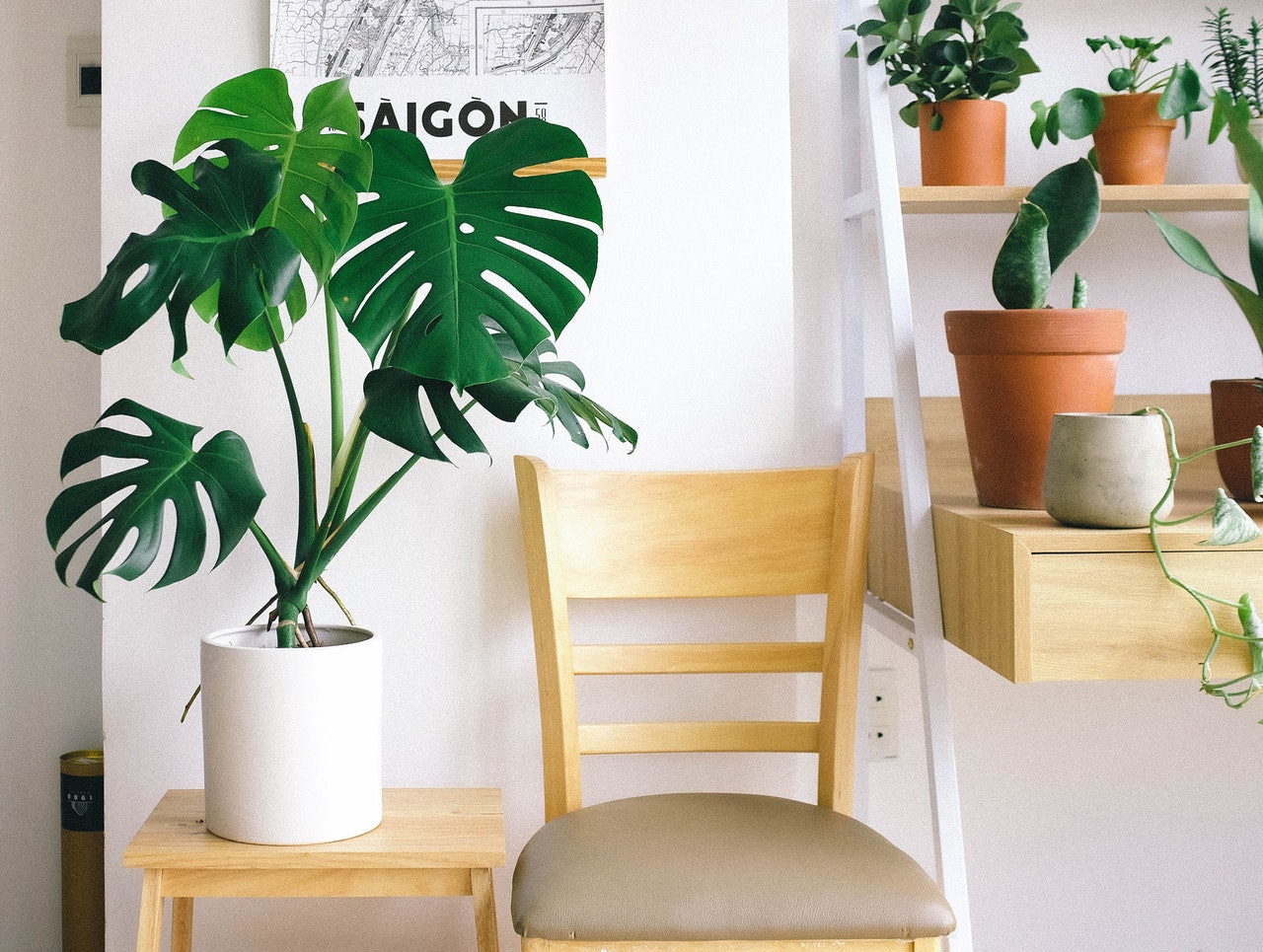
If you’ve fallen in love with wide, leafy prints on your clothes and decor, the leaves likely resemble the monstera plant. It has a trendy shape and a gorgeous shade of green that will look perfect in any bedroom.

Monstera plants work well with nearly every interior design scheme, so it’s very versatile. The plant is also famous for growing around two feet per year, so give it plenty of space to reach up and out of its pot.

2. Ferns in Your Bathroom

Bathrooms fluctuate between retaining warmth after a shower and becoming cold in the winter. The air’s humidity also changes every time you turn the water on. Ferns can handle all of that with ease. They’re hardy and need just a few hours of light per day, so hang one from your ceiling or place it on a shelf to add some greenery to your bathroom.

3. Hibiscus Flowers in Your Sunroom

Many people want beautiful flowers in their homes. If that’s what you’re daydreaming about, consider nurturing some hibiscus flowers. They come in a vast array of colors, which might provide the pop of character your home needs. Think about growing hibiscus flowers in your sunroom to give them the light they need every day.

After placing your potted hibiscus flowers in the perfect sunny spot, remember what kind of maintenance they will require. Since hibiscus plants put out flowers, you’ll need to clean up any old blossoms and leaves. This will encourage more consistent and beautiful blooms.

4. Peperomia in Your Guest Room

Bold and waxy peperomia foliage makes it perfect for any guest room. People with different aesthetic preferences love this plant because it’s a dark-green foundational design element. Water yours once a week and keep it in indirect sunlight on a dresser or shelf to ensure its best chance of survival.

5. Aloe in Your Nursery

If you’re designing your future child’s nursery, you’ll likely want soothing motifs and colors woven into the room. While comparing paint swatches and fabric samples, don’t forget that a baby’s nursery is a perfect place for plants like aloe vera.

Aloe plants contain a healing gel that soothes any irritation. Although your baby may not need that kind of help until they start exploring, the sight of an aloe plant is calming. It’s the exact design element nurseries need to create a relaxing and welcoming vibe. Place yours in direct sunlight and watch it grow alongside your infant.

6. Herbs in Your Kitchen

Growing plants in your kitchen may seem like common sense. You already have vegetables and fruits in your fridge, so why not add a few potted plants?

Indoor gardening enthusiasts often find it easiest to grow herbs by a kitchen window rather than flowers or foliage. Herbs like mint, rosemary, and chives don’t require much room, so they’ll fit perfectly on your windowsill or counter space.

7. Gasteria in Your Office

Gasteria is a type of succulent that’s excellent for home office spaces. It doesn’t need much soil or room to expand its root system, whether it grows on your desk, bookshelf, or a hanging planter. Gasteria is also one of the many succulent plants that purify the air around them by taking in impurities and expelling oxygen.

8. Air Plants in Your Dining Room

Anyone who wants to grow a few indoor plants but doubts their gardening experience can start their greenery collection by adopting air plants. They can sit on any surface because they don’t need pots or dirt.

Spray them with a light watery mist every few days and they’ll remain as beautiful and colorful as the day you bought them. Position them in darkened dining rooms or as centerpieces on your table to create greenery arrangements that would be more challenging with traditional plants.

Find the Best House Plants For Each Room

These are some of the best indoor plants for different rooms in your home, so you have many options to choose from. You might like dark shades of green foliage or opt for colorful flowers. Either way, you’ll find endless indoor gardening success by placing these plants in these rooms because the environments will cater to every plant’s needs.

Author

 Evelyn Long is a Baltimore-based writer and the editor-in-chief of Renovated. She publishes home decor advice and product roundups for readers in spaces both big and small.

How To Prevent Flood Damage In Historic Homes


Historical homes provide a charming aesthetic, although they are more vulnerable to flood damage. Older structures often have minor cracks on the roof, walls or flooring, making the interior more susceptible to water accumulation. Here are tips to prevent flood damage in your home.

1. Evaluate Your Drainage System

The drain should be sloped away from your foundation. Redirect gutters so water flows toward the street, preventing it from accumulating near your foundation. A build-up could lead to potential mold and a weakened structure.

In addition, clear out debris and leaves from the downspouts so moisture doesn’t build up. You can also install backwater valves to prevent water from entering your house.

2. Try Dry-Proofing Methods

Dry-proofing is where you seal your exterior to protect against floods. One method is adding flood shields to doors for better protection against heavy downpours. You can also raise the threshold of your entryway to prevent foundational issues. Be sure to seal around doors and windows tightly. Keep in mind older windows have larger openings to let in more light.

You can strengthen any masonry walls to withstand heavier pressure. However, if you ​​create a permanent installation, it must be compatible with the property’s historic character.

3. Decorate With Flood-Resistant Materials

Flood-resistant materials can withstand prolonged water exposure with little to no damage.

Make sure to add these to the underside of your home. Does your home need a renovation to create a more updated look? This is an excellent opportunity to add flood-resistant surfaces.

Here are a few materials to consider using:

  • Concrete
  • Clay tile
  • Brick
  • Pressure-treated (PT) resistant lumber
  • Polyester epoxy paint

Be sure to enclose any wall cracks with waterproof membranes or other sealants.

4. Raise Your Appliances and Utilities

Keep your appliances and HVAC system at taller heights whenever possible. Begin by determining your base flood elevation (BFE), which is how much the water level is anticipated to rise during an annual flood. This date is on the Federal Emergency Management Agency(FEMA) website. Make sure to raise your utilities above that level.

Be sure to elevate electrical wiring as well. This can prevent damage and potential electrocution. Also, turn off the home’s power systems if floodwaters rise.

5. Move Your Furniture Around

Take stock of your belongings and secure them as safely as you can to prevent potential water damage. Move high-value items to the upper levels. You can temporarily store a few things in your home’s attic. For example, do you have antique sofas or lamps you want to preserve during a period of rainy weather?

If you are accustomed to a storm season or rainy season, you should also be prepared to limit the furniture you keep outside. Taking in patio furniture, planters and other items for a few months can give you some peace of mind should flooding be a problem.

6. Have a Contractor on Hand

You want to restore your home as much as possible after flooding, especially historic homes with lots of charm. Have a trusted contractor on file and retain their number, which can help save time in an emergency.

Insurance companies will often work with general contractors during the claims process, which is why you must have somebody you can trust. Ask friends for references and research credentials before hiring someone. Make sure you interview multiple contractors as well.

7. Elevate Your Home

Raising your house on stilts or piers can protect against intense flooding by preventing water from seeping into your foundation. It also gives you time to move furniture around before the water level rises too high.

Contractors separate the frame and masonry veneer from their foundation during this process. Then they’re raised and kept up with temporary support. Finally, the new extended foundation is constructed below. Ensure you preserve the historical exterior features, such as wood siding. Also, check with local historical preservation societies to see if structural changes need approval.

8. Maintain Your Lawn Properly

A well-kept yard can elevate your home’s curb appeal and complement the charming exterior of older homes. You can use specific lawn care techniques to prevent flooding as well.

Use heavy soil with clay and sand so the surface runoff water empties into the street gutter. Also, leave plenty of room between your mulch and siding. Installing a rain barrel can help catch runoff water from the roof.


Tips to Keep Your Home Protected

Severe weather can be a problem for many homeowners, and preserving the beauty of a historical home is often a concern. Follow these steps to keep your property protected for years to come.

Author

 Evelyn Long is a Baltimore-based writer and the editor-in-chief of Renovated. She publishes home decor advice and product roundups for readers in spaces both big and small.

7 Tips To Choose The Right Door For Your Home

https://unsplash.com/photos/pMY1mpaaUAs

You’re thinking of sprucing up your home, and you’ve decided that doors are a great place to start. You’ve made an excellent choice! Doors are frequently overlooked when remodeling, but they can make a huge difference in the appearance of your home. Of course, it can be a bit of a project narrowing down your options. There are as many doors as there are personalities, and picking the right ones for your home can seem daunting. There’s size, shape, color, style, hinge type, knob type…the list goes on and on. But with a little planning, you can make sure your doors fit perfectly within your budget, your lifestyle, and your decor. Read on to learn seven tips to make the right choice!

1. Set a Budget

Before you start looking, figure out what your budget is going to be. This is one huge step you can take to narrow down your choices. Interior doors start at around $50 and go up from there (in some cases, way up!). Having an idea of your overall budget will allow you to break down your budget per door. You may want to spend more or less depending on door placement. For rooms where soundproofing is important (think bathrooms and bedrooms), solid core doors are the way to go. But for rooms such as closets and pantries, a hollow core door can save you serious money.

2. Consider Your Style

You can’t go wrong with a standard white raised panel door, but you’re not going to be making any kind of statement with it, either. Instead of opting for the norm, think about your style preferences and consider finding a door to match it. Do you like a mid-century modern look? You may want to go with flat panel doors to get that 1960’s vibe. Are you into the country-chic look? Consider using a sliding barn door style in a room or two. Do country French cottages inspire you? Arched doors give that provincial feel. Whatever style you choose, just make sure it fits with your overall decor!

3. Think About Space

If space is a concern, pocket, sliding, or folding doors are a great space-saving choice. Bedroom closet doors are a great place for folding doors. Another space-saving idea is a pivot door that splits the width of the door between two areas, or smaller French doors that only take up about half the space of a regular door when open.

4. Pick the Right Material

Doors come in myriad materials, but the most common are wood and MDF (medium-density fiberboard). Wood is sturdier, great for staining, and an excellent choice for soundproofing. But it tends to be more expensive and difficult to paint. MDF is typically less expensive, lighter, and easier to paint. However, it can’t be stained, and it’s not the best choice if you are soundproofing a room. These days, there are many composite materials available if there’s a special issue you’re looking to solve (such as smudge resistance) or a specific look you’re going for (such as a more glossy modern style).

5. Make a Statement

https://unsplash.com/photos/QR_vT8_hBZM

Most doors in your home will be similar in style, but they don’t all have to be. Consider a single area to do something fun. Common accent doors include pantry or closet doors, or doors between a kitchen and dining area. Use these doorways to make a real statement with etched glass or saloon-style swinging doors. Want to get creative? Add color to your doors or frames. Use door color to add continuity from another part of your home. Or create a dramatic entrance by using a bold color on your front door!

6. Don’t Forget the Hardware

Door hardware can be as important as the door itself. The right knobs and hinges add not only style but also serious functionality to your doors.Soft-closing door systems can prevent doors from slamming in a cool breeze. Quiet hinges can keep you from waking your loved ones when you close a door late at night. The aesthetic of hardware can completely change the look of a room. If you’re on a budget, you may consider changing the hardware on your existing doors rather than getting all new doors. It’s an easy way to spruce up a tired look.

https://unsplash.com/photos/Nd1w4VV2–g

7. Get Creative!

The last thing to remember is not to box yourself in. Try going to a flea market or a salvage yard to find an old door that will add a vintage pop to your decor. Or consider making a door out of reclaimed wood. Finally, you can find ways to creatively spruce up your existing doors to make unique statement pieces for your home.

Whatever you decide, upgrading your current doors will bring new life to your home and be an investment you can cherish for years to come!

8 Ways Helping Others Can Benefit Your Health

unsplash.com/photos/v2uKKL0vnNY

Many people are unsure when it comes to volunteering as they don’t really see how they can help others. However, you oftentimes don’t need any special skills to be of assistance, as many things can be learned along the way and people in need are more than welcome to receive any kind of help you are able to offer. Volunteering opportunities abound and you can choose from helping people, animals, and the environment. Whether you decide to build houses, teach kids, help with medical issues, rehabilitate animals, or something else, you will not only be helping others but yourself as well. Here are some amazing benefits of volunteering.

You will get a new perspective on life

First and foremost, aiding others that are in need can help you gain a better perspective on life. For instance, maybe you think your current circumstances are really bad and you don’t know how you will get out of it, be it the fact that you’re not happy with your job, can’t find a partner, or something else. However, once you see other people who are struggling with much bigger issues, it can put things into perspective for you. Perhaps you are completely healthy, have a roof over your head, and have plenty of friends. People that you will spend time with while volunteering might not have any of those things. Individuals from all lines of life are fighting their own fight and you might realize that your problems are nothing compared to what others are dealing with. That is not to minimize your experiences but simply to show you how lucky you might be without even realizing it.

You will feel like you belong somewhere

In addition to changing the way you think about your life, volunteering can also help you feel like you belong somewhere. If you’ve always felt out of place or couldn’t make friends easily, perhaps this is what you were always meant to be doing. When helping others, you might work in a group of people that have similar interests, which means that you might have plenty to talk about and end up with life-long friends. Even if you make just one friend, it would be worth it, don’t you think? Moreover, perhaps teaching kids will show you that education is the right career path for you and fundamentally change your life.

unsplash.com/photos/9VpI3gQ1iUo

You will be less lonely

Opting for volunteering alternatives that aim to help other people means that you will not be on your own. If you often feel lonely, choosing to help those in need can help you alleviate your loneliness. From working with kids and witnessing how happy and carefree they can be to being a part of a team that builds homes for the underprivileged and talking to other volunteers, there are different ways how assisting others will get your social needs up and prevent you from isolating yourself. Even if you care for someone on your own, having these face-to-face interactions means that you will not be by yourself all day long.

You will experience mental health improvements

Being around people can also improve your mental health in various ways. For starters, not being on your own all day long means that you are less prone to loneliness and depression. Developing strong bonds with others lowers your risk of being depressed too. This is also a great way to relieve stress and anxiety. Besides helping people, helping animals can have a positive effect on your mood as well. Research shows that taking part in various volunteering activities releases feel-good hormones that increase our happiness levels.

You can feel satisfied and accomplished

Volunteering with people and animals is a great way to feel more satisfied with your life. If it seems like your life has no purpose, helping others will show you that what you do matters. Fortunately, there are countless places where you can volunteer abroad and learn more about different cultures while helping those in need. Regardless of whether you’re providing someone with medical help, building them a home, or teaching them a new language, you are making a difference. This feeling of satisfaction and accomplishment can go a long way in making you feel good about yourself.

unsplash.com/photos/k3QuwsnSbkk

You can lower your blood pressure

Helping others can also have benefits for your physical health. For example, research suggests that people that provide other individuals with social support tend to have lower blood pressure. What is more, interacting with people and supporting them also helps with recovery from coronary-related issues.

You can live longer

Some studies have also found that people who volunteered for a few charities were more likely to live longer than those that were not involved in volunteering, even after taking into account factors like age, general health, and bad habits. Furthermore, even the elderly that cared for their partners, friends, and relatives had a longer life expectancy than those that didn’t.

You will help make the world a better place

Finally, you can take comfort in knowing that by volunteering you are making the world a better place. No matter if you choose to build homes and schools, teach kids and adults, help those will low mobility, provide food and clothes for people, work with animals, or do your part in environmental conservation efforts, you are making a change in the world that will not be overlooked.

As you can see, there are various ways how you can volunteer all over the world. By doing so, you will not only be helping others but experiencing various benefits yourself.