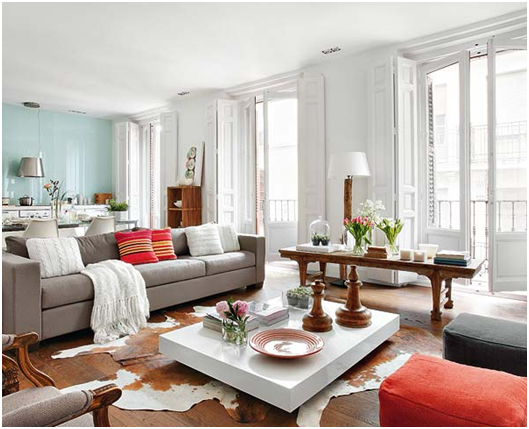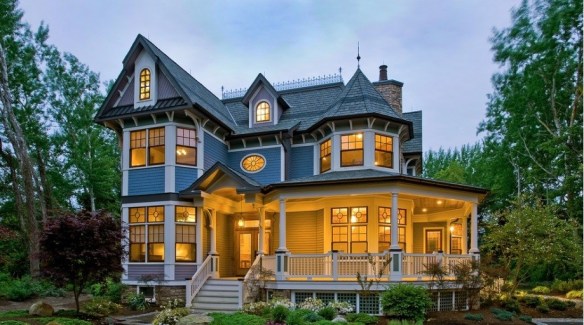
Greening Up A Historic Home By Zoe Clark

1Victorian homes are the most romantic and elegant properties to live in. There is so much history and enchantment hiding in their every cranny, nook and secret compartment. They are built in the distant period between the 1837 and 1901, so you see why it may be difficult for these houses to keep track of all the challenges the present day is placing in front of them. Although Victorian homes surely aren’t lacking a thing when it comes to refines of their architecture, there are some room for improvements in the area of energy-efficiency, which is something the architects didn’t have to worry about during the reign of Queen Victoria. So, if you are living in one of these old beauties, here are a few things that might help you with lowering your energy bills and reducing your carbon footprint.

Insulate the “Old Lady”

2

Has anyone ever told you your house is breathing? If your old home is older than a century, you can probably expect a lot of gaps between boards in walls and ceiling, as well as a few around the doors and windows. Seal them to prevent warmth from leaving your apartment (and coming in if we are talking about hot summer days). Later, you should add insulation to the attic. In most cases, you don’t even have to remove the existing layer before applying the new one. Examine the HVAC system to see if there is a need for sealing them.

Making Your Windows Greener

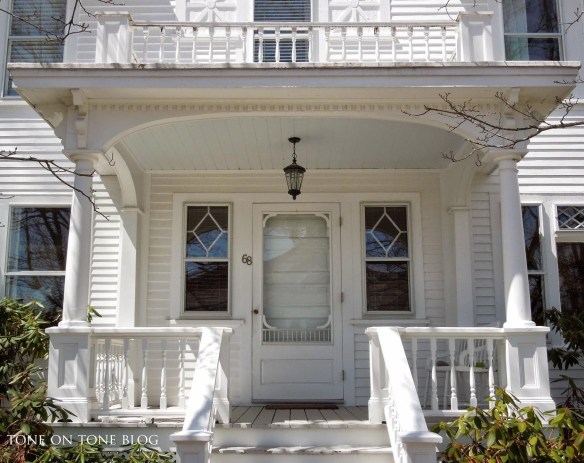
If you want to get more efficient windows in a new house, you should install double or triple glazed windows. With historic homes, the situation is a bit different. Removing the old windows and replacing them with the new ones would affect the historic appearance of the building. A neat alternative is to supplement your old windows with storm windows, so you can save energy without affecting the historic character of your property.
3

Use Energy-Efficient Light Bulbs

If there is one change you can make that is affordable and doesn’t harm the historic appearance of your house in any way, that is replacing your old incandescent light bulbs with compact fluorescent variety (CFL).

Replace Old Appliances

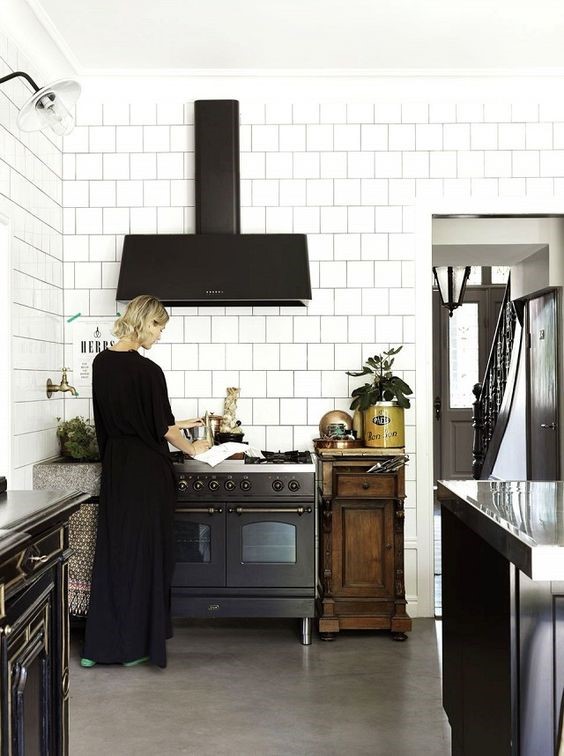
Just because your house is built in 19th century doesn’t mean you have to use an icebox instead of a modern refrigerator. On the contrary, because of the growing popularity of “vintage” you will find a lot of historically-looking appliances with modern features. Still, the most important thing to look for when searching through appliance stores are the Energy Star rated devices.
4

Control the Heating

Old homes are designed in times when each room was heated separately using open fires, which was more efficient than heating each room separately. The transition to a modern heating system did no good to historic homes and their heating bills. Address this issue by manually controlling the valves in each room, or by getting a programmable Wi-Fi radiator or installing a smart thermostat.

Reduce Your Water Consumption

Electricity is not the only resource that is being wasted in a non-energy-efficient home. Water can also be a great chunk of the monthly bills, especially if you are dealing with problems typical for older houses, such as water-guzzling showerheads and toilets, and leaky faucets. Replace them all with low-flow models, which are energy-efficient and can save you up to 77 percent of the water usage.

So you see, old houses can learn new tricks, but only when the owners are willing to invest time, money and effort in them. Sure, Victorian houses are a habitat to wish for, but that doesn’t mean they too don’t have their flaws. Do your best to improve them, so that they are bringing you more joy while taking less money from you.

Five Ways To Increase The Value Of A Victorian House By Mackenzie Fox

victorian houseIn today’s world, most homeowners cycle through a number of different properties throughout their lifetimes. That’s because a person’s needs can vary greatly according to age, income bracket and the total number of people in their household. It therefore becomes paramount for any homeowner to be able to maximize the value of their property at any given time. When it comes to period homes such those dating back to the Victorian era, the benefits of owning such charming abodes are offset by certain time-specific quirks and particularities that can really drive down a house’s selling price if left unresolved. To that end, here’s a list of suggestions that should help you increase the value of your Victorian home as well as improve your living conditions on the whole:

Restore the house’s original Victorian features instead of replacing them

A common mistake that many people make when purchasing period homes is assuming that an older house needs to compete with all the amenities offered by a new one. While older properties do indeed stand to benefit from being technologically up-to-date, this should never come at the expense of their own particular charms. Things like cast-iron fireplaces, sash windows and old-fashioned radiators are a plus in this situation, so take steps to restore or replace them with similar models instead of simply substituting them with contemporary items that are destined to look out of place in this environment.

Convert your loft into a livable space

Converting a formerly unused loft is one of the best ways to significantly increase the value of your period home. It adds an entirely new space that can be utilized by prospective homebuyers, which definitely makes it worth investing in. If your space up there is too cramped to add another bedroom, try converting it into a workout or hobby room instead.

Eliminate outdated plumbing and electrical systems

No matter how sturdy and well-built they are, most period homes will invariably show their age when it comes to plumbing and electrics. From old wiring to lead pipes and a general lack of electrical outlets, there are a number of problems in older homes that can drastically affect their overall livability. Eliminate them for good by hiring quality contractors who can handle the delicate rewiring and pipe replacement procedures that will have to be tackled. This step can be quite costly and time-consuming, but it’s an absolute must if you want to bring your Victorian house into the 21st century.

Spruce up the property’s exterior

First impressions are crucial when it comes to determining the value of pretty much any property, which is why it pays to make some timely investments in your house’s exterior. Some of them, such as repainting your windowsills or tending to the garden, will be cosmetic in nature, but others will have a direct impact on the house’s utility bill. To give just one example, properly insulating your walls and roof can prevent heat from leaking out during the winter, and thus save you a considerable amount of money in the process. As always, be sure to respect the house’s Victorian heritage. For instance, replacing traditional sash windows with modern UPVC windows will only serve to muck up your property’s image and therefore reduce its overall value.

Invest in appropriate furnishings

Finally, no period home would be complete without some truly appropriate pieces of furniture. Luckily, good quality period furniture can be found at relatively low prices if you know where to look and generally tends to enjoy a longer lifespan than most modern furnishings. This doesn’t meant that you have to stick exclusively to one style of furniture, but you’d do well to only look for pieces that fit well together and refrain from modern minimalist items that would stick out like a sore thumb.

As you can see, it doesn’t take much to transform a Victorian house into the home of your dreams. By simply applying all of the aforementioned tips and tricks, you’ll be restoring your property to its former glory and helping maximize its market value at the same time. Thus, anyone who ends up staying in it will get to enjoy all the benefits of living in a unique environment with none of the drawbacks usually associated with such places.

~Written by Mackenzie Fox – All Rights Reserved

Tips For Embellishing An Open Floor Design By Diana Smith

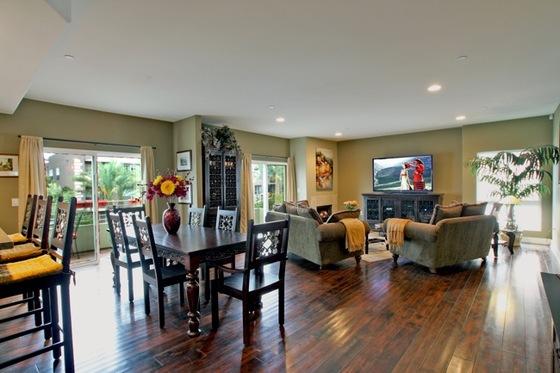
Anyone who wishes to incorporate a contemporary touch into their home design can do so by simply embracing the commodity of an open floor plan. Of course, a layout such as this one also gives you the opportunity to try out your artistic endeavors and experiment with various decoration techniques. These few tips can give you just the amount of inspiration to get you started.

Play With Lighting

aaaaa

One of the best aspects of having an open floor plan is learning how to implement and play with different kinds of lighting. A design such as this one requires a fair amount of illumination and like that can tolerate a different combination of lighting features. Other than the fact that an open floor plan makes a perfect setting for ceiling to floor windows and skylights, it goes quite well with dramatic and recessed lighting fixtures. A dramatic chandelier can greatly illuminate a space, but also give it a stylish touch, while smaller pendant fixtures can easily draw attention to individual spaces.

Roomception

The idea of creating a room inside of a room might seem a bit uncanny, but it’s actually quite doable and very much desirable in a layout such as this one. An open floor plan gives you the opportunity to combine certain spaces and rooms and create multipurpose areas. This can be achieved quite easily by visually separating the spaces and giving them a subtle transition zone. This way you can easily blend together a family room, dining room and the kitchen while preserving your original sense of style. Another way to achieve this concept is to add levels, i.e. create a split level room.

Incorporate Color

wonderful-living-room-design-with-exciting-glass-ceiling-skylight-and-contemporary-leather-chairs-and-exciting-open-floor-plan-floating-staircase-ideas

The use of color has always played a major role in interior design as it has the ability to transform the complete space, create an illusion of a much broader or smaller space, but also put accent on certain places and connect or divide a room. This is why it’s crucial to learn how to smartly incorporate color into your open floor design. One of the options is to apply a neutral foundation and permeate the whole space with touches of bright and vivid hues. Another option is to use different shades of the same color in separate spaces. This will create a subtle and soothing transition between the rooms, without adding a distasteful and splashy vibe to the space.

Choose a Theme

While a theme surely isn’t a necessary component, it can greatly aid you in the choice of your decorative pieces and other accessories. Placing too much different decorations can create a rather unappetizing setting and make it appear quite confusing. This is why the best solution is to rely on details within the same style or at least the same color, texture or pattern. This way you can easily interconnect the rooms and place items such as vases, sculptures or paintings in similar shapes or sizes. Area rugs are one of the best decorative pieces, as they have the ability to connect or even desalinate the space.

Separate By Zones

While a spacious area with lots of room and lighting seems like a great idea, sometimes these broad spaces can take away the personality and intimacy out of the space. This is why people rely on some subtle but yet effective solutions for separating the rooms into different zones. Some of the most popular options are using transparent divisions such as sliding glass doors or stylish bi fold doors. Another option is to use folding screens, drapes or even creating green walls.

In the last couple of years, an open floor plan has become an essential part of a modern household. Not only does this layout give the household a broader sensation, but it also provides a great space for entertainment as well. With just a few simple hacks and a clever use of imagination, an open floor plan can easily become your fairy-tale palace.

Five Must Have Furnishings To Sprung Up Your Space

When space is limited or there’s not enough cash to redecorate a home, the only option left is to make small but significant changes. Believe it or not, a redesigned coffee table in the living room, or a new rug in the bedroom can instantly change the overall appeal of a space. It’s all about making sensible choices, especially when you’re on a budget. Spice things up in your home and give it a whole new appeal with the following 5 key furniture items.

  1. Coffee table

Living areas without a coffee table look dull and incomplete. In case you have one, but it doesn’t draw any attention, you might want to redesign it. This item of furniture should be the center piece of your living room. However, to make it stand out, you need repurpose it. Rather than use it to stack all kinds of things – usually mugs, remote controls, kids’ toys – why not transform it into a glamorous décor nook? Place an oversized flower vase in the middle, and add seasonal flowers. Choose contrasting colors to make guests immediately look at your table when they walk in. Place a silver tray right next to the vase, and include small, but useful, accessories such as: an ashtray, candles, candy bowl, etc. Last but not least, adorn your table with magazines: fashion, lifestyle, even travel magazines are the best.

furnishing

  1. Oversized mirror

Nice mirrors are not cheap, so you might want to know that beforehand. However, they are required in all corners of the home including the hallway, bedroom, bathroom and living room. They’re extremely enticing because they welcome in more natural light and they open up small spaces. A huge Victorian-style mirror placed above the sofa in the living room will instantly draw attention. Choose an interesting golden frame to make it stand out, and your room will appear a lot more glamorous and welcoming to guests.

  1. Nightstands

Nightstands are suitable in the bedroom. In fact, they’re fundamental! Make your sleeping nook seem more comfortable with stylish nightstands. Adorn them with matching lamps, books and candles, and transform a boring bedroom into the most relaxing area of the home. Make sure they have drawers so that you can keep things organized. If you can afford to spend a bit more, choose glass nightstands to help reflect more natural light, and open up the sleeping area.

furnishing1

  1. Window treatments

Homes without curtains and blinds look dull. It is important to make sensible choices when replacing old window treatments. First and foremost, you need to settle on top quality fabrics. Egyptian cotton, silk, linen and even organic bamboo are excellent choices. Second, pick a design that compliments with your home décor. Patterns, stripes, dots are all in trend. Last but not least, make sure the curtains are properly fitted. Made to measure roman blinds, and top to bottom curtains are the most recommended. They will make your room look spacious, elegant and luxurious.

  1. Chic armchairs & seating area

A seating area by the window is a great piece of furniture. Make yourself a reading nook in the bedroom or living room, and give your home a functional purpose. Armchairs are equally advised. However, make an impression with matching chairs in a more avant-garde or minimalist style. Decide on a striking color palette. Pure white, striking yellow and even black will transform a simple room into the most elegant room of the house.

furnishing2

Decorating a home on a budget is not that challenging, and providing that you settle on some priorities you can make some huge changes without spending a fortune on expensive furniture. Statement pieces, blinds and rugs are ideal options to consider whenever you want to make a revamp a room with under $500.

Common Problems In Victorian Homes: House Of Haute Style Or Horrors By Zoe Clark

1Ominous yet romantic, Victorian homes are a living example of timeless elegance and longevity, which is one of the main reasons why houses dating to this era are extremely popular among homeowner hopefuls. Still, every piece of property has its perks and downsides, and the same is true of Victorian homes. Underneath their beauty and complex trims, houses built in the second half of the 19th century can hide serious hardware issues, which is why home buyers need to be extra careful when inspecting their home-to-be with over 100 years under its belt. Here’s a brief list of the most common problems lurking beneath lavish Victorian frills to help you tell a money pit from the real value deal.

1. Weak-legged Victorians

Foundation issues are all too real a problem in old houses. However solid, the base of many a Victorian home can shift due to land subsidence, resulting in further structural hitches such as cracked or bulging walls, door and window defects, and even plumbing and wiring problems.

When inspecting your future love nest, look for floor and wall flaws, door and window latching problems, and foundation chipping or flaking. In case you detect signs of foundation glitches, a structural engineer may need to step in and see whether, where, and how the damage can be repaired.

2. It never rains but it pours

2Roof defects are a chronic problem of old property, and Victorian homes are not an exception. Leaks, faulty flashing, missing shingles or tiles, and poor insulation upstairs are red flags which you shouldn’t ignore when looking for a place to settle down.

During preliminary home viewing, check the walls and ceiling for signs of staining and peeling paint that may point to water intrusion. Broken or damaged roofing material can be replaced, insulation can be upgraded, and flashing flaws can be taken care of, but you’ll need to be aware of the total repair costs before you can call the property a home-sweet-home.

3. Budgeting down the drains

If the basement of your Victorian property find is smelling a bit worse for old age, it may be a good idea to check it for signs of mildew infestations. Mold and musty odor below ground level can point to plumbing faults, perimeter and underfloor drainage issues, or even foundation waterproofing hitches, which you’ll need to tend to and upgrade to contemporary standards before you move in.

In case you smell trouble in the basement, hire a professional to conduct a thorough inspection and estimate the upgrade scope and cost. This will help you get a better image of the post-move repair and upgrade expenses which play an important role in initial capital required to make the place livable.

34. Marrow-chilling prospects

Victorian doors and windows do look spectacular, but unless they’ve been updated in the past decade, you’ll probably need to have them checked, replaced, or repaired before you drop your gear on the floor.

When inspecting your future Victorian-age property, take a quick look at the frames, panes, and surrounding insulation: stains, cracks, mold, and other forms of damage can add a few figures to the post-purchase update bill. Also, be aware that certain features of an old home can’t be remedied due to their historical value – which is a real deal breaker.

5. Looming layout layovers

4Victorian homes usually have narrow hallways, tiny kitchens, tight and steep staircases, and modestly sized bedrooms, which can be problematic if you’re set on buying property for house flipping projects that promise a big bang for your buck. Modernizing a true-blue Victorian home will probably require extensive layout redrawing, and such endeavors are by far the costliest update in the fix-ad-flip lot.

For this reason, be very careful when selecting old houses to flip: Victorian charm is an asset only if the renovation doesn’t involve comprehensive floor plan changes and wall relocations.

Modern Victorian style is in – but the fact that antique houses are currently in high demand on the real estate market doesn’t mean that just about every old place is worth your cash. Double-check the critical property points before you sign the contract: a little extra care and inspection can save you thousands in the post-purchase update process. Good luck!

Author bio:

Zoe Clark is a journalist, freelance stylist and blogger. She is a visual storyteller and aesthetician by heart who often writes about decorating and DIY ideas. She loves sparking creativity in people and giving them ideas for their own spaces.