My Cluttered Life – Part 2

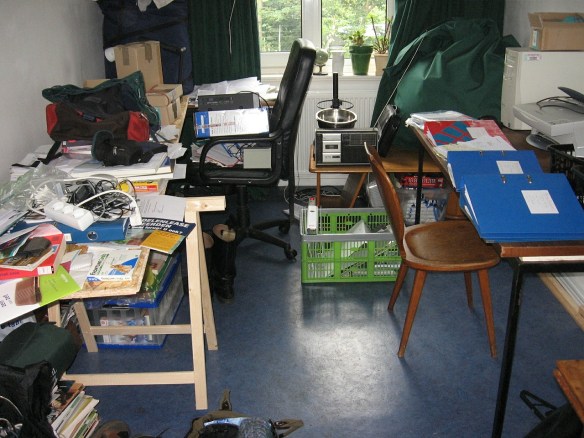
I can’t tell you the number of items I find around the house that were purchased and either weren’t what I was looking for, didn’t fit just right, or just decided I really didn’t want anymore. They get put down with the intention to return.

Sometime attempts get made to do the return but where is the receipt? If I can’t find the receipt you get store credit and, well, I really want my money back. So it sits, in a pile, until its too late to return. Now what do I do with it? Sigh….

If it really can’t be used it either needs to go to the trash or in a container to be donated. It can be given to a friend or family member, as long as it goes out of your home. A big rule: No holding or storing items for others who do not live with you.

Lots of money is waited this way. I wonder if you took one popular store and added all the sales of product from that store that were never used and had had intention to be returned but ended up in a death pile in someones home would tally up to. Shivers…

So not much can be done for these items once they have been in your possession for a period of time but to donate, five away or trash. But, what can I do to prevent this from happening again in the future. Here is an approach I have developed to keep this from happening.

Get a zippered pouch and keep it in your car and get in habit of putting receipts in the zippered pouch so returns are easy. If you find you need to return something put the item back in the store bag with the receipt taped to the item so it does not get lost and put it in your car. Next time you go to that store or drive by that store do the return.

Make sure you regularly purge your zippered pouch of receipts after a certain time goes by when you can’t usually return, like 90 days, unless you need the receipt for a warranty.

Since I have got this habit it makers returns easy, it keeps a pile from developing and I have not once had to dig through the trash to find a receipt.

My Cluttered Life – Part 1

It has come to a time in my life that I have had an epiphany to the fact I hate clutter. I hate to move it around, to look for certain items and I certainly hate it to move from one place to another. I have started a quest to rid my life of excess. Don’t get me wrong I do like my stuff, but there has to be a line drawn in the sand.

So I am going to start writing a series of articles about clutter and for some of us hoarding. I will also talk about purging and cleaning and freeing yourself of the burdens ‘stuff’ brings to your life. You can follow these articles under the category ‘My Cluttered Life’ on the side panel of this blog. I will write every now and then. Some will be short and sweet with tips and tricks. Some will be an accounting of my goals and I want you to use them to help make your life a bit more free.

So, I just moved. Not far away but we moved from a temporary townhouse into a house so everything is now in one place. We moved from Rio Rancho, NM to West Jordan, UT (think Albuquerque to Salt Lake City areas). We moved from a house to a townhouse until we got established and figured out exactly where we wanted to live and where work would be. It took us two years. Yes, that temporary housing didn’t end up being so temporary. That caused a problem.

When I moved up here thinking it was a temporary move I packed accordingly. I packed stuff for a storage unit and packed stuff to live with for a few months. I figured I would keep things to a minimum that we were living with and I would handle it. So, most of everything went into storage. But when you live in a home for two years you need stuff (Yes, that temporary thin ended up to be two years). So, instead of digging through a three car garage packed very tight we just bought new. Now everything is in one place we have duplicates and lots of them.

This was the first step to make in my series of articles I am writing. I do not need two of most items. So out went ten good sized boxes that were just literally picked up by Big Brothers Big Sisters. It feels good to pass on items that were perfectly good to someone who could use it while it benefiting a worthwhile charity and in turn freeing up space in my home. I am sure I will find more duplicates as I move through the house but that is alright. I can make another large load to donate or take a box at a time to a local thrift store.

My strategy now is to go to one tote to another. Discard things that are no longer in working condition, broken or just not wanted anymore. I am also using labeled totes to put things that are ‘I don’t knows’. When I am done going through the house I will take one of these totes at a time and everything in the tote will find a home in my home or it will go to the trash or donate. Will write another article on the flip side of doing this. See you all then.

4 Things Every Children’s Bedroom Needs

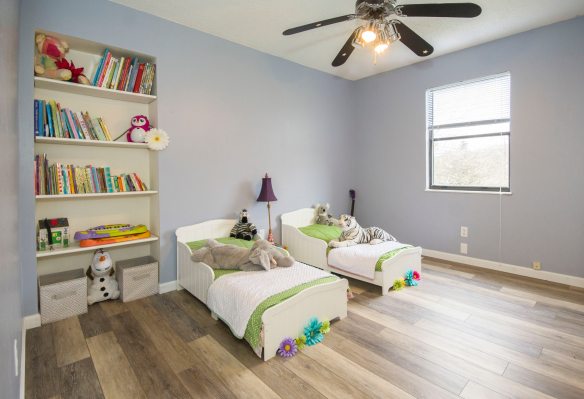
As we love our kids so much, we often strive to give them the best of everything that we can. After all, your little princess or prince is the most important person in your life. Aside from teaching them responsibility and discipline, they also deserve the royal treatment. Why not start by redesigning their castle i.e. their bedroom? As your child grows you’ll get new opportunities to decorate their room, meaning that now you have the full freedom to experiment with the design. Of course, it can be easy to get carried away when you start having fun decorating, so here is what every child’s bedroom actually needs.

1. A personal touch

Without a personal touch, your kid’s bedroom will end up looking cold and generic. You don’t want all that hard work to be for nothing, so a touch of warmth will go a long way. Personal touches can be introduced to the room in many ways. The more unique you are, the better. One of the best ways to bring warmth and love through touch to your child’s room is to let them help with decorating. This may be a fun project for you, but children have a special way of looking at things.

When painting the room, you can let your child paint their palm in a different colour and press it to the wall. Then, let them sign their name in paint next to the palm print. That can be their unique stamp on the room. Just make sure to use non-toxic paints for this project. As well as that, you can look up some interesting DIY projects and create personalized room décor with your kid.

2. The bed

The bed might be the most important part of your child’s bedroom. You may think that you can just get any frame and mattress and be done with it, but that’s not all there is to it. Picking out the perfect bed will tie the room together better than anything else. As well as that, this is the most functional piece of furniture you’ll buy for their bedroom, so you need to make sure it’s comfortable and high quality. Ideally, you want to invest in a good bed that they won’t outgrow and that won’t succumb to wear and tear any time soon. That’s why it’s always a good idea to read a few bed buying guides before you make your purchase.

As well as the quality of the bed, the position is important too. Where you place the bed will set the tone for the whole bedroom. Placing it next to the wall makes for more playing room and concise design, but centre-placement often makes the room look warmer and more complete.

3. Toys!

No children’s room is complete without the toys. After all, their magical bedroom will mean nothing to them if they don’t have anything to play with. Toy shopping is also a great opportunity to learn something new about your kid. You’ll be up to date with their interests and will get to see exactly how their little brain works. As well as that, you’ll be working on their creativity.

You should look for quality kids toys in all segments. From art to sport, from dolls to toy cars, your kid should have a little bit of everything to play with. This way, you’ll expand their mind and interests and do wonders for their creativity. The quality of the toys will have a lot to say in how much their interest is sparked, so don’t be afraid to splurge a little.

4. Don’t neglect the walls

The walls are your biggest canvas in any room. When it comes to your child’s room the sky is the limit in wall decoration. Depending on your budget, you could go from painting the room together to incorporating lots of fun gizmos. Your goal is to create a room as colourful and cool as you can. You can start this by painting every wall in a different colour.

If your child is artistic, you can create a drawing section on one of the walls where they would be allowed to create their own art. Those who want to go a step further can easily put a blackboard over the wall surface and let their kid’s imagination run free. A wall blackboard may also be useful for making to-do lists and writing important things down.

Conclusion

Some parents think that going all out for a childhood bedroom is unnecessary because children grow, but what they don’t realize is that they’re giving their child memories they will cherish forever. From being involved in the design process to spending innumerable hours playing in their magical room, the experience is bound to stay with them well into adulthood.

Getting Real: What’s The Deal With “Curb Appeal”?

Once you get your house hunt on, you’ll undoubtedly start hearing lots of terms getting thrown around. From “pre-approval” to “closing costs”, it can be tough to suss out exactly what all of these things mean, especially if it’s your first time looking for a home.

This time, we’re tackling “curb appeal.” Everyone kinda gets it, but really, uh…what is it? No matter if you’re just starting out or have been on the market for a bit, sometimes a little clarity can go a long way.

What is curb appeal, exactly?

Simply put, it’s a first impression.

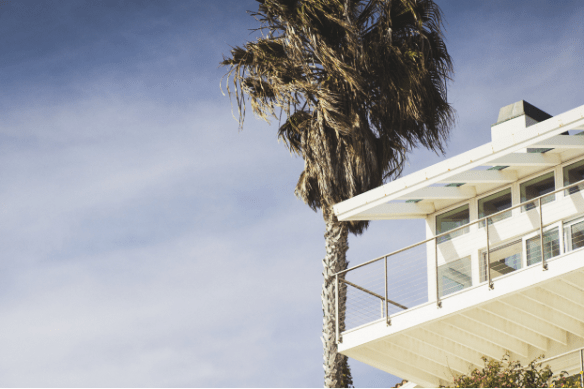
Like it or not, the way that a home looks from the street can have a huge impact on our overall opinion of it. Similarly to how you would put your best foot forward on a first date or job interview, homeowners–especially those in the market for a buyer–often put extra effort into making their home’s exterior look good.

In real estate terms, curb appeal can be anything that adds either functional or aesthetic value to a home’s exterior. As the buyer, you’ll want to factor these types of details into your home search. As you look at listings, make sure to keep an eye out for elements of curb appeal and to make a note of how they sway your opinion on the home.

That being said, it’s important to keep a balanced perspective. Sometimes curb appeal is not indicative of what a home will look like once you head inside, so it should never be used as your single determining factor for whether or not it’s worth taking a look at a home.

Key factors to look for

Now that you know what curb appeal is, it’s time to get a little deeper into the different elements that go into creating a home that is aesthetically pleasing from the outside.

Typically, these items can be divided into a couple of different categories. They are:

  • Structural Items: Be sure to take a look at the condition of things like the home’s roof, gutters, and siding. While aesthetics are good to have, functionality is arguably more important. Evaluate if these items look well-maintained or if they will probably require some work to get up to snuff.
  • Landscaping: How does the overall landscaping look? Has the lawn been mowed recently? Are there any trees or bushes that look like they may need pruning? Did the seller put effort into decorative landscaping with flowers and plants? Landscaping upgrades and maintenance can both add up.
  • Functional Elements: If the home has any functional elements like a pathway to the front door or exterior lights, take a moment to evaluate those, as well.
  • The Entryway: The last element of curb appeal is the entryway. Ideally, the front door will look especially inviting. Has the front door been freshly painted? Are the address numbers predominantly displayed?

Again, these elements shouldn’t make or break your decision on whether or not to make an offer on the home. However, as you look at a property, it’s a good idea to take these factors into account since if you do decide to make an offer, they’ll be inputs into deciding what’s a fair offer price.

Consider the costs

At its core, curb appeal is actually a financial matter. One way or another, improved curb appeal does come with a cost.

A home that looks better from the outside will likely fetch a higher sale price than one without any of these small touches. However, if you decide to buy a property without these small touches, you may need to pay for them in the long run.

If you do decide to go with a property that’s a bit more of a fixer-upper, keep in mind that you don’t have to take care of everything all at once.

While some of the projects listed above are smaller, things like roofing and professional landscaping can end up costing thousands of dollars.

We suggest doing your research and budgeting carefully before undertaking any DIY projects.

But, boosting curb appeal also boosts equity. If you do decide to invest in some of these projects and improve the look and function of your home over time, you should see that benefit come back to you when you re-sell it. You’ll also find that you’ll take pride in enjoying your investment throughout the duration of your time in the home.

This article originally appeared on OpenListings.

Backyard Design Ideas For 2019

Living in a huge Victorian house is a dream of millions of people around the world, especially those who have spent all their lives regretting having been born 150 years too late. But, if you manage to find a cool Victorian house to purchase or rent, you’ll be in a position to turn all your wishes into reality, and all you have to do is maintain this house regularly and keep the high standard. One of the ways to do so is by focusing on the backyard and investing your energy and time into turning it into the best backyard in the world. If you too are planning on doing that sometime in the future, but still lack ideas, here’s what you can do.

Mow the Lawn Regularly

Old Victorian backyards were meticulously maintained and taken care of more than we can imagine today, and that’s exactly what you need to do as well. Mowing your lawn and making sure it’s always in the perfect condition is the first step towards having an amazing Victorian backyard – or any backyard, for that matter.

First, learn how often you have to mow the lawn, then get a decent commercial mower and some professional mowing equipment, and you’ll be ready to turn your lawn into the best one in the entire neighbourhood!
Focus on the Focal Point

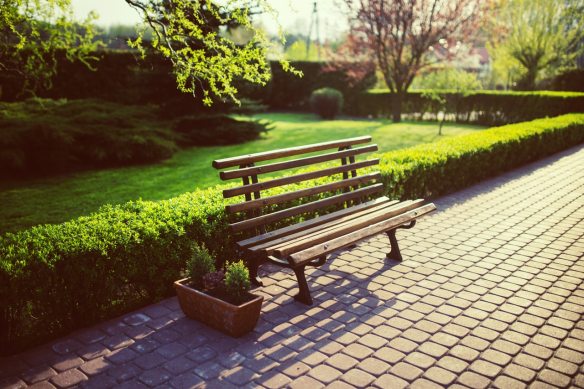
This used to be another thing the Victorians were particularly proud of – the focal point. Whether it’s a fountain, a huge tree or a display of colourful flowers, they invested their time in making sure it’s the best focal point they could make.

The benefit of doing that is having something memorable in your backyard that will draw the attention of your visitors and show them just how much you care for your outdoor space. Also, it’s a way to add some class and elegance to your backyard, and turn it into a space you’ll just love spending time in every day of the week.
Build a Deck

Adding a deck to a Victorian house can be rather tricky, and unless you do it right, this feature could easily ruin the entire aesthetic of your home and make it seem inappropriate and ridiculous. But, if you aren’t afraid to think outside the box and invest your time into this project, you could boost the visual appeal of your home and make it more special than ever.

Building a deck may seem easy and rather simple, but it’s actually harder than most people think, which is why you should leave it to professionals. These people know how to pick the right material, where to position your deck, how to make it sturdy and durable, and they’ll teach you how to maintain your deck in the years to come as well. This way, you can be sure your deck will remain the most appealing feature of your home in the future too.

Add Some Paving

Huge Victorian houses come with huge Victorian backyards, and these are sometimes hard to deal with unless you have some help. You can’t walk from one corner to the other without some proper paving, so this is another project you should take into consideration.

Again, this is something you might want to leave to someone who’s a bit more experienced and skilled than you are, so hire a paving expert as soon as you can, and you can be sure they’ll finish the job professionally, efficiently and on time. Once they add some new paving to your backyard, you’ll be able to manoeuvre more easily and discover areas you’ve probably never visited before.
Build a Glasshouse or a Greenhouse

Lots of Victorians loved spending time in the open, and that’s how glasshouses were born – these spaces were somewhere between interior and exterior space, combining the best of both worlds. This is where people would drink their tea, eat their biscuits and talk with their friends, all while enjoying the afternoon sun.

Another idea you could explore is a greenhouse – this structure is primarily connected to gardening and planting various flowers, vegetables and plants, and it’s a hobby the Victorians loved. They would come here to take their minds off everyday troubles and focus on their own well-being, and that’s something you can do as well. Building a greenhouse shouldn’t be too hard as long as you have a proper plan and know what you’re doing, so explore this idea and enjoy your new hobby in your old Victorian backyard.

Turning your Victorian backyard into a special space you’re going to love and enjoy every day of the week isn’t as difficult as it may seem. In the end, all you have to do is give it some love and attention, making the most of this outdoor area and being able to spend as much time there as you can.