When it comes to the baby room, the way in which you plan to decorate the space is very important. You need to give proper attention to all the details or factors that influence the comfort of your baby in this space. The colors play an important role in this game and can totally change the overall effect of the living space in which you accommodate the new member of your family. Proper selection of colors for all the furnishing items as well as the room accessories ranging from murals to bedding items can positively influence the overall finish and comfort ensured in this room.
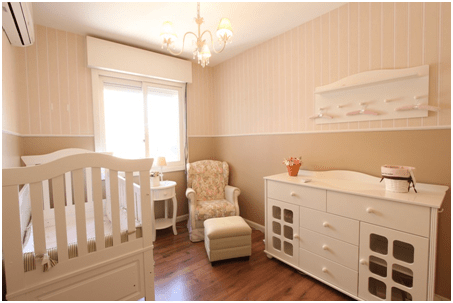
How Many Colors to Use and How Bright Should the Room Be?
When it comes to babies, the main tendency seems to be that of creating a playful and colorful environment for them to live in. However, no matter how much you think colors can give the perfect impression of a well-designed nursery, you should also know what boundaries not to overcome at this stage. You need joyful colors in this space but you must also consider the perfect way of combining the chosen shades so that the end-results might be pleasant and not annoying for the baby or yourself and the house guests.
Use Colors in a Smart Manner to Achieve Friendly Results
Moreover, focus on choosing smart colors that stimulate the baby yet do not make him / her feel tired with a combination of the most powerful shades that you could find. For example, red, a popular color for interior design is the one that best symbolizes feelings or emotions like excitement and passion.
It is a bold choice of color that usually manages to attract a lot of attention. It can be successfully used in a nursery yet should never be considered for every wall in the room because it will be too aggressively used this way. The best idea would be to use it on a single, representative wall for emphasized effects that will perfectly be balanced by the other walls in the case of which you could use white or bright brown shades to mix things up.
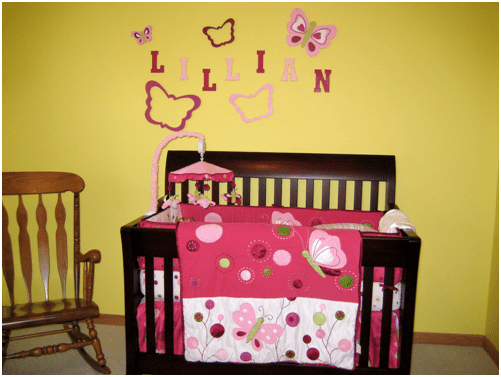
Orange and Yellow: Perfect Choices for Proper Comfort
Furthermore, orange is another color that parents consider when they start redecorating the space that will become their baby room. This is a comfortable color and promotes a relaxing and welcoming atmosphere. This friendly color can be used more than red because it puts reservation at proper ease. Moreover, you can even dare to use darker shades or orange in the nursery to create a super-cozy type of atmosphere or combine these with bright orange shades that will bring modern trends into the equation.
In addition, yellow is also a good choice for being sunny and bringing the right level of brightness to the surface when used with caution. Never go over the limits with it because you might easily go from perfect to kitschy. Also, too much yellow could agitate the baby and this is not the intended purpose. However, when the proper shades of yellow are used in a proper amount, the effects will be amazing both in terms of style and practicality.
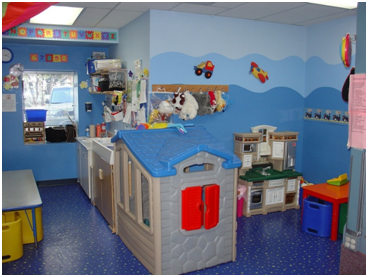
Green and Blue: Calming Yet Pretentious Colors for the Nursery
Other colors that parents consider when it comes to the redecoration process of the nursery are green and blue. These two are calming colors in general but should be used carefully in terms of quality, location and shade so that they might create a welcoming atmosphere in the baby room.
Actually, green is the perfect color for a learning environment. Therefore, it can bring you the best advantages in the long run. Moreover, blue is known to help increase productivity in any space where it is used effectively Bright blue shades are recommended to achieve this purpose.
All in all, there are no strict rules to follow when you decorate your baby room but you should always focus on making the right choices in terms of colors and chosen items like the baby mattress for his / her comfort so that you might create a welcoming, relaxing atmosphere for the baby to enjoy.
If you like this post and want to share it then click the service!

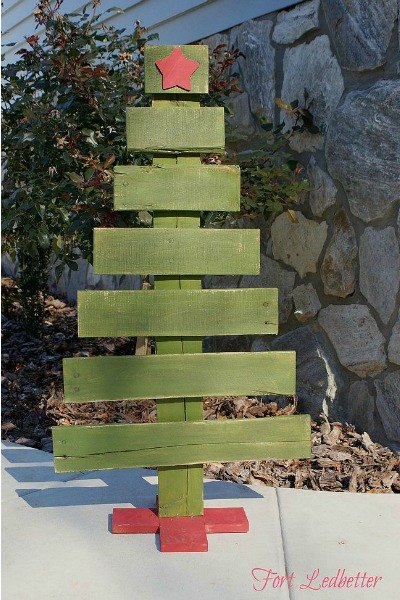 I always love to recycle and pallets are so cool to use right now because of their country rustic charm they give to your creations. The base is made from a 1.5′ and 2 6″ x 5″ cut pallet boards. These pallets lengths are 5″ wide so you will need to adjust your cuts to work with the width of boards you have. The tall board making the trunk is 4.58′ by 5′ board. The branches are made from 3.5′ – 3′ – 2.5′ – 2′ – 1.5′ – 1′ – 8″ x 5′ planks. All are fastened with wood glue and srcews to ensure it being secured. You will not be spray painting this unless you want a solid coverage. The tree pictured is meant to be rustic so use poster paint (to keep it cheap) and rub it on with a paper towel that has been dipped into the paont and then brushed off on newspaper. This ensures it has no dark and light spots but more uniform. This will allow the wood roughness to come through. You can sand paper the edges if you want to give a more rustic charm. You can also use a very light stain over the entire project to provide age. Just make sure to wipe a section of stain on and wipe it off. You only want the appearance of aging not a heavy coating of stain.


 Country & Victorian Times