The Hidden Dangers of Standard Tubs & How to Design Safer Alternatives

Bathrooms should be places of relaxation, renewal, and personal care, but they are also one of the most common locations for household accidents. Standard bathtubs, while seemingly harmless, often conceal hidden dangers that can cause serious injury—especially for children, older adults, and people with mobility challenges. Understanding these risks is the first step toward designing safer, more accessible alternatives that enhance both comfort and security.

The Risks of Standard Bathtubs

A traditional bathtub has a simple design: a deep basin with high sides, a smooth, curved interior surface, and a drain at one end. While functional, this design presents several safety hazards.

1. Slippery Surfaces
 Porcelain, enamel, and fiberglass finishes create sleek surfaces that can become dangerously slick when wet. Without proper traction, slipping inside the tub or while entering and exiting is a common cause of bathroom-related falls.

2. High Entry Walls
 The typical bathtub rim is 14–20 inches tall. For many people, stepping over this barrier requires balance, strength, and flexibility. For those with mobility impairments, arthritis, or poor balance, the maneuver can be both difficult and dangerous.

3. Lack of Support
 Most standard tubs do not include built-in grab bars or non-slip flooring. Without these features, users have little to hold onto for stability, increasing the risk of falls.

4. Water Temperature Hazards
 Another overlooked danger comes from scalding water. Standard faucets and mixing valves can cause water to heat quickly, creating burn risks, particularly for children and older adults with thinner, more sensitive skin.

5. Space Constraints
 Standard bathtubs are often narrow, leaving little room to maneuver safely. This can be especially hazardous for individuals who need assistance with bathing or rely on equipment such as transfer benches.

The combination of these risks makes bathtubs one of the leading causes of bathroom injuries. According to the CDC, falls in the bathroom account for a significant portion of emergency room visits each year, and many of these injuries stem directly from tub-related accidents.

Designing Safer Alternatives

Fortunately, modern bathroom design has moved far beyond the one-size-fits-all tub. That’s especially important when multiple generations are using the same bathroom, and each family member has different needs. There are now safer, more inclusive options that prioritize both accessibility and comfort.

1. Walk-In Tubs
 One of the most popular alternatives, walk-in tubs feature a door that allows users to step in without lifting their legs over a high wall. Many also include built-in seating, non-slip flooring, and strategically placed grab bars. For individuals with limited mobility, walk-in tubs can significantly reduce the risk of falls while still offering the therapeutic benefits of soaking.

2. Slip-Resistant Surfaces
 Whether designing a tub or shower, flooring material matters. Non-slip coatings, textured tiles, or built-in anti-slip strips help reduce the likelihood of slipping. Unlike smooth porcelain or fiberglass, these surfaces provide essential traction even when wet.

3. Flat-Bottomed Bathtubs

Most bathtubs have curved interiors that prevent shower chairs from staying planted firmly, and the curved walls can make exiting the tub difficult. Bathtubs that are designed with flat bottoms and less curvature to the inner walls make for a more comfortable and safer bath.

5. Built-In Grab Bars and Seating
Strategically placed grab bars are a simple yet effective safety addition. Positioning them at entry points, along walls, and near faucets provides support during transitions in and out of the tub or shower. Adding built-in or fold-down seating allows users to bathe without standing for long periods, further reducing fall risk.

5. Wider and More Spacious Layouts
A popular approach to renovating any room in the home is to maximize space. Whether this means knocking down walls or changing layouts, there’s never a disadvantage to more room. This goes for the tub and shower as well. Designing tubs and showers with extra width allows more room for movement and assistance. Spacious layouts can also accommodate transfer benches, shower chairs, or caregiver support when necessary.

Universal Design Principles

The safest bathrooms are those that apply universal design principles—creating spaces that are functional for everyone, regardless of age or ability. Features like lever-style handles, handheld showerheads, adjustable height fixtures, and ample lighting contribute to overall safety and ease of use. Importantly, these elements benefit not only older adults or people with disabilities but also families with young children and individuals recovering from injury.

Soaking it All In

Standard bathtubs, while traditional, are not designed with safety in mind. By considering safer alternatives such as walk-in tubs and slip-resistant materials, homeowners and designers can create bathrooms that prioritize accessibility without sacrificing style.

The bathroom should never be a place of fear—it should be a space for comfort, dignity, and independence. Thoughtful design choices can transform the dangers of standard tubs into opportunities for safer living.

Outdoor & Adventure Gifts for the Dad Who Loves to Explore

Photo by Dave Hoefler on Unsplash

Getting gifts for Dad can be a challenge, especially when he loves to be outdoors. Thankfully, there are a lot of things that can make the outdoor experience better and make great gifts. These can be everything from clothing items to fishing gear to other useful outdoor stuff.

To keep things simple, the main focus of this gift guide will be on items that are either carried or directly used, just to keep things affordable. Which, sadly, means no ATVs or boats, but enjoying the outdoors is more about the experience, especially as Dad gets older.

Wool Socks/Clothing

Photo by Maria Kovalets on Unsplash

It may not seem like a great gift for Dad, but wool clothing, especially wool socks, is an amazing gift for the outdoorsman. This is because of the unique properties of wool. Wool is a natural fiber that helps keep moisture away from the body while still being insulating. If a wool item gets wet, it still retains heat in cold weather, leading to better comfort.

Wool is a great renewable material that is more natural than polyester and more durable than most cotton options. A well-maintained set of wool socks will last for years and help maintain foot health, which can be the difference between a great time in nature and a horrible experience.

Other wool items like hats, gloves, or shirts are great additions to Dad’s wardrobe when he’s out exploring the great outdoors. Using wool as an insulator helps keep him warm, but it does have some nuances in caring for it. Overall, wool has more benefits and really should be integrated if he spends a lot of time out in cold temperatures.

Knife Or Multitool

Being outdoorsy generally means that Dad is going to have a knife or a multitool on hand. Not every knife is created equal, and not every multitool is made to handle every task. Getting him a new one that covers something his old one doesn’t is a great way to improve his adventures.

This doesn’t mean he’ll get rid of his current knife or multi-tool, but it does mean he’ll probably find a reason to try out the new one. Don’t get too creative with the style, try to keep it relatively similar to his current choice, that way he will be more open to adding it to his regularly used options.

If it doesn’t match, he can still stash it away as a spare just in case he loses his primary choice, no matter what it is.

Fishing Gear

Photo by Yiran Ding on Unsplash

While it is a stereotype, getting Dad some more fishing gear is never a bad choice if you know he loves to fish. There’s such a wide variety of fishing out there that it would take days to cover them all.

But a good set of carp fishing gear is another safe choice for Dad’s gift. Carp angling is very rewarding, produces a lot of fishing stories, and is extremely accessible. Fishing gear is kind of like jewelry; everyone has their special tastes, so make sure you get a good grasp of his preferred style. Drop a hint here or there to see if he likes what’s being picked out, just to be sure.

He is never going to look for more reasons not to fish, and having the right tools just makes the whole process more enjoyable.

Quality Backpack

Having something to carry everything he needs when he’s camping, fishing, hiking, or hunting is a big game changer for Dad. A solid backpack that isn’t going to tear easily or one that is lighter than his old one is going to help him really enjoy what he’s doing.

There’s something special about outdoor backpacks, especially when they distribute the load evenly. A lot of hiking and camping adventures can be ruined by a terrible backpack that leaves hotspots or just doesn’t fit comfortably when it’s being used. 

Whether it has a solid strap placement, a good frame, or holds everything in place during a long walk, never underestimate just how much a backpack will impact the quality of life. A good pack will make that journey more enjoyable, instead of him constantly thinking about how uncomfortable the pack is.

Thermal Cup

Photo by Bluewater Sweden on Unsplash

When the adventure means being in the cold and wet of an early morning or just being in a cold place, a hot cup of something really makes a difference. Getting Dad some thermal drinkware is a thoughtful way to increase his creature comforts.

It may not be what he heats his drink up in, but it will be a way for him to store it for longer periods instead of having to rush to drink it. Even after it has cooled down a little, a warm drink does wonders for the mood, especially after a few hours of sitting in the cold.

The best part is that most of these drinkaware options are either customizable or come in a lot of popular branding styles to fit his particular tastes.

A Good Watch

In a world dominated by smartphones, a good wristwatch is one of the means to unplug from the world. Being outside and reconnecting with nature is a lot easier to do when checking the time means a turn of the wrist instead of pulling out a phone.

On top of that, a quality watch is a great fashion accessory, but it still retains enough function for Dad to actually get some use out of it. Tracking time and knowing what time it is really helps bring extra levels of safety when spending time outdoors.

Gift Thoughtfully

No matter what the final choice will be, Dad’s gift should have some thought and care put into it, just like anyone else. Gifts need to match their recipients, which makes those gifts that much more special. 


Outdoor Elegance: How to Create a Tranquil Garden Retreat with Classic Elements

Image: https://unsplash.com/photos/a-statue-of-a-woman-in-a-garden-o61TbwSW2m0

Classic gardens have always been the epitome of elegance and timeless charm. Rooted in European traditions, particularly the French formal gardens, this style is all about symmetry, order, and balance.

Classical architectural elements often feature prominently in American homes, so it makes sense to extend that elegance into outdoor spaces. And while you might picture sprawling estates with expansive lawns and shimmering ponds, classic garden design elements can be scaled down for small gardens and even beautifully integrated with contemporary styles.

Here are the key elements you can use to bring the elegance and tranquility of a classic garden to your own outdoor space.

1. Simple Geometry and Symmetry

At the heart of classic garden design is the principle of imposing order on nature, which is achieved through simple geometry and symmetry. Think straight lines, clean right angles, and circles to form a well-organized layout.

Instead of being randomly scattered, your plant and flower beds should be deliberately demarcated by paving, creating clear paths that guide visitors through your garden. This structured approach also creates a sense of harmony and balance.

A key aspect of the classic garden is bilateral symmetry. To achieve this, imagine dividing your garden down the middle with the shapes and forms on one side mirrored on the other.

This mirroring creates the pleasing and calming effect that’s the hallmark of classic garden tranquility.

2. Lush Greenery

Plants play a supporting role in a classic garden, enhancing the overall structure and symmetry rather than taking center stage with a riot of colors or varying heights and sizes.

The key here is restraint. Stick to a foundation of lush greens, with one or two carefully chosen flowering colors for each season. This will make your garden feel elegant and timeless rather than busy or chaotic.

To achieve the classic, sculpted look, choose plants suited for topiary like boxwood, privet, or yew—their bushes can be shaped into clean, geometric forms like spheres and cones. You can even do playful animal designs if you’d like to add a little whimsy to your garden.

Evergreens are another essential. Varieties like junipers, olives, or holly not only thrive in dry or coastal climates but also retain their structure year-round. These will help maintain your garden’s refined aesthetic in any season.

3. Well-Defined Edges

Image: https://unsplash.com/photos/a-long-green-lawn-lined-with-trees-and-bushes-JMWqAmRnXUg

By now you can probably tell that clean lines are a non-negotiable in the classic garden aesthetic. They provide the frame that holds the entire design together and keep your garden looking polished and intentional. Even the most carefully curated plants and pathways will feel untamed without them.

Start by defining your garden’s boundaries, using thick, neatly trimmed hedges to enclose spaces or frame sections. Boxwood hedges are a timeless favorite for classic gardens, but other dense, evergreen shrubs work beautifully, too. Remember, regular trimming is key to maintaining that crisp, tailored look.

Stone or brick edging is another elegant option you can use to mark pathways, flower beds, or lawns. What’s more, it makes maintenance easier by keeping grass and gravel where it belongs.

Natural materials like red brick add a subtle traditional feel and are extremely durable. But if you’re going for a more contemporary look, try concrete or metal edging, just don’t overdo it otherwise you’ll lose the classic vibe.

Decking is another aesthetic, yet practical, way to define edges. For example, a raised wooden deck pairs beautifully with manicured lawns and sculpted shrubs.

4. Ornaments and Formal Features

No classic garden is complete without these timeless elements. They act as a focal point, which is necessary for giving the space structure while also adding a touch of sophistication.

Start with a centerpiece. Consider a classic fountain, a sculpted statue, or a birdbath—anything that can act as the visual anchor of your garden. A key principle here is placement: position it along the axis of bilateral symmetry you’ve established or at the “crossroads” of your paths where the eye is naturally drawn.

Ornaments can also function as “punctuation marks” throughout the garden. Some good examples are large planters, urns, or topiary trees flanking pathways, your garden’s entrance, or the seating area. Use identical pairs to enhance the symmetry and order of your design.

Finally, don’t overlook the importance of furniture. Elegant outdoor lounge chairs that complement the classic aesthetic will give you and your visitors an inviting space to relax and enjoy your tranquil surroundings.

5. Water

In traditional European gardens, grand fountains, reflecting pools, and serene ponds were the stars of the landscape. While your garden may not have the space for sweeping water features, smaller options can still make a big impact.

A classic fountain is a popular and easy-to-incorporate choice. It’s an elegant focal point and adds movement and calming sounds to your space.

But don’t feel limited to just fountains. Other water elements like a swimming pool or even a small, decorative pond can also work beautifully. A pool spa, for example, adds a contemporary element while still complementing the classic garden aesthetic.

Align your water feature with your garden’s symmetry—this could be at the center of a pathway, at the end of your visual axis, or surrounded by manicured hedges.

Bringing It All Together

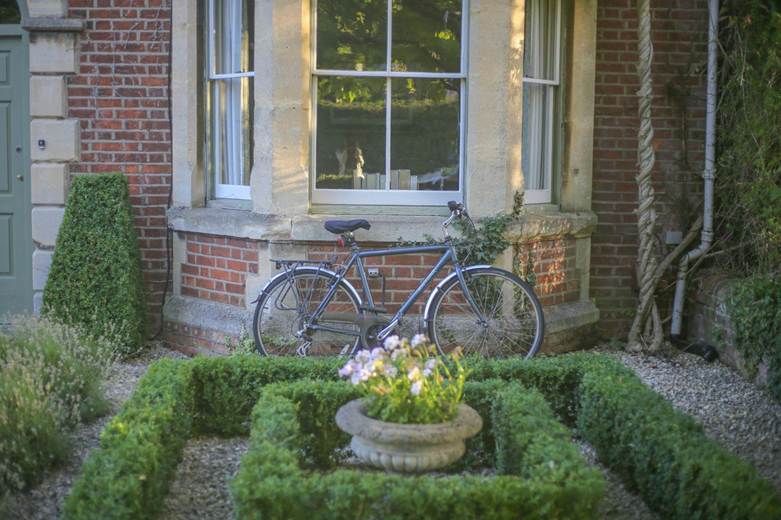
Image: https://www.pexels.com/photo/grey-mountain-bike-leaning-on-brown-wall-brick-in-garden-163647/

The true beauty of the classic garden style is its versatility. The above principles can be adapted to fit a modest courtyard just as well as a sprawling backyard.

Remember, symmetry, clean lines, and keen attention to detail are what bring the charm and serenity of a classic garden oasis to life. Plan your classic garden on paper first to ensure you have the right symmetry, and then get to work!

Why Settle When You Can Roam? A Guide to Working While Traveling

Working from one place and settling down isn’t for everyone. There are some people who need to explore what’s out there and learn about the world. Of course, nothing is free, and living while  traveling the planet requires money. However, it is possible to roam and make the revenue you need to survive. We will cover what you need to know to master the art of working while traveling.

https://pixabay.com/photos/adult-back-view-coffee-woman-2178904/

Working Jobs That Allow You to Roam

We live in an era full of opportunities, one of which is obtaining work that permits travel. Some careers even require this type of movement to thrive. If you can’t sit still and need movement to enjoy life, there are options available. The following pursuits might make it possible for you to roam:

  • Data entry work
  • Any type of online job where all you need is an internet connection
  • Flight attendant
  • Language teaching or tutoring abroad
  • Translator and/or interpreter

In addition to those above, most types of freelance work may also work, such as:

  • SEO writing/blogging
    • Technical writer
    • Web design or development
    • Photography
    • Social media manager
    • Influencer
    • Videographer

Some of the undertakings mentioned above take time to develop. You may not make the income you need to support yourself and travel simultaneously at first. However, with the right mindset and determination, you can live your dream of making travel part of your work.

What Skills Are Required to Make Money During Travel

If you are trekking across the world and discovering new places, working may be the last thing on your mind. It’s an adjustment to have your work office change scenery every day. With this type of working environment, it’s imperative to have the following skills:

  • Responsibility: Be responsible and fulfill your work duties. Even if you only work for yourself, make sure you’re doing enough to cover your expenses.
  • Motivation: Have the drive to work when no one else is holding you accountable.
  • Time management: It’s critical to be aware of how and where you spend your time.
  • Organization: If you are voyaging around the globe, be efficient and organized with your belongings. Be aware of your items for work and your possessions that are necessary for everyday living. Have a system to sort through them.
  • Communication: Make sure you are able to effectively communicate where you’re located, with your clients, or who you work with.
  • Creativity: Be creative with when and how you work!
  • Flexibility: Being able to travel and work requires a massive amount of flexibility.
  • A good attitude: Positivity is always helpful in any situation, especially through tricky ones.

With these skills, it’s possible to travel worldwide while gaining a profit. 

What to Consider With This Type of Lifestyle

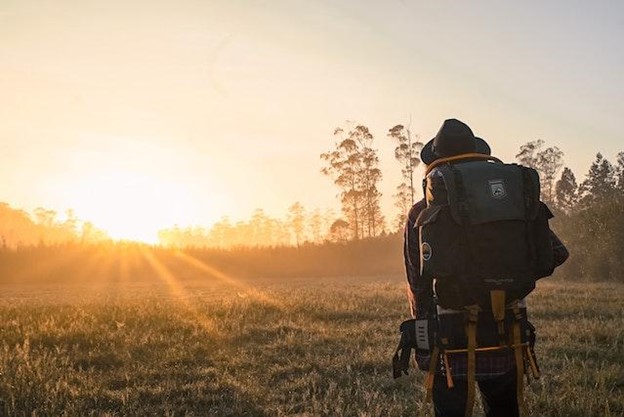
https://www.pexels.com/photo/man-in-black-backpack-during-golden-hour-1230302/

There are several components to consider when globetrotting. It’s a necessity to stay out of danger or serious trouble, all while enjoying the experience. With this type of lifestyle, be conscious of the following:

  • Areas you are visiting: Make sure to do your research on the sites you visit to ensure your safety and well being.
  • Communicating with the locals: If you don’t speak the language, have a backup plan to work around this dilemma.
  • The customs of your country: Know the culture and stay safe.
  • Different types of currency: Make sure you have the specific currency for where you are. 
  • The equipment you’ll need: Be sure to have clothes, hygiene products, a laptop backpack, and dishes (such as plates,silverware, or a UV glass jar for dry goods like coffee or tea). Just as important, make sure you have a way to easily transport your equipment.
  • Your passport: Ensure that it is always up to date so you don’t run into trouble.
  • Taxes (if applicable): If you work for yourself or have unique employment, confirm that this is taken care of.
  • Your work: Be on top of finding places or clients where you can successfully accomplish what you need to.

Being smart and planning ahead of time will help you stay safe and know what you need to do.

Working while traveling requires the right skills to maintain a profession where this is possible. It also requires extra consideration when roaming between different countries. However, it’s a wonderful experience to make new discoveries about our planet while making a living. There are advantages to living this way, including increased awareness of culture and diversity. Those with this lifestyle get first hand education about the world and all it has to offer.

Planning a Road Trip For Your Mental Health

Road trips are often associated with families looking to get away for the summer, or college students packing up an old van with as much gear as possible and trekking across the country.

pexels.com/photo/asphalt-road-through-cactus-fields-in-mountainous-valley-6039250/

However, this kind of travel can be beneficial for everyone – especially if you’re an older adult and adjusting to a new lifestyle. Whether you’ve still got kids at home, you’re recently retired, or you just became an empty-nester, planning a road trip can be great for your mental health and give you a new perspective on life.

Plus, taking a road trip with the ones you love is one of the best ways to create lasting memories.

Still not convinced? Let’s take a look at some of the benefits of planning a road trip, and how you can make the most of one by staying safe and embracing something new.

Travel and Your Mental Health

Maybe you’ve had the travel bug your whole life but haven’t had many opportunities to go places. Or, maybe you’ve been somewhat of a homebody and you’re ready for something new. If you’re considering a road trip, it’s important to know how beneficial it can be for your mental well-being.

Traveling can boost your creativity and mental power, reduce stress, and give your mind and body an opportunity to “reset” if you’re experiencing a lot of tension or frustration from your everyday routine.

You’ll also be able to see the world from a different perspective. Even if you’re just traveling to a different state, you’ll experience new cultures and customs, which can make you more appreciative of your surroundings.

Traveling also helps to take your mind off things. As you get older, life changes. Most women are quick to recognize the symptoms of menopause, including

  • Hot flashes
  • Chills
  • Sleep problems
  • Mood changes

Taking a trip won’t slow down the hands of time or keep these changes from happening, but it can make it easier to manage your symptoms and keep a positive attitude. Keep in mind that your spouse might be dealing with similar changes. Men experience a drop in testosterone after age 40. Between that drop and certain lifestyle choices, they can experience male menopause, which comes with many of the same symptoms. Traveling together can help you both accept these changes and serve as a support system for one another.

How to Plan the Perfect Road Trip

If you’ve decided to hit the road, the next step is planning out your trip so you can make the most of it. Traveling can increase confidence in those over the age of 50, and it can keep your stress levels low long after your vacation ends. Keep that in mind as you go through your planning, and remind yourself why you’re taking this trip.

It shouldn’t be a stressful event to plan. Rather, it needs to be something you’re looking forward to.

With that in mind, there are a few tips you should consider to make sure you’re prepared for any road trip challenges. Consider some of the following planning tips to make your experience easier and less overwhelming.

  • Choose a destination that is interesting and easy to get to, especially if it’s your first time traveling.
  • Travel with your spouse, a group of friends, or other family members.
  • Give yourself enough time to enjoy the scenery without having to rush from destination to destination.
  • If you require special accommodations, take them into consideration while planning your routes.

The “perfect” road trip depends on what you’re hoping to experience and the memories you want to make. While planning ahead is important to make sure things go smoothly, the most important thing you can plan for is how to make the most out of your trip and everything you want to experience along the way.

Keeping Yourself Safe

Another important aspect of planning is ensuring your safety long before you hit the road.

You’re not going to be able to predict everything. Things like flat tires and car trouble can happen. However, you can reduce that risk by making sure your car is properly maintained before you go. Visit a trusted mechanic for a tune-up to make sure your vehicle is in good shape.

If it is, continue to plan ahead with safety in mind by being a precautionary packer. Pack plenty of snacks and drinks for yourself and your passengers. This will keep everyone’s energy levels up, and prevent you from having to make such frequent stops.

There are also a few essentials you should have in your vehicle in case of an emergency, including a first aid kit, extra clothes, blankets, and nonperishable food.

The more you start to take road trips, the easier it will be to learn the basic “rules” of safety, including not sleeping in your car, and knowing the local laws of your destination(s).

If you’ve been wanting to travel for a while, planning a road trip is the perfect way to see the country and experience lasting mental health benefits. You’ll be able to enjoy your freedom at this stage of life while managing your stress levels, boosting your self-esteem, and finding more happiness and joy in experiencing new things.