Why Now is the Perfect Time to Invest in Texas Secondary Markets – Beyond Austin and Dallas

While Austin and Dallas continue to make national headlines for their booming real estate markets, savvy investors are turning their attention to Texas’s secondary markets, according to Central Texas Real Estate Brokers. These emerging cities offer compelling opportunities for both seasoned investors and first-time buyers looking for sustainable growth and better value propositions.
The Rising Stars of Texas Real Estate

Texas’s secondary markets are experiencing a remarkable transformation, driven by factors ranging from corporate relocations to lifestyle preferences shifted by the pandemic. Cities like Waco, Tyler, and San Marcos are emerging as attractive alternatives to the state’s primary markets, offering a combination of affordability, quality of life, and strong economic fundamentals.

Waco: More Than Just Magnolia Market

Once primarily known for its Magnolia Market at the Silos, Waco has evolved into a robust economic center. The city’s population has grown by approximately 8% since 2020, with median home prices still hovering around $265,000 – significantly lower than Austin’s $525,000 average. Major developments include:

  • The emergence of a vibrant technology sector, with several startups choosing Waco as their home base
  • Baylor University’s expanding research programs attracting talent and investment
  • A $1.5 billion investment in infrastructure improvements over the next decade

Tyler: The East Texas Economic Powerhouse

Tyler’s diversified economy and strategic location have positioned it as East Texas’s primary commercial hub. The city has seen steady population growth of about 5% annually since 2021, driven by:

  • A thriving medical sector, with UT Health East Texas and CHRISTUS Trinity Mother Frances Health System expanding their facilities
  • The development of new industrial parks attracting manufacturing companies
  • A cost of living 15% below the national average
  • Median home prices around $285,000, offering attractive yields for investors

San Marcos: The Innovation Corridor’s Rising Star

Positioned strategically between Austin and San Antonio, San Marcos is benefiting from the growth of the Texas Innovation Corridor. Texas State University’s presence provides a steady stream of educated workforce talent, while the city’s natural attractions and quality of life draw both young professionals and families. Key indicators include:

  • Population growth exceeding 12% since 2020
  • Major employers expanding operations, including Amazon and Texas State University
  • Median home prices around $320,000, representing strong value compared to nearby Austin
  • The San Marcos Regional Airport’s expansion creating new economic opportunities

Economic Indicators Supporting Investment

Several economic indicators suggest these secondary markets are poised for continued growth:

Job Market Strength All three cities have unemployment rates below the national average, with job growth in diverse sectors including healthcare, education, technology, and manufacturing. This employment diversity helps insulate these markets from industry-specific downturns.

Infrastructure Investment Significant infrastructure projects are underway in each market, including:

  • New highway expansions improving connectivity
  • Downtown revitalization projects
  • Enhanced public transportation systems
  • Updated water and utility systems supporting growth

Education and Workforce Development The presence of major universities and technical colleges in these cities ensures a steady pipeline of skilled workers, attracting employers and supporting long-term economic growth.

Real Estate Market Dynamics

These secondary markets offer several advantages for investors:

Affordability While primary markets have seen prices soar beyond many buyers’ reach, these secondary markets maintain relatively affordable entry points while showing steady appreciation.

Higher Yields Rental yields in these markets typically range from 6-8%, compared to 4-5% in primary markets, offering better cash flow opportunities for investors.

Growth Potential With continued population growth and economic development, these markets show strong potential for long-term appreciation without the volatile swings often seen in larger markets.

Investment Strategies to Consider

Different approaches can be successful in these markets:

Single-Family Rentals The strong job market and population growth create steady demand for rental properties, particularly in neighborhoods near major employers and universities.

Multi-Family Development Growing populations and relatively low construction costs make multi-family development attractive, especially in areas targeting young professionals and students.

Commercial Investment Retail and office spaces in growing districts offer opportunities for higher returns, particularly in areas undergoing revitalization.

Looking Ahead

While these secondary markets offer compelling opportunities, investors should consider several factors:

Due Diligence Research local zoning laws, development plans, and economic indicators specific to each market.

Timing Different submarkets within these cities may be at different stages of their growth cycle, affecting optimal entry points.

Local Partnerships Building relationships with local real estate professionals, property managers, and contractors is crucial for successful investment outcomes.

Conclusion

Texas’s secondary markets present a unique opportunity for investors seeking strong returns with lower entry points than primary markets. The combination of population growth, economic diversity, and quality of life improvements makes cities like Waco, Tyler, and San Marcos particularly attractive for long-term investment. As these markets continue to mature, early investors who position themselves strategically stand to benefit from both appreciation and steady cash flow opportunities.

The key to success in these markets lies in understanding their unique characteristics and growth drivers while maintaining a long-term perspective. With proper research and local market knowledge, investors can find valuable opportunities that may not be available in more saturated primary markets.
Mastering the Walkthrough: Ensuring a Successful Home Renovation

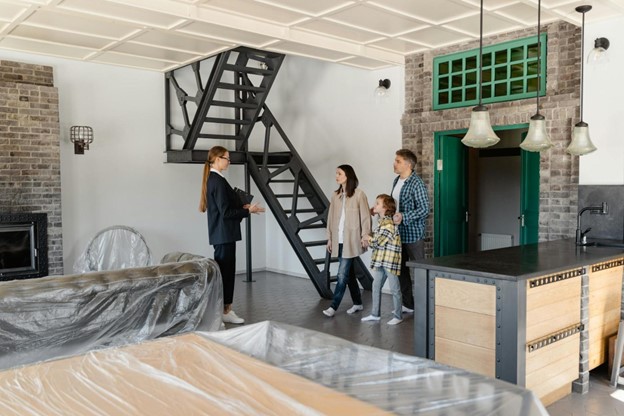
Image Source: Pexels

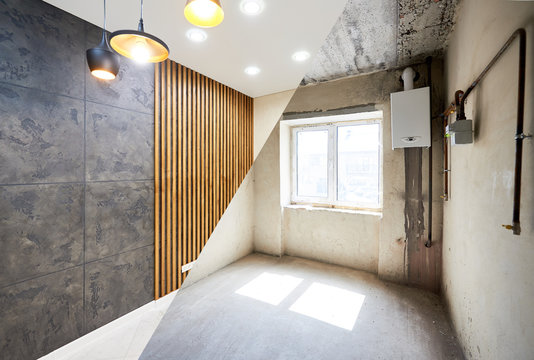
Getting ready to start a new home renovation project can be exciting, and you probably can’t wait to start putting together all of the details. However, before you start purchasing new furniture or appliances or going through color swatches, there is one critical element you should start with – the walkthrough.

A pre-renovation walkthrough gives you the ability to meet with various contractors and or designers to help lay the groundwork for ensuring a successful project. By applying the right strategies, you can make sure you’re getting the most value out of this process and setting your project up for success.

Why Are Walkthroughs Important Before Starting a Home Renovation Project?

While you may already be envisioning your finished project, it’s important to recognize all of the different steps it will take to get there. Although some home renovation projects may be relatively easy to perform, others will require specialized skills and careful planning to make sure they go smoothly.

Taking the time to do a walkthrough with any professionals involved in your renovation project is important for various reasons. Some of these include:

Establishing Clear Communication and Expectations

Not everyone may work the same way you would when starting and completing a project. This is why it’s important to set the right tone on how you want to communicate during a renovation and exactly what you’re looking for.

Preventing Costly Mistakes or Delays

All renovation projects can cost much more than initially expected. Many times, this is a result of running into unplanned setbacks like electrical or plumbing issues or needing to reschedule work due to supplier issues or conflicts in contractor availability.

Conducting a walkthrough ahead of time may not completely avoid these problems, but it definitely helps to reduce their likelihood.

Ensuring Everyone Stays on the Same Page

Before you start your project, you will want to make sure all of your ideas are reasonable when fitting into your budget and that you have the right people for the job.

By investing enough time ahead of time to prequalify contractors and ensure everyone is on the same page regarding the process, you’ll experience a much smoother renovation experience.

Preparing For The Initial Walkthrough

Although you may not have all of the details ironed out for your project ahead of a walkthrough, the more prepared you are during this process, the more value you and anyone else attending will get out of the process.

Below are a few preparatory steps you can take when planning your walkthrough:

  • Gathering Inspiration and Ideas – You no doubt will have a ton of different ideas flowing through your head on what you’re trying to achieve, but sometimes, putting those ideas on paper will make them easier to explain. Consider creating a mood or Pinterest board with different images you’ve used to inspire your project. You could also collect magazine clippings or save pictures from other real estate guides to help better explain your vision.

  • Creating a List of Priorities and Must-Haves – Renovation projects will often come with a number of compromises you should be ready to make – unless you’re working with an unlimited budget. Before you need to make these types of decisions, decide ahead of time what the highest priority elements of your renovation are and which are “nice-to-haves.”

  • Designing a Workable Budget – Budgeting is a critical part of planning a new project, and you’ll want to make sure you have this clearly ironed out before doing your walkthrough. The budget you design will heavily dictate the type of work your contractors are able to perform, and knowing your financial boundaries will give them the ability to provide adequate quotes.

Effective Strategies for Getting The Most Out of Your Renovation Planning

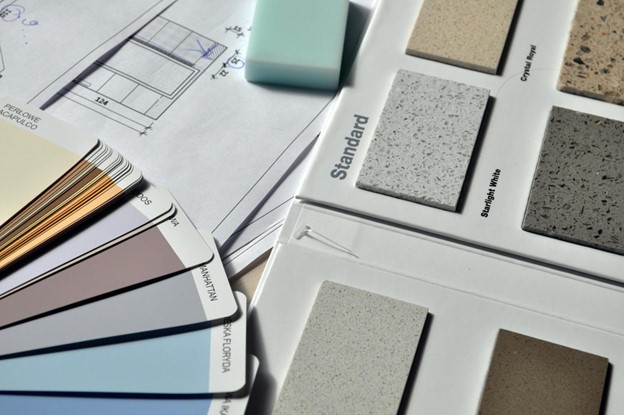
Image Source: Pexels

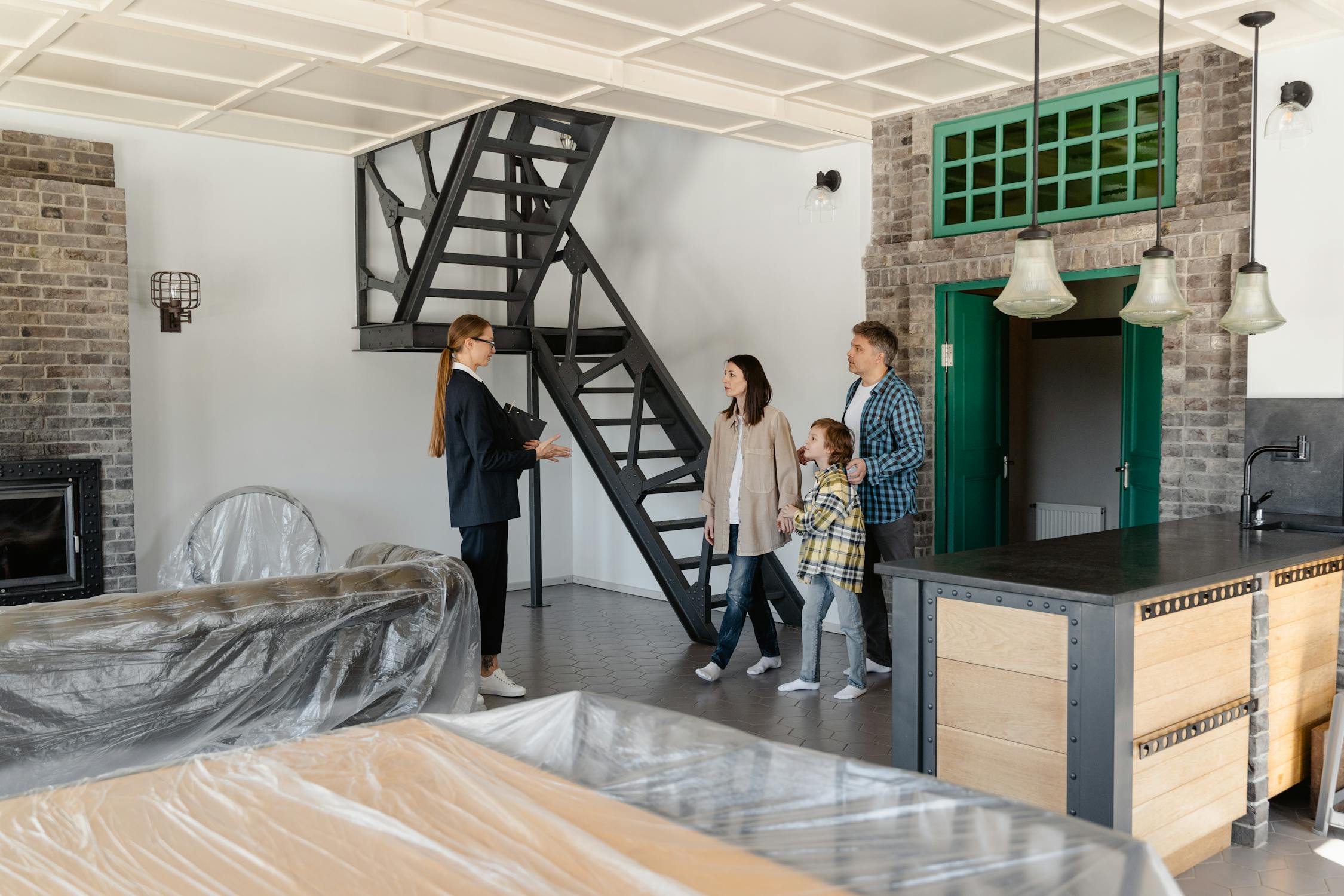
Once you’ve scheduled a walkthrough prior to starting a project, you’ll want to have a checklist of things to complete once you’re meeting with qualified professionals. Below are some important points you’ll want to include to make sure you’re getting the most out of your meeting:

Discussing Project Scope

Even before you start touring your home or the specific room(s) you’ll want to work on, it’s important to lay out the exact scope of your project. Take this time to explain any important goals you’re trying to achieve and list the rough budget you’re trying to stay within.

During this process, you’ll want to clearly identify the reasons behind your looking for home improvements, including any challenges you currently have with the space or how you’ll be using the renewed parts of your home.

Identifying Any Potential Challenges

You’ll want to be sure to keep an open mind when planning your project and be prepared for some potential roadblocks that can come up – both during walkthrough discussions and once work has already begun. Contractors may already identify certain challenges you might have when trying to achieve a specific vision and may guide you toward alternative thoughts or ideas.

Take this time to discuss the feasibility of your plans and consider other solutions as needed. Proactively identifying this ahead of time can help save you significant costs if a problem arises mid-project.

Establishing a Timeline and Project Milestones

Another important part of the walkthrough process is to agree on important project timelines or milestones that need to be met. This is a great opportunity for you to establish how much time you have to complete the project and for contractors and designers to validate if and how it’s possible to meet those goals.

Contractors will want to make sure you’ve factored in any potential delays that can arise with suppliers or inclement weather that can slow down work. Once you’ve ironed out those issues, you’ll be able to create a firm timeline that everyone can follow once work has begun.

Selecting Materials and Finishes

A renovation walkthrough is also a great time to review the different design choices you’ll have available to you. Once the space has been evaluated by renovation teams, they’ll often be able to shortlist different options that will help you maximize the value and aesthetics of the finished project.

Whether you’re doing a kitchen renovation, bathroom remodel, or repurposing a basement, be sure to go over all of your options for getting the space exactly as you want it.

Make Your Home Renovation Project a Success

Taking the time to plan for and execute a helpful walkthrough before starting your renovation project will help you set the groundwork for a much more successful experience.

By following the tips discussed when getting ready for your walkthrough and making sure you have the right questions thought out, you’ll have the peace of mind of knowing that your vision will be able to be brought to life while staying within budget.

Author Information

Author Name: Rebecca Denis

Author Bio:

Rebecca Denis, Head of Design at Revive Real Estate, is an accomplished and highly creative interior designer with over ten years of experience in the industry. With a passion for transforming spaces and a keen eye for detail, she has successfully completed numerous projects ranging from commercial spaces to custom show homes.

How Professional Landscape Design Can Increase Home Value

When it comes to increasing the value of their homes, homeowners may focus on interior renovations like updating kitchens and bathrooms or adding rooms. Yet one of the most effective ways of increasing resale value lies just outside their front door: professional landscape design. A well-planned landscape can not only increase beauty and functionality of outdoor space but can also significantly raise resale value of a property. In this blog we’ll explore how professional landscaping services are integral for producing optimal results for any homeowners looking at increasing value of their properties!

https://www.vecteezy.com/photo/40989800-ai-generated-beautiful-house-with-flowers-and-stone-walkway-during-sunset

Curb Appeal: First Impressions Are Important

First Impressions

Potential buyers’ first impression of your home will likely be the exterior, and curb appeal plays a critical role in creating that first impression. A well-kept landscape creates an inviting and appealing first sighting, which can set it apart in the neighborhood and boost sales prices by up to 10% more than similar properties without strong curb appeal.

Key Elements of Curb Appeal

Professional landscape designers enhance curb appeal through the incorporation of key elements such as these into their designs:

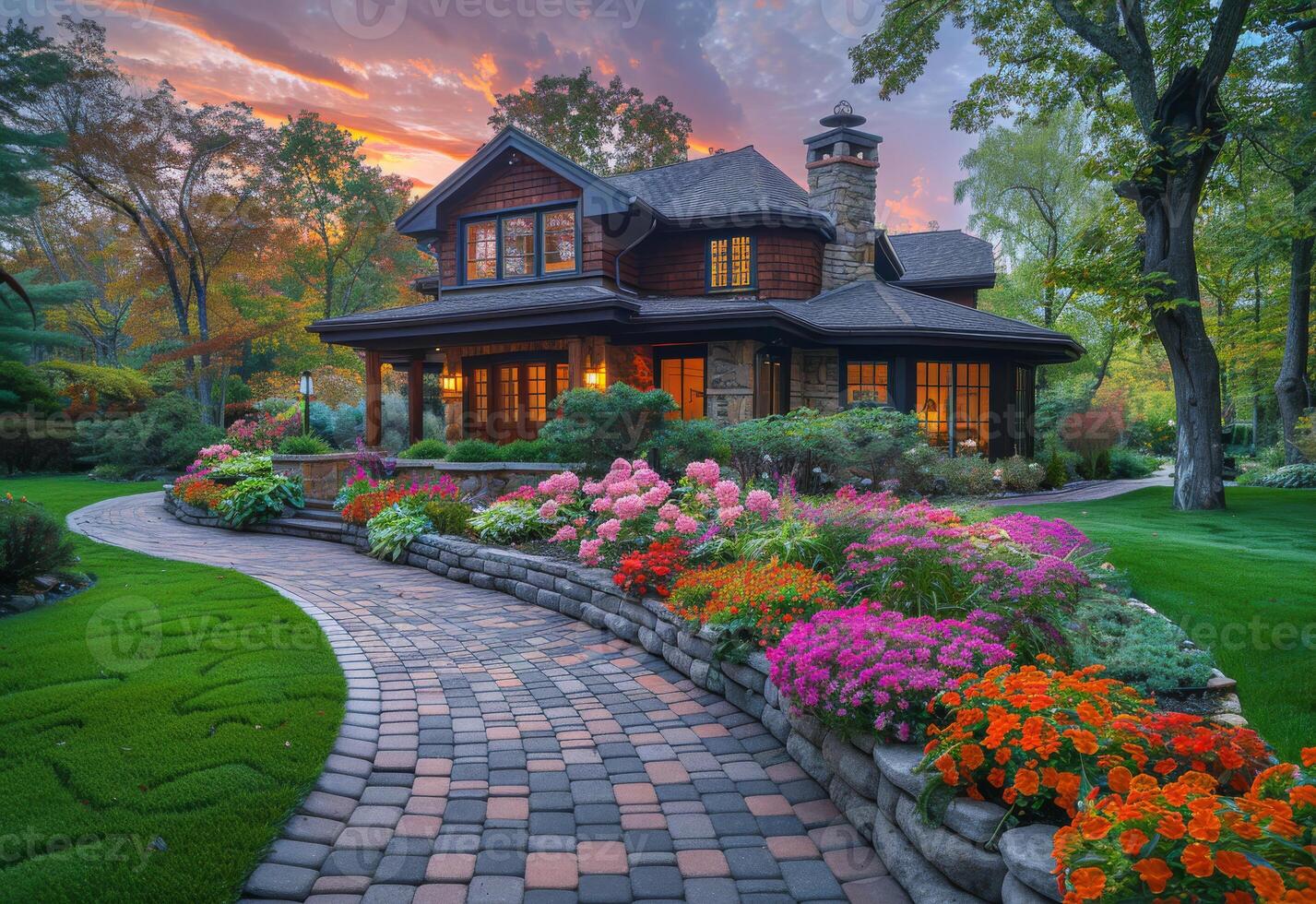
Lush Lawns: An attractive lawn is essential to creating curb appeal in any home. A healthy green lawn conveys care and attention to detail, creating an inviting space. Professional landscapers can select the appropriate grass variety based on climate and soil conditions ensuring a beautiful year-round display of color in your lawn.

Flowers, shrubs and trees add vibrant hues and textures to your landscape, adding visual interest and creating a sense of unity. Professional landscape designers can design plantings that bloom throughout the year so your garden remains beautiful throughout its existence.

Pathways and Borders: Define Your Landscape with Well-Defined Pathways and Borders: Walkways, edging, and borders can help to distinguish different areas of your garden, giving structure to it while leading visitors through your garden. A professional landscaper can use materials like stone, brick or pavers to craft paths that complement the architecture of your home and guide guests along them.

Lighting: Outdoor lighting adds both safety and aesthetic value to your landscape, drawing the eye toward key features like trees or water features and extending usable outdoor space into evening hours. When strategically placed, outdoor lighting can create dramatic effects that boost curb appeal for homes in your neighborhood.

Functional Outdoor Living Spaces

Expanding Usable Space

A properly landscaped yard not only adds aesthetic value, but it can also expand usable space. Professional landscapers can design outdoor living areas that serve as extensions of your home – providing extra room for relaxation, entertainment and dining. Features like patios, decks, pergolas and outdoor kitchens have become increasingly popular with homebuyers and can add significant value to your property.

Maximizing Space and Flow

Professional landscape designers possess the expertise needed to design spaces that optimize both the flow and usability of your yard. They can assess its layout by taking into account factors like sunlight, wind patterns and existing vegetation to craft spaces that are both practical and aesthetically pleasing – such as positioning seating areas for taking advantage of sunset views while placing children’s play areas under shaded spots that stay cool in the heat of day.

Homebuyers today are becoming more conscious of sustainable living, and incorporating eco-friendly features in a professionally designed landscape design can bring this market. Native plants, drought-resistant landscaping and rainwater harvesting systems all lower environmental impact as well as maintenance costs; adding these features could increase appeal among environmentally conscious buyers as well as increase market value of your home.

Enhance Your Property Value Through Professional Landscaping

Landscape Design Offers High Return on Investment (ROI) Professional landscape design investments often deliver one of the highest return on investments among all home improvement projects, according to several studies. Homeowners may expect an ROI between 100%-200% from landscaping enhancements, and any increases in property values caused by professional designs may surpass even their costs altogether.

  • Factors Influencing ROI: There are various elements which may impede the return on investment for your landscaping project:
  • Quality of Design and Installation: When hiring landscaping professionals for any project, their skill and experience play an invaluable role. High-grade materials, careful design and precise installation all combine to produce lasting value-adding landscapes.
  • Market Trends: With demand for outdoor living spaces and sustainable landscaping features on the rise, incorporating these trends into your design can make your home more desirable to potential buyers and increase its resale value.
  • Neighborhood Comparisons: Landscape design can have a substantial effect on the value of your home and will vary depending on its surroundings. If your landscape design stands out as superior compared to others in its neighborhood, it could make your property more desirable and command a higher selling price.

Hiring Professional Landscaping Services While some homeowners may attempt to manage their landscaping projects on their own, utilizing professional landscaping services provides several key advantages that will greatly enhance the outcome of any given project.

Expertise and Experience

Professional landscapers bring years of experience and knowledge of landscaping design to their job. They understand all aspects of landscape architecture – such as plant selection, soil conditions, drainage issues and hardscaping. Their knowledge ensures your garden will not only look stunning but will be sustainable as well.

Comprehensive Planning and Design 

Professional landscaping services will collaborate with you to devise an extensive plan that takes into account your goals, budget and the unique characteristics of your property. They offer 3D renderings which give an accurate image of what the final result will look like and help ensure it is completed on time and within budget. This level of planning ensures costly mistakes can be avoided and that projects can be finished on schedule and under budget.

Professional Installation with Quality Materials

Landscape professionals possess access to superior materials and know how to correctly install them in any climate or landscape design setting, whether that means selecting plants specifically tailored for your climate or constructing long-lasting hardscape features. Their attention to detail guarantees you have a lasting landscape design.

Maintenance and Long-Term Care

A landscape requires constant care and maintenance. Professional landscapers offer regular services like pruning, fertilizing and seasonal cleanups to keep your space looking its best while offering advice about how best to look after plants and lawns so they remain healthy and vibrant.

Conclusion 

Landscape design can be one of the most effective ways to increase the value of your home. A professionally designed landscape enhances curb appeal, expands usable outdoor space, and generates an excellent return on investment. By including features such as lush lawns, colorful plantings and functional outdoor living areas in its design, a professional designer can craft an aesthetically pleasing landscape which also increases market value for your property.

Hiring professional landscaping services is key to achieving optimal results with any landscape project. Their experience, access to high-grade materials, and expertise ensure your landscape project will meet the highest standards and bring years of joy. With professional help on board, you can enjoy stunning outdoor spaces that increase home value while adding beauty and enjoyment.

Professional landscape design services can add real value to both selling or simply improving the living environment of any home, as it offers immediate and long-term returns on your investment.

Upgrading Your Home: The Ultimate Guide to Renovations

Welcome to the ultimate guide to home renovations! We all dream of having our own cozy retreat, a personal sanctuary that mirrors our style, values, and way of life. But knowing where to start amidst the endless possibilities can be a challenge. Worry not, for we are here to guide you on this exciting journey!

1. Assess and Plan

Before you start splurging on materials and tearing down walls, take a moment to assess your home’s current state and map out a rough renovation plan. Are you renovating for personal taste, functionality, or to add market value to your property? Your goals will shape your renovation strategy.

1.1 Budgeting

Establishing and managing a budget is critical in any renovation project. You’ll need to account for costs that include:

  • Labor
  • Materials
  • Contingencies (i.e., unexpected expenses)

While planning, gather quotations from multiple contractors and never feel rushed to make a decision. Allocate a percentage based on your total budget to each area of the renovation for better management.

1.2 Timeframe

Determine a realistic timeframe for your renovation. Communicate with contractors on expected completion times and any other scheduling conflicts.

2. Choose Your Contractor

Taking the time to find the right contractor is crucial. Ask for referrals, check online reviews, and compare their portfolios. Shortlist a few contractors and start communicating about your expectations for the renovation project. Ensure that they are licensed and insured, and always get a written contract outlining the scope of work, costs, and timelines.

3. Essential Renovations

Once your goals are clear and your budget and timeframe established, prioritize essential renovations that literally “hold up” your home. These should include any:

  • Structural repair
  • Fixing drainage issues
  • Updating outdated electrical systems
  • Heating, ventilation, and air conditioning (HVAC) upgrades
  • Roof and gutter restoration

4. Interior Design and Functionality

Consider both aesthetics and functionality when planning interior renovations. Here are the main elements to address:

4.1 Flooring

Upgrade your flooring with stylish, yet practical options. Choose from options like hardwood, laminate, tile, or carpet based on your specific requirements and personal preferences.

4.2 Lighting

Effective lighting can significantly impact the look and feel of your home. Combine ambient, task, and accent lighting throughout the home to create an inviting atmosphere.

4.3 Storage

Maximize space in tight quarters by implementing clever storage solutions. Built-in cabinets, under-stair storage, and multipurpose furniture are excellent ways to minimize clutter and maximize space.

4.4 Plumbing

During the renovation process, consider replacing old pipes and fixtures to reduce the risk of leaks and other plumbing issues in the future.

5. Exterior Renovations

  • Enhance your home’s curb appeal by tackling exterior improvements:
  • Repainting the exterior
  • Landscaping the front and backyard
  • Repairing or replacing the driveway and walkways
  • Adding a deck or patio for outdoor living and entertainment

6. Safety and Security

Renovations are also an ideal opportunity to improve the safety and security of your home. Install smoke, fire, and carbon monoxide detectors throughout your house. Consider a whole-house generator to ensure your home remains operational during power outages. Upgrade doors, windows, and locks to enhance security, and think about installing a home security system or smart home technology, which allows remote monitoring as extra protection. What is important to note is that the precise execution of the work is crucial, that is why builders use a stable base, efficient crane outrigger pads because they play a vital role in the execution of the work. With these safety and security upgrades, your renovated home will not only look aesthetically pleasing but also will provide peace of mind.

7. Post-Renovation

After the dust has settled, deep clean your home and conduct a thorough inspection. Make sure all work has been completed to your satisfaction, and address any quality issues with your contractor.

8. The Heart of Your Home: Kitchen and Bathroom Renovations

Increasingly, kitchens and bathrooms have become focal points of modern home renovations.

8.1 Kitchen

In the kitchen, think about functionality and flow. Updated appliances create a more modern look and increase energy efficiency. Furthermore, sleek countertops and custom cabinetry not only enhance style but also provide improved workspace and storage. A thoughtful kitchen design can turn this area into the home’s social hub while making meal preparations smoother and more enjoyable.

8.2 Bathroom

Bathroom renovations can range from minor updates to creating a spa-like retreat. Swap out old fixtures for modern designs, install a walk-in shower or a soaking tub, and think about including luxury touches such as heated floors or towel warmers. A well-planned bathroom renovation can create a personal oasis while increasing your home’s resale value.

9. Energy-Efficient Upgrades

Go green by incorporating energy-saving features and technology. Some examples include:

  • Energy-efficient windows and doors
  • Solar panels
  • Smart home automation systems
  • Enhanced insulation

Not only are energy-efficient upgrades good for the environment, but they may also increase your home’s value and save you money on utility bills.

Now, it’s time to let loose your inner interior designer with furniture, accents, and personal touches. Enjoy your newly renovated home!

Renovating your home is a massive undertaking, but with careful planning, the right contractor, and a clear vision, you can transform your home into the sanctuary of your dreams. Happy renovating!

Common mistakes not to make when buying your first home

Buying your first home is a mix of excitement and potential challenges. While the idea of homeownership is thrilling, there are also pitfalls to watch out for. To make sure your experience is positive, it’s essential to avoid some common mistakes that first-time homebuyers often make. So, get ready for a journey through the twists and turns of the real estate world with some valuable tips.

https://www.publicdomainpictures.net/en/view-image.php?image=210436&picture=old-house

Falling in Love Too Quickly: The Honeymoon Phase

Getting smitten by a house, flaunting shiny countertops, and a backyard that’s a private hideout happens to the best of us. But diving in too fast can be like love goggles for your judgment. So, hold your horses, take a chill pill, and size things up. Look beyond the surface sparkle, think about what you need versus what you just want, and toss in a dash of practicality. Remember, it’s not only about love at first sight; you’re committing to a long-term relationship with your new home. Make sure it’s a match made in practical, cozy heaven, not just a fleeting fancy.

Ignoring the Hidden Costs: Budgeting Beyond the Purchase Price

Don’t let the thrill of discovering your dream home blind you to the sneaky costs of hiding in the shadows. Closing costs, property taxes, and those homeowners association fees – they’re the budget busters you didn’t see coming. Here’s a handy tip: when you’re figuring out your budget, don’t just look at the house price. Toss in these extra expenses, and you’ll be ready for whatever the homeownership journey throws at you. Being financially savvy from the get-go prevents you from getting sucked into a budgetary whirlwind later on.

Skipping the Home Inspection: Peeking Behind the Curtain

In the real estate game, appearances can be deceiving. Skipping a home inspection, thinking you’ll save time or money, is like playing with fire. Trust me, a thorough inspection is like a superhero swooping in, revealing any lurking issues. Picture it as giving your new home a health check-up before making a serious commitment. You wouldn’t marry someone without knowing they’re healthy, right? Well, your home deserves the same consideration, and Define Property is the right choice. So, invest a little time and money upfront, and you’ll thank yourself later when you dodge potential headaches and unexpected expenses down the homeownership road. 

Neglecting the Neighborhood: More Than Just a House

Sure, your dream home might boast the dreamiest kitchen and a bathroom straight out of a spa fantasy, but hold your horses before you sign the dotted line. Take a little detour and check out the neighborhood vibes. Safety, amenities, and the local community feel – they’re the unsung heroes of home happiness. Your house isn’t an island; it’s part of a neighborhood story. A fantastic neighborhood can transform a good house into an absolute gem. So, make sure your dream home isn’t just a pretty face but is surrounded by the kind of neighborhood you want to see every day.

Getting Too Comfortable with Your Lender: Shopping Around Pays Off

Bagging a mortgage is like choosing the perfect pair of shoes – you want it to fit just right. Don’t tie yourself down to the first lender you meet; it’s a bit like marrying the first person you date – risky business. Instead, be a smart shopper. Explore different mortgage rates and terms; it’s like finding the best deal in town. A tiny change in interest rates can sprinkle some serious savings magic over the life of your loan. So, treat your lender hunt like a treasure hunt. Be as picky with them as you are with your dream home. 

Failing to Plan for the Future: A House That Grows with You

Sure, it’s easy to get wrapped up in the excitement of the now, like choosing the perfect Netflix show for the evening. But hold on smart homebuyer! Think ahead a bit, just like you do when planning a weekend getaway. Picture your long-term plans – maybe more family members on the way or a pet-friendly home. Picking a home that can roll with the punches of your evolving lifestyle is like choosing a wardrobe staple that works for any occasion. Trust me; it’ll save you from the headache of packing and moving too soon. 

In a nutshell, buying your first home is an exciting adventure with some tricky parts. To make it smoother, avoid common mistakes like rushing into decisions, missing hidden costs, and overlooking the neighborhood. Stay smart, and may your homeownership journey be a happy and successful one. Happy house hunting!