How Professional Landscape Design Can Increase Home Value

When it comes to increasing the value of their homes, homeowners may focus on interior renovations like updating kitchens and bathrooms or adding rooms. Yet one of the most effective ways of increasing resale value lies just outside their front door: professional landscape design. A well-planned landscape can not only increase beauty and functionality of outdoor space but can also significantly raise resale value of a property. In this blog we’ll explore how professional landscaping services are integral for producing optimal results for any homeowners looking at increasing value of their properties!
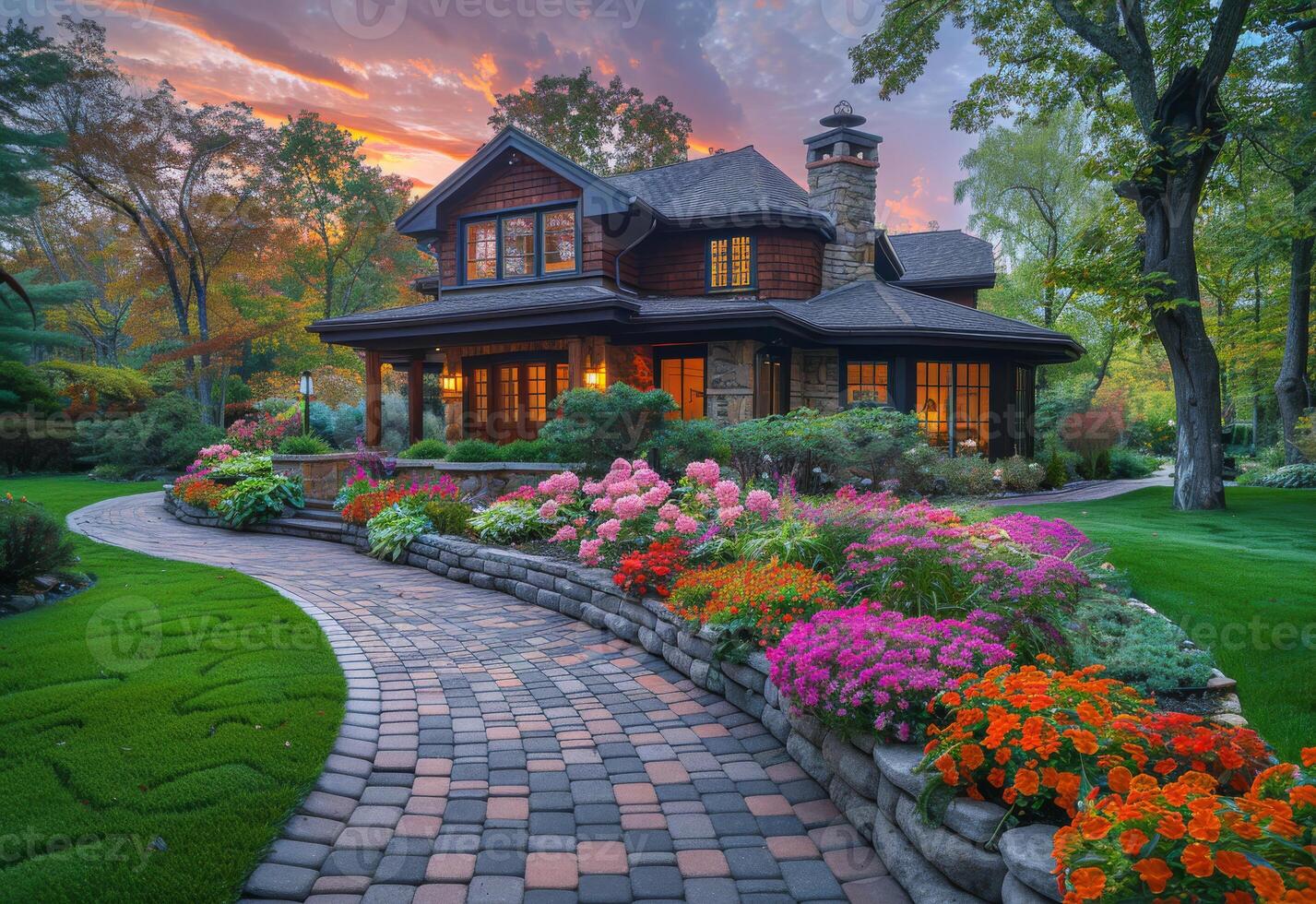
https://www.vecteezy.com/photo/40989800-ai-generated-beautiful-house-with-flowers-and-stone-walkway-during-sunset

Curb Appeal: First Impressions Are Important

First Impressions

Potential buyers’ first impression of your home will likely be the exterior, and curb appeal plays a critical role in creating that first impression. A well-kept landscape creates an inviting and appealing first sighting, which can set it apart in the neighborhood and boost sales prices by up to 10% more than similar properties without strong curb appeal.

Key Elements of Curb Appeal

Professional landscape designers enhance curb appeal through the incorporation of key elements such as these into their designs:

Lush Lawns: An attractive lawn is essential to creating curb appeal in any home. A healthy green lawn conveys care and attention to detail, creating an inviting space. Professional landscapers can select the appropriate grass variety based on climate and soil conditions ensuring a beautiful year-round display of color in your lawn.

Flowers, shrubs and trees add vibrant hues and textures to your landscape, adding visual interest and creating a sense of unity. Professional landscape designers can design plantings that bloom throughout the year so your garden remains beautiful throughout its existence.

Pathways and Borders: Define Your Landscape with Well-Defined Pathways and Borders: Walkways, edging, and borders can help to distinguish different areas of your garden, giving structure to it while leading visitors through your garden. A professional landscaper can use materials like stone, brick or pavers to craft paths that complement the architecture of your home and guide guests along them.

Lighting: Outdoor lighting adds both safety and aesthetic value to your landscape, drawing the eye toward key features like trees or water features and extending usable outdoor space into evening hours. When strategically placed, outdoor lighting can create dramatic effects that boost curb appeal for homes in your neighborhood.

Functional Outdoor Living Spaces

Expanding Usable Space

A properly landscaped yard not only adds aesthetic value, but it can also expand usable space. Professional landscapers can design outdoor living areas that serve as extensions of your home – providing extra room for relaxation, entertainment and dining. Features like patios, decks, pergolas and outdoor kitchens have become increasingly popular with homebuyers and can add significant value to your property.

Maximizing Space and Flow

Professional landscape designers possess the expertise needed to design spaces that optimize both the flow and usability of your yard. They can assess its layout by taking into account factors like sunlight, wind patterns and existing vegetation to craft spaces that are both practical and aesthetically pleasing – such as positioning seating areas for taking advantage of sunset views while placing children’s play areas under shaded spots that stay cool in the heat of day.

Homebuyers today are becoming more conscious of sustainable living, and incorporating eco-friendly features in a professionally designed landscape design can bring this market. Native plants, drought-resistant landscaping and rainwater harvesting systems all lower environmental impact as well as maintenance costs; adding these features could increase appeal among environmentally conscious buyers as well as increase market value of your home.

Enhance Your Property Value Through Professional Landscaping

Landscape Design Offers High Return on Investment (ROI) Professional landscape design investments often deliver one of the highest return on investments among all home improvement projects, according to several studies. Homeowners may expect an ROI between 100%-200% from landscaping enhancements, and any increases in property values caused by professional designs may surpass even their costs altogether.

  • Factors Influencing ROI: There are various elements which may impede the return on investment for your landscaping project:
  • Quality of Design and Installation: When hiring landscaping professionals for any project, their skill and experience play an invaluable role. High-grade materials, careful design and precise installation all combine to produce lasting value-adding landscapes.
  • Market Trends: With demand for outdoor living spaces and sustainable landscaping features on the rise, incorporating these trends into your design can make your home more desirable to potential buyers and increase its resale value.
  • Neighborhood Comparisons: Landscape design can have a substantial effect on the value of your home and will vary depending on its surroundings. If your landscape design stands out as superior compared to others in its neighborhood, it could make your property more desirable and command a higher selling price.

Hiring Professional Landscaping Services While some homeowners may attempt to manage their landscaping projects on their own, utilizing professional landscaping services provides several key advantages that will greatly enhance the outcome of any given project.

Expertise and Experience

Professional landscapers bring years of experience and knowledge of landscaping design to their job. They understand all aspects of landscape architecture – such as plant selection, soil conditions, drainage issues and hardscaping. Their knowledge ensures your garden will not only look stunning but will be sustainable as well.

Comprehensive Planning and Design 

Professional landscaping services will collaborate with you to devise an extensive plan that takes into account your goals, budget and the unique characteristics of your property. They offer 3D renderings which give an accurate image of what the final result will look like and help ensure it is completed on time and within budget. This level of planning ensures costly mistakes can be avoided and that projects can be finished on schedule and under budget.

Professional Installation with Quality Materials

Landscape professionals possess access to superior materials and know how to correctly install them in any climate or landscape design setting, whether that means selecting plants specifically tailored for your climate or constructing long-lasting hardscape features. Their attention to detail guarantees you have a lasting landscape design.

Maintenance and Long-Term Care

A landscape requires constant care and maintenance. Professional landscapers offer regular services like pruning, fertilizing and seasonal cleanups to keep your space looking its best while offering advice about how best to look after plants and lawns so they remain healthy and vibrant.

Conclusion 

Landscape design can be one of the most effective ways to increase the value of your home. A professionally designed landscape enhances curb appeal, expands usable outdoor space, and generates an excellent return on investment. By including features such as lush lawns, colorful plantings and functional outdoor living areas in its design, a professional designer can craft an aesthetically pleasing landscape which also increases market value for your property.

Hiring professional landscaping services is key to achieving optimal results with any landscape project. Their experience, access to high-grade materials, and expertise ensure your landscape project will meet the highest standards and bring years of joy. With professional help on board, you can enjoy stunning outdoor spaces that increase home value while adding beauty and enjoyment.

Professional landscape design services can add real value to both selling or simply improving the living environment of any home, as it offers immediate and long-term returns on your investment.

How to Pick the Best Wallpaper for Your Bathroom

Bathrooms are often the most neglected rooms in the house when it comes to interior design but they are the perfect opportunity to create a space that is functional and beautiful. One of the biggest transformations you can make in your bathroom is with wallpaper. With the right wallpaper you can add color, pattern and personality to a utilitarian space and turn it into a haven. This blog will walk you through how to pick the best wallpaper for your bathroom featuring high end designer brands like William Morris wallpaper and Cole & Son.

Why Wallpaper for the Bathroom?

Wallpaper is a design element that can totally transform a bathroom. Here are the reasons why you should:

  1. Aesthetic: Wallpaper adds visual interest and can be a feature in the bathroom. You can express yourself and create a mood.
  2. Versatile: There are thousands of patterns, colors and textures to choose from so it can fit any style from classic to modern.
  3. Easy to Update: Unlike tiles, wallpaper can be changed so it’s perfect for those who like to update their decor frequently.

Bathroom Wallpaper Essentials

  1. Moisture Resistance: Bathrooms are humid environments so it’s important to choose wallpaper that can withstand moisture. Look for vinyl or vinyl coated options which are designed to resist water and humidity.
  2. Durability: Choose durable wallpaper that can handle the wear and tear of a bathroom. High end designer wallpapers are often more durable.
  3. Style and Design: Think about the overall style of your bathroom. The wallpaper should match existing fixtures, tiles and paint colors.
  4. Scale and Pattern: The size of the bathroom and the pattern scale of the wallpaper should be in proportion. Large patterns can make a small bathroom feel claustrophobic, small patterns can get lost in a large space.
  5. Lighting: The amount of natural and artificial light in the bathroom will affect how the wallpaper looks. Test the samples in your bathroom’s lighting before you decide.

Designer Wallpaper Brands

William Morris

William Morris is famous for his detailed and nature inspired designs. His wallpapers have florals and foliage, adding elegance and history to any room. For bathrooms look at his vinyl coated options which offer beauty and durability.

Cole & Son

Cole & Son have a vast range of wallpapers from classic to modern. Their designs are often bold and colorful, perfect for a feature wall in the bathroom. The Fornasetti collection is particularly whimsical and imaginative and can add a touch of magic to your bathroom.

Other Brands:

  • Farrow & Ball: Timeless and sophisticated designs, Farrow & Ball wallpapers can add classic elegance to your bathroom.
  • Sanderson: Traditional and modern patterns, Sanderson wallpapers are perfect for a refined and stylish bathroom.
  • Scalamandré: Luxurious and exotic designs, Scalamandré wallpapers can add opulence to any bathroom.

Top Tips for Choosing Bathroom Wallpaper

1. Go Bold

Bathrooms are small spaces so they are the perfect place to try out bold patterns. A statement wallpaper can add drama and make the bathroom feel luxurious.

  • Example: Use a bold floral from William Morris on an accent wall or behind the vanity as a focal point. Pair it with neutral tiles and fixtures to balance it out.

2. Think Textured Wallpaper

Textured wallpaper can add dimension to your bathroom. Look for options that mimic natural materials like grasscloth or linen but are designed to be moisture resistant.

  • Example: Choose a textured wallpaper from Farrow & Ball to add understated elegance. Their textured finishes can create a beautiful backdrop for your bathroom fixtures.

3. Use Wallpaper to Create Zones

In larger bathrooms use wallpaper to define different areas. For example you can create a separate zone for the bathtub or shower with a different wallpaper pattern.

  • Example: Use a bright Cole & Son wallpaper around the bathtub area to create a spa-like retreat. Pair it with a coordinating but more subtle pattern in the rest of the bathroom.

4. Go Light in Small Bathrooms

If your bathroom is small, go light with the wallpaper to make the space feel larger and more open. Subtle patterns can achieve this too.

  • Example: Choose a light, nature inspired pattern from Sanderson to add elegance without overwhelming the space. Light colors will reflect more light and make the bathroom feel airy.

5. Mix and Match

Don’t be afraid to mix different wallpapers in the bathroom. This can add a dynamic and layered look. Just make sure the patterns and colors work together.

  • Example: Combine a bold patterned wallpaper from Scalamandré on one wall with a neutral textured wallpaper from William Morris on adjacent walls. This will create visual interest without looking chaotic.

Care and Maintenance

To keep your bathroom wallpaper looking great follow these tips:

  1. Ventilation: Make sure your bathroom is well ventilated to reduce humidity. Use an exhaust fan to prevent moisture build up.
  2. Cleaning: Wipe down the wallpaper with a damp cloth regularly to remove moisture and prevent mold and mildew growth.
  3. Repair: Keep extra rolls of wallpaper for quick repairs in case of damage or peeling.

Conclusion

Choosing the right wallpaper for your bathroom can transform the space, add personality, style and luxury. High end designer brands like William Morris, Cole & Son and others have a wide range of options to suit every style. By considering moisture resistance, durability, style and pattern scale you can choose a wallpaper that will enhance your bathroom’s aesthetic and withstand its functionality.

Balance is key. Try bold patterns and textures but make sure they work with the space. With the right wallpaper your bathroom can be a beautiful room in your house.

Choosing the Right Plan for Your Dream Home

Whether you are shopping for “The One,” you are building a new home from the ground up, or you are remodeling the home you already cherish, the decisions you make along the way can both be intimidating and highly rewarding. It is natural to feel overwhelmed when you wonder about how to logistically turn your dreams into reality, whether that reality will be as good as it was in theory, your budget, your timeline, or anything else. To help start you off right, here are a few key thoughts to help guide your next steps.

1.  Practical Considerations

Before you design your live-in masterpiece, make sure it is compatible with your lifestyle. The absolute last thing you want is to build your dream home only to find out it doesn’t suit your needs. 

The Ins and Outs of the Home

Ultimately, your home needs to be livable. For example, if you are looking to expand your house for more rooms for a growing family or for more overnight hosting for guests, do your goals to add rooms accommodate adding extra people, with comfortable space, adequate privacy, and enough bathrooms? If you’re planning for a multigenerational home, are you considering safety, accessibility, and versatility with your family’s changing needs?

Similarly, when you consider your house’s exterior, consider the type of materials used, including choices in facades that are suitable to the climate you live in. After all, if you live in an area that is prone to hurricanes, it would be best to factor in durability for extreme storms into your choice of materials such as paneling and tiles before you get blown away by an idea that will, too.

Design Code and Permitting

Before you pull out the blue tape, make sure that you’ve gone through the red tape. While working with licensed and bonded teams will help with quality control and legality, it is helpful to first make sure that what you are considering is feasible. For example, many municipalities require additional permits for Accessory Dwelling Units; additionally, understanding that expanding your home will require changes to your electrical wiring and installing extra pipes, which could lead to additional inspections and fees for hook-ups to water and sewage. On the other hand, your plans may qualify for tax breaks and other federal or local incentives! Planning for these contingencies can help spare financial and legal heartache, and help you anticipate delays in the timeline.

2.  External Influence: Upping your Curbside Appeal

There are many great reasons to invest in exterior architecture and home exterior makeovers. Not only is your home’s outside the first impression you make to yourself and others, but putting the extra effort into the outside of your house can definitely boost your home’s value! Alongside practicalities like maintenance and, if you are or will be in a planned community, HOA restrictions, consider your personal aesthetic: do you want quirky and playful? Timeless and elegant? Hoping to accentuate a cultural tradition, such as a classic Southwestern abode or a Scandinavian seaside town? Designing with the front end in mind can help you also consider which parts of your design matter most. From there, you can make more empowered decisions on who to contact in terms of contractors, specialists, and/or agents.

3.  Insider Information: Your Interior Design Mind

While curb appeal is important, your living room’s spaciousness, kitchen surfaces, and staircases matter as well! Consider, for example, that you already have an idea for your ideal amount of natural light, both for your own personal tastes as well as ways to add eco-consciousness into your enhancements. Even more, for kitchens, laundry rooms, hobby rooms, and bathrooms alike, consider which practical elements you want to make the focal point, such as a countertop that is a conversation starter, or a porcelain sink that sets the tone for the room.

Whether you are designing the whole house, or looking to modernize one room, once again, start with a theme or favorite piece of furniture you want to design around. 

Start Building Your Team!

Once you are ready to hammer away, make sure that when you are collecting your bids, you are also looking for compatibility with the folks who will help you achieve your housing dream. After all, whether you are working with a real estate agent, or you are working with an architect, making sure that your people are also ready to execute your vision is at the front and center of everything you do. While budget and reading quality reviews will always matter, make sure that you also feel comfortable with the people you are working with. So, here’s to happy dreaming and even happier doings!

Tips for Designing a Functional and Stylish Home Office

Link: https://unsplash.com/photos/macbook-air-beside-gold-colored-study-lamp-and-spiral-books-MNd-Rka1o0Q

According to the U.S. Bureau of Labor Statistics, nearly one-third of Americans work remotely from home on at least a part-time basis. If you fall into this category, you need to have a home office available to you that is both functional and stylish. If you haven’t gotten around to putting one together yet, make it your mission to do it soon. Here are some tips on how to create the perfect home office.

Look For a Good Place to Put a Home Office

First things first: When you’re preparing to put a home office somewhere in your house, begin by thinking about where it should go. Ideally, you’ll want to stick a home office in a place where it’ll always be nice and quiet so that you can get your work done throughout the day. If you happen to have a spare bedroom in your house you aren’t using right now or if you have an empty corner in your finished basement, these would both be fantastic places for a home office.

You might also want to consider investing in the construction of a room addition to provide you with space for a home office.

Paint a Home Office’s Walls With the Right Colors

Once you pick the best place to put your home office or, better yet, build a brand new home office from scratch by adding onto your house, the next thing you’ll need to do is paint the walls in it. Instead of simply painting the walls in a home office white, search for paint colors that are going to motivate you during your workdays and allow you to focus.

There are dozens of different paint colors to consider when you’re trying to decide which paint you want to put on the walls in your home office. Light blues and greens will have a calming effect when you incorporate them into your home office design. They’ll also make your home office look every bit as stylish as you would like it to be.

Link: https://unsplash.com/photos/macbook-pro-on-brown-wooden-table-kw0z6RyvC0s


Invest in High-Quality Home Office Furniture

While you’re waiting for the fresh coat of paint that you put on the walls in your home office to dry, start shopping for furniture for the space. You will, first and foremost, want to select a desk. This desk should fit nicely into your home office without overcrowding it, and it should also set the tone for your home office in terms of its style. Whether you decide to go with a wooden desk, a metal desk, or even a glass desk, choose one that will both serve its purpose and dramatically improve the appearance of your home office.

There are also lots of other pieces of furniture you will need to pick out for your home office. This includes a chair for your desk, filing cabinets for all your important paperwork, a bookshelf for any books you would like to display, and more.

Select Great Lighting for a Home Office

If you’re lucky enough to have one or more windows in your home office, you should adorn them with window treatments and make the most of them by leaving these window treatments open during the day. It’ll allow a lot of natural light to come into your home office and make it feel like a more pleasant place to work.

You’ll also want to look for great lighting for a home office. In some cases, this will mean choosing a single lighting fixture to hang up in the middle of the room or installing recessed lighting. In other instances, it will mean buying several lamps and strategically placing them throughout your home office. Either way, you’ll want to be able to take control of the lighting in your office at any time.

Add Decorative Touches to a Home Office

As long as you have followed the basic steps to prepare this work space, your home office should come together quickly and look amazing. But if you want to take it to the next level, you’ll also need to find decorative touches for it that will put its design over the top. You can buy office decor online so that you’ll be able to add things like pots for plants and vases for flowers to your home office. These small touches will have a gigantic impact on the look and feel of it.


Maximizing Small Spaces in Your Home

URL: https://pixabay.com/photos/home-indoors-decor-design-creative-2618511/

Living in a small space is a valuable skill for anyone looking to find unique solutions to space limitations.

When maximizing the micro, just a few tactics can make your space feel bigger, brighter, and more beautiful. In this guide, we’re breaking down five strategies to optimize small spaces: using natural light to your advantage, exploring outdoor options, cutting clutter, choosing space-saving furniture pieces, and efficiently using wall space.

Take Advantage of Natural Light

Even a little bit of natural light can go a long way. Some of the most common natural light sources in residential spaces are:

  • Windows – Using sheer window treatments, hanging blinds, or even going curtain-free can help you customize and direct the natural light streaming through your windows.
  • SkylightsSkylights are excellent natural light sources for small rooms. They can fill an entire room with soft, bright light during daylight hours when well-placed.
  • Doors with glass – Front doors with sidelights, sliding glass doors, and French doors can all help homeowners harness natural light.

Letting more natural light into your space will make it feel airier, larger, and (of course) brighter. To maximize your natural light during the day, try to leave spaces around light sources clear; instead of putting a chandelier right next to a skylight, for instance, leave the ceiling area around it bare to let as much light as possible into the room.

Expand to the Outdoors

Feeling like you’re out of storage space indoors? Trying to curate a conversation-friendly, cozy space without eating up square footage? Consider expanding to the yard, balcony, or patio.

With just a few simple tactics, you can make an outdoor space furniture-, storage-, and fun-friendly:

  • Overhead coverage – Umbrellas, awnings, or even horizontal trellises can all create shade and offer some protection from the elements.
  • Outdoor flooring – Pavers and outdoor tiles are multifunctional: they enhance the aesthetics and functionality of a space, creating a level surface.
  • Lighting – Whether you install simple string lights or more sophisticated lighting in your outdoor haven, proper lighting will help you maximize your alfresco space.

Cut Clutter

Clutter can imbue even the most sprawling living spaces with stuffy, stifling energy. While there’s something to be said for well-placed knicknacks, keeping your space as organized and clutter-free as possible will help make your small space feel more roomy.

There are a few tactics you can use to keep your small space organized and clean:

  • Use displays – Instead of lining up tchotchkes on the mantel, windowsill, or side table, display them in dedicated spaces to free up surfaces: in curio cabinets or wall shelves.
  • Create a schedule – If you struggle to stay on top of household chores and tend to let clutter pile up, consider making a manageable schedule — consider clearing one surface a day, for instance.
  • Purge as needed – Sometimes, you may not have enough room for your belongings in a small living space. Consider donating items you can’t find a place for.

URL: https://pixabay.com/photos/bedroom-indoors-interior-design-bed-6577523/

Choose Space-Efficient Furniture Pieces

Whether you’ve just bought your first home or you’re on your third move this year, furniture can make or break your living space layout and functionality. For people living in smaller spaces, choosing space-saving furniture is critical.

If you’re looking for versatile, space-efficient furniture for your home, consider freeing up space with:

  • Murphy beds
  • Fold-up chairs, tables, and desks
  • Collapsible or modular bookshelves
  • Pieces with built-in storage (e.g., ottomans with blanket storage)

Leverage Wall Space

Last, consider moving up instead of out while curating your small space layout — take as much advantage of wall space as possible.

For instance, wall shelves aren’t just places to display curios or store books. Get creative with your wall storage, using shelving to stow:

  • Clothes
  • Gaming consoles and A/V equipment
  • Barware
  • Snacks and pantry items
  • Cleaning and laundry supplies

For people living in small spaces, the ceiling is the limit — when you run out of floor space, don’t forget about the ample storage room available on your walls.

Small Spaces Demand Big Creativity

Throughout the last ten years, small-space living has become more popular and more common — but if this is your first time curating a smaller home, the tactics above can help you overcome floor space challenges.

Think of living in a small space as an opportunity to flex your creativity: finding new storage solutions, furniture pieces, and lighting tricks to help you thrive in your home.