Everyone dreams about how they might go about improving their home. Whether it’s practical considerations like rethinking the floor plan of a kitchen or big ideas like a whole-home remodel, we all have things we’d like to do to make our most important asset more valuable and more pleasant to live in.
When you’re ready to take action, take some time to sit down as a family and dream a little. Make a list of “needs” and “wants.” What really has to be done to ensure the safe, efficient, and comfortable functioning of your home? What would you love to see happen if time and money permit? Is it a bathroom remodel you want, or are you considering multiple rooms? Don’t be too “married” to any one idea, because budgetary constraints will ultimately determine what’s realistic.
Figure Out Your Budget
Don’t let a renovation project fall apart because you run out of money or take on debt you can’t afford. Many people don’t have a clear idea of how much debt they can afford to take on. Closely examine your household budget. Even if you have disposable income, might some of that have to go toward a loan payment? Most people will find it necessary to borrow money for an extensive home remodel, but you could make that money back in the value the project adds to your home. How much can you afford to spend on this project without putting yourself in an uncomfortable financial position? Many banks offer free loan payment calculators, so you can input a few pieces of information and it will tell you how much you can afford to borrow.
Obtain Funds
Assuming you will need to borrow, don’t just assume your usual bank will give you the best loan, and don’t borrow from just anyone who offers you a loan – take the time to ensure that you’re borrowing the right amount of money, at the best possible rate, from a reputable lender. Many remodeling contractors offer financing, but take a day or two to comparison shop because you may be able to get a better loan than the contractors offer.
Vet Contractors
Start with your hometown social media group. Ask your neighbors who did their remodel. Often you’ll find that there are a few remodelers who do a lot of work in your area and who have a good reputation. Don’t just go with the first one you meet: compare their estimates and choose the remodeler whose reputation you can easily verify, who offers you the best price, and is willing to stand by their work with a long warranty.
Make a Plan
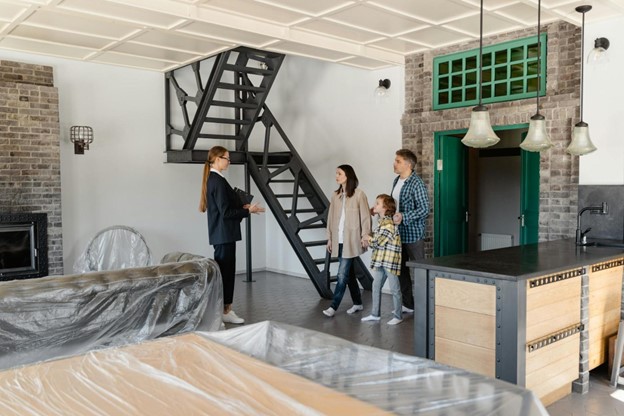
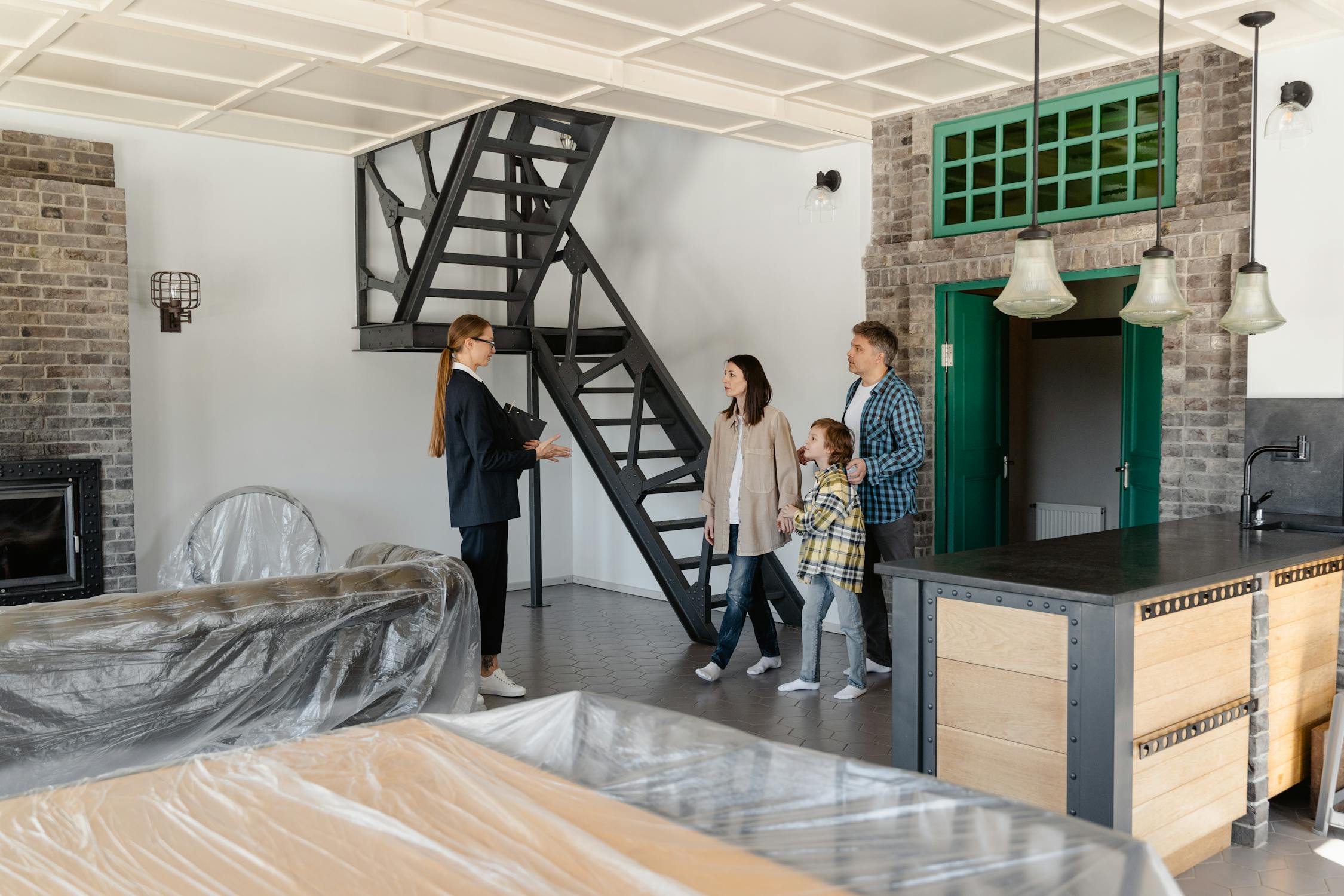
Undergo a pre-home renovation walkthrough with the contractor. Show them your wants and needs list. When they’re looking at your home and considering your ideas, they’ll be able to develop a plan that accomplishes as many of your goals as possible, within your budget. They should give you a formal written proposal of what they plan to do, how long it will take, and how much it will cost.
Monitor Progress
Don’t just vacate the premises and leave everything in the contractor’s hands. Check in periodically to ensure that everything is on schedule and within budget. If a project is going to take longer or cost more than originally planned, ensure that the contractor gives you a detailed explanation about the changes and provides you with an updated plan in writing.
Handle What’s Necessary First
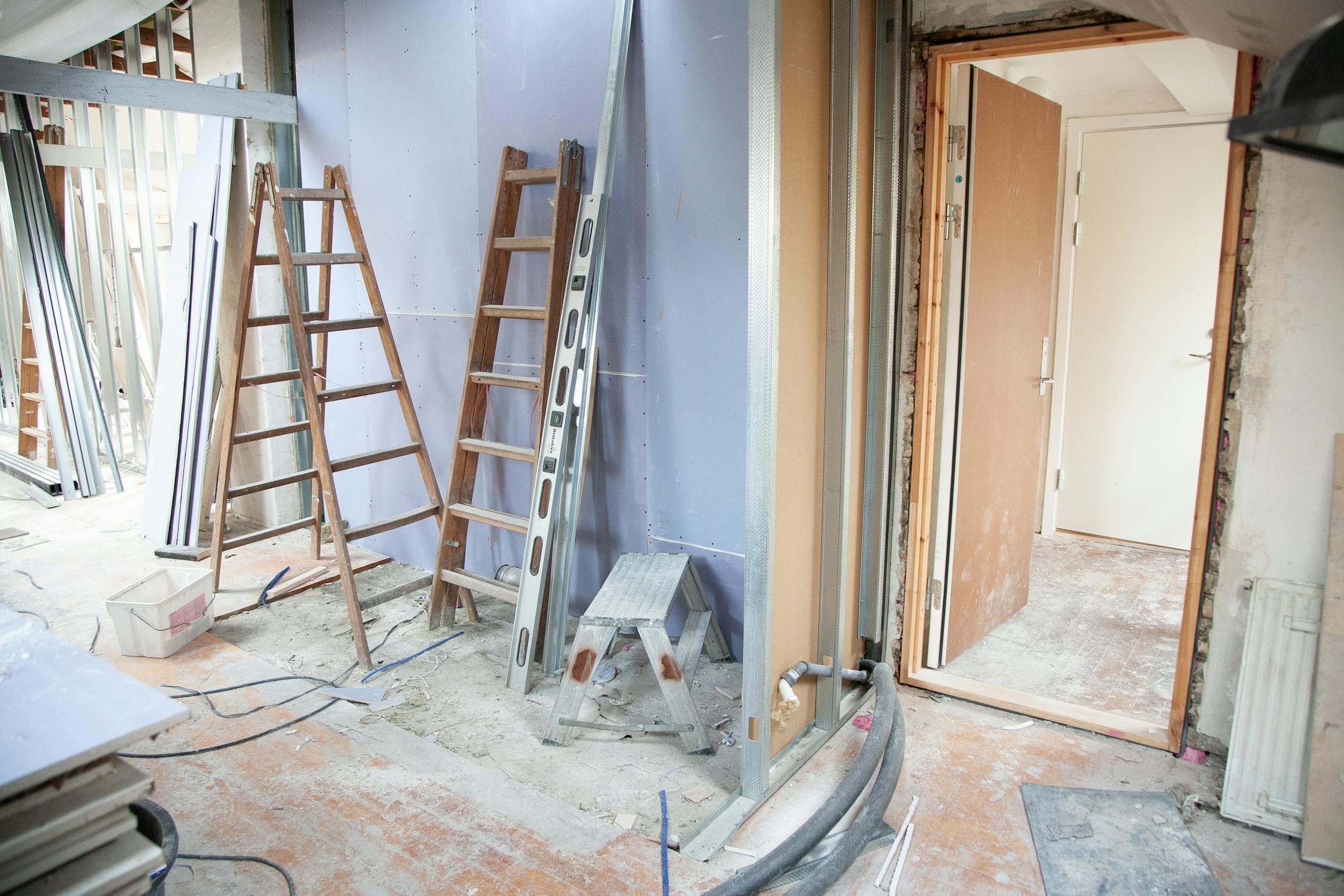
Any good contractor will tell you that if you’re going to be opening walls, now is the time to take care of any plumbing, electrical, and heating or air conditioning concerns. Be sure that the contractor resolves the items highest on your “needs” list first. From there, they should handle the costliest, most complicated, and messiest tasks in order. If the written plan has to change, get a good explanation and an updated document.
Make sure that this part of the process is figured into the budget. Once all necessary items are complete, you’ll be free to concentrate on cosmetic improvements. This is your opportunity, while you have a blank slate, to create a home that reflects your personality. Select colors, textures, and details that will make your family comfortable and happy for years to come.
Rate this:
If you like this post and want to share it then click the service!
Your home is your greatest investment, and with proper care and management, it can be your greatest asset. The reasons for remodeling your home are numerous, but the fact that remodeling can add 40 to 60 percent to the resale value of your home can be extremely important. Not only will you get significantly more if you do sell down the road, but if you do this right, your credit could skyrocket and you could find yourself much freer to meet future goals with your increased buying power.
Perhaps your needs are changing, such as a new baby or elderly parents moving in. Maybe the layout of your kitchen has never been conducive to the way you cook. Maybe as you’re aging, you decide you’d like a shower instead of a bathtub, and while you’re at it, you’d like to reconfigure your bathroom sinks and counter space. Or is it that, after your last barbecue, you realized your deck and patio aren’t as safe as they should be?
You might want to remodel your home for any number of practical reasons, but it’s important to be practical, too, about planning not just for your dreams, but how you’ll afford those dreams. The last thing you want is to have to stop in the middle of a major project because you run out of money.
Begin by Determining Your Budget Any project you plan is only as good as your ability to pay for it. If you have savings earmarked for home remodeling, this is the best way because you won’t owe anybody anything. You could borrow against the existing equity in your home, take out a personal loan, or even use credit cards to earn rewards – each of these payment methods comes with its own costs and benefits and it makes sense to explore all your options before doing anything.
Once you know how much you have to spend, you can then begin considering how best to spend it. When you plan your remodel, leave a cushion for unexpected surprises that come up once demolition has begun, such as rot, pest infestations, and many more unseen drains on your budget. Consider, too, incidental expenses associated with your remodel, such as the cost of packing up, moving, and storing possessions, or hotel costs if you have to vacate the house for a while.
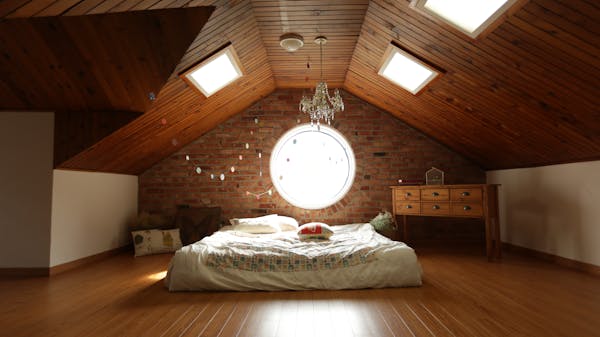
With a concrete budget in hand, you can now sit down and put your imagination to work: what is it you want to do? Start by brainstorming, letting your imagination run wild – what would you do if money were no object? From this list of dreams, begin prioritizing what changes you really need, such as that safe shower, versus what changes would be nice, but are not necessary, such as decorative touches like skylights. Also, don’t forget to budget for things like furniture and decor, which you may want to change once your beautiful project is complete.
Use one of the many remodeling cost calculators available online (your bank may offer such a feature with your account) to give you a rough idea of the average costs nationwide for each project. For example, the average cost of a bathroom remodel can be anywhere from $75 to $275 per square foot, or $10,800 – but that shower you want could cost $10,000 by itself. A kitchen remodel could cost as much as $30,000, or $75 to $250 per square foot.
Vet Your Contractors
Extensive remodeling, which may require the modification of electrical and plumbing or the removal or relocation of walls, is best done with the assistance of vetted contractors. Seek recommendations from family, friends, and neighbors. Read reviews. Check the Better Business Bureau for any complaints against the contractors you’re considering. When they do a walkthrough with you to discuss your needs and wants, they’ll be able to help you figure out what changes you can really afford on your budget, and what may be out of reach.
The research you did with the remodeling cost calculator will be helpful background information for this meeting. Get at least three quotes so you can choose not only the best price but also the contractor who offers you the best protection for your job and with whom you feel most comfortable. Ultimately, the homework you do can make a difference in whether your budget covers the cost of your project.
Rate this:
If you like this post and want to share it then click the service!
Getting ready to start a new home renovation project can be exciting, and you probably can’t wait to start putting together all of the details. However, before you start purchasing new furniture or appliances or going through color swatches, there is one critical element you should start with – the walkthrough.
A pre-renovation walkthrough gives you the ability to meet with various contractors and or designers to help lay the groundwork for ensuring a successful project. By applying the right strategies, you can make sure you’re getting the most value out of this process and setting your project up for success.
Why Are Walkthroughs Important Before Starting a Home Renovation Project?
While you may already be envisioning your finished project, it’s important to recognize all of the different steps it will take to get there. Although some home renovation projects may be relatively easy to perform, others will require specialized skills and careful planning to make sure they go smoothly.
Taking the time to do a walkthrough with any professionals involved in your renovation project is important for various reasons. Some of these include:
Establishing Clear Communication and Expectations
Not everyone may work the same way you would when starting and completing a project. This is why it’s important to set the right tone on how you want to communicate during a renovation and exactly what you’re looking for.
Preventing Costly Mistakes or Delays
All renovation projects can cost much more than initially expected. Many times, this is a result of running into unplanned setbacks like electrical or plumbing issues or needing to reschedule work due to supplier issues or conflicts in contractor availability.
Conducting a walkthrough ahead of time may not completely avoid these problems, but it definitely helps to reduce their likelihood.
Ensuring Everyone Stays on the Same Page
Before you start your project, you will want to make sure all of your ideas are reasonable when fitting into your budget and that you have the right people for the job.
By investing enough time ahead of time to prequalify contractors and ensure everyone is on the same page regarding the process, you’ll experience a much smoother renovation experience.
Preparing For The Initial Walkthrough
Although you may not have all of the details ironed out for your project ahead of a walkthrough, the more prepared you are during this process, the more value you and anyone else attending will get out of the process.
Below are a few preparatory steps you can take when planning your walkthrough:
Gathering Inspiration and Ideas – You no doubt will have a ton of different ideas flowing through your head on what you’re trying to achieve, but sometimes, putting those ideas on paper will make them easier to explain. Consider creating a mood or Pinterest board with different images you’ve used to inspire your project. You could also collect magazine clippings or save pictures from other real estate guides to help better explain your vision.
Creating a List of Priorities and Must-Haves – Renovation projects will often come with a number of compromises you should be ready to make – unless you’re working with an unlimited budget. Before you need to make these types of decisions, decide ahead of time what the highest priority elements of your renovation are and which are “nice-to-haves.”
Designing a Workable Budget – Budgeting is a critical part of planning a new project, and you’ll want to make sure you have this clearly ironed out before doing your walkthrough. The budget you design will heavily dictate the type of work your contractors are able to perform, and knowing your financial boundaries will give them the ability to provide adequate quotes.
Effective Strategies for Getting The Most Out of Your Renovation Planning
Once you’ve scheduled a walkthrough prior to starting a project, you’ll want to have a checklist of things to complete once you’re meeting with qualified professionals. Below are some important points you’ll want to include to make sure you’re getting the most out of your meeting:
Discussing Project Scope
Even before you start touring your home or the specific room(s) you’ll want to work on, it’s important to lay out the exact scope of your project. Take this time to explain any important goals you’re trying to achieve and list the rough budget you’re trying to stay within.
During this process, you’ll want to clearly identify the reasons behind your looking for home improvements, including any challenges you currently have with the space or how you’ll be using the renewed parts of your home.
Identifying Any Potential Challenges
You’ll want to be sure to keep an open mind when planning your project and be prepared for some potential roadblocks that can come up – both during walkthrough discussions and once work has already begun. Contractors may already identify certain challenges you might have when trying to achieve a specific vision and may guide you toward alternative thoughts or ideas.
Take this time to discuss the feasibility of your plans and consider other solutions as needed. Proactively identifying this ahead of time can help save you significant costs if a problem arises mid-project.
Establishing a Timeline and Project Milestones
Another important part of the walkthrough process is to agree on important project timelines or milestones that need to be met. This is a great opportunity for you to establish how much time you have to complete the project and for contractors and designers to validate if and how it’s possible to meet those goals.
Contractors will want to make sure you’ve factored in any potential delays that can arise with suppliers or inclement weather that can slow down work. Once you’ve ironed out those issues, you’ll be able to create a firm timeline that everyone can follow once work has begun.
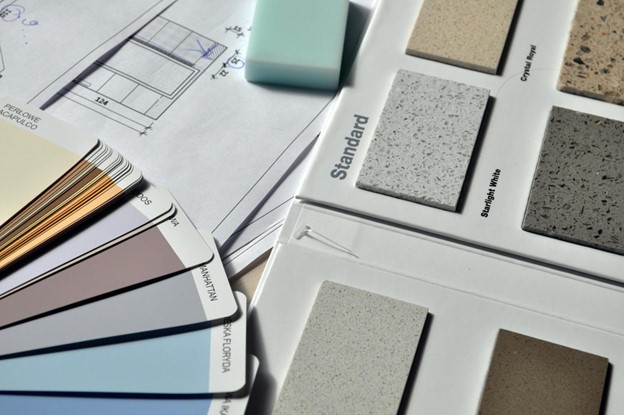
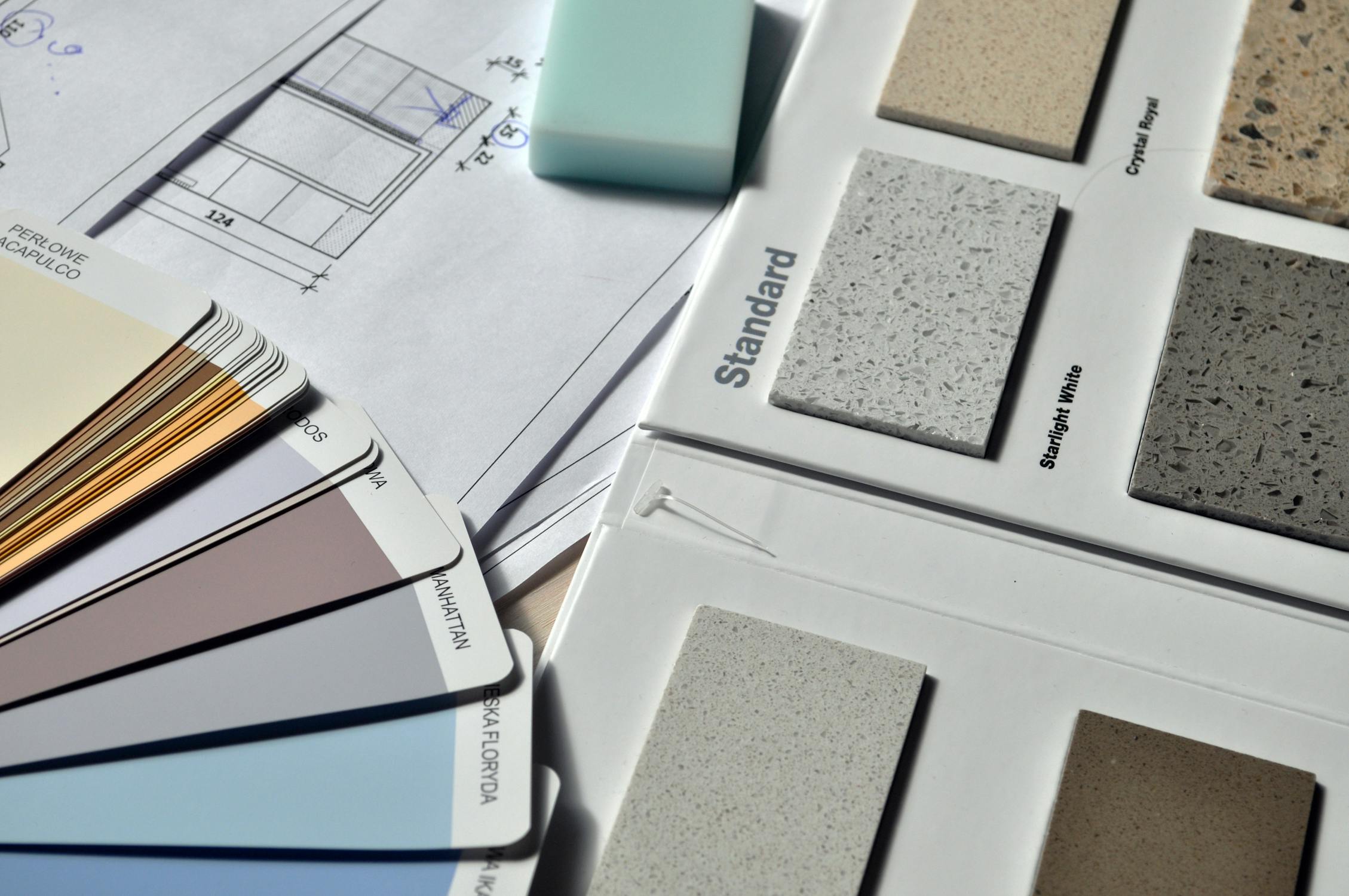
Selecting Materials and Finishes
A renovation walkthrough is also a great time to review the different design choices you’ll have available to you. Once the space has been evaluated by renovation teams, they’ll often be able to shortlist different options that will help you maximize the value and aesthetics of the finished project.
Whether you’re doing a kitchen renovation, bathroom remodel, or repurposing a basement, be sure to go over all of your options for getting the space exactly as you want it.
Make Your Home Renovation Project a Success
Taking the time to plan for and execute a helpful walkthrough before starting your renovation project will help you set the groundwork for a much more successful experience.
By following the tips discussed when getting ready for your walkthrough and making sure you have the right questions thought out, you’ll have the peace of mind of knowing that your vision will be able to be brought to life while staying within budget.
Author Information
Author Name: Rebecca Denis
Author Bio:
Rebecca Denis, Head of Design at Revive Real Estate, is an accomplished and highly creative interior designer with over ten years of experience in the industry. With a passion for transforming spaces and a keen eye for detail, she has successfully completed numerous projects ranging from commercial spaces to custom show homes.
Rate this:
If you like this post and want to share it then click the service!
When it comes to increasing the value of their homes, homeowners may focus on interior renovations like updating kitchens and bathrooms or adding rooms. Yet one of the most effective ways of increasing resale value lies just outside their front door: professional landscape design. A well-planned landscape can not only increase beauty and functionality of outdoor space but can also significantly raise resale value of a property. In this blog we’ll explore how professional landscaping services are integral for producing optimal results for any homeowners looking at increasing value of their properties!
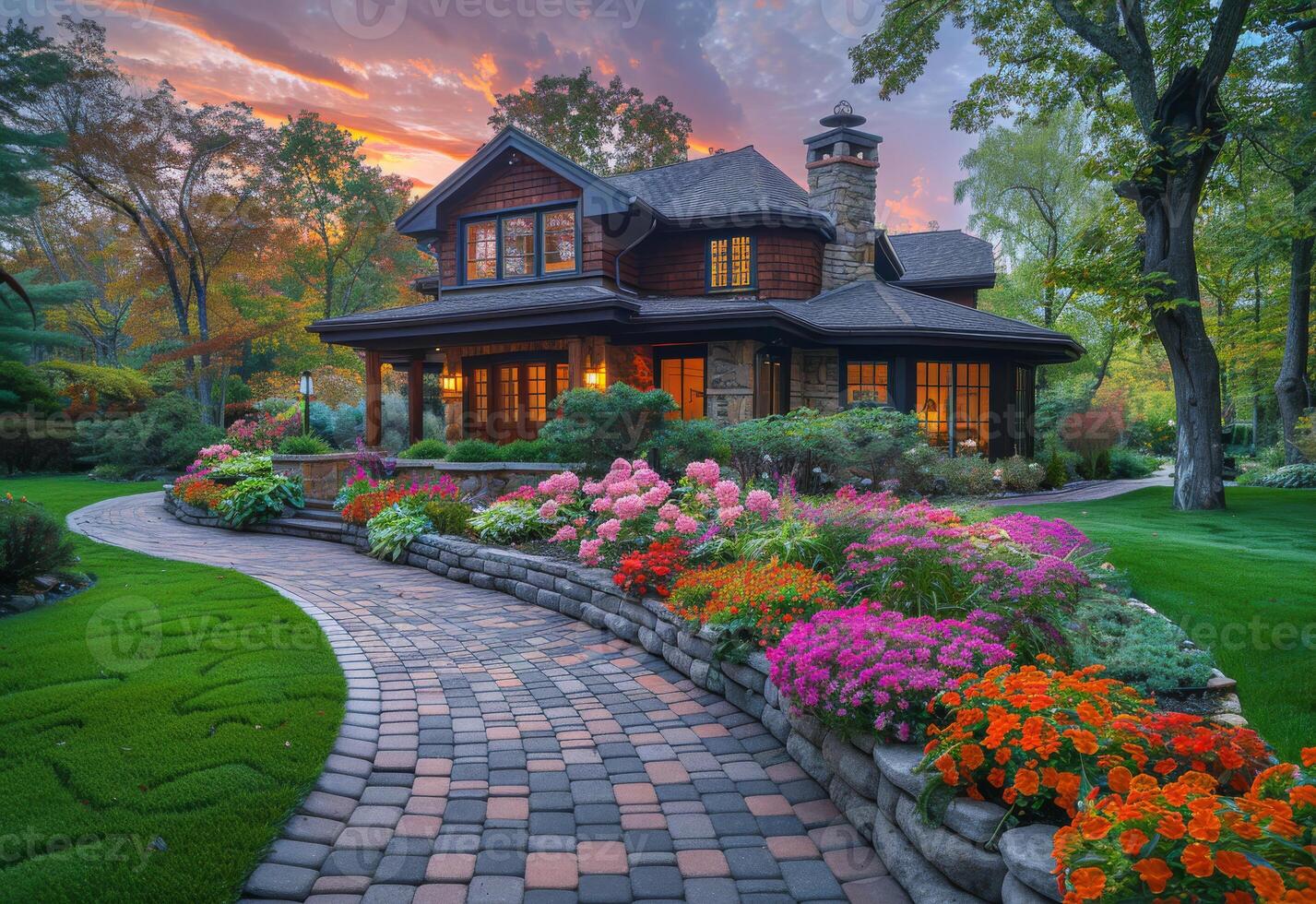
Potential buyers’ first impression of your home will likely be the exterior, and curb appeal plays a critical role in creating that first impression. A well-kept landscape creates an inviting and appealing first sighting, which can set it apart in the neighborhood and boost sales prices by up to 10% more than similar properties without strong curb appeal.
Key Elements of Curb Appeal
Professional landscape designers enhance curb appeal through the incorporation of key elements such as these into their designs:
Lush Lawns: An attractive lawn is essential to creating curb appeal in any home. A healthy green lawn conveys care and attention to detail, creating an inviting space. Professional landscapers can select the appropriate grass variety based on climate and soil conditions ensuring a beautiful year-round display of color in your lawn.
Flowers, shrubs and trees add vibrant hues and textures to your landscape, adding visual interest and creating a sense of unity. Professional landscape designers can design plantings that bloom throughout the year so your garden remains beautiful throughout its existence.
Pathways and Borders: Define Your Landscape with Well-Defined Pathways and Borders: Walkways, edging, and borders can help to distinguish different areas of your garden, giving structure to it while leading visitors through your garden. A professional landscaper can use materials like stone, brick or pavers to craft paths that complement the architecture of your home and guide guests along them.
Lighting: Outdoor lighting adds both safety and aesthetic value to your landscape, drawing the eye toward key features like trees or water features and extending usable outdoor space into evening hours. When strategically placed, outdoor lighting can create dramatic effects that boost curb appeal for homes in your neighborhood.
Functional Outdoor Living Spaces
Expanding Usable Space
A properly landscaped yard not only adds aesthetic value, but it can also expand usable space. Professional landscapers can design outdoor living areas that serve as extensions of your home – providing extra room for relaxation, entertainment and dining. Features like patios, decks, pergolas and outdoor kitchens have become increasingly popular with homebuyers and can add significant value to your property.
Maximizing Space and Flow
Professional landscape designers possess the expertise needed to design spaces that optimize both the flow and usability of your yard. They can assess its layout by taking into account factors like sunlight, wind patterns and existing vegetation to craft spaces that are both practical and aesthetically pleasing – such as positioning seating areas for taking advantage of sunset views while placing children’s play areas under shaded spots that stay cool in the heat of day.
Homebuyers today are becoming more conscious of sustainable living, and incorporating eco-friendly features in a professionally designed landscape design can bring this market. Native plants, drought-resistant landscaping and rainwater harvesting systems all lower environmental impact as well as maintenance costs; adding these features could increase appeal among environmentally conscious buyers as well as increase market value of your home.
Enhance Your Property Value Through Professional Landscaping
Landscape Design Offers High Return on Investment (ROI) Professional landscape design investments often deliver one of the highest return on investments among all home improvement projects, according to several studies. Homeowners may expect an ROI between 100%-200% from landscaping enhancements, and any increases in property values caused by professional designs may surpass even their costs altogether.
Factors Influencing ROI: There are various elements which may impede the return on investment for your landscaping project:
Quality of Design and Installation: When hiring landscaping professionals for any project, their skill and experience play an invaluable role. High-grade materials, careful design and precise installation all combine to produce lasting value-adding landscapes.
Market Trends: With demand for outdoor living spaces and sustainable landscaping features on the rise, incorporating these trends into your design can make your home more desirable to potential buyers and increase its resale value.
Neighborhood Comparisons: Landscape design can have a substantial effect on the value of your home and will vary depending on its surroundings. If your landscape design stands out as superior compared to others in its neighborhood, it could make your property more desirable and command a higher selling price.
Hiring Professional Landscaping Services While some homeowners may attempt to manage their landscaping projects on their own, utilizing professional landscaping services provides several key advantages that will greatly enhance the outcome of any given project.
Expertise and Experience
Professional landscapers bring years of experience and knowledge of landscaping design to their job. They understand all aspects of landscape architecture – such as plant selection, soil conditions, drainage issues and hardscaping. Their knowledge ensures your garden will not only look stunning but will be sustainable as well.
Comprehensive Planning and Design
Professional landscaping services will collaborate with you to devise an extensive plan that takes into account your goals, budget and the unique characteristics of your property. They offer 3D renderings which give an accurate image of what the final result will look like and help ensure it is completed on time and within budget. This level of planning ensures costly mistakes can be avoided and that projects can be finished on schedule and under budget.
Professional Installation with Quality Materials
Landscape professionals possess access to superior materials and know how to correctly install them in any climate or landscape design setting, whether that means selecting plants specifically tailored for your climate or constructing long-lasting hardscape features. Their attention to detail guarantees you have a lasting landscape design.
Maintenance and Long-Term Care
A landscape requires constant care and maintenance. Professional landscapers offer regular services like pruning, fertilizing and seasonal cleanups to keep your space looking its best while offering advice about how best to look after plants and lawns so they remain healthy and vibrant.
Conclusion
Landscape design can be one of the most effective ways to increase the value of your home. A professionally designed landscape enhances curb appeal, expands usable outdoor space, and generates an excellent return on investment. By including features such as lush lawns, colorful plantings and functional outdoor living areas in its design, a professional designer can craft an aesthetically pleasing landscape which also increases market value for your property.
Hiring professional landscaping services is key to achieving optimal results with any landscape project. Their experience, access to high-grade materials, and expertise ensure your landscape project will meet the highest standards and bring years of joy. With professional help on board, you can enjoy stunning outdoor spaces that increase home value while adding beauty and enjoyment.
Professional landscape design services can add real value to both selling or simply improving the living environment of any home, as it offers immediate and long-term returns on your investment.
Rate this:
If you like this post and want to share it then click the service!
Whether you are shopping for “The One,” you are building a new home from the ground up, or you are remodeling the home you already cherish, the decisions you make along the way can both be intimidating and highly rewarding. It is natural to feel overwhelmed when you wonder about how to logistically turn your dreams into reality, whether that reality will be as good as it was in theory, your budget, your timeline, or anything else. To help start you off right, here are a few key thoughts to help guide your next steps.
1. Practical Considerations
Before you design your live-in masterpiece, make sure it is compatible with your lifestyle. The absolute last thing you want is to build your dream home only to find out it doesn’t suit your needs.
The Ins and Outs of the Home
Ultimately, your home needs to be livable. For example, if you are looking to expand your house for more rooms for a growing family or for more overnight hosting for guests, do your goals to add rooms accommodate adding extra people, with comfortable space, adequate privacy, and enough bathrooms? If you’re planning for a multigenerational home, are you considering safety, accessibility, and versatility with your family’s changing needs?
Similarly, when you consider your house’s exterior, consider the type of materials used, including choices in facades that are suitable to the climate you live in. After all, if you live in an area that is prone to hurricanes, it would be best to factor in durability for extreme storms into your choice of materials such as paneling and tiles before you get blown away by an idea that will, too.
Design Code and Permitting
Before you pull out the blue tape, make sure that you’ve gone through the red tape. While working with licensed and bonded teams will help with quality control and legality, it is helpful to first make sure that what you are considering is feasible. For example, many municipalities require additional permits for Accessory Dwelling Units; additionally, understanding that expanding your home will require changes to your electrical wiring and installing extra pipes, which could lead to additional inspections and fees for hook-ups to water and sewage. On the other hand, your plans may qualify for tax breaks and other federal or local incentives! Planning for these contingencies can help spare financial and legal heartache, and help you anticipate delays in the timeline.
2. External Influence: Upping your Curbside Appeal
There are many great reasons to invest in exterior architecture and home exterior makeovers. Not only is your home’s outside the first impression you make to yourself and others, but putting the extra effort into the outside of your house can definitely boost your home’s value! Alongside practicalities like maintenance and, if you are or will be in a planned community, HOA restrictions, consider your personal aesthetic: do you want quirky and playful? Timeless and elegant? Hoping to accentuate a cultural tradition, such as a classic Southwestern abode or a Scandinavian seaside town? Designing with the front end in mind can help you also consider which parts of your design matter most. From there, you can make more empowered decisions on who to contact in terms of contractors, specialists, and/or agents.
3. Insider Information: Your Interior Design Mind
While curb appeal is important, your living room’s spaciousness, kitchen surfaces, and staircases matter as well! Consider, for example, that you already have an idea for your ideal amount of natural light, both for your own personal tastes as well as ways to add eco-consciousness into your enhancements. Even more, for kitchens, laundry rooms, hobby rooms, and bathrooms alike, consider which practical elements you want to make the focal point, such as a countertop that is a conversation starter, or a porcelain sink that sets the tone for the room.
Whether you are designing the whole house, or looking to modernize one room, once again, start with a theme or favorite piece of furniture you want to design around.
Start Building Your Team!
Once you are ready to hammer away, make sure that when you are collecting your bids, you are also looking for compatibility with the folks who will help you achieve your housing dream. After all, whether you are working with a real estate agent, or you are working with an architect, making sure that your people are also ready to execute your vision is at the front and center of everything you do. While budget and reading quality reviews will always matter, make sure that you also feel comfortable with the people you are working with. So, here’s to happy dreaming and even happier doings!
Rate this:
If you like this post and want to share it then click the service!