Reviving Retro: How to Give Vintage Items New Life in Your Home

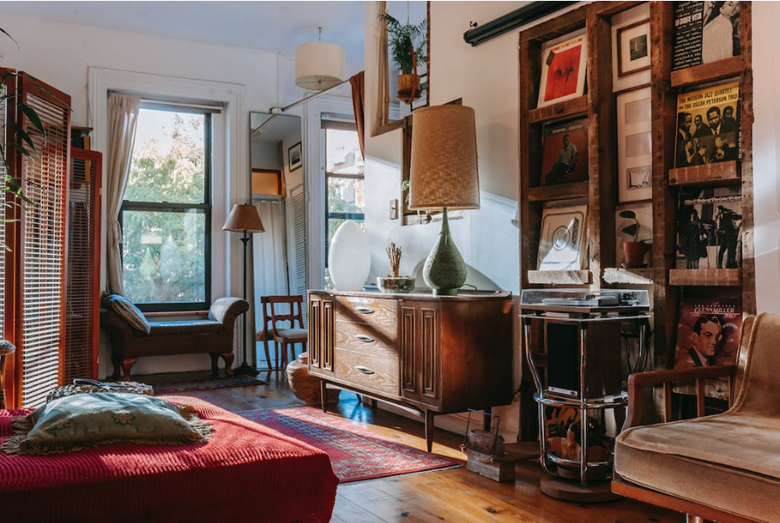
https://www.pexels.com/photo/interior-of-cozy-studio-with-bed-and-couch-decorated-with-vintage-furniture-and-vinyl-records-5824519/

Buying vintage has become one of the most popular trends of 2023, and not just among the climate-conscious. For those who crave antique collectibles that can’t be found anywhere and for those who want something that makes a statement, vintage is the way to go. But giving life to a vintage piece can be like inflating a deflated tire; it requires patience, perseverance, and the right arsenal.

Reviving vintage items in your home is more than a design choice; it’s a celebration of history and a nod to sustainability. Being aware of how to transform vintage items for home purposes is essential. It might not require an extensive renovation, but little changes that aid significantly. It might be something as simple as DIY stain glass lamps or something as complicated as replacing hardware and refinishing old furniture. Here’s your simple guide on giving vintage items a new lease of life.

Refurbish and Refinish

Thrift stores are a goldmine for those who know how to look, and when you’ve found the right items, from mid-century furniture to quirky accessories, there are many dated pieces you can revive with the right refurbishing. If you’ve found worn-out or damaged items, there is a chance that you can fix them through a bit of refurbishing. This can include reupholstering old sofas, armchairs, and even headboards.

Use wood polish, wood paint, and clear sealants to revive wooden furniture. You can highlight the natural grain by refinishing it, and any chips or scratches on the wood can be fixed with wood glue or filler.

Repurpose Items

While items and furniture are made for a specific purpose, there’s no reason that you have to use them the way they’re intended. For example, vintage record crates can be repurposed to be unique side tables or even shelving units for other items like books. Unplayable vinyl records can be repurposed to be decorative bowls with a bit of heat molding. Depending on the vintage item you have, there is a variety of choices when it comes to repurposing.

You can repurpose old lamps to be planters, especially if they are not functional. Other examples include repurposing wine corks to be a bed headboard, and vintage clothes can become a blanket or a throw. The easiest repurposing projects can be turning vintage items into decor. Changing a vintage bicycle to become outdoor decor doesn’t require much. Just paint it again, and you’re done!

You can also go on a hunt for vintage suitcases and upcycle them to be side tables (providing both aesthetic value and storage). Old suitcases can also make for ideal shelves for any home. You can also paint over them to ensure that they fit your home’s interior design.

Invest in Quality Equipment

If you want to have functional vintage decor in your home, you need to purchase tools that can help revive them. It can include items like a vinyl record cleaner to ensure that any vinyl records you purchase end up being usable. It can guarantee that your vinyls are always in peak condition, and this is vital if you use them frequently or plan on selling them later on.

Investing in basic items like cleaning supplies is essential when you’re planning to purchase vintage items. Rust cleaning solutions, abrasive scrubs, leather cleaners, cleaning gloves, and so on are vital for vintage items. All vintage items will require a good clean once they arrive in your home, and you need to have a good cleaning routine down to ensure that they look well taken care of once they’re in your home. For wooden items, you may need some type of sanding machine and experience in handling wood-cutting equipment.

Consider Layering

Creating a thoughtful and well-decorated home means guaranteeing that you have a good combination of vintage and modern elements. Combining these two elements will help you highlight the vintage items where needed and ensure your home still feels current and relevant. It could be something as easy as designating one vintage item per room to be the focal point, whether it’s a retro dining table or a vintage chandelier. Let that be the central piece for the room, and build the rest of the decor around it.

Another way you can layer vintage items throughout your home is through the thoughtful use of textiles. Rugs, carpets, tapestries, throw pillows, and curtains make for great layering pieces in any room. Layer these textures alongside modern furniture to create an elegant and sophisticated place that remains functional.

Making Your Home a Vintage Haven

Vintage items, whether they’re passed down in your family or have been found elsewhere, all contain their own stories. It could be in the craftsmanship of a bygone era or the sentimentality with which they were passed down. Knowing how to revive them and accommodate them in your home can take considerable thought and hard work. If you’re determined to make the most of vintage items in your home, it has to be through careful placement, refinishing, and upcycling. Once you have the basics down, there’s nothing stopping you from making your home a true vintage haven!

Southern Seaside Styles that Bring the Beach into Your Home

Photo by Max Rahubovskiy, courtesy of Pexels

The sounds of waves crashing against the shore, the salty air, and the cool ocean breeze envelop you in such a state of tranquility and serenity that it makes it difficult to leave the coast. Imagine feeling that same way all year long, no matter where you live. You may not be lounging seaside, but you can bring the relaxing coastal resort vacation feeling into your home with a southern seaside aesthetic. Keep reading for a few style ideas that’ll help you bring the beach home.

Coastal Home Decor

Photo by Dominika Roseclay, courtesy of Pexels

If you can’t make it to the beach, bring the beach to your home! You don’t even need to take on a time-consuming home remodel or renovation to achieve your dream space – all you need is beach themed home decor. Accent rugs, wall and tabletop signs, and even kitchen goods can transform any space into your own coastal resort retreat in an instant.

Consider your design style and the feel you want to create to choose your perfect pieces. If you’re more minimalist, you can choose one piece of colorful accent decor to stand out against a muted color palette and simple furniture. For a bright, tropical feel, you can mix and layer pieces throughout your home.

Natural Materials & Textures

Photo by Blue Bird, courtesy of Pexels

Replicate the beauty of the coast with a little help from natural textiles, materials, and textures. These organic elements help to create the serene, inviting landscape within your home, while adding visual interest and contrast to your decor. Try to look for decorative objects or decor that use linen, cotton, jute, rattan, and bamboo, which have a beachy casual feel reminiscent of a beach house vacation. When it comes to furniture, choose pieces made of wicker, driftwood, or reclaimed wood, such as modern accent cabinets or wicker chairs. These natural pieces add warmth and a touch of beach charm that’ll feel like you’re sitting on the seaside.

Sea-Inspired Color Palette

Photo by Toa Heftiba, courtesy of Unsplash

The right beach color palette is key to turning your home into paradise. Think about the beautiful colors of the southern seaside: blues, greens, soft white, and sandy beige. Your palette should make you feel as though you’re sitting seaside at the Emerald Coast. Use a combination of wall paint, art, and furniture to create a cohesive look in your space and prevent things from appearing too monotonous.

Layer the colors! Maximize your natural light by painting your walls the color of your favorite white sandy beach, then add a fun accent wall or have decor pieces that feature vibrant colors like coral, bright yellow, and deep sea blue.

Lively Florals & Greenery

Photo by Krystal Black, courtesy of Unsplash

Creating your home seaside oasis is all about bringing the outdoors inside, from natural materials to plants. Decorating with flowers, indoor plants, and gardens adds tropical beauty to your home and perfectly complements the neutrals, emerald and seafoam greens and blues, and warm beach sunset colors of your paint and decor. It’s also a wonderful way to bring liveliness and vitality into your space – something you’ll especially appreciate during those dreary winter days. Don’t have a green thumb? Artificial plants and flowers will create the same effect!

Beach Art & Photography

Photo by Dan 7th, courtesy of Unsplash

Adding artwork is one of the easiest ways to bring the beach into your home and set the entire mood. You have two options that can be used separately or together: your own photography and beach artwork. If you have your own snaps of a previous beach vacation, you can display them on your walls or mantel in beach themed frames to transport you straight back to the sandy beaches. Alternatively, you can select beach themed art that showcases the unmatched beauty of the coast – either abstractly or realistically. Play around with size and color to create a focal point, create an art gallery wall, or accents to your space.

Give Your Home Seaside Style

Photo by Maiar Shalaby courtesy of Unsplash

Whether you live near the beach or you want to capture the island vibes of summer, you can infuse seaside style into your home with the help of a little color and beach decor. Play around to see what works for your style and your home will be transformed into your own personal paradise in no time!

By Andrew Lemieux

Top 8 Ways To Take Care Of Your Pet At Home

https://pixabay.com/photos/couple-love-outdoors-walking-pair-3687274/

Owning a pet requires more than just giving your cat or dog love and affection. Becoming a pet parent is a responsibility that demands your complete attention. It shouldn’t be discounted as easy or cheap because you’ll have to invest both your time and money to ensure your pet stays happy and healthy.

However, doing so for your pet’s lifespan is one of the most fulfilling tasks you’ll ever take part in, as your pet will thrive and love you for this endless devotion. Here are the top eight ways to give your pet the best life.

1. Feed a Proper Diet

As a pet owner, you’re undoubtedly familiar with situations where your dog sits nearby and looks at you with those big puppy eyes while you’re eating. Those eyes are difficult to resist, so you probably end up giving your pooch some table scraps. While giving your dog human food is acceptable occasionally, the more frequently you do it, the more often your dog will expect it from you, which can lead to an unhealthy diet.

Try to stick with food made for pets, as your dog or cat needs particular vitamins and minerals. Also, giving your pets unhealthy alternatives can lead to obesity and other health issues. Research your pet type and find the best food options based on its age, breed, and activity level.

2. Let Your Pet Enjoy the Outdoors

Pets that go outside occasionally are actually healthier than those that stay inside 24/7. Cats and dogs benefit from fresh air, and nature’s sights, sounds, and smells are great for mental stimulation. Additionally, going outside is another outlet for them to get necessary exercise.

However, you shouldn’t let your pets roam free, as they may get injured or even stolen. Instead, consider outside cat enclosures for your feline friends or a fence for your dog. If you have a dog that’s an expert jumper, you may need to invest in a fence extender to ensure your pup stays safely on your side of the barrier.

If you don’t want to enclose your yard but still want your cats to be able to go outdoors, you can try a fully enclosed fence option or a catio. Make sure you add a cat staircase to ensure your cat can run up, down, back, and forth to chase bugs and get the best vantage points.

https://pixabay.com/photos/cat-kitten-tree-curious-tabby-1647775/

3. Provide Access to Drinking Water

Just like humans, pets can become dehydrated quickly. You should always have at least one bowl of fresh water in a place your pet can easily access. However, having more water bowls available is better. Try to change the water a few times each day so your pet can get the coolest, most refreshing water any time it needs a drink.

4. Create a Safe Zone for Your Pet

Cats and dogs occasionally need some space to rest, relax, and enjoy solitude. Often, pets require a safe place to decompress when feeling stressed or anxious. You can easily create this area by setting up a room or closet to meet your pet’s needs. Include a pet bed, blankets, toys, treats or anything else your pet likes.

5. Clean Pet Areas

While dogs are generally housetrained, they sometimes have accidents. On the other hand, cats are easier to take care of because they use litter boxes. Wherever your pet uses the bathroom (purposely or accidentally), the area needs to be cleaned regularly.

Properly scrubbing or sanitizing these areas will keep bacteria from growing, which will protect your pet from becoming sick. If your dog smells the area it urinated in before, it’ll want to go there again, so you’ll need an enzyme cleaner to remove the odor. Alternatively, cats don’t like to use dirty litter boxes, so if you don’t take the time to scoop them regularly, your cat may decide to urinate or defecate elsewhere in your home.

6. Groom Your Pets

Grooming tasks, including trimming your pet’s toenails and brushing its fur, will keep it looking its best. More importantly, grooming allows you to closely inspect your pet’s fur and skin for issues such as dry patches, bald spots, or lumps, which you can address with your vet.

7. Visit the Vet Regularly

When you adopt a pet, you should visit the vet promptly, so your furry friend gets its appropriate vaccinations. This session also allows the vet to examine your cat or dog to ensure it’s healthy. After the initial visit, you should schedule regular appointments every year.

Unfortunately, many pet owners opt to call the vet only when their pets have issues. Without regular checkups, your pet may suffer silently from an ailment that could be easily cured if caught earlier.

https://pixabay.com/photos/bernese-mountain-dog-canine-tabby-111878/

8. Show Your Love

Make sure you give your pet the attention it needs and deserves. Take time to play with your cat or dog and give them lots of cuddles and scratches. Dedicating time to your pet each day will strengthen the emotional bond between the two of you.

Having a pet is a commitment that shouldn’t be taken lightly. By keeping your pet’s needs and desires in mind, you and your furry friend can live happily together for years to come.

7 Tips To Choose The Right Door For Your Home

https://unsplash.com/photos/pMY1mpaaUAs

You’re thinking of sprucing up your home, and you’ve decided that doors are a great place to start. You’ve made an excellent choice! Doors are frequently overlooked when remodeling, but they can make a huge difference in the appearance of your home. Of course, it can be a bit of a project narrowing down your options. There are as many doors as there are personalities, and picking the right ones for your home can seem daunting. There’s size, shape, color, style, hinge type, knob type…the list goes on and on. But with a little planning, you can make sure your doors fit perfectly within your budget, your lifestyle, and your decor. Read on to learn seven tips to make the right choice!

1. Set a Budget

Before you start looking, figure out what your budget is going to be. This is one huge step you can take to narrow down your choices. Interior doors start at around $50 and go up from there (in some cases, way up!). Having an idea of your overall budget will allow you to break down your budget per door. You may want to spend more or less depending on door placement. For rooms where soundproofing is important (think bathrooms and bedrooms), solid core doors are the way to go. But for rooms such as closets and pantries, a hollow core door can save you serious money.

2. Consider Your Style

You can’t go wrong with a standard white raised panel door, but you’re not going to be making any kind of statement with it, either. Instead of opting for the norm, think about your style preferences and consider finding a door to match it. Do you like a mid-century modern look? You may want to go with flat panel doors to get that 1960’s vibe. Are you into the country-chic look? Consider using a sliding barn door style in a room or two. Do country French cottages inspire you? Arched doors give that provincial feel. Whatever style you choose, just make sure it fits with your overall decor!

3. Think About Space

If space is a concern, pocket, sliding, or folding doors are a great space-saving choice. Bedroom closet doors are a great place for folding doors. Another space-saving idea is a pivot door that splits the width of the door between two areas, or smaller French doors that only take up about half the space of a regular door when open.

4. Pick the Right Material

Doors come in myriad materials, but the most common are wood and MDF (medium-density fiberboard). Wood is sturdier, great for staining, and an excellent choice for soundproofing. But it tends to be more expensive and difficult to paint. MDF is typically less expensive, lighter, and easier to paint. However, it can’t be stained, and it’s not the best choice if you are soundproofing a room. These days, there are many composite materials available if there’s a special issue you’re looking to solve (such as smudge resistance) or a specific look you’re going for (such as a more glossy modern style).

5. Make a Statement

https://unsplash.com/photos/QR_vT8_hBZM

Most doors in your home will be similar in style, but they don’t all have to be. Consider a single area to do something fun. Common accent doors include pantry or closet doors, or doors between a kitchen and dining area. Use these doorways to make a real statement with etched glass or saloon-style swinging doors. Want to get creative? Add color to your doors or frames. Use door color to add continuity from another part of your home. Or create a dramatic entrance by using a bold color on your front door!

6. Don’t Forget the Hardware

Door hardware can be as important as the door itself. The right knobs and hinges add not only style but also serious functionality to your doors.Soft-closing door systems can prevent doors from slamming in a cool breeze. Quiet hinges can keep you from waking your loved ones when you close a door late at night. The aesthetic of hardware can completely change the look of a room. If you’re on a budget, you may consider changing the hardware on your existing doors rather than getting all new doors. It’s an easy way to spruce up a tired look.

https://unsplash.com/photos/Nd1w4VV2–g

7. Get Creative!

The last thing to remember is not to box yourself in. Try going to a flea market or a salvage yard to find an old door that will add a vintage pop to your decor. Or consider making a door out of reclaimed wood. Finally, you can find ways to creatively spruce up your existing doors to make unique statement pieces for your home.

Whatever you decide, upgrading your current doors will bring new life to your home and be an investment you can cherish for years to come!

How To Design Space For Wellness At Home

Chronic stress and negative emotions can strain your mental and physical health. Generating a wellness routine is more important than ever between managing long hours at work, paying bills, and other daily responsibilities.

Research has shown that creating time to practice self-care and healthy habits can elongate your life. In one particular study, researchers found that women and men who adopted healthy habits lived until they were 93.1 and 87.6 years old on average, respectively.

Self-care requires making time for a comprehensive wellness routine comprising positivity, nutrition, exercise, and optimal sleep. That’s why designing a designated space to focus on wellness is a helpful reminder to prioritize yourself every day. Here are five ideas for creating the perfect wellness space at home.

1.   Choose a Location

Decide which area of your house is conducive to creating the perfect wellness zone. Perhaps this is a vacant room, an outdoor area, or even a corner of an occupied space, such as your living room.

If you’re planning to foster a daily yoga practice, somewhere with a solid surface to place your mat is probably best. Otherwise, an empty bedroom may be an excellent place to turn into a meditation or arts and crafts room.

Do you enjoy reading? Turn a corner of your living room or bedroom into a reading nook with a bookshelf, comfy chair, small table, and a reading lamp. This would also provide a wonderful space to journal or listen to relaxing music or your favorite podcasts.

Maybe you like gazing out the window or spending quiet time outdoors, such as on a patio or balcony. Consider the space you have to work with and decide how it can best fit your needs.

2.   Design With Intent

Depending on who you are, slipping into a self-care routine could be difficult for some and easy for others. Therefore, setting an intention for your wellness can assist you in maximizing your design.

When thinking about your ultimate wellness space, how do you intend to improve your health? For example, if you plan to create an at-home gym, a large spare room or a finished basement is ideal for a few pieces of exercise equipment and an oversized wall mirror. Of course, the layout should be functional, with plenty of workout zones.

You might also want to check in with yourself and think about how you want to feel in your wellness space. Are you looking for greater tranquility to ease your anxiety and stress? Consider adding acoustic panels to maintain even more quietude.

Understanding exactly how you want your space to make you feel will help shape your wellness area into the perfect relaxation spot.

3.   Incorporate Natural Elements

You’re probably aware that natural elements, such as wood and plant decor, evoke a sense of calm. Surrounding yourself with plants has several therapeutic benefits, including better memory and cognition, lowering stress and anxiety, and enhancing mood, healing, and a positive outlook.

You might choose to create an outdoor oasis to better care for your physical, mental, and emotional health. Studies show that spending 120 minutes a week in green space is associated with higher well-being.

There are many ways to turn your patio into your ideal wellness space by incorporating an organized layout with comfortable furniture and cushions, potted plants, lighting, and a partition for privacy.

Natural elements may also come from a beautiful window view, a landscape mural, nature photography, or botanical fabrics.

4.   Enhance Lighting

Although natural light is always the best choice for your wellness regimen, direct sunlight may be too intense or distracting.

If your wellness space has a large window, framing it with light sheer curtains or adding mesh blinds can filter some brightness without making the room dark.

Of course, if your space is missing light or you’re designing a cozy nook for nighttime reading, finding lighting that enhances your wellness space is essential. A table lamp with soft illumination has just the right amount of light for you to read without hurting your eyes.

You might also want to consider adding unique lighting – for example, market lights on the ceiling, twinkle lights on furniture or plants, or colored bulbs to change the aesthetic of your space.

5.   Support Sensory Stimulation

When designing an at-home wellness space, you should consider tapping into all five senses. Think of ways to cancel unwanted noise, such as a noise machine or adding a sound system to play meditation music.

A diffuser is another option for providing aromatherapy benefits, such as eucalyptus, tea tree, or lavender essential oil. Several studies have revealed lavender’s relaxing effects on anxiety symptoms.

You might also stimulate your senses for optimal health by bringing a hot cup of tea into your wellness space or including decorative accessories, such as throw blankets and pillows for enhanced comfort.

Temperature is another crucial factor for wellness, especially since you don’t want to be uncomfortably cold or too hot. Installing a smart thermostat can help regulate the room’s temperature and provide better air quality.

Making Room For Self-Care at Home

Designing a space for self-care takes some time, consideration, and patience. You’ll likely continue adding and removing elements until you’ve cultivated a room that works best for you. However, these tips can help get you started improving your well-being at home.

Author

 Evelyn Long is a Baltimore-based writer and the editor-in-chief of Renovated. She publishes home decor advice and product roundups for readers in spaces both big and small.