
The Hidden Dangers of Standard Tubs & How to Design Safer Alternatives

Bathrooms should be places of relaxation, renewal, and personal care, but they are also one of the most common locations for household accidents. Standard bathtubs, while seemingly harmless, often conceal hidden dangers that can cause serious injury—especially for children, older adults, and people with mobility challenges. Understanding these risks is the first step toward designing safer, more accessible alternatives that enhance both comfort and security.

The Risks of Standard Bathtubs

A traditional bathtub has a simple design: a deep basin with high sides, a smooth, curved interior surface, and a drain at one end. While functional, this design presents several safety hazards.

1. Slippery Surfaces
 Porcelain, enamel, and fiberglass finishes create sleek surfaces that can become dangerously slick when wet. Without proper traction, slipping inside the tub or while entering and exiting is a common cause of bathroom-related falls.

2. High Entry Walls
 The typical bathtub rim is 14–20 inches tall. For many people, stepping over this barrier requires balance, strength, and flexibility. For those with mobility impairments, arthritis, or poor balance, the maneuver can be both difficult and dangerous.

3. Lack of Support
 Most standard tubs do not include built-in grab bars or non-slip flooring. Without these features, users have little to hold onto for stability, increasing the risk of falls.

4. Water Temperature Hazards
 Another overlooked danger comes from scalding water. Standard faucets and mixing valves can cause water to heat quickly, creating burn risks, particularly for children and older adults with thinner, more sensitive skin.

5. Space Constraints
 Standard bathtubs are often narrow, leaving little room to maneuver safely. This can be especially hazardous for individuals who need assistance with bathing or rely on equipment such as transfer benches.

The combination of these risks makes bathtubs one of the leading causes of bathroom injuries. According to the CDC, falls in the bathroom account for a significant portion of emergency room visits each year, and many of these injuries stem directly from tub-related accidents.

Designing Safer Alternatives

Fortunately, modern bathroom design has moved far beyond the one-size-fits-all tub. That’s especially important when multiple generations are using the same bathroom, and each family member has different needs. There are now safer, more inclusive options that prioritize both accessibility and comfort.

1. Walk-In Tubs
 One of the most popular alternatives, walk-in tubs feature a door that allows users to step in without lifting their legs over a high wall. Many also include built-in seating, non-slip flooring, and strategically placed grab bars. For individuals with limited mobility, walk-in tubs can significantly reduce the risk of falls while still offering the therapeutic benefits of soaking.

2. Slip-Resistant Surfaces
 Whether designing a tub or shower, flooring material matters. Non-slip coatings, textured tiles, or built-in anti-slip strips help reduce the likelihood of slipping. Unlike smooth porcelain or fiberglass, these surfaces provide essential traction even when wet.

3. Flat-Bottomed Bathtubs

Most bathtubs have curved interiors that prevent shower chairs from staying planted firmly, and the curved walls can make exiting the tub difficult. Bathtubs that are designed with flat bottoms and less curvature to the inner walls make for a more comfortable and safer bath.

5. Built-In Grab Bars and Seating
Strategically placed grab bars are a simple yet effective safety addition. Positioning them at entry points, along walls, and near faucets provides support during transitions in and out of the tub or shower. Adding built-in or fold-down seating allows users to bathe without standing for long periods, further reducing fall risk.

5. Wider and More Spacious Layouts
A popular approach to renovating any room in the home is to maximize space. Whether this means knocking down walls or changing layouts, there’s never a disadvantage to more room. This goes for the tub and shower as well. Designing tubs and showers with extra width allows more room for movement and assistance. Spacious layouts can also accommodate transfer benches, shower chairs, or caregiver support when necessary.

Universal Design Principles

The safest bathrooms are those that apply universal design principles—creating spaces that are functional for everyone, regardless of age or ability. Features like lever-style handles, handheld showerheads, adjustable height fixtures, and ample lighting contribute to overall safety and ease of use. Importantly, these elements benefit not only older adults or people with disabilities but also families with young children and individuals recovering from injury.

Soaking it All In

Standard bathtubs, while traditional, are not designed with safety in mind. By considering safer alternatives such as walk-in tubs and slip-resistant materials, homeowners and designers can create bathrooms that prioritize accessibility without sacrificing style.

The bathroom should never be a place of fear—it should be a space for comfort, dignity, and independence. Thoughtful design choices can transform the dangers of standard tubs into opportunities for safer living.

The 6 Best Natural Supplements To Support Muscle Recovery

https://unsplash.com/photos/topless-man-with-black-background-_nUKpvm9I0w

Whether sculpting your abs in the gym or building your calves on the trails, exercise is hard work. People commit to all the sweat and, let’s face it, the soreness for a variety of reasons, from looking like a supermodel to maintaining mobility as they age. That said, to get the gains you want, it’s important to focus on muscle recovery.

Key Takeaways

  • Recovery starts with a foundation of nutrition and rest.
  • Use supplements like protein for repair and creatine for energy.
  • Explore traditional botanicals to support post-workout wellness and relaxation.

As you curl those dumbbells or scurry up that rock face, you create microscopic tears in your muscle fibers. Muscle recovery is the body’s natural rebuilding process that follows those tough gym classes. This process includes the body’s inflammatory response, which is then followed by muscle repair and, ultimately, growth.

You don’t have to participate in the recovery process. Your body is a natural and miraculous workhorse. But, if you want to give the recovery process a little boost and possibly limit the drawbacks of exercise, like soreness, then consider taking a variety of natural dietary supplements.

Using Natural Supplements for Muscle Recovery

So, how can a powder or capsule actually help you recover after a grueling workout? Simple: each supplement has a very specific job.

Some are non-negotiable, like protein, which your body needs to repair muscle tissue. Others are performance enhancers, like creatine, which helps refuel your muscles on a cellular level. Each supplement offers a unique kind of support, and the following six are among the most beneficial.

1. Whey Protein: The Building Block of Muscle Repair

Whey (pronounced like “no way”) protein is a staple in body-building circles. While it doesn’t come from the most glorious of sources (it’s an offshoot of the cheese-making process), it does contain the nine amino acids the body is incapable of making on its own, including those ever-vital branched-chain amino acids (BCAAs) that are so crucial to muscle repair.

2. Creatine Monohydrate: A Tool for Energy Production

You might see people taking creatine monohydrate supplements before a workout, but the supplement is just as effective for post-workout recovery. The nature of the substance screams pre-workout strategy because it plays a vital role in energy production within muscles, regenerating adenosine triphosphate (just a fancy phrase for the energy source of muscle contractions).

The thing is, your muscles need just as much attention post-workout, after you’ve expended these energy stores. By taking creatine, you can replenish these stores and more.

3. Tart Cherry: A Natural Approach to Soreness

When most people think of cherries, they think of sundae toppers and red fingers. Your mind might even wander toward the sweet maraschinos skewered by toothpicks and surrounded by rings of pineapple on that Easter ham at Aunt Jenny’s. But, alas, those are not the cherries that aid in muscle recovery.

No, for muscle recovery, you want sweet cherry’s cousin, tart cherry. More specifically, you want the juice. Tart cherry juice contains a high concentration of anthocyanins, a type of antioxidant and anti-inflammatory compound.

Sipping some tart cherry juice after a workout can lower levels of C-reactive proteins, an inflammatory marker, and even improve muscle function. Essentially, tart cherries can equate to less inflammation, reduced soreness, and faster recovery.

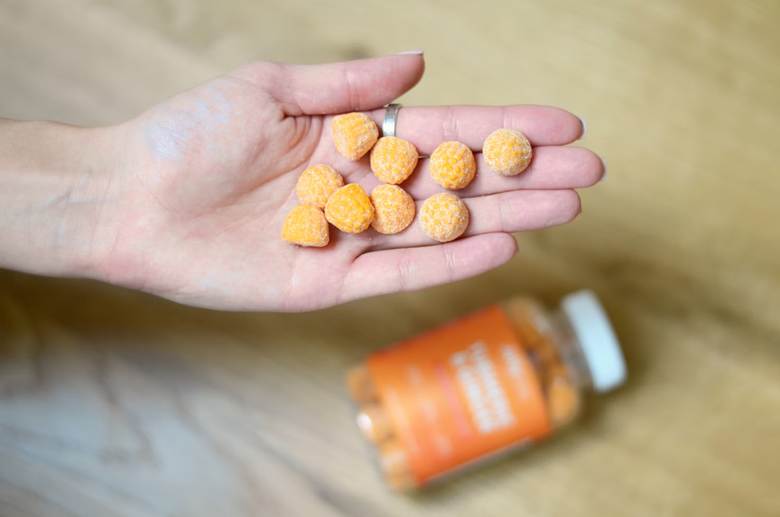
4. Turmeric (Curcumin): The Golden Spice of Recovery

If you like to add a little spice to life, then this next supplement is right up your alley. Turmeric is a golden spice often used to add a touch of flavor and color to a dish. It has a similar flavor to pepper, but with a more earthy undertone.

https://unsplash.com/photos/orange-and-white-labeled-prescription-bottle-_lkjRexcP4M

The beauty of turmeric for muscle recovery isn’t found in its flavor profile, however, it’s found in its unique makeup. See, turmeric contains curcumin, which is an anti-inflammatory and antioxidant. Similar to tart cherry juice, it can reduce inflammation and speed recovery along.

5. Oregon Hemp Flower: Cannabinoids and Recovery

Not all natural supplements have a ton of research or anecdotal evidence to back up claims, especially those that had a rocky road to legalization, like cannabinoids. Still, according to an analysis of the role of cannabidiol on sports recovery by Daniel Rojas-Valverde, CBD “has been shown to have specific properties that help to treat chronic pain, spasticity, mood and sleep disorders, immunodepression, inflammation, oxidant effects, and anxiety in clinical patients.” There is growing evidence that cannabidiol found in Oregon Hemp Flower and other high-quality CBD flower varieties is beneficial to muscle recovery. The theory is that CBD may help regulate the body’s inflammatory response, leading to less soreness.

Obviously, it’s important to stay informed about research in the CBD field, as it is a relatively young field. If you choose to use cannabinoids, remember that everyone is different. Talk to your primary care physician. That goes for taking any supplement. Your healthcare provider is your best friend when it comes to verifying different supplement claims.

6. Mitragyna Speciosa (Kratom): A Botanical for Post-Activity Wellness

Another relative newcomer to the list of muscle recovery supplements is kratom, a tropical tree native to Southeast Asia. Traditionally, people would chew the leaves of the tree, and it was said to combat fatigue and improve energy. More recently, people have transitioned from chewing the leaves to manufacturing various kratom products, such as powders and capsules.

The compounds in kratom are said to be analgesic, meaning they can provide pain relief and sedation. For the recovery process, this is beneficial, but it’s important to remember that kratom research, like cannabinoid research, is in its infancy. So, be cautious about any claims, and find products from reputable suppliers who operate with transparency and third-party lab testing.

Creating a Recovery Routine That Works for You

What you take away from this article shouldn’t be a definitive list of the supplements you must take to improve muscle recovery. No. What you should take away is that natural supplements can complement the body’s natural processes.

As far as whether the above supplements are right for you and your workout goals, that depends. Fitness, as with most things in life, doesn’t follow a “magic bullet” approach. It’s unique to the individual. As you create your recovery routine, talk to a medical professional about the above supplements. See how they would suggest moving forward. Remember that, while some people may pursue exercise for vanity (which is not a problem), it is most notably a pursuit of health and fitness.

How Psychologists Support Emotional Wellness in PWS Patients 

Prader Willi Syndrome (PWS) is a complex genetic disorder affecting numerous parts of the body. It arises due to psychological and physical issues and is primarily characterized by a constant sense of hunger, often leading to excessive eating and life-threatening obesity. Other symptoms include mild to moderate intellectual impairment or learning disabilities, delayed motor development, distinct facial features, and behavioral problems.

People living with PWS demonstrate a wide range of emotional, cognitive, and physical challenges. Nonetheless, with early identification and appropriate management techniques, they can lead meaningful and fulfilling lives. Every person with PWS exhibits a unique set of manifestations of the syndrome; hence, there isn’t a one-size-fits-all approach to handling this condition. Therefore, it is crucial to have a multidimensional understanding of PWS from a medical, psychological, and emotional aspect.

The Emotional Impact of PWS

The emotional impact of PWS on those living with the condition and their families can be profound. The constant battle with food urges can result in significant emotional stress, leading to anxiety and depression. Additionally, due to cognitive impairments, people with PWS often struggle to interpret social cues and express their emotions healthily. This can negatively impact their relationships, foster social isolation, and lower overall life satisfaction.

Understanding the emotional implications of PWS can help to design better treatment strategies, offering not just physical relief but also psychological and emotional support. Undeniably, psychological wellness plays a key role in enhancing the quality of life for people with PWS.

The Role of Psychology in Managing PWS

Psychologists as Key Health Professionals in PWS Management

Psychologists serve as integral members of the healthcare team managing PWS. They assess and address the psychological impacts and behavioral issues associated with PWS. PWS Psychologists use various therapeutic techniques and strategies, and psychologists help develop coping mechanisms, improve emotional resilience, enhance social skills and facilitate adaptive behavior for people living with PWS.

Additionally, psychologists actively work with parents, educators, and other healthcare professionals to ensure a holistic approach is taken towards managing the condition. This includes educating all parties involved about the syndrome and providing strategies on how to provide effective support both in and out of the home environment.

Comprehensive Care: Why Psychological Support Matters

Psychological support plays a pivotal role in managing PWS symptoms and ensuring improved overall quality of life for patients. Despite being a genetic condition, managing PWS isn’t merely about treating physical symptoms but also coping with behavioral and emotional challenges. Assisting individuals with PWS to handle their emotions, control their impulses, and manage their behaviors is crucial in mitigating the disorder’s psychological impact.

Moreover, psychological support could help enhance self-esteem, improve social interactions, and lower the chances of developing mental health disorders such as depression and anxiety. Hence, psychological support is an essential part of comprehensive care for PWS.

Strategies for Supporting Emotional Wellness in PWS Patients

Building Emotional Resilience in PWS Patients

Addressing emotional wellness in individuals with PWS often commences by building emotional resilience. Individuals with PWS can build resilience by learning and utilizing techniques such as cognitive restructuring, mindfulness, problem-solving, and self-care strategies.

For instance, cognitive restructuring helps to change negative thought patterns, while mindfulness techniques can teach individuals to respond to stress and negative emotions in a calm and balanced manner. Problem-solving strategies can assist in tackling conflicts, and self-care practices can preserve mental well-being and prevent burnout.

Cognitive Behavioural Techniques for Emotional Wellness

Cognitive behavioural techniques (CBT) constitute a crucial aspect in managing emotional challenges associated with PWS. In PWS, CBT can assist individuals in resolving issues related to mood, anxiety, anger, and challenges related to food and weight management.

For instance, CBT can help individuals with PWS recognize their patterns of thinking about food and their ability (or inability) to control their eating. They are then taught to process these thoughts differently to minimize their impact on their behaviors and emotions.

Psychological Interventions: Family-based Therapy Approaches

Family-based therapy is an essential aspect of psychological intervention for PWS. Given the complexity of PWS, families play a vital role in its management and influence the emotional wellness of the individual affected. Family therapy focuses on educating all family members about PWS, fostering a supportive home environment, teaching effective communication techniques, and coping strategies.

For example, the ‘traffic light’ method is one such approach, where an individual’s behavior is categorized into green (acceptable), yellow (potentially problematic), and red (unacceptable) behaviors. This helps the family to interpret the individual’s behavior accurately and respond appropriately, contributing to more stable home dynamics.

Mental Health Challenges in PWS

Common Psychological Disorders in PWS Patients

People with PWS are at an increased risk of numerous psychological disorders. Symptoms may range from mild, such as persistent sadness, anxiety, and concentration difficulties, to severe conditions such as psychosis and bipolar disorder. Moreover, obsessive-compulsive disorder is also prevalent and related to food-seeking behaviors, repetitive questioning and insistence on routines and rituals.

Understanding and recognizing these mental health disorders early on can significantly improve the outcomes for PWS patients. Specifically, psychological interventions can be tailored to manage these disorders while also addressing the unique behavioral and emotional challenges associated with PWS.

Co-Existing Mental Health Conditions with PWS

In addition to the behavioral symptoms inherent to PWS, individuals may demonstrate a variety of co-existing psychiatric conditions. These may include, but are not limited to, Autism Spectrum Disorders, ADHD, anxiety disorders, and depression. The presence of these co-existing conditions can compound psychological distress and further impair social, cognitive, and emotional well-being.

Co-existing conditions require attention and care, and should be factored into a comprehensive care plan for managing PWS. Identifying and treating such comorbidities early can drastically improve an individual’s quality of life and enhance their ability to manage the challenges posed by PWS.

The Interplay Between Mental Health Disorders and PWS

The interaction between PWS and co-existing mental health disorders is complex. The heightened emotional distress and compulsive behavior that individuals with PWS often experience can exacerbate symptoms associated with co-existing mental health conditions. For example, high levels of anxiety commonly seen in people with PWS can be further elevated with a co-occurring anxiety disorder.

Understanding the interplay between PWS and mental health disorders can help healthcare providers design more effective treatment strategies. By addressing both the core aspects of PWS and the symptoms of co-existing conditions, care providers can offer optimal support and care to individuals with PWS.

The Role of Family in PWS Management

Emotional Support Network: Family and Carers

Family members and carers form a crucial emotional support network for individuals with PWS. They help implement and enforce behavioral strategies, reinforce learned coping mechanisms, and provide emotional reassurance during challenging times. In essence, they play a major role in shaping the individual’s environment and emotional wellness.

Family and carers also play a crucial role in advocating for the individual with PWS in different settings, be it school, the healthcare system, or public spaces. They become the individuals’ voice when they are unable to communicate their needs effectively.

Nurturing a Positive Home Environment for PWS Patients

Creating a safe, positive, and structured home environment can greatly benefit anyone with PWS. It can reduce triggers for negative behavioral outbursts, promote emotional stability, and foster personal growth. Structured routines, clear boundaries and rules, and a calm, loving environment can provide the stability needed by someone with PWS.

This includes having defined meals and snack times to manage the food-related behaviors, encouraging physical activities and hobbies to channel energy, having quiet spaces for relaxation and de-stressing, and enforcing household rules consistently to minimize behavioral issues and promote responsibility. A nurturing home environment offers emotional security, promotes education, and fosters personal growth.

Conclusion

In conclusion, the interplay between psychology and home design offers promising solutions for enhancing the emotional wellness of PWS patients. pws Psychologists equipped with the knowledge of this rare genetic disorder, along with a keen understanding of the power of environment, flourishes a holistic and individual-based healthcare approach, ensuring those living with PWS aren’t just surviving but indeed, thriving.

Navigating the Education System: Advocacy Strategies That Work

When my son was diagnosed with autism at age four, our family’s journey took an unexpected turn. Like many parents, we found ourselves thrust into a world of therapies, evaluations, and educational planning meetings. Working with ABA therapy for children in San Francisco opened our eyes to the possibilities for my son’s development, but it also highlighted how critical appropriate school accommodations would be for his success. What I didn’t realize then was that becoming an effective advocate would be one of the most important roles I’d play in my child’s educational journey.

Understanding Your Child’s Rights

The foundation of successful advocacy begins with knowledge. Under the Individuals with Disabilities Education Act (IDEA), children with autism are entitled to a Free Appropriate Public Education (FAPE) in the Least Restrictive Environment (LRE). This means your child has the legal right to:

  • An Individualized Education Program (IEP) tailored to their specific needs
  • Access to appropriate accommodations and modifications
  • Placement in a setting that maximizes their potential for learning alongside typically developing peers when possible

Before any IEP meeting, familiarize yourself with these rights. Request and review all evaluations in advance. Take notes on specific concerns and desired outcomes. This preparation transforms you from a passive participant to an informed team member with valuable insights to contribute.

Documentation: Your Most Powerful Tool

In my experience, thorough documentation has been the single most effective advocacy tool. Start a dedicated notebook or digital file where you record:

  • Observations of your child’s challenges and successes
  • Communications with school personnel (date, time, who you spoke with, what was discussed)
  • Strategies that work at home or in therapy settings
  • Examples of how your child’s autism impacts their learning

When requesting accommodations, I’ve found that specific, evidence-based requests are much more likely to be approved than general concerns. Rather than saying, “My child seems overwhelmed in class,” try, “When there are unexpected transitions between activities, my child experiences significant distress that prevents learning for up to 30 minutes afterward. A visual schedule with a five-minute warning before transitions would help address this barrier.”

Building Productive Relationships

Effective advocacy isn’t about confrontation—it’s about collaboration. The most successful outcomes for my child have come when we’ve approached educators as partners rather than adversaries. Some strategies that have strengthened these relationships include:

  • Recognizing educators’ expertise and constraints
  • Expressing appreciation for their efforts
  • Focusing on shared goals for your child’s development
  • Offering to share successful strategies from home or therapy

Remember that teachers often have limited training in autism and may be managing classrooms with diverse needs. Approaching conversations with compassion rather than criticism opens doors to creative problem-solving.

The Power of the Education Team

One of the most valuable lessons I’ve learned is to leverage the expertise of all professionals working with my child. Before important school meetings, I consult with:

  • Our ABA therapist for behavioral strategies
  • Speech therapists for communication accommodations
  • Occupational therapists for sensory and fine motor recommendations

These professionals can provide documentation supporting specific accommodations and may even attend meetings to offer their expertise. Most importantly, they help translate your child’s autism-related behaviors into educational terms that resonate with school personnel.

When Pushback Occurs

Despite your best efforts, you may encounter resistance to accommodation requests. When faced with “we don’t do that here” or “we don’t have the resources,” remain calm but persistent. Response strategies include:

  • Requesting the denial in writing with specific reasons cited
  • Referencing relevant sections of IDEA or school district policies
  • Proposing a trial period for the accommodation
  • Seeking mediation through your district’s special education department

Sometimes, bringing in an educational advocate or attorney specializing in special education law becomes necessary. These professionals understand the system and can help navigate complex situations while preserving important relationships.

Teaching Self-Advocacy Skills

As our children grow, we must gradually shift from advocating for them to teaching them to advocate for themselves. Age-appropriate self-advocacy might include:

  • Helping your child understand their learning differences
  • Practicing how to request breaks when overwhelmed
  • Teaching them to explain their accommodation needs to teachers
  • Involving them in IEP meetings when developmentally appropriate

My son recently attended part of his IEP meeting for the first time. Though brief, his participation helped the team see him as an individual with unique strengths and challenges rather than just a collection of needs.

Celebrating Progress and Adjusting Course

Educational advocacy is a marathon, not a sprint. Celebrate small victories along the way—the teacher who implements a visual schedule, the successful sensory break system, the peer buddy program that fosters inclusion. Document what works so these strategies can be carried forward to future grades.

Equally important is recognizing when approaches need adjustment. Autism needs often evolve as children develop, and educational plans must evolve accordingly. Maintaining open communication with your child’s educational team ensures that accommodations remain relevant and effective.

The path to appropriate educational accommodations is rarely straightforward, but with knowledge, persistence, and collaborative relationships, you can create a foundation for your child’s success. Remember that your expertise about your child, combined with educators’ professional knowledge, creates the most powerful advocacy team possible.

7 Tea Recipes You Haven’t Made Yet

With tea coming in so many varieties, it’s a good chance you haven’t tried all of them. There are probably plenty you’ve never even heard of – that’s until now. Expand your options because we have seven tea recipes you haven’t made yet. You’re sure to find a new favorite on this list.

Get Spicy with Ginger Cardamom Chai

One of the best ways to warm up is with a cup of spicy ginger cardamom chai. Originally popular in India, chai has now made its way into homes worldwide. The delicious creamy tea is a blend of black tea leaves, milk, water, and, of course, spices.

Peel and deseed two cardamom and crush them with a mortar and pestle. Add freshly grated ginger and the cardamom to heated water. Add milk and sugar, and boil. Pour in loose leaf black tea and simmer for a minute or longer. Finally, strain your tea into a cup with a strainer.

Get Refreshed with Vietnamese Lime Tea

Vietnamese lime tea is served ice cold, making it refreshing on a hot day. Tea drinkers love its balance of flavors: sweet, bright, bitter, and crisp. This simple drink only involves green tea, hot water, honey, and lime juice and can be whipped up in minutes.

Steep green tea bags for about three minutes in hot water before removing. Add your desired amount of honey and fresh lime juice for more intensity. Stir the tea and place in the fridge for 10 minutes to cool before enjoying.

Get Fit with Coconut Green Tea

Coconut green tea is a fantastic option for a healthy drink. You get layered notes of sweet, creamy coconut and floral earthiness from green tea. This is one of the easiest recipes since you can purchase herbal tea botanicals with perfectly shredded coconut included.

For an extra boost of nutrition, add pure coconut oil. It is well-regarded for adding healthy fats to your drink. Simply steep green tea in hot water before adding it to a small blender with one tablespoon of coconut oil. Blend, pour into your mug, and enjoy.

Get Foggy with London Fog Tea Latte

London Fog Tea Latte takes Earl Grey to the next level because it’s sweet, creamy, and delicious. By skipping the coffeehouse, you can make it healthier with fresh ingredients. It takes only a few ingredients, including liquid honey, milk, and vanilla bean.

Add Earl Grey tea bags to boiling water and steep for 5-7 minutes. Cut open the vanilla bean, scrape out the seeds, and set aside. Take the tea bags out of the water and stir the liquid honey (or any honey substitute) until fully dissolved. Add whole vanilla bean pod, the seeds, and your preferred milk to the tea. Stir and simmer before straining tea into a mug. Add vanilla sugar as a garnish if desired.

Get Caffeine-Free with Rooibos Latte

Fun to say and drink, rooibos tea is having a moment as more people turn to it for its herbaceous flavors and love that it is caffeine-free. Easy to make, boil water, remove from the heat, and steep the rooibos tea. Add the desired amount of honey and vanilla extract.

To make it a latte, use a milk frother with your milk of choice. Pour the tea into a mug, top with the froth, and sprinkle cinnamon. Not only will you love drinking your rooibos latte, but you can use the old tea bag as an effective acne treatment!

Get Blue with Butterfly Pea Flower Tea Latte

Another interesting recipe is the blue butterfly pea flower tea latte. A lovely blue color, it adds pizazz, and best yet, butterfly pea flower powder is a caffeine-free botanical tea blend. The final drink has a sweet yet mild earthy taste and is known to boost your mood.

Combine butterfly pea flower powder, ginger, cardamom, and vanilla sugar into a jar. Add two teaspoons of the powder mix and a tablespoon of boiling water in a cup and dissolve. Add one cup of your preferred hot milk to the cup and stir.

Get Floral with Lavender Iced Tea

Lavender iced tea is the perfect way to unwind. You can use any type of tea, from black to lavender mint for extra lavender flavor. It only takes a few steps. Brew tea until you reach the desired strength. Meanwhile, make a lavender simple syrup by adding sugar and water to a small pan and cooking over medium heat. Add culinary lavender, and let simmer for up to three minutes.

Allow the syrup to cool. Next, add the syrup, fresh lemon juice, and brewed tea in a pitcher. Place sliced lemon, ice, and fresh lavender into the pitcher. Pour tea over ice in a glass for a refreshing drink.

The best thing about these recipes is you can customize them to make them your own, so don’t be afraid to experiment. Happy tea drinking!

Image 1: https://unsplash.com/photos/white-and-brown-ceramic-mug-qEcWgrTG578

Image 2: https://unsplash.com/photos/white-ceramic-mug-with-brown-liquid-inside-RKDP3D-6G5E