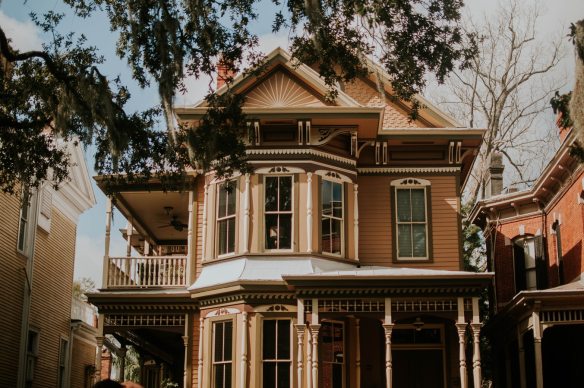
Blending Timeless Victorian Fashion with Modern Trends

It’s hard to escape the considerable influence of the Victorian era in fashion. Its enduring popularity is visible at Steampunk Festivals around the country where people of all ages enjoy dressing up in full Victorian attire. Fashion has always been inviting to trends from the past and the Victorian age with its depth and range of styles is welcomed more than other eras, not just for elaborate dressing up costumes but as a classic everyday look. Victorian fashion is still popular today and with the basics woven into new modern designs, you can create a timeless look which can be adapted, updated and re-invented to suit any situation.
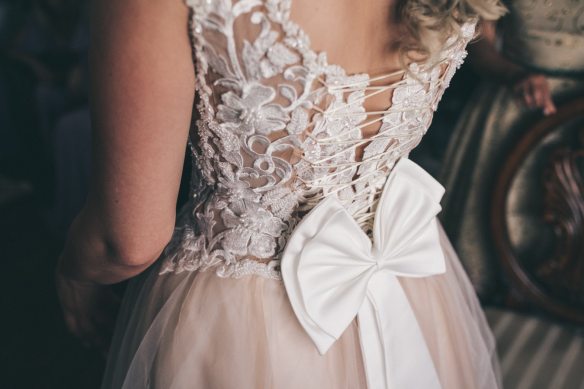
Updating Victorian Style

Re-invention is what fashion is all about and hints of Victorian style crop up in modern design time and again. If you are looking for dressy wear that makes you look classy and elegant, the combination of modern trends with classic styles is never out of fashion. Victorian fashion lends itself particularly well to the style of older women. Fitted blouses with long sleeves and high necks will flatter your figure while at the same time covering your neck and upper arms. The joy of blending fashion styles from different eras is that in this case you can drop the matching bustle. Instead, you can indulge in Victorian style but with a contemporary twist and wear an embroidered or lace trimmed shirt with a pair of classic straight leg trousers for an elegant and yet modern look..

Cut From the Same Cloth

Victorian clothes were limiting with tight corsets, bustles and cage crinolines. The voluminous skirts, although popular and striking, were uncomfortable, impractical and very restrictive. Thankfully, with the invention of lycra and less rigid ideas of the ideal figure, corsets are no longer necessary (unless you love the Steampunk look, of course!). However, there is no doubt that Victorian fashion still inspires our style today and some of if its most enduring elements, the luxurious materials and intricate decoration, are easily added to a modern wardrobe. A tailored velvet jacket in rich tones will give an ordinary outfit a dramatic Victorian look and even the simple addition of a black lace choker can add an element of Gothic 19th century style.

Inspired by Victorian Classics

At the recent Fashion Weeks in London and Paris, fitted blazers combined masculine and feminine aspects of Victorian fashion and John Galliano’s designs were inspired by the 1900s set novel Picnic at Hanging Rock. The white pinafore dresses decorated with pearl, similar in style to the recently revived prairie dress, are perfect for a hot summer but with the winter approaching, now might be a better time to invest in a long dress coat, soft leather gloves and lace up ankle boots, an enduring, classic Victorian style and perfect for a long country walk in the snow.

Combining Victorian influences with today’s fashion creates classic, timeless style for all ages. The echoes of the past are threaded throughout every era of fashion so by combining them with up to date style and practicality, you can pay tribute to the style of the Victorian era without compromise.

Incorporating Smart Tech Into That Classic Victorian Design


The overall theme for a Victorian home is ornate and lavish with a desire for decorations, some dating back to the 1800s. Since then, builders have worked tirelessly to design fancier ways to add ornamentation and decor that is relevant to changing times. The introduction of information technology towards the end of the 20th century opened possibilities for exchanging information between people, appliances and systems, possibilities that are still under exploration.

The smart home is the latest trend in innovative home technology, and it puts the safety and control of your entire home at your fingertips. With the internet of things (IoT) concept becoming a more visible and accessible option, you can transform your house and still keep that Victorian design and theme intact. Upon installation, you would be able to remotely control common aspects such as security, lighting, doors and temperature. Making your home smart could also raise the value of your Victorian house considerably.

Wireless or wired?

“When transforming your Victorian home, it is advisable to use wireless technology,” Andy Stanford-Clark, head of IoT department at IBM told the Guardian. By so doing, you will be causing minimal disturbance and damage to your decorations. In case you encounter problems with signals, you can opt for mesh controllers such as ZigBee because they offer better coverage. In addition, smart lighting systems for the home can be mounted on the wall plates, which can then be customised to look like a traditional switch that matches the exact theme of your interior. If you have to install a wired system, it is advised that you do it when other renovations are done, such as an energy retrofit. You can also snake a wire through the floor joists, though it could be more expensive.

Old heating and smart locks

The difficulty with older homes is that rooms tend to vary in temperature, but you can overshadow that by having smart heating sensors monitoring each room’s temperature and comparing it to external weather from a weather website or an outside sensor. If your home uses storage heaters, purchase a disguise adaptor that sits between the wall socket and the plug of your appliance. When it comes to smart locks, you do not have to destroy your doors and windows. “We had a gorgeous antique door that we did not want to cut into to install the new smart locks. We got a keyless entry system that sits on the top and replaced the deadbolt on the interior, and it works perfectly.,” said Christian Roehl, owner of Incommand Systems.

That 100-year-old house with stunning decor, high ceilings and ornate chandeliers is beautiful, but if it does not feature technology that makes your life easier, then it needs some adjustments. The goal is to install smart technology while maintaining the overall Victorian look. “The good news is that everyday technology is becoming more wireless and devices are getting smaller,” claimed Dan Diclerico, a smart home strategist for HomeAdvisor. He says that internet signals, with the help of WIFI boosters, are overcoming barriers, making installation of smart devices less invasive.

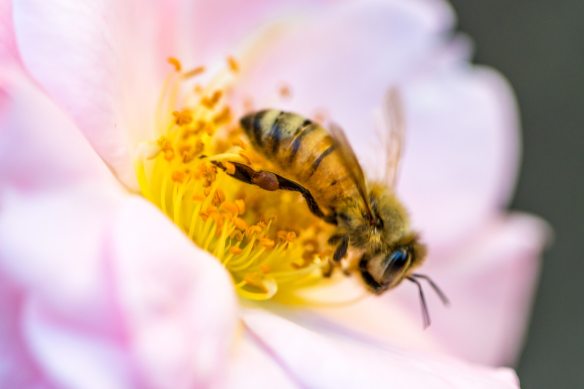
Attracting Bees To A Victorian Garden

The global population of bees is in decline. In the US, striking National Agriculture Statistics show that the number of bee colonies per hectare has gone down by 90 percent in the last 50 years. We have a role to play in halting the decline in the bee population. With modern beekeeping having its roots in Victorian times, here are some gardening tips to attracts bees to your Victorian garden.

Beekeeping In Victorian Times

In early Victorian times bees were kept in straw ‘skeps’. However, in order to gain access to the honey, the skeps had to be burnt which subsequently destroyed the bee colony. The late 19th century then saw a revelation in beekeeping when a hive with removable wooden frames was invented by Philadelphian Lorenzo Langstroth, credited by many as being the father of modern beekeeping. At that time, many Victorian estates had an apiary, a collection of bee hives, because the Victorians loved the sweet taste of honey in cakes and tea.

A Victorian Apiary

Honeybees nest in beehives which can be placed, if needed in a small space in a garden. The beehive should be placed in a quiet, sunny spot which is sheltered from winds. A Langstroth hive is a modular beehive contains vertically hung frames with an entrance for the bees at the bottom of the hive. The bees build honeycomb into the frames which are easily removable to harvest the honey. After a year or so, you can expect your hive to make about 25lbs of honey per year, assuming it is disease free and the bees have plenty of flowers to forage within 3 miles of the hive.

Plants For Bees In A Victorian-style Garden

Cottage and woodland styled gardens, popular in the Victorian era were informal in design. A cottage garden is a great way to attract bees by planting plenty of pollen rich flowers providing blooms all year round. Choose several shapes and colors of blooms and plant them in clumps. Popular plants in the Victorian era which are attractive to pollinators include lavenders and geraniums. Try also including a herb garden as bees are particularly attracted to borage sage, mint, thyme and rosemary.

We all have a role to play in stopping the global decline in bee numbers. Introducing a apiary into your garden as well as planting pollen-rich plants will encourage bees to make a home in your Victorian garden.


7 Things To Do After The Renovation Of Your Garden

So, you’ve just renovated your garden and you’re thinking what should I do next? Luckily, there are many things to do after you have renovated your garden. From choosing which plants to grow to creating a nice comfort zone, the options are endless. We’ve put together a list of interesting things you can do to make your new garden look great.

Cleaning up the Mess after Renovation

Renovating a garden is not an easy task and there will surely be a lot of mess after the renovation. Before you start working on your new garden, all of this mess and trash needs to be taken care of. There are several options for cleaning up the mess after the renovation of your garden. You can try doing it alone, but it will take you a couple of days to do this all by yourself. There is also an option of asking your friends, family, or neighbors to come and help with the cleaning. The third option is to hire a rubbish removal service to deal with this.

Choosing Plants

To create a year-round interest in your garden, it is important to choose a nice selection of shrubs, flowers, and plants. Before you start with the purchase, make sure to read up on your soil in the garden and consider factors like shade, exposure and sun. There are many planting suggestions out there and it all depends on what you wish to achieve. For example, potted plants and flowers are ideal for mobility and they add easy color to the garden. Just make sure to water them regularly and plant them with enough drainage.

Leave Plenty of Space for Guests

I know that plants are important, but it would be a good idea to save some space for your guests. Patios and decks are ideal spots for social gatherings and outdoor entertainment. Make sure you have enough room for dining and choose approximately how many friends you’re likely to host regularly. This is important because 4 square feet of space needs to be saved per guest, which means if you are planning to have dinner with 4 other people, you will need to make 20 square feet of free space. Don’t forget room for the outdoor furniture and a table that is needed for dining.

Keep the Distance between Plants

Many people make the mistake of planting flowers close to the edges of the patio and walkway. This is where math comes in. Plants which are about 33 inches tall have to be located at least 3 feet away from the patio edges. Otherwise, this place will look crowded and messy. If you are planning to have thorny plants like roses and crown imperials, please keep them away from all the traffic areas in the garden. You definitely don’t want your children and family to be in danger.

Creating a Comfort Zone

By choosing the right plants and using them in a proper way, a person can actually create a comfort zone in a garden. For example, broad-leaved evergreens are known to protect gardens from winds. In case you wish to place a tree in your garden, it can provide a shady comfort zone where you can hide from the sun during the summer season.

Create Entertainment for Children

Your children should enjoy the new garden as much as you do, so why not create some entertainment options for your kids. Think in the lines of homemade painted pots, birdseed feeders, tree house, rock plant markers, etc.

Invite the Neighbors Over

After you’ve renovated your garden, it’s time to celebrate and ask the neighbors to come over for tea, coffee, and some snacks. Maybe some of your neighbors are also into gardening and can give you some advice on how to make your garden become even more beautiful than it is now.


Melanie Saunders is a blogger and content manager at 1300 Rubbish – experts in the field of rubbish and junk removal. Personally, a huge fan of sustainability and green living.


Plants And Fish That Bring Life To Victorian Homes

If you own a Victorian style home, you likely want a decor that matches the period design of your home. When it comes to decorations that bring life to a home, you may wonder what clashes with the time period your home represents, and what matches. Aquariums are a classic addition to Victorian homes and match the upholstery just as much today. Wisteria and jasmine, classic climbing plant life, are also classic imagery around Victorian homes both new and old.

Cradle graves for interior design

Cradle graves, a name for potted or container-held plants, are a classic staple of Victorian design. Victorian design reached many points across the world, and in colonial America in particular, cradle graves were said to be especially numerous around Victorian styled homes. The fact that these plants are meant for planters means they’re easy to add to the interior of your home, brightening up rooms and adding new colors with a variety of different plant life.

Add vines and climbing plants to the exterior

If you’re thinking about the outside of your home, climbing plants like spreading wisteria are classic Victorian design elements. Wisteria tends to support itself with the walls and fences of Victorian homes and can be a great way to cover an otherwise bland side of your home’s exterior. Another popular vine that can match a Victorian home’s exterior is jasmine. A combination of the two can bring colorful purples and standout whites to a garden around your home.

Aquariums and Victorian design

If you’re more interested in the wildlife you can bring into your home, know that aquariums and Victorian homes have a long and storied history. Many Victorian homes had and have elaborate aquariums to show off exotic fish and aquatic pets. William Alford Lloyd was the first professional aquarist and popularized the idea of aquariums in Victorian homes across England. To him, oysters, lobsters, and exotic fish were all worthy additions to a Victorian home.

Victorian homes are rich with history, but that doesn’t mean they shouldn’t be bustling with a variety of living things as well. Vines and climbing plants like wisteria and jasmine are classic additions to any Victorian home. Aquariums are also an idea that Victorian era noblemen made their own, and match the storied design of these homes.  And cradle graves, or potted plants, have been used to add color to Victorian home interiors for more than two centuries now.