8 Ways Helping Others Can Benefit Your Health

unsplash.com/photos/v2uKKL0vnNY

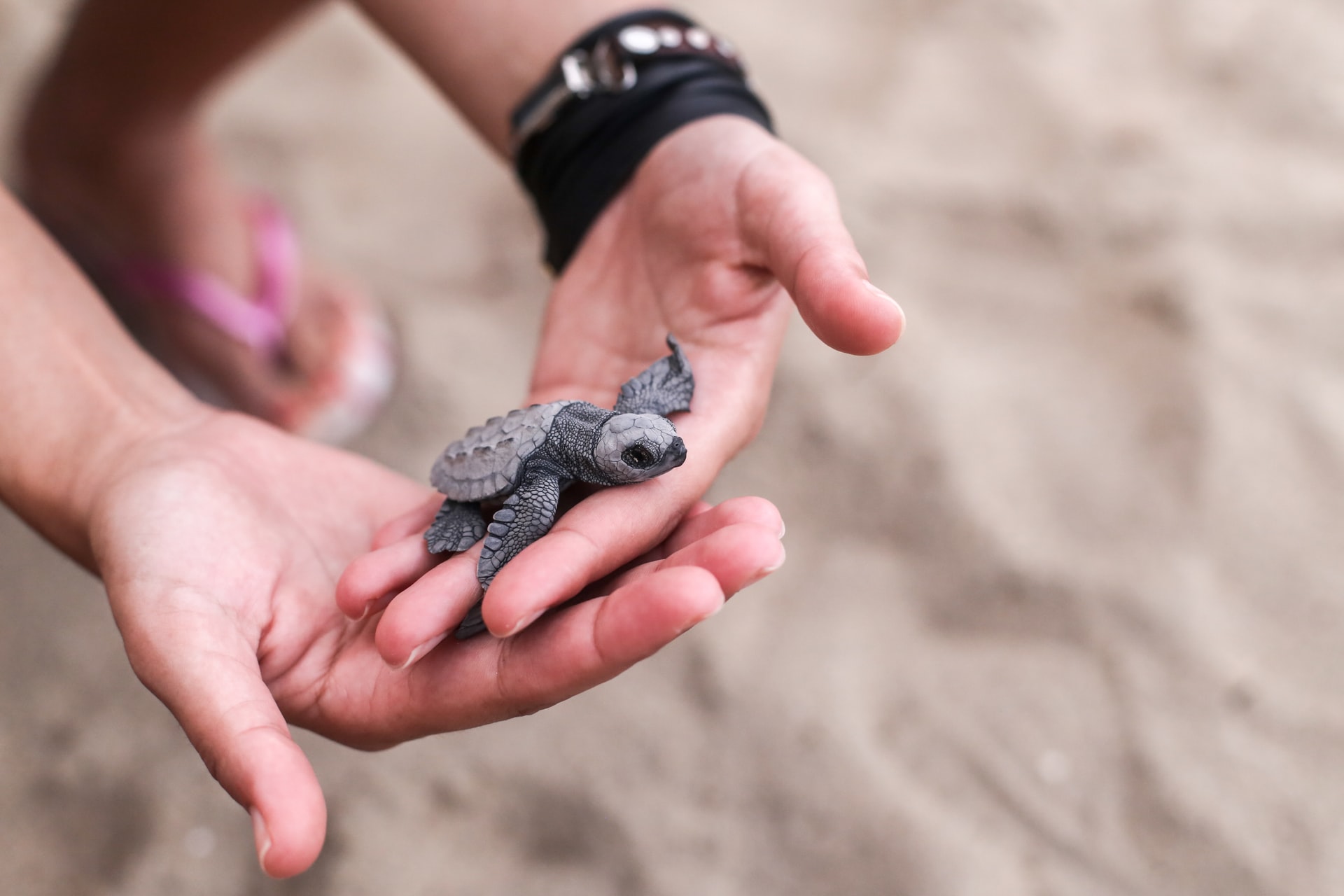
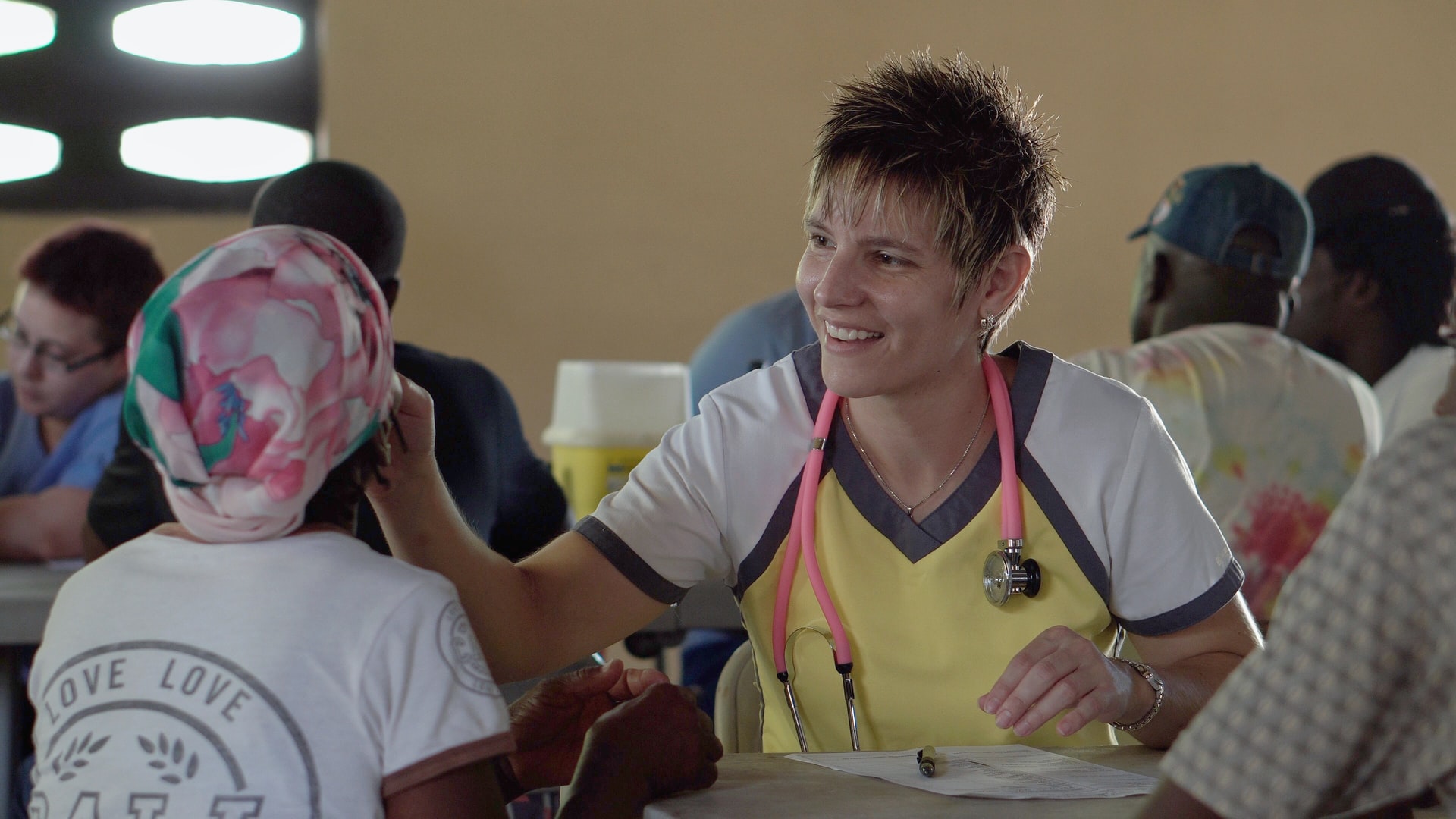
Many people are unsure when it comes to volunteering as they don’t really see how they can help others. However, you oftentimes don’t need any special skills to be of assistance, as many things can be learned along the way and people in need are more than welcome to receive any kind of help you are able to offer. Volunteering opportunities abound and you can choose from helping people, animals, and the environment. Whether you decide to build houses, teach kids, help with medical issues, rehabilitate animals, or something else, you will not only be helping others but yourself as well. Here are some amazing benefits of volunteering.

You will get a new perspective on life

First and foremost, aiding others that are in need can help you gain a better perspective on life. For instance, maybe you think your current circumstances are really bad and you don’t know how you will get out of it, be it the fact that you’re not happy with your job, can’t find a partner, or something else. However, once you see other people who are struggling with much bigger issues, it can put things into perspective for you. Perhaps you are completely healthy, have a roof over your head, and have plenty of friends. People that you will spend time with while volunteering might not have any of those things. Individuals from all lines of life are fighting their own fight and you might realize that your problems are nothing compared to what others are dealing with. That is not to minimize your experiences but simply to show you how lucky you might be without even realizing it.

You will feel like you belong somewhere

In addition to changing the way you think about your life, volunteering can also help you feel like you belong somewhere. If you’ve always felt out of place or couldn’t make friends easily, perhaps this is what you were always meant to be doing. When helping others, you might work in a group of people that have similar interests, which means that you might have plenty to talk about and end up with life-long friends. Even if you make just one friend, it would be worth it, don’t you think? Moreover, perhaps teaching kids will show you that education is the right career path for you and fundamentally change your life.
unsplash.com/photos/9VpI3gQ1iUo

You will be less lonely

Opting for volunteering alternatives that aim to help other people means that you will not be on your own. If you often feel lonely, choosing to help those in need can help you alleviate your loneliness. From working with kids and witnessing how happy and carefree they can be to being a part of a team that builds homes for the underprivileged and talking to other volunteers, there are different ways how assisting others will get your social needs up and prevent you from isolating yourself. Even if you care for someone on your own, having these face-to-face interactions means that you will not be by yourself all day long.

You will experience mental health improvements

Being around people can also improve your mental health in various ways. For starters, not being on your own all day long means that you are less prone to loneliness and depression. Developing strong bonds with others lowers your risk of being depressed too. This is also a great way to relieve stress and anxiety. Besides helping people, helping animals can have a positive effect on your mood as well. Research shows that taking part in various volunteering activities releases feel-good hormones that increase our happiness levels.

You can feel satisfied and accomplished

Volunteering with people and animals is a great way to feel more satisfied with your life. If it seems like your life has no purpose, helping others will show you that what you do matters. Fortunately, there are countless places where you can volunteer abroad and learn more about different cultures while helping those in need. Regardless of whether you’re providing someone with medical help, building them a home, or teaching them a new language, you are making a difference. This feeling of satisfaction and accomplishment can go a long way in making you feel good about yourself.

unsplash.com/photos/k3QuwsnSbkk

You can lower your blood pressure

Helping others can also have benefits for your physical health. For example, research suggests that people that provide other individuals with social support tend to have lower blood pressure. What is more, interacting with people and supporting them also helps with recovery from coronary-related issues.

You can live longer

Some studies have also found that people who volunteered for a few charities were more likely to live longer than those that were not involved in volunteering, even after taking into account factors like age, general health, and bad habits. Furthermore, even the elderly that cared for their partners, friends, and relatives had a longer life expectancy than those that didn’t.

You will help make the world a better place

Finally, you can take comfort in knowing that by volunteering you are making the world a better place. No matter if you choose to build homes and schools, teach kids and adults, help those will low mobility, provide food and clothes for people, work with animals, or do your part in environmental conservation efforts, you are making a change in the world that will not be overlooked.

As you can see, there are various ways how you can volunteer all over the world. By doing so, you will not only be helping others but experiencing various benefits yourself.
How To Stay Fit And Healthy In Your Thirties

What if I told you that two-thirds of adult Australians are overweight or obese? If you’re a man whose waist circumference is more than 98.0cm, or more than 87.9cm for a woman, you might be one of them. In your thirties, the issue might become less solvable if you ignore it. The metabolism becomes slowlier as years pass by. Let’s see how you can stay fit and healthy in your thirties and fit into the good part of the statistics. 

  1. Determine your ideal BMI and try to maintain it

The Body Mass Index (BMI) is a measure of body fat based on height and weight that applies to most adult men and women. It is a number calculated from the individual’s weight in kilograms divided by the square of their height in meters. The BMI can be used to indicate whether someone is overweight or obese. The World Health Organization defines “overweight” as a BMI greater than or equal to 25, and “obese” as a BMI greater than or equal to 30.

It is important for people who are overweight or obese to try to maintain their weight because they are at an increased risk for developing many diseases, such as heart disease, diabetes, high blood pressure, and some cancers.

  1. Have a healthy diet plan and stick to it

A good diet plan includes a variety of foods and encourages you to eat healthily. Eating healthy will help you maintain your weight and improve your health in the long run. Here are some healthy diet plans for people in their thirties.

  • Paleo Diet: A diet that focuses on unprocessed, natural foods like meat from animals you hunted yourself or plants that you have processed yourself. If you want to avoid gluten, dairy, and refined sugars, this is the right diet for you.
  • Mediterranean Diet: A diet that focuses on healthy eating habits from countries where the food is mostly plant-based with a small amount of fish and poultry and a fair amount of fruits, vegetables, legumes, grains, and nuts. The Mediterranean diet is good for people who want to limit their intake of sugar and saturated fat.
  • DASH Diet: A diet plan created by the National Heart Lung and Blood Institute that focuses on eating healthy amounts of food groups like vegetables, fruits, whole grains, and fish low in both sodium and saturated fat and low in cholesterol.

There are many diets, so make sure you consult with a nutritionist about this. 

  1. Always warm-up before exercising and have a rest day

It is important to always warm-up before exercising. It helps your muscles get prepared for the workout. You can do a light jog, some light stretching, or perform some exercises that are less intense than the ones you will be doing for the rest of your workout.

A rest day is also important to have every once in a while so that you can recover from all the physical work and exercise you have been doing. This day should not be a full day of rest instead it should just be an active recovery day.

  1. In case of injuries see a physio

Exercise is an important part of your life and it can help you stay fit. But if you have an injury, it is better to see a physio. If you don’t go for a physio appointment, the injury will get worse and your recovery will be slower.

One of the most common reasons for people to avoid seeing a physio is that they are worried about the cost. But in reality, it’s worth spending that money on your health. Physio Canberra center offers different recovery programs for every wallet.

  1. Check your overall health at least once a year

It is important to check your health at least once a year. This will help you catch any illnesses or diseases early on and prevent them from developing into something more serious.

It is recommended to get screened for different types of cancers, such as breast cancer and colon cancer. You should also get tested for blood sugar levels, cholesterol levels, and other health markers that can help you live a healthy lifestyle.

  1. Balance private and professional life

 You should stay in touch with your friends and family, work on your hobbies, and try not to stress too much at work.

Having a good social life can help you maintain better mental health, keep your stress levels down, and even improve your performance at work.

Doing hobbies can be a great way to take some time out of the day for yourself while also improving your creative thinking skills.

There are so many ways of staying healthy and fit in your thirties and we only presented some of them. We are all constantly learning and improving ourselves, so never think that once you’re an adult with a stable job, you stop living life to its fullest.

Top 6 Activities To Prepare Your Body For The Fall Season

The main problem with the new year’s resolutions is that they are impractical. So, why wait until January to make new fitness goals and take good care of yourself? In Australia, summer and fall are the best seasons for fitness, and if you lack motivation or don’t know where to start, here are some ways to build your own workout routine and get back in shape after lockdown.

Go for a walk

When going to the gym isn’t an option, walking is a great way to get back in shape. Not only will you manage to burn some calories, but you’ll also improve posture, strengthen your muscles, and shore up your joints and bones.

Walking for 30 minutes a day can be very beneficial for your mental health as well. This is a mindful exercise that allows you to enjoy some alone time, relieve stress and even try new things, such as walking to a new ice cream shop on the other side of the city. The best part is that you only need a good pair of running shoes to start today. So whether you want to go for a walk with your friends or go sightseeing when you need some time to unwind, this type of physical activity will definitely improve your mood.

Go on a hiking adventure

Fall is the best season for hiking in Australia, and if you’ve been thinking about building a new fitness routine, this type of physical activity can help you get back in shape before hitting the gym. Because it is such a unique and rewarding experience, many fitness lovers prefer hiking over any other outdoor activity. Going for a hike helps you burn calories faster, breathe some fresh and cleaner air, and train all major muscle groups at once.

However, it would be best to start your training a few weeks before going on a hike. Try to walk for at least one hour a day to avoid muscle soreness and improve your chances of reaching your hiking goals. In addition, be sure to bring a camera because hiking in the fall is truly an amazing experience.

Hit the road

Cycling is an ideal exercise for busy bees. If you don’t have time for regular exercise and want to help our environment, try cycling to work. Fall is definitely one of the best seasons for hiking, especially because it gives you a chance to see your hometown through different lenses. On top of that, biking increases muscle strength and flexibility, improves joint mobility, and increases cardiovascular fitness. If you’re looking for a workout session that’s gentle on your body and mind, be sure to give biking a try.

Exercise with your friends and family

Many people don’t exercise because they lack motivation. If you’re one of those people, ask your friends and family to join you and organise soccer or volleyball matches that will help you get back in shape. Exercising in groups while having the best time of your life can help you nurture your relationship with exercise and take better care of your body and mind. In addition, playing a sport is a great way to burn calories and improve your strength and flexibility without feeling obligated to run the extra mile or stick to your exercise routine.

Get back to the gym

When it’s raining outside, and the weather is too cold for exercise, consider getting back to the gym. A well-equipped gym in Sydney CBD will provide everything you need to get back in shape in no time. One of the main reasons why going to the gym can be very beneficial is that you always have support from trained instructors and other gym buddies. In addition, exercising in your favourite gym allows you to stay focused on certain muscle groups and develop a fitness routine that suits you the best.

Go for a run

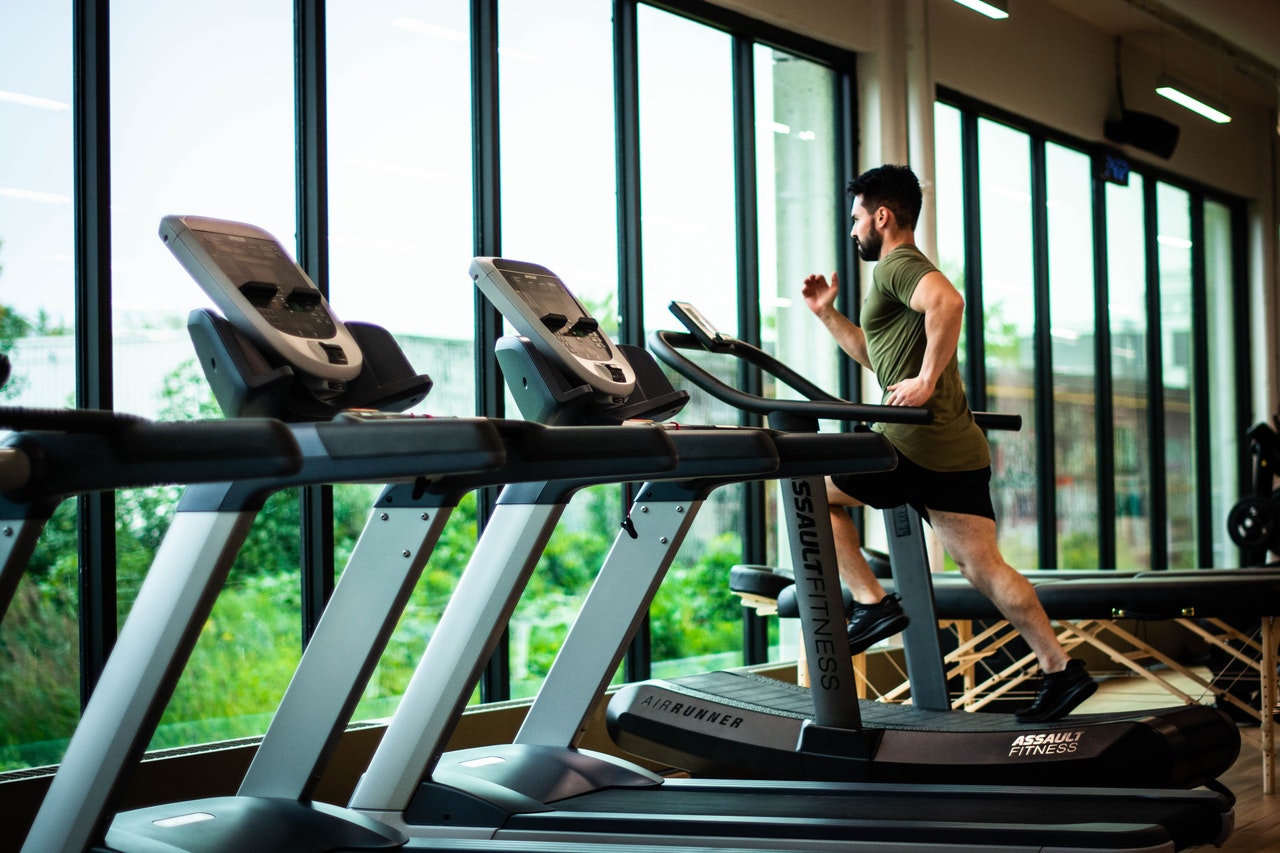
Running on a treadmill isn’t as exciting as running outside and feeling the fresh breeze on your face. A 30-minute running session will help you burn around 500 calories, build and improve your stamina and motivate you to overcome your challenges. This type of outdoor exercise will strengthen your whole musculoskeletal system and help you maintain a healthy weight. So, lace up your sneakers, create a new playlist for running around the block, and you’ll notice improvements after the first session.

Conclusion

We understand that it’s often difficult to put yourself out there and get back in shape after feeling drowsy all summer. But, regular physical activity is important for your mental and physical health, which is why it’s recommended to give these ideas a try. Whether you want to go to the gym, try cycling or start a game of soccer, be sure to stay hydrated and change your diet because that’s one of the best ways to stay healthy during the fall season.

Building Your Family Home

Family silhouettes in nature.

Building Your Family Home

There was a time that building your own home was the norm. Indeed, it was a rite of passage that helped usher young people into adulthood and allowed them to create a solid physical and emotional foundation for the family. However, as society has developed over the centuries and populations became more centralized into cities and urban areas, the work of home building shifted to professionals. The situation is not much better today; that not only is it unusual to build your own home, but only around 65% of the U.S. population even owns their house.     

That doesn’t mean to say that building a home for your family isn’t possible. Whether you are set to create your dream home, or just a starter house to get yourself onto the first rung of the property ladder, there are some good reasons to engage in the process. That said, there are also significant challenges along the way.  

Let’s take a look at some of the key pros and cons of building a home rather than buying an existing property. What are the potential stumbling blocks? How can you approach the process to ensure success?

Safety

When you’re considering building your own home, some thought needs to go into the safety aspects of this endeavor. After all, your main concern when finding any home — whether you buy it or build it — is that it provides a secure and reliable roof over your family’s heads for years to come. It’s important not to proceed until you are confident in this area.   

Expertise plays a role. If you are not 100% confident that you have the skills and knowledge to build a safe home, you shouldn’t undertake it on your own. In most cases, you don’t need the safety licenses that professional contractors need, but it’s important to remember that professionals are licenses for a reason. It demonstrates they know what they’re capable of creating safe building projects. An option here is to lead the project as the general contractor and bring on qualified subcontractors for elements you’re unsure of. However, this can certainly get expensive, particularly if you make mistakes along the way that need to be repaired.  

On the plus side, leading your building project means that you have a personal hand in making sure that your family’s safety is forefront throughout the process. If you live in an area prone to problems, you can make certain disaster-proofing is present from the get-go. Unlike buying a house, you can also be sure that potentially hazardous materials haven’t been used in its production. If you buy a home that was built in the 20th century, for instance, you might find that asbestos had been used for its insulation. This mineral, which had been commonly used in construction, is known to lead to mesothelioma and other non-cancerous respiratory illnesses. Building your home from the ground up means you aren’t potentially exposing your family to such hazards, and you don’t have to go to the expense of having them removed.  

Environment

The more we learn about the planet we live on, the clearer it is becoming that some of our activities can be detrimental to the environment. As such, when you’re making your decision as to whether to build or buy a home you have to consider the extent to which this could be harmful. Certainly, construction utilizes a lot of raw materials, can put pressure on local exo-systems, and on an industrial scale counts for around 38% of global emissions

This is where buying an older home can be appealing. There is no additional consumption of resources, and you are unlikely to disrupt habitats when clearing the land. Even if the property isn’t quite up to your family’s preferred standards, undertaking some renovation isn’t generally as negatively impactful as building a home from scratch. 

That said, though a construction project isn’t the most sustainable, there are ways that you can mitigate the issues. There is a growing trend of using reclaimed wood as part of the home construction process. This is material that has been salvaged from older buildings but is still a viable raw product. You can apply it to the structural elements of your home, along with decorative touches such as fireplaces and furniture. Building your own home also allows you to design it for maximum energy efficiency, utilize environmentally friendly insulation and building materials, and even install solar power throughout the building to allow for long-term sustainability. 

Value

It may well be the case that you are intending to build the kind of home that you can spend the rest of your days in. Something you can pass down to the following generations of your family. However, life is rarely that straightforward, and your circumstances and plans might change. As such, it’s helpful to consider whether a home you build yourself can represent a valuable investment should you need to sell it in the future.

The good news is that this generally tends to be an area in which starting from scratch can be preferable. Newly built homes tend to be more attractive to buyers than those which are older and have fewer modern conveniences. This means that you may be more likely to see a profit on your family home than if you spend time trying to sell one that has been around for decades. However, you do need to weigh this potential profit against the possibility that it might cost you more to build than it would to buy.  

Another advantage is from the experience that you’ll gain through the process. You’ll understand precisely what goes into designing, preparing, and constructing each element of your property from the ground up. As such, if you decide to sell you can be in a good position to undertake any renovations that could make your property more valuable to buyers later on. It also means that you can cut down on the time and cost of getting someone else to do the renovations, allowing you to capture the window of opportunity for the best possible sale. 

Conclusion

Building your own family home can be a rewarding experience. But it’s important to take time to consider whether your circumstances might mean it’s better to buy an existing property. With investment, commitment, and some research you can create a property that not only suits your family but acts as a valuable investment.

Simple & Effective Ways You Can Get Involved & Benefit Your Community

Image Source: Unsplash

It feels good to be a part of a close-knit community. When you can wave at your neighbors, you know the name of the man at the grocery store, or you see the same person and dog walking on your block every morning, being a part of something like that is comforting.

Unfortunately, the COVID-19 pandemic changed the way communities function over the last year. With guidelines about social distancing and staying at home, many communities have struggled to stay afloat, and there are things that need continued attention and support.

Now that there’s a light at the end of the tunnel when it comes to the virus, you might want to consider stepping out into your community and looking for different ways to get involved. Not only are there mental health benefits to volunteering, but you’ll benefit your community at the same time.

So, what can you do to get involved?

Find Volunteer Opportunities

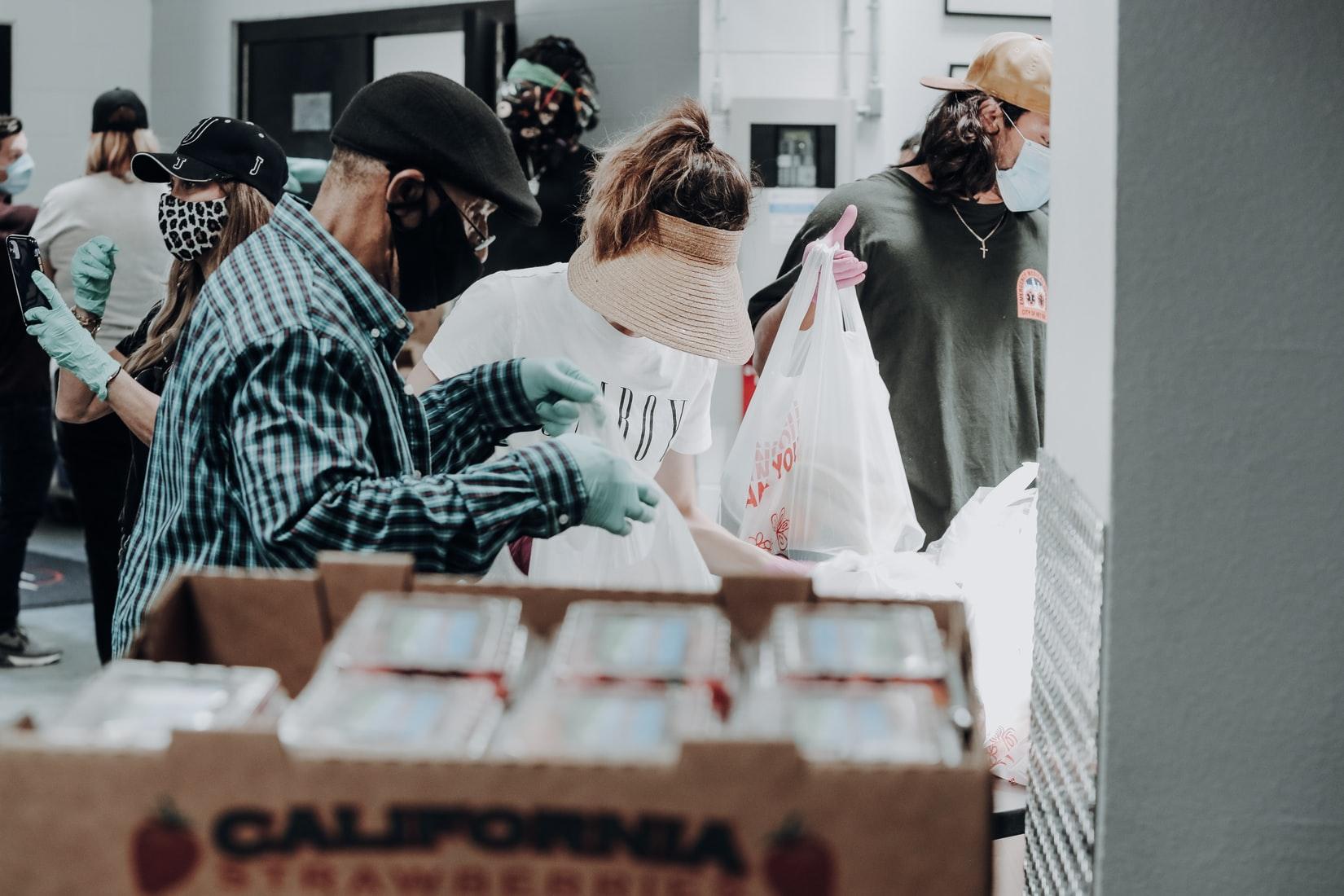
One of the easiest ways to get involved in your community is to volunteer. There are countless organizations across the country that are always looking for helpers. Even if you only want to do something on a short-term basis, consider looking for local events that might need people to help out with setting up.

If you want to do something that requires more of a commitment, reach out to local organizations. For example, your area pet shelter might need someone to walk dogs or clean cages. A nursing home in your community might benefit from someone who can come read to seniors or spend time with them. You might have to do a little digging, but there are always opportunities to help.

On the other hand, if you can’t seem to find any ways to get involved, create some! Consider hosting a food drive or clothing drive in your community. Or, put together a fundraiser for a local church, kids’ sports team, or any other organization or group that is struggling to get funding. Your idea could cause a chain reaction, getting others to give back or do more for the community, too! Or, your event might become an annual way to bring the community together for a good cause. 

Use Your Skills to Find a Fulfilling Career

Giving back doesn’t just mean volunteering or donating. If you have work skills that you think could be used for the greater good, do your research! There may be some nonprofit organizations in your area that would greatly benefit from what you have to offer.

Some of the important soft skills required to work with a nonprofit include:

  • The ability to collaborate with different groups of people
  • Self-motivation
  • A passion for mission-style work
  • Creativity

If you already have hard skills in a certain profession, many of them can be easily transferable to a nonprofit. That includes skills in marketing, sales, and even accounting. Nonprofit groups are always looking for people who can work with a strict budget, communicate effectively, and pay close attention to detail.

While some national nonprofit agencies can offer handsome salaries, those on the local level may not get you a six-figure income. But, weighing out other rewards and the way you’ll feel knowing you’re doing something good can outweigh any kind of pay cut. So, if you’ve got the skills and you’re willing to step up to the plate, look for organizations that are making a difference and consider where you might fit in.

Think About Those Who Need Your Help

Needless to say, there are countless ways to volunteer your time and skills in your own backyard. But, that can be a bit overwhelming if you’ve never gotten involved before. If you’re not sure where to start, think about your passions. What means the most to you, and who could use the most help in your community? Some groups that are always looking for help include:

  • Pets
  • Seniors
  • Homeless individuals
  • Victims of domestic violence
  • Orphaned children

If you want to dig a little deeper, consider trying something like working with your local juvenile justice center to mentor kids who have been in trouble with the law, especially when considering the current problems within this system. Some opportunities to give back can be heavier than others. But, if you feel one pulling at you, don’t ignore it.

It can be a good idea to get your whole family involved in your community engagement. It’s a fantastic way to teach your children how to give back and how to care for others. Those are skills they can carry with them throughout their lives to create a kinder, more compassionate future. 

Giving back to your community in any way you can is important. If the COVID-19 pandemic taught us anything, it’s the impact of togetherness and socializing. So, decide what’s important to you, and don’t be afraid to jump into community involvement right away. You’ll be glad you did.