7 Ways to Alleviate Anxiety

Source: https://unsplash.com/photos/rXrMy7mXUEs 

Anxiety leads to a vicious cycle where the very thing that causes your anxiety leads to more anxiety. If lack of sleep causes your anxiety, you will end up getting less sleep because you are thinking of how to get more sleep. This, in turn, breeds more anxiety because you can’t get the sleep you need.

However, there is good news. There is more research done on anxiety, and people are now opening up about their situation. Many are learning how to cope through other people sharing their experiences. Others are recognizing that they do not have to be alone in such times and can get help in various ways. Here are a couple of ways to help alleviate anxiety.

1.   Perform Deep or Diaphragmatic Breathing

Lack of control can quickly lead to anxiety. You can quickly feel despair if you are in a situation where whatever you do, you cannot control the outcome. An excellent way to reduce anxiety in such a situation is to take control of the little things you can handle—for example, breathing.

Through deep or diaphragmatic breathing, you are consciously controlling an automatic process, helping you grasp a little control over the situation.

While breathing, take in as much air as possible and exhale slowly. By breathing out slowly, you are engaging the parasympathetic nervous system that helps control rest and digestion, reducing your anxiety. On the other hand, the sympathetic nervous system controls fight or flight, which is triggered by heavy breathing, which can lead to more anxiety.

2.   Use Your Words

Self-reflection is one of the best ways to reduce anxiety. Describe your feelings verbally and audibly to yourself. Ask yourself questions that force you to self-analyze.

  • What feeling am I experiencing?
  • Does this situation warrant this reaction?
  • Am I projecting this emotion due to a prior situation?

Because of our innate evolutionary trait of self-preservation, we often project many of our emotions. We take longer to perceive that danger is over, making it easy to project emotions wrongly. Self-reflecting helps identify such situations and deal with them.

3.   Get Active

Yoga and exercise are up there as some of the best ways to reduce anxiety. Physical activities raise brain chemicals that control mood. Exercising also helps keep your body and mind healthy, reducing anxiety levels. But perhaps most importantly, exercising triggers your brain psychologically, telling it you are doing something to get yourself out of a bad situation.

By taking steps to self-heal, you will feel relaxed, which helps reduce anxiety.

4.   Practice Guided Imagery

Most of the time, anxiety is brought about by imagining and overthinking worst-case scenarios in your head. That is why one anxiety symptom is replaying past events in your head and how you could have handled them, imagining future situations, and how you hope to manage them.

Use your imagination to induce feelings of safety and well-being. Guide your imagination and think of a person or a place that gives you joy and calmness. Picture it in detail: smell it, hear it, touch it, feel the ground beneath your feet, the wind on your face, or whatever feeling the place or person evokes. Breathe slowly and imagine you are inhaling that image and feeling you have created.

5.   Take Advantage of CBD Oil

Source: https://unsplash.com/photos/Qd37vTyByBs

CBD oil presents a natural remedy to anxiety and depression medication. CBD is a cannabinoid derived from the cannabis plant. Unlike cannabinoids like THC, which causes the high feeling associated with marijuana, CBD offers a calming effect. As more and more states legalize marijuana, it is now easier to find an online CBD store to make a purchase.

CBD increases serotonin levels in the body, which plays a vital role in mood, sleep, healing, and even sexual desire. Its antipsychotic properties help reduce overthinking, hallucinations, and delusions. It also has anti-inflammatory properties that can help you relax and sleep better. Due to such benefits, it is no surprise that there are now many cannabis delivery services in California and elsewhere to get your anxiety remedy to your door.

6.   Eat the Right Diet and Vitamins

Eating and hydrating well can help reduce anxiety in general. But increasing specific vitamins like B1 and B12 can also significantly improve your mood. The brain uses vitamin B1 (Thiamin) to convert glucose to energy. Without it, the brain will not have enough energy to function correctly, leading to mood swings and anxiety.

On the other hand, vitamin B12 aids in the formation of red blood cells, which transports oxygen to brain cells to create energy. Without it, your brain will not have enough oxygen, resulting in less energy to function properly.

Foods that contain high levels of B1 and B12 include:

  • Beef
  • Liver
  • Whole grains
  • Eggs
  • Milk
  • Cereals

7.   Understand Your Triggers and Know Yourself

The best way to reduce anxiety is by knowing yourself. Identify what triggers your anxiety and learn ways to cope with it. Some of the most common triggers of anxiety include:

  • Stress at work
  • Friends or family
  • Medication
  • Crowds
  • Phobias
  • Pain

Alcohol can also be a trigger, as it is a depressant and can make you feel amazing for a short while, but awful when it is out of your system. This is also the reason why many people with anxiety or depression may end up being alcohol addicts, as they want to chase that short-term feeling.

Caffeine may be a stimulant, but it can excite your body, increasing your heart rate. As mentioned earlier in this post, quick breathing could activate the sympathetic nervous system, leading to a flight or fight reaction.

There are many ways to battle anxiety, but the best way is to understand your body and how to adapt to different situations that come your way.

Are Smoking Habits Genetic?

With a staggering 1.1 billion people worldwide smoking cigarettes, it’s no surprise that nicotine addiction has become one of the most studied addictions in modern science. Both a physical dependence and psychological habit, smoking tobacco is the leading cause of preventable, premature deaths and illnesses in the world.

Scientific Evidence Suggesting a Genetic Link

A widespread addiction with high mortality rates poses the question: Is genetic predisposition at play? A study published by the National Library of Medicine found that genetic factors play a role in developing smoking habits and addiction. These findings revealed that heritability estimates for smoking initiation range from 0.32 to 0.78, indicating a moderately heritable trait.

Similarly, researchers from the U.S., U.K., and New Zealand conducted a long-term study based on a previously developed genetic profile that leads to heavy smoking habits. The study monitored 1,000 individuals from birth to age 38 to determine if a genetic predisposition led to adolescent nicotine addiction and dependence as adults. It was found that those with a high-risk genetic profile who had tried smoking as teenagers were likelier to develop a habit in adulthood, while those with a low-risk profile were less apt to smoke as adults, even if they had in adolescence. Lead author of the study, Dan Belsky, notes, “(Genetics) didn’t predict who tried cigarettes, but they did tell you who among those that did try a cigarette – who got hooked.”

(picture from unsplash.com)

There’s clearly an undeniable link between genetic factors and smoking habits, but exactly what genes contribute to the development of this addiction? Although tobacco usage tendencies cannot be attributed to a single gene, a few genes have been noted in association with nicotine addiction. For example, variations in the gene responsible for the metabolism of nicotine and those related to dopamine signaling have been associated with heavy tobacco use.

Additionally, research suggests a correlation with a variant of the gene CHRNA5, indicating that this genetic variant may significantly increase the likelihood of developing a tobacco addiction. A 2014 study found that individuals who possess this variant have a much more enjoyable experience with cigarettes since this gene reduces tobacco’s unpleasant effects.

Something else to consider is the effect of heavy smoking on the area of the brain known as the habenula. This region is known as the brain’s emotional center and is associated with feelings of anxiety, fear, reward, aversion, avoidance, and related behaviors. Damage to the neurons in this part of the brain can result in intense negative feelings and emotions. One may attempt to soothe these unpleasant feelings by indulging in more nicotine, leading to addictive tobacco smoking.

Sociocultural Influence

Although many scientists and researchers have found a genetic link contributing to nicotine addiction, one must also consider the impact and role of environmental factors. Sociocultural influences play a significant role in the development of smoking habits among both adults and adolescents. For example, teens are more likely to try cigarettes if their peers, parents, or siblings smoke. Negative family relationships may also lead to adolescent smoking habits that can carry over into adulthood.

(picture from unsplash.com)

In addition, peer pressure, media, and advertising may contribute to the development of smoking habits. Certain social situations, TV shows, and movies tend to glamorize smoking, portraying it as cool or rebellious. This social pressure can fuel adolescents’ and adults’ desire to conform, contributing to widespread nicotine addiction.

Regardless of the cause of smoking behaviors, it is a harmful habit that can bring deadly consequences. Smoking can bring adverse effects to almost every organ in one’s body, with an increased risk of cancer being one of the most significant risk factors. For those looking to combat the negative effects of nicotine, a comprehensive detox regimen and exercise can help speed up the process.

In conclusion, the debate of whether or not smoking habits are influenced by genetics is complex and ongoing. Research suggests a strong correlation between smoking initiation and genetic factors, but more remains to be uncovered. In addition to the heritability of smoking habits, one must also consider the impact of environmental and sociocultural influences.

5 Reasons Swimming Is the Best Sport for Your Health

Image Source

Being healthy and having fun go hand-in-hand when you are swimming. This supersport can benefit your health better than most other forms of exercise for a number of reasons.

1. Swimming Provides a Total Body Workout

Swimming utilizes almost all the major muscle groups in the body, making it an exceptionally thorough form of exercise. In addition, it also:

  • Increases the heart rate without adding undue stress to the body, especially the joints
  • Tones muscles and improves overall strength
  • Helps maintain a healthy weight
  • Works the heart and lungs due to the cardiovascular benefits

While swimming does not build bone density because that requires weight-bearing exercise, it does improve bone strength, especially in post-menopausal women.

2. Swimming Helps Treat Injuries and Health Conditions

Image Source

Swimming is one way to continue getting gentle exercise, even while injured. It even helps the body heal due to the extremely low-impact placed on the body and joints. While swimming, 90% of body weight is supported by water.

With health conditions such as arthritis, inflammation often occurs, especially within and around joint spaces. This inflammation can restrict movement and cause swelling and pain. Swimming has a multitude of benefits for arthritis, including 

  • Strengthening and supporting the muscles which can further aid in preventing arthritis from worsening.
  • The movement itself is what helps prevent arthritis from worsening and with swimming, you get the action without the pain and discomfort that comes along with many other forms of exercise.
  • Water-based exercises help improve the utilization of the affected joints in osteoarthritis as well as decreasing pain.
  • People who have rheumatoid arthritis see more health improvements with hydrotherapy than with other forms of exercise.

3. Swimming Improves Mental Health

Exercise releases endorphins, which are the chemicals in our brain that make us feel happy. Swimming can help alleviate anxiety as well as boosting our mood. In a 2014 pilot study of people with dementia, those who swam regularly for 12 weeks, showed an improvement in mood.

Image Source

Swimming regularly can also help reduce the symptoms of anxiety and depression. The reason behind this is simple: swimming is a very calming and soothing activity due to the meditative quality of this unique form of exercise.

This activity allows more oxygen to flow to your muscles and forces you to regulate your breathing. Studies have also shown that swimming can influence the brain through a process known as hippocampal neurogenesis, where the brain replaces the cells that are lost through stress.

4. Swimming Helps Prevent Heart Disease

Exercise in general will, of course, help prevent heart disease, but swimming for just 30 minutes a day can help provide the following health benefits:

  • It can help to control cholesterol levels by reducing the bad cholesterol such as LDL and VLDL, which can cause high cholesterol levels in the blood.
  • Swimming can boost your metabolism – 30 minutes in the pool is equivalent to 45 minutes of land-based exercise, and it lowers blood pressure levels as well. 
  • It lowers the heart rate and improves breathing as well as circulation.

5. Swimming Helps You Lose Weight

As with most cardiovascular exercises, swimming burns calories resulting in weight loss when added along with a healthy diet plan. The added benefit with this activity is that the resistance from the water itself adds even more calorie-burning benefit, helping people get in shape.

Specific swimming exercises can even target your core, which further aid in reducing belly fat, such as

  • Flutter kicks which target the lower abs
  • Butterfly kicks which target the obliques

Compared with walking, swimming improves body weight, body fat distribution, and insulin levels. 

See the Benefits for Yourself

Small changes in our lifestyle can make a huge difference. Exercise is a beneficial change to our overall health and wellbeing, and swimming is at the top of the list. The best part is that swimming can be done at any age. Other sports can even be incorporated into your swimming session, including walking and running in the water. Whether you are doggie paddling or doing fancy butterfly strokes, your body will be getting healthier with each movement. When you add in the lack of stress on the joints, you can easily find yourself doing a mini-marathon and not even know you’ve done one!

Fitness Supplements & Diet Plan Tips for Bodybuilding

https://unsplash.com/photos/wt5jg8_WrJg

For some people, bodybuilding is a hobby. For others, it’s a lifestyle. But in every case, the fitness goal is the same: a balanced, muscular, and chiseled physique to rival any ancient Olympian. To get the best results from your training, you need the right nutrition for bodybuilders along with the best supplements for muscle growth. Follow these tips to build a diet and supplement program that will help you develop your dream body faster.

#1: Recognize the Two Key Phases

All diet plans for bodybuilding must include two key phases: bulking and cutting. In the bulking phase, you’re focused on building muscle and gaining weight. In the cutting phase, it’s all about shredding the fat while protecting the muscle you built. Nutrition for bodybuilders in these two phases is practically the same — except for one key factor: you’ll want to eat 115% of your maintenance calorie requirements in the bulking phase to put on weight, and 85% of your maintenance calorie requirements in the cutting phase to reduce fat.

#2: Calculate Your Macros

We know that protein is essential for building muscle, but how much do you really need? According to experts, the best balance of macros for bodybuilding as a professional sport are:

  • 30–35% protein
  • 55–60% carbs
  • 15–20% fat

To work out these values in grams, multiply the percentages by your total calorie goal and convert the resulting values to grams. For protein and carbs, divide each calorie by 4 for grams, and divide each calorie of fat by 9. Here’s an example of nutrition for bodybuilders for someone with a maintenance intake of 2000 calories:

 Bulking PhaseCutting Phase
Calories2,3001,700
Protein (g)173-201126-149
Carbs (g)316-345234-255
Fat (g)38-5128-38

#3: Eat A Delicious, Varied Diet

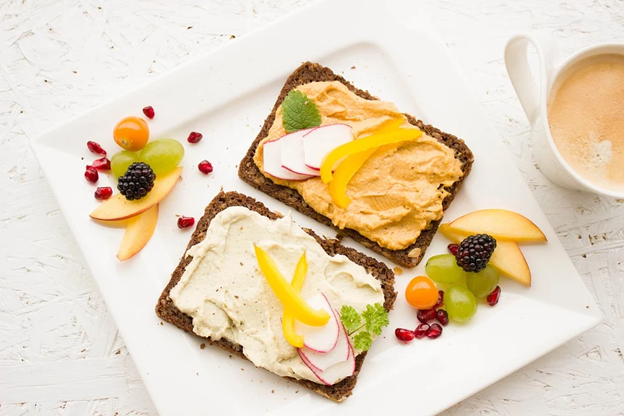
https://pixabay.com/photos/breakfast-healthy-hummus-spread-1804457/

Unfortunately, nutrition for bodybuilders has developed a reputation for monotony. However, far from a diet of pure eggs and chicken, diet plans for bodybuilding can include as much variety as you like — as long as the food is nutritious and you’re including all of your macros and micros.

For protein, consider lesser-known treats like venison and turkey in addition to the usual chicken, beef, and fish. As far as grains, mix up the usual rice and pasta with some quinoa, barley, millet, and couscous. Many international dishes include a healthy balance of proteins, carbs, and fats. Just stay clear of refined sugars and oils that are high in omega-6 fatty acids as these foods are thought to increase inflammation and raise your risk for obesity and heart disease.

#4: Boost Your Results with Workout Supplements

Your weekly meal plan forms the backbone of your personalized nutrition for bodybuilders, but meeting your macros and micros consistently can prove to be more of a challenge. That’s where bodybuilding supplements come in.

Remember those protein values mentioned above? 201 grams of protein is a lot for even the most carnivorous among us — you’d have to eat eight meals every day! Instead of spending all your spare time calculating calories, grams, protein, and minerals, round out your program with the best supplements for muscle growth and supercharge your path to bulk.

In your diet plans for bodybuilding, consider the following evidence-based muscle-building supplements:

Before Your Workout

  • Glycerol monostearate for extra muscle pump
  • Creatine for going a few extra reps
  • Caffeine to reduce fatigue
  • Delta-8 to enhance your workouts

Before or During Your Workout

  • BCAAs and electrolytes to improve muscle hydration

After Your Workout

  • Whey or vegan protein for recovery and muscle repair

Build A Solid Program at LFTD. While there’s no magic pill, solid nutrition for bodybuilders along with the best supplements for muscle growth help you build your best body and keep it by maximizing every effort at the gym.

How the Pandemic Changed the Way People Parent

https://pixabay.com/photos/family-holding-hands-parents-child-1866868/

Much has changed since the COVID-19 pandemic. The world is much more tuned into the guidance of health and wellness professionals. Our economic landscape has devolved and evolved. And the norms for interactions have transitioned to mostly digital platforms.

Parents have changed, too. They’re worried about their children’s health and safety more than ever. But they’re also committed to doing more to nurture and protect children’s health, wellness, and personhood.

Maternity Care Has Changed Drastically

You’ve probably heard the saying, “Parenting starts in the womb.” Bonding with and caring for a child starts well before entering the world. Maternity care is essential to a child’s healthy development during and after pregnancy.

That said, the pandemic drastically changed maternity care. For example, many doctors are adopting a hybrid approach to prenatal and postpartum checkups. This involves both in-person and virtual appointments.

Further, many practices don’t allow multiple people in the delivery room anymore and require shorter hospital stays after birth. On a positive note, however, they’re ramping up mental health and other post-birth resources to support mothers and families at home. Even though maternity care in hospitals and offices has changed, the at-home support for mothers and their new babies is improving.

Parents Are More Mindful of Illnesses, Germs, Viruses, and Bacteria

If the pandemic has prompted anything from parents, it’s to be more aware of how dangerous various germs, viruses, and bacteria can be for their children. Aside from COVID-19, parents are practicing greater awareness of other common childhood illnesses, allowing them to identify symptoms more quickly and efficiently.

For instance, lethargy is one of the most common symptoms of a sick baby. It typically resolves on its own. But, when excessive exhaustion, sleep, or unresponsiveness lasts long-term, it could signify something more serious. It’s essential to pay attention to children’s physical appearance, how they act, what they touch, and what is put in their mouths. The pandemic has prompted parents to be more in tune with these indicators.

There’s a Hyperfocus on Mental Health and Emotional Wellness

The CDC revealed that, at the start of April 2020, pediatric emergency department visits related to mental health increased and remained that way through October. The study also stated, “Compared with 2019, the proportion of mental health-related visits for children aged 5–11 and 12–17 years increased approximately 24% and 31%, respectively.” As hard as this is to read, it shone a light on the need for better support for children’s mental health.

Parents have since opened up the conversation around their kids’ mental health and emotional wellness. They’ve also played a more active role in ensuring their children receive the support they need, whether that is therapy, self-care, or another treatment option. Seeking out and providing more support for mental health and emotional wellness is one of the most positive parenting changes since the pandemic.

A Heavier Focus on Interactions

One of the most memorable things about the pandemic is the “six-feet apart” rule. We spent many months not being able to hug our distant loved ones, give handshakes to strangers, or touch in any aspect because it could spread COVID-19.

This was tough on our kids, as children are more likely to want to express themselves with physical touch. Even though the above restrictions have since eased, parents are still conscious of whom they and their children interact with. They’re also more mindful of their surroundings and where they go, ensuring their kids aren’t around sick individuals or too many people at once. Group gatherings are returning, but parents are more appreciative of and willing to attend smaller events.

Better Preventative Care and Maintenance

There were a lot of parents who may have neglected preventative care and maintenance before the pandemic. However, since medical professionals emphasized it as a tangible way to combat COVID-19 and illnesses in the future, parents have taken heed of this advice.

For example, parents are keeping up with all their children’s preventative care and specialist appointments. They’re also doing the small gestures that maintain their child’s health, like ensuring they wash their hands often, use hand sanitizer in public places, and mask up when necessary. Better preventative care and maintenance is a big win for parents and children post-pandemic.

More Time To Bond

Many parents transitioned to working from home during the pandemic. It was challenging for many to balance parenting and working, but those who did it successfully enjoyed the benefits of more family time and sharing hobbies with their kids.

More quality family time helped parents appreciate how important it is to nurture parent-child relationships, not just for the relationship’s growth but for their child’s development. Parents have continued this trend after the pandemic. They are doing more to form stronger bonds with their kids and help them grow into who they genuinely are so that they can flourish as adults with healthy attachment styles.

Conclusion

The pandemic has changed the way people parent in more ways than one. Although some parents have chosen to keep their kids on lockdown, many others have instead decided to take mindful actions to better support their child’s health, wellness, and safety so that they can enjoy a post-pandemic world. This way, they can grow in safe, effective environments conducive to their success.