
The 6 Best Natural Supplements To Support Muscle Recovery

https://unsplash.com/photos/topless-man-with-black-background-_nUKpvm9I0w

Whether sculpting your abs in the gym or building your calves on the trails, exercise is hard work. People commit to all the sweat and, let’s face it, the soreness for a variety of reasons, from looking like a supermodel to maintaining mobility as they age. That said, to get the gains you want, it’s important to focus on muscle recovery.

Key Takeaways

  • Recovery starts with a foundation of nutrition and rest.
  • Use supplements like protein for repair and creatine for energy.
  • Explore traditional botanicals to support post-workout wellness and relaxation.

As you curl those dumbbells or scurry up that rock face, you create microscopic tears in your muscle fibers. Muscle recovery is the body’s natural rebuilding process that follows those tough gym classes. This process includes the body’s inflammatory response, which is then followed by muscle repair and, ultimately, growth.

You don’t have to participate in the recovery process. Your body is a natural and miraculous workhorse. But, if you want to give the recovery process a little boost and possibly limit the drawbacks of exercise, like soreness, then consider taking a variety of natural dietary supplements.

Using Natural Supplements for Muscle Recovery

So, how can a powder or capsule actually help you recover after a grueling workout? Simple: each supplement has a very specific job.

Some are non-negotiable, like protein, which your body needs to repair muscle tissue. Others are performance enhancers, like creatine, which helps refuel your muscles on a cellular level. Each supplement offers a unique kind of support, and the following six are among the most beneficial.

1. Whey Protein: The Building Block of Muscle Repair

Whey (pronounced like “no way”) protein is a staple in body-building circles. While it doesn’t come from the most glorious of sources (it’s an offshoot of the cheese-making process), it does contain the nine amino acids the body is incapable of making on its own, including those ever-vital branched-chain amino acids (BCAAs) that are so crucial to muscle repair.

2. Creatine Monohydrate: A Tool for Energy Production

You might see people taking creatine monohydrate supplements before a workout, but the supplement is just as effective for post-workout recovery. The nature of the substance screams pre-workout strategy because it plays a vital role in energy production within muscles, regenerating adenosine triphosphate (just a fancy phrase for the energy source of muscle contractions).

The thing is, your muscles need just as much attention post-workout, after you’ve expended these energy stores. By taking creatine, you can replenish these stores and more.

3. Tart Cherry: A Natural Approach to Soreness

When most people think of cherries, they think of sundae toppers and red fingers. Your mind might even wander toward the sweet maraschinos skewered by toothpicks and surrounded by rings of pineapple on that Easter ham at Aunt Jenny’s. But, alas, those are not the cherries that aid in muscle recovery.

No, for muscle recovery, you want sweet cherry’s cousin, tart cherry. More specifically, you want the juice. Tart cherry juice contains a high concentration of anthocyanins, a type of antioxidant and anti-inflammatory compound.

Sipping some tart cherry juice after a workout can lower levels of C-reactive proteins, an inflammatory marker, and even improve muscle function. Essentially, tart cherries can equate to less inflammation, reduced soreness, and faster recovery.

4. Turmeric (Curcumin): The Golden Spice of Recovery

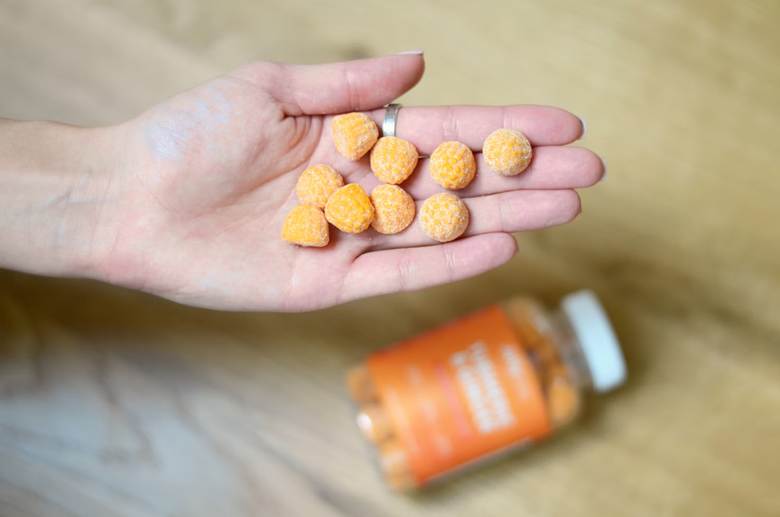
If you like to add a little spice to life, then this next supplement is right up your alley. Turmeric is a golden spice often used to add a touch of flavor and color to a dish. It has a similar flavor to pepper, but with a more earthy undertone.
https://unsplash.com/photos/orange-and-white-labeled-prescription-bottle-_lkjRexcP4M

The beauty of turmeric for muscle recovery isn’t found in its flavor profile, however, it’s found in its unique makeup. See, turmeric contains curcumin, which is an anti-inflammatory and antioxidant. Similar to tart cherry juice, it can reduce inflammation and speed recovery along.

5. Oregon Hemp Flower: Cannabinoids and Recovery

Not all natural supplements have a ton of research or anecdotal evidence to back up claims, especially those that had a rocky road to legalization, like cannabinoids. Still, according to an analysis of the role of cannabidiol on sports recovery by Daniel Rojas-Valverde, CBD “has been shown to have specific properties that help to treat chronic pain, spasticity, mood and sleep disorders, immunodepression, inflammation, oxidant effects, and anxiety in clinical patients.” There is growing evidence that cannabidiol found in Oregon Hemp Flower and other high-quality CBD flower varieties is beneficial to muscle recovery. The theory is that CBD may help regulate the body’s inflammatory response, leading to less soreness.

Obviously, it’s important to stay informed about research in the CBD field, as it is a relatively young field. If you choose to use cannabinoids, remember that everyone is different. Talk to your primary care physician. That goes for taking any supplement. Your healthcare provider is your best friend when it comes to verifying different supplement claims.

6. Mitragyna Speciosa (Kratom): A Botanical for Post-Activity Wellness

Another relative newcomer to the list of muscle recovery supplements is kratom, a tropical tree native to Southeast Asia. Traditionally, people would chew the leaves of the tree, and it was said to combat fatigue and improve energy. More recently, people have transitioned from chewing the leaves to manufacturing various kratom products, such as powders and capsules.

The compounds in kratom are said to be analgesic, meaning they can provide pain relief and sedation. For the recovery process, this is beneficial, but it’s important to remember that kratom research, like cannabinoid research, is in its infancy. So, be cautious about any claims, and find products from reputable suppliers who operate with transparency and third-party lab testing.

Creating a Recovery Routine That Works for You

What you take away from this article shouldn’t be a definitive list of the supplements you must take to improve muscle recovery. No. What you should take away is that natural supplements can complement the body’s natural processes.

As far as whether the above supplements are right for you and your workout goals, that depends. Fitness, as with most things in life, doesn’t follow a “magic bullet” approach. It’s unique to the individual. As you create your recovery routine, talk to a medical professional about the above supplements. See how they would suggest moving forward. Remember that, while some people may pursue exercise for vanity (which is not a problem), it is most notably a pursuit of health and fitness.


How Psychologists Support Emotional Wellness in PWS Patients 

Prader Willi Syndrome (PWS) is a complex genetic disorder affecting numerous parts of the body. It arises due to psychological and physical issues and is primarily characterized by a constant sense of hunger, often leading to excessive eating and life-threatening obesity. Other symptoms include mild to moderate intellectual impairment or learning disabilities, delayed motor development, distinct facial features, and behavioral problems.

People living with PWS demonstrate a wide range of emotional, cognitive, and physical challenges. Nonetheless, with early identification and appropriate management techniques, they can lead meaningful and fulfilling lives. Every person with PWS exhibits a unique set of manifestations of the syndrome; hence, there isn’t a one-size-fits-all approach to handling this condition. Therefore, it is crucial to have a multidimensional understanding of PWS from a medical, psychological, and emotional aspect.

The Emotional Impact of PWS

The emotional impact of PWS on those living with the condition and their families can be profound. The constant battle with food urges can result in significant emotional stress, leading to anxiety and depression. Additionally, due to cognitive impairments, people with PWS often struggle to interpret social cues and express their emotions healthily. This can negatively impact their relationships, foster social isolation, and lower overall life satisfaction.

Understanding the emotional implications of PWS can help to design better treatment strategies, offering not just physical relief but also psychological and emotional support. Undeniably, psychological wellness plays a key role in enhancing the quality of life for people with PWS.

The Role of Psychology in Managing PWS

Psychologists as Key Health Professionals in PWS Management

Psychologists serve as integral members of the healthcare team managing PWS. They assess and address the psychological impacts and behavioral issues associated with PWS. PWS Psychologists use various therapeutic techniques and strategies, and psychologists help develop coping mechanisms, improve emotional resilience, enhance social skills and facilitate adaptive behavior for people living with PWS.

Additionally, psychologists actively work with parents, educators, and other healthcare professionals to ensure a holistic approach is taken towards managing the condition. This includes educating all parties involved about the syndrome and providing strategies on how to provide effective support both in and out of the home environment.

Comprehensive Care: Why Psychological Support Matters

Psychological support plays a pivotal role in managing PWS symptoms and ensuring improved overall quality of life for patients. Despite being a genetic condition, managing PWS isn’t merely about treating physical symptoms but also coping with behavioral and emotional challenges. Assisting individuals with PWS to handle their emotions, control their impulses, and manage their behaviors is crucial in mitigating the disorder’s psychological impact.

Moreover, psychological support could help enhance self-esteem, improve social interactions, and lower the chances of developing mental health disorders such as depression and anxiety. Hence, psychological support is an essential part of comprehensive care for PWS.

Strategies for Supporting Emotional Wellness in PWS Patients

Building Emotional Resilience in PWS Patients

Addressing emotional wellness in individuals with PWS often commences by building emotional resilience. Individuals with PWS can build resilience by learning and utilizing techniques such as cognitive restructuring, mindfulness, problem-solving, and self-care strategies.

For instance, cognitive restructuring helps to change negative thought patterns, while mindfulness techniques can teach individuals to respond to stress and negative emotions in a calm and balanced manner. Problem-solving strategies can assist in tackling conflicts, and self-care practices can preserve mental well-being and prevent burnout.

Cognitive Behavioural Techniques for Emotional Wellness

Cognitive behavioural techniques (CBT) constitute a crucial aspect in managing emotional challenges associated with PWS. In PWS, CBT can assist individuals in resolving issues related to mood, anxiety, anger, and challenges related to food and weight management.

For instance, CBT can help individuals with PWS recognize their patterns of thinking about food and their ability (or inability) to control their eating. They are then taught to process these thoughts differently to minimize their impact on their behaviors and emotions.

Psychological Interventions: Family-based Therapy Approaches

Family-based therapy is an essential aspect of psychological intervention for PWS. Given the complexity of PWS, families play a vital role in its management and influence the emotional wellness of the individual affected. Family therapy focuses on educating all family members about PWS, fostering a supportive home environment, teaching effective communication techniques, and coping strategies.

For example, the ‘traffic light’ method is one such approach, where an individual’s behavior is categorized into green (acceptable), yellow (potentially problematic), and red (unacceptable) behaviors. This helps the family to interpret the individual’s behavior accurately and respond appropriately, contributing to more stable home dynamics.

Mental Health Challenges in PWS

Common Psychological Disorders in PWS Patients

People with PWS are at an increased risk of numerous psychological disorders. Symptoms may range from mild, such as persistent sadness, anxiety, and concentration difficulties, to severe conditions such as psychosis and bipolar disorder. Moreover, obsessive-compulsive disorder is also prevalent and related to food-seeking behaviors, repetitive questioning and insistence on routines and rituals.

Understanding and recognizing these mental health disorders early on can significantly improve the outcomes for PWS patients. Specifically, psychological interventions can be tailored to manage these disorders while also addressing the unique behavioral and emotional challenges associated with PWS.

Co-Existing Mental Health Conditions with PWS

In addition to the behavioral symptoms inherent to PWS, individuals may demonstrate a variety of co-existing psychiatric conditions. These may include, but are not limited to, Autism Spectrum Disorders, ADHD, anxiety disorders, and depression. The presence of these co-existing conditions can compound psychological distress and further impair social, cognitive, and emotional well-being.

Co-existing conditions require attention and care, and should be factored into a comprehensive care plan for managing PWS. Identifying and treating such comorbidities early can drastically improve an individual’s quality of life and enhance their ability to manage the challenges posed by PWS.

The Interplay Between Mental Health Disorders and PWS

The interaction between PWS and co-existing mental health disorders is complex. The heightened emotional distress and compulsive behavior that individuals with PWS often experience can exacerbate symptoms associated with co-existing mental health conditions. For example, high levels of anxiety commonly seen in people with PWS can be further elevated with a co-occurring anxiety disorder.

Understanding the interplay between PWS and mental health disorders can help healthcare providers design more effective treatment strategies. By addressing both the core aspects of PWS and the symptoms of co-existing conditions, care providers can offer optimal support and care to individuals with PWS.

The Role of Family in PWS Management

Emotional Support Network: Family and Carers

Family members and carers form a crucial emotional support network for individuals with PWS. They help implement and enforce behavioral strategies, reinforce learned coping mechanisms, and provide emotional reassurance during challenging times. In essence, they play a major role in shaping the individual’s environment and emotional wellness.

Family and carers also play a crucial role in advocating for the individual with PWS in different settings, be it school, the healthcare system, or public spaces. They become the individuals’ voice when they are unable to communicate their needs effectively.

Nurturing a Positive Home Environment for PWS Patients

Creating a safe, positive, and structured home environment can greatly benefit anyone with PWS. It can reduce triggers for negative behavioral outbursts, promote emotional stability, and foster personal growth. Structured routines, clear boundaries and rules, and a calm, loving environment can provide the stability needed by someone with PWS.

This includes having defined meals and snack times to manage the food-related behaviors, encouraging physical activities and hobbies to channel energy, having quiet spaces for relaxation and de-stressing, and enforcing household rules consistently to minimize behavioral issues and promote responsibility. A nurturing home environment offers emotional security, promotes education, and fosters personal growth.

Conclusion

In conclusion, the interplay between psychology and home design offers promising solutions for enhancing the emotional wellness of PWS patients. pws Psychologists equipped with the knowledge of this rare genetic disorder, along with a keen understanding of the power of environment, flourishes a holistic and individual-based healthcare approach, ensuring those living with PWS aren’t just surviving but indeed, thriving.

Navigating the Education System: Advocacy Strategies That Work

When my son was diagnosed with autism at age four, our family’s journey took an unexpected turn. Like many parents, we found ourselves thrust into a world of therapies, evaluations, and educational planning meetings. Working with ABA therapy for children in San Francisco opened our eyes to the possibilities for my son’s development, but it also highlighted how critical appropriate school accommodations would be for his success. What I didn’t realize then was that becoming an effective advocate would be one of the most important roles I’d play in my child’s educational journey.

Understanding Your Child’s Rights

The foundation of successful advocacy begins with knowledge. Under the Individuals with Disabilities Education Act (IDEA), children with autism are entitled to a Free Appropriate Public Education (FAPE) in the Least Restrictive Environment (LRE). This means your child has the legal right to:

  • An Individualized Education Program (IEP) tailored to their specific needs
  • Access to appropriate accommodations and modifications
  • Placement in a setting that maximizes their potential for learning alongside typically developing peers when possible

Before any IEP meeting, familiarize yourself with these rights. Request and review all evaluations in advance. Take notes on specific concerns and desired outcomes. This preparation transforms you from a passive participant to an informed team member with valuable insights to contribute.

Documentation: Your Most Powerful Tool

In my experience, thorough documentation has been the single most effective advocacy tool. Start a dedicated notebook or digital file where you record:

  • Observations of your child’s challenges and successes
  • Communications with school personnel (date, time, who you spoke with, what was discussed)
  • Strategies that work at home or in therapy settings
  • Examples of how your child’s autism impacts their learning

When requesting accommodations, I’ve found that specific, evidence-based requests are much more likely to be approved than general concerns. Rather than saying, “My child seems overwhelmed in class,” try, “When there are unexpected transitions between activities, my child experiences significant distress that prevents learning for up to 30 minutes afterward. A visual schedule with a five-minute warning before transitions would help address this barrier.”

Building Productive Relationships

Effective advocacy isn’t about confrontation—it’s about collaboration. The most successful outcomes for my child have come when we’ve approached educators as partners rather than adversaries. Some strategies that have strengthened these relationships include:

  • Recognizing educators’ expertise and constraints
  • Expressing appreciation for their efforts
  • Focusing on shared goals for your child’s development
  • Offering to share successful strategies from home or therapy

Remember that teachers often have limited training in autism and may be managing classrooms with diverse needs. Approaching conversations with compassion rather than criticism opens doors to creative problem-solving.

The Power of the Education Team

One of the most valuable lessons I’ve learned is to leverage the expertise of all professionals working with my child. Before important school meetings, I consult with:

  • Our ABA therapist for behavioral strategies
  • Speech therapists for communication accommodations
  • Occupational therapists for sensory and fine motor recommendations

These professionals can provide documentation supporting specific accommodations and may even attend meetings to offer their expertise. Most importantly, they help translate your child’s autism-related behaviors into educational terms that resonate with school personnel.

When Pushback Occurs

Despite your best efforts, you may encounter resistance to accommodation requests. When faced with “we don’t do that here” or “we don’t have the resources,” remain calm but persistent. Response strategies include:

  • Requesting the denial in writing with specific reasons cited
  • Referencing relevant sections of IDEA or school district policies
  • Proposing a trial period for the accommodation
  • Seeking mediation through your district’s special education department

Sometimes, bringing in an educational advocate or attorney specializing in special education law becomes necessary. These professionals understand the system and can help navigate complex situations while preserving important relationships.

Teaching Self-Advocacy Skills

As our children grow, we must gradually shift from advocating for them to teaching them to advocate for themselves. Age-appropriate self-advocacy might include:

  • Helping your child understand their learning differences
  • Practicing how to request breaks when overwhelmed
  • Teaching them to explain their accommodation needs to teachers
  • Involving them in IEP meetings when developmentally appropriate

My son recently attended part of his IEP meeting for the first time. Though brief, his participation helped the team see him as an individual with unique strengths and challenges rather than just a collection of needs.

Celebrating Progress and Adjusting Course

Educational advocacy is a marathon, not a sprint. Celebrate small victories along the way—the teacher who implements a visual schedule, the successful sensory break system, the peer buddy program that fosters inclusion. Document what works so these strategies can be carried forward to future grades.

Equally important is recognizing when approaches need adjustment. Autism needs often evolve as children develop, and educational plans must evolve accordingly. Maintaining open communication with your child’s educational team ensures that accommodations remain relevant and effective.

The path to appropriate educational accommodations is rarely straightforward, but with knowledge, persistence, and collaborative relationships, you can create a foundation for your child’s success. Remember that your expertise about your child, combined with educators’ professional knowledge, creates the most powerful advocacy team possible.

How to Design a House That Boosts Your Well-Being?

Photo by Spacejoy on Unsplash

Your home isn’t just where you lie your head at night: It’s where you decompress after a hard day in the office, share butterfly kisses with your significant other, and embrace the cathartic process of making your favorite homemade pound cake.

It’s where you live life — and life to the fullest.

Research shows that the majority of individuals associate their homes with comfort, security, and safety. You may also view your home as an extension of your identity, as it’s an environment you can control, meaning you can express yourself freely there.

Given your home’s valuable role in your life, mastering how to create a welcoming, calming, and captivating space is paramount for your mental health and overall quality of life. Let’s explore how to design a house that boosts your well-being.

Make the Most of Natural Light

Photo by Sanju Pandita on Unsplash

Lighten up dark rooms by adding large windows to rooms you frequently use, like your living room and kitchen. Letting in daylight may help regulate your body’s circadian rhythm (internal clock), boosting your mood and sleep quality, while also adding a natural touch and warmth to your space. 

Embrace the Natural

Introduce a biophilic design to your home by incorporating natural materials. Connecting with the outdoors through modern rustic home decor may improve your well-being and decrease stress. The best natural materials include indoor plants, stone, and wood. Consider hanging wooden signs promoting lake and cabin life around your living room. 

For a more nautical touch, hang a metal anchor made of cast iron, and set up an aquarium filled with fake aquarium plants like green grasses to make you feel like you’re right in the water with your favorite aquatic creatures.

Choose Your Colors Correctly

Photo by DESIGNECOLOGIST on Unsplash

Pick textures and colors that promote relaxation and calmness. Neutral and soft textures and tones can help cultivate a tranquil home environment.

Add navy blue, light blue with a silvery undertone, or slate blue to your bathroom or bedroom for a relaxing, calming ambiance. Lavender is another excellent calming option for bedrooms due to its cool purple color. Choose a soft green, like mint or sage, for a grounding color that reflects nature in your home. Neutrals like creams and whites can also be soothing in any room and easily paired with other colors.

Soft fabrics, such as wool, linen, and cotton, are the best textures for creating a serene space. These fabrics can be used for cushions, upholstery, and curtains. Incorporate decorative pieces, countertops, and flooring made of marble or stone to make your home feel more elegant and placid. Woven rugs, wicker baskets, and rattan furniture also bring visual softness, making them peaceful additions to any space.

Minimize Noise

Improve your concentration and reduce stress by using materials that absorb sound to eliminate noise pollution. Cork wall coverings and floors effectively absorb sound, as do rugs and carpets, particularly in rooms featuring hard floors. Dense curtains may reduce echo and block external noise in rooms. Consider also filling bookcases in your living room or home office to absorb sound, especially when you place them along shared walls.

Keep the Air Fresh

Photo by Spacejoy on Unsplash

Excellent ventilation and air purifiers may help you breathe more easily by boosting your home’s air quality. Plants are natural air purifiers, so consider positioning them throughout your home to keep your air clean. Lady palm filters out ammonia, which might irritate your respiratory system and is present in the toilet, oven, floor, and glass cleaners. 

Dracaena removes hazardous chemicals like formaldehyde, a gas that may irritate the throat, nose, eyes, and skin and is often found in drapes and particleboard. Use aloe vera to remove benzene, a carcinogenic liquid that may harm the bone marrow and lead to disorders like leukemia. Benzene is present in household materials or products like furniture waxes and some detergents.

Create a Calm Space

Designate certain sections of your home for mindfulness and relaxation. Examples of these spaces include a balcony on the back side of your home, a reading nook, and a room designed specifically for meditation. Meditation may help lower your stress hormone, cortisol, boost your self-awareness, and help you view life more positively.

Elevate Your Home and Transform Your Life Today

Your home can be the ideal getaway from the hustle and bustle of everyday life if you incorporate elements that minimize stress and promote emotional and physical health. Boosting your home’s natural light, adding a touch of nature, selecting neutral tones and soft textures, and developing a calm space can make your home look and feel more peaceful. Reducing noise and air pollution can also make your home healthier and more inviting. Consider all the above-listed design tips to create a house that will holistically enrich your life in the days, months, and years ahead.

How to Deal With Insomnia

Image: https://unsplash.com/photos/FVRTLKgQ700

Are you tired of lying awake at night, staring at the ceiling? Do you wake up in the middle of the night for no reason? You are not alone!

Insomnia is a frustrating condition that affects up to 75% of adults worldwide. Some medications can help with this sleep disorder, but they have various side effects that worry all consumers. Thankfully, there are other ways you can deal with insomnia.

In this guide, we will introduce you to various strategies that can help you conquer insomnia and finally get a restful night’s sleep.

Understanding Insomnia

Insomnia is the most common type of sleep disorder characterized by difficulty falling or staying asleep. Other symptoms of this condition include fatigue, daytime sleepiness, concentration difficulties, and irritability.

There are two types of insomnia: acute and chronic. Acute insomnia is a short-term condition caused by temporary factors like stress or illness. Chronic insomnia, on the other hand, persists longer and often requires medical interventions.

Insomnia can be caused by different factors, such as:

  • Caffeine
  • Depression
  • Poor sleep habits
  • Stress and anxiety
  • Certain medications
  • Underlying medical conditions

Risk factors such as genetics and substance abuse can also contribute to insomnia. Knowing these causes and risk factors can help you devise an effective plan of action to get rid of insomnia.

Strategies for Battling Insomnia

You can fight insomnia naturally without resorting to medications. Here are some effective strategies to help you sleep more comfortably through the night.

Establish a Sleep Routine

It’s crucial to have a consistent sleep schedule and a bedtime routine to wind down in the evenings. Try to sleep at the same hour every night to regulate your body’s internal clock.

Create a calming pre-bed routine to signal your body that it’s time to sleep. This routine can include relaxing activities like reading a book or taking a bath.

Avoid stimulating activities like looking at your phone, and refrain from drinking caffeine for at least six hours before bed.

Create a Sleep-friendly Environment

Next, you must optimize your bedroom to get the quality sleep you need. Start by reducing noise and light. You can hang curtains or put in earplugs to minimize these disturbances.

It’s also recommended to sleep in a cool environment. Set your thermostat to a temperature range of 60 to 68 degrees Fahrenheit.

Finally, select comfortable bedding and pillows tailored to your personal preferences. A comfortable bed allows you to rest in the best sleeping positions and avoid insomnia.

Practice Relaxation Techniques

Stress is one of the main reasons people experience sleeplessness. A great way to deal with this stress is through relaxation techniques. Try meditation, deep breathing, or yoga to calm your mind, alleviate anxiety, and ease physical tension.

You can incorporate these relaxation techniques into your bedtime routine to improve sleep quality and overcome insomnia.

Try Cannabis

Image: https://www.pexels.com/photo/marijuana-in-a-jar-and-a-joint-18512074/

A natural sleep aid that has gained momentum in recent years is cannabis. This wondrous plant is packed with beneficial compounds called cannabinoids. These compounds can interact with your body’s endocannabinoid system and help you overcome insomnia.

Multiple scientists have already proven the sleep-inducing effects of cannabis. A recent study in 2022 assessed the effectiveness of medicinal cannabis in improving sleep in 29 adults with insomnia. Researchers found that cannabis improved sleep time and quality by up to 80%. By the end of the study, 60% of participants were not even considered insomniac!

Since cannabis is generally well-tolerated, you can safely try it to deal with insomnia. Try pre rolled cones, which are easy to use and effective. 

Adopt Healthy Lifestyle Habits

Lastly, you’ll improve your chances of overcoming insomnia by adopting some healthy habits in your life. Try exercising regularly and eating a well-balanced diet full of minerals and vitamins.

Avoid excessive caffeine and alcohol consumption because they can disrupt your sleep patterns. Take care of your body to prevent insomnia and promote more restful sleep. 

When to Seek Professional Help

These strategies work for many sleep-deprived individuals who deal with insomnia. However, they may not be effective for everyone, for instance, those with chronic insomnia.

If you’ve tried these tips but haven’t seen any improvements, it may be time to seek professional help. A doctor can identify the underlying cause of your insomnia and recommend personalized solutions to address it.

Don’t put off a visit to the doctor if your insomnia persists. Get the help you need and enjoy a peaceful night of sleep.

Sleep Tight With These Effective Strategies

There you have it! Five helpful strategies that will put you to sleep in no time. Insomnia doesn’t have to be a restless endeavor anymore.

You can easily overcome sleeplessness by incorporating these tips into your daily life. If they don’t work for you, you can consider visiting a healthcare professional for tailored guidance.

Try these strategies today and finally get some well-deserved shut-eye!