4 Tips For Staging Your Victorian Home To Sell While Maintaining Its Integrity

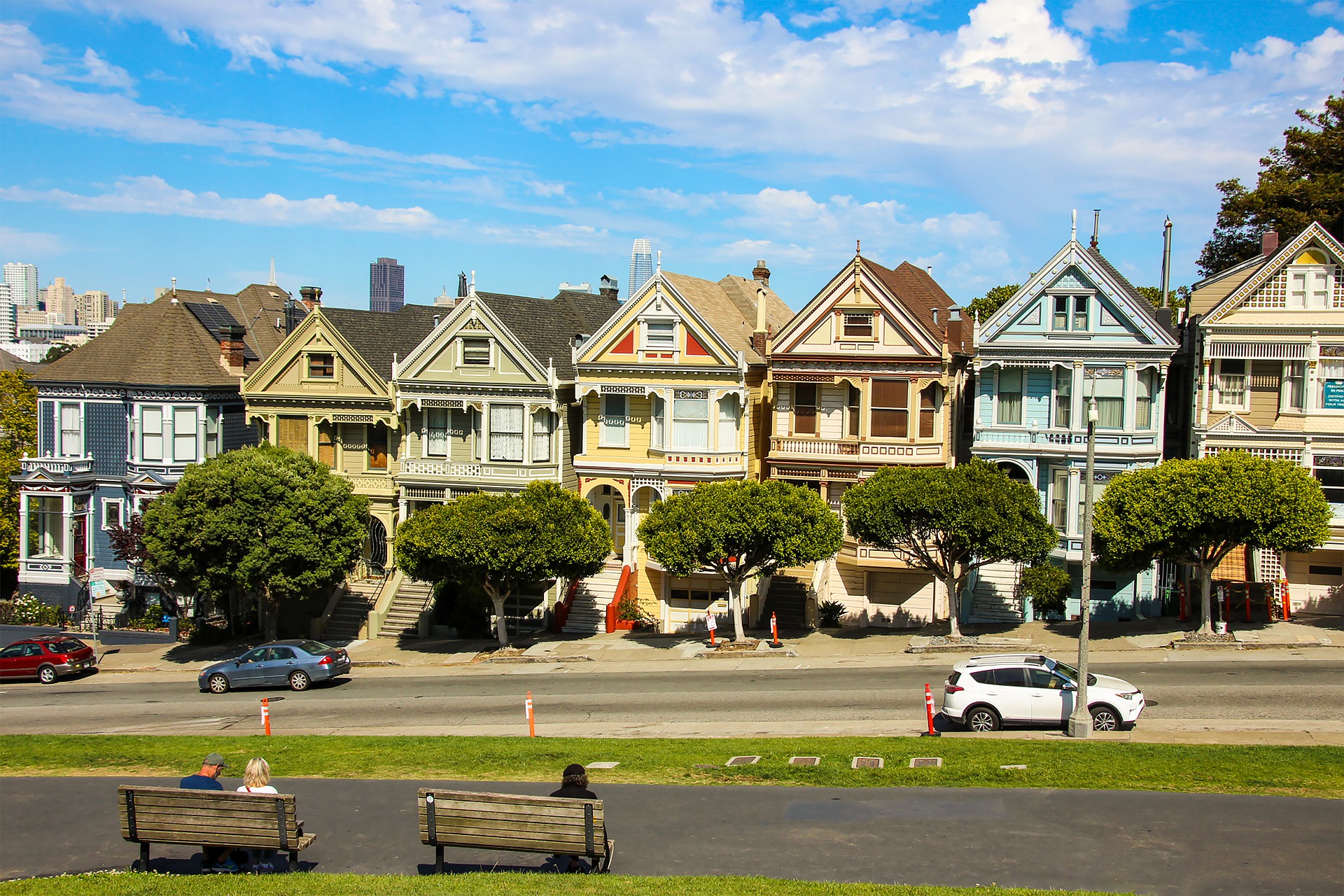
https://pixabay.com/photos/painted-ladies-san-francisco-usa-5385437/

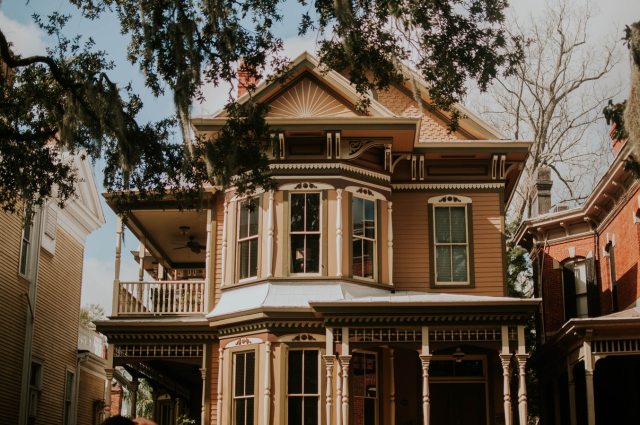
You might worry if your 100-year old house can be desirable to a large housing market when it comes to selling your historic Victorian home. What truly matters is the bare bones of the house being complemented by an aesthetically pleasing interior.

Think about what made you fall in love with your Victorian home. The original hardwood floors and architectural details likely tell all sorts of stories and capture uniqueness in every room. Step it up a notch by staging your home to show its versatility. Creating an appealing representation of your home can help buyers better visualize themselves enjoying the space like you did.

Staging makes a difference. It bridges the gap between the upscale HGTV world and how welcoming and charming a Victorian home can be, without the need for major changes. Here are four home staging techniques that work best with Victorian homes.

1.   Make Modern Updates in Key Rooms

A charming period home needs to appeal to modern-day buyers. Certain precautions for buyers to think about include the fact that this is an older property that could need some fixing up. However, there’s no need to make major updates or renovations if you’re selling your older home, because all that does is take away from its true personality that matters most. It’s important to prioritize the functionality of your home.

The first impression all starts with the initial sights walking up to the front door to inside the entrance. Is the front door original and assembled well onto the house? Is the doorknob intact? Inside, buyers will be looking for those original stunning structural details, high ceilings, and hardwood floors. But what they won’t be looking for is outdated appliances, plumbing, or heating and cooling systems that could fail them. You can provide buyers with an inspection, documentation, and additional incentive by transferring your home warranty to the buyer on new and existing appliances in the home. Doing so ensures protection against both the buyer and seller’s budget throughout this property transition if anything were to break down as it covers repairs and replacements. Plus, it allows peace of mind during the entire process, leading to a quicker sale on the market.

2.   Display Rooms to Feel Spacious

The last thing you want is for your home to feel limited and crowded during showings. Take the time to declutter spaces in order for buyers to truly envision themselves living in the space one day. With things like collections or personal photos sitting around, it can be difficult and overwhelming to see areas for what they really are.

It’s also crucial to make smart use of any awkward spaces your home might have. These are common in older homes as they tend to have a set up with a spot where there’s no purpose. Minimize these areas and transform them into a conversation space where you can make it a mudroom, coffee bar, or a nice decorated corner with shelving. Add seating, windows, and lighting as you see fit to make it flow along with the rest of the house.

If your home is vacant, it can be staged with some simple furniture to show the potential of each room when buyers move in their own furniture. That way, these organizing methods can give the new homeowners just what they pictured.

3.   Emphasize Architectural Details

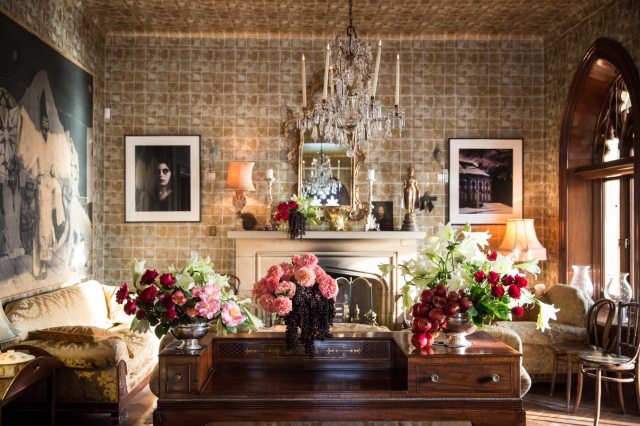
Architectural qualities are one of the main reasons buyers are drawn to your property. People are interested in the charm, character, and preserved original structures that your home has to offer over others. Be sure to describe details of original aspects, fireplace mantels, rosette accents, building materials used, and more that differentiate your timeless home. Create focal points in your living spaces by arranging furniture to spotlight and draw attention to things such as decorative plasterwork and moldings. The more they see, the more curious they will become.

4.   Stage for the Modern Buyer

The goal of staging your home is to simply maximize the appeal for buyer’s envisions resulting in a quicker sale. It doesn’t have to involve big purchases, but you can use what you already own. Show potential buyers how their lifestyle could look with completed rooms. You’ll want to do this without filling it with outdated pieces of furniture which can take away from the comfort and charm your house has to offer. Many historic homes have a mix of furniture and decor that represent history as well as modern touches. As you find the balance between vintage and contemporary styles of design, buyers will be able to see how easy it is to include a variety.

Don’t forget the smaller updates! Even painting and lighting any dark spots with warmer temperature lightbulbs can significantly bring a breath of fresh air to any room. Take advantage of your windows and remove heavy draperies if needed to let in as much natural light as possible so that all features of each room are completely visible.

Selling your home can be quite a challenge, especially if you have a much older property, but it doesn’t have to feel like a burden. With some preparation, staging, and minor updating, you’ll be able to sell your historic Victorian home quickly, while maintaining its integrity. Focus on originality and detailing to showcase your home’s unique history that the market is sure to snatch up.

Blending Timeless Victorian Fashion with Modern Trends

It’s hard to escape the considerable influence of the Victorian era in fashion. Its enduring popularity is visible at Steampunk Festivals around the country where people of all ages enjoy dressing up in full Victorian attire. Fashion has always been inviting to trends from the past and the Victorian age with its depth and range of styles is welcomed more than other eras, not just for elaborate dressing up costumes but as a classic everyday look. Victorian fashion is still popular today and with the basics woven into new modern designs, you can create a timeless look which can be adapted, updated and re-invented to suit any situation.

Updating Victorian Style

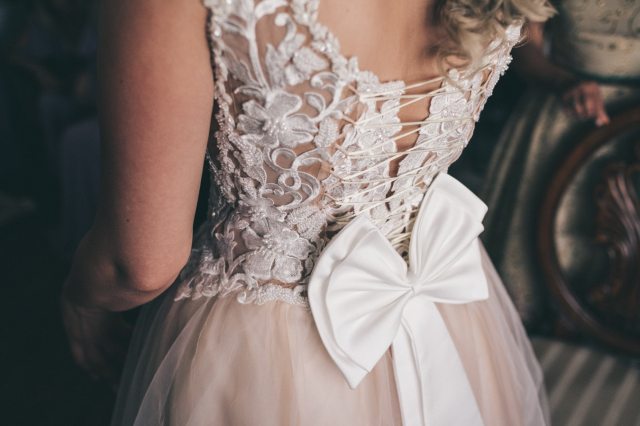
Re-invention is what fashion is all about and hints of Victorian style crop up in modern design time and again. If you are looking for dressy wear that makes you look classy and elegant, the combination of modern trends with classic styles is never out of fashion. Victorian fashion lends itself particularly well to the style of older women. Fitted blouses with long sleeves and high necks will flatter your figure while at the same time covering your neck and upper arms. The joy of blending fashion styles from different eras is that in this case you can drop the matching bustle. Instead, you can indulge in Victorian style but with a contemporary twist and wear an embroidered or lace trimmed shirt with a pair of classic straight leg trousers for an elegant and yet modern look..

Cut From the Same Cloth

Victorian clothes were limiting with tight corsets, bustles and cage crinolines. The voluminous skirts, although popular and striking, were uncomfortable, impractical and very restrictive. Thankfully, with the invention of lycra and less rigid ideas of the ideal figure, corsets are no longer necessary (unless you love the Steampunk look, of course!). However, there is no doubt that Victorian fashion still inspires our style today and some of if its most enduring elements, the luxurious materials and intricate decoration, are easily added to a modern wardrobe. A tailored velvet jacket in rich tones will give an ordinary outfit a dramatic Victorian look and even the simple addition of a black lace choker can add an element of Gothic 19th century style.

Inspired by Victorian Classics

At the recent Fashion Weeks in London and Paris, fitted blazers combined masculine and feminine aspects of Victorian fashion and John Galliano’s designs were inspired by the 1900s set novel Picnic at Hanging Rock. The white pinafore dresses decorated with pearl, similar in style to the recently revived prairie dress, are perfect for a hot summer but with the winter approaching, now might be a better time to invest in a long dress coat, soft leather gloves and lace up ankle boots, an enduring, classic Victorian style and perfect for a long country walk in the snow.

Combining Victorian influences with today’s fashion creates classic, timeless style for all ages. The echoes of the past are threaded throughout every era of fashion so by combining them with up to date style and practicality, you can pay tribute to the style of the Victorian era without compromise.

Incorporating Smart Tech Into That Classic Victorian Design


The overall theme for a Victorian home is ornate and lavish with a desire for decorations, some dating back to the 1800s. Since then, builders have worked tirelessly to design fancier ways to add ornamentation and decor that is relevant to changing times. The introduction of information technology towards the end of the 20th century opened possibilities for exchanging information between people, appliances and systems, possibilities that are still under exploration.

The smart home is the latest trend in innovative home technology, and it puts the safety and control of your entire home at your fingertips. With the internet of things (IoT) concept becoming a more visible and accessible option, you can transform your house and still keep that Victorian design and theme intact. Upon installation, you would be able to remotely control common aspects such as security, lighting, doors and temperature. Making your home smart could also raise the value of your Victorian house considerably.

Wireless or wired?

“When transforming your Victorian home, it is advisable to use wireless technology,” Andy Stanford-Clark, head of IoT department at IBM told the Guardian. By so doing, you will be causing minimal disturbance and damage to your decorations. In case you encounter problems with signals, you can opt for mesh controllers such as ZigBee because they offer better coverage. In addition, smart lighting systems for the home can be mounted on the wall plates, which can then be customised to look like a traditional switch that matches the exact theme of your interior. If you have to install a wired system, it is advised that you do it when other renovations are done, such as an energy retrofit. You can also snake a wire through the floor joists, though it could be more expensive.

Old heating and smart locks

The difficulty with older homes is that rooms tend to vary in temperature, but you can overshadow that by having smart heating sensors monitoring each room’s temperature and comparing it to external weather from a weather website or an outside sensor. If your home uses storage heaters, purchase a disguise adaptor that sits between the wall socket and the plug of your appliance. When it comes to smart locks, you do not have to destroy your doors and windows. “We had a gorgeous antique door that we did not want to cut into to install the new smart locks. We got a keyless entry system that sits on the top and replaced the deadbolt on the interior, and it works perfectly.,” said Christian Roehl, owner of Incommand Systems.

That 100-year-old house with stunning decor, high ceilings and ornate chandeliers is beautiful, but if it does not feature technology that makes your life easier, then it needs some adjustments. The goal is to install smart technology while maintaining the overall Victorian look. “The good news is that everyday technology is becoming more wireless and devices are getting smaller,” claimed Dan Diclerico, a smart home strategist for HomeAdvisor. He says that internet signals, with the help of WIFI boosters, are overcoming barriers, making installation of smart devices less invasive.

Plants And Fish That Bring Life To Victorian Homes

If you own a Victorian style home, you likely want a decor that matches the period design of your home. When it comes to decorations that bring life to a home, you may wonder what clashes with the time period your home represents, and what matches. Aquariums are a classic addition to Victorian homes and match the upholstery just as much today. Wisteria and jasmine, classic climbing plant life, are also classic imagery around Victorian homes both new and old.

Cradle graves for interior design

Cradle graves, a name for potted or container-held plants, are a classic staple of Victorian design. Victorian design reached many points across the world, and in colonial America in particular, cradle graves were said to be especially numerous around Victorian styled homes. The fact that these plants are meant for planters means they’re easy to add to the interior of your home, brightening up rooms and adding new colors with a variety of different plant life.

Add vines and climbing plants to the exterior

If you’re thinking about the outside of your home, climbing plants like spreading wisteria are classic Victorian design elements. Wisteria tends to support itself with the walls and fences of Victorian homes and can be a great way to cover an otherwise bland side of your home’s exterior. Another popular vine that can match a Victorian home’s exterior is jasmine. A combination of the two can bring colorful purples and standout whites to a garden around your home.

Aquariums and Victorian design

If you’re more interested in the wildlife you can bring into your home, know that aquariums and Victorian homes have a long and storied history. Many Victorian homes had and have elaborate aquariums to show off exotic fish and aquatic pets. William Alford Lloyd was the first professional aquarist and popularized the idea of aquariums in Victorian homes across England. To him, oysters, lobsters, and exotic fish were all worthy additions to a Victorian home.

Victorian homes are rich with history, but that doesn’t mean they shouldn’t be bustling with a variety of living things as well. Vines and climbing plants like wisteria and jasmine are classic additions to any Victorian home. Aquariums are also an idea that Victorian era noblemen made their own, and match the storied design of these homes.  And cradle graves, or potted plants, have been used to add color to Victorian home interiors for more than two centuries now.

Ways to Modernize Your Victorian Home 

The best part about older, traditional homes is their character. The aged interior and exterior characteristics often date the rooms and inspire a lovely sense of nostalgia. Victorian homes, especially, are known for their unique features, including complex and decorative interior trims, steep pitch roofing and asymmetrical architectural details. Still, there’s no reason why your Victorian home has to remain fixed in the 1850’s. Instead, there are many simple ways to modernize your old Victorian in a way that brings your rooms into the 21st century. Your new “Modern Victorian” home will look fantastic, emphasizing both the Victorian-era characteristics and some chic, contemporary designs, too.

Bring Your Fireplace into the 21st Century

Fireplaces will either instantly date or modernize a space. Victorian-era fireplaces can make a room feel heavy, dark and extremely traditional, so why not renovate it to make it look a little more contemporary? By installing a wall-hanging model that’s electric or ethanol burning, you can integrate a chic, simple design that will make the space look entirely fresh. Modern fireplaces, even in a room with other Victorian elements, will give the entire ambiance of the space a renewed feel.

Install Modern Light Fixtures 

Another way to showcase the old architecture of your Victorian home in a creative, 21st century style is to install modern lighting. While not all modern light fixtures will fit with Victorian designs, something that is more mid-century modern or Scandinavian modern will do the trick. Remember to mix old with new and new with old. Mixing the styles of lighting and eras will lead to a unique final product that flows together in a contemporary fashion.

Incorporate Cutting-Edge Artwork 

A final idea for modernizing an older home like a Victorian is to incorporate some interesting, engaging, cutting-edge art pieces. Picture this: You have a classic Victorian room that’s square and lined with dark wooden trim, and you add a colorful, abstract painting to the middle of a white wall. The artwork will instantly raise the level of your home’s aesthetic and make it more intriguing, rather than classical or predictably Victorian. Just because the architecture looks one way doesn’t mean that every detail in the interior of your home has to reflect the era.

By installing a wall-mounted fireplace, hanging some modern light fixtures and incorporating cutting-edge artwork, you can revamp your Victorian home and transport its interior design into the 21st century.