Top Five Unique Woodworking Project Ideas to Elevate Your Home

What makes a house feel like a home? Creating a space that reflects your personality and style isn’t always easy. There’s a delicate balance when it comes to designing and personalizing interiors that are comfortable and lived in, but are timeless and classic too. While adding curated wall art or throw pillows can help liven up a space, interchangeable decor isn’t enough to upgrade the overall look of your home.

Sometimes all it takes to elevate your home is a little bit of imagination and inspiration. Older homes may have lost their charm over the years due to outdated upgrades, wear and tear, or simply poor design choices. While it does take a certain eye to know what lines and details look best in some spaces, you don’t have to be an interior design expert to realize the full potential of your home. Sometimes the answers to your decor dilemmas come by solving problems that are already there with the help of custom woodworking. Read on and we’ll show you how you can infuse the natural beauty of wood into your home to create visually stunning living spaces.  

Drop-Down Desk

Image: https://www.pexels.com/photo/crop-person-making-notes-in-notepad-4126743/

(Caption: Drop down desks help create extra work areas in small spaces.)

Do you have an unused nook in your home? A narrow space that overlooks a stunning view? A drop-down desk might be just the thing for you. Through the help of custom woodworking, you can create a desk that perfectly fits a tight corner of your home. When you’re all done with your project or with work, simply return the leaf to its vertical orientation if you wish to open up the space again. Modular furniture offers an excellent way to elevate your home for a custom, designer look. 

Fireplace Mantel

Image: https://www.pexels.com/photo/photo-of-a-brick-fireplace-7746613/

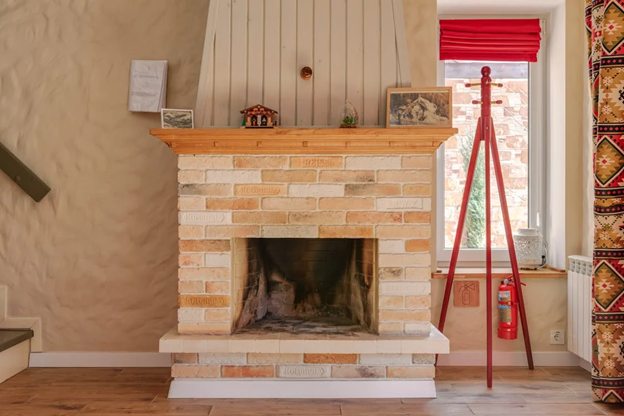
(Caption: A new fireplace mantel can warm up the look of your hearth.)

Is your fireplace mantel outdated or mismatched? Consider upgrading your hearth with a new mantel that better matches your decor. Whether you choose a rustic design or a mantel hand-crafted with custom woodworking, you’ll be sure to love the way a fireplace refresh warms up the look of your home. 

Decorative Paneling

Image: https://unsplash.com/photos/a-bedroom-with-a-large-bed-and-a-large-mirror-Zt2cY3LhoBw

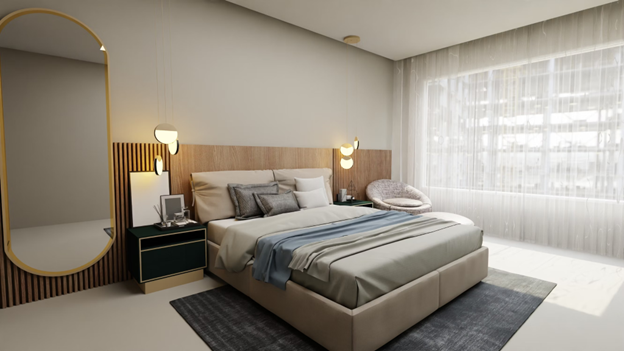
(Caption: Decorative paneling can help add visual interest to any area.)

With custom woodworking, you can turn a bland, basic wall into a stunning statement. Wood offers the perfect way to infuse a little bit of nature into your decor in a timeless and sophisticated way. Consider creating a built-in headboard out of wood paneling for your primary bedroom or installing wooden panels in your entryway hall to bring the natural warmth of the outdoors in. 

Built-In Shelving and Cabinets

Image: https://www.pexels.com/photo/elderly-woman-eating-her-healthy-breakfast-7261107/

(Caption: Built-in shelving and cabinets are a decorative storage solution.)

Every home can always use a little extra storage. Why not make that storage a decorative addition to your decor? With built-in shelving and custom cabinets, it’s easy to elevate your home and solve storage problems all at the same time. Keeping your shelves and kitchen cabinets organized is easy too when you customize your new storage to meet your unique needs.  

Decorative Doors

Image: https://unsplash.com/photos/a-staircase-leading-to-a-door-kHy6pcn0nc4

(Caption: Custom doors help add charm and elevate your home.)

Doors are often the most neglected and most used features in any living space. However, custom garage doors, front doors, and interior doors can add tons of charm and style to the look of your home. Consider the style and architecture of your residence when selecting a door with custom woodworking to create the best overall aesthetic.

Multigenerational Living Spaces in Luxury Homes: Creative Designs to Meet Everyone’s Needs

Today’s modern world has witnessed an upsurge in multi-generational living options among high-end homes. No matter whether it is grandparents, parents, children, or extended family members sharing one living space, the challenge lies in designing a home that meets each generation’s specific needs, preferences and lifestyles while upholding luxury and elegance that high-end properties demand. Reaching an ideal balance requires thoughtful design, functional spaces, and an emphasis on comfort without compromising sophistication. One element that can assist in striking this delicate equilibrium between luxury and functionality is grass cloth wallpaper. With its natural texture and luxurious finish, stonewalling brings warmth and character to walls while simultaneously appealing to both older and younger generations. In this blog, we’ll examine how to design multi-generational spaces in luxury homes; offering ideas and insight into creating luxurious yet functional living environments for all age groups.

1. Flexible and Adaptive Spaces

The key to designing multi-generational living spaces is creating flexible yet adaptable areas that meet a wide variety of activities and preferences. A luxurious home must provide both shared areas where family members can gather as well as private retreats where individuals can unwind and recharge.

1. Open-Plan Living Areas: Open-plan layouts provide an ideal solution for multigenerational living because they encourage communication and interaction among family members. A spacious open concept living room, dining area, and kitchen allows different generations to gather for meals, entertainment, socializing, and relaxation. To maintain an air of luxury consider using natural materials such as hardwood flooring, marble countertops or grass cloth wallpaper as these will bring depth and richness into a large open space while creating an atmosphere welcoming for all generations.

2. Multi-Purpose Rooms: Designing multi-purpose rooms can add versatility and flexibility to a high-end home. A media room may serve multiple functions – for instance as home theater for family movie nights, gaming space for younger residents, reading/lounge space or relaxation area. When combined with high-grade materials such as custom cabinetry and stylish furnishings, multi-purpose spaces still manage to retain an air of luxury and sophistication.

3. Adaptable Furniture: Furniture in multi-generational households must be both luxurious and practical, making life easier for everyone involved. Look for modular pieces that can easily be reconfigured to accommodate different activities or age groups; sectional sofas may be configured into multiple seating areas, while large dining tables with extendable leaves provide enough seating capacity to comfortably seat large gatherings of family. Furniture that combines adaptability with elegance ensures the space remains functional while keeping its high-end aesthetic intact.

2. Emphasizing Privacy and Personal Space

Although shared spaces can foster family unity, private retreats are just as essential in multi-generational homes. Each generation should have access to their own area where they can relax in peace – particularly those living together as generations in larger households.

1. Private Suites for Grandparents: When designing spaces to meet the specific needs of older generations, designing luxurious bedroom suites that meet these demands is crucial. A suite featuring a comfortable sitting area, an en-suite bathroom equipped with safety features and easy access can offer both comfort and independence for elderly family members. Plush carpets, soft lighting and grasscloth wallpaper in neutral tones may create an elegant setting, while grab bars in bathrooms, walk-in showers or other safety elements help make their space both accessible and stylish.

2. Adult Spaces: For middle generation individuals–often parents–creating a luxurious master suite or private retreat is key to relaxing. This space can include a spacious bedroom featuring seating areas and walk-in closets as well as spa-like en-suite bathrooms featuring high-end finishes like marble, heated floors and freestanding soaking tubs. Adding touches such as velvet upholstery, silk drapes or custom woodwork will elevate this retreat from its hectic household setting and provide much-needed restfulness.

3. Youthful and Stylish Spaces for Kids and Teens: When designing spaces for younger generations in a luxury home, striking a balance between fun and refinement can be challenging. Children’s bedrooms should be vibrant yet functional with enough storage for toys, books, and personal items; use bold colors, playful patterns, whimsical art and high-quality materials that reflect your design aesthetic to create an uplifting environment; but ensure high-quality materials match up to that design style throughout. Similarly for teenagers’ bedrooms or lounges incorporating more mature, sophisticated touches- sleek furniture, study desk and decor that reflect their growing sense of identity while still fitting in with overall luxury aesthetic design aesthetic.

3. Establish Welcoming Shared Spaces

Multi-generational homes require welcoming shared spaces that foster family bonding and offer entertainment for all generations of family members, offering something suitable for every member. Creating welcoming shared spaces may take some additional planning but can make life much simpler in multi-generational households.

1. Luxurious Living Rooms: The living room is often the centerpiece of any multi-generational household, so its design should be inviting for all generations. Create an ambiance of relaxation with comfortable seating such as oversized sofas or lounge chairs so family members can gather comfortably for conversation, games or TV viewing. Include elegant design elements like custom built shelving units, designer lighting fixtures and luxurious fabrics – not forgetting an eye-catching focal point like a grand fireplace or grass cloth wallpaper feature wall can tie the entire space together creating an upscale ambiance suitable for all generations!

2. Kitchens for Entertaining and Togetherness: Kitchens are another key area in multi-generational homes, designed to promote entertaining and togetherness. High-end kitchens feature ample counter space, high-quality appliances and seating to enable family members to cook together or dine together at the island with seating. If necessary, create multiple zones within the kitchen such as prep areas for adults while children have separate lower countertops to engage in baking or cooking activities. Materials like quartz or granite countertops, custom cabinetry and designer pendant lighting all add luxurious elements while remaining functional at once!

3. Outdoor Living Areas: Outdoor spaces play an essential role in multi-generational homes, providing fresh air and room for family members to take in nature together. Create an inviting outdoor area complete with comfortable seating, firepit, dining table for alfresco meals and firewood to provide fresh air for all. Luxury properties may offer pools, outdoor kitchens or landscaped gardens which create resort-like experiences for all age groups; natural materials like stone, wood and plants make these outdoor areas feel connected with nature while upholding high-end aesthetics.

4. Accessible and Future-Proof Design

Accessibility should always be top of mind in multi-generational homes, so luxury properties should include features to accommodate family members of various ages and abilities. Future proofing allows your home to adapt as your family members’ needs change over time.

1. Single-Level Living Spaces: For elderly family members or those with mobility challenges, single-level living spaces offer independence and ease of movement. In luxury homes, consider creating a separate wing or ground-floor suite containing bedroom, bathroom and sitting area all on one level, so older family members can move freely without navigating stairs while still experiencing privacy and luxury in an independent living space.

2. Elevator Installation: Elevators provide comfort and accessibility to all generations within multi-story luxury homes, making life easier for all generations of family members. They enable quick movement between floors for daily tasks or special gatherings – with modern elevators featuring sleek materials and finishes designed to blend in seamlessly into the design of the home.

3. Smart Home Technology: Integrating smart home technology into a multi-generational household can increase both convenience and safety for all generations living there. Automated lighting, temperature control and security systems can be easily operated by family members of all ages making the home more efficient and user-friendly – voice activated systems or app-controlled features being especially beneficial to elderly family members who may find traditional systems difficult to navigate.

Designing a luxurious multi-generational home requires an intelligent approach that prioritizes flexibility, privacy and shared spaces. By including high-end materials such as grass cloth wallpaper, investing in adaptable furniture and creating functional yet beautiful spaces in your design plan, you can ensure your home remains luxurious yet accommodating for all ages. From open plan living areas and private retreats to future-proofing your home for the long term – finding balance between luxury comfort and functionality will bring success in multi-generational housing design projects. With the appropriate design decisions made throughout its design planning stages can become harmonious, stylish and welcoming environments for all members of a multi-generational household – both young and old alike!

A Comprehensive Guide for Selecting High-End Textiles for an Elegant Appeal

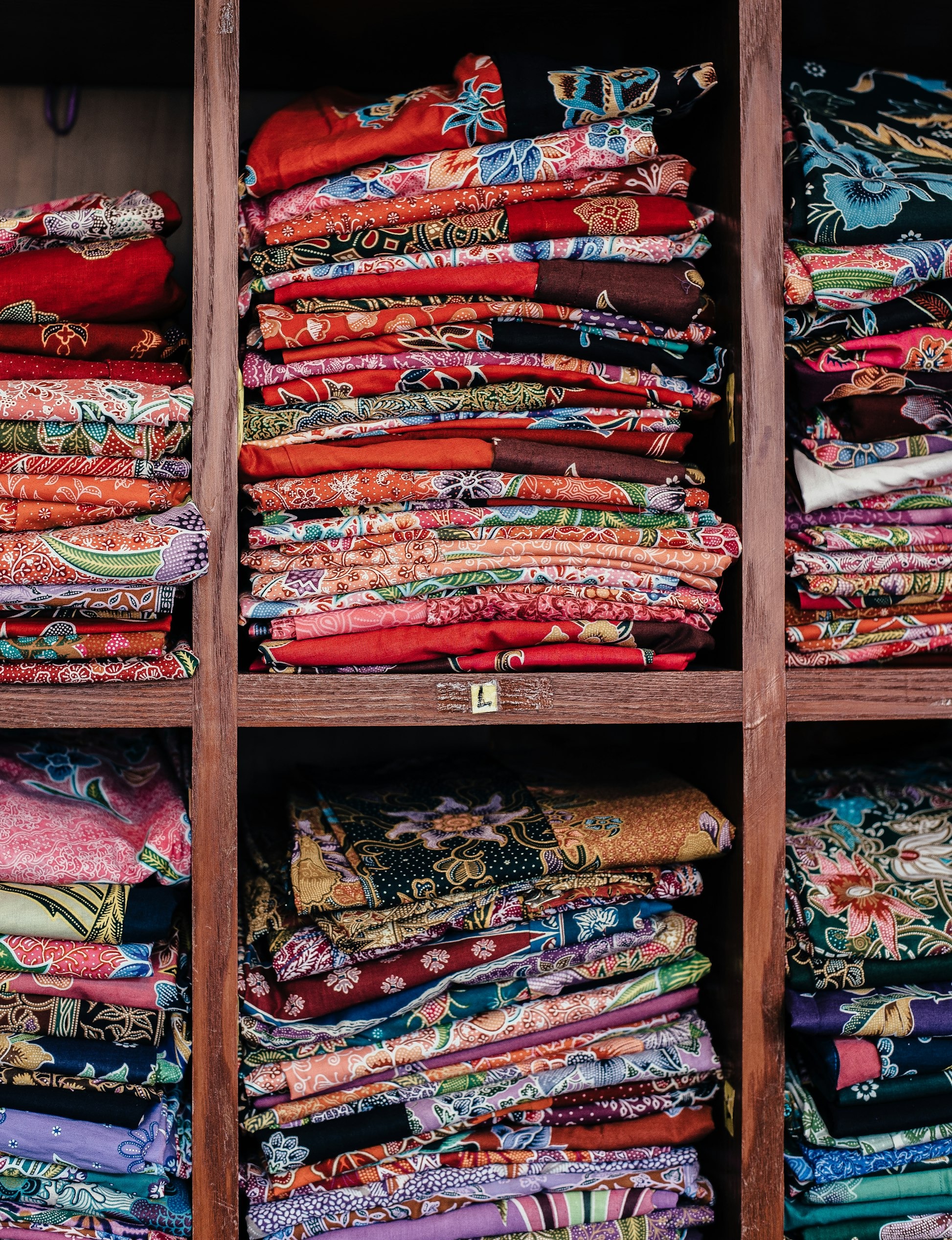
https://unsplash.com/photos/assorted-color-cloth-on-rack-5GsbwkrCfuM

When designing a luxurious home, few elements are as critical as textile selection. Selecting luxurious fabrics can transform a room from mundane into an opulent sanctuary. Textiles like silk, velvet and cashmere exude refinement and comfort, adding elegance and sophistication to everything from upholstery and curtains to bedding. Chenille fabric stands out among these luxurious materials with its unique texture and warmth, making it a favorite choice of interior designers looking to bring elegance and coziness into a space. In this guide we’ll cover how to select high-end textiles such as silk, velvet, chenille and cashmere in order to create a luxurious feel in your home while mentioning top designer brands offering superior textile quality.

Understanding the Role of High-End Textiles in Luxury Interiors High-end textiles don’t just add visual appeal; they also create an enhanced sensory experience within a room. Their soft textures, sheers and drapes all help contribute to creating the overall aesthetic and feeling of luxury in a space. When selecting fabrics for curtains, upholstery, bedding or anything else – selecting textiles will not only look beautiful but also provide superior comfort and longevity!

Luxury fabrics are distinguished by their quality, craftsmanship, and often exclusivity. Brands such as Fendi Casa, Armani/Casa and Loro Piana specialize in high-end home textiles that meet even the highest standards – made with top materials like silk and handmade for unparalleled attention to detail.

Silk is one of the world’s premier luxury fabrics, renowned for its smooth texture, lustrous sheen, and elegant drape. Since ancient China, royal families would use it as an emblem of wealth and refinement. Today silk can be found being used throughout interior design in areas like curtains, upholstery and bedding – creating luxurious surroundings.

Silk for Curtains: Silk curtains make an elegant statement in any room they grace, reflecting light beautifully and making any space feel brighter and luxurious. Their fluid drape adds movement that enhances any space’s elegance; de Le Cuona and Jim Thompson offer stunning silk fabrics perfect for custom made curtains; however it should be noted that silk can be delicate; so using protective layers may help to avoid sun-fading damage over time.

Silk Upholstery: Silk can add a luxurious aesthetic to any room’s upholstery, yet should only be used in low traffic areas or accent pieces such as throw pillows and headboards due to its delicate nature and less durable nature. Consider including silk upholstery in formal sitting rooms or bedrooms where its beauty won’t be subjected to everyday wear and tear.

Silk Bedding: Silk sheets and duvets are the epitome of luxury bedding. Not only are they soft against your skin, but their temperature-regulating properties also provide year-round comfort – brands such as Mulberry Park Silks offer premium silk bedding that feels as indulgent as it looks!

Velvet: An Icon of Plush Elegance Velvet is an iconic symbol of luxury and decadence, its thick pile and luxurious sheen making it the go-to choice for creating cozy yet glamorous environments. Velvet can also be utilized in various applications from heavy drapery panels to statement furniture pieces for maximum versatility and use.

Velvet for Upholstery: Velvet upholstery creates an inviting atmosphere in any room, thanks to its dense yet soft texture. Perfect for sofas, armchairs and ottomans alike – its dense yet soft structure complements vintage glamor or modern sophistication furniture designs beautifully! Ralph Lauren Home and Zimmer + Rohde both offer premium velvet choices in various hues from deep jewel tones to soft pastel hues – and can add plushness in an instant!

One of the greatest features of velvet is its durability, making it ideal for high-traffic areas. Modern velvets often incorporate synthetic fibers for enhanced resilience against crushing and fading so you can enjoy its luxurious appearance and feel without worrying about wear-and-tear damage.

Velvet Curtains: Velvet curtains have long been associated with grandeur. Their heavy weight helps block light and sound, making them the ideal solution for bedrooms or home theaters. Their luxurious drape also adds depth and drama, creating an intimate and welcoming environment in any room they adorn.

Velvet Bedding: Though velvet bedding might sound unconventional, throw blankets and accent pillows made of velvet can add luxurious texture and plush comfort to any bed. Quilts made of velvet are especially effective at turning any bedroom into a sumptuous retreat, providing both style and warmth during colder months.

Cashmere Fibers Are Luxurious

Cashmere fibers derived from cashmere goat undercoats are prized for their softness and luxurious quality, often making high-end blankets, throws, throw rugs, and upholstery items out of this natural fiber.

Cashmere for Bedding: Cashmere blankets and throws make an indulgent addition to any bedroom. Lightweight yet warm, cashmere adds a layer of comfort that few other materials can match. Loro Piana has made its name synonymous with luxurious cashmere by crafting exquisite cashmere bedding which marries style, comfort, and durability – their beautiful collections showcase this perfectly.

Cashmere for Upholstery: While cashmere upholstery may be rare, its soft feel makes it ideal for low traffic areas or accent pieces such as bedroom chairs or headboards where its luxurious feel can truly be appreciated.

Cashmere Accessories: Cashmere can also be found in luxury home accessories like cushions and throws made of cashmere, providing warmth and texture while adding warmth and dimension. Drape one over your velvet sofa or silk bedspread to add warmth and depth.

Chenille Fabric Is the Texture of Comfort and Luxury Chenille fabric is beloved for its luxurious plushness and soft texture, making it an excellent choice for upholstery and accessories alike. This velvety feel can be achieved by weaving together different fiber types into an almost fuzzy surface which creates its coveted velvety surface texture – creating an inviting fabric perfect for both formal living rooms as well as cozy reading nooks.

Chenille Upholstery: With its durability and soft feel, chenille fabric upholstery is an excellent choice for high traffic areas such as family rooms or casual seating areas. Kravet offers high-quality chenille fabrics in various colors and patterns that makes incorporating this fabric into any design scheme easy.

Chenille Bedding and Throws: Chenille fabric can also be found in bedspreads, quilts and throws for its warmth, inviting texture and versatility in design. When layering up on beds or sofas it provides both style and comfort to any space – for instance draping one over velvet chairs or cashmere blankets can add further dimension and character to an otherwise simple space design.

Selecting Luxury Textiles for Your Space

When selecting luxury textiles, it is essential to take both aesthetic and functionality into account when making a selection. While silk may make for the ideal formal dining room or master bedroom fabric choice, velvet may work better in high use areas like living rooms or media rooms. Likewise cashmere blankets and throws add warmth and comfort but may not be best used as upholstery in high traffic spaces.

Understanding the properties of high-end fabrics allows you to make informed decisions that will increase luxury and comfort in your home. From silk drapes, velvet sofas, and chenille throws – these materials add an air of sophistication that elevates any interior design scheme.

Conclusion

A key component of creating a luxurious home lies in selecting high-end textiles carefully. From silk, velvet, chenille and cashmere – each offering distinct properties when used strategically – to Fendi Casa fabrics by Ralph Lauren Home or Loro Piana designer brands can help turn any room into an opulent oasis. By investing in designer brands such as these you can ensure your home exudes elegance, comfort, and timeless style.

How to Design a House That Boosts Your Well-Being?

Photo by Spacejoy on Unsplash

Your home isn’t just where you lie your head at night: It’s where you decompress after a hard day in the office, share butterfly kisses with your significant other, and embrace the cathartic process of making your favorite homemade pound cake.

It’s where you live life — and life to the fullest.

Research shows that the majority of individuals associate their homes with comfort, security, and safety. You may also view your home as an extension of your identity, as it’s an environment you can control, meaning you can express yourself freely there.

Given your home’s valuable role in your life, mastering how to create a welcoming, calming, and captivating space is paramount for your mental health and overall quality of life. Let’s explore how to design a house that boosts your well-being.

Make the Most of Natural Light

Photo by Sanju Pandita on Unsplash

Lighten up dark rooms by adding large windows to rooms you frequently use, like your living room and kitchen. Letting in daylight may help regulate your body’s circadian rhythm (internal clock), boosting your mood and sleep quality, while also adding a natural touch and warmth to your space. 

Embrace the Natural

Introduce a biophilic design to your home by incorporating natural materials. Connecting with the outdoors through modern rustic home decor may improve your well-being and decrease stress. The best natural materials include indoor plants, stone, and wood. Consider hanging wooden signs promoting lake and cabin life around your living room. 

For a more nautical touch, hang a metal anchor made of cast iron, and set up an aquarium filled with fake aquarium plants like green grasses to make you feel like you’re right in the water with your favorite aquatic creatures.

Choose Your Colors Correctly

Photo by DESIGNECOLOGIST on Unsplash

Pick textures and colors that promote relaxation and calmness. Neutral and soft textures and tones can help cultivate a tranquil home environment.

Add navy blue, light blue with a silvery undertone, or slate blue to your bathroom or bedroom for a relaxing, calming ambiance. Lavender is another excellent calming option for bedrooms due to its cool purple color. Choose a soft green, like mint or sage, for a grounding color that reflects nature in your home. Neutrals like creams and whites can also be soothing in any room and easily paired with other colors.

Soft fabrics, such as wool, linen, and cotton, are the best textures for creating a serene space. These fabrics can be used for cushions, upholstery, and curtains. Incorporate decorative pieces, countertops, and flooring made of marble or stone to make your home feel more elegant and placid. Woven rugs, wicker baskets, and rattan furniture also bring visual softness, making them peaceful additions to any space.

Minimize Noise

Improve your concentration and reduce stress by using materials that absorb sound to eliminate noise pollution. Cork wall coverings and floors effectively absorb sound, as do rugs and carpets, particularly in rooms featuring hard floors. Dense curtains may reduce echo and block external noise in rooms. Consider also filling bookcases in your living room or home office to absorb sound, especially when you place them along shared walls.

Keep the Air Fresh

Photo by Spacejoy on Unsplash

Excellent ventilation and air purifiers may help you breathe more easily by boosting your home’s air quality. Plants are natural air purifiers, so consider positioning them throughout your home to keep your air clean. Lady palm filters out ammonia, which might irritate your respiratory system and is present in the toilet, oven, floor, and glass cleaners. 

Dracaena removes hazardous chemicals like formaldehyde, a gas that may irritate the throat, nose, eyes, and skin and is often found in drapes and particleboard. Use aloe vera to remove benzene, a carcinogenic liquid that may harm the bone marrow and lead to disorders like leukemia. Benzene is present in household materials or products like furniture waxes and some detergents.

Create a Calm Space

Designate certain sections of your home for mindfulness and relaxation. Examples of these spaces include a balcony on the back side of your home, a reading nook, and a room designed specifically for meditation. Meditation may help lower your stress hormone, cortisol, boost your self-awareness, and help you view life more positively.

Elevate Your Home and Transform Your Life Today

Your home can be the ideal getaway from the hustle and bustle of everyday life if you incorporate elements that minimize stress and promote emotional and physical health. Boosting your home’s natural light, adding a touch of nature, selecting neutral tones and soft textures, and developing a calm space can make your home look and feel more peaceful. Reducing noise and air pollution can also make your home healthier and more inviting. Consider all the above-listed design tips to create a house that will holistically enrich your life in the days, months, and years ahead.

How to Pick the Best Wallpaper for Your Bathroom

Bathrooms are often the most neglected rooms in the house when it comes to interior design but they are the perfect opportunity to create a space that is functional and beautiful. One of the biggest transformations you can make in your bathroom is with wallpaper. With the right wallpaper you can add color, pattern and personality to a utilitarian space and turn it into a haven. This blog will walk you through how to pick the best wallpaper for your bathroom featuring high end designer brands like William Morris wallpaper and Cole & Son.

Why Wallpaper for the Bathroom?

Wallpaper is a design element that can totally transform a bathroom. Here are the reasons why you should:

  1. Aesthetic: Wallpaper adds visual interest and can be a feature in the bathroom. You can express yourself and create a mood.
  2. Versatile: There are thousands of patterns, colors and textures to choose from so it can fit any style from classic to modern.
  3. Easy to Update: Unlike tiles, wallpaper can be changed so it’s perfect for those who like to update their decor frequently.

Bathroom Wallpaper Essentials

  1. Moisture Resistance: Bathrooms are humid environments so it’s important to choose wallpaper that can withstand moisture. Look for vinyl or vinyl coated options which are designed to resist water and humidity.
  2. Durability: Choose durable wallpaper that can handle the wear and tear of a bathroom. High end designer wallpapers are often more durable.
  3. Style and Design: Think about the overall style of your bathroom. The wallpaper should match existing fixtures, tiles and paint colors.
  4. Scale and Pattern: The size of the bathroom and the pattern scale of the wallpaper should be in proportion. Large patterns can make a small bathroom feel claustrophobic, small patterns can get lost in a large space.
  5. Lighting: The amount of natural and artificial light in the bathroom will affect how the wallpaper looks. Test the samples in your bathroom’s lighting before you decide.

Designer Wallpaper Brands

William Morris

William Morris is famous for his detailed and nature inspired designs. His wallpapers have florals and foliage, adding elegance and history to any room. For bathrooms look at his vinyl coated options which offer beauty and durability.

Cole & Son

Cole & Son have a vast range of wallpapers from classic to modern. Their designs are often bold and colorful, perfect for a feature wall in the bathroom. The Fornasetti collection is particularly whimsical and imaginative and can add a touch of magic to your bathroom.

Other Brands:

  • Farrow & Ball: Timeless and sophisticated designs, Farrow & Ball wallpapers can add classic elegance to your bathroom.
  • Sanderson: Traditional and modern patterns, Sanderson wallpapers are perfect for a refined and stylish bathroom.
  • Scalamandré: Luxurious and exotic designs, Scalamandré wallpapers can add opulence to any bathroom.

Top Tips for Choosing Bathroom Wallpaper

1. Go Bold

Bathrooms are small spaces so they are the perfect place to try out bold patterns. A statement wallpaper can add drama and make the bathroom feel luxurious.

  • Example: Use a bold floral from William Morris on an accent wall or behind the vanity as a focal point. Pair it with neutral tiles and fixtures to balance it out.

2. Think Textured Wallpaper

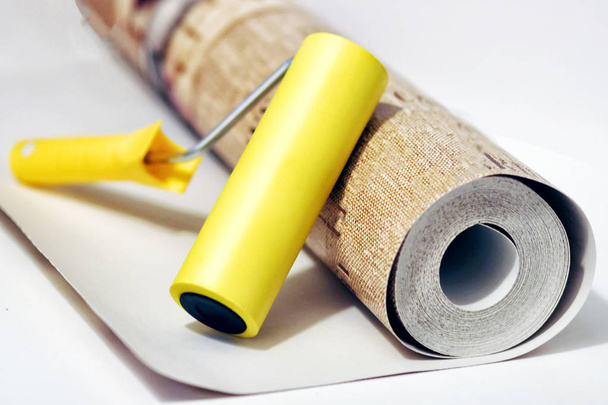
Textured wallpaper can add dimension to your bathroom. Look for options that mimic natural materials like grasscloth or linen but are designed to be moisture resistant.

  • Example: Choose a textured wallpaper from Farrow & Ball to add understated elegance. Their textured finishes can create a beautiful backdrop for your bathroom fixtures.

3. Use Wallpaper to Create Zones

In larger bathrooms use wallpaper to define different areas. For example you can create a separate zone for the bathtub or shower with a different wallpaper pattern.

  • Example: Use a bright Cole & Son wallpaper around the bathtub area to create a spa-like retreat. Pair it with a coordinating but more subtle pattern in the rest of the bathroom.

4. Go Light in Small Bathrooms

If your bathroom is small, go light with the wallpaper to make the space feel larger and more open. Subtle patterns can achieve this too.

  • Example: Choose a light, nature inspired pattern from Sanderson to add elegance without overwhelming the space. Light colors will reflect more light and make the bathroom feel airy.

5. Mix and Match

Don’t be afraid to mix different wallpapers in the bathroom. This can add a dynamic and layered look. Just make sure the patterns and colors work together.

  • Example: Combine a bold patterned wallpaper from Scalamandré on one wall with a neutral textured wallpaper from William Morris on adjacent walls. This will create visual interest without looking chaotic.

Care and Maintenance

To keep your bathroom wallpaper looking great follow these tips:

  1. Ventilation: Make sure your bathroom is well ventilated to reduce humidity. Use an exhaust fan to prevent moisture build up.
  2. Cleaning: Wipe down the wallpaper with a damp cloth regularly to remove moisture and prevent mold and mildew growth.
  3. Repair: Keep extra rolls of wallpaper for quick repairs in case of damage or peeling.

Conclusion

Choosing the right wallpaper for your bathroom can transform the space, add personality, style and luxury. High end designer brands like William Morris, Cole & Son and others have a wide range of options to suit every style. By considering moisture resistance, durability, style and pattern scale you can choose a wallpaper that will enhance your bathroom’s aesthetic and withstand its functionality.

Balance is key. Try bold patterns and textures but make sure they work with the space. With the right wallpaper your bathroom can be a beautiful room in your house.