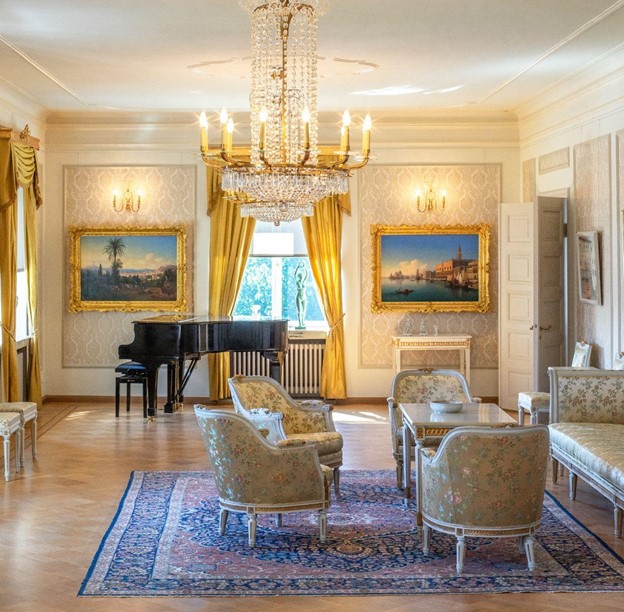
Unique Design Features To Make Any Room Stand Out

When it comes to decorating our homes, personal style is key. Whether it’s traditional, modern, contemporary, or eclectic — adding design elements to your home will make you and your guests more comfortable and happy.

No matter what type of look you are going for in your home, there are a few tips that will help to bring cohesiveness and warmth to any decor. Here are some of our favorite ways to make any room stand out.

Create A Focal Point

When you are decorating any room, the first element of design should include the designation of a focal point or focal points for large spaces.

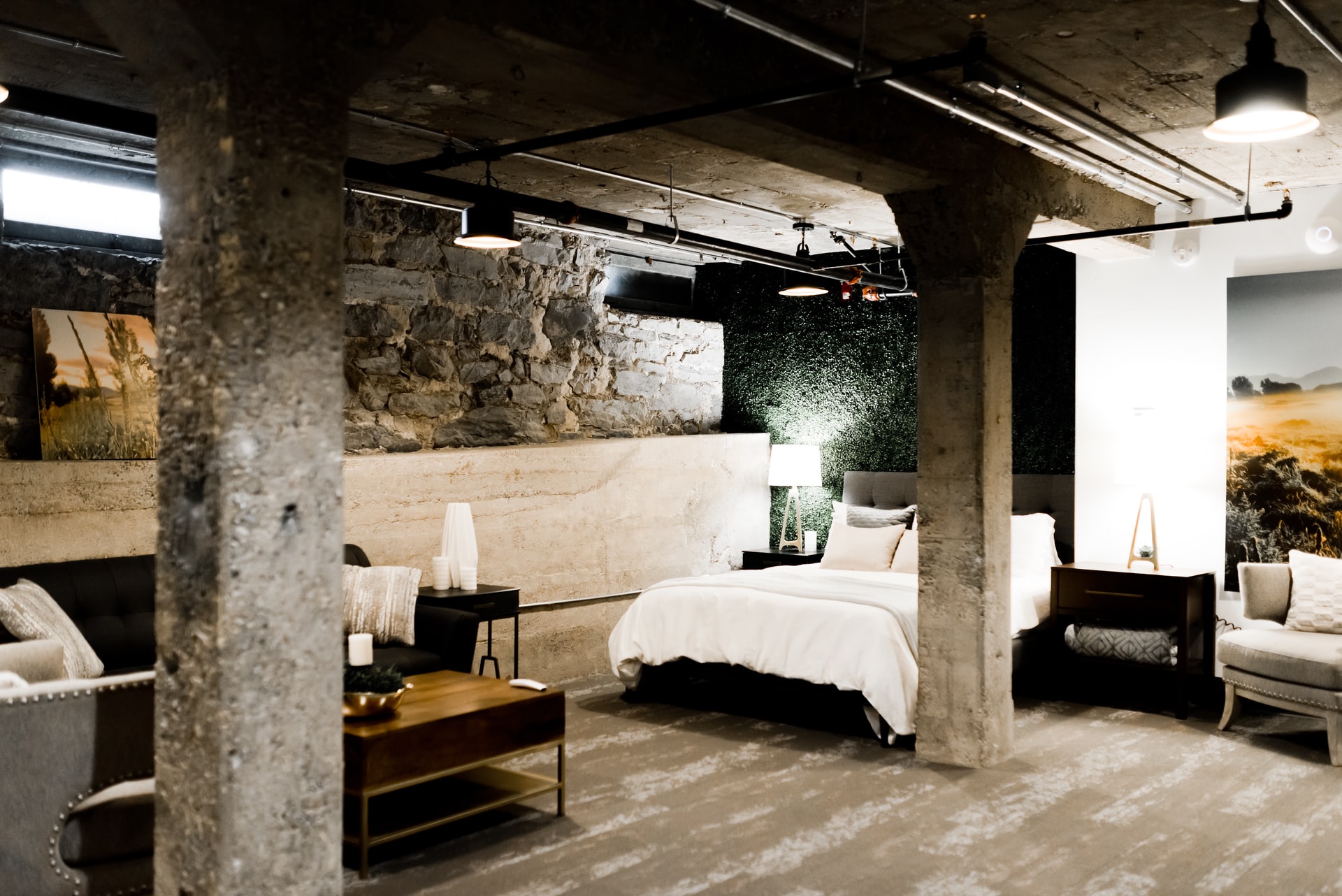
For example, in most bedrooms the focal point is the bed. In most living spaces the focal point is a sitting area. In a dining room, the focal point is the dining table. Sometimes, special items become focal points, like a piano in a parlor or a projector screen in a theater room.

Once you have decided which area or areas of your room will become focal points, begin to plan your furniture placement accordingly.

Plan For Statement Pieces

Now the fun part — adding statement pieces to your design. If you already own statement pieces of furniture, by all means, utilize them. Whether it be a lounge set, piano, dining room table or bed, select furnishings that are well-designed to fit the needs of your room.

Depending on what type of design style you are looking to bring into your home, you may opt for bold, striking pieces or more subdued furnishings to achieve your desired look.

If you are planning to purchase new items, again, decide on the focal point of your room and allocate your budget to accommodate furnishings that draw the eye.

Investing in high-quality pieces that may include lounge sets, tables and beds is a wise choice to create inviting spaces for years to come. Try to select furnishings that are well made and timeless.

You can save money by finding consignment pieces that need a bit of refinishing or buying second hand. Remember, you can create custom furnishings and design your own must-have pieces if you are unable to source them in brick-and-mortar stores or online.

Look for The Best Lighting

One of the most underrated design elements of a room is lighting. If you happen to have plentiful natural light in the room you are designing, give yourself a clap!

If, on the other hand, the natural lighting in your room is not up to par, you will want to add lighting elements to your room that bring warmth and energy.  Remember that any space will need to provide 100% ambient lighting at nighttime when you are designing lighting to fit your space.

Adding pendant lighting, sconces, chandeliers, and track lighting are great ways to bring brightness to dark spaces. 

Choosing floor lamps and table lamps that enhance a space is another important consideration when working with a room that needs additional lighting during the day (and night). Remember to consider tasks that may be performed in a given space and be sure that you have enough light to accommodate.

Add Interest With Accessories 

Now comes the hardest part of decorating — accessorizing your space. Deciding on color palettes is essential in order to create a beautiful and cohesive space. Choose a small palette of complementary colors to keep your space unified and calming.

Many decorators follow the 60-30-10 rule in choosing how to design and accessorize their rooms. Three colors (and any variations in shade of these three colors) are selected for any given space. The rule states that 60% of the space represents the main color, 30% of the space will be a highlight color, and the remaining 10% of a space will be an accent color.

Choosing a rug or drapes will likely fall into the 60 or 30 colors, while choosing custom throw pillows will likely fall into the 10 color choice.

Adding minimal additional elements is a good way to slowly start to decorate a room — remember less is more when it comes to most interior design philosophies.

Once you have decided to decorate or redecorate a new room, take your time to plan your space before acting. Consider the space, its uses, and its focal points. Use a color palette and follow the 60-30-10 design rule. Add statement pieces, lighting, and accessories to create a timeless room that will keep you and your family comfortable for years to come by following these simple suggestions.

Author Bio:

Carolyn Mitchell is a freelance writer and content strategist with a passion for home décor. She can often be found re-painting and updating the furnishings in her home, and she is also a dedicated cat mom to two adorable kitties.

4 Interior Design Trends to Follow This Year

Image: https://unsplash.com/photos/4HG3Ca3EzWw

Everyone has their own unique preferences when designing their living spaces, but that doesn’t mean there aren’t common trends that come and go from year to year. Over the past few years, as many have found themselves spending more time at home than usual, creating a welcoming environment has become even more of a focus. Let’s take a look at four interior design trends you may want to consider as you update your home’s decor.

1. Bold Colors and Patterns

These days, many homeowners are replacing neutral tones and minimalist designs with more visually stimulating colors and patterns. Primary colors—red, blue, and yellow— are certainly having a moment, as well as green, often in the form of plaids, checks, stripes, florals, and other playful patterns. Retro-inspired designs provide a sense of comfort and familiarity, and these bigger colors and patterns offer a mood-enhancing aesthetic.

Especially worthy of note, Pantone’s color of the year, Very Peri, is quite a versatile shade, combining the boldness of blue with the softness of periwinkle, and can be used equally well as an accent or focal point. From subtle decor like throw pillows and lighting fixtures to main pieces like furniture and bedspreads, this lovely shade can both excite the eye and calm the mind—two key elements in maintaining a healthy home.

Another simple yet effective way to add a splash of color to any room (with windows) is to apply diffraction rainbow decal stickers to windows. When the light shines through, it creates a gorgeous pop of rainbow colors akin to a prism, only with more exciting patterns. The combination of natural light with morphing rays of color is truly a magnificent feast for the eyes!

2. Vintage and Antique Pieces

This year, designers and homeowners are enjoying the comforting allure of vintage and antique decor. Besides looking beautiful, many well-aged pieces are also functional. For example, a vintage record player complete with your favorite albums and vinyl accessories can provide entertainment while looking quite dashing to boot.

Additionally, the prospect of hunting down and acquiring these types of goods is a fun and rewarding hobby in and of itself. Scouring the internet and local shops for the perfect piece is a modern treasure hunt, and you’ll enjoy the fruits of your labor for many years to come. You can even turn the hobby into a business if you play your cards right!

3. Personalized Spaces

Image: https://unsplash.com/photos/7qTYBEEEvZc

As people spend more time at home, they gain a new appreciation for surroundings that tell their stories. For example, while everyone has their own preferences when selecting types of art prints, many designers and homeowners are choosing to support their favorite artists by purchasing or commission artwork that speaks to them, rather than picking up mass-produced art from big-box stores. Showcasing a collection—be it art, knick-knacks, musical instruments, or anything else that ignites joy— is a fantastic way to surround oneself with meaningful beauty.

Besides displaying collections, there are plenty of other ways to truly turn a house into a home that represents its inhabitants. Framed family photos, or even painted portraits, are a great choice, and they serve as a reminder of what’s truly important in life. Similarly, decor with inspirational quotes and images can serve as reminders of one’s beliefs and goals.

4. Elevated Home Offices

As working from home becomes increasingly common, many homeowners are choosing to upgrade their home offices. In the past, many home offices were used rarely—often only on sick days— so a simple desk, chair, and computer did the trick. As people find themselves spending more time in these spaces, they’re naturally gravitating towards better decor and equipment.

Even those who don’t have rooms solely dedicated to their home offices may find that upgrading their bedroom, basement, living room, or other auxiliary room with hybrid furnishings is a great way to differentiate between time spent on and off the clock. For example, a laptop table with wheels can be rolled out when it’s time to clock in, or a lift-top coffee table can be converted to a desk.

Beyond functionality, decorating a home office makes working that much more appealing. While some homeowners prefer a cohesive aesthetic throughout the home, some remote workers enjoy treating their home offices like an entirely different place, helping to replicate the feeling of waking up and going to the office—even if that office is just a few feet away!

Beauty Is In the Eye of the Beholder

Whether you’re just incorporating a few interior design trends or completely renovating your home, this year looks to be all about comfort and personality. Consider thinking outside the box as you shop for new decor. You might be surprised by how a subtle or drastic change can really add excitement to your living space, and in turn, your life.

At the same time, if you prefer minimalist, clinical, and utilitarian design, there’s certainly nothing wrong with that! It all comes down to your preferences, so go ahead and embrace your inner designer, regardless of what the latest trends may look like. It’s your home, and only you know which interior design choices will bring the most joy.


Author Bio:

Carolyn Mitchell is a freelance writer and content strategist with a passion for home décor. She can often be found re-painting and updating the furnishings in her home, and she is also a dedicated cat mom to two adorable kitties.

5 Aesthetic Lighting Techniques

Lighting your home interiors should be approached as an artistic endeavor. The way you use light shifts the ambience, affecting your mood and how you experience your domestic spaces. Employing light as an element of decor is as sophisticated as it is simple.

https://pixabay.com/photos/lights-warm-lighting-ornament-1925731/

Whether electric, USB, or solar, lighting in the home should impart feelings of nurture, comfort, and the intimacy of personal space. Even the kitchen needs to feel cozy, while you’re in there slicing and dicing.

For all the areas of the home we’re going to discuss, lighting is about function as much as it’s about form. The function needs to be calibrated to its purpose, while illuminating the action in an aesthetically pleasing way.

Let’s discuss 5 aesthetic lighting techniques that impart both ambience and luminous functionality.

Technique #1: Layered Lighting for your Home’s Warm Heart

Overhead light in the kitchen is the default because it’s where we prepare food. You’re cooking, so you need to see what you’re doing but you’re also unwinding from your busy day in the sanctuary of your home.

While overhead lighting lets you see clearly, it can be oppressive and intense. Our first aesthetic lighting technique solves the problem by positioning light where it’s most needed—over the countertops, hidden under the cabinets.

Layer lighting in your kitchen with overhead, recessed lights. Positioned intelligently, these provide lighting which is both unobtrusive and miles more functional, focusing on the action.

Over the dining table, a low-slung chandelier creates warmth and intimacy, while lighting your evening or early morning meal. The idea is to deploy light for specific purposes that serve function while creating the soothing mood that makes your home’s warm heart even warmer.

Technique #2: Purposeful Lighting for your Home’s Hub

The living room is where most people spend the bulk of their time at home, hosting friends and family, relaxing with a book or movie or just hanging out. A lot goes on in living rooms, so your lighting needs to acknowledge that multi-functional intent.

The living room is the repository of beloved decor like paintings, often elevated to the status of heirlooms with fine art framing. Accent lighting showcases your treasures attractively. As in the kitchen, recessed lighting illuminates without breaking the mood. The light deployed has a specific purpose: to give pride of place to that heirloom painting or your collection of handcrafted swords.

Strategically placed task lighting provides illumination you can read by. With a standing lamp or a minimalist table lamp fulfilling a specific purpose, the mood of the room is enhanced, honoring function while maintaining the calm aesthetic you desire.

For entertaining, wall grazers add drama, highlighting architectural elements and revealing beautiful textures on walls, floors and even your furniture. Grazers tell an aesthetic story about the space itself, bringing it to life.

Technique #3: The Transforming Bathroom

https://www.pexels.com/photo/shiny-mirror-hanging-on-wall-above-sink-in-bathroom-6899546/

In the morning, it’s “go time.” You’re transitioning from sleep to the busy day ahead, so you need lighting that’s energizing but gentle. Choose lighting that’s diffused and more closely resembles daylight.

Wall sconces on either side of the mirror with a third sconce positioned over the bathroom mirror create this effect, especially when positioned close to the mirror. Another solution is a mirror equipped with LED lighting, casting an even, diffused light.

But because the bathroom is also the site of relaxing evening baths, a dimmer switch is in order. The daylight illumination of your busy mornings can be readily transformed with a dimmer, creating two moods that align seamlessly with your lifestyle.

Technique #4: The Intimate Bedroom

Ambient lighting that imparts a soothing environment is ideal for the home’s most intimate space. While you need to see while dressing and perhaps to read before bed, the bedroom is a sanctified space, demanding a unique lighting approach.

Those who read before bed will appreciate the presence of task lighting for that purpose. This is best achieved with small, wall-mounted fixtures or pendant lights that leave the bedside table clear for a stack of books.

The ambience of your bedroom is enhanced with moody lighting that provides illumination without bringing daytime intensity into your sacred sleeping space. Light which is soft and adjustable may be provided by a statement standing lamp, or an overhead fixture that emits a calming, low light. The primary goal of bedroom lighting is keyed to its purpose, which is sleep and, of course, intimacy.

Technique #5: The Right Bulb

Once you’ve selected your aesthetic lighting schemes, choosing the right bulb for the light fixture and its purpose is your next task. With ecologically-sound solutions readily available and bulbs for all purposes, the bulb is the finishing touch, providing exactly the right intensity and mood.

Thinking of lighting as an element of decor pushes your interiors to the next level, recreating them as functional oases of domestic beauty and bliss.


Author Bio:

Carolyn Mitchell is a freelance writer and content strategist with a passion for home décor. She can often be found re-painting and updating the furnishings in her home, and she is also a dedicated cat mom to two adorable kitties.
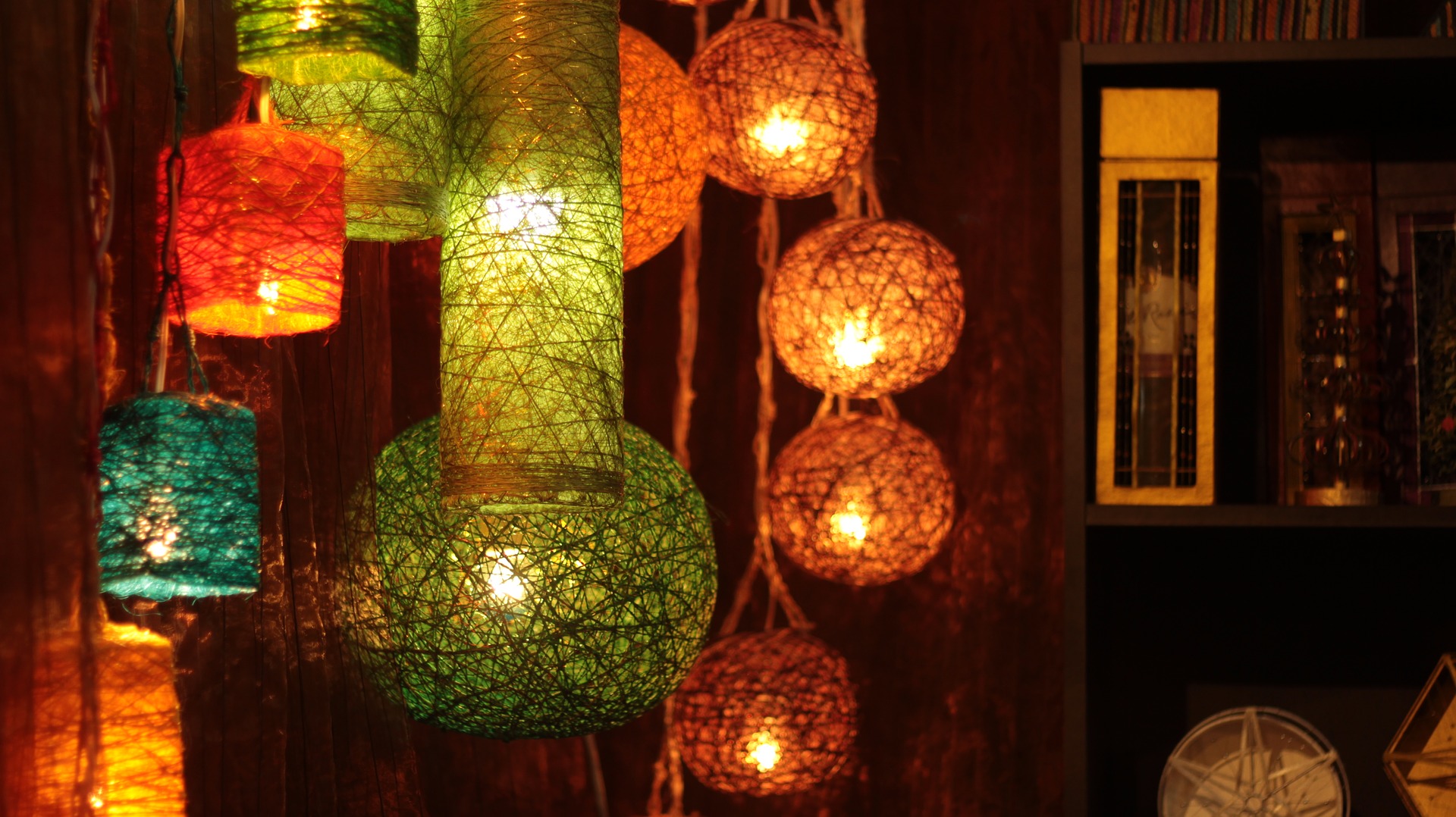
Beautiful Home Extension Ideas

Image source

No matter how big your home is, somehow it seems like one more room is all you need to make it perfect. That’s why many people often decide to create home extensions and improve their interior and exterior home design. If you’re in the process of home remodelling and you need inspiration for modern home extension designs, you’ve come to the right place. From attic and basement reconfiguring to building a whole new room at the rear or side of your home, we have a list of contemporary home extension ideas that will transform your home into a living space that you’ve always wanted to have.

Make the most of your basement

Is your basement filled with boxes of old items and other clutter? Instead of keeping it unused, make the most of your home’s space and transform it into a gym, for instance. Maybe you’re not satisfied with the size of your dining and living room. In that case, you can remodel the basement and make it suitable for all the celebrations and festivities. A family entertainment area is more than welcome for families with many children who constantly have friends over. The options are truly endless when you have a basement. So, just think about the type of room you need the most and start working on your home extension.

Image source

Use the attic to the maximum

Just like basements, attics tend to stay forgotten and rarely put to good use. This is the perfect opportunity to create the designated room of your dreams out of the attic. Reconfigure the attic to establish the optimum layout of your upstairs. On top of that, by redesigning the attic, you will have better access, create splendid views, introduce more natural light and privacy. For instance, if you’re planning to expand your family, the attic can conveniently become your older child’s room. If it’s spacious enough, you can build a wall in the middle to have two additional rooms. Installing rooftop windows for extra light will offer enough daylight to make the upstairs airy and inviting.

Think about rear or side extensions

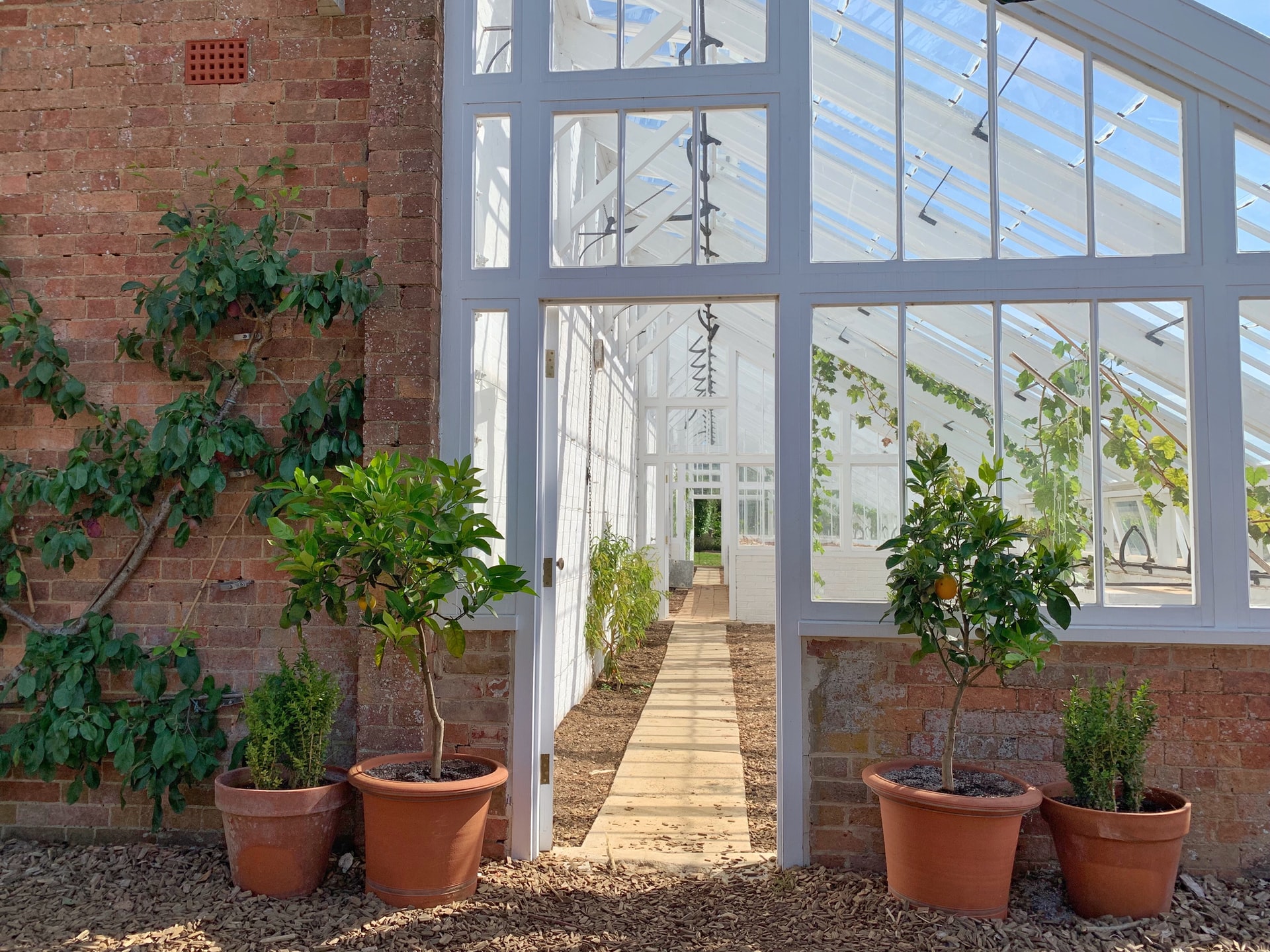
When your basement and attic don’t provide enough additional space, consider building an extension from scratch. Feel free to turn to CGI professionals for visual renderings so you can see how the extension can fit into your home seamlessly. That way you will know what option is the best for your home. If your backyard is large enough, consider rear extensions that will stretch through the garden. That way, you can build a continuous joining between the outdoor and indoor areas. A winter garden is one of the great options for your rear extension. Have a sunroom-like area for the plants that don’t handle cold weather the best. Your conservatory can feature large areas of glazing and a conventionally insulated roof. You can choose to open the room to the rest of the house or not.

Image source

If there’s room between the two sides of your home, it’s only natural to consider connecting them when thinking about home extension ideas. Creating a glass extension will add more light to your interior while increasing your home’s net value. It can almost look like a see-through tunnel that will make all the neighbours green with envy. Worried that you won’t be able to achieve it because you don’t have room on the ground? No need to stress because a cantilevered house extension is the perfect solution to your problem. Create a floating-like structure that will bring more space to your interior and stun everyone who passes by your home.

Consider pergolas and gazebos

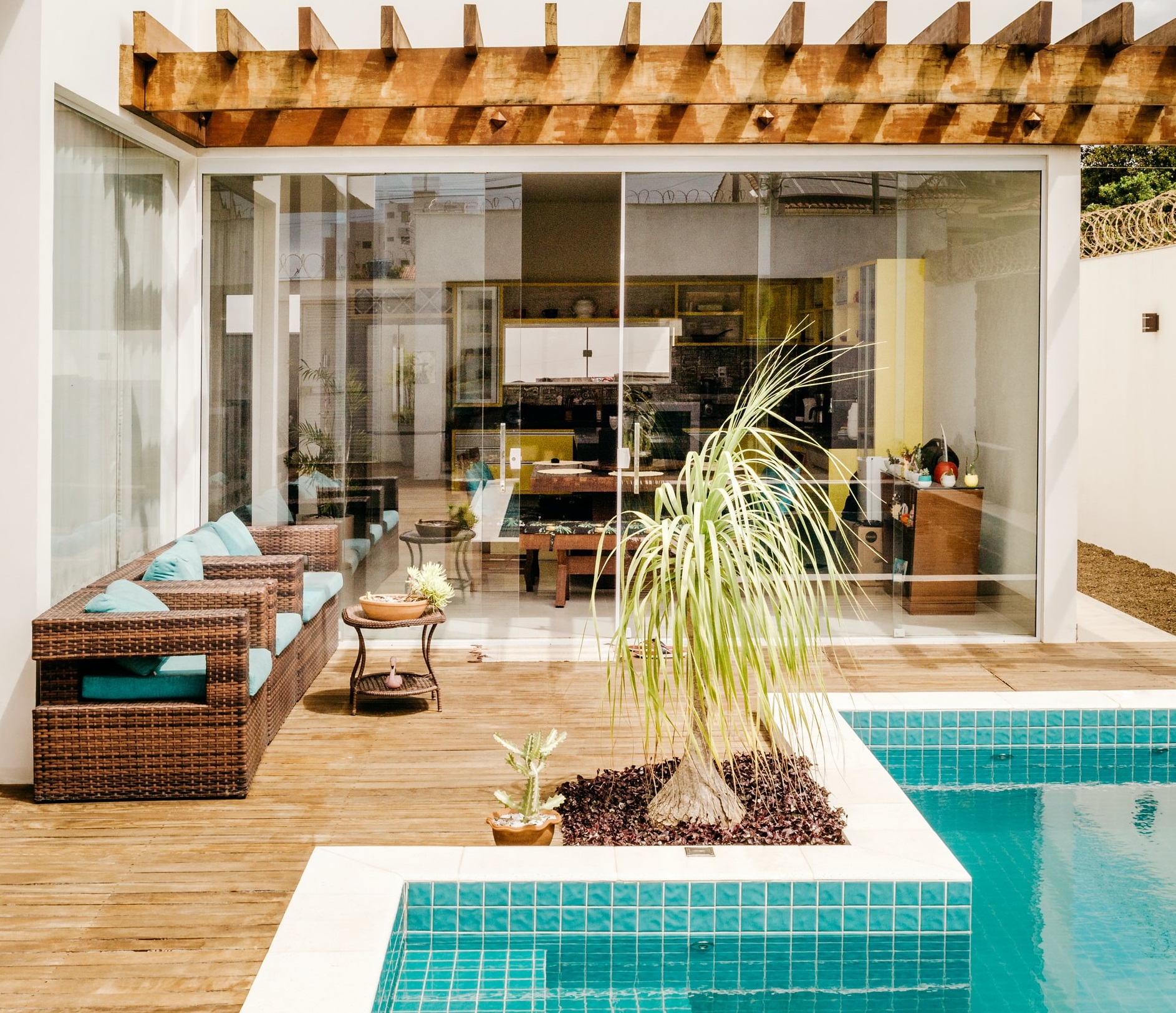
Does your backyard look empty? Do you need some type of structure to make it more inviting? Pergolas and gazebos will be just what you need to add more space and interest to your backyard. If you opt for opening roofs, you’ll be able to enjoy your home extensions all year long. Spend your mornings, afternoons and evenings outside without having to worry about the wind, rain or show. You can easily incorporate a variety of devices into the design and create an outdoor dining area or a relaxation sanctuary.

Do you already have a patio, but you’d like to make it more useful? Extend it into a gazebo. With some comfy furniture, decorative flowers and a mini fountain, you’ll have an oasis of peace in your garden where you can forget about the hectic day you’ve had.

Image source

Outdoor kitchen areas

Speaking of patio extensions, introducing an outdoor kitchen can also be a splendid way to extend your home and make more room for enjoying the outdoors. Prevent the variety of aromas from spreading through the home, when you plan to prepare dinner for the entire family and all of your friends, by cooking outdoors. Check out everything you need to equip an outdoor kitchen, and don’t forget to invest in sturdy furniture. An annexe is another manageable solution for the outdoor kitchen area. Instead of extending the existing house, add a garden building for additional cooking. Alternatively, annexes can also be self-sufficient rooms with bedroom and bathroom spaces.

Final thoughts

Looking to extend your home, but you’re fresh out of ideas? Our comprehensive guide will offer enough options to consider. Whether you decide to choose one of these or you become inspired and start working on your own home extension idea, we’re confident that you’ll create a lovely space for the entire family to enjoy.

Child Proof Cabinets With Zip Ties

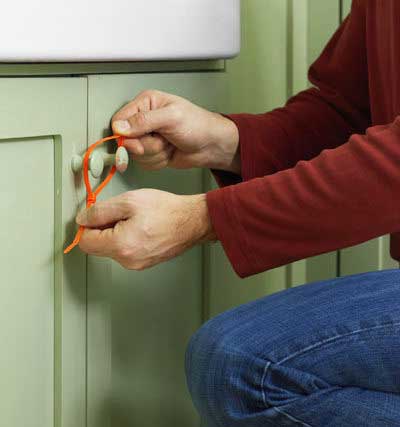
Becoming a grand parent brings up some problems around the house. The biggest being that our house is not child proof. Haven’t had to worry about that in many many years. I want our home to be safe when they come for a visit but at the same time they are not here all the time so I don’t want to invest a lot of money or install anything permanent. That’s where I found the best idea. Using a zip tie to tie two handles together. It can keep the babies out of cabinets with breakables or cabinets filled with dangerous chemicals. A simple a cheap fix that can be eliminated when they leave.