Owning and renovating your own home can be highly rewarding. Not only do you get to choose the area you live in, but you can also make subtle or larger changes to the overall layout so that it reflects your own personality.
However, interior design is rarely a straightforward process, especially considering how quickly trends come and go. As 2025 has progressed, there has been a wide range of emerging design styles and preferences that have been given priority over others. In addition, there are many traditional design ideas and concepts that are starting to reach the end of the line.
Below, we’ll cover each of these upward and downward trends in interior design to help you make smarter and more sustainable choices on how you want to improve the look and feel of your own home.
Design Trends Going Up
Dedicated Wellness Spaces
Visual aesthetics are a significant part of any interior design strategy. However, over time, focusing strictly on the “wow” factor in design projects has become outdated. Now, focusing on living spaces that incorporate wellness aspects has become a high priority.
Homeowners want to make sure they have a sanctuary to go to after a long day of work or a place to unwind after a stressful week. This has encouraged many designers to seek opportunities to create spaces throughout the home that are explicitly designed for this purpose.
For example, renovating a home to create quiet meditation rooms, spa-like bathroom retreats, or indoor garden areas has become a common practice. In addition to the rooms themselves, incorporating other multi-sensory elements, such as running water features, adjustable mood lighting, and dynamic digital art displays, is all part of creating welcoming and rejuvenating environments throughout the home.
Warmer Patterns and Colors
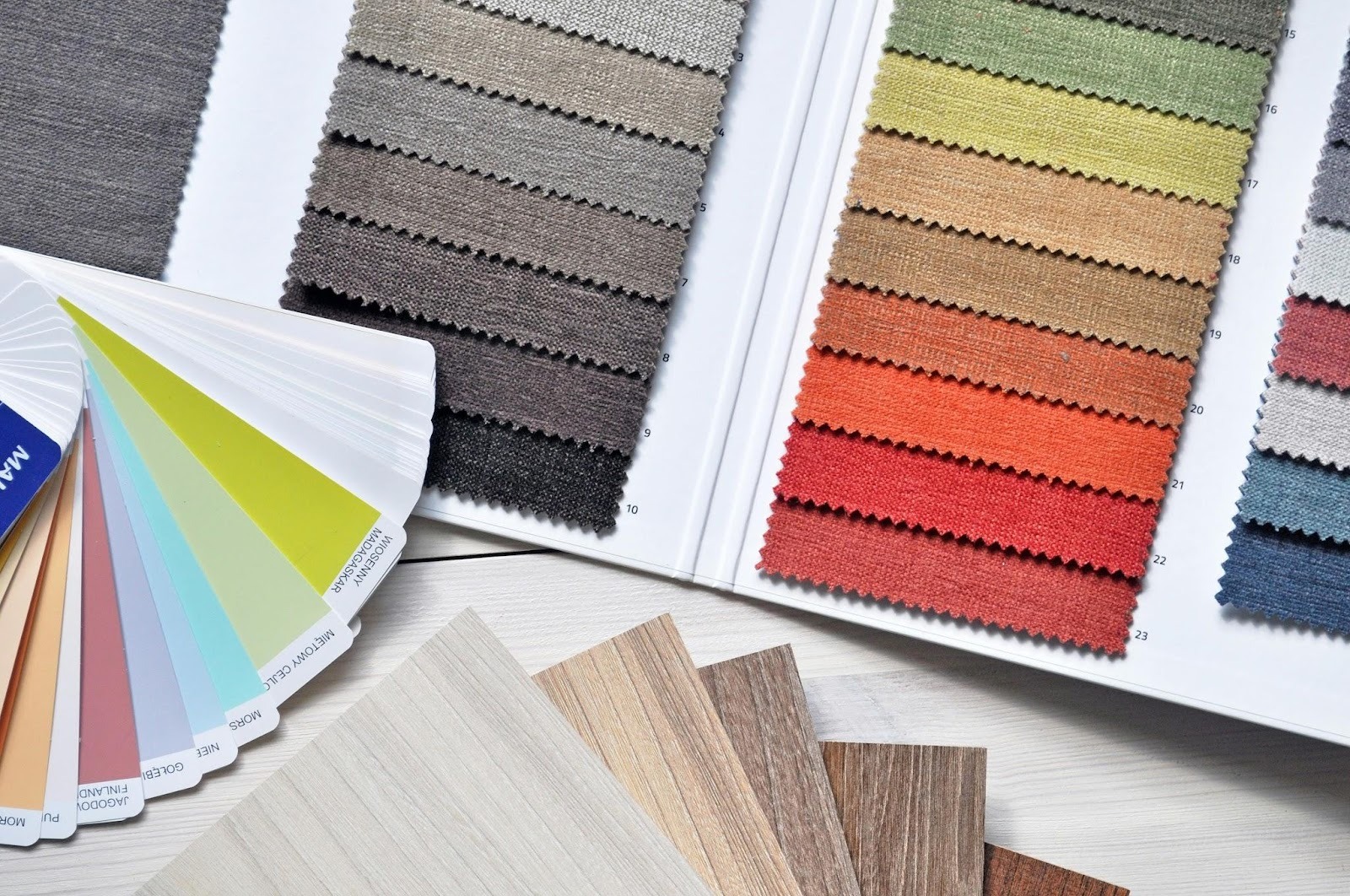
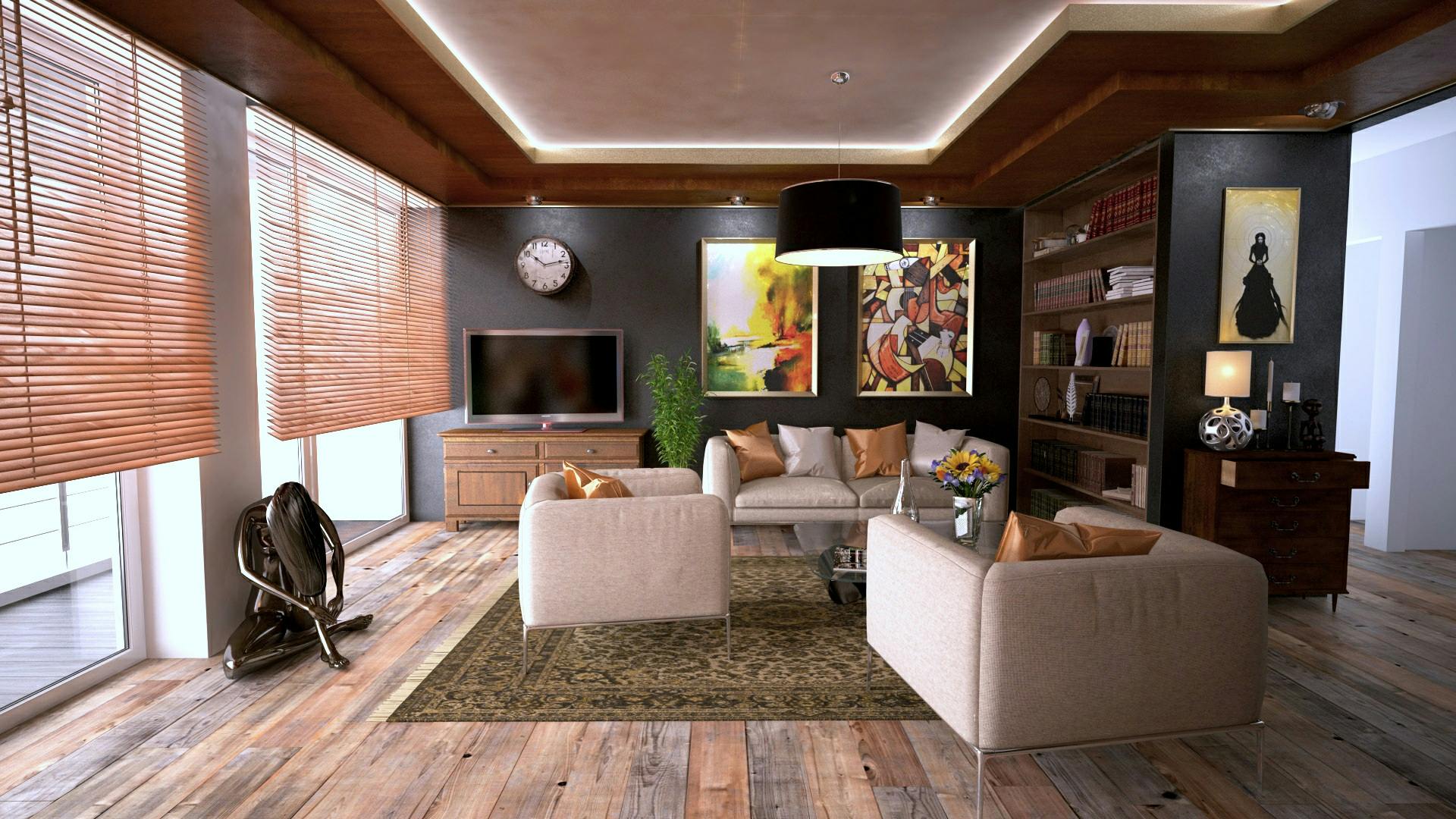
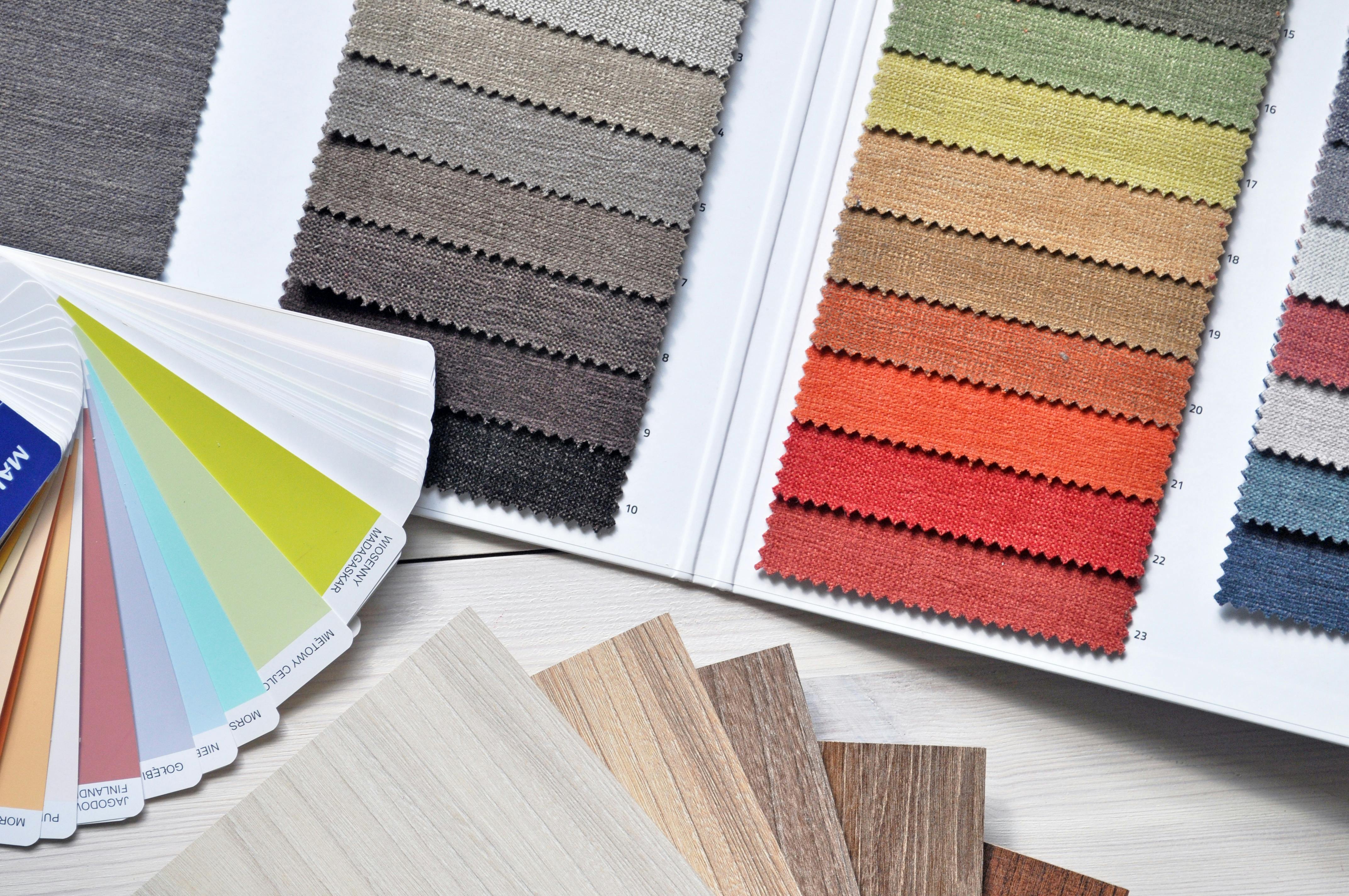
White and gray color palettes have been a safe bet in home design for quite some time. However, there is now movement toward embracing warmer color tones and styles while still maintaining a slightly neutral design scheme.
This has led to more homes incorporating richer color options, such as shades of brown or various jewel tones. In addition to a wider range of color palettes, there is also a growing preference for softer lines in furniture pieces and less harsh angles in architectural design.
Sustainable Furniture Choices
Many homeowners are taking their responsibility seriously when it comes to sustainable living. While reducing energy consumption and conserving water have always been top priorities in this regard, another key element of sustainable living is the choice of furniture.
There is now a trend of homeowners who have moved away from purchasing what’s often referred to as “disposable furniture.” These furniture options are often mass-produced in factories, which can be demanding on natural resources and typically aren’t built to last.
Instead of contributing to more demand for these lower-quality furniture options, people are now becoming more drawn to handcrafted and custom-made items. These pieces not only bring a unique story and personal touch to a home but also help reduce the environmental impact that comes with relying too heavily on unsustainable manufacturing practices.
Multifunction Living Spaces
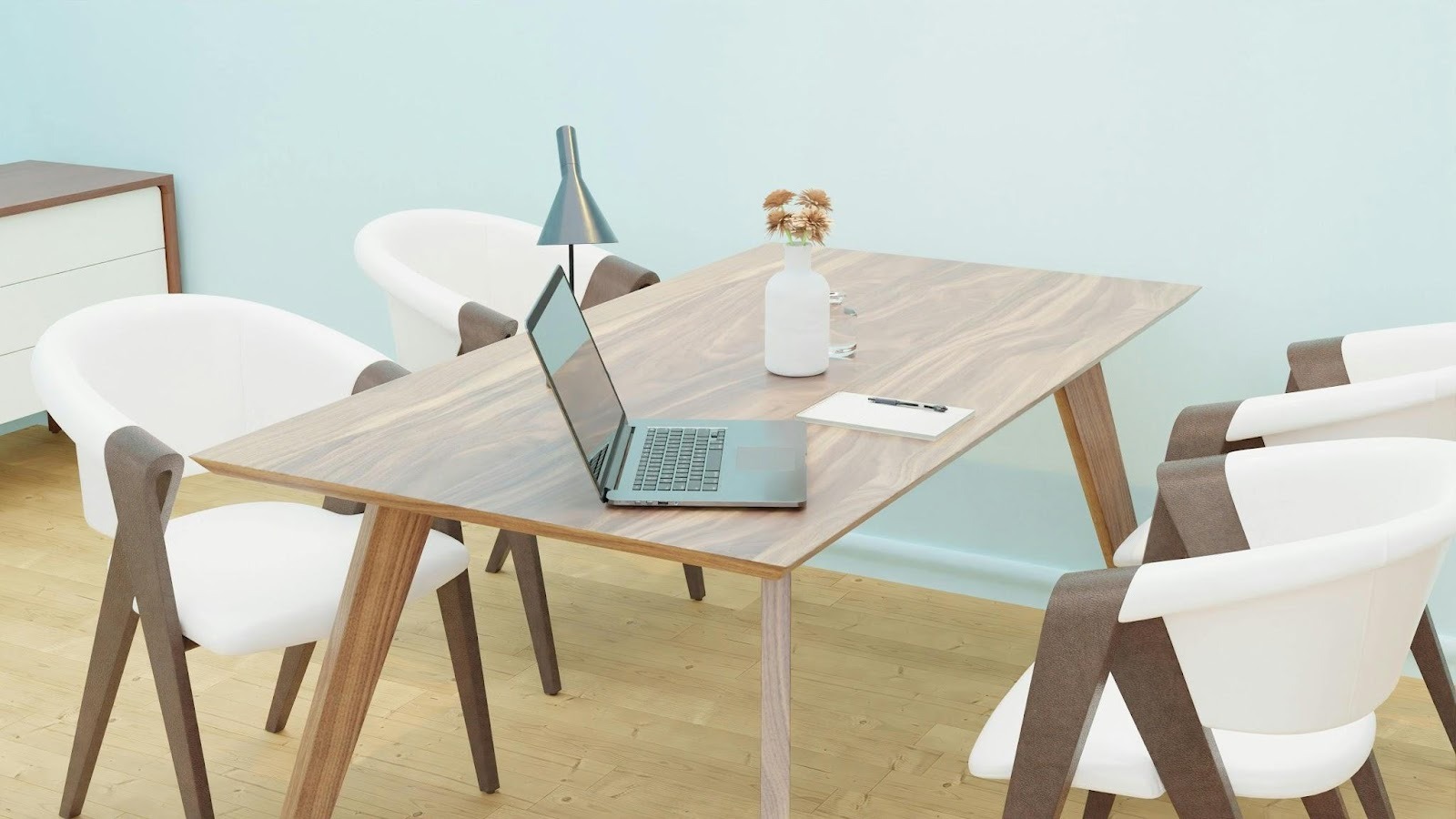
Every square foot of a home has become more valuable in urban areas, especially as populations grow and living spaces get smaller. Because of this, homeowners are looking to get the most out of the space they have and design rooms so that they can serve more than one purpose. Instead of having a bunch of separate, single-use rooms, open layouts with adaptable setups are now the preference.
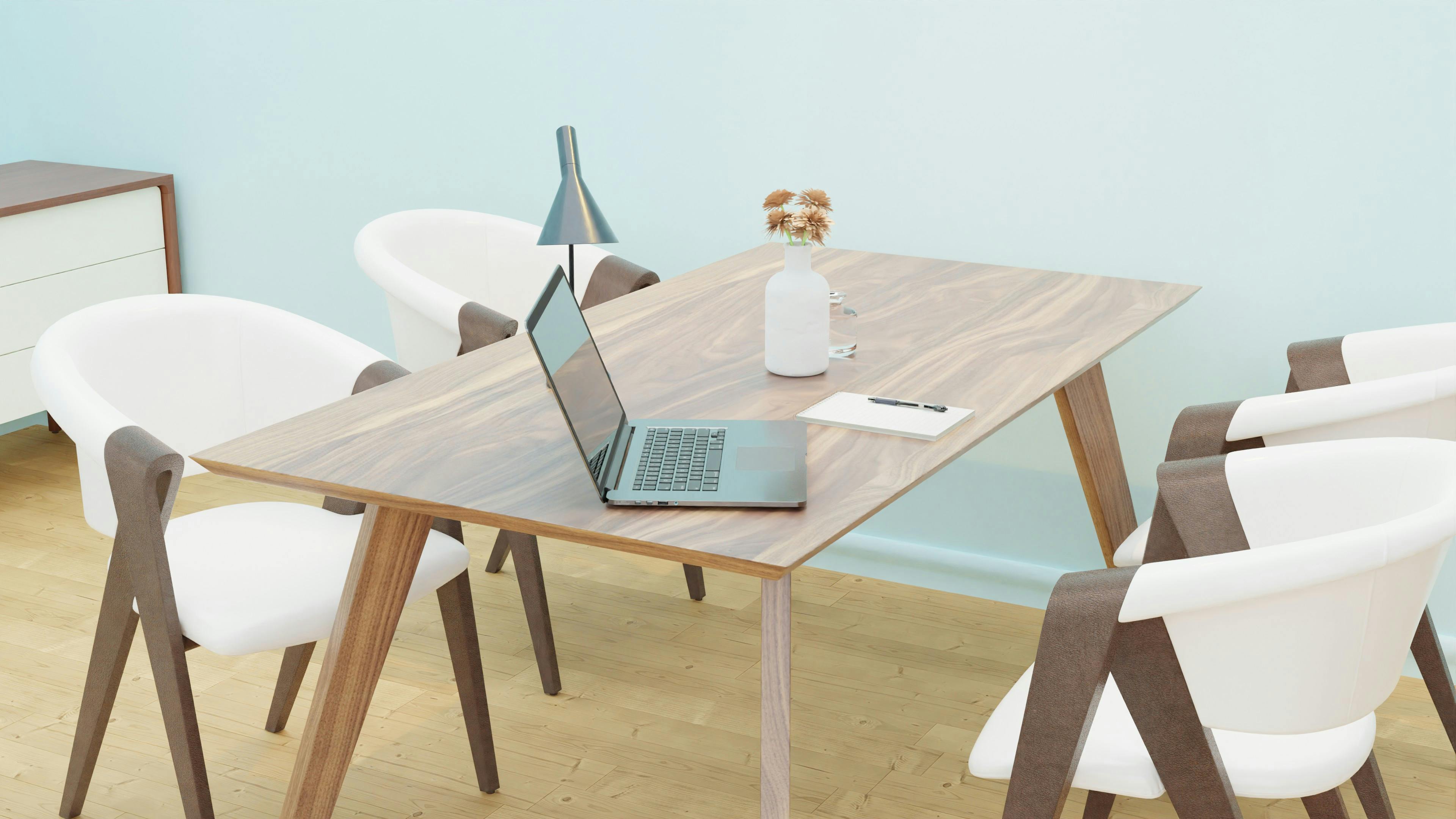
For example, instead of renovating a home to create a dedicated home office, many homeowners are opting to make more creative furniture and room design choices that allow a space to quickly transform from a dining area to a workspace or even a workout area. By picking furniture that can be easily moved or stacked, rooms can be reconfigured to support a more flexible and dynamic lifestyle.
Design Trends Going Down
Uniform Design Layouts
Although a very uniform and structured building design might work well in a commercial setting, it is now often viewed as too cold and impersonal for a residential home. While the high-contrast black-and-white look was popular for a while, it has largely been abandoned in 2025.
Instead of these highly uniform design layouts, more and more people are looking for homes that feel warmer, lived-in, and authentic.
Themed Matchy-Matchy Styles
For a long time, it was a common practice in interior design to use a “matchy-matchy” approach. This meant that all the hardware and fixtures in a home would follow a specific pattern or theme. However, just like other uniform styles, this method is becoming less popular today.
The new trend is focused on intentionally mixing various materials and finishes that complement each other while still being unique enough to stand out. For example, interior designers are pairing different finishes like brushed brass with natural wood or matte tones. This creates a more layered and personalized look in spaces like kitchens, bathrooms, and bedrooms.
Overly Visual Elements
Custom-built homes with highly unique design styles can be incredibly interesting to view. However, living in them may not be as practical as most homeowners might need. This is especially true when it comes to design features that demand a lot of upkeep and effort from those who live in them.
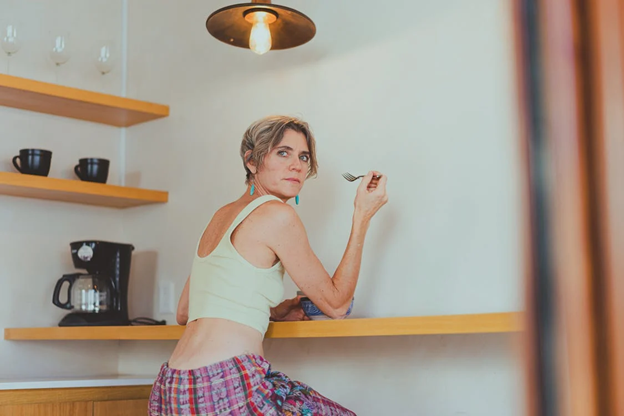
For example, open shelving may look like a clever way to add storage, but it can also lead to a cluttered appearance and is tough to keep clean. The focus today has now shifted to finding a better balance between visual aesthetics, practicality, and convenience.
Make Sure Your Home Design Stays Relevant
When creating a home that stays relevant both today and in the future, you should prioritize authenticity and personal comfort while still telling your own story. By moving beyond rigid and impractical trends, you can design a space that’s not only great to look at but also highly functional.
Author Information
Author Name: Rebecca Denis
Author Bio:
Rebecca Denis, Head of Design at Revive Real Estate, is an accomplished and highly creative interior designer with over ten years of experience in the industry. With a passion for transforming spaces and a keen eye for detail, she has successfully completed numerous projects ranging from commercial spaces to custom show homes.
Author Headshot:




 Country & Victorian Times