Exploring The Great Outdoors: Fun Activities For The Whole Family

https://unsplash.com/photos/5NLCaz2wJXE

When the weather warms up, the whole family is ready to get outdoors and enjoy the season. There’s nothing better than making memories with outdoor activities that will last a lifetime. Whether you’ve got little tykes or teens, we’ve got some great ideas to get your family bonding together.

Backyard Splash Zone

When the temperatures soar, and you’re looking for ways to stay cool and have fun at home, creating a backyard splash zone is a perfect idea. All kids enjoy slip-and-slides, sprinklers, inflatable pools, and water balloons! These days, you can find some very intricate inflatable splash zones for sale that come complete with sprinklers, slides, wading pools, and more built right in. Add some refreshing lemonade and popsicles to the mix to keep it extra cool. Parents will love a dip in the pool or just relaxing while they watch the kids go crazy.

Air Gun Target Practice

Air guns are made in styles to suit your whole family. Young kids will enjoy air gun toys that shoot soft balls and foam darts, while older children may be ready to upgrade to low-power rifle-style air guns. As you practice target shooting with your children, they’ll grow to become better marksmen and gain familiarity with air guns when they reach adulthood.

Air gun targets come in a wide variety, but some of the most popular targets are suspended by a stand and spin when they are struck. You can also purchase affordable paper targets. Both options give you tons of target practice fun for the whole family!

Start a Garden

Gardening is enjoyed by people of all ages. Some people like the satisfaction of eating the herbs, fruits, and vegetables they grow, and others love to enjoy the sights and smells of beautiful flowers and foliage. Teaching children how to successfully grow plants is a skill they will carry with them their whole lives. If you’re not sure where to start, there is a lot of information online about gardening in your state and current season.

Bug and Bird Watching

Slowing down to smell the flowers is nice, but you could also slow down and take notice of the insects and birds that are around us every day. It’s easy to miss the tiny crawling critters on the ground and the birds that flit by in the sky. The best tools for this activity are a pair of binoculars to help you get a closer look at the birds, and some clear containers and a magnifying glass to get an up-close and personal look at the insects you find. If you can’t identify the birds and bugs, try doing a web search for birds and insects found in your state. You could also check out books on these topics from your local library.

Take a Hike and Explore Wildlife

Hiking is a great exercise for the whole family. Depending on where you live, you might be able to find hikes with greater elevations to make it more challenging. Or, if you want to keep it easy for little ones, look for rails-to-trails. Some rails-to-trails are paved, which makes a good option if you need to push a stroller. Along your hike, check out the local plant life, like flowers and mushrooms. Spring is a great season to see wildflowers in bloom, and in fall the mushrooms start to peek out from beneath the forest floor. You may also see cool native animals along your hikes, like squirrels, deer, ducks, and turtles. Hiking is a great way to include the whole family, especially your four-legged fur buddies!

https://unsplash.com/photos/oOQsLhnMHKY

Go Fruit Picking

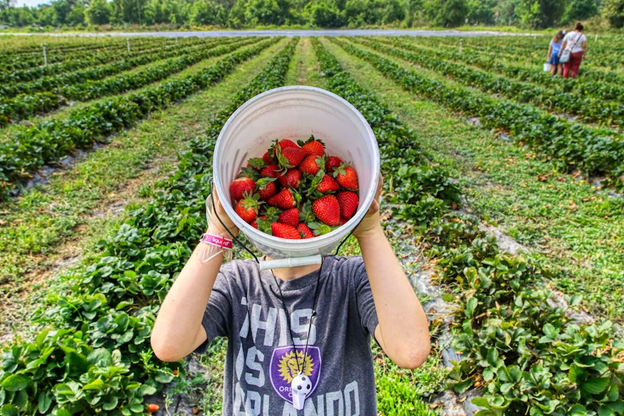
Pick-your-own-fruit farms are all across the country. You can pick apples and cherries in tall orchard trees, pick blueberries from rows of bushes, or get closer to the ground and pick all the strawberries you want. You typically pay by the bushel or by the pound, and nobody usually notices if a bit of fruit gets tasted before you make it to the counter!

Before you go be sure to pack sun hats, sunscreen, and water to stay hydrated.

Go Fishing

You don’t have to be a bait master to get a fish on the line. Catching small fish, like sunnies, can be as easy as using a bobber, hook, and a small worm. Kids and adults love the thrill of their first bite and reeling one in, no matter the size. Young kids might need help baiting and casting their rods, or you can purchase a child’s rod that is fitted with a weight so they can practice casting. If you’re looking to reel in a big one, chartering a fishing trip for your family is an excellent idea. They provide you with everything you need and give you advice along the trip.

Take advantage of the warm and beautiful weather while it lasts and get outdoors! Make memories with your kids while they’re young because we all know they grow up way too fast.

7 Ways to Alleviate Anxiety

Source: https://unsplash.com/photos/rXrMy7mXUEs 

Anxiety leads to a vicious cycle where the very thing that causes your anxiety leads to more anxiety. If lack of sleep causes your anxiety, you will end up getting less sleep because you are thinking of how to get more sleep. This, in turn, breeds more anxiety because you can’t get the sleep you need.

However, there is good news. There is more research done on anxiety, and people are now opening up about their situation. Many are learning how to cope through other people sharing their experiences. Others are recognizing that they do not have to be alone in such times and can get help in various ways. Here are a couple of ways to help alleviate anxiety.

1.   Perform Deep or Diaphragmatic Breathing

Lack of control can quickly lead to anxiety. You can quickly feel despair if you are in a situation where whatever you do, you cannot control the outcome. An excellent way to reduce anxiety in such a situation is to take control of the little things you can handle—for example, breathing.

Through deep or diaphragmatic breathing, you are consciously controlling an automatic process, helping you grasp a little control over the situation.

While breathing, take in as much air as possible and exhale slowly. By breathing out slowly, you are engaging the parasympathetic nervous system that helps control rest and digestion, reducing your anxiety. On the other hand, the sympathetic nervous system controls fight or flight, which is triggered by heavy breathing, which can lead to more anxiety.

2.   Use Your Words

Self-reflection is one of the best ways to reduce anxiety. Describe your feelings verbally and audibly to yourself. Ask yourself questions that force you to self-analyze.

  • What feeling am I experiencing?
  • Does this situation warrant this reaction?
  • Am I projecting this emotion due to a prior situation?

Because of our innate evolutionary trait of self-preservation, we often project many of our emotions. We take longer to perceive that danger is over, making it easy to project emotions wrongly. Self-reflecting helps identify such situations and deal with them.

3.   Get Active

Yoga and exercise are up there as some of the best ways to reduce anxiety. Physical activities raise brain chemicals that control mood. Exercising also helps keep your body and mind healthy, reducing anxiety levels. But perhaps most importantly, exercising triggers your brain psychologically, telling it you are doing something to get yourself out of a bad situation.

By taking steps to self-heal, you will feel relaxed, which helps reduce anxiety.

4.   Practice Guided Imagery

Most of the time, anxiety is brought about by imagining and overthinking worst-case scenarios in your head. That is why one anxiety symptom is replaying past events in your head and how you could have handled them, imagining future situations, and how you hope to manage them.

Use your imagination to induce feelings of safety and well-being. Guide your imagination and think of a person or a place that gives you joy and calmness. Picture it in detail: smell it, hear it, touch it, feel the ground beneath your feet, the wind on your face, or whatever feeling the place or person evokes. Breathe slowly and imagine you are inhaling that image and feeling you have created.

5.   Take Advantage of CBD Oil

Source: https://unsplash.com/photos/Qd37vTyByBs

CBD oil presents a natural remedy to anxiety and depression medication. CBD is a cannabinoid derived from the cannabis plant. Unlike cannabinoids like THC, which causes the high feeling associated with marijuana, CBD offers a calming effect. As more and more states legalize marijuana, it is now easier to find an online CBD store to make a purchase.

CBD increases serotonin levels in the body, which plays a vital role in mood, sleep, healing, and even sexual desire. Its antipsychotic properties help reduce overthinking, hallucinations, and delusions. It also has anti-inflammatory properties that can help you relax and sleep better. Due to such benefits, it is no surprise that there are now many cannabis delivery services in California and elsewhere to get your anxiety remedy to your door.

6.   Eat the Right Diet and Vitamins

Eating and hydrating well can help reduce anxiety in general. But increasing specific vitamins like B1 and B12 can also significantly improve your mood. The brain uses vitamin B1 (Thiamin) to convert glucose to energy. Without it, the brain will not have enough energy to function correctly, leading to mood swings and anxiety.

On the other hand, vitamin B12 aids in the formation of red blood cells, which transports oxygen to brain cells to create energy. Without it, your brain will not have enough oxygen, resulting in less energy to function properly.

Foods that contain high levels of B1 and B12 include:

  • Beef
  • Liver
  • Whole grains
  • Eggs
  • Milk
  • Cereals

7.   Understand Your Triggers and Know Yourself

The best way to reduce anxiety is by knowing yourself. Identify what triggers your anxiety and learn ways to cope with it. Some of the most common triggers of anxiety include:

  • Stress at work
  • Friends or family
  • Medication
  • Crowds
  • Phobias
  • Pain

Alcohol can also be a trigger, as it is a depressant and can make you feel amazing for a short while, but awful when it is out of your system. This is also the reason why many people with anxiety or depression may end up being alcohol addicts, as they want to chase that short-term feeling.

Caffeine may be a stimulant, but it can excite your body, increasing your heart rate. As mentioned earlier in this post, quick breathing could activate the sympathetic nervous system, leading to a flight or fight reaction.

There are many ways to battle anxiety, but the best way is to understand your body and how to adapt to different situations that come your way.

6 Popular Cocktail Mixes

Url: https://unsplash.com/photos/QYWYnzvPTAQ

It might be easy to stock up for your next party with just wine and beer. But if you want to be a consummate host, it’s also worth coughing up a few cocktail options.

Just like fashion, the most popular cocktails cycle through trends. While certain drinks were trendy just a year or two ago, they may not be what people are drinking today. But even as these cocktails evolve and change, a few classics always endure through every era.

If you’re wondering which cocktail mixes you should memorize, this list will provide the top six you can always count on. Learn how to make these cocktails, and you’ll be ready for any event or party!

1.  Bourbon Old Fashioned

This classic remains exactly as it was when it was first invented over 200 years ago. A splash of spirit, sugar, water, and bitters is all it takes to create the perfect drink mix.

Ingredients

  • 2 oz. Bourbon (or rye whiskey)
  • 1 tsp. sugar
  • 1 tsp. water
  • 3 dashes of Angostura bitters
  • Orange twist garnish

Instructions

  1. Put the bitters and sugar in a mixing glass
  2. Add water and stir until the sugar dissolves
  3. Fill the mixing glass with ice, top with Bourbon
  4. Stir until well-chilled and strain into a rocks glass with one large ice cube
  5. Run the orange twist over the rim of the glass
  6. Drop it into the glass to garnish

While making this drink sounds simple, you’ll still need some essential barware, like a bar spoon and mixing glass, to make it.

2.  Espresso Martini

Caffeine is as good for the after-hours as it is for the morning hours! So you shouldn’t deny yourself a hint of that delicious coffee flavor just because it’s evening. Learn how to make this drink to enjoy an after-dinner espresso with a twist!

Ingredients

  • 2 oz. vodka
  • 1 oz. Espresso, fresh
  • ½ oz. Kahlua
  • ½ oz. simple syrup
  • Coffee beans to garnish

Instructions

  1. Fill a shaker cup with ice
  2. Add the vodka, espresso, coffee liquor, and simple syrup
  3. Shake until chilled
  4. Strain into a chilled cocktail glass
  5. Garnish with coffee beans

3.  Strawberry Daiquiri

Refreshing and delicious, the strawberry daiquiri is the drink for any summer event. Muddle fresh fruit or skip out on the extra work with some fruit puree to create a pitcher of this classic!

Ingredients

  • 4 oz. puree or frozen fruit
  • ¾ cup rum
  • ¼ cup citrus soda
  • ½ cup lemon juice
  • ½ cup white sugar
  • ⅛ cup lime juice
  • 6 cups of ice

Instructions

  1. Put all the ingredients in a blender
  2. Blend until smooth
  3. Garnish with fresh fruit

This light and easy drink goes great with all your favorite party snacks.

4.  Mango Margarita

Url: https://unsplash.com/photos/cUFli52JBoo

Another summer drink that has a more tropical twist, mango margaritas are blended heaven. You can use any fruit of your choice, but mango is a classic that mixes well with tequila. Blend up a pitcher for everyone at the party!

Ingredients

  • 3 oz. tequila
  • 2 oz. Cointreau
  • 1 ½ oz. fresh lime juice
  • 1 ½ cups frozen mango puree
  • 1 tbsp. simple syrup
  • 1 cup ice
  • Sea salt for the rim
  • Lime wedges for garnishing

Instructions

  1. Run the lime wedge around the glass rim
  2. Dip the rim into your plate of salt
  3. Blend tequila, Cointreau, mango, lime juice, simple syrup, and ice until frothy
  4. Pour into the glass
  5. Garnish with the lime wedge

Mango is an easy favorite. But you can experiment with any other fruit, like pomegranate or strawberry!

5.  Negroni

Another old-school original, the Negroni, is equal parts bitter and sweet. Enjoy the sharp aromas and flavors of this cocktail for any elevated event.

Ingredients

  • 1 oz. gin
  • 1 oz. sweet vermouth
  • 1 oz. Campari
  • Orange peel for garnish

Instructions

  1. Fill a mixing glass with ice
  2. Mix the gin, Campari, and vermouth until chilled
  3. Strain into a glass over a large ice cube
  4. Garnish with the orange peel

This is one of the easiest cocktails on the list to make!

6.  Whiskey Sour

One of the most well-known drinks from among the classics, the Whiskey Sour is all about balance. While many versions of this drink abound, this blend is the original recipe.

Ingredients

  • 2 oz. Bourbon
  • ¾ oz. lemon juice, fresh
  • ½ oz. egg white, optional
  • ½ oz. simple syrup
  • Angostura bitters to garnish

Instructions

  1. Dry shake Bourbon, simple syrup, egg white, and lemon juice for 30 seconds
  2. Add ice to the cup and shake again until chilled
  3. Strain the drink into a coupe glass
  4. Add three to four drops of Angostura to garnish

Mix It Up!

Url: https://unsplash.com/photos/sJOy9pveFbU

Now that you know how to make each of these popular cocktails, you can stock up a bit to have the essential ingredients on-hand for any party or event. Of course, you don’t need to be prepared for all of these, but knowing at least three or four will make you an excellent host that can meet your guests’ needs!

6 Weird High-Skilled Fishing Techniques

Source: https://pixabay.com/photos/angler-fishing-north-sea-waters-3071970/

As a veteran angler, you’ve performed a countless number of overhead and side casts. Why not try something new?

Believe it or not, there are many alternative methods of fishing out there. If you’re looking for a challenge, give one of these outside-the-box fishing techniques a go.

1.Calling a Fish In

Hunters can speak to the effectiveness of using a call to attract game such as turkey and deer. It may sound crazy, but certain fish also respond to calls.

At first glance, the idea of attracting fish through sound seems counterintuitive. One of the first lessons you learn as a young angler is to remain as quiet while out on the lake. But sometimes, this isn’t the best strategy. Dedicated striped bass anglers, for example, swear by hitting the sides of their boat with a wooden paddle to draw in fish. Some even choose to add a rubber tip to their pole to soften the sound.

And it’s not hard to understand why. Sound travels about four times faster and further through the water. Naturally, fish developed a strong sense of hearing and the ability to detect vibrations. If you’re still skeptical, give it a try for yourself.

2.Tickling a Trout

Source: https://www.pexels.com/photo/water-lake-river-swimming-13861437/

It’s exactly what it sounds like.

You don’t need any high-end fishing gear to pull off this technique. All you need to do is walk down to your nearest lake or stream, find a trout, stick your hand under the water, and tickle its belly. Oddly enough, the fish will go limp, allowing you to scoop it up and take it with you.

As ridiculous as it sounds, this technique has been popular for thousands of years. This technique isn’t easy to pull off. But, considering how little you need to do it, why not give it a shot?

3.Bowfishing

This is another one that’s self-explanatory: Grab a bow and arrow, head out to your local waterway, and fire away at the first fish you see.

Okay, it’s not that simple. Bowfishing requires you to hit a target that moves unpredictably. Plus, it’s underwater, which can affect the momentum of a shot if you fire at a fish that isn’t swimming in shallow waters. Bowfishing bows and arrows are also slightly different from normal bows; they usually have fishing line attached so you can reel in your catch after you’ve hit it.

Most importantly, not all fish are eligible for bowfishing. You aren’t permitted to hunt gamefish in most states. That said, there are plenty of species you can pursue, including carp, Garfish, and Flounder. Grab your bowfishing gear, find a stream near you with fish you are permitted to bowfish, and head on out.

4.Skishing

Skishing is for the type of angler who also enjoys extreme sports. Like its name implies, it’s a combination of skiing and fishing.

To skish, you either swim out into a lake, stream, or ocean, then cast your line while treading water. Whenever a fish bites, it will pull you along with it. You just need to hold on and reel it in while enjoying the ride.

Skishing is certainly not an easy way to fish. Only try this technique if you are an experienced swimmer and angler. Before heading out, be sure to monitor water conditions. If the current or undertow is too strong, save this technique for another day.

5.Building a Dam

If the last technique was a bit too extreme for you, you’ll love this one.

Dam building is exactly as it sounds. First, you find a shallow stream in which fish are plentiful. Then, you use the materials available to you to construct a dam, with options ranging from logs and sticks to rocks and fallen trees.

Once you’ve built a dam, it becomes a waiting game. If you’ve built a dam that is too tall for fish to jump over and reaches the bottom of the stream, you’ll trap a few eventually. From there, the choice is yours to either grab them with your hands or cast a line and reel them in.

6.Drone Fishing

Everyone uses drones these days, including photographers, farmers, the military — and now, even anglers.

Modern drone technology has made it easier than ever to drone fish. There are many waterproof drones available on the market today that are ideal options for anglers who want to try out drone fishing. Drone fishing is also simple. You attach the reel to a mechanism on the drone and then move it out over open water using the remote. When you find a spot you like, you then release the reel using a button on the remote. Once you get a bite, it’s just a matter of bringing the drone back to shore.

Be Adventurous

Experimenting with new techniques is never easy, but trust us when we say it’s worth it. Give one of these techniques a try on your next trip. Good luck out there!

Are Smoking Habits Genetic?

With a staggering 1.1 billion people worldwide smoking cigarettes, it’s no surprise that nicotine addiction has become one of the most studied addictions in modern science. Both a physical dependence and psychological habit, smoking tobacco is the leading cause of preventable, premature deaths and illnesses in the world.

Scientific Evidence Suggesting a Genetic Link

A widespread addiction with high mortality rates poses the question: Is genetic predisposition at play? A study published by the National Library of Medicine found that genetic factors play a role in developing smoking habits and addiction. These findings revealed that heritability estimates for smoking initiation range from 0.32 to 0.78, indicating a moderately heritable trait.

Similarly, researchers from the U.S., U.K., and New Zealand conducted a long-term study based on a previously developed genetic profile that leads to heavy smoking habits. The study monitored 1,000 individuals from birth to age 38 to determine if a genetic predisposition led to adolescent nicotine addiction and dependence as adults. It was found that those with a high-risk genetic profile who had tried smoking as teenagers were likelier to develop a habit in adulthood, while those with a low-risk profile were less apt to smoke as adults, even if they had in adolescence. Lead author of the study, Dan Belsky, notes, “(Genetics) didn’t predict who tried cigarettes, but they did tell you who among those that did try a cigarette – who got hooked.”

(picture from unsplash.com)

There’s clearly an undeniable link between genetic factors and smoking habits, but exactly what genes contribute to the development of this addiction? Although tobacco usage tendencies cannot be attributed to a single gene, a few genes have been noted in association with nicotine addiction. For example, variations in the gene responsible for the metabolism of nicotine and those related to dopamine signaling have been associated with heavy tobacco use.

Additionally, research suggests a correlation with a variant of the gene CHRNA5, indicating that this genetic variant may significantly increase the likelihood of developing a tobacco addiction. A 2014 study found that individuals who possess this variant have a much more enjoyable experience with cigarettes since this gene reduces tobacco’s unpleasant effects.

Something else to consider is the effect of heavy smoking on the area of the brain known as the habenula. This region is known as the brain’s emotional center and is associated with feelings of anxiety, fear, reward, aversion, avoidance, and related behaviors. Damage to the neurons in this part of the brain can result in intense negative feelings and emotions. One may attempt to soothe these unpleasant feelings by indulging in more nicotine, leading to addictive tobacco smoking.

Sociocultural Influence

Although many scientists and researchers have found a genetic link contributing to nicotine addiction, one must also consider the impact and role of environmental factors. Sociocultural influences play a significant role in the development of smoking habits among both adults and adolescents. For example, teens are more likely to try cigarettes if their peers, parents, or siblings smoke. Negative family relationships may also lead to adolescent smoking habits that can carry over into adulthood.

(picture from unsplash.com)

In addition, peer pressure, media, and advertising may contribute to the development of smoking habits. Certain social situations, TV shows, and movies tend to glamorize smoking, portraying it as cool or rebellious. This social pressure can fuel adolescents’ and adults’ desire to conform, contributing to widespread nicotine addiction.

Regardless of the cause of smoking behaviors, it is a harmful habit that can bring deadly consequences. Smoking can bring adverse effects to almost every organ in one’s body, with an increased risk of cancer being one of the most significant risk factors. For those looking to combat the negative effects of nicotine, a comprehensive detox regimen and exercise can help speed up the process.

In conclusion, the debate of whether or not smoking habits are influenced by genetics is complex and ongoing. Research suggests a strong correlation between smoking initiation and genetic factors, but more remains to be uncovered. In addition to the heritability of smoking habits, one must also consider the impact of environmental and sociocultural influences.