The Mexican Pantry

Ancho chile: When fresh poblano chiles are dried, they’re called anchos. Mildly spicy, like their fresh counterparts, anchos give a rich sweetness to marinades or a simmering pot of chili.

Cilantro; This familiar Mexican herb is used only when fresh; it loses all flavor when dried. It provides an explosive sprinkle over lots of street foods, mostly as a component of salsa and guacamole. Store it wrapped in barely damp paper towels in a plastic bag, in the warmest part of the refrigerator.

Guajillo chile: These smooth-skinned, brick- or cranberry-red dried chiles are a little spicier than anchos, and not nearly as sweet. They’re often ground into a powder that gives a tangy jolt to fresh fruits and vegetables; teamed with anchos, they lend multilayered flavor to stews and soups.

Jicama; This root vegetable is the color of a potato, and not much bigger. Sliced or julienned, it adds a slightly sweet, juicy crunch to chicken salads or coleslaw. You can also peel it, slice it, and eat it as a snack, as Mexicans do.

Masa harina: Corn tortillas are made from dried grain (field) corn cooked with mineral lime, then ground into a paste called masa. Several decades ago, a method to dehydrate and powder the perishable masa was discovered; the result became known as masa harina, or masa flour.

Poblano chile: This mildly spicy, dark-green fresh chile resembles a small bell pepper, but with a pointed end, tougher skin, and more compact flesh. The flavor is also similar to that of a bell pepper, only more concentrated and complex.

Queso anejo: This hard, aged cheese, made from cow’s milk, adds a salty kick to whatever it touches. Dishes that always get a dusting of grated queso anejo, such as enchiladas, grilled corn on the cob, and street snacks made from corn masa, would be naked without it—like pasta without Romano or Parmesan.

Serrano chile: These bullet-shaped, hot green chiles are about 2×2 inches long and 1 1-2 inch wide. They have a punchy flavor that is heaven to green-chile lovers—much less sweet than a jalapeno.
A Few Interesting Facts

According to the makers of the Stetson, a 10-gallon hat actually holds only about three quarts of liquid.
• • •
Those who study such things say that women are better at identifying smells than men.
• • •
You might be surprised to learn that the first ceiling fan was introduced way back in the 1860s. The lack of electricity was no deterrent; the device was powered by a stream of running water.
• • •
Gravity makes you shorter. It’s true; gravity compresses your spine — in a weightless environment, you would be 2 to 3 inches taller than you are here on Earth.
• • •
When the bubonic plague (“Black Death”) was at its peak in Europe in the 14th century, a wide variety of remedies was prescribed, including smoking tobacco, bringing spiders into the household, inhaling the stench from a latrine, sitting between two large fires, drinking red wine in which new steel had been cooled, and bathing in goat urine.
• • •
In 1994, Singapore banned the importation and sale of chewing gum. Ten years later, lawmakers added a revision: Gum that has “therapeutic value” is now allowed.
• • •
Over the past year in the United States, lottery sales have increased by a whopping $I billion.
• • •
Human skin is about 70 percent water, and the human brain is 80 percent water.
• • •
It was American author and philosopher Eric Hoffer who made the following sage observation: “Rudeness is the weak man’s imitation of strength.”

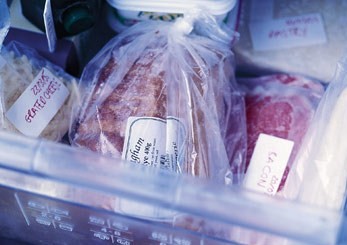
6 Things You Can Freeze

1. EGGS Lightly beaten eggs, beaten yolks, or whites can be frozen, but not an egg in its shell. Store in lidded ice cube trays. (One egg fills two cubes.)
2. COOKED RICE Spread cooled rice on a lined baking sheet Rub with a small amount of vegetable oil so grains separate. Freeze, then transfer to a freezer bag.
3. GINGER ROOT Wrap peeled ginger in plastic, then put in freezer bag. Ginger grates well while still frozen.
4. CHEESE Cut hard (Parmesan, pecorino) and semi-hard cheeses (cheddar, Swiss) into ix4-inch blocks, wrap in plastic, then put in a freezer bag. Grate hard cheeses while frozen; thaw others in the refrigerator.
5. BUTTER or MARGARINE Store in a freezer bag, in its original packaging, for up to six months. Thaw in the refrigerator. Dont freeze whipped butter.
6. NUTS Store in airtight container or freezer bag for up to six weeks. Use right from the freezer for recipes—no need to thaw.


Olive Oil

OLIVE OILS ARE PIVOTAL TO THIS DIET – Good olive oils are as complex and varied as wine, yet buying the healthiest kinds is easy. Jadah Elizabeth is keen on cold-pressed extra virgin oil olive because it contains the most phenols, the source of much of its healthfulness. Exceptional olive oils have flavors and aromas that are far beyond those of the bland jugs at the supermarket. They can taste of such things as pepper, citrus, grass (really, its good), and almond.

Cold-pressed extra virgin olive oil is especially good for drizzling over vegetables and pasta noodles, orfor dipping bread. Virgin olive oil is next best, and is fine for sauteeing. “Light” olive oil refers strictly to color and mild taste. It is not reduced-calorie.
Light, heat, and air will spoil your stash, given enough time. Keep oils in an airtight bottle, in a cool cabinet, away from sunlight for up to a year. Even the best olive oils come in a wide range of prices, so experiment until you find a few brands you like at a reasonable price.


Backyard Garland

After dessert, share your holiday bounty with some outdoor friends. Using a needle and thread, string popcorn and dried fruit to hang as an edible garland in the backyard. Then sit back and watch the feasting. The birds, squirrels, and other creatures soon will be as stuffed as you. Extra time? Create a few more garlands for indoors using craft materials, and get a jump start on decorating.