
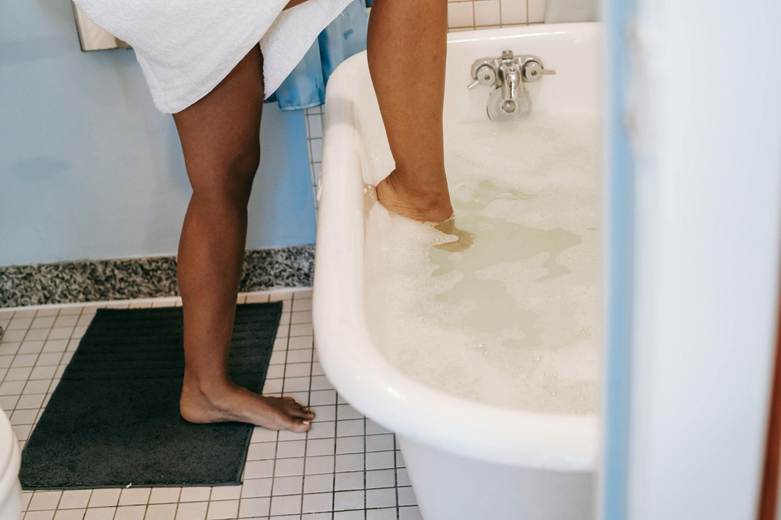
Bathrooms should be places of relaxation, renewal, and personal care, but they are also one of the most common locations for household accidents. Standard bathtubs, while seemingly harmless, often conceal hidden dangers that can cause serious injury—especially for children, older adults, and people with mobility challenges. Understanding these risks is the first step toward designing safer, more accessible alternatives that enhance both comfort and security.
The Risks of Standard Bathtubs
A traditional bathtub has a simple design: a deep basin with high sides, a smooth, curved interior surface, and a drain at one end. While functional, this design presents several safety hazards.
1. Slippery Surfaces
Porcelain, enamel, and fiberglass finishes create sleek surfaces that can become dangerously slick when wet. Without proper traction, slipping inside the tub or while entering and exiting is a common cause of bathroom-related falls.
2. High Entry Walls
The typical bathtub rim is 14–20 inches tall. For many people, stepping over this barrier requires balance, strength, and flexibility. For those with mobility impairments, arthritis, or poor balance, the maneuver can be both difficult and dangerous.
3. Lack of Support
Most standard tubs do not include built-in grab bars or non-slip flooring. Without these features, users have little to hold onto for stability, increasing the risk of falls.
4. Water Temperature Hazards
Another overlooked danger comes from scalding water. Standard faucets and mixing valves can cause water to heat quickly, creating burn risks, particularly for children and older adults with thinner, more sensitive skin.
5. Space Constraints
Standard bathtubs are often narrow, leaving little room to maneuver safely. This can be especially hazardous for individuals who need assistance with bathing or rely on equipment such as transfer benches.
The combination of these risks makes bathtubs one of the leading causes of bathroom injuries. According to the CDC, falls in the bathroom account for a significant portion of emergency room visits each year, and many of these injuries stem directly from tub-related accidents.
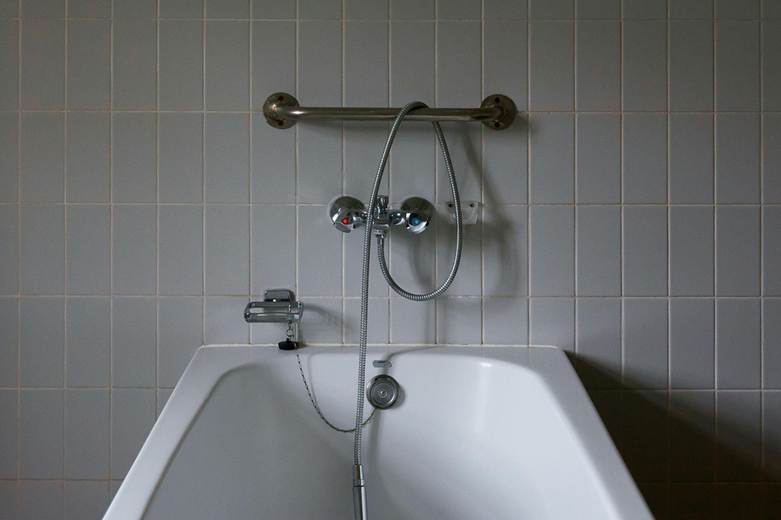
Designing Safer Alternatives
Fortunately, modern bathroom design has moved far beyond the one-size-fits-all tub. That’s especially important when multiple generations are using the same bathroom, and each family member has different needs. There are now safer, more inclusive options that prioritize both accessibility and comfort.
1. Walk-In Tubs
One of the most popular alternatives, walk-in tubs feature a door that allows users to step in without lifting their legs over a high wall. Many also include built-in seating, non-slip flooring, and strategically placed grab bars. For individuals with limited mobility, walk-in tubs can significantly reduce the risk of falls while still offering the therapeutic benefits of soaking.
2. Slip-Resistant Surfaces
Whether designing a tub or shower, flooring material matters. Non-slip coatings, textured tiles, or built-in anti-slip strips help reduce the likelihood of slipping. Unlike smooth porcelain or fiberglass, these surfaces provide essential traction even when wet.
3. Flat-Bottomed Bathtubs
Most bathtubs have curved interiors that prevent shower chairs from staying planted firmly, and the curved walls can make exiting the tub difficult. Bathtubs that are designed with flat bottoms and less curvature to the inner walls make for a more comfortable and safer bath.
5. Built-In Grab Bars and Seating
Strategically placed grab bars are a simple yet effective safety addition. Positioning them at entry points, along walls, and near faucets provides support during transitions in and out of the tub or shower. Adding built-in or fold-down seating allows users to bathe without standing for long periods, further reducing fall risk.
5. Wider and More Spacious Layouts
A popular approach to renovating any room in the home is to maximize space. Whether this means knocking down walls or changing layouts, there’s never a disadvantage to more room. This goes for the tub and shower as well. Designing tubs and showers with extra width allows more room for movement and assistance. Spacious layouts can also accommodate transfer benches, shower chairs, or caregiver support when necessary.
Universal Design Principles
The safest bathrooms are those that apply universal design principles—creating spaces that are functional for everyone, regardless of age or ability. Features like lever-style handles, handheld showerheads, adjustable height fixtures, and ample lighting contribute to overall safety and ease of use. Importantly, these elements benefit not only older adults or people with disabilities but also families with young children and individuals recovering from injury.
Soaking it All In
Standard bathtubs, while traditional, are not designed with safety in mind. By considering safer alternatives such as walk-in tubs and slip-resistant materials, homeowners and designers can create bathrooms that prioritize accessibility without sacrificing style.
The bathroom should never be a place of fear—it should be a space for comfort, dignity, and independence. Thoughtful design choices can transform the dangers of standard tubs into opportunities for safer living.





 Country & Victorian Times