MOVING: Loading The Moving Truck

Loading Your Items

  • Make sure you have an obstacle-free route from the door to the moving trailer/ReloCube.
  • Lay a tarp or plastic wrap on the floor of the trailer to protect against dust/dirt.
  • Designate one or two people to remain on the truck while the others are carrying items. They will be responsible for stacking and loading everything tightly.
  • Begin by loading into the front of the truck (near the cab) and work your way toward the back.
  • Stack items from floor to ceiling, putting heavy items on the bottom and lighter items on the top.
  • Create 2′ – 3′ tiers as you are loading. Each tier should be close to the top of the trailer/ReloCube ceiling before beginning the next tier.
  • “Square” the load by creating a flat surface with boxes. This makes each level easier to stack.
  • Pack items tight, like a jigsaw puzzle – all space should be filled to avoid shifting in transit. Use “fillers” for any open space.
  • Tie each tier off with ratchet straps/rope, etc. to secure.
  • Load the largest, heaviest furniture and appliances first (against the walls to help distribute the weight evenly throughout the truck). The sofa/loveseat should be placed on end if possible. If the legs are not removable, point them toward the wall and pack “fillers” in the space between the wall and the sofa/loveseat (don’t forget to wrap each item).
  • Remove cushions from the couch and wrap or place in plastic bags.
  • Place wrapped pictures and mirrors upright between mattresses.
  • Place wrapped headboards and footboards between mattresses (not the same mattress your pictures/mirrors are between).
  • Remove drawers and contents of drawers before moving desks, cabinets or dressers. Once the items are loaded on to the truck, replace the drawers and secure with self-adhesive plastic wrap.
  • Make sure items that could potentially cause damage are not loaded against fabric or wood furniture. For example, a piece with protruding metal could puncture a sofa or mattress.
  • Avoid loading thin-legged tables on bottom; they may not be able to handle the weight of items loaded on top.
  • Avoid loading the feet of an item directly on top of a finished piece of furniture; this could dent or puncture the finish.
  • Avoid loading furniture against other furniture or truck walls without proper padding (furniture pads, paper pads, cardboard, etc.).
  • Load the heaviest and largest boxes first. Place them on top of appliances and furniture and fill any cavities beneath tables, desks and chair seats.
  • Stack lighter boxes on top of heaver boxes.
  • Place fragile items or awkward shaped items on last and secure tightly (make sure they’re marked “fragile”).
  • Place light-weight loose items like plastic plants, small rolled up rugs, bundled mops and brooms, etc. on top.
  • Rolled up rugs, bags of linens, etc., can be used to help fill void areas.
  • Keep gas operated items like lawn mowers, weed eaters, etc., on the truck floor, covered with tarp or plastic sheeting and away from fabric items (after you drain flammable fluids).
  • When moving motorcycles, riding lawn mowers or small ATVs use strong ratchet straps to secure the items and ensure they stay in place during transit. If moving in a trailer, we recommend nailing wooden blocks into the trailer floor for added bracing. All fuel must be completely drained.
  • Use ratchet straps/rope/cord, etc., throughout the process to keep items safe in secure. While strapping it all in at the end is important, it’s just as important to secure the items as you load.• Make sure you have an obstacle-free route from the door to the moving trailer.

MOVING: Loading The Moving Vehicle

Preparing To Load

You’ll find that pre-planning how you’ll load reduces loading time and fatigue. And, just as important, it ensures your belongings travel safer.

  • Place everything you can inside similar-size moving-grade boxes (rather than “grocery store” boxes or plastic totes). Moving boxes were designed for easy “squaring-off,” which helps maintain the integrity of the load as items are stacked on top.
  • Make sure all boxes are labeled with their contents and destination room location.
  • Wrap all unboxed items in paper padding, plastic stretch wrap or furniture pads.
  • Wrap upholstered furniture with self-adhering plastic wrap, paper padding or furniture pads to protect from soil and punctures.
  • Wrap wood or metal furniture with moving pads or paper padding. Pay special attention to corners and legs.
  • Wrap mirrors, large framed pictures and marble table tops in plenty of paper padding or furniture pads.
  • Use plastic wrap or packing tape to secure moving pads or paper padding to furniture (making sure not to place tape directly on furniture).
  • Be generous with padding to avoid scratches, gouges, and broken items.
  • Disassemble furniture such as kitchen tables, entertainment centers, bed frames, headboards, footboards, and dresser mirrors.
  • Keep in mind that furniture made of particle board is more susceptible to damage when shipped assembled. It is not built to withstand the normal stresses that occur when traveling in a moving truck (which is why manufacturers ship disassembled). While it is safer to move this type of furniture disassembled, it can be less sturdy after being taken apart and reassembled.
  • Wrap bed rails or disassembled table legs and roll them into large rugs or carpets.
  • Remove shelves from bookcases, armoires, etc., and wrap them separately (if removable).
  • Remove hardware, screws, parts, etc., from furniture, place them in a sealable bag and tape to the back of furniture or inside a drawer.
  • Prior to moving day, measure doorways to determine the best door to move large furniture out of.
  • Remove all food from refrigerators/freezers.
  • Defrost refrigerators/freezers 24-48 hours prior to loading.
  • Hang a bag of charcoal or coffee beans/grounds inside refrigerator/freezer to prevent “musty” odors.
  • Disconnect water/ice-maker lines and tape the cord to the back of the refrigerator/freezer.
  • Avoid tipping your refrigerator/freezer on its side as this can cause damage to the compressor.
  • Drain all water out of washing machines 24 hours prior to loading. Avoid doing a load of laundry the day of the move.
  • Tip the washing machine backward to drain as much water as possible.
  • Place hoses from washer or dryer in a plastic bag and put them inside the unit.
  • Pack trays/glass shelves from microwaves and refrigerators inside a moving box.


SOURCE: http://www.upack.com/moving-resources/loading-tips.asp
 

MOVING: Supplies You Will Need

Supplies You Need

  • Moving Blankets and/or Paper Padding
  • Small Stretch Wrap and Large Stretch Wrap
  • Mattress and Furniture Covers
  • Packing Tape
  • Tarp or plastic sheeting
  • Moving Straps
  • Rope, ratchet straps, bungee cords, or other types of tie-downs
  • Work Gloves
  • Step-stool or smaller ladder
  • “Filler” items (e.g. pillows, stuffed animals, clothes, linens, etc. in bags


SOURCE: http://www.upack.com/moving-resources/loading-tips.asp
Create The Right Look For Your Kids’ Room Without Spending A Fortune

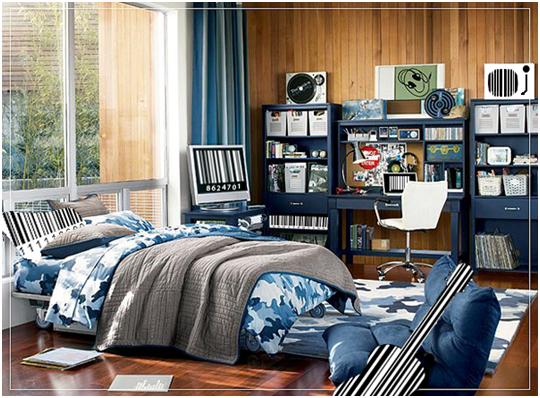
It is always difficult to choose a design for your child’s room. Even asking them to assist in choosing can make it more difficult as many if their ideas are not practical or affordable! Children change so quickly that the room will almost be outdated as soon as it is finished! To create the right look, without spending a fortune follow these tips:

kids

Mix & Match

Children do not necessarily need their favorite cartoon character on the wall; they are usually more than happy with bright and possibly crazy colors. Give your child’s room a fun feel by adding streaks of color across the wall in paint or via the wallpaper. Add a basketball net to really keep the fun atmosphere!

Fun Furniture

Rather than having specific theme based furniture opt for something that is practical and will last for years. A simple table with pencil style legs and a bright color will create just the right effect for any child. Even the stools or the chairs for the table can be brightened by adding decals; these can also be removed and replaced as they grow. An extra novel touch which will add a fun element and help to keep noise down is to add socks to the bottom of movable furniture.

Patterns

All items of furniture can be brightened by being painted a nice bright color. They can also have decals or even artwork painted onto them to create a stunning, visually pleasing and unique piece. This will have a special significance to your child and stay with them for years!

kids1

Pallets

Recycling old pallets is becoming exceptionally popular. They can be used to create beds, settees or simply head rests.  They are relatively easy to take apart and can be sanded and painted if required. This makes them perfect as affordable furniture which can be adapted to your child’s needs as they grow.

Grown Up Bed

A metal frame bed can be ornate and give the appearance of a bed fit for a princess or an adult’s bed. This makes it perfect for your child’s bedroom; it will literally grow with them and can be adapted to fit any theme. You can even decorate the bed with personal touches to match the room.

Old cars

Old cars or other old toys can make excellent coat hooks and add a real touch of style to a room! Your child probably has too many toys and will not mind a few of their unused items going on the wall.  This type of style can last for many years.

The Alphabet

Young children will like the look and feel of letters being o their walls, especially if they are raised off the wall and they can touch and feel them. You can also create a chalkboard wall which will allow them to create their own artwork; which can change as they age.  If you do choose this option be sure that your child knows to only draw on that space, not all the walls!

Art work

Instead of random but visually appealing pieces of art, take some of your child’s favorite photos and have them blown up. These can then be added to the wall to create a stunning visual reminder of a specific occasion. If possible split a photo into three images to create an even better look.

kids2

Space

Always arrange the room so that they have space to move around. Their bed should have its own area and a desk can take a different corner. The central space should remain free for them to move around and either play or relax in. If the kids have small rooms and it’s difficult for them to stay organized, invest in custom furniture pieces with lots of storage spaces. Stools, open shelves and beds with hidden compartments are excellent ideas.

Comfort

When decorating a room it’s very important to make it feel comfortable too, not just look nice. Blankets, covers and cushions are a must-have. You want the kids to sleep well, and at the same time enjoy spending time in their room. Throw pillows are a nice tough too, because they make a space appear really cozy and inviting.

There is no limit to what is possible, simply look around you and take inspiration from everyday items! Ask for your kids’ opinion before doing anything. They might have a particular preference for the paint on the walls, or furniture. Talk to them and find a way to reach mutual ground. This way their room will fabulous without you having to invest a fortune in the design.

Cake Decorating Tips — How To Transport A Cake

All you need is dry spaghetti and plastic wrap.

Read More: Cake Decorating Tips — how to transport a cake