How To Survive A Last-Minute House Move: 5 Easy-To-Follow Steps

A house move usually requires at least two months of planning and preparation to ensure that everything is dealt with accordingly. Unfortunately, there are some instances where a quick, last-minute relocation cannot be avoided.

While it may seem more daunting to tackle compared to a thoroughly planned move, you can still succeed in the task without too much stress. The key is to know the different parts of the process and the most efficient way of completing them.

To help you out, here are five easy-to-follow steps you can use as a guide to surviving that last-minute relocation:

Step #1: Choose a Removal Company

Removal companies are experts when it comes to dealing with the logistics of a move. They can handle almost everything — from packing and transporting your belongings to helping with the unpacking at your new residence.

Because their role in the success of the relocation is huge, it is imperative that you hire the best in the business who can accommodate a rushed move. When choosing a removal company in Sydney, Australia or in any other location in the world, you should do a good amount of research and ask the right questions.

Some of the things you must learn are the cost, the type of services you require, and the standard fees so you’ll know if you’re getting the most out of your money.

Step #2: Pack an Essentials Bag

An essentials bag should contain all the necessary items that you may need on your first couple of days in your new place. This way, you won’t have to rush with the unpacking and it will help you to stay organized after your move.

Here are some of the things you need to include in your essentials pack:

  • Chargers
  • Keys
  • First-aid kit complete with all necessary maintenance medications
  • Beddings, such as pillows, blankets, and bed sheets
  • Toiletries
  • A few changes of clothes
  • Paper towels, toilet paper, and other essential paper supplies
  • Cleaning supplies
  • Flashlight
  • Meal staples and easy-cook (or no-cook) food
  • Water and other replenishments
  • Kitchen utensils and dishes
  • Coffee or tea
  • Portable tool kit and scissors
  • Identification documents and other important papers
  • Cash and/or credit cards

Step #3: Pack the Rest of Your Belongings

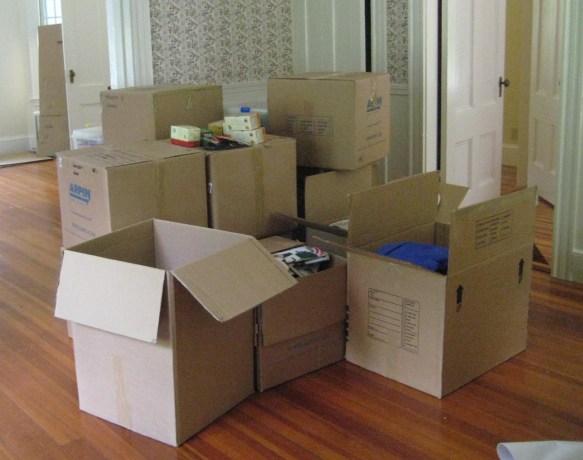
Now that you’re done with your essentials, it is time to proceed to the rest of your belongings. Since you’re short on time, you may need all the help you can get to complete this. This means you should also consider hiring experts to complete the packing faster.

It is also wise to follow these time-saving tips:

  1. Sort them later. If you don’t have enough time to pack, it would be wiser to sort your items during the unpacking. You can skip labeling and segregating items according to a “theme,” but never forgo the “fragile” stickers to avoid the mishandling of your breakables.
  2. Use socks and towels to protect fragile items from damage. Since time is limited, it’s likely that you have no time to shop for bubble wrap and packing peanuts. Instead, you can use soft items like clothing, towels, and even bedding to wrap stemware and other breakable items. Newspapers can work too, but be wary of the ink.
  3. Only set up boxes when you need them. Packing for a last-minute move means you need all the space you have in a room, which is why you should only set up boxes when you’re ready to put things in them.
  4. Don’t remove clothes from their hangers. When packing for a rushed relocation, it would be better to put plastic bags over your clothes while they are still in their hangers. This will also make unpacking them easier later.

Step #4: Hire Professionals for the Cleaning

It is a good idea to have your old home deep cleaned first before you move out. If you were renting, it is likely that this is necessary for you to get your deposit or bond back. You could also leave the cleaning of your new place to the professionals to ensure that it gets done before you arrive.

Step #5: Think About Storage

If you have too many items that you cannot let go of, but you cannot take everything with you on the move, it may be time to consider hiring storage solutions. This way, the stored items will remain in your possession and you can make arrangements later for having them taken out of the storage facility and transported to your new home, if needed.

Talk to your trusted removals company as they may also offer flexible short-term or long-term storage solutions.

Ready, Set, Move!

A last-minute relocation doesn’t need to be daunting. When preparing for a rushed move, it is important that you know the most important things that need to be accomplished to make it work. This way, you can avoid missing important steps and your relocation can be a success.

AUTHOR BIO

Robert Wise, Sales Administration Manager at Nuss Removals, has been a respected figure in the removals industry for over 20 years. His attention to detail and the ability to truly understand the needs of the customer have ensured the successful relocation of thousands of satisfied individuals and families. For moving and storage across Australia and around the world, Robert’s wealth of experience ensures his customers are in safe hands.


Getting Real: What’s The Deal With “Curb Appeal”?

Once you get your house hunt on, you’ll undoubtedly start hearing lots of terms getting thrown around. From “pre-approval” to “closing costs”, it can be tough to suss out exactly what all of these things mean, especially if it’s your first time looking for a home.

This time, we’re tackling “curb appeal.” Everyone kinda gets it, but really, uh…what is it? No matter if you’re just starting out or have been on the market for a bit, sometimes a little clarity can go a long way.

What is curb appeal, exactly?

Simply put, it’s a first impression.

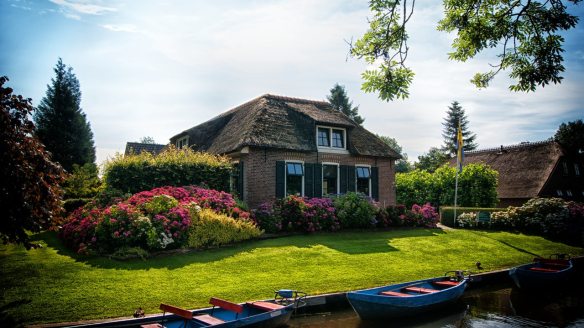
Like it or not, the way that a home looks from the street can have a huge impact on our overall opinion of it. Similarly to how you would put your best foot forward on a first date or job interview, homeowners–especially those in the market for a buyer–often put extra effort into making their home’s exterior look good.

In real estate terms, curb appeal can be anything that adds either functional or aesthetic value to a home’s exterior. As the buyer, you’ll want to factor these types of details into your home search. As you look at listings, make sure to keep an eye out for elements of curb appeal and to make a note of how they sway your opinion on the home.

That being said, it’s important to keep a balanced perspective. Sometimes curb appeal is not indicative of what a home will look like once you head inside, so it should never be used as your single determining factor for whether or not it’s worth taking a look at a home.

Key factors to look for

Now that you know what curb appeal is, it’s time to get a little deeper into the different elements that go into creating a home that is aesthetically pleasing from the outside.

Typically, these items can be divided into a couple of different categories. They are:

  • Structural Items: Be sure to take a look at the condition of things like the home’s roof, gutters, and siding. While aesthetics are good to have, functionality is arguably more important. Evaluate if these items look well-maintained or if they will probably require some work to get up to snuff.
  • Landscaping: How does the overall landscaping look? Has the lawn been mowed recently? Are there any trees or bushes that look like they may need pruning? Did the seller put effort into decorative landscaping with flowers and plants? Landscaping upgrades and maintenance can both add up.
  • Functional Elements: If the home has any functional elements like a pathway to the front door or exterior lights, take a moment to evaluate those, as well.
  • The Entryway: The last element of curb appeal is the entryway. Ideally, the front door will look especially inviting. Has the front door been freshly painted? Are the address numbers predominantly displayed?

Again, these elements shouldn’t make or break your decision on whether or not to make an offer on the home. However, as you look at a property, it’s a good idea to take these factors into account since if you do decide to make an offer, they’ll be inputs into deciding what’s a fair offer price.

Consider the costs

At its core, curb appeal is actually a financial matter. One way or another, improved curb appeal does come with a cost.

A home that looks better from the outside will likely fetch a higher sale price than one without any of these small touches. However, if you decide to buy a property without these small touches, you may need to pay for them in the long run.

If you do decide to go with a property that’s a bit more of a fixer-upper, keep in mind that you don’t have to take care of everything all at once.

While some of the projects listed above are smaller, things like roofing and professional landscaping can end up costing thousands of dollars.

We suggest doing your research and budgeting carefully before undertaking any DIY projects.

But, boosting curb appeal also boosts equity. If you do decide to invest in some of these projects and improve the look and function of your home over time, you should see that benefit come back to you when you re-sell it. You’ll also find that you’ll take pride in enjoying your investment throughout the duration of your time in the home.

This article originally appeared on OpenListings.

5 Signs Your Current Lifestyle Will Lead to Your Financial Demise

Your lifestyle is very closely tied to your finances, as it often indicates how much you spend. Living frugally or spending with abandon are two very different lifestyle experiences, and the results of each will clearly show in your bank balance.

Here are five signs that mean you are heading for a cliff edge in terms of your financial situation.

1. You’re not saving 5%

Advice from experts suggests that you should be putting aside at least 10% of your income each month, if not 15%. But if you aren’t even managing to put 5% in your savings, then you are definitely living beyond your means. It’s even worse if you haven’t been able to put any savings aside at all.

If you feel like you can’t save that much each month, then you may need to cut back on your spending. Maybe that means not going out to dinner, limiting yourself to non-luxury items when shopping for groceries, or cutting back on some of your subscriptions. If you’re already living as frugally as possible and still not making savings, then the truth of the matter is that you’re simply not earning enough. Downsizing your home and looking for another source of income could be the solution in this case.

2. You don’t have an emergency fund

Everyone should have an emergency fund – again, experts recommend that you have around nine months’ worth of living expenses set aside, the minimum amount of money you would need to live during that time if you didn’t have any income at all. Why? Because life happens. You might find yourself unable to work, or suddenly lose your job – even if you have been an exemplary employee so far. You could crash your car and have your insurance fail to pay out, or lose your home in an accident which is not covered by your policy.

Vet bills, medical bills, legal fees, a broken-down car or boiler – these are all expenses which can come up from time to time and really knock you for six. You need to be prepared for these situations. If you aren’t, then you could have a nasty surprise waiting around the corner which could leave you bankrupt or in heavy debt.

3. You’re paying overdraft fees (or credit card fees)

It came to the end of the month, and you didn’t have quite enough to get you through to the next payday. Now you’ve got overdraft charges on your account – or you might even have credit card fees to pay until you pay them off. This is a bad situation, as it is the beginning of a spiral into debt. In both situations, you are being charged extra money because of the fact that you didn’t have enough to begin with.

When this happens, you should see it as a huge red flag and stop spending right away. Don’t be tempted to put more things on a credit card.

An interesting technique you can use is to stop paying with your card at all, and instead use a cash envelope system. Withdraw your money for the week or the month, and divide it into envelopes for specific purposes: groceries, shopping, going out, and so on. When the envelope is empty, you just have to stop spending in that category – simple as that.

4. You don’t have a budget

Not having a budget in place might seem fine when you have enough money to make ends meet easily. However, it’s a problematic situation to be in when one of those emergency situations strikes. Suddenly, you are spending far more than you can afford, and you have to suddenly put on the brakes to try and learn how to budget for the first time.

Set a budget now, and learn how to stick to it, as well as what constitutes a realistic budget based on your spending habits. This will help you a lot when changes in your situation occur.

5. You spend out of fear

Fear of missing out, or FOMO, is something that can drive us to spend money on crazy things. Do you really need that new piece of Victorian furniture, or are you just scared that you’ll never get another chance like that again? Don’t let fear dictate your spending. Don’t overspend on going out just to keep up with your friends, or buy a house you can’t afford the payments on because you want people to be impressed. It’s a road to nowhere.

By recognizing these signs and making changes now, you might be able to turn things around. Don’t let the worst happen – get in control of your lifestyle now, and stop your finances from suffering.

About Alana: Alana Downer is a personal finance expert and an avid blogger, who often shares her money tips and tricks online. Alana is also a part of the team behind Learn to Trade – a useful resource for all those who wish to start trading and investing. Should you have comments or questions, feel free to contact Alana on her Twitter.

Custom Floor Designs for Your Homes


Home is a place where we spend our whole live, so it needs to be beautifully decorated by beautiful flooring. Choosing floor design is a tough task as every home has different elements to see so you will require different floor design for every different home. Nowadays people look to create beautiful homes using various innovations and the introduction of modern-day art and technology in their homes. The most pivotal of them is the flooring. Custom floor designs have become the latest trend in the renovation sector where people from all around the world look to renovate their flooring with various materials rather the traditional method of mortar and bricks.

To Start Off, We Would Say There Are So Many Floor Designs You Can opt from –

  1. Wooden flooring in different hues
  2. Carpeted floorings
  3. Ceramic tile floorings
  4. Marble floorings
  5. Bamboo floorings
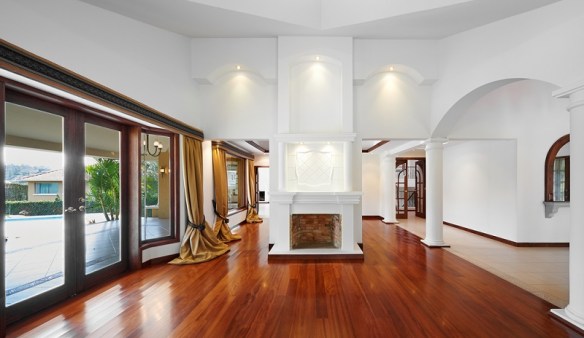
  • Wooden Hardwood floorings inhues of light, medium and dark hues have been the most custom floor design in demand. Modern day homes are generally a blend of traditional furniture with modern amenities. Hardwood wooden floorings generally match up really well with such colonial yet modern era homes. Wooden floorings with the correct hue to compliment the color on the walls help make a home look beautiful and luxurious.

Cost of Hardwood flooring varies from $3 for an unfinished oak to $12 for exotic varieties of wood per square feet.

Advantages – Easy maintenance and cleaning; the Resale value of the home increases

Disadvantage – Costly installation; higher price value of raw materials

  • Carpeting or Carpet flooringsis one of the favorite choices among custom floor designs for most homeowners. Floorings come in a wide variety of hues, textures, and patterns. Homeowners generally opt for end-to-end carpeting or carpet flooring. Carpeting provides a warm and homely feeling to the houses and adds a very welcoming tint to the house.

Advantages – Easy vacuuming; Soundproof

Disadvantages – Not stain free; prone to allergies

  • Ceramic tile flooring is the most convenient and durable choice for homeowners when it comes to custom floor designs. You can choose ceramic tiles flooring when you would want dust free, allergy free and water-resistant flooring. Ceramic flooring comes in glazed as well as matte finish depending on the quality of the ceramic tiles used.

Advantages – Easy Maintenance and durability

Disadvantages – Considerably high price; tiles are easy to crack when misused

  • Marble Flooringsamong custom floor designs offer a luxurious feeling to the homes. You can opt for Marble floorings if you wish to make your home look elegant, vibrant and luxurious. Marble these days comes in wide colors and can emit the natural aura of the house it is installed in.

Advantages – Unmatched beauty and luxury; increases resale value

Disadvantages – High maintenance; prone to cracks; hard to create a set match

  • Bamboo flooringis a very unconventional choice of custom floor design you can opt for. Bamboo flooring can provide a contemporary feel to the homes. It provides a feeling of the colonial era since good quality bamboo is as durable as hardwood

Advantages – Eco-friendly

Disadvantages – may be unsuitable for humid climates; non-resistant to water

Well now that you know what are various forms and varieties of custom floor designs you can opt for, why wait? Quickly rush to your nearest home renovation contractor and get yourself a quotation of the flooring you would love to do for your dream home. Building your own house is a dream and such beautiful and elegant custom floor designs make your dream a bit closer to reality.


Backyard Design Ideas For 2019

Living in a huge Victorian house is a dream of millions of people around the world, especially those who have spent all their lives regretting having been born 150 years too late. But, if you manage to find a cool Victorian house to purchase or rent, you’ll be in a position to turn all your wishes into reality, and all you have to do is maintain this house regularly and keep the high standard. One of the ways to do so is by focusing on the backyard and investing your energy and time into turning it into the best backyard in the world. If you too are planning on doing that sometime in the future, but still lack ideas, here’s what you can do.

Mow the Lawn Regularly

Old Victorian backyards were meticulously maintained and taken care of more than we can imagine today, and that’s exactly what you need to do as well. Mowing your lawn and making sure it’s always in the perfect condition is the first step towards having an amazing Victorian backyard – or any backyard, for that matter.

First, learn how often you have to mow the lawn, then get a decent commercial mower and some professional mowing equipment, and you’ll be ready to turn your lawn into the best one in the entire neighbourhood!

Focus on the Focal Point

This used to be another thing the Victorians were particularly proud of – the focal point. Whether it’s a fountain, a huge tree or a display of colourful flowers, they invested their time in making sure it’s the best focal point they could make.

The benefit of doing that is having something memorable in your backyard that will draw the attention of your visitors and show them just how much you care for your outdoor space. Also, it’s a way to add some class and elegance to your backyard, and turn it into a space you’ll just love spending time in every day of the week.

Build a Deck

Adding a deck to a Victorian house can be rather tricky, and unless you do it right, this feature could easily ruin the entire aesthetic of your home and make it seem inappropriate and ridiculous. But, if you aren’t afraid to think outside the box and invest your time into this project, you could boost the visual appeal of your home and make it more special than ever.

Building a deck may seem easy and rather simple, but it’s actually harder than most people think, which is why you should leave it to professionals. These people know how to pick the right material, where to position your deck, how to make it sturdy and durable, and they’ll teach you how to maintain your deck in the years to come as well. This way, you can be sure your deck will remain the most appealing feature of your home in the future too.

Add Some Paving

Huge Victorian houses come with huge Victorian backyards, and these are sometimes hard to deal with unless you have some help. You can’t walk from one corner to the other without some proper paving, so this is another project you should take into consideration.

Again, this is something you might want to leave to someone who’s a bit more experienced and skilled than you are, so hire a paving expert as soon as you can, and you can be sure they’ll finish the job professionally, efficiently and on time. Once they add some new paving to your backyard, you’ll be able to manoeuvre more easily and discover areas you’ve probably never visited before.

Build a Glasshouse or a Greenhouse

Lots of Victorians loved spending time in the open, and that’s how glasshouses were born – these spaces were somewhere between interior and exterior space, combining the best of both worlds. This is where people would drink their tea, eat their biscuits and talk with their friends, all while enjoying the afternoon sun.

Another idea you could explore is a greenhouse – this structure is primarily connected to gardening and planting various flowers, vegetables and plants, and it’s a hobby the Victorians loved. They would come here to take their minds off everyday troubles and focus on their own well-being, and that’s something you can do as well. Building a greenhouse shouldn’t be too hard as long as you have a proper plan and know what you’re doing, so explore this idea and enjoy your new hobby in your old Victorian backyard.

Turning your Victorian backyard into a special space you’re going to love and enjoy every day of the week isn’t as difficult as it may seem. In the end, all you have to do is give it some love and attention, making the most of this outdoor area and being able to spend as much time there as you can.