Living Green: Rechargeable Batteries
Reply

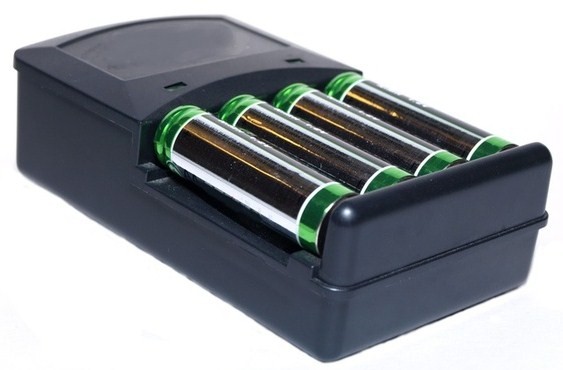 Rechargeable batteries are the ideal way to power most household items. But for flashlights and smoke detectors, some experts recommend single-use batteries because most can sit idle longer. They’re also fine for clocks and remote controls, which use little power. No local battery recycling program? Look for batteries without harmful metals!
 If you have hungry squirrels in your area this time of year, you can treat them to a nourishing cold winter snack. First, help your child use a butter knife to coat the outside of a dried corn (available to gardening and pet supply stores) with peanut butter then roll it into bird seed until it is well coated. Set the treat outside attached to a log or to a tree the squirrels are seen in. Then watch the little guys go crazy once they have discovered their new found treasure.
 1 Put ordinary white candles to use for more than romantic dinner lighting. Rub them on bathroom grout to shield against mold and mildew.
2 Take an Alka-Seltzer tablet from your medicine cabinet and drop it in your toilet bowl for a quick, fizzy clean.
3 Icky buildup on the face of your iron? Lay out a piece of aluminum foil, and iron it. The buildup will stick to the foil. You can also use foil to dispose of cooking grease.
4 Line a cup with foil and pour in the grease. Once the grease has solidified, seal it in the foil and throw the package away.
5 Tackle spilled food in the oven right away by pouring table salt over it. The salt will form a crust that makes the food easy to wipe up. It also reduces the burning smell.
 Before Winter Storms and Extreme Cold
 Fragrant wreaths of lavender, eucalpytus, summer savory, and thyme disappear from our stand at the Saturday Farmers Market almost as quickly as we can make them. And when we are surrounded by crowds and our adrenaline is up, that’s darn fast—less than five minutes per wreath. What many of our customers really covet, however, is the neat little gizmo we use to make them. “Boy, could I use one of those,” said one gardener, with undisguised envy. “At the end of the season, I have all these herbs that need to be pruned, and it just kills me to toss them. With this, I could make wreaths for all my friends.”
We are an organic herb and flower grower and we understand that point of view. A desire not to let any harvest go to waste is what led us to design this tool, which is a simplified version of a commercial jig. So we are sharing instructions for making one, as well as providing suggestions for how to use the jig to create simple wreaths from end-of-the-season garden clippings.
Our jig, which is nothing more than a ring of evenly spaced dowels secured in a plywood base, frees our hands. The dowels hold the herb cuttings in place as we assemble them, then guide the twine when we are ready to bundle the lot together into a wreath. The directions are for a jig to make a wreath that is 10 inches in diameter. Our most popular size, but you can make a larger or smaller jig. Enjoy your wreath while the herbs retain their savor and color. Then toss it into the compost and make another.
How to make a wreath jig
 You can make your own jig following the directions below.
TIME: 1/2 hours to make, plus several hours to dry
COST: $10 to $15
MATERIALS
•Two squares of 3/4-inch-thick plywood a few inches larger than the desired diameter of your wreath. For example, cut two 13-inch squares for a 10-inch wreath.
•Compass, pencil, drill with 1/2-inch bit, wood glue, clamps, mallet
•A dozen 1/2-inch-thick hardwood dowels, cut to 4 3/4-inch lengths
DIRECTIONS
1. Using the compass, draw a 10-inch circle in the center of one plywood square.
2. To place dowels, mark 12 equally spaced spots around the circle.
3. At each mark, drill a 1/2-inch-wide hole completely through the plywood.
4. Coat one side of the second plywood square with a generous amount of glue. Affix the first square on top. Use clamps to hold the two squares together while the glue dries (or weight them with heavy books).
5. Drip glue inside each dowel hole and pound dowels into place with a mallet.
Wipe off any excess glue. Allow glue to dry thoroughly—for at least several hours—before using the jig.
How to make a wreath
 1. Use plants with sturdy but still pliable stems for your bottom layer. We favor baby blue eucalyptus rosemary, curly willow, cedar, and pine. One stem at a time, place the cuttings inside the dowel circle. Start with stem ends, tucking them under foliage. Alternate starting points on opposite sides of the jig. That way the wreath stays balanced.
2. Pile on herbs with a light texture— lavender, savory, thyme, and scented geraniums (whatever needs pruning). Save the most fragrant clippings (such as rosemary, right) and those with blossoms for the top layer.
3. Cut a 5-foot piece of twine (about two arm’s lengths). Starting at any point, tie the twine around all layers of the wreath. Hide the knot on the inside of the wreath; don’t trim the ends yet. Working from the inside out, loop the twine around the wreath, using the dowels to help guide the twine. Pull the twine taut with each wrap.
4. Tie the end of the twine to your original knot. Clip twine ends.
 Country & Victorian Times