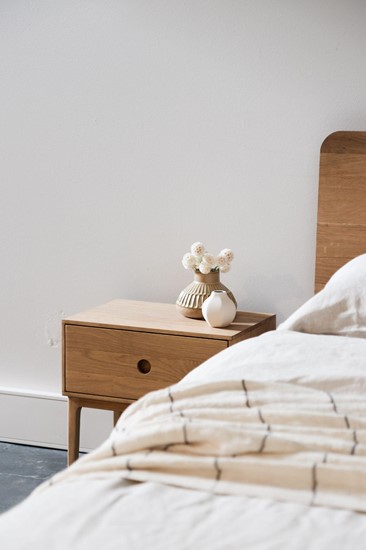
Incorporating Cottagecore Elements Into Any Home

https://unsplash.com/photos/NqeB4q6KOFg

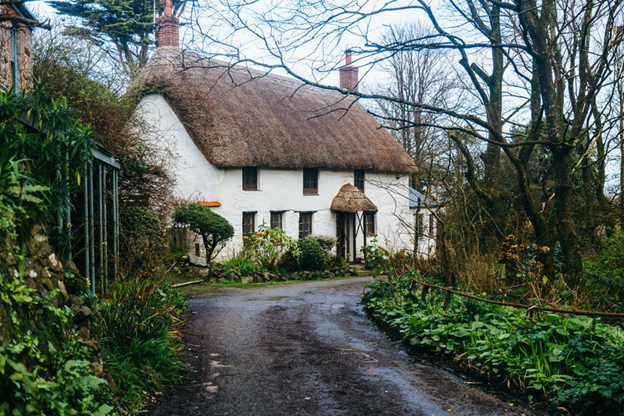
Cottagecore is a popular trend that has gained popularity across all social media platforms. As a style of interior design, cottagecore blends traditional country-style aesthetics with coziness and practicality.

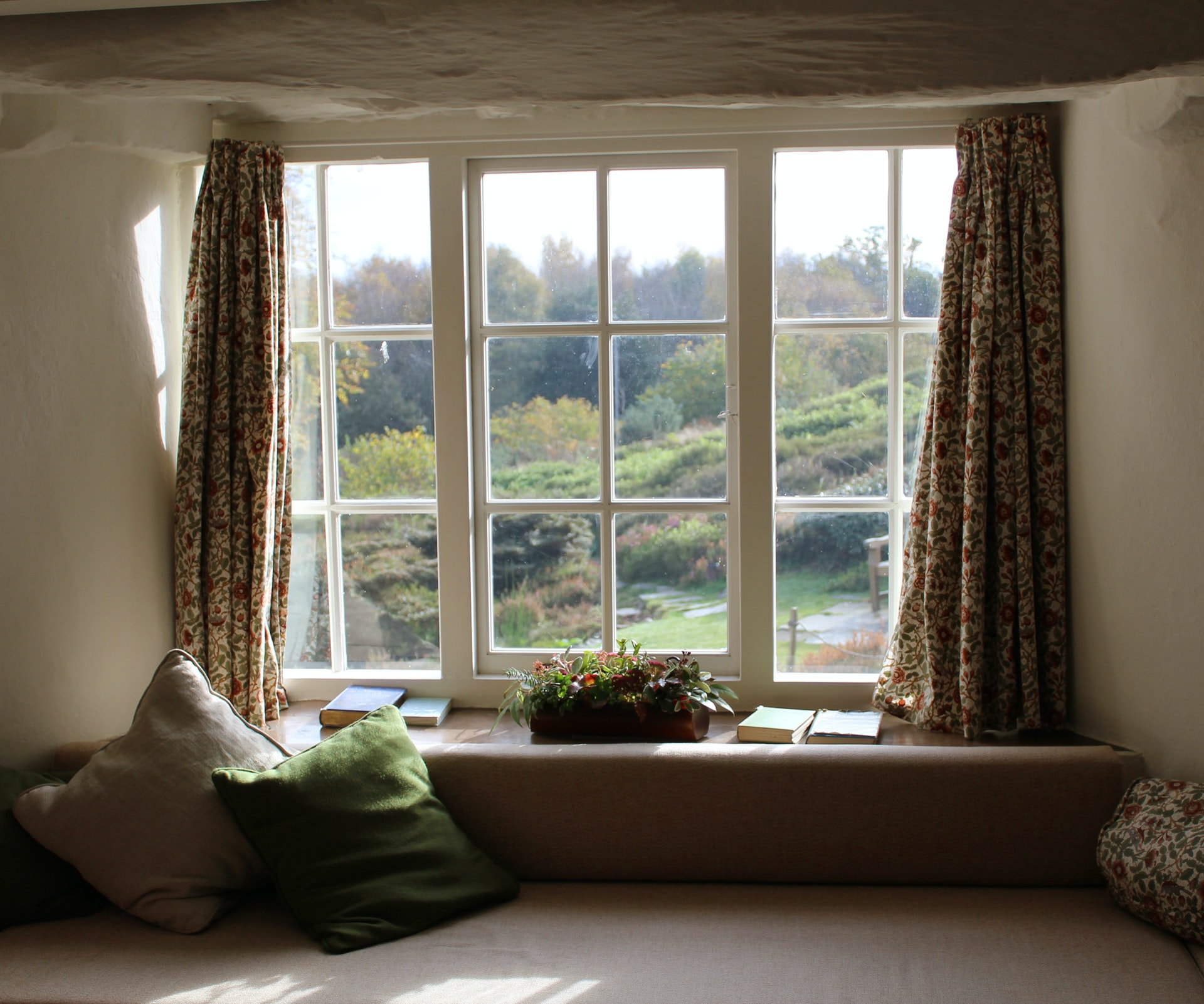
However, cottagecore also weaves a hint of enchantment into its aesthetic. You can almost imagine a fairy settling down on the windowsill in a cottagecore home, and cottagecore designers make great use of the natural world to create a hobbity style in contemporary homes.

Even though most of us don’t live in a hobbit-hole or countryside cottage, that doesn’t mean you have to abandon your aspirations to create a cottagecore home — you just have to get a little creative. So, here’s a guide to help you incorporate cottagecore elements into any home.

Finding Inspiration

Transforming a home from sleek modern design to cozy cottagecore takes time and effort. Fortunately, you won’t be without inspiration on your journey to convert your home into the cottage of your dreams — even if your cottage is really an apartment in a large urban city.

You can find inspiration for cottagecore through social media pages like thehouseofcottagecore and Rachel Maksy. These pages will give you inspiration and often highlight other cottagecore influencers so you can take a deeper dive into the aesthetic. You can also find practical tips to help you do some cottagecore DIY on a budget and cover up elements of your home that don’t align with the cottagecore style.

It is worth remembering that cottagecore is more than a trend on social media. Inspiration for cottagacore can be found in the real world by visiting places like Monk’s House in the south of England or the Dyckman House on Manhattan Island. Visiting historical houses can help you notice little interior design choices and may help you spot vintage appliances that suit your dream style.

Vintage Appliances

Cottagecore exists at an imaginary juncture between traditional and modern life. This means that ultra-modern appliances like stainless-steel fridges and microwaves will likely stick out and look a little odd when juxtaposed with handwoven baskets and vintage tea sets.

The next time you go thrifting, try to look for vintage appliances that compliment your current style. You’d be surprised by how easy it is to fix or renovate old appliances, as most folks throw away outdated appliances even if they’re in perfect working condition.

You can even help old appliances like fridges last longer by treating them with some TLC. Avoid overburdening older appliances, and treat them with the same care that you show to interior decore. If you do use older appliances, just be sure to check your energy usage, as old appliances may demand massive amounts of energy compared to newer models. This will help ensure you live a sustainable, vintage-inspired life that is good for your soul and the planet.

Making Use of Space

The cottagecore influencers you see on social media usually have plenty of space and financial resources to achieve their dream aesthetic. However, it’s entirely possible to incorporate cottagecore elements into your home, even if you’re living in a small rental apartment.

Start making space for cottagecore elements by reassessing your use of storage space. Most folks make poor use of closets and cabinets, and could easily cut down on clutter by utilizing space-saving hacks like track shelves, compression bags, and over-the-door organizers. This will make it easier to reclaim space in your home for cottagecore elements.

It’s worth bearing in mind that cottagecore suits smaller spaces. You’re going for a “cozy” aesthetic, so filling a space with knick-knacks and cushions is perfectly acceptable. If you’re on a budget, you can still lean into cottagecore elements by handmaking your own statement pieces. You might, for example, follow simple crochet patterns to make your own throws and pillows.

DIY and Staging

One of the joys of cottagecore is that it is seldom perfect. Unlike other modern interior design styles like Scandinavian and mid-century design, cottagecore elements can be made with your own two hands and thrive off the character inherent in dropped stitches and frayed rugs.

When creating a cottagecore aesthetic, remember that staging is just as important as the actual furnishing you have in your home. Start with a simple space like your living room. When someone walks in, what kind of scene should they find? Perhaps you’ll stage the area by storing a ball of yarn in a wicker basket beside your armchair. Maybe you’ll leave flower cuttings to dry beside the windowsill. The idea is to create a space that makes use of your DIY both for practicality and for impromptu stylizing.  

Conclusion

Cottagecore is all about making the most of what you already have. But, if you do need to add some statement pieces, consider heading to the local thrift store and picking vintage goods that suit a dreamy cottage vibe. Once you’ve gathered your cottagecore decore, try your hand at staging, and make use of DIY’d materials to invoke a cozy, enchanting feel.

How To Maximize The Natural Light In Your Home

Sunlight can make you feel happier and increase your vitamin D intake. Plus, it creates a welcoming atmosphere for guests. Getting enough natural light can be tricky with fewer windows or open spaces, though – so here are a few ideas to bring in more natural light.f

1. Paint With Light Colors

Colors either absorb or reflect light. So, use hues such as white, gray, or tan to lighten up the room. Remember: you can add pops of color through throw pillows, artwork, or rugs. Also, add these colors to your ceiling to make the space feel taller.

In addition, consider the type of paint. For example, use shinier ones like satin or semi-gloss. This can reflect light while adding a sense of personality.

2. Hang Mirrors

Mirrors reflect sunlight while making the space feel larger. This is especially useful for people who live in apartments. Plus, with more natural light bouncing around the walls, the room can feel more relaxing. It might even increase energy levels and reduce feelings of depression.

Also, use other reflective materials in your design. This can include things like glass furniture and metallic lighting or faucets.

3. Enlarge Windows and Doors

If you want to update your windows or doors, this tip fits perfectly. Having larger windows and doors lets in more light and makes a space feel welcoming. It can give off an open and airy vibe.

Look for casements with minimal framework. Picture, bow, or bay windows work best. Plus, larger windows increase ventilation and improve indoor air quality. For your doors, upgrade to a patio or garden-style one.

4. Add Glass Blocks to Your Walls

This is a distinctive design idea that adds character to your home. The glass will reflect light and give you a brighter space. These work well in high-traffic areas, such as kitchens or living rooms.

Another good place for glass is in your basement, which may not have many windows. You can choose from different textures and colors to fit your design style.

5. Keep Up With Window Maintenance

This is a simple task that ensures dirt build-up isn’t blocking light. Rinse your windows with water and dish soap using a microfiber cloth. If you have higher casements, use a sponge mop on a pole. Make sure to spray down the outside of the window with a hose.

Also, while outdoors, trim back your trees so light can shine through on a sunny day. In addition, plant some low-growing perennials to increase curb appeal.

6. Use Lighter Window Treatments

Your heavier drapes may be good for winter. However, lighter materials can let in more sun as the weather warms. Look for sheer curtains in a single panel. Blinds are another excellent option that allows you to control the amount of light.

Solar screens are also perfect for softening sunlight. These can also protect your furniture and carpets from harmful UV radiation.

7. Add Skylights

Skylights can bring in natural light and are an excellent project to add to a home renovation. They are available in various sizes and layouts. Skylights work well in kitchens or bathrooms, which require ample lighting. Plus, they give you a nice view of the sky.

Be sure to hire a professional to install these. Since it cuts into your roof, improper installation could lead to leaks. Once installed, you can enjoy natural light and reduce your electricity bills.

8. Use Reflective Materials for Your Backsplash

Backsplashes are a staple in modern kitchens. If you’re looking to make an update, consider using reflective materials like glass. They give your space a sleek appearance and allow for plenty of natural light.

Consider using recycled glass tiles, too, which are better for the environment. Plus, they are more stain- and mold-resistant, so your kitchen can stay clean. Metal backsplashes, such as stainless steel, are also common. These are durable and easy to maintain.

9. Paint Your Eaves White

The overhangs from your roof can impact how much light is reflected inside. So, painting them white increases their reflective properties. The project doesn’t require major renovations and is a cost-effective solution. Just have someone watch the ladder when you’re working.

Even if you have a differently colored exterior, still consider this project. You usually can’t see the eaves much from the outside, so it won’t impact your curb appeal.

10. Be Smart About Furniture Colors and Layout

If you don’t have many windows, or just have smaller ones, find ways to maximize your existing light. For example, play with the furniture layout. Turn couches towards the windows to reflect light around the rest of the room.

You can also place chairs and shelves in a way that complements the windows rather than blocks them. Then, try to explore lighter colors throughout the decor, including white and shades of gray.

Make Your Home Brighter

Home remodeling and rearranging are great ways to increase a room’s functionality and design. Adding more natural light is a beneficial upgrade for your well-being, so follow these tips to brighten up your space today.

Author

 Evelyn Long is a Baltimore-based writer and the editor-in-chief of Renovated. She publishes home decor advice and product roundups for readers in spaces both big and small.

When To Modernize A Historic Home’s Interior

Older homes represent our past and have beautiful architectural features. However, outdated systems can waste energy and make the home uncomfortable to spend time in. So, when should you consider adding modern updates? Here are a few signs to pay attention to.

1. The Fixtures Are Outdated

Keeping the character and integrity of high-traffic areas intact – such as living rooms – is essential. This can mean keeping the original layout and furniture. Holding onto vintage tables and chairs gives your room a unique focal point.

However, you can spruce it up with modern fixtures, like new lighting and artwork. When upgrading lighting, consider layering. This design technique layers ambient, task, and accent lighting to create the perfect mood for different functions.

2. The Layout Isn’t Functional

The open-floor concept has become popular in many modern homes. Of course, this trend may not be as prevalent in historic homes. Builders back in the day often enclosed spaces to allow for more privacy and segmentation between rooms. Additionally, the extra interior doors made it easier to trap warmth within the room.

Today, an open floorplan allows families to maneuver around more easily. It’s also useful for parents to monitor their kids while cooking meals or entertainers to host fun social events. If you enjoy spending a lot of time at home, you might be interested in knocking down some dividers and creating a more open space.

Changing a home’s layout is a more complex renovation and requires more expert involvement. Just check with local historic preservation committees before making any changes, and make sure the contractors you work with carefully review your home’s structure to find the best places to safely open up a space.

3. It Doesn’t Have Enough Storage

Storage space is critical for the modern homeowner. You need room for all your clothes, kids’ toys, blankets, and electronics. Historic homes may have limited storage and smaller-sized cabinets, so adding shelves to unused wall space can help.

Also, use decorative baskets in bathrooms to hold toiletries. You can also place clear baskets or bins underneath your bed to keep off-season clothing in. Get drawer inserts and turntables to organize your cooking supplies for the kitchen.

4. There’s Not Enough Natural Light Coming Through

Some historic homes have smaller or fewer windows. This can make the space feel darker and dreary. However, increasing natural light can make you feel happier and is good for your body.

One way to do this is by enlarging the windows. Or, if you have enough money in the budget, install skylights. These allow plenty of light and provide a nice view on starry nights. Other strategies include hanging mirrors, using lighter colors, and decorating with reflective materials. You can also upgrade to doors with larger casements or sliding glass panels.

5. The Flooring Needs Upgrades

Original flooring like hardwood can look nice. However, sometimes it can start to warp or crack, in which case you’ll want to replace the flooring as soon as you can.

Suppose it just needs a little work done cosmetically, but not structurally? If that’s the case, you may be able to save the original material and just give it a new finish. For example, you could bleach or stain it to create a modern appearance. You can add other contemporary elements like colorful rugs for extra comfort.

6. The Plumbing or Electrical Is Outdated

Plumbing and electrical systems are often not current in historic homes. This can lead to wasting energy and may create an unsafe environment. Faulty wiring is a fire risk and can increase the harmful effects of power surges. In fact, home electrical fires account for an estimated 51,000 fires every year.

Updating these systems is an essential beginning step. If you don’t, you may have trouble passing building inspections down the line. This will make it harder to sell your home.

7. There Isn’t Enough Insulation

Many older homes don’t have the proper type or amount of insulation. This causes drafts in the winter, leading homeowners to overuse their heaters. This draw on the power grid contributes unnecessarily to climate change. Plus, it also raises the cost of utility bills.

Proper insulation keeps heat inside during the winter and releases it in the summer, thereby creating a more consistent temperature. You want to insulate the basement, crawl spaces, and walls. Remember to get under the floorboards, which tend to have larger gaps.

8. The Window Treatments Are Worn Down

Wooden sash windows are a staple in older homes. However, some can become rotten or dirty over time. This can decrease their visual appeal and even lead to mold growth. So, replace these with double-paned hardwood versions. They can emulate the look but increase energy efficiency and durability.

Also, add some lighter sheer curtains during summer to provide more natural light. Replace darker-colored drapes with whites to make the room feel airy and larger. Linen, blackout, and velvet curtains are also popular options. You can even spruce it up and find ones with patterns, like florals.

How to Upgrade a Historic Home

Historical homes have rich characters and distinctive elements. Features like staircases, fireplaces, and crown molding can make your home more unique. However, modern upgrades can increase your space’s functionality and aesthetic appeal. Consider these ideas for modernizing your house without compromising what makes it unique.

Author

 Evelyn Long is a Baltimore-based writer and the editor-in-chief of Renovated. She publishes home decor advice and product roundups for readers in spaces both big and small.

How To Set Your Room According To Your Personality

https://unsplash.com/photos/nEtpvJjnPVo

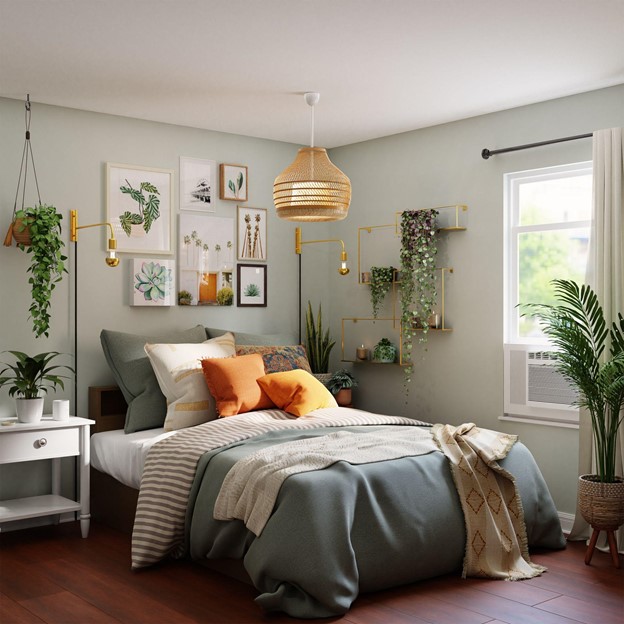
Your bedroom should be a reflection of you—your personal tastes, your favorite colors, and the moments that have mattered most. It should also be a comfortable sanctuary designed to promote rest and relaxation after a long day. But of course, a soothing space looks different for everyone. By choosing decor and following design techniques that fit in with your own unique personality, you’ll be sure to create a bedroom that will always feel like yours.

Find out how to style a bedroom that’s unique, stylish, and totally you.

Choose a Color Scheme That Represents You

https://unsplash.com/photos/vOa-PSimwg4

Color scheme is probably the easiest way to design a space according to your personality, and it’s essential to tie your design together.

Consider the mood you want to create in your room—do you want it to reflect your boldness and big personality, or would prefer a room that mirrors how bright and cheerful you are? If you’re the former, don’t be afraid to play around with big patterns and bold colors—an accent wall behind your bed frame would be a great place to add a patterned wallpaper. If you’d like your space to be more zen, consider using a calming color palette and adding in a soft blanket in a warm neutral tone for a soothing space that’s completely your own.

 Create Vignettes that Show Off Your Style

https://unsplash.com/photos/v4bCFqVM9Gs

You can also show off your personality in your space by creating vignettes, or groupings of decor items, to showcase what matters most to you in your room.

If you’re a more natural, earthy person, consider building a small vignette on top of your dresser with a bowl for your favorite jewelry, a collection of gemstones, and a small vase for your favorite florals and blooms. If you love the look of modern, avante-garde spaces, consider adding a stack of unique decorative books, a plant, and clock to your favorite shelf to add dimension and interest to your space.

Switch up Your Bedding

https://unsplash.com/photos/Sh22mtTd2GA

If you want to decorate your room with your unique style but aren’t sure where to start, you can change your bedding to give your room a complete refresh without spending too much time in the home decor aisle.

If you’re spontaneous and cheerful and want your space to match, consider a bright yellow bedding to add a bit of your sunny disposition into your room, you could also consider adding personalized or customized items. If you consider yourself to be more serious and self-confident, consider a deep navy or patterned onyx bedding set to match your sure-footed style.

 Make It Functional

https://unsplash.com/photos/HD7QBx2Yfa4

Comfort is essential—after all, you’ll spend a lot of time in your room!

One of the easiest ways to make sure your bedroom is functional while still being decorated in your unique style is to make sure you can move. It can be tempting to fill up your space with all of your favorite things– but you’ll want to avoid making it too cluttered. After all, who wants to be tripping over their bookshelf or squeezing past a bronze coat rack to get in bed? Consider adding in storage under your bed or adding in a dresser with lots of drawers to hold your things if you’re feeling low on space.

 A Space That’s Just for You

https://unsplash.com/photos/RnAo-ha4bpM

However you choose to decorate, make sure you’re choosing pieces that speak to you. Layer texture and dimension in a way that you like—after all, it’s your space!

Your room will reflect your personality if it’s filled with the things you love the most. Have faith in the little things, and your space will come together as a comfy sanctuary that is a perfect reflection of who you are.

5 Common Hot Water Heater Problems

https://www.pexels.com/photo/water-flows-from-the-tap-to-sink-6256/

While it isn’t something you may think about on a daily basis, a hot water heater is one of the most valuable appliances in your home, as it supplies your taps and appliances with hot water every single day. However, if you ignore even the small problems with your water heater, you’ll not only end up with freezing cold water but also with expensive cleanup and repair work. By becoming familiar with these hot water heater issues, you’ll be more competent to adequately identify them and take proper actions to solve them. Here are a few of the most common hot water heater problems to help you know what you should do to get them repaired and to get your hot water back.

Not enough hot water

When the water from your tank takes longer than usual to heat up or when no hot water is showing up at all, then there’s certainly a problem, possibly related to your heat source. For electric water heaters, the heating parts could have failed or their electrical connection could have been damaged. When it comes to gas water heaters, the issue may be related to a bad pilot light or malfunctioning gas connection. In case your pilot light is lit but the gas doesn’t flare up, that could be caused by your burner as a whole, which might be in need of repairing. However, if you have a newer heater that has an electronic ignition system, you should examine your breaker box to determine if the circuit of your water heater has been broken. In that case, you should reset it and you’ll be free of problems when it comes to getting your heater to ignite once more.

Leaking water heater

When noticing a decline in the water temperature, there’s a high chance that there may be a leak in your water heater. That’s why it’s essential you discover the origin and cause of the leak in order to fix it. There are several primary causes of leaks such as their age, low maintenance, the tank’s pressure, bad plumbing installation, and loose drain valve, to name a few. A leak can be very evident from pools of water near the appliance, which could be dripping from the unit or from the pipes connected to it. Don’t underestimate the danger of a leaking water heater, as it can lead to a flood. For example, when looking for professionals to help you in Australia, in particular in the outskirts of Sydney, don’t hesitate to search for experts for hot water maintenance in Wollongong to help you with an emergency repair. 

Smelly and dirty water

Water that’s smelly and dirty might indicate there’s some contamination in the water tank. A solution to this problem may be to flush the tank once or twice a year to manage a healthy water heater. On the other hand, if the water has a cloudy color or is dirty, then the most likely cause would be a build-up of sedimentation and mineralization inside the tank. Any build-up inside the tank can reduce its efficiency, so asking a professional would be the best solution. 

Strange noise coming from the water tank

Hearing unusual noises coming from the water tank can be an indicator of different potential issues, and identifying a specific problem may be challenging to do alone. When it comes to gas water heaters, noises like popping, hissing, and banging can either be a clue that the heating elements of the tank are burning sediment on the inside or it can be that the parts themselves are burning out and need to be replaced. In this case, it’s highly suggested to flush the tank.

Damaged gas control or burner assembly

Another common problem with hot water heaters is a damaged gas control or burner. If the burner is dirty or out of function, a water heater cannot operate adequately. In order to solve this problem, you should replace the damaged gas control or burner assembly, which is also known as a thermocouple. If you want to replace the thermocouple on your own, then you first have to turn off the gas and the water to make sure it wouldn’t lead to further damage.

Hopefully, this article has given you some insight into the most common hot water heater problems to help you know what to do and get your water heater to its best condition.