Making A Herb & Floral Wreath For Any Occasion

Fragrant wreaths of lavender, eucalpytus, summer savory, and thyme disappear from our stand at the Saturday Farmers Market  almost as quickly as we can make them. And when we are surrounded by crowds and our adrenaline is up, that’s darn fast—less than five minutes per wreath. What many of our customers really covet, however, is the neat little gizmo we use to make them. “Boy, could I use one of those,” said one gardener, with undis­guised envy. “At the end of the season, I have all these herbs that need to be pruned, and it just kills me to toss them. With this, I could make wreaths for all my friends.”

We are an organic herb and flower grower and we understand that point of view. A desire not to let any harvest go to waste is what led us to design this tool, which is a simplified version of a commercial jig. So we are shar­ing instructions for making one, as well as providing suggestions for how to use the jig to create simple wreaths from end-of-the-season garden clippings.

Our jig, which is nothing more than a ring of evenly spaced dowels se­cured in a plywood base, frees our hands. The dowels hold the herb cuttings in place as we assemble them, then guide the twine when we are ready to bundle the lot together into a wreath. The directions are for a jig to make a wreath that is 10 inches in di­ameter. Our most popular size, but you can make a larger or smaller jig. Enjoy your wreath while the herbs re­tain their savor and color. Then toss it into the compost and make another.

How to make a wreath jig
You can make your own jig following the directions below.
TIME: 1/2 hours to make, plus several hours to dry
COST: $10 to $15
MATERIALS
•Two squares of 3/4-inch-thick plywood a few inches larger than the desired diam­eter of your wreath. For example, cut two 13-inch squares for a 10-inch wreath.

•Compass, pencil, drill with 1/2-inch bit, wood glue, clamps, mallet

•A dozen 1/2-inch-thick hardwood dow­els, cut to 4 3/4-inch lengths

DIRECTIONS
1.  Using the compass, draw a 10-inch circle in the center of one plywood square.
2. To place dowels, mark 12 equally spaced spots around the circle.
3. At each mark, drill a 1/2-inch-wide hole completely through the plywood.
4. Coat one side of the second plywood square with a generous amount of glue. Affix the first square on top. Use clamps to hold the two squares together while the glue dries (or weight them with heavy books).
5. Drip glue inside each dowel hole and pound dowels into place with a mallet.
Wipe off any excess glue. Allow glue to dry thoroughly—for at least several hours—before using the jig.

How to make a wreath
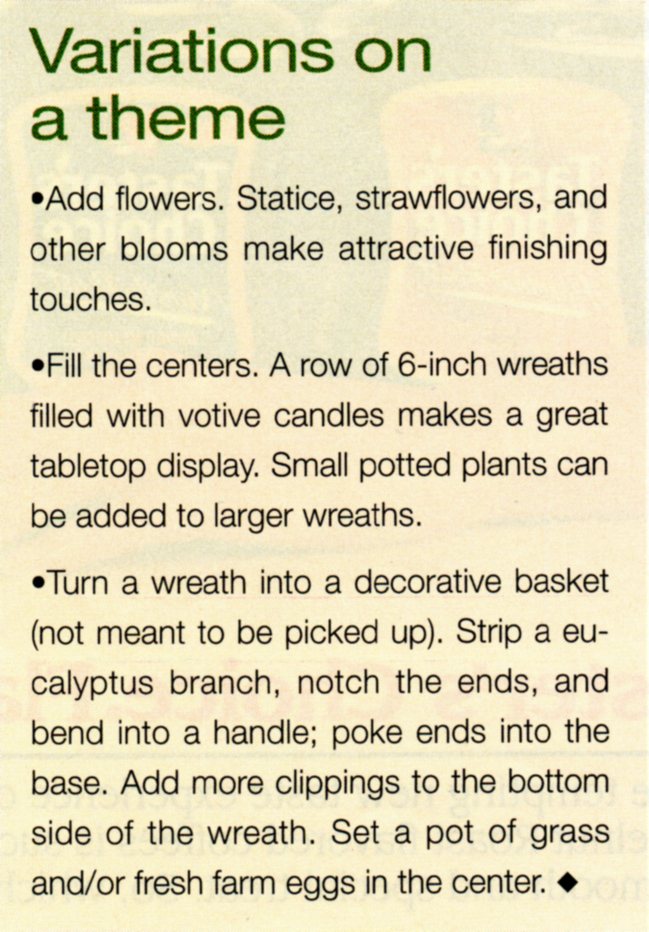
1.  Use plants with sturdy but still pli­able stems for  your bottom layer. We favor baby blue eucalyptus rosemary, curly willow, cedar, and pine. One stem at a time, place the cuttings inside the dowel cir­cle. Start with stem ends, tucking them under foliage. Alternate starting points on opposite sides of the jig. That way the wreath stays balanced.
2.  Pile on herbs with a light texture— lavender, savory, thyme, and scented geraniums (whatever needs pruning). Save the most fragrant clippings (such as rosemary, right) and those with blossoms for the top layer.
3.  Cut a 5-foot piece of twine (about two  arm’s  lengths).  Starting  at  any point, tie the twine around all layers of the wreath. Hide the knot on the inside of the wreath; don’t trim the ends yet. Working from the inside out, loop the twine around the wreath, using the dowels to help guide the twine. Pull the twine taut with each wrap.
4. Tie the end of the twine to your orig­inal knot. Clip twine ends.

Where To Find A Notary Public

Now you know you need a notary, where should go? Notary publics are not free but what they can charge is limited by state law, usually a few dollars. That means the best option is the one that is easiest and most convenient, since price isn’t a differentiator (in Maryland, it’s $2 per notarial act).
Your Company

The cost of having someone certified to be a notary public is usually very small (in Maryland, you are certified for four years and it costs $20), so administrative assistants in many companies will be notaries. When I bought my house, I used a company notary to notarize the document. It’s, by far, the most convenient way to have a document notarized because you’re already at the office.

Your Bank

In the case of financial documents, banks often have notaries to notarize financial documents. If they are not financial documents, chances are your bank will refuse on the basis that their insurance doesn’t cover it (which makes sense). When I was looking for a notary, I tried calling my local Bank of America branch and they refused because it wasn’t a financial document.
UPS Store

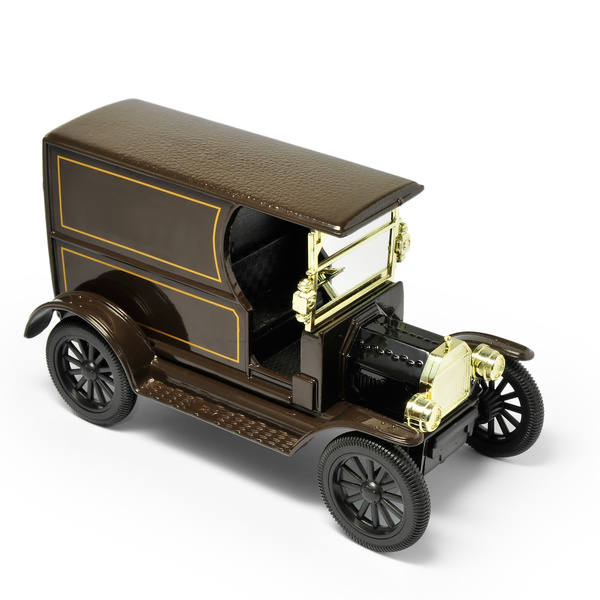
This is probably the easiest way to get a document notarized because almost every UPS Store owner is a notary. To confirm, go to UPS Store’s store locator to find a store near you, and call to double check the listing is correct. The listing will show you the Products & Services they offer and Notary Services is usually listed under “Additional Products and Services” (the last section, in the third column), but double check to save yourself a trip. Also, find out when the notary will be there because they might have out sick or have stepped out.
Yourself

Actually, you can’t notarize documents on your behalf. I added this because with the low cost of certification, you might be tempted to become a notary public. At least in Maryland, it’s explicitly stated that “Notaries should refrain from performing any official acts for members of their immediate family or any acts where the notary is personally involved or may benefit from the outcome of the document.” It’s a simple conflict of interest issue.

So the next time you need a notary public, check to see if someone in your company is a notary. If not, head over to a UPS store. I wouldn’t bother searching the web or doing anything else to find a notary because it’ll only cause you headaches. My first reaction was to hit up Google and I emailed three or four local notary publics, none of them replied. I walked into the UPS store and was done in five minutes.

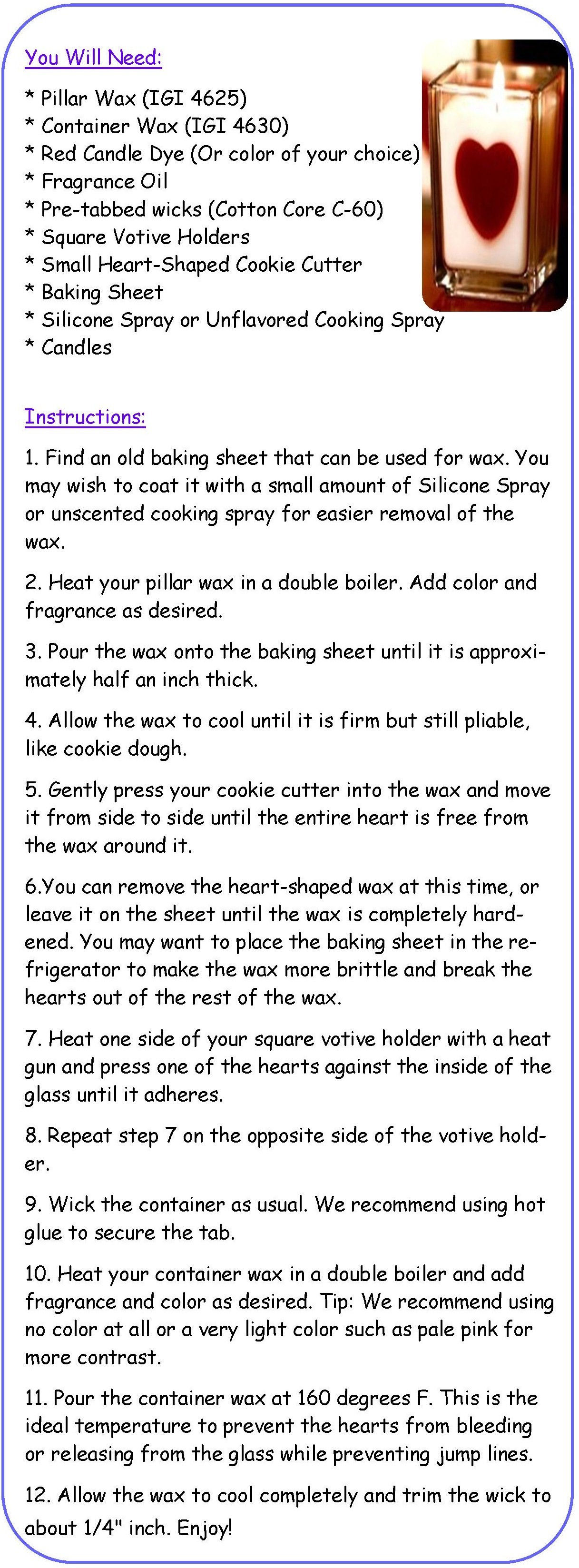
Heart Embedded Candle

Important Antique Questions

How old does an item have to be to be an antique?

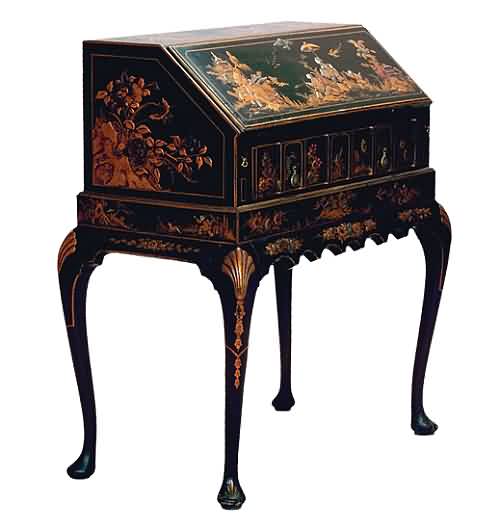
There is a great debate about how old an item has to be to be considered an antique. The standard is 100 or more years. There are some antique dealers out there that like to say 50 years. This is so they can sell more items as antiques and charge higher values.

Is my item valuable because it is an antique?

Just because the item is an antique does not mean it has a high value. Age is one of the many factors in determining an antique value. Here is a short list of factors that make an antique valuable:

  • The age of the antique
  • The condition of the antique
  • Rarity of the antique
  • Market demand for the antique
  • Maker of the antique
  • Quality of the antique

How can I tell if my antique is real?

Trying to determine the authenticity of an antique can be very hard. Most popular antiques went into reproduction as soon as they hit the market.  Even if the item is from the correct time period it can still be a reproduction. Most of the time the term period piece is used to represent this. Research is one of the best tools you can use to determine the authenticity of an antique. If you have any uncertainty about the authenticity of an antique I would suggest finding a specialist in that field to help.

How does the condition of an item affect its value?

There are many answers to this question. Damage can have a dramatic effect on the value of an antique. If an antique is very rare, minor damage is going to have less of an effect on the value than if the same damage was on a mass produced antique that can be found rather easily. With common antiques minor damage usually has about a 25-50% effect on the value.

Where do appraisers get there information for an appraisal?

We get our information from many sources. Here are some of the resources we use:

  • Comparable sales over the last 5 years
  • Past auctions
  • Antique retail dealers
  • eBay
  • Antique trade magazines
  • A network of appraisers and specialist

Should I clean my antique?

Cleaning an antique can cause damage. This damage may not be seen right away. Before cleaning an antique make sure you research the best method you should use to clean your antique. The recommended way to do this is to have your antique cleaned professionally or to ask a specialist. Many cleaners today can have harsh affects on antiques. Dusting your antiques and general cleaning will help protect your antique items and their values.

What is the best way to sell my antique collection?

The answer to this question varies a lot depending on the situation of the sale. When selling antiques you have many options. Depending on your situation and the amount of work you want to do will determine what your best option is. Here is a list of places to sell your antiques:

  • Auction houses
  • eBay
  • Consignment with an antique store
  • Private sale
  • Newspaper or online ad service such as craigslist


When collecting antiques your best tool is knowledge. Doing some research can save you time and money.